
What's the Difference Between LPN and RN? Complete 2026 October Comparison Guide
What's the difference between LPN and RN? 🎯 Compare education, salary, scope of practice, and career paths to choose the right nursing role.
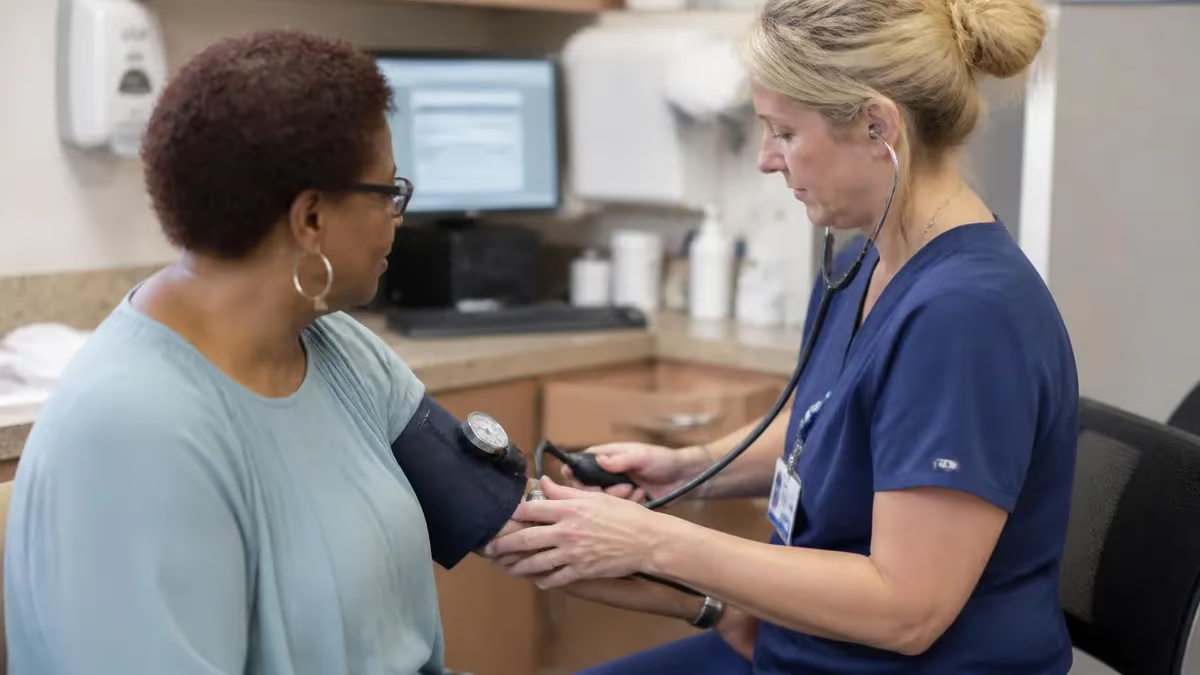
Understanding what's the difference between LPN and RN is one of the most important decisions aspiring nurses face. Both roles are essential pillars of the American healthcare system, yet they differ significantly in education requirements, clinical responsibilities, earning potential, and long-term career flexibility. Whether you are considering entering the nursing field for the first time or weighing a bridge program to advance your credentials, knowing exactly how these two licenses compare will help you make a confident, well-informed choice that aligns with your goals and timeline.
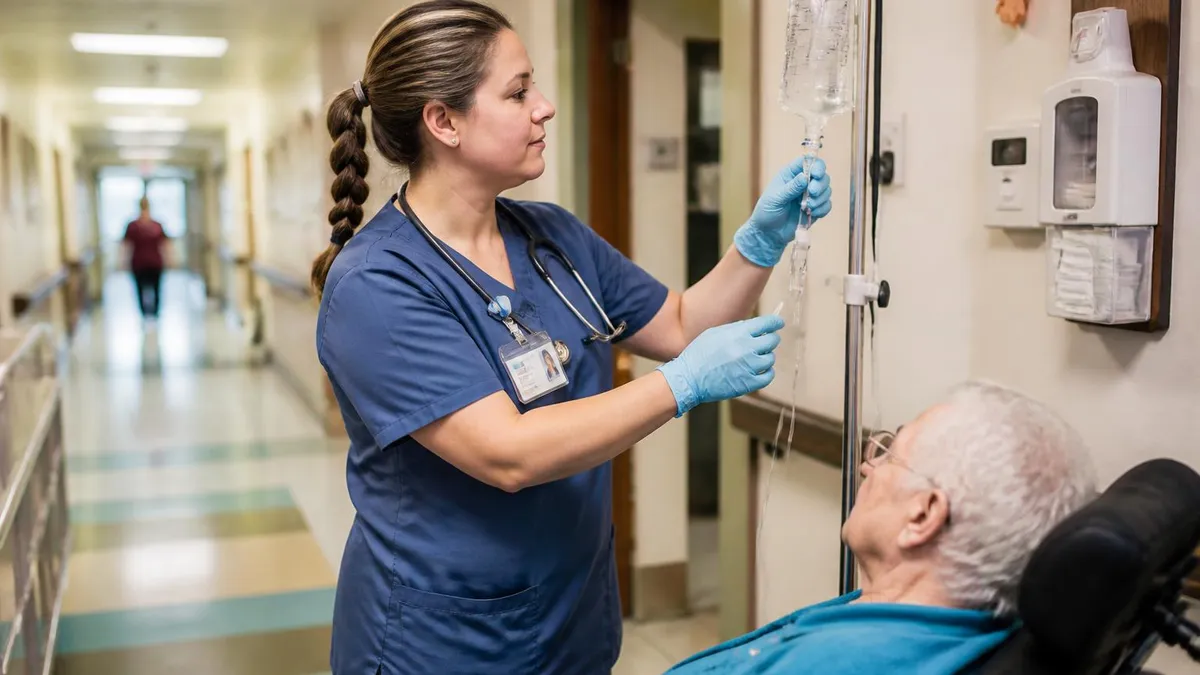
Licensed Practical Nurses, commonly called LPNs, complete a focused vocational or certificate program that typically takes about 12 to 18 months. After graduation, candidates must pass the NCLEX-PN licensing exam administered by the National Council of State Boards of Nursing. LPNs deliver direct, hands-on patient care under the supervision of Registered Nurses or physicians. Their daily tasks include monitoring vital signs, changing wound dressings, collecting lab specimens, administering certain medications, and keeping detailed patient records. In many states, experienced LPNs can also perform intravenous therapy after earning an additional IV certification.
Registered Nurses, by contrast, complete either an Associate Degree in Nursing (ADN) requiring approximately two years of college coursework or a Bachelor of Science in Nursing (BSN) requiring four years. After graduation they must pass the NCLEX-RN, a more comprehensive licensing exam. RNs carry broader clinical authority, which means they can independently assess patients, develop and adjust nursing care plans, initiate complex interventions, administer a wider range of medications, and delegate tasks to LPNs and nursing assistants. This expanded scope of practice opens doors to specialized units including emergency care, intensive care, labor and delivery, and oncology.
Salary is one of the most tangible differences between the two roles. According to the U.S. Bureau of Labor Statistics, the median annual salary for LPNs and Licensed Vocational Nurses (LVNs, as they are called in California and Texas) was approximately $59,730 in 2024. Registered Nurses earned a median of $89,010 during the same period, a gap of nearly $30,000 per year. Over a 30-year career, that difference compounds significantly, which is why many working LPNs choose to pursue RN bridge programs such as the LPN-to-ADN or LPN-to-BSN pathway to increase their long-term earning power.
Job outlook data further illustrates the distinction. The BLS projects RN employment will grow by about 6 percent through 2033, adding roughly 177,400 new positions nationwide. LPN employment is projected to grow by 2 percent over the same period, a slower but still positive trend driven largely by demand in long-term care facilities, home health agencies, and physician offices. Because hospitals increasingly prefer or require BSN-prepared nurses, LPNs who work in acute care settings may feel more pressure to advance their education than those working in outpatient or community-based environments.
One nuance that surprises many people is the variation in LPN scope of practice by state. Texas and California use the title LVN rather than LPN but the license is functionally equivalent. Some states allow LPNs to perform tasks such as IV therapy, urinary catheterization, and certain wound care procedures that other states restrict entirely to RNs. If you are weighing employment options across state lines, researching your target state's Nurse Practice Act is essential before assuming which procedures you will be permitted to perform as a newly licensed LPN.
Ultimately, neither role is objectively superior — the best fit depends on your current life circumstances, financial resources, and professional ambitions. Earning an LPN license first allows you to enter the workforce quickly, gain real clinical experience, and begin earning a nursing salary while you decide whether to pursue an RN bridge program.
Many nurses have built fulfilling, decades-long careers at the LPN level. Others use the LPN credential as a strategic first step toward becoming an RN or even advancing further to a nurse practitioner or clinical nurse specialist designation. Reviewing the difference between lpn and rn requirements in detail for your specific state will sharpen your planning considerably.
LPN vs. RN by the Numbers
Education & Licensing Requirements at a Glance
Complete a state-approved practical nursing program (12–18 months) at a community college or vocational school. Coursework covers anatomy, pharmacology, nutrition, and supervised clinical hours. Pass the NCLEX-PN to earn licensure.
Earn a two-year Associate Degree in Nursing at a community college. Includes general education, nursing theory, and clinical rotations across multiple specialties. Pass the NCLEX-RN for full Registered Nurse licensure.
Complete a four-year Bachelor of Science in Nursing at a university. Adds leadership, research, public health, and community nursing courses. Many Magnet-designated hospitals prefer or require BSN-prepared nurses for hiring.
The NCLEX-PN uses 85–205 adaptive questions focused on basic care and safety. The NCLEX-RN uses 85–150 questions under the Next Generation NCLEX format, testing higher-order clinical judgment across more complex patient scenarios.
The scope of practice is perhaps the most clinically meaningful difference between an LPN and an RN, and it directly affects which patients each nurse can independently manage, which procedures each can legally perform, and which decisions each can make without consulting a supervising clinician. Understanding these boundaries before you choose a career path — or before you accept a position in a new state — is critical because violating your scope of practice can result in disciplinary action, license suspension, or even criminal liability in extreme cases.
LPNs are legally permitted to collect and document patient data, perform routine physical assessments such as checking blood pressure and temperature, change non-sterile wound dressings, administer oral and subcutaneous medications, and provide patient and family education on topics like wound care and medication adherence. In many states, an LPN can also administer IV fluids and IV push medications after completing a state-approved IV therapy course. However, the key distinguishing limitation is that LPNs must work under the direction and supervision of an RN, advanced practice nurse, physician, or dentist — they cannot independently develop or modify a nursing care plan.
RNs operate with a considerably broader and more autonomous scope. They can independently conduct comprehensive head-to-toe physical assessments, diagnose nursing problems, create and revise individualized care plans, initiate emergency protocols, administer blood products, operate advanced monitoring equipment, and provide clinical supervision to LPNs and unlicensed assistive personnel. In most states, RNs are also permitted to perform procedures such as urinary catheterization, nasogastric tube insertion, and central line dressing changes without requiring additional specialty certification beyond their base license.
One area where scope distinctions become especially important is in acute care settings like hospital emergency departments and intensive care units. These environments demand rapid, independent clinical judgment — exactly the type of decision-making authority that RN licensure confers. Most ICUs and EDs require RN licensure as a minimum hiring standard and do not employ LPNs for direct bedside care. This is a practical limitation LPNs should weigh carefully if they aspire to work in high-acuity hospital environments rather than in long-term care, home health, or outpatient clinic settings.
Delegation is another dimension that separates the two roles in important ways. RNs have the legal authority to delegate specific nursing tasks to LPNs and to unlicensed nursing assistants, provided the delegation meets the five rights framework: right task, right circumstance, right person, right direction and communication, and right supervision and evaluation. LPNs, by contrast, cannot delegate nursing tasks to other LPNs or assign clinical responsibilities to RNs. They can direct the work of nursing assistants in limited circumstances defined by state law, but true delegation authority rests with the RN.
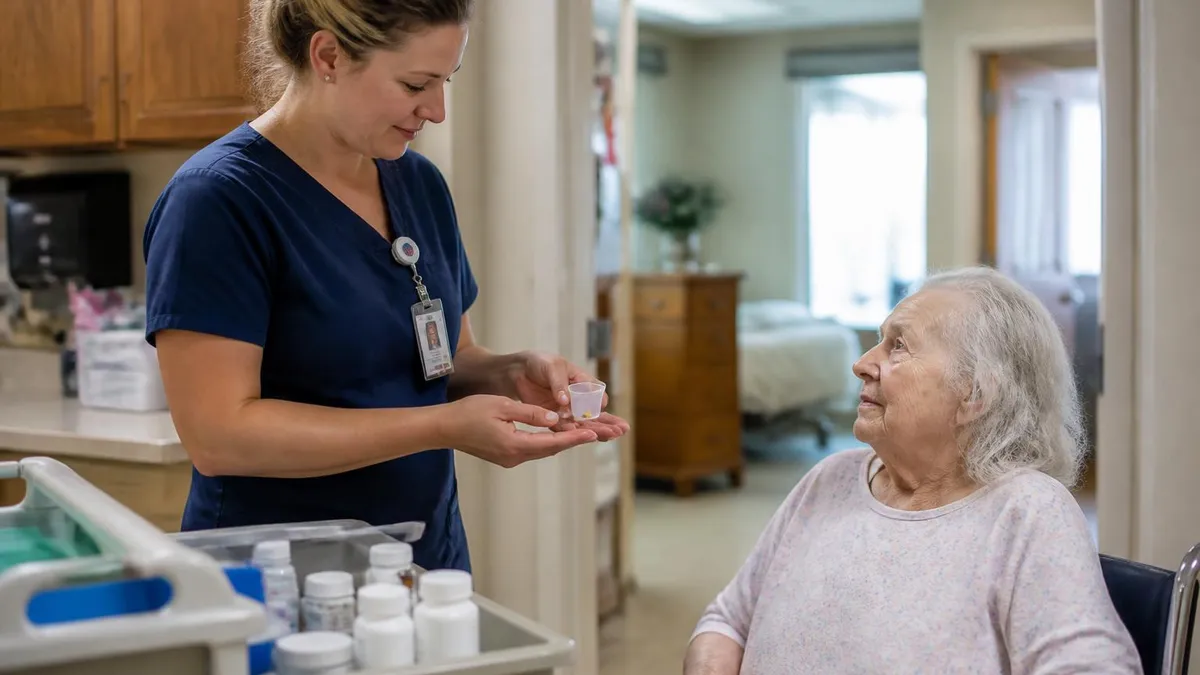
Medication administration rules also differ in important ways. RNs can administer virtually any medication route including intravenous, intramuscular, subcutaneous, oral, topical, and via enteral feeding tubes, and they can independently titrate drip medications such as vasopressors and heparin infusions. LPNs typically administer oral, subcutaneous, and intramuscular medications but face restrictions around IV administration and high-alert medications like insulin drips and chemotherapy agents that vary considerably by employer policy and state law. Always verify your specific state's Nurse Practice Act for the definitive list of permitted LPN medication administration routes.
Despite these differences, it is important not to view the LPN scope as simply a lesser or incomplete version of RN practice. LPNs who specialize in long-term care, rehabilitation, or home health often develop extraordinary proficiency in wound management, gerontological care, and patient education that rivals or exceeds that of many RNs working in fast-paced acute care environments. The two roles are genuinely complementary, and high-performing healthcare teams use both effectively to deliver safe, coordinated, patient-centered care across the continuum.
LPN vs. RN: Salary, Settings & Career Growth
The Bureau of Labor Statistics reports a median annual wage of $59,730 for LPNs and LVNs as of 2024, while RNs earned a median of $89,010 — a gap of nearly $30,000 per year. Geographic location dramatically shapes these figures: LPNs in California and Alaska can earn over $70,000 annually, while those in Mississippi or Arkansas may earn closer to $46,000. RNs in California frequently surpass $120,000, particularly in unionized hospital settings with strong collective bargaining agreements that include shift differentials and overtime protections.
Beyond base salary, total compensation packages differ between the roles. Hospital-employed RNs commonly receive more strong benefits including tuition reimbursement for BSN completion, clinical ladder bonuses, and specialty pay for certifications in areas like critical care or emergency nursing. LPNs employed in skilled nursing facilities or home health agencies may have access to sign-on bonuses and overtime opportunities but typically receive smaller professional development stipends. Over a full career, the RN salary premium can represent several hundred thousand dollars in additional lifetime earnings, which many LPN-to-RN bridge students cite as their primary motivation for advancing.

LPN vs. RN: Weighing the Trade-Offs
- +LPN programs take 12–18 months, letting you enter the workforce and start earning significantly faster than a 2–4 year RN program
- +LPN tuition costs are substantially lower, averaging $10,000–$20,000 versus $20,000–$80,000 for ADN or BSN programs
- +LPN clinical training is highly hands-on and practical from day one, building strong bedside skills quickly
- +LPN-to-RN bridge programs allow working nurses to advance while maintaining income and clinical experience
- +LPNs are in high demand in long-term care, home health, and outpatient settings with stable employment prospects
- +Some states grant experienced LPNs significant autonomy including IV therapy, wound care management, and charge nurse roles
- −LPNs earn a median of roughly $30,000 less per year than RNs, a gap that widens significantly over a full career
- −LPN scope of practice is more limited — independent clinical judgment, care planning, and complex procedures require RN licensure
- −Hospitals and Magnet-designated facilities are actively reducing LPN positions in favor of BSN-prepared RNs
- −RN licensure is required for ICU, ER, labor and delivery, and most acute care specialty nursing positions
- −LPNs cannot delegate nursing tasks to other LPNs or independently supervise RN staff regardless of experience level
- −Career advancement to APRN roles (NP, CRNA, CNM) is not possible directly from LPN status without first earning RN licensure
Pros and Cons at a Glance
| Pros | Cons |
|---|---|
| LPN clinical training is highly hands-on and practical from day one, building strong bedside skills quickly | LPN scope of practice is more limited — independent clinical judgment, care planning, and complex procedures require RN licensure |
| LPN-to-RN bridge programs allow working nurses to advance while maintaining income and clinical experience | Hospitals and Magnet-designated facilities are actively reducing LPN positions in favor of BSN-prepared RNs |
| LPNs are in high demand in long-term care, home health, and outpatient settings with stable employment prospects | RN licensure is required for ICU, ER, labor and delivery, and most acute care specialty nursing positions |
| Some states grant experienced LPNs significant autonomy including IV therapy, wound care management, and charge nurse roles | LPNs cannot delegate nursing tasks to other LPNs or independently supervise RN staff regardless of experience level |
How to Decide Between LPN and RN: 10-Point Decision Checklist
- ✓Assess your timeline: choose LPN if you need to enter the workforce within 12–18 months; choose RN if you can invest 2–4 years in a degree program.
- ✓Calculate your budget: compare total program costs, including tuition, fees, books, uniforms, and lost income while in school.
- ✓Research your target work setting: verify whether your preferred employer (hospital, clinic, SNF) primarily hires LPNs or RNs for direct patient care roles.
- ✓Check your state's Nurse Practice Act: confirm which procedures and medications LPNs are legally permitted to perform in your state.
- ✓Evaluate bridge program availability: if considering LPN now and RN later, confirm that LPN-to-RN bridge programs are available at schools near you.
- ✓Consider your long-term specialty interest: ICU, ER, and APRN tracks all require RN licensure — plan accordingly if these are your goals.
- ✓Calculate the lifetime salary difference: multiply the approximately $29,000 annual gap by your expected working years to quantify the financial trade-off.
- ✓Review accreditation of your target program: ensure any nursing school you apply to is accredited by ACEN or CCNE for RN programs, or state-approved for LPN programs.
- ✓Speak with working LPNs and RNs in your community: first-hand accounts of daily workload, autonomy, and job satisfaction are invaluable for making a realistic decision.
- ✓Confirm prerequisites: RN ADN and BSN programs typically require college-level anatomy, physiology, microbiology, and English composition; LPN programs often have fewer prerequisites.
LPN Can Be a Strategic First Step — Not a Dead End
Many nurses who ultimately become RNs or even nurse practitioners began their careers as LPNs. LPN-to-BSN bridge programs at major universities allow working LPNs to complete an RN degree in as little as 18 to 24 additional months, and many employers offer tuition reimbursement to support this advancement. Starting as an LPN is not settling — it is a legitimate and financially rational pathway that lets you earn, learn, and advance simultaneously.
The LPN-to-RN bridge pathway has grown substantially over the past decade as healthcare systems sought practical ways to address the ongoing nursing shortage while also raising the educational floor of their nursing workforce. These accelerated programs recognize that licensed, working LPNs have already mastered foundational clinical skills, allowing bridge curricula to focus efficiently on the additional theory, research, leadership, and complex clinical judgment competencies that differentiate RN practice from LPN practice. The result is a faster, more cost-effective route to RN licensure for nurses who already hold an active LPN or LVN credential.
LPN-to-ADN bridge programs are the most common entry point and can typically be completed in 12 to 18 months of full-time study, or 24 months part-time — a dramatic reduction from the standard two-year ADN timeline for students without prior nursing credentials.
Community colleges are the most common providers of these programs, and many offer evening and weekend scheduling or hybrid online-plus-clinical formats designed to accommodate nurses who are working full-time while studying. After completing the bridge ADN program, graduates must pass the NCLEX-RN to become licensed, but they enter that exam with far more clinical context than new graduates who have never practiced nursing professionally.
LPN-to-BSN direct bridge programs, offered by universities including Excelsior University, Western Governors University, and numerous state university systems, allow LPNs to earn a BSN — the degree increasingly preferred by hospitals — without first stopping at the ADN level. These programs typically require 2 to 3 years of study and often use credit for prior nursing education and documented clinical experience. The BSN credential positions graduates for hospital hiring preferences, clinical ladder advancement, and the graduate-level education required for APRN roles including Nurse Practitioner, which is currently one of the fastest-growing and highest-compensated healthcare occupations in the United States.
Financial considerations are a significant part of bridge program planning. Tuition for LPN-to-ADN bridge programs typically ranges from $8,000 to $25,000 depending on whether the institution is a public community college or a private nursing school. LPN-to-BSN programs run from $15,000 to $45,000.
However, many hospitals and health systems offer tuition reimbursement ranging from $2,500 to $10,000 per year for employees who pursue RN bridge programs, and some larger health systems offer fully funded scholarships in exchange for a two- to three-year employment commitment after graduation. Federal and state grants, the HRSA Nurse Corps Scholarship Program, and FAFSA-eligible federal loans can also offset these costs substantially.
Entrance requirements for bridge programs vary, but most require a current, active, unencumbered LPN or LVN license, a minimum grade point average from the original nursing program (typically 2.5 to 3.0 on a 4.0 scale), documented clinical work hours in a nursing role, and completion of prerequisite college-level science courses if not previously completed. Some programs also require a minimum TEAS (Test of Essential Academic Skills) score or comparable entrance exam. Beginning your prerequisite coursework early and maintaining your LPN license in good standing are the most straightforward ways to maximize bridge program eligibility.
The NCLEX-RN examination itself represents one of the most important milestones in the bridge journey. The Next Generation NCLEX (NGN) format introduced in 2023 replaced traditional single-answer multiple choice questions with more complex item types including extended drag-and-drop, matrix, and enhanced hot spot questions designed to assess clinical judgment rather than rote recall.
LPNs pursuing RN licensure should dedicate at least eight to twelve weeks of structured review to NGN-format question practice, spending particular emphasis on the clinical judgment measurement model and the six cognitive skills it assesses: recognize cues, analyze cues, prioritize hypotheses, generate solutions, take action, and evaluate outcomes.
Many bridge program graduates report that their prior LPN experience is both an asset and a potential liability during NCLEX-RN preparation. The asset is obvious: years of hands-on clinical practice provide vivid, concrete context for textbook nursing concepts.
The liability is subtler: experienced LPNs sometimes answer questions based on what they have seen done in practice rather than what nursing theory and evidence-based guidelines prescribe, which can lead to errors on questions that require strict theoretical application. Practicing with NGN-format questions under timed conditions is the most reliable way to identify and correct this tendency before sitting for the actual exam.
If you plan to work as an LPN or RN in a new state, do not assume your current license automatically transfers. The Nurse Licensure Compact (NLC) allows nurses licensed in member states to practice in other compact states without obtaining a separate license, but not all states participate. As of 2026, over 40 states are NLC members for RNs; the practical nurse compact covers a similar but not identical list. Always verify your target state's compact status and endorsement requirements — including any additional education or jurisprudence exam requirements — before accepting a position or relocating.
Work settings shape the day-to-day reality of nursing practice far more than most nursing school brochures convey, and the LPN-versus-RN distinction plays out differently depending on where you ultimately choose to work. Understanding the specific environment where you want to spend your career — whether that is a bustling hospital floor, a quiet long-term care facility, a patient's private home, or a busy physician's office — will help you determine which license best positions you for success and satisfaction in that particular setting.
Long-term care and skilled nursing facilities (SNFs) remain the largest employment sector for LPNs in the United States. In many SNFs, LPNs function as the charge nurse for an entire wing or unit, supervising a team of certified nursing assistants, conducting medication passes for 20 to 40 residents per shift, managing wound care, coordinating with physicians and therapists, and communicating changes in resident condition to family members.
This is demanding, responsible work that requires strong clinical judgment even within the formal scope limitations of the LPN license. Experienced LPN charge nurses in skilled nursing often develop clinical expertise in pressure injury prevention, fall risk management, and dementia care that is genuinely specialized and highly valued by employers.
Home health nursing is another major LPN employment sector, and it offers a level of autonomy that surprises many new graduates. LPNs working in home health visit multiple patients per day in their private residences, conducting skilled nursing visits that may include wound care, IV antibiotic administration, catheter care, and patient and family education.
Because a supervising RN is not physically present during these visits, home health LPNs must exercise strong independent clinical judgment about when to call the overseeing RN or physician and when a patient's condition warrants immediate escalation to emergency services. Home health also appeals to nurses who prefer a less institutional environment and a more personal, relationship-centered approach to patient care.
Physician and specialist offices employ significant numbers of both LPNs and RNs, though the ratio and specific roles differ. In primary care offices, LPNs often room patients, record chief complaints and medication lists, perform routine screenings such as vision and hearing tests, administer vaccinations, and assist with minor procedures like laceration care or cerumen removal.
RNs in office settings may perform the same tasks but also take on more complex triage decisions, manage patients with chronic conditions, and serve as clinical coordinators for care management programs targeting high-risk patients with multiple comorbidities. Outpatient specialty practices including oncology, orthopedics, and cardiology tend to employ a higher proportion of RNs due to the clinical complexity of the patient population they serve.
Correctional healthcare is an often-overlooked but growing employment sector for LPNs. Jails, prisons, and juvenile detention facilities employ LPNs to conduct intake health screenings, manage chronic disease medication administration, respond to medical emergencies, and provide basic sick call services. The work demands strong communication skills, clear professional boundaries, and the ability to perform clinical assessments in a non-traditional environment with security constraints. Correctional nursing LPN positions often pay above-market wages and offer stable government benefits packages, making them an attractive option for nurses who want predictable scheduling and competitive compensation without the physical demands of a hospital floor.
School nursing is another niche where LPNs can build a rewarding career. Many school districts, particularly in rural or lower-budget areas, employ LPNs to staff their health offices. School LPNs manage daily medication administration for students with chronic conditions, conduct first aid and triage for injuries, support students with individualized healthcare plans, and serve as a health resource for faculty and staff. While school nursing does not offer the same salary ceiling as acute care nursing, it frequently offers summers off, holidays, and school-year schedules that appeal strongly to nurses with school-age children of their own.
No matter which setting ultimately calls to you, continuing education is a constant across both LPN and RN careers. Most states require 20 to 30 continuing education hours per biennial renewal period for both license types. Pursuing specialty certifications, attending professional conferences, joining nursing associations such as the National Association of Licensed Practical Nurses (NALPN) or the American Nurses Association (ANA), and subscribing to peer-reviewed nursing journals are all concrete strategies for staying current, competitive, and engaged in your practice throughout a long and rewarding nursing career.
Preparing strategically for the NCLEX-PN is one of the highest-use investments an LPN candidate can make, and the same principle applies to LPN bridge students preparing for the NCLEX-RN. Both exams use computerized adaptive testing (CAT), meaning the difficulty of subsequent questions adjusts based on your performance on previous questions. The algorithm is designed to determine, with statistical confidence, whether your ability level is above or below the passing standard — and it does so as efficiently as possible, which is why the exam can end anywhere from 85 questions to the maximum question count.
For the NCLEX-PN specifically, the test plan is organized into four major client needs categories: Safe and Effective Care Environment (subdivided into Coordinated Care and Safety and Infection Control), Health Promotion and Maintenance, Psychosocial Integrity, and Physiological Integrity (subdivided into Basic Care and Comfort, Pharmacological Therapies, Reduction of Risk Potential, and Physiological Adaptation). The highest-weighted category is Physiological Integrity, which accounts for 38 to 62 percent of the exam. Candidates who invest the most study time in pharmacology, physiological adaptation, and reduction of risk potential are addressing the categories most likely to appear repeatedly on their specific exam.
Question format matters enormously in NCLEX preparation. While single-answer multiple choice questions remain the backbone of both NCLEX exams, the test also includes select-all-that-apply (SATA), hot spot, ordered response, fill-in-the-blank calculation, and — for the NCLEX-RN under the Next Generation format — clinical judgment item types such as extended multiple response, matrix grids, and bow-tie questions.
Many candidates find SATA questions particularly challenging because they require absolute accuracy: there is no partial credit, and selecting one incorrect option or omitting one correct option results in the entire question being scored wrong. Practicing with large question banks that include a proportionate mix of SATA items is essential preparation.
Time management during NCLEX preparation is just as important as content coverage. Research on NCLEX outcomes consistently shows that candidates who practice with timed question banks and simulate real testing conditions — limiting distractions, taking full-length practice exams, and reviewing rationales immediately after each practice session — outperform those who passively review content without regularly assessing their own performance. A structured 8 to 12 week study schedule that begins with a diagnostic assessment, progresses through content review by category, and culminates in full-length timed practice exams provides the most reliable preparation framework for most candidates.
Pharmacology deserves special attention in any NCLEX-PN or NCLEX-RN study plan. Drug calculations, high-alert medication safety protocols, common adverse effects, and nursing implications for priority drug classes — including anticoagulants, antihypertensives, antidiabetics, antibiotics, opioid analgesics, and psychiatric medications — appear consistently across both exams. A practical study strategy is to create brief flashcards or use a spaced repetition app to review one drug class per day throughout your preparation period, ensuring you cover the 30 to 40 most commonly tested drug families before exam day.
Test anxiety is a real and underappreciated factor in NCLEX outcomes. Studies by Kaplan Nursing and ATI Testing have found that candidate anxiety levels are significantly correlated with performance, independent of actual content knowledge. Evidence-based strategies for managing test anxiety include regular aerobic exercise throughout the study period, mindfulness-based stress reduction practices, adequate sleep (at least seven hours per night during the week before the exam), and avoiding last-minute intensive cramming sessions the evening before the exam. Arriving at the testing center with a rested, calm mind is often the difference between passing and needing to retest.
Finally, a word on exam retesting: if you do not pass the NCLEX on your first attempt, the experience is disappointing but not career-ending. Most states allow candidates to retest after a 45-day waiting period, and first-time pass rates for both the NCLEX-PN and NCLEX-RN hover around 85 to 88 percent nationally — meaning that a meaningful percentage of candidates who eventually become licensed nurses did not pass on their first attempt.
Requesting a Candidate Performance Report from Pearson VUE after a failed attempt gives you detailed diagnostic information about which content areas fell below the passing standard, allowing you to focus your remediation precisely and efficiently before scheduling your next sitting.
Sample Certified Practical Nurse Practice Questions
Try these questions from our free Certified Practical Nurse practice tests. The correct answer and an explanation follow each question.
A client with coronary artery disease is scheduled for discharge. The LPN reinforces teaching about recognizing the difference between stable and unstable angina. Unstable angina is characterized by:
- A. Chest pain relieved by rest and one nitroglycerin tablet
- B. Predictable chest pain that occurs only with strenuous exercise
- C. New-onset chest pain at rest or pain that is more severe, frequent, or prolonged than usual
- D. Chest pain lasting less than 2 minutes
Answer: C. New-onset chest pain at rest or pain that is more severe, frequent, or prolonged than usual
Unstable angina occurs at rest, is new-onset, or represents a change from a stable pattern — more frequent, severe, or prolonged. It signals impending MI and requires immediate evaluation.
Which action by the LPN best supports continuity of care when a patient transitions between units?
- A. Providing a thorough bedside report with the receiving nurse
- B. Sending the medical record electronically without verbal handoff
- C. Informing the patient's family of the transfer by phone
- D. Updating the care plan after the transfer is complete
Answer: A. Providing a thorough bedside report with the receiving nurse
A thorough bedside report with the receiving nurse ensures direct communication of critical patient information, reducing errors during unit transfers.
During the alarm stage of Selye's General Adaptation Syndrome (GAS), which physiological response should the LPN anticipate in a client experiencing acute stress?
- A. Decreased heart rate and blood pressure.
- B. Pupil constriction and increased salivation.
- C. Increased blood glucose and heart rate.
- D. Decreased respiratory rate and muscle relaxation.
Answer: C. Increased blood glucose and heart rate.
The alarm stage of GAS is the 'fight or flight' response. The body releases hormones like adrenaline and cortisol, which cause an increase in heart rate, blood pressure, and blood glucose levels to provide the body with immediate energy to respond to the stressor.
An Apgar score is assessed at 1 minute and 5 minutes after birth. Which Apgar score at 5 minutes indicates a neonate in good condition?
- A. Score of 3
- B. Score of 5
- C. Score of 7–10
- D. Score of 6
Answer: C. Score of 7–10
An Apgar score of 7–10 at 5 minutes indicates a neonate in good condition requiring only routine care. Scores below 7 indicate the need for intervention.
LPN Questions and Answers

LPN Requirements 2026: Complete Guide to Becoming a Licensed Practical Nurse

LPN IV Certification: Complete 2026 Guide to Training, Requirements & Cost

LPN Programs in Florida: Complete 2026 Guide to Accredited Schools, Costs, Requirements & Licensure

LPN Salary Wisconsin 2026: Average Pay, Top Cities, and How to Earn More

LPN Duties: Complete Guide to Daily Responsibilities and Scope of Practice
About the Author

Registered Nurse & Healthcare Educator
Johns Hopkins University School of NursingDr. Sarah Mitchell is a board-certified registered nurse with over 15 years of clinical and academic experience. She completed her PhD in Nursing Science at Johns Hopkins University and has taught NCLEX preparation and clinical skills courses for nursing students across the United States. Her research focuses on evidence-based exam preparation strategies for healthcare certification candidates.
Join the Discussion
Connect with other students preparing for this exam. Share tips, ask questions, and get advice from people who have been there.
View discussion (7 replies)