
HVAC Repair Company: How to Choose, What to Expect, and What It Costs
💯 HVAC repair company guide: how to vet technicians, typical costs, warranty rules, and what to expect from a quality service visit.
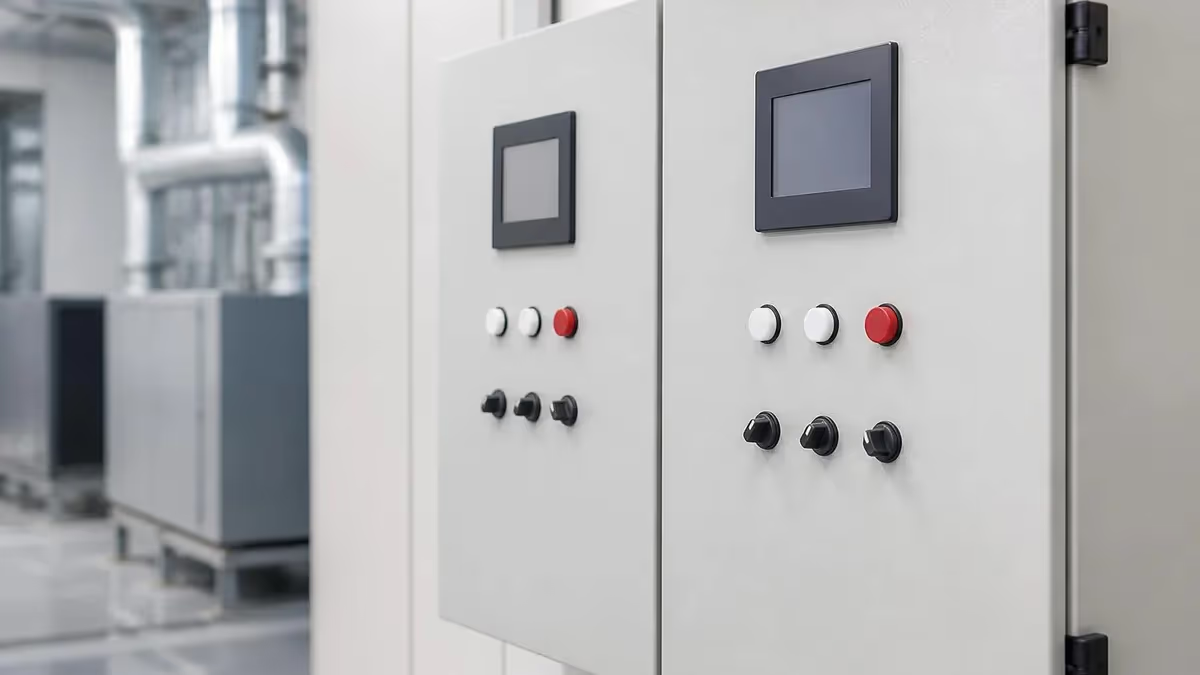
Choosing the right hvac repair company is one of the most consequential home maintenance decisions you will make, because the wrong choice can mean repeat breakdowns, voided manufacturer warranties, and thousands of dollars in unnecessary equipment replacement. A skilled contractor diagnoses the root cause, not just the symptom, and explains the repair in language you can understand. Whether your air conditioner is freezing up, your furnace is short cycling, or your heat pump is throwing fault codes, the company you call shapes both the immediate fix and the long-term reliability of your system.
The HVAC service industry in the United States generates more than $130 billion in annual revenue, with residential repair making up roughly 40 percent of that figure. Yet quality varies wildly from one contractor to the next. Some technicians arrive with NATE certification, calibrated instruments, and a software-driven diagnostic process, while others show up with a multimeter and a guess. Knowing how to tell the difference protects your wallet, your comfort, and the indoor air quality your family depends on every day.
This guide walks through what a legitimate hvac repair company should do during a service call, how pricing models like flat rate versus time and materials actually work, and the red flags that signal you should get a second opinion before approving any major repair. We will also cover warranty considerations, refrigerant handling under EPA Section 608, and the specific questions you should ask before any technician puts a wrench on your equipment.
Modern HVAC systems are far more complex than the simple units of twenty years ago. Variable speed compressors, communicating thermostats, electronically commutated motors, and inverter-driven heat pumps require diagnostic skills that go well beyond traditional gauge sets. A qualified company invests in ongoing training, manufacturer-specific certifications, and the proprietary tools needed to talk to today's control boards. Without those investments, even an honest technician can misdiagnose a sensor fault as a compressor failure.
Cost expectations also matter. Nationally, the average HVAC repair bill in 2025 ranges from $150 for a simple capacitor replacement to $2,800 for a compressor swap, with refrigerant leak repairs and evaporator coil replacements falling in between. Diagnostic fees typically run $75 to $150 and are sometimes credited toward the repair if you proceed. Understanding these benchmarks lets you spot quotes that are wildly inflated or suspiciously low, both of which deserve scrutiny.
Beyond pricing, the relationship matters. A good company will pull permits when required, register parts warranties in your name, photograph their work, and provide a written invoice that lists every part installed with model and serial numbers. They will also recommend ongoing hvac maintenance leeds rather than push premature replacement. By the end of this guide, you will know exactly what to look for, what to avoid, and how to build a long-term relationship with a contractor who treats your system the way they would treat their own.
HVAC Repair Industry by the Numbers

What an HVAC Repair Company Actually Does
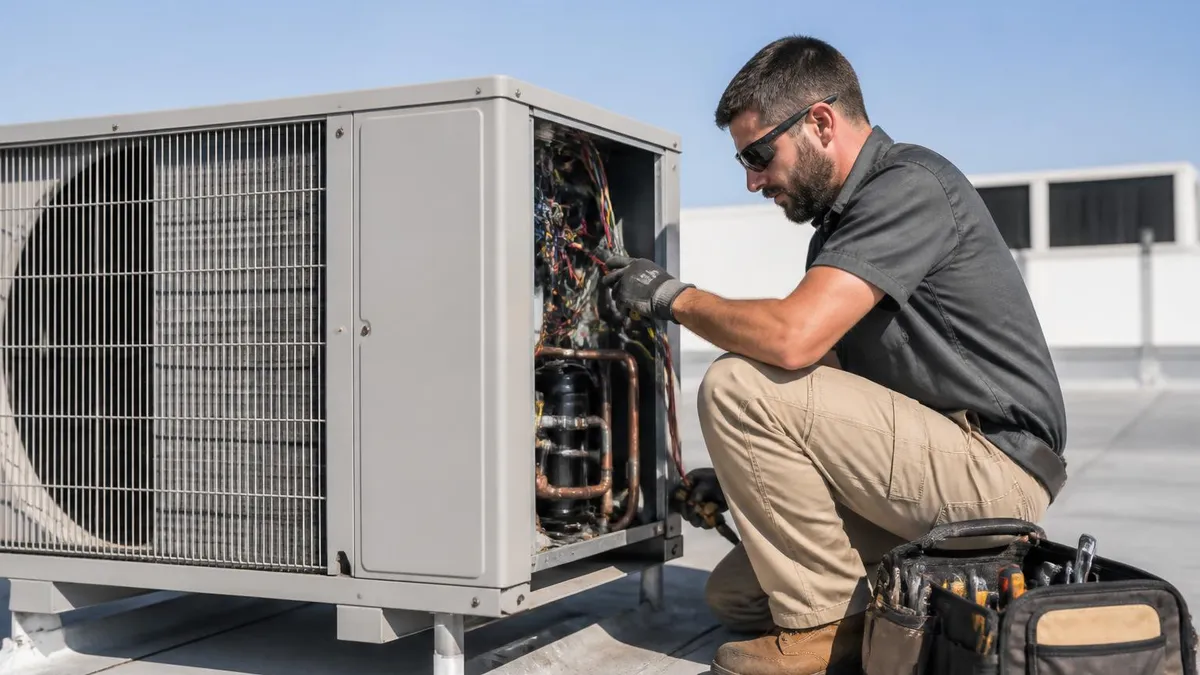
A thorough tech measures static pressure, superheat, subcooling, voltage, amperage, and capacitance before touching any parts. The diagnosis is documented in writing with readings and conclusions.
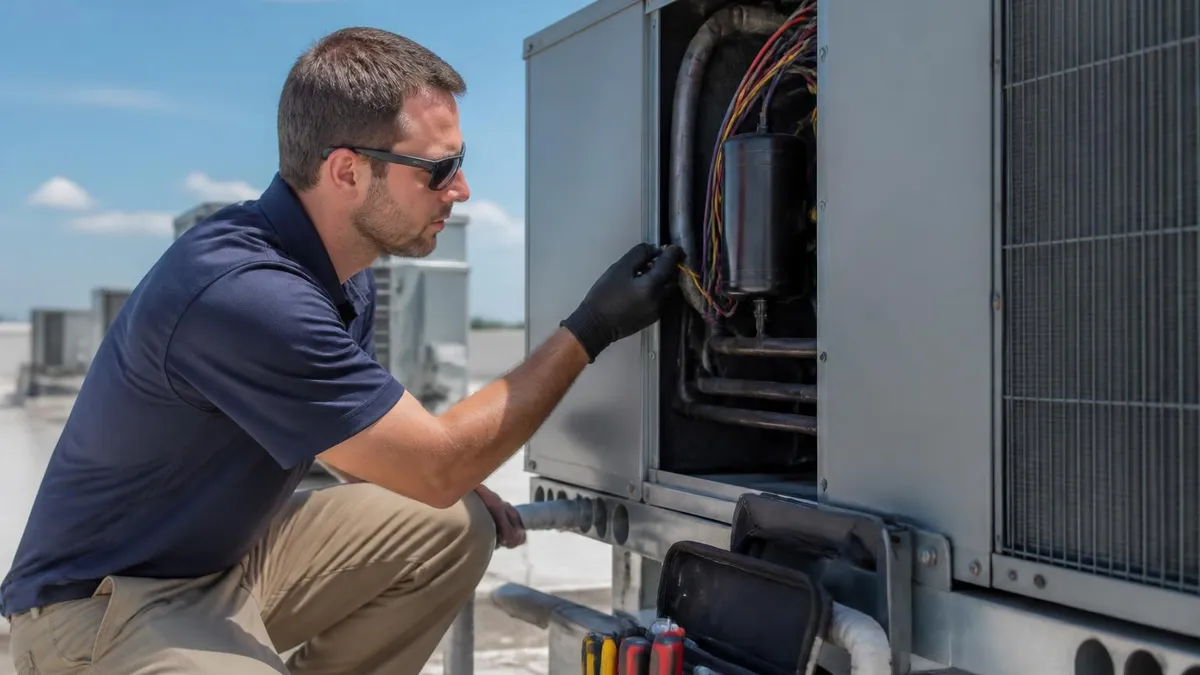
Common repairs include capacitor swaps, contactor replacement, blower motor and ECM module changes, condensate pump fixes, control board replacement, and refrigerant leak isolation with proper EPA recovery.
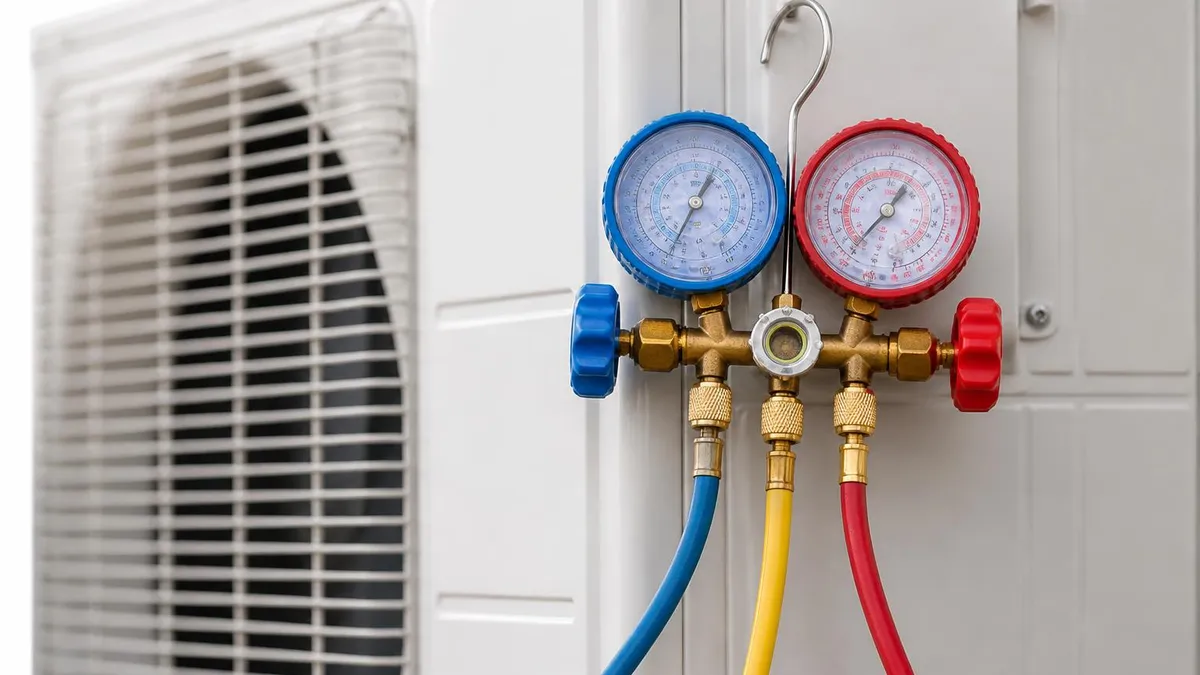
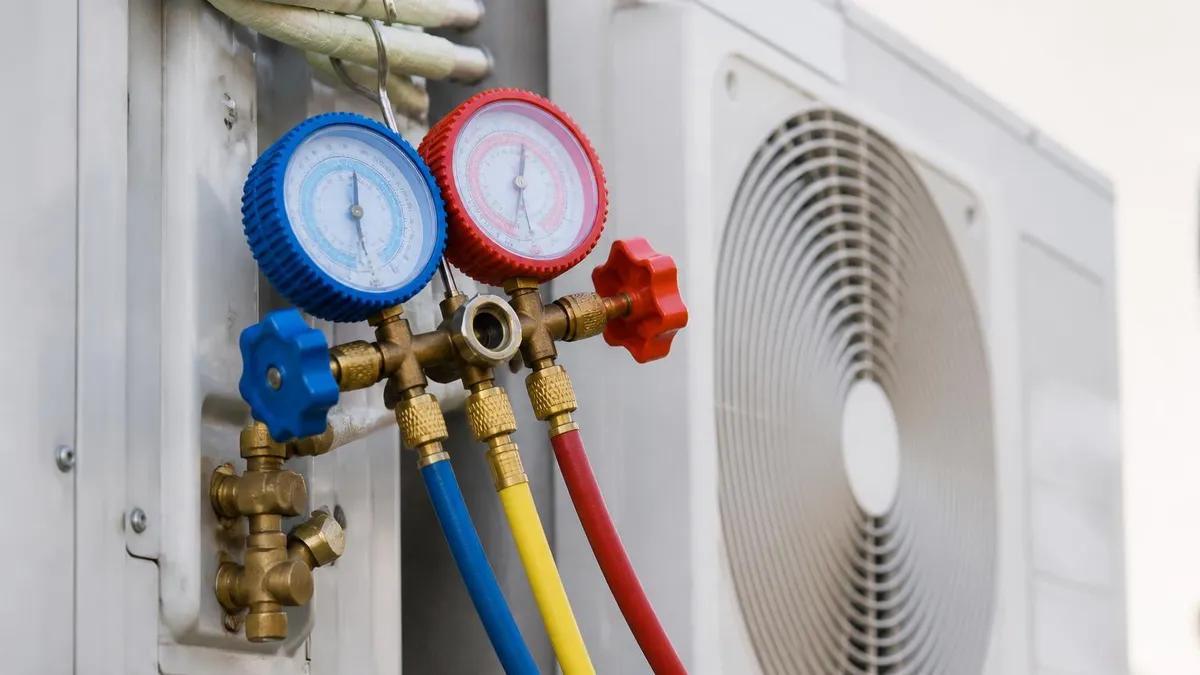
Only EPA Section 608 certified technicians can purchase or handle refrigerant. Proper service includes leak search with an electronic detector, evacuation to 500 microns, and weighed-in charging by manufacturer spec.
Preventive visits include coil cleaning, drain line clearing, blower wheel inspection, filter replacement, electrical tightening, and a combustion analysis on gas equipment to verify safe operation.
Quality companies offer same-day or 24-hour response for no-cool and no-heat calls, especially during temperature extremes. Expect documented after-hours pricing and clear arrival windows.
Vetting an hvac repair company starts long before the technician knocks on your door. The first filter is licensing. Every state regulates HVAC contractors differently, but most require a state-issued mechanical contractor license, proof of liability insurance carrying at least one million dollars in coverage, and workers' compensation for every employee who enters your home. Verify the license number on your state's contractor board website rather than trusting what is printed on a business card or van.
Certification is the next layer. NATE, or North American Technician Excellence, is the gold standard credential for individual technicians. A NATE-certified tech has passed rigorous exams in specific specialties such as air conditioning, gas furnaces, heat pumps, or commercial refrigeration. EPA Section 608 certification is legally required for anyone handling refrigerant. Manufacturer-specific certifications from Carrier, Trane, Lennox, Daikin, or Mitsubishi indicate ongoing factory training and access to proprietary diagnostic tools.
Online reviews tell a story, but read them critically. Look for patterns across Google, Better Business Bureau, and Yelp rather than a single five-star burst that might be staged. Pay attention to how the company responds to negative reviews. A professional response that acknowledges the issue and explains the resolution speaks louder than any number of glowing testimonials. Companies operating in regional markets like a typical HVAC Rancho Cucamonga CA service area should have years of local reputation to draw from.
References from people you trust still matter more than algorithms. Ask neighbors, your home inspector, or your real estate agent for names. Property managers and facility maintenance professionals deal with HVAC contractors constantly and know who shows up, who stands behind their work, and who disappears once the check clears. A company that thrives on referrals tends to protect that reputation more carefully than one that lives on paid advertising alone.
Ask about response times before you have an emergency. A reputable hvac repair company maintains a published service window, dispatches with GPS tracking, and provides arrival notifications by text. During peak season they may be booked out for non-emergencies, but they should always have a triage system for no-heat and no-cool situations involving elderly occupants, infants, or medical equipment. Transparency about scheduling is itself a quality signal.
Finally, evaluate the proposal process. A trustworthy contractor performs a load calculation rather than guessing tonnage, photographs problem areas, and provides options at multiple price points when replacement is on the table. They explain why a repair makes sense or why replacement is more economical, supported by the equipment age, refrigerant type, and projected energy savings. If a salesperson pushes a same-day decision with high-pressure tactics, that alone is reason to call someone else.
The vetting process takes time, but the payoff is a contractor you can call for years without second-guessing. Build the relationship before the breakdown, and you will get faster service, fairer pricing, and honest advice when it matters most.
HVAC Practice Test Questions
Prepare for the HVAC - Heating Ventilation and Air Conditioning exam with our free practice test modules. Each quiz covers key topics to help you pass on your first try.
HVAC Air Conditioning
HVAC Exam Questions covering Air Conditioning. Master HVAC Test concepts for certification prep.
HVAC Code Compliance
Free HVAC Practice Test featuring Code Compliance. Improve your HVAC Exam score with mock test prep.
HVAC Electrical Controls
HVAC Test Prep for Electrical Controls. Practice HVAC Quiz questions and boost your score.
HVAC Energy Efficiency
HVAC Questions and Answers on Energy Efficiency. Free HVAC practice for exam readiness.
HVAC Heating Systems
HVAC Mock Test covering Heating Systems. Online HVAC Test practice with instant feedback.
HVAC Load Calculations
Free HVAC Quiz on HVAC Load Calculations. HVAC Exam prep questions with detailed explanations.
HVAC Tools and Equipment
HVAC Practice Questions for HVAC Tools and Equipment. Build confidence for your HVAC certification exam.
HVAC Refrigeration
HVAC Test Online for Refrigeration. Free practice with instant results and feedback.
HVAC Safety Practices
HVAC Study Material on Safety Practices. Prepare effectively with real exam-style questions.
HVAC System Design
Free HVAC Test covering System Design. Practice and track your HVAC exam readiness.
HVAC Thermodynamics
HVAC Exam Questions covering Thermodynamics. Master HVAC Test concepts for certification prep.
HVAC Repair Pricing Models Explained
Flat rate pricing means the company quotes a single fixed price for a defined repair regardless of how long the work actually takes. The price is drawn from a national pricing book that accounts for parts, labor, overhead, warranty, and profit margin. You know the total before work begins, which eliminates surprises and protects against drawn-out billing on tricky jobs.
The downside is that flat rate can feel expensive on simple fixes that take fifteen minutes. A capacitor that costs the contractor $20 might appear on the invoice at $250 because the price includes diagnosis, truck stocking, warranty, and the technician's training. Ask to see the pricing book if you have doubts, and always confirm the diagnosis before approving the flat rate task.
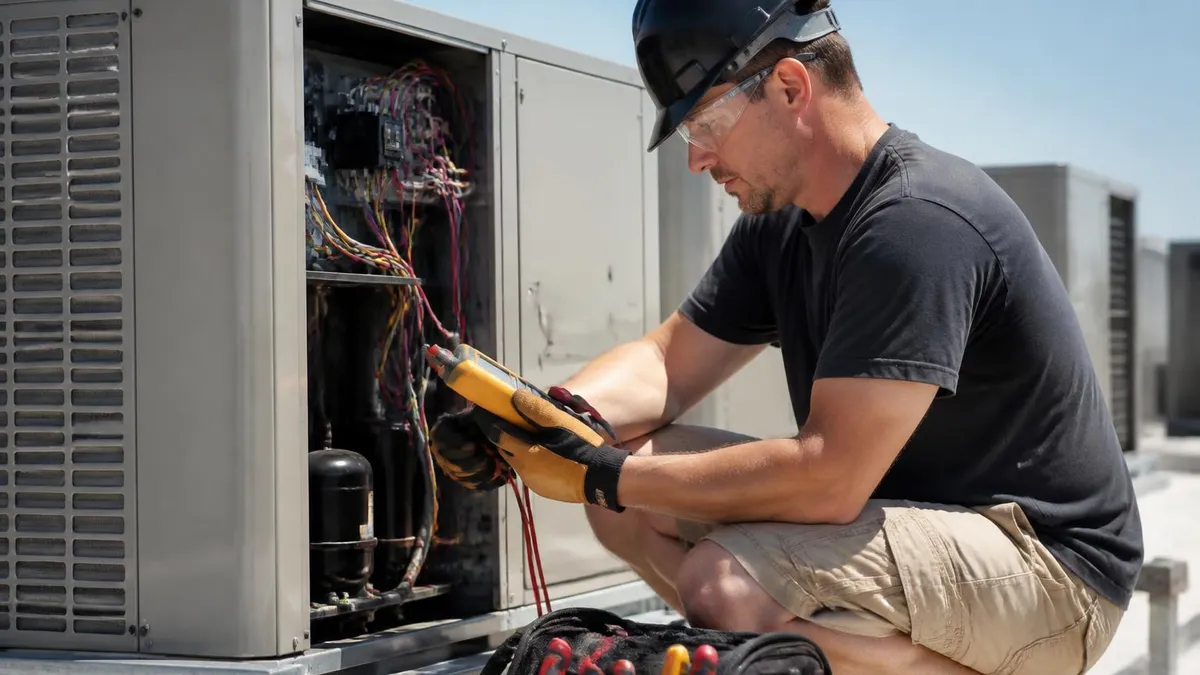
Hiring an HVAC Repair Company vs DIY
- +Licensed technicians carry insurance that protects your home if something goes wrong during the repair
- +EPA-certified handlers can legally purchase and recover refrigerant, which homeowners cannot
- +Manufacturer warranties typically require professional installation to remain valid
- +Calibrated diagnostic instruments identify root causes that meters and guesswork miss
- +Pulled permits and code-compliant work protect your home insurance and resale value
- +Documented service history supports warranty claims and adds value at sale
- −Service calls cost $75 to $150 in diagnostic fees before any work begins
- −Peak-season scheduling can mean 24 to 72 hour waits for non-emergency visits
- −Markup on parts can be 200 to 400 percent above wholesale pricing
- −After-hours and weekend rates run 1.5 to 2 times standard labor pricing
- −Quality varies dramatically, so vetting takes time and effort up front
- −Some companies push replacement when a repair would suffice
Pre-Service Checklist Before the Technician Arrives
- ✓Verify the company holds a current state mechanical contractor license and post the number
- ✓Confirm liability insurance and workers compensation coverage are active and adequate
- ✓Check the technician's EPA Section 608 certification card if refrigerant work is involved
- ✓Photograph the outdoor unit, indoor air handler, and thermostat before the visit
- ✓Locate the equipment data plates so model and serial numbers are easy to find
- ✓Clear a three-foot work area around indoor and outdoor units before arrival
- ✓Have your last energy bills and any prior repair invoices ready for review
- ✓Write down the exact symptoms including when they started and any error codes
- ✓Confirm the diagnostic fee in writing along with whether it credits toward repair
- ✓Request a written estimate before any work over the diagnostic threshold begins
The 5,000 Rule
Multiply the age of your system in years by the repair cost in dollars. If the result exceeds 5,000, replacement usually makes more financial sense than repair. A 12-year-old system facing a $500 fix scores 6,000 and is a replacement candidate, while a 6-year-old system with the same repair scores 3,000 and is worth fixing.
Red flags during an hvac repair company visit are easier to spot when you know what professional behavior looks like. The most common scam is the diagnostic shortcut where a technician spends five minutes at the unit, declares the compressor failed, and presents a $4,000 estimate to replace the condenser or sell you a new system. A legitimate compressor diagnosis takes time, requires resistance and amperage readings on each winding, and includes verification that no upstream electrical issue caused the failure.
Refrigerant scams are another widespread problem. Some technicians add refrigerant to a leaking system year after year, charging $80 to $200 per pound for R-410A and never repairing the actual leak. EPA regulations require leak repair on systems containing more than 50 pounds of refrigerant for commercial applications, but the ethical standard for residential is to find and fix any leak rather than top off indefinitely. Ask for an electronic leak detection report and a weighed refrigerant charge documented on the invoice.
Unnecessary parts replacement happens when a tech swaps healthy components hoping one of them was the problem. Capacitors, contactors, and control boards are common targets because they are inexpensive at wholesale and carry high markups. A professional diagnosis identifies the specific failed part with measurable evidence such as a capacitor reading 25 microfarads below its rated value, not a parts cannon approach where everything gets replaced and you get billed for all of it.
Pressure tactics deserve immediate suspicion. Phrases like today only pricing, the part won't be available next week, or your family is in danger from this system are designed to short-circuit your decision making. A real emergency, such as a cracked heat exchanger or a gas leak, warrants immediate action, but those situations come with photographic evidence, combustion analyzer readings, or gas detector measurements that you can see and verify. Anything less than documented proof is a sales pitch.
Unlicensed subcontracting is harder to detect but equally damaging. Some larger companies sell the job and then hand the work to underpaid, undertrained subs who lack the certifications advertised on the company website. Ask who specifically will perform the work, request that person's license and certification numbers, and confirm they are a direct employee. If the answer is evasive, call a different company.
Permit avoidance is a final warning sign. Major repairs and any equipment replacement typically require a mechanical permit and an inspection by the local authority having jurisdiction. Contractors who skip permits to save you a hundred dollars create future problems when you sell the home and the inspection shows unpermitted work. Insist on permits, request the permit number, and verify the inspection passes before the final payment is made.
None of these red flags means every contractor is dishonest. The vast majority are skilled professionals who take pride in their work. But knowing what to watch for shifts the dynamic, makes you a better customer, and protects you from the small minority who cut corners at your expense.
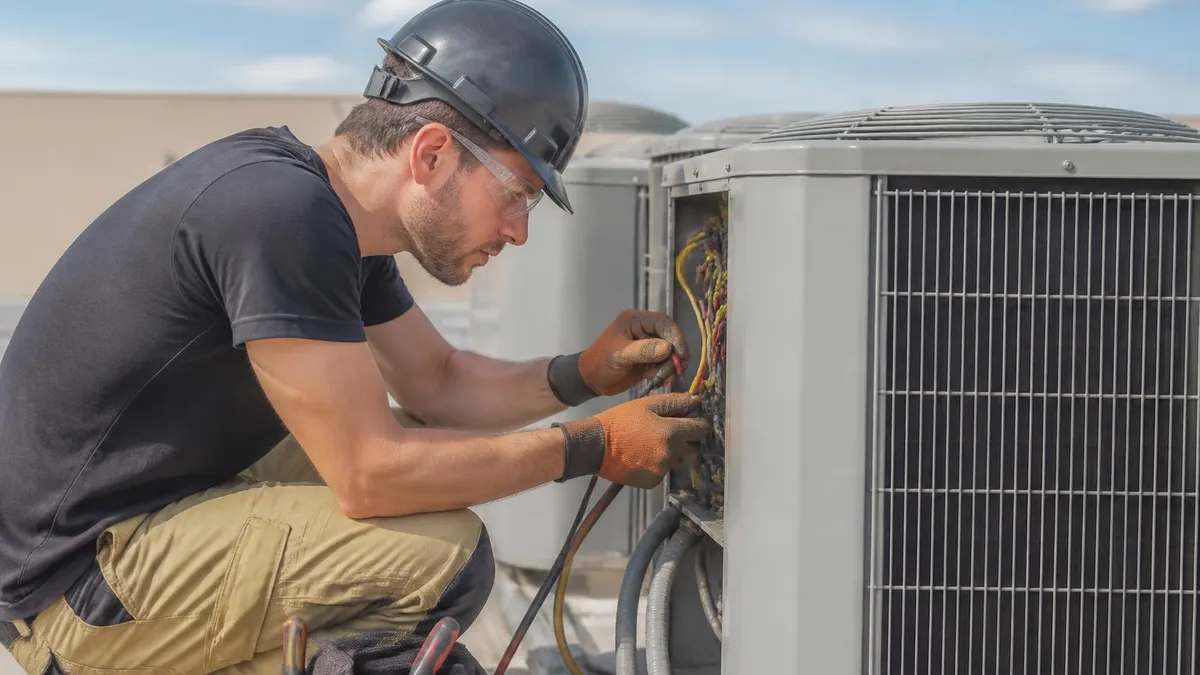
Most manufacturer warranties on residential HVAC equipment require professional installation by a licensed contractor, registration within 60 to 90 days of installation, annual professional maintenance, and use of OEM parts during repairs. Skipping any of these steps can void the parts warranty and convert a covered compressor replacement into a $2,500 out-of-pocket expense.
Building a long-term relationship with an hvac repair company pays dividends that compound over the life of your equipment. The first benefit is institutional knowledge. A contractor who has serviced your system for five years knows the quirks of your ductwork, the airflow patterns in your home, the refrigerant charge history, and the previous repair decisions that shaped current performance. That context speeds diagnosis on the next call and prevents redundant testing.
Loyalty also drives priority. When a heat wave hits and the call board lights up, established customers usually get faster response than first-time callers. Many companies maintain a tiered dispatch system where service agreement holders and repeat customers are routed ahead of cold calls. Even without a formal agreement, a regular customer who refers neighbors and pays invoices promptly tends to move up the queue when comfort is on the line.
Pricing transparency improves with familiarity. A contractor who knows you will compare quotes and ask informed questions is more likely to present fair pricing from the start. Over time you will recognize which jobs are quick and inexpensive and which require more labor, and the contractor will explain the why behind each line item without prompting. That mutual respect creates a healthier transaction for both sides.
Long-term relationships also enable proactive replacement planning. Rather than waiting for a catastrophic failure in July, your contractor can flag aging components, monitor efficiency degradation, and recommend replacement during shoulder seasons when pricing is lower and installation backlogs are shorter. Planning ahead also opens access to utility rebates, federal tax credits, and manufacturer promotions that vanish during emergency replacements.
If you are thinking about a long career in this field, the same relationship dynamics apply on the contractor side. Trade education through an accredited HVAC trade school emphasizes the soft skills of customer communication alongside the technical curriculum, because the best technicians are also the best listeners. Apprentices who learn to explain a repair clearly tend to build the trust that turns one-time service calls into decades-long customer relationships.
Document everything as the relationship matures. Keep a digital folder with every invoice, photo, warranty registration, and email exchange. When the inevitable question arises about whether a part was already replaced or a refrigerant top-off was logged, the documentation settles it instantly. The best contractors keep their own records, but yours is the ultimate backstop and a powerful tool during warranty claims or insurance disputes.
The HVAC industry is built on relationships. The companies that win are not always the cheapest or the loudest in advertising. They are the ones that show up on time, explain the work clearly, stand behind their repairs, and treat your home with the same respect they would expect in their own. Once you find that company, hold on to them, refer them generously, and the long-term value will far exceed any short-term price comparison.
Practical preparation before any service call saves money and time. Start by knowing your equipment. Pull the model and serial numbers from the data plates on the outdoor condenser and the indoor air handler or furnace, photograph them with your phone, and store them in a notes app. Manufacturers like Trane, Carrier, Lennox, Goodman, Rheem, and York all use these numbers to look up parts and warranty status. Having them ready cuts diagnostic time on the phone and at the door by twenty minutes or more.
Document the symptoms with precision. Vague complaints like the AC is broken give the dispatcher nothing to work with. Compare the difference with detail. The cooling stopped Tuesday at 4 PM, the outdoor unit hums but the fan does not spin, the breaker has not tripped, and the thermostat reads 78 with a setpoint of 72. That description points a good technician toward a failed condenser fan motor capacitor before they even arrive, which means the right part probably rides on the truck.
Filter status matters more than most homeowners realize. A clogged filter restricts airflow, drops static pressure inappropriately, can freeze evaporator coils, and triggers symptoms that mimic refrigerant problems. Change your filter before the service call if it has been more than 60 days, and tell the technician when you last changed it. An honest contractor will check the filter first and may identify the root cause without billing for advanced diagnostics.
Outdoor unit condition affects every diagnosis. Cottonwood seeds, grass clippings, and pet hair can blanket condenser fins and cause overheating that looks like a compressor problem. Spray the coils gently with a garden hose from the inside out before the visit if you can do it safely, but never use a pressure washer because the fins bend easily. Trim back vegetation to maintain at least 18 inches of clearance on all sides and three feet above the unit.
Indoor air quality concerns are worth raising during a repair visit even if they are not the primary issue. Excess humidity, persistent dust, allergy symptoms, and uneven temperatures often share root causes with the mechanical problem the technician is solving. Topics like duct sealing, fresh air ventilation, and supplementary HVAC UV light systems become more relevant during a service visit when the system is already open for inspection, and a quality contractor will offer balanced recommendations rather than aggressive upsells.
Energy bills tell a story that supports the diagnosis. Pull the last twelve months of utility statements before the visit and look for unexplained spikes. A 30 percent jump in cooling usage compared to the same month a prior year usually points to a refrigerant undercharge, a failing compressor capacitor, leaky ducts, or insulation degradation in the attic. Sharing those bills with your technician gives them context that even the best diagnostic instruments cannot provide on their own.
Finally, plan for the long term right after the repair. Ask your technician to recommend the optimal filter type and replacement interval for your home, the right thermostat schedule for your system, and the next preventive maintenance date. Add those reminders to your calendar before you forget. Small habits like changing filters on time, keeping the outdoor unit clear, and scheduling annual tune-ups extend equipment life by 5 to 7 years and dramatically reduce the frequency of repair calls.
HVAC Questions and Answers

About the Author

NATE Certified HVAC Technician & Licensing Exam Trainer
Universal Technical InstituteMike Johnson is a NATE-certified HVAC technician and EPA 608 universal-certified refrigerant handler with a Bachelor of Science in HVAC/R Technology. He has 19 years of commercial and residential HVAC installation and service experience and specializes in preparing technicians for NATE certification, EPA 608, A2L refrigerant safety, and state HVAC contractor licensing examinations.