
HVAC Compressor Repair: The Complete Homeowner's Guide to Diagnosing, Fixing, and Replacing a Failing AC Compressor
HVAC compressor repair guide: spot failure signs, compare repair vs replace costs, understand warranty options, and choose the right technician. 🔎

HVAC compressor repair is one of the most consequential service calls a homeowner can face, both because the compressor is the single most expensive component inside a central air conditioning system and because its failure usually signals deeper problems with refrigerant charge, electrical supply, or system age. When the compressor stops cycling, the entire cooling loop collapses: refrigerant no longer changes state, evaporator coils stop absorbing heat, and indoor temperatures climb within hours. Understanding how repair decisions get made will save you thousands of dollars and weeks of discomfort.
The compressor sits inside your outdoor condenser unit and works like the heart of a circulatory system. It pressurizes low-temperature refrigerant vapor into a high-pressure, high-temperature gas that releases heat through the condenser coil before traveling indoors. When this pump fails, you may hear clicking, humming, or complete silence from the outdoor unit. Diagnosing the root cause requires both pressure readings and electrical testing, which is why professional service almost always involves multi-meter, manifold gauge, and amp clamp measurements.
Repair costs vary dramatically depending on whether the compressor itself is damaged or whether a supporting part like the run capacitor, contactor, or start relay is the actual culprit. A run capacitor replacement might cost $150 to $400, while a full compressor swap can exceed $2,500 once labor, refrigerant recovery, and brazing are factored in. Smart homeowners learn to distinguish symptoms before approving major work, since unscrupulous contractors sometimes recommend full replacement when a $40 part would resolve the issue.
The age of your system is the single biggest variable in the repair-versus-replace conversation. Compressors typically last 10 to 15 years, but aggressive short-cycling, low refrigerant charge, dirty coils, and electrical surges all shorten that lifespan considerably. If your unit still uses R-22 refrigerant, which was phased out in 2020, repair becomes even more complicated because virgin R-22 is no longer manufactured and reclaimed supply has become extraordinarily expensive at $125 to $200 per pound.
Warranty coverage often surprises homeowners in both directions. A 10-year parts warranty might cover the cost of the new compressor itself but exclude the labor, refrigerant, filter-drier, and brazing supplies that together represent the majority of the bill. Conversely, some homeowners discover their warranty has been voided by improper installation, missed maintenance documentation, or a previous owner who never registered the system. Reading your warranty paperwork before authorizing repairs is essential.
This guide walks through every angle of HVAC compressor repair: how to recognize failure symptoms early, what a legitimate diagnosis looks like, the true cost ranges in 2026 dollars, how to evaluate repair-versus-replace economics, and how to vet the technician who will perform the work. If you are still in the research phase and want broader context, the section on CFM HVAC basics explains how airflow and system sizing interact with compressor performance and longevity.
HVAC Compressor Repair by the Numbers
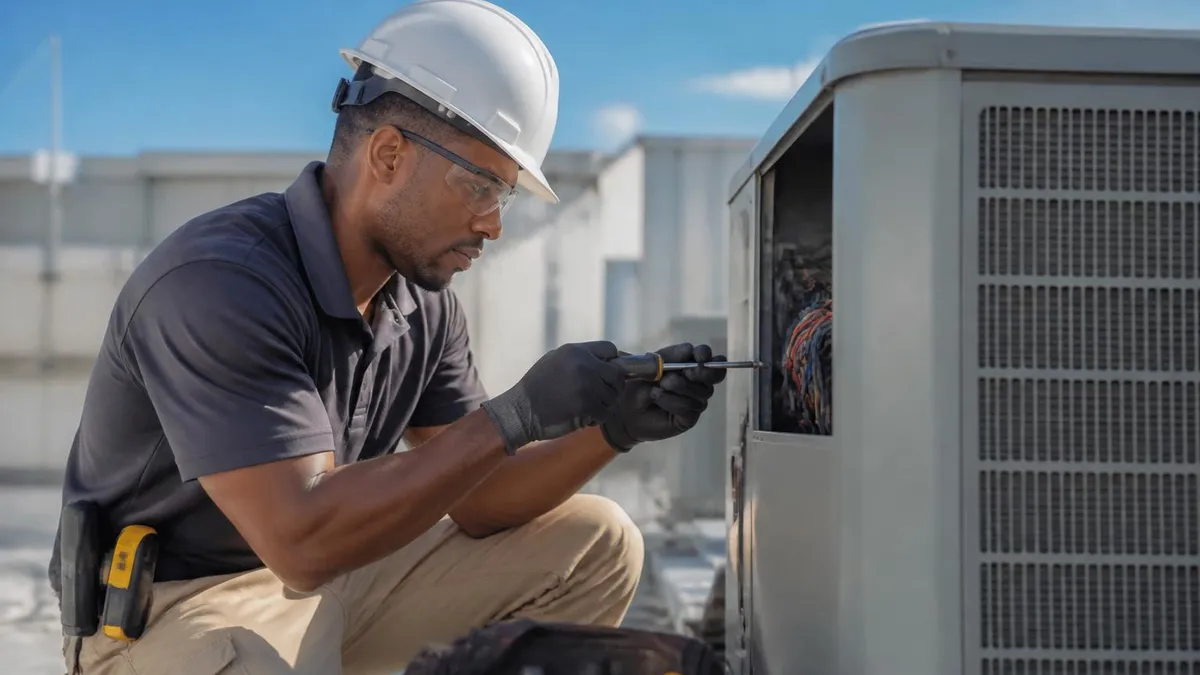
Common Compressor Failure Modes
The most frequent cause of compressor problems. Failed capacitors, burned contactor points, voltage surges, and loose wiring prevent the motor from starting or running properly. Often misdiagnosed as a dead compressor.
Internal bearings, pistons, or scrolls lock up due to oil breakdown, contamination, or extreme overheating. The compressor will hum but not turn. This failure typically requires full replacement, not repair.
Low charge from leaks causes overheating; overcharge raises head pressure and stresses windings. Acidic refrigerant from a previous burnout can destroy a new compressor within months if the system is not flushed properly.
Dirty condenser coils, failed fan motors, and blocked airflow force the compressor to run hot. Repeated thermal cycling breaks down the internal motor winding insulation, eventually causing a short to ground.
Oversized systems, bad thermostats, or low refrigerant cause the compressor to start and stop dozens of times per hour. Each start draws 5x normal current, accelerating wear and reducing lifespan by years.
Recognizing the early warning signs of compressor trouble can mean the difference between a $200 repair and a $3,000 replacement. The first symptom most homeowners notice is reduced cooling capacity, where the system runs continuously but indoor temperatures never reach the thermostat setpoint. This usually happens on the hottest days of the year, when the compressor is already operating near its design limits and small inefficiencies become unmasked. If your system used to maintain 72°F easily but now struggles at 78°F, the compressor or its supporting components are likely degrading.
Unusual sounds from the outdoor unit are another critical diagnostic clue. A healthy compressor produces a steady, low-frequency hum. A failing one may click repeatedly without starting, buzz loudly for two or three seconds before tripping the breaker, or produce a grinding sound that indicates internal mechanical damage. Hard-start kits sometimes resolve the clicking issue temporarily by giving the motor an extra torque boost, but they are a workaround rather than a fix. Persistent buzzing usually means a locked rotor, which is rarely recoverable.
Electrical symptoms often appear before mechanical ones. If your circuit breaker trips when the air conditioner kicks on, do not simply reset it and walk away. A tripping breaker indicates that the compressor is drawing far more current than rated, which can be caused by a failed capacitor, a grounded winding, or seized bearings. Repeatedly resetting the breaker can cause arc flash, melt the contactor, or even start an electrical fire inside the disconnect box.
Refrigerant line conditions tell a story too. Frost or ice on the larger suction line returning to the compressor suggests low charge or restricted airflow at the evaporator. Oily residue around fittings indicates a slow leak that has been depleting refrigerant for weeks or months. A puddle of oil beneath the condenser is almost always bad news, since compressor oil and refrigerant circulate together and a leak severe enough to drip oil has likely already damaged the motor windings.
Professional diagnosis follows a specific sequence. The technician should first verify thermostat call, line voltage at the disconnect, and control voltage at the contactor before touching the compressor itself. Next come capacitor microfarad readings, contactor continuity tests, and amperage measurements during startup. Only after these confirm a true compressor failure should refrigerant recovery and replacement be discussed. Skipping these steps is malpractice, and any technician who diagnoses a dead compressor without measurements should be politely sent home.
Homeowners can perform a few safe pre-call checks themselves. Verify that the thermostat is set to cool and at least three degrees below room temperature. Confirm that the outdoor disconnect switch is engaged and the breaker is not tripped. Inspect the condenser coil for visible debris, cottonwood, or grass clippings that might restrict airflow.
Listen for the indoor blower running while the outdoor unit is silent — that specific symptom narrows the diagnosis to the outdoor unit alone. For deeper context on choosing a service provider, the guide on certified HVAC contractors walks through credentials, licensing, and red flags to watch.
Documentation matters enormously when diagnosis time comes. Keep a folder containing the original installation invoice, model and serial numbers from both indoor and outdoor units, annual maintenance records, and any prior repair receipts. Warranty registration confirmations and refrigerant type stickers should also be preserved. Technicians who arrive at a site with this paperwork ready can diagnose faster, order parts under warranty correctly, and avoid the dreaded second visit that doubles labor charges.
HVAC Practice Test Questions
Prepare for the HVAC - Heating Ventilation and Air Conditioning exam with our free practice test modules. Each quiz covers key topics to help you pass on your first try.
HVAC Air Conditioning
HVAC Exam Questions covering Air Conditioning. Master HVAC Test concepts for certification prep.
HVAC Code Compliance
Free HVAC Practice Test featuring Code Compliance. Improve your HVAC Exam score with mock test prep.
HVAC Electrical Controls
HVAC Test Prep for Electrical Controls. Practice HVAC Quiz questions and boost your score.
HVAC Energy Efficiency
HVAC Questions and Answers on Energy Efficiency. Free HVAC practice for exam readiness.
HVAC Heating Systems
HVAC Mock Test covering Heating Systems. Online HVAC Test practice with instant feedback.
HVAC Load Calculations
Free HVAC Quiz on HVAC Load Calculations. HVAC Exam prep questions with detailed explanations.
HVAC Tools and Equipment
HVAC Practice Questions for HVAC Tools and Equipment. Build confidence for your HVAC certification exam.
HVAC Refrigeration
HVAC Test Online for Refrigeration. Free practice with instant results and feedback.
HVAC Safety Practices
HVAC Study Material on Safety Practices. Prepare effectively with real exam-style questions.
HVAC System Design
Free HVAC Test covering System Design. Practice and track your HVAC exam readiness.
HVAC Thermodynamics
HVAC Exam Questions covering Thermodynamics. Master HVAC Test concepts for certification prep.
HVAC Compressor Repair Cost Breakdown
Parts pricing varies widely by compressor type. A standard single-stage reciprocating compressor for a 3-ton residential system typically runs $400 to $900 wholesale, while a two-stage scroll compressor costs $700 to $1,400. Inverter-driven variable-speed compressors used in modern heat pumps can exceed $2,000 just for the part itself. These prices do not include the filter-drier, which must be replaced every time the system is opened, or the new refrigerant charge required to recommission the system after repair.
Supporting electrical parts are far cheaper and often resolve apparent compressor failures. A dual run capacitor costs $25 to $75 wholesale, a contactor runs $20 to $60, and a hard-start kit for stubborn motors is $40 to $90. Reputable contractors mark these parts up modestly and bill them as part of a diagnostic resolution. Beware of any quote that lumps capacitor and compressor together at compressor-level pricing — that is a clear sign of overcharging or misdiagnosis.
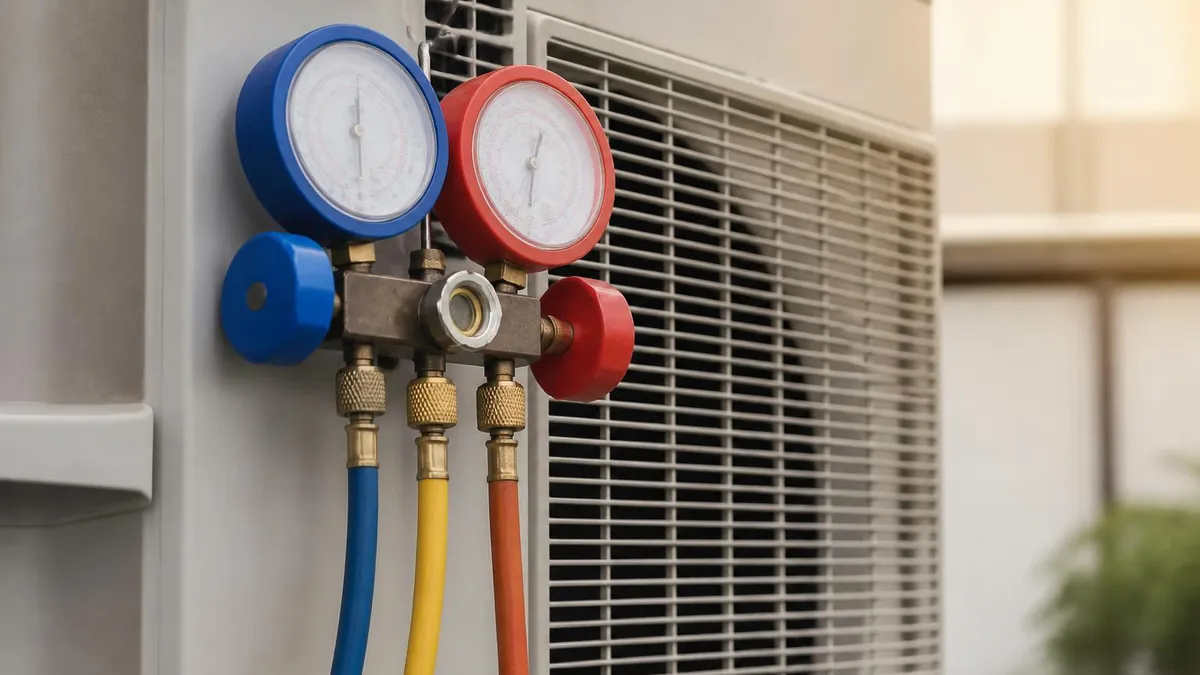
Repairing an Aging Compressor: Is It Worth It?
- +Significantly lower upfront cost than full system replacement
- +Preserves existing ductwork, refrigerant lines, and electrical connections
- +Can extend system life by 3 to 7 additional years when done properly
- +Avoids disruption from removing and reinstalling major equipment
- +Warranty coverage may pay for the part if system is under 10 years old
- +Maintains existing refrigerant type, avoiding R-410A retrofit complications
- +Faster turnaround, often completed in a single day
- −Compressor replacement does not address aging coils, fan motors, or electronics
- −Rest of system continues degrading at normal pace, risking another failure soon
- −Older systems offer 13 SEER efficiency versus 18+ SEER on new equipment
- −Repeat failures within warranty can void coverage on subsequent attempts
- −R-22 systems face escalating refrigerant costs with each future leak
- −No financing or rebate programs typically available for repairs
- −Resale value of home is not improved the way new equipment can
HVAC Compressor Repair Pre-Service Checklist
- ✓Locate and photograph the model and serial number tags on the outdoor unit
- ✓Gather original installation paperwork and any prior maintenance records
- ✓Verify warranty registration status with the manufacturer's website
- ✓Note the refrigerant type listed on the unit nameplate (R-22, R-410A, R-454B)
- ✓Check the breaker panel and reset any tripped breakers once only
- ✓Confirm the outdoor disconnect switch is fully engaged
- ✓Listen and record the specific sounds the unit makes when starting
- ✓Measure indoor temperature differential between supply and return vents
- ✓Clear vegetation, debris, and obstructions from around the condenser
- ✓Request a written diagnostic report before authorizing any major repair
- ✓Obtain at least two quotes for any work over $1,500
- ✓Verify the technician holds EPA Section 608 certification
When Repair Cost Exceeds Half of Replacement Cost, Replace
Industry consensus holds that if a repair quote exceeds 50% of new system replacement cost and the existing equipment is more than 10 years old, replacement is the better financial decision. A $2,500 compressor repair on a 12-year-old $5,500 system rarely pays back, especially when modern equipment delivers 30 to 40 percent better efficiency.
The repair-versus-replace decision is the most stressful moment in any compressor failure, partly because it usually happens during a heat wave and partly because contractors have a financial incentive to push toward replacement. Working through the economics methodically protects you from impulse decisions. Start by gathering three data points: the age of your system, the quoted repair cost, and a quote for full replacement of comparable capacity and efficiency. Anything less than 8 years old generally warrants repair if parts are reasonably priced. Anything older than 12 years usually warrants replacement.
The middle ground from 8 to 12 years requires deeper analysis. Calculate your annual energy cost for cooling and estimate the savings from upgrading to a higher-SEER system. A jump from 13 SEER to 18 SEER typically reduces cooling electricity use by 25 to 30 percent. In hot climates with annual cooling costs above $1,200, that savings alone justifies replacement within five to seven years. In milder climates with $400 annual cooling bills, the math favors repair until the system reaches 14 or 15 years of age.
Refrigerant type is a wild card that can flip the decision overnight. Systems still running R-22 face a fundamental supply problem: production ended in 2020 and reclaimed supply is dwindling. Each future leak repair on an R-22 system costs hundreds of dollars more than the same repair on an R-410A or R-454B system. If your current compressor failure is on an R-22 unit, replacement is almost always the smarter long-term play, even if the immediate repair cost looks tolerable.
Comfort and reliability considerations matter beyond pure economics. Older systems lack the variable-speed compressors, communicating controls, and humidity management features that define modern equipment. A homeowner who values quiet operation, even temperatures across rooms, and lower humidity may find that replacement transforms daily comfort in ways that no compressor repair can match. Variable-capacity systems also extend run times at lower speeds, which actually reduces wear and extends equipment life compared to single-stage on-off operation.
Tax credits, utility rebates, and manufacturer promotions can dramatically shift the math. The federal Energy Efficient Home Improvement Credit offers up to $2,000 for qualifying heat pumps installed in 2026. State and utility rebates frequently add another $500 to $2,500 for high-efficiency systems. These incentives are not available for repairs, only for new equipment installations meeting specific efficiency thresholds. Always check current rebate availability before finalizing your decision, since these programs change yearly.
Financing options also favor replacement for many households. Most reputable contractors offer 0% promotional financing for 12 to 24 months and longer-term installment plans through HVAC-specific lenders. A $7,500 system financed at 0% for 18 months equals about $417 monthly, which many families can absorb more easily than writing a $2,500 repair check. Compare the monthly cash flow impact alongside the total cost when making your final call. The detailed comparison guide on HVAC installations covers financing options, sizing calculations, and contractor evaluation in greater depth.
Finally, consider the household timeline. If you plan to sell within two to three years, repair makes more sense because you will not recoup full replacement costs in resale value. If you plan to stay seven years or more, replacement almost always wins on combined energy savings, reliability, and comfort. Honest contractors will ask about your timeline before recommending an approach, and that conversation alone is a useful test of who you are working with.

Verbal quotes for compressor work create disputes and disappointments. Insist on a written diagnostic report listing exact measurements taken, parts that failed, and the labor scope before signing anything. Reputable contractors provide this routinely. Anyone who resists is a red flag worth heeding immediately.
Warranty navigation is where many homeowners lose money unnecessarily. Most residential HVAC systems carry a 10-year parts warranty if registered within 60 to 90 days of installation, but registration rates run only 40 to 50 percent industry-wide. Check your registration status at the manufacturer's website using the serial number from the outdoor unit. If registration was missed, some manufacturers offer one-time grace periods for newer systems, particularly if the original installer can confirm the install date through their records.
Even with valid registration, parts warranties exclude labor, refrigerant, and ancillary materials. Expect to pay $800 to $1,500 in labor and consumables on a warranty compressor replacement that includes a free compressor. Some manufacturers offer extended labor warranties for an additional fee at installation, typically $200 to $600 for 10 years of labor coverage. If your system carries this coverage, the warranty compressor replacement may cost only $100 to $300 out of pocket, which fundamentally changes the repair-versus-replace math.
Selecting the right technician for compressor work matters more than for almost any other HVAC service. Brazing skill, vacuum technique, and refrigerant charging precision determine whether the new compressor lasts two years or fifteen. Ask candidates how deep a vacuum they pull and what their target microns reading is — anything above 500 microns is unacceptable for modern systems. Ask whether they replace the filter-drier on every refrigerant circuit opening. Anyone who hesitates on either question lacks the discipline this work requires.
EPA Section 608 certification is legally required for anyone handling refrigerant. Verify certification with the technician directly and confirm the company holds proper state HVAC licensing. Insurance coverage including general liability and workers compensation protects you from claims if a technician is injured on your property. Membership in trade organizations like ACCA or RSES is a useful but not essential signal of professional commitment. The article on local HVAC repair services walks through how to vet companies in your specific area.
Online reviews require careful interpretation. Look for detailed reviews mentioning specific technicians by name, particular repair scenarios, and follow-up service quality. Reviews that mention compressor replacements specifically are gold, since this work separates competent contractors from mediocre ones. Be skeptical of companies with hundreds of five-star reviews and no detailed feedback — those patterns often indicate purchased or incentivized reviews rather than authentic customer experiences.
Pricing transparency varies enormously across the industry. Some companies provide flat-rate menus listing exact prices for every common repair, while others quote each job individually after diagnosis. Flat-rate pricing protects you from time-padding but can overcharge for simple jobs. Time-and-materials billing rewards efficient technicians but requires trust. Either model can work fairly when the contractor communicates clearly and documents work thoroughly. Demand itemized invoices regardless of pricing model, and never pay cash without a paper trail.
Finally, build a long-term relationship with one trusted contractor rather than chasing the lowest price for each repair. Annual maintenance agreements typically cost $200 to $400 and include two visits per year, priority scheduling, and 10 to 20 percent discounts on repairs. Customers under maintenance agreements consistently report fewer emergency failures, longer equipment lifespans, and faster response times during heat waves. That relationship value compounds over the 15 to 20 year lifespan of an HVAC system.
Preventing the next compressor failure is more valuable than mastering the repair process. The single most impactful maintenance task is keeping the outdoor condenser coil clean. Coil fins accumulate pollen, grass clippings, pet hair, and dryer lint over the cooling season, which restricts airflow and forces the compressor to work harder against rising head pressure. A garden hose rinse from the inside out twice per year removes most surface debris. Stubborn buildup requires foaming coil cleaner and gentle agitation, ideally as part of annual professional maintenance.
Refrigerant charge precision protects compressors more than any other single factor. An undercharged system runs the compressor hot because suction gas — which also cools the motor windings — is insufficient. An overcharged system raises discharge pressure and stresses internal valves. Charge should be checked annually using superheat and subcooling measurements, not by pressure alone. Sloppy contractors who top off refrigerant without measuring superheat and subcooling are causing slow damage that will manifest as compressor failure years later.
Electrical maintenance is equally critical. Capacitors degrade gradually, losing microfarad capacity over time before they fail completely. A capacitor reading 5 percent below rated capacitance should be replaced proactively rather than waiting for the compressor to suffer from chronic undercurrent. Contactor points pit and corrode after thousands of cycles, eventually causing voltage drop that overheats the compressor motor. Annual inspection and replacement of these parts when needed costs $75 to $200 and prevents thousands in compressor damage.
Airflow inside the home matters as much as airflow at the condenser. A clogged air filter or restricted return ductwork starves the evaporator coil of warm air, causing it to freeze. Frozen evaporators flood liquid refrigerant back to the compressor, which is a mechanical pump designed for vapor only. Liquid slugging destroys compressor valves and pistons rapidly. Change filters monthly during peak cooling season, keep return grilles unobstructed, and have ductwork inspected every five years for collapsed insulation or disconnected sections.
Thermostat settings affect compressor longevity more than most homeowners realize. Setting the thermostat dramatically lower than ambient temperature does not cool the house faster; it just causes the compressor to run longer at maximum load. A reasonable 20 to 22 degree differential between outdoor and indoor temperatures is healthy for the equipment. Programmable and smart thermostats that maintain steady setpoints prevent the deep recovery cycles that stress compressors during late-afternoon return-from-work scenarios.
Surge protection deserves consideration in lightning-prone regions. Whole-house surge protectors mounted at the electrical panel cost $300 to $600 installed and protect every appliance in the home, including the HVAC compressor. Dedicated HVAC surge protectors mounted at the outdoor disconnect cost $150 to $300 and provide focused protection for the most expensive single appliance. Both options pay for themselves the first time a nearby strike would have otherwise destroyed a compressor.
Annual professional maintenance ties all these factors together. A proper tune-up includes coil cleaning, refrigerant charge verification, electrical component testing, capacitor measurement, contactor inspection, drain line clearing, blower motor amperage check, and thermostat calibration. Expect to pay $150 to $250 for a thorough tune-up, or join a maintenance agreement that bundles two visits per year at a discount. Skipping maintenance is the single biggest predictor of premature compressor failure across every regional climate.
HVAC Questions and Answers
HVAC Technician Jobs Near Me: How to Find, Land, and Grow in Local HVAC Careers
CFM HVAC Basics: How Airflow, Sizing, and System Performance Work Together
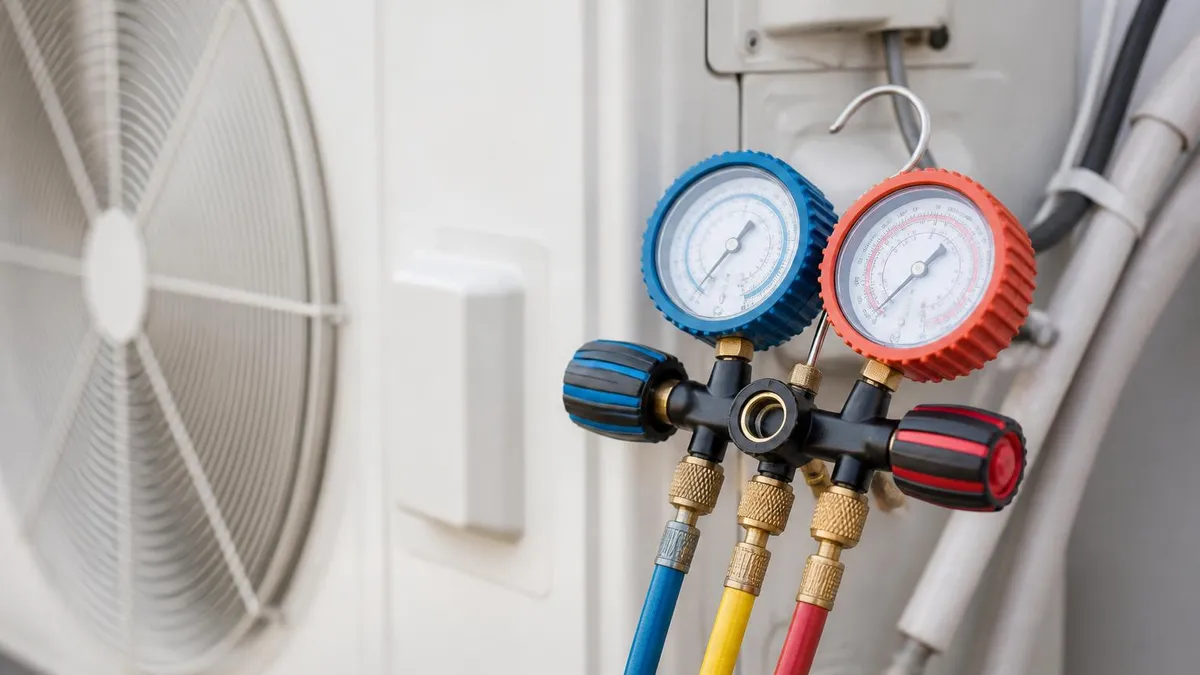
Certified HVAC Contractors: How to Find, Vet, and Hire the Right Professional for Your Home or Business
Best HVAC Repair in Bandon, OR: Local Services Near Me Guide
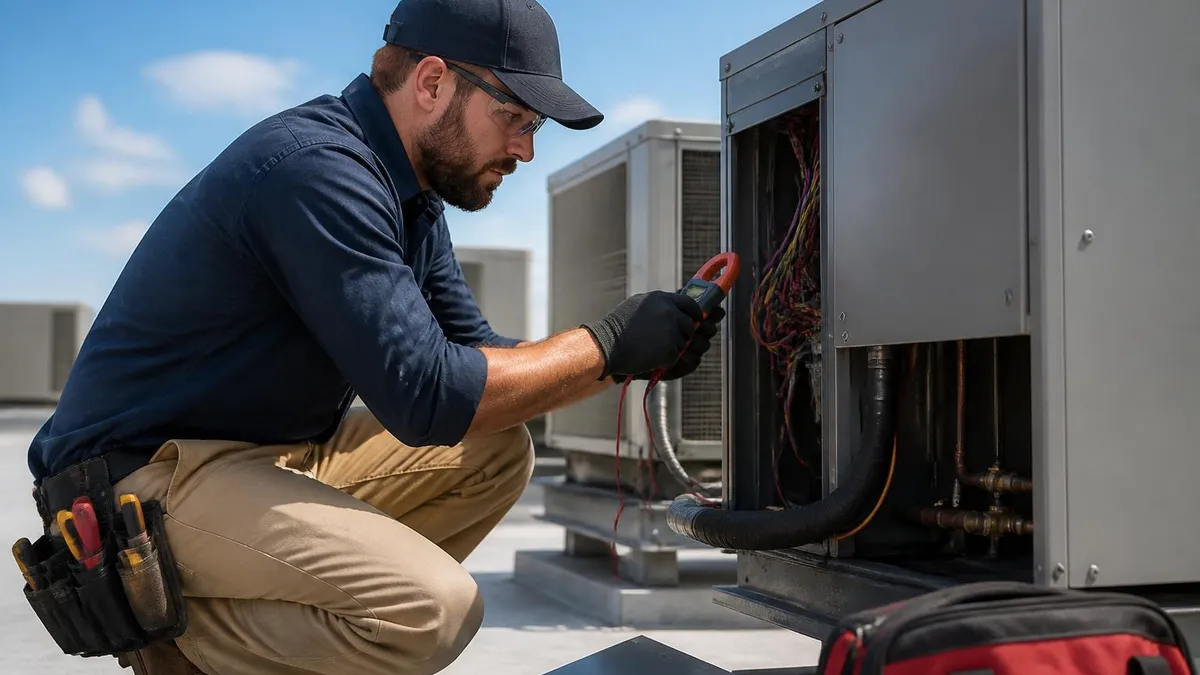
HVAC Installations: The Complete Guide to Planning, Pricing, and Getting It Right the First Time
About the Author

NATE Certified HVAC Technician & Licensing Exam Trainer
Universal Technical InstituteMike Johnson is a NATE-certified HVAC technician and EPA 608 universal-certified refrigerant handler with a Bachelor of Science in HVAC/R Technology. He has 19 years of commercial and residential HVAC installation and service experience and specializes in preparing technicians for NATE certification, EPA 608, A2L refrigerant safety, and state HVAC contractor licensing examinations.