
Is HVAC Blue Collar? A Complete Career Research Guide to the Trade, Skills, Salary, and Real Daily Work
Is HVAC blue collar? Explore HVAC career research: 🧠 daily work, wages, skills, training paths, pros and cons, and what the trade really looks like today.
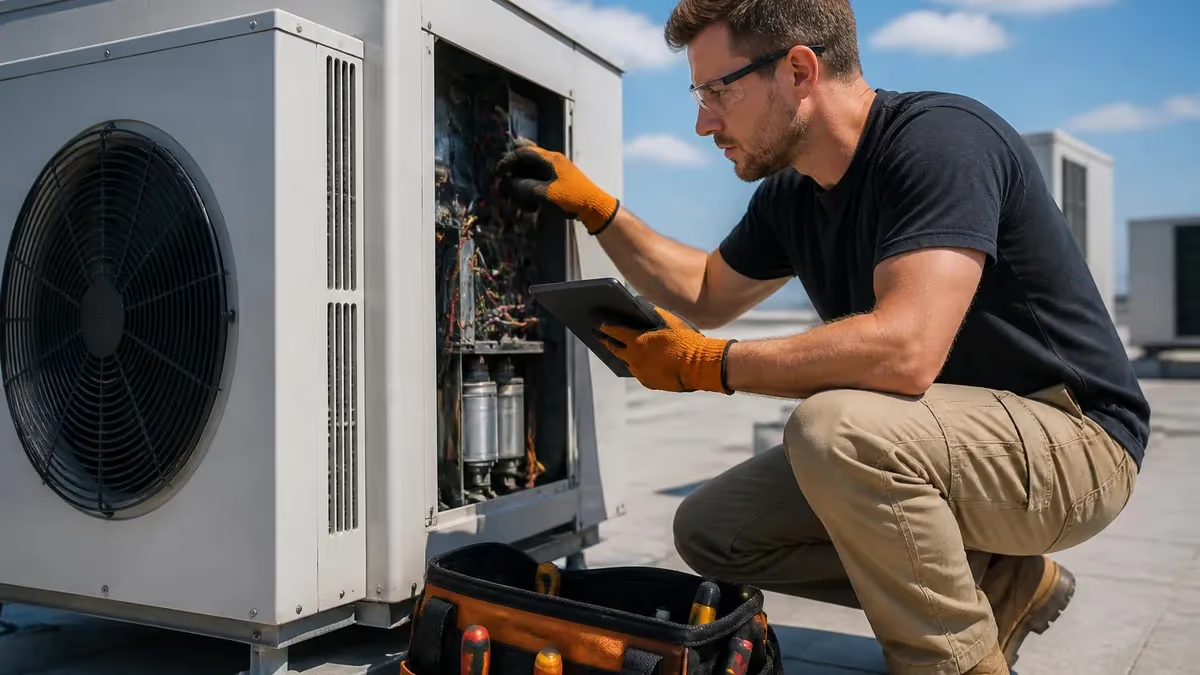
Is HVAC blue collar? The short answer is yes — heating, ventilation, and air conditioning work is one of the most clearly defined blue collar skilled trades in the modern economy, sitting alongside plumbing, electrical, and welding. But that simple yes hides a much richer story about what HVAC technicians actually do, how much they earn, what skills they need, and why the trade increasingly blends physical labor with digital diagnostics, building science, and customer service in ways that don't fit the old stereotype of greasy coveralls and a wrench.
This career research guide is built for high school students, career changers, parents, guidance counselors, and adults rethinking their next move. We'll walk through the full picture: the work environment, the wages, the licensing path, the apprenticeship-to-journeyman ladder, the union vs. non-union landscape, and the real day-to-day rhythm of service calls, installs, and maintenance. We pull from BLS data, NCCER curricula, and conversations with working techs across residential, commercial, and industrial settings.
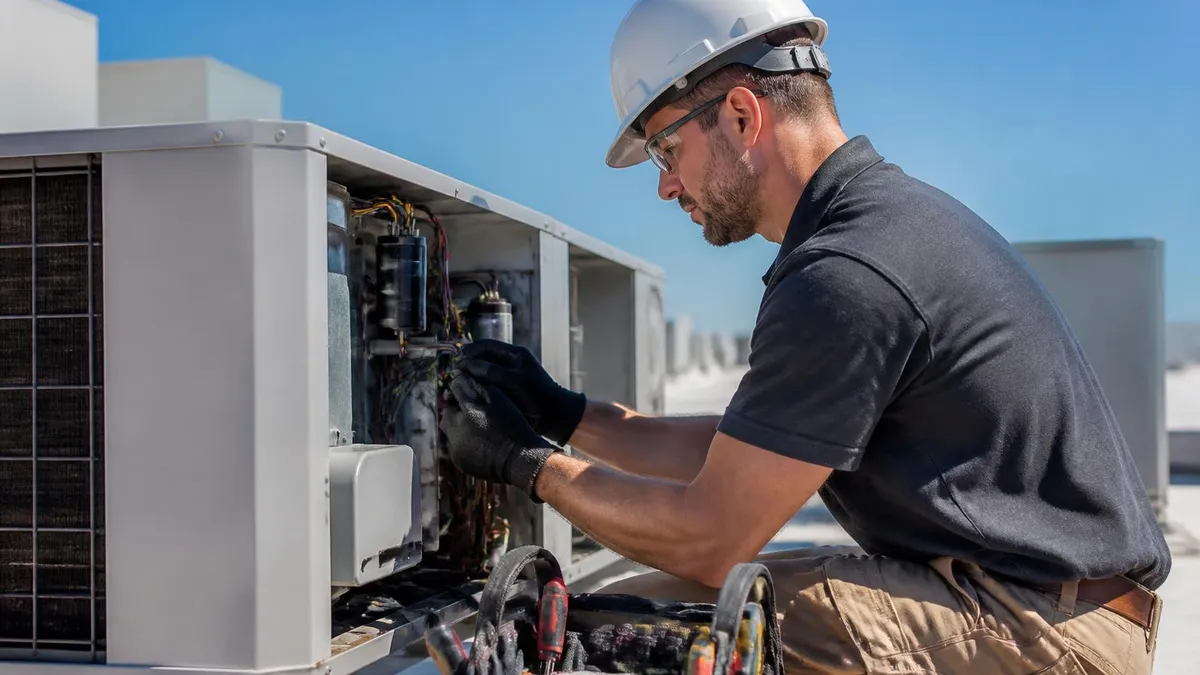
HVAC is blue collar because the work is hands-on, physically demanding, and tied to a specific job site rather than an office. Technicians lift compressors, crawl through attics, solder copper, pull wire, recover refrigerant, and stand on roofs in July heat and January cold. That is the textbook definition of blue collar labor. Yet HVAC is also one of the most technology-forward trades — modern systems involve variable-speed inverters, communicating thermostats, Modbus and BACnet protocols, and EPA-regulated refrigerants that require certification to even touch.
The career also pays better than most people assume. The Bureau of Labor Statistics reports a median wage near $57,300 with the top ten percent earning above $84,000, and experienced commercial techs, controls specialists, or independent contractors regularly clear six figures. Demand is strong: the BLS projects roughly 9 percent growth in HVAC employment through 2033, faster than the average occupation, driven by aging building stock, the heat pump transition, and tightening energy codes that require professional installation and commissioning.
For homeowners curious about what techs actually do, exploring a guide like HVAC Solutions: The Complete Guide to Heating, Cooling, and Indoor Air Quality Systems for Homes and Buildings shows the scope of equipment and problems a working technician handles every week. Understanding the gear is the first step in understanding the career.
What separates HVAC from other blue collar trades is the diagnostic element. A plumber chases water; an electrician chases electrons; an HVAC tech chases heat, pressure, airflow, and refrigerant phase change all at once, often in the same call. That puzzle-solving nature is why many techs describe the job as half mechanic, half detective, and why the trade attracts curious, mechanically minded people who don't want a desk job but also don't want repetitive assembly-line work.
Throughout this article we'll answer the surrounding questions readers also ask: is HVAC a good career, is HVAC harder than plumbing, can you make six figures in HVAC, do you need college, what's the apprenticeship like, and what does a normal week actually look like. By the end you'll have a clear, honest picture of whether the trade fits your goals — physically, financially, and intellectually.
HVAC Careers by the Numbers
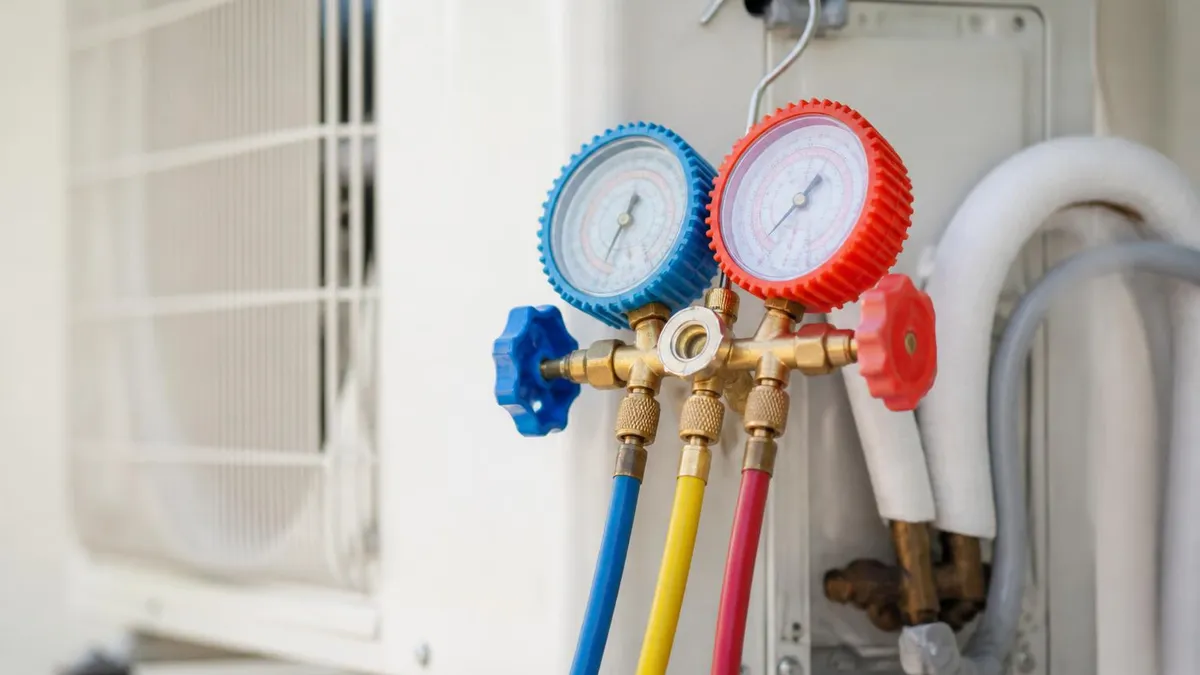
How People Actually Enter the HVAC Trade
A 6 to 24 month HVAC program combines classroom theory with hands-on lab work in refrigeration, electrical, and combustion. Programs cost $1,200 to $15,000 and prepare students for EPA 608 certification and entry-level helper positions.
Earn while you learn through a Department of Labor registered apprenticeship, typically 4 to 5 years combining paid on-the-job training with 144 hours of classroom instruction yearly. Union (UA Local 638, SMART) and non-union (ABC, IEC) tracks exist nationwide.
Many techs start as a $15 to $18 per hour helper carrying ladders and gauges for a journeyman. After 12 to 18 months, employers often pay for night school and EPA testing. This is the most common entry route in the South and Sun Belt.
Veterans from Army utilities equipment repairer (91C), Navy HT, Air Force HVAC (3E1X1), or Marine 1161 carry directly into civilian HVAC. GI Bill covers additional schooling and many states offer accelerated journeyman testing for verified military experience.
Adults switching from retail, food service, or office jobs are roughly 30 percent of new HVAC enrollees. Most complete an accelerated 9 month program, work as helpers for a year, and reach journeyman wages within three years — often matching their old salary by year two.
A typical HVAC technician's day starts between 6:30 and 8:00 a.m. at a shop or warehouse where they load their van with parts pulled the night before, check the day's dispatch from a tablet, and head to the first call. Residential service techs usually run 4 to 8 calls per day; commercial techs may spend the entire shift on one rooftop unit or chiller. The work is mobile, route-based, and weather-driven, which is one reason summer overtime is the rule rather than the exception in cooling-dominant climates.
The physical side of the trade is real and shouldn't be downplayed. Techs lift 50 to 100 pound condenser pads, carry copper line sets up two-story ladders, crawl through attics where temperatures hit 140°F, and work in mechanical rooms that are loud, hot, and tight. Knees, shoulders, and backs take the most wear; that's why experienced techs invest in good boots, knee pads, and proper lifting technique from day one. Reading a service-side resource like HVAC Tune Up Service: The Complete Guide to Professional HVAC Maintenance and Why It Pays for Itself reveals the maintenance volume that drives the industry.
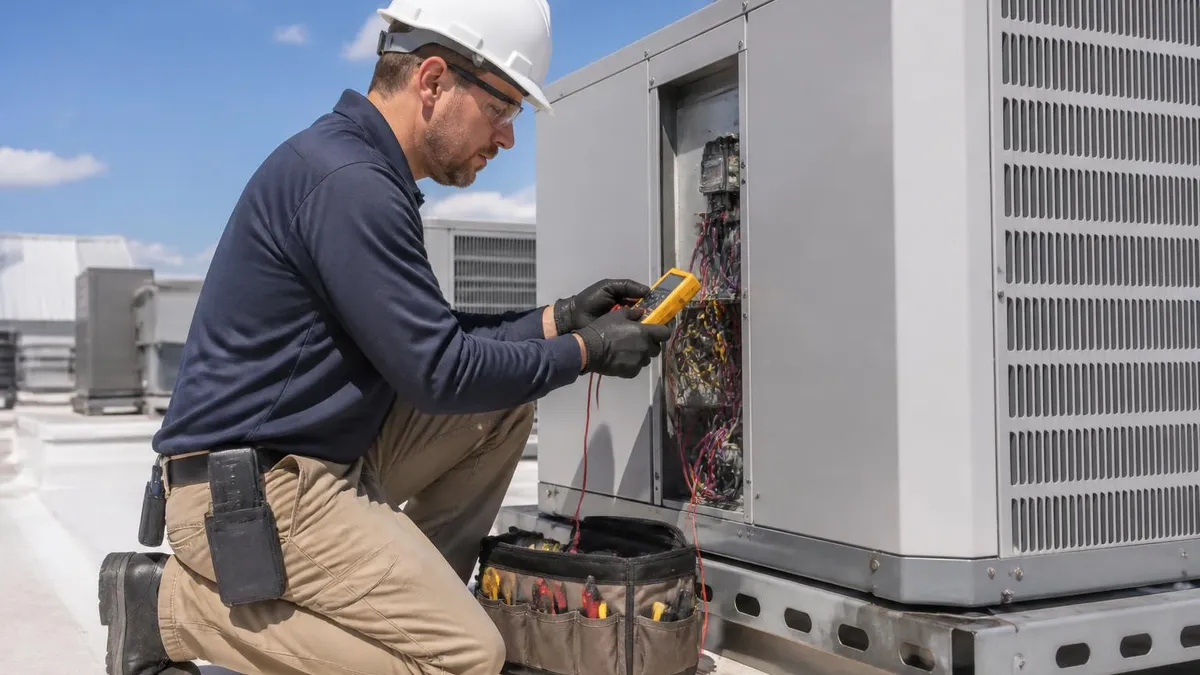
But the mental side is where modern HVAC diverges from old-school blue collar stereotypes. A single no-cool call can require reading wiring diagrams, measuring superheat and subcooling, testing capacitors with a multimeter, scoping a communicating thermostat over Wi-Fi, and explaining the repair to a homeowner in plain English while writing a quote on a tablet. Techs use Bluetooth manifolds, infrared cameras, combustion analyzers, and OEM software apps that update monthly. The trade rewards continuous learners.
Customer interaction is constant in residential and light commercial. You're in someone's home, often during stressful situations — a furnace down at 10°F, a baby's nursery at 90°F, a flooded basement from a condensate clog. The techs who advance fastest are the ones who can diagnose accurately AND communicate clearly. Many companies now train new hires in soft skills and "trust-based selling" almost as much as in refrigeration theory because the technician is the brand to the customer.
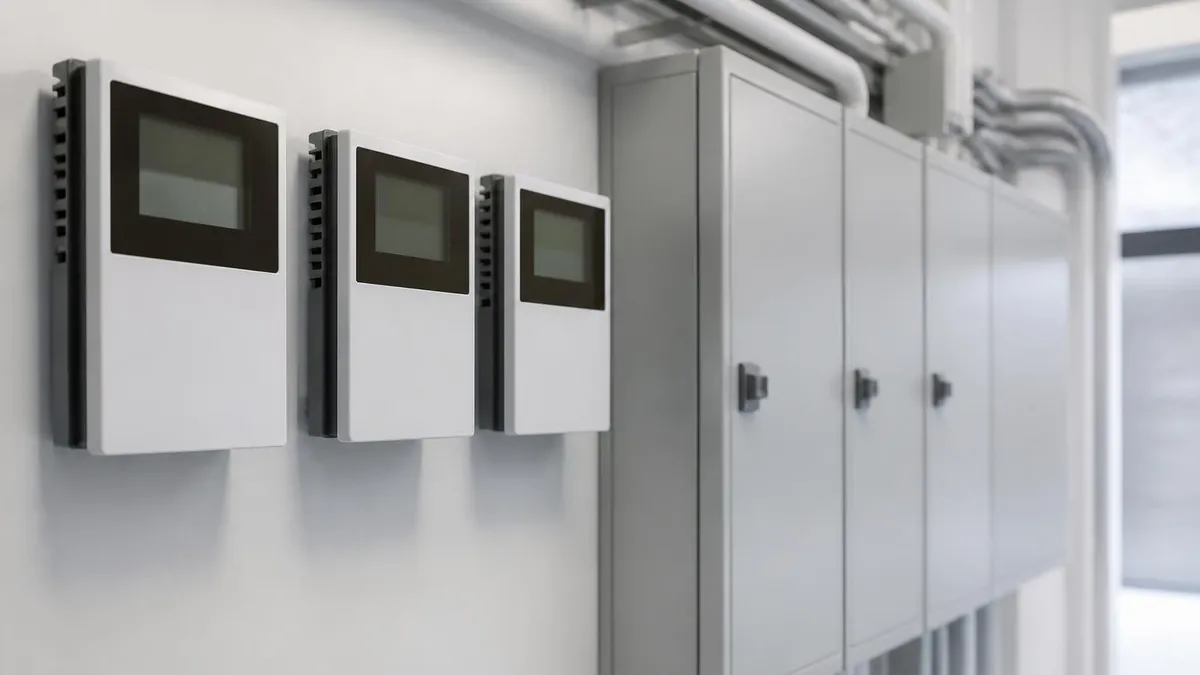
Work environments vary enormously across the four main HVAC tracks. Residential service techs split time between attics, basements, and outdoor condensers at single-family homes. Light commercial techs work on rooftop package units, walk-in coolers, and small chillers at restaurants, retail, and offices. Industrial and chiller mechanics handle 200-ton centrifugals, ammonia racks, and process cooling at hospitals, data centers, and plants. Controls technicians specialize in BACnet, Niagara, and building automation — the most computer-heavy track and the highest paid.
Schedules range from straight 40-hour weeks with weekends off (most install crews) to rotating on-call where you might cover one week per month answering 2 a.m. emergency calls for time-and-a-half. New construction installers usually finish their day by 3:30 p.m. when the general contractor closes the site. Service techs often go past 6 p.m. in summer. Commercial controls techs frequently work normal business hours because they need building access. The variety means HVAC accommodates many lifestyle preferences.
Safety is a daily focus. OSHA-recordable injuries in HVAC are below the national construction average partly because the industry has invested heavily in PPE, lockout-tagout procedures, and refrigerant handling protocols. The biggest real risks are falls from ladders and rooftops, electrical contact, and heat stress — all preventable with training and discipline. New EPA rules on A2L mildly flammable refrigerants like R-32 and R-454B add a new wrinkle techs must learn in 2025-2026.
HVAC Practice Test Questions
Prepare for the HVAC - Heating Ventilation and Air Conditioning exam with our free practice test modules. Each quiz covers key topics to help you pass on your first try.
HVAC Air Conditioning
HVAC Exam Questions covering Air Conditioning. Master HVAC Test concepts for certification prep.
HVAC Code Compliance
Free HVAC Practice Test featuring Code Compliance. Improve your HVAC Exam score with mock test prep.
HVAC Electrical Controls
HVAC Test Prep for Electrical Controls. Practice HVAC Quiz questions and boost your score.
HVAC Energy Efficiency
HVAC Questions and Answers on Energy Efficiency. Free HVAC practice for exam readiness.
HVAC Heating Systems
HVAC Mock Test covering Heating Systems. Online HVAC Test practice with instant feedback.
HVAC Load Calculations
Free HVAC Quiz on HVAC Load Calculations. HVAC Exam prep questions with detailed explanations.
HVAC Tools and Equipment
HVAC Practice Questions for HVAC Tools and Equipment. Build confidence for your HVAC certification exam.
HVAC Refrigeration
HVAC Test Online for Refrigeration. Free practice with instant results and feedback.
HVAC Safety Practices
HVAC Study Material on Safety Practices. Prepare effectively with real exam-style questions.
HVAC System Design
Free HVAC Test covering System Design. Practice and track your HVAC exam readiness.
HVAC Thermodynamics
HVAC Exam Questions covering Thermodynamics. Master HVAC Test concepts for certification prep.
Is HVAC Blue Collar? Comparing the Trade to Other Career Categories
Blue collar refers to manual, skilled, or trade-based work performed primarily on a job site rather than in an office. The term originated from the durable blue work shirts factory and trade workers wore in the early 1900s and has since expanded to cover construction, manufacturing, mechanical, and skilled service work. By every standard definition, HVAC fits squarely in this category alongside plumbing, electrical, welding, and automotive technology.
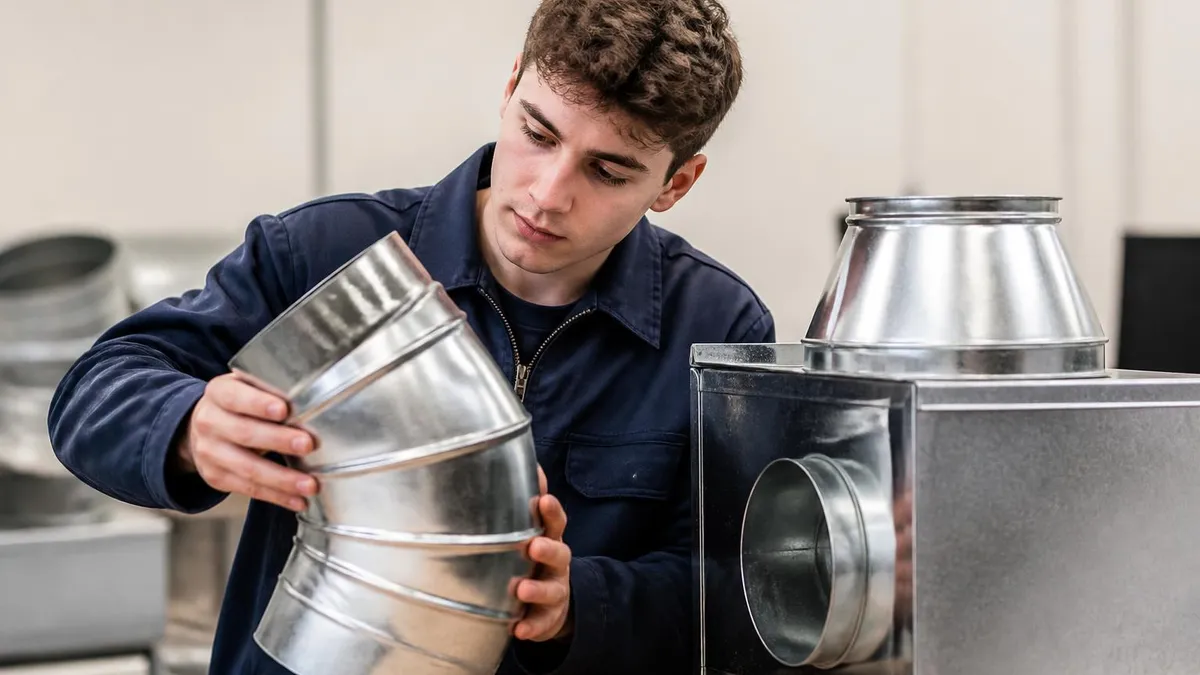
What's changed is the assumption that blue collar means low-skill or low-pay. Modern HVAC requires literacy in physics, electronics, building science, and increasingly software. A working tech reads pressure-enthalpy diagrams, calculates Manual J load, programs PLCs, and troubleshoots Ethernet-based controls. The collar may still be blue, but the brain behind it is doing knowledge work every single day, which is why some economists now call the trade "new collar."
Pros and Cons of an HVAC Blue Collar Career
- +Strong, recession-resistant demand — buildings always need heating and cooling
- +Earn while you learn through apprenticeships with no student debt
- +Median wages near $57K with realistic paths to $80K-$120K+
- +Variety of work environments — residential, commercial, industrial, controls
- +Clear advancement ladder from helper to journeyman to master and business owner
- +Skills transfer nationwide and to refrigeration, controls, or solar adjacent fields
- +Strong job satisfaction from solving real problems and seeing immediate results
- −Physical wear on knees, shoulders, and back over a 30-year career
- −Seasonal overtime and on-call shifts disrupt family schedules
- −Working conditions include 140°F attics, 0°F rooftops, and tight crawl spaces
- −Customer-facing stress when systems fail during heat waves or cold snaps
- −Initial pay during apprenticeship is modest, often $15-$20/hour
- −Continuing education required as refrigerants and codes change every few years
- −Exposure to chemicals, refrigerants, and electrical hazards demands constant safety focus
Pros and Cons at a Glance
| Pros | Cons |
|---|---|
| Strong, recession-resistant demand — buildings always need heating and cooling | Seasonal overtime and on-call shifts disrupt family schedules |
| Earn while you learn through apprenticeships with no student debt | Customer-facing stress when systems fail during heat waves or cold snaps |
| Variety of work environments — residential, commercial, industrial, controls | Continuing education required as refrigerants and codes change every few years |
| Clear advancement ladder from helper to journeyman to master and business owner | Exposure to chemicals, refrigerants, and electrical hazards demands constant safety focus |
Core Skills and Credentials for an HVAC Blue Collar Career
- ✓Earn EPA Section 608 Universal certification before touching any refrigerant
- ✓Complete a NATE Core or NATE Specialty exam to prove industry-standard competency
- ✓Master refrigeration cycle theory including superheat, subcooling, and pressure-temperature charts
- ✓Develop electrical troubleshooting skills with a quality multimeter and clamp meter
- ✓Learn combustion analysis for gas furnaces using a calibrated analyzer
- ✓Read mechanical, electrical, and ductwork blueprints fluently
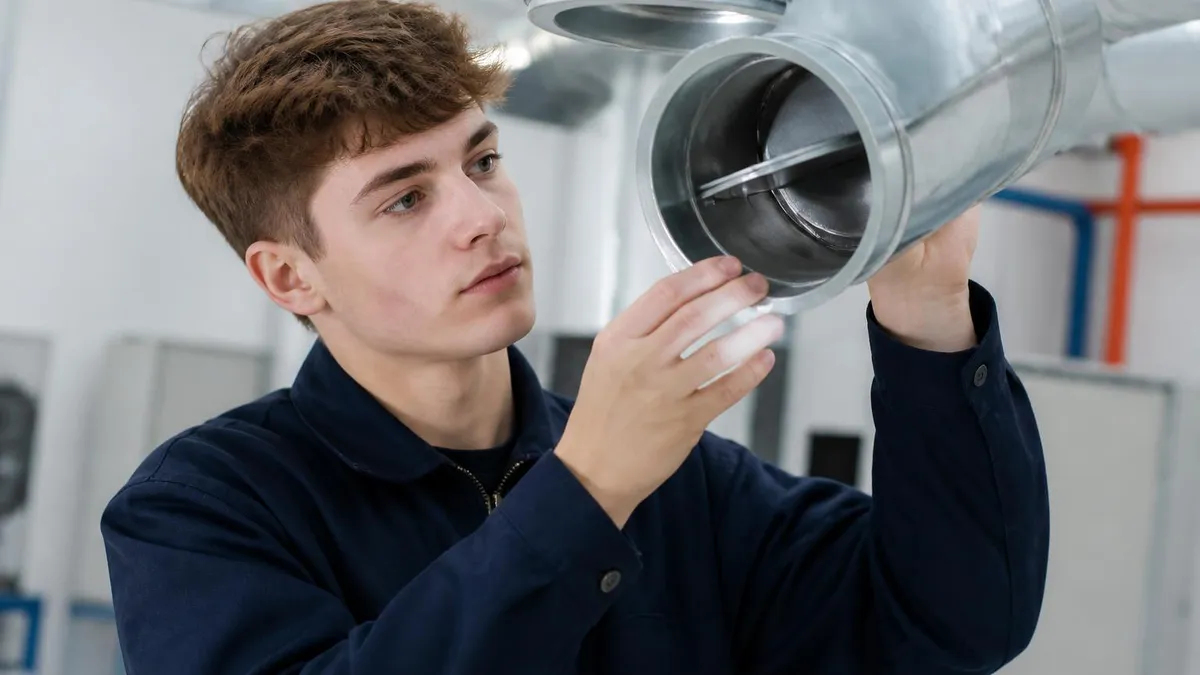
- ✓Build sheet metal fabrication basics including duct layout, hangers, and sealing
- ✓Obtain a state HVAC contractor or journeyman license where required (varies by state)
- ✓Practice OSHA 10 or OSHA 30 safety standards including ladder, fall, and lockout-tagout protocols
- ✓Maintain a clean driving record — most service techs drive a company van daily
- ✓Develop customer communication and basic sales skills for residential service work
- ✓Stay current on A2L refrigerants, heat pump technology, and BACnet/Modbus controls
HVAC pays for itself within 18 months — and keeps paying for 40 years.
The average HVAC apprentice recoups their entire training investment within 12 to 18 months of starting work. By year five, journeyman techs typically earn $60K to $80K, and by year ten many move into senior service, controls, or ownership roles paying six figures. Few career paths offer that ROI without a four-year degree, student debt, or office burnout.
Salary in HVAC follows a predictable curve that career researchers should understand before committing. First-year apprentices and helpers in most US markets earn $15 to $20 per hour, roughly $31,000 to $42,000 annually, plus benefits in larger shops. This is the lowest-earning stretch of the career and lasts 12 to 24 months. The trade-off is that schooling is free or employer-paid, and you accumulate journey hours every week instead of accumulating student loan debt every semester.
By years two and three, most apprentices reach $20 to $28 per hour as they pass EPA 608, complete more classroom hours, and handle calls solo. Annual pay lands between $42,000 and $58,000 depending on overtime, region, and union status. Many techs at this stage are out-earning friends who went to four-year colleges and are working customer service or entry-level corporate roles. Union apprentices on the UA, SMART, or IBEW HVAC controls tracks often hit this range slightly faster because of standardized step increases.
Journeyman status — typically year four or five — brings $28 to $42 per hour, putting total compensation with overtime and benefits between $65,000 and $95,000 in most markets. This is also when many techs choose their specialty: residential service (highest commission upside), commercial service (most predictable schedule), controls (highest base), or installation lead (best work-life balance). Specialty choice often matters more than years of experience for the next decade of earnings.
Senior and master-level techs (10+ years) routinely clear $80,000 to $120,000. Commercial chiller mechanics in major metros, building automation engineers, and on-call critical-facility techs at data centers and hospitals top out higher. Independent contractors who own a service truck and book direct customers can gross $150,000 to $300,000 but absorb tool, vehicle, insurance, and slow-season costs. The earning ceiling in HVAC is genuinely high for those willing to specialize, sell, or own.
Benefits packages in HVAC are stronger than most blue collar people assume. Established shops offer health insurance, 401(k) with match (often 3-6 percent), 10-15 days PTO, paid uniforms, take-home vehicles, tool allowances ($500-$1,500 yearly), and bonuses tied to membership renewals or revenue. Union locals add defined-benefit pensions that pay $3,000 to $6,000 monthly at retirement on top of Social Security — a benefit nearly extinct in white collar work.
Geography matters significantly. The highest-paying metros for HVAC techs are Alaska, San Francisco Bay Area, Seattle, New York City, Boston, and Washington DC, where journeymen routinely exceed $90,000 due to cost-of-living wages and strong union density. The Sun Belt — Phoenix, Houston, Dallas, Atlanta, Tampa — has lower hourly rates but huge call volume, abundant overtime, and lower taxes. Sites covering markets like HVAC Repair Portland: The Complete 2026 Homeowner's Guide to Furnace, AC, and Heat Pump Service in the Rose City illustrate how regional demand shapes opportunity.
Long-term financial outcomes for HVAC techs are surprisingly strong. A 22-year-old who starts apprenticing today and stays through age 62 will typically earn $3.5 to $5 million in lifetime wages — more if they specialize or own. Compare to a $200,000 four-year degree that defers earnings to age 22 and adds interest. The math usually favors the trade, especially when factoring in pension, no debt, and earlier compounding of savings.
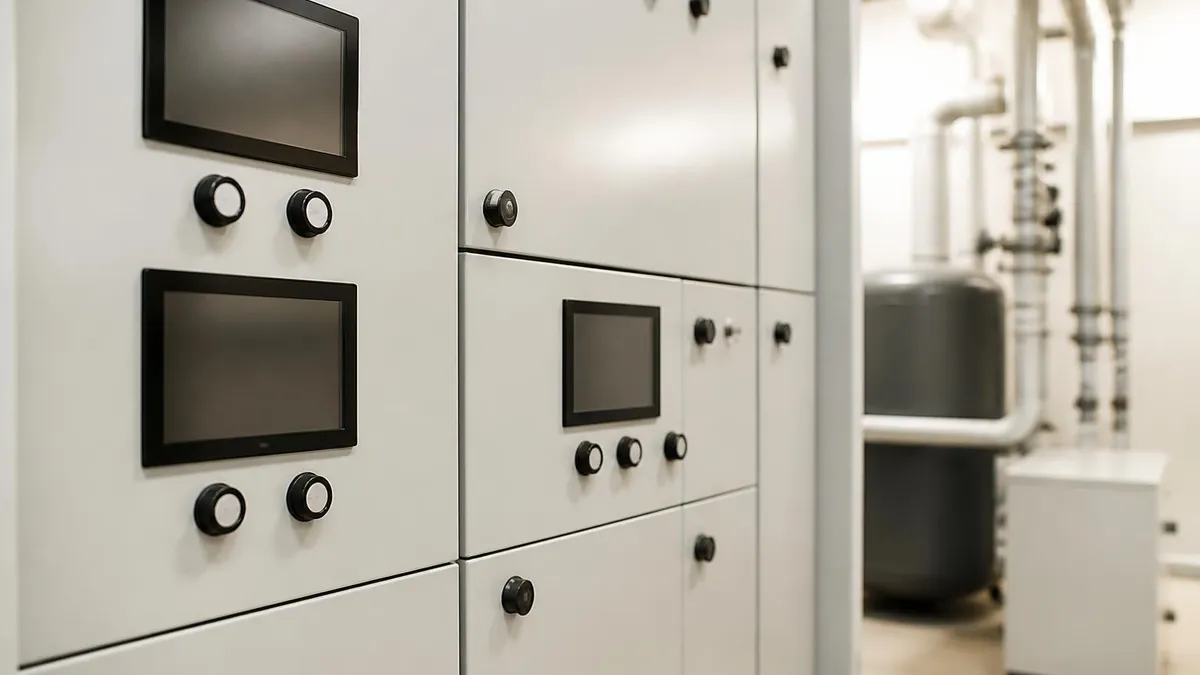
Federal law (Clean Air Act Section 608) prohibits handling, recovering, or releasing refrigerants without certification. Working without it carries fines up to $10,000 per violation, and most employers will not let an uncertified tech ride along on service calls. The exam is four sections, costs $20 to $150, and most apprentices pass within the first six months. Get it as early as humanly possible — it's the gateway to real HVAC work.
So is HVAC the right blue collar career for you specifically? It comes down to honest self-assessment across four dimensions: physical tolerance, mechanical curiosity, customer-comfort orientation, and long-term goals. The trade rewards people who genuinely enjoy solving problems with their hands and minds together. It punishes people who took it as a fallback or who can't tolerate working in uncomfortable physical environments. Knowing yourself matters more than test scores.
Strong fit indicators include: enjoying taking apart and reassembling things as a kid or hobby, scoring well in math and basic physics, being comfortable in attics or crawl spaces, preferring varied days over identical routines, and wanting tangible end-of-day results rather than abstract "deliverables." If you've worked retail or food service, the customer-facing component will feel familiar. If you've never held a screwdriver, you can still succeed, but expect a steeper first-year learning curve.
Weak fit indicators are equally important to recognize. If you have chronic back, knee, or shoulder injuries, the physical wear will compound. If you cannot tolerate heat above 100°F or cold below 20°F, certain markets become impractical. If you struggle with on-the-spot customer interaction or pressure, residential service will be exhausting — though commercial or controls roles might still suit you. The honest answer for some readers is that HVAC isn't the right fit, and that's valuable to learn before committing.
The best way to test your fit before enrolling is to spend a week ride-along or shadow with a working tech. Most local HVAC companies will accommodate motivated teenagers or career changers who reach out professionally. One week in real attics, on real rooftops, and at real service calls answers the fit question better than any online quiz or career article. Many shops use ride-alongs as informal recruiting and offer helper positions to candidates who handle the week well.
If you're a parent or counselor advising a student, the data on HVAC outcomes is unusually strong: completion rates for accredited programs run 65-80 percent, job placement within 6 months exceeds 90 percent in most markets, and 5-year retention in the trade is roughly 70 percent — higher than nursing or teaching. The trade isn't for everyone, but the people who enter typically stay, advance, and report job satisfaction scores above national averages in worker surveys.
For those leaning toward commitment, the next research step is identifying your local training options and hiring landscape. Tools like a directory of Certified HVAC Contractors: How to Find, Vet, and Hire the Right Professional for Your Home or Business reveal which companies operate in your market and give you names to call for ride-alongs, apprentice openings, and informational interviews. Pair that with your state's contractor licensing board and the local community college catalog, and you'll have a complete picture within a week.
One final consideration: HVAC is a trade where reputation compounds. The techs who become master-level service pros, controls specialists, or successful owners by their late 30s almost always share three traits: they showed up consistently, they kept learning after every certification, and they treated customers and coworkers with respect. Those traits matter more than raw mechanical talent, age, gender, or background. The trade welcomes anyone who brings them — which is partly why it remains one of the most accessible upward mobility paths in the modern US economy.
If you've decided HVAC is worth pursuing, the practical next steps fall into a clear 90-day plan that thousands of new techs have followed successfully. Week one: schedule a ride-along with two or three local shops to confirm fit. Week two: enroll in your state's most affordable accredited HVAC program — community college if available, NCCER-accredited trade school if not. Week three: apply for an apprentice helper position so you can start earning while school begins. Week four: book your EPA 608 prep course.
Tool acquisition is a milestone worth planning. Most shops provide major equipment (recovery machines, manifolds, vacuum pumps), but every tech owns a personal kit: a quality multimeter (Fieldpiece or Fluke, $200-$400), a clamp meter, insulated screwdrivers and nut drivers, refrigeration service wrenches, tubing cutter, flaring kit, and a good headlamp. Total first-year personal tool investment runs $800 to $1,500. Many employers reimburse part of this or sell tools at cost through payroll deduction.
Study habits during apprenticeship separate fast advancers from those who plateau. The technicians who hit journeyman wages by year three almost universally do three things: they study one hour each evening on commercial training apps like HVAC School or Refrigeration Technologies, they ask questions on every call rather than waiting passively, and they take detailed notes on every system they touch in a pocket notebook or phone app. Those notes become a personal field manual within six months.
Certifications stack faster than you'd expect. After EPA 608, the natural sequence is NATE Core (year 1), NATE Service or Installation (year 2), R-410A safety, OSHA 10, then a specialty like heat pump, light commercial refrigeration, or low-voltage controls. Each certification typically adds $1 to $3 per hour to your market rate, and several can be earned in a single weekend with focused prep. Employers often cover exam fees for in-house staff.
Networking inside the trade matters more than people realize. Join your local HVAC trade association (ACCA chapter, RSES, or local SMACNA), attend an AHR Expo if one is within driving distance during your apprenticeship, and connect with senior techs on platforms like HVAC-Talk and Reddit's r/HVAC. The trade is small in any given metro, and reputations travel fast. A reputation for reliability and clean workmanship at year three opens doors at year five.
Supplier and distributor relationships also pay dividends. Knowing your local Ferguson, Johnstone, RE Michel, or Carrier Enterprise counter reps gets you parts faster, occasional discounts, and early access to training events. Familiarity with the wholesale side of the business — captured in guides like HVAC Wholesale Direct: The Complete Guide to Sourcing Equipment, Parts, and Supplies at Distributor Pricing — also prepares techs who eventually want to own their own service company. Knowing the hvac equipment distributor is half of running a profitable HVAC business.
Finally, plan for the long arc. Few techs stay in the same role for 40 years; the trade naturally evolves people through residential service, commercial work, controls, sales, project management, training, or ownership. Map your 5, 10, and 20 year targets at the start, revisit them annually, and let real experience refine them. HVAC is one of the few blue collar careers where you can authentically choose your own trajectory at every milestone — and that flexibility, more than any single paycheck, is what makes the trade worth committing to.
Sample HVAC Practice Questions
Try these questions from our free HVAC practice tests. The correct answer and an explanation follow each question.
What does OSHA require when an HVAC technician must work on a rooftop unit within 6 feet of an unguarded roof edge?
- A. A warning line system alone is sufficient
- B. Fall protection such as guardrails, safety nets, or personal fall arrest systems
- C. A spotter on the ground watching the technician
- D. Written acknowledgment of the risk before starting work
Answer: B. Fall protection such as guardrails, safety nets, or personal fall arrest systems
OSHA 29 CFR 1926.502 requires fall protection (guardrails, safety nets, or personal fall arrest) when within 6 feet of an unprotected edge.
During a pre-job safety briefing for an HVAC installation requiring work at heights, which topic must be addressed according to OSHA standards?
- A. The estimated completion time for the project
- B. Fall hazards, fall protection methods, and proper use of fall protection equipment
- C. The customer's preference for equipment placement
- D. The warranty terms for the equipment being installed
Answer: B. Fall hazards, fall protection methods, and proper use of fall protection equipment
OSHA requires that workers be trained on the nature of fall hazards, the correct use of fall protection systems, and the procedures for erecting, maintaining, and dismantling fall protection systems.
In HVAC practice, what is the best approach to quality improvement in electrical controls?
- A. Make changes without measuring results
- B. Use data-driven methods with measurable outcomes
- C. Wait for problems to occur before acting
- D. Copy what other organizations do without analysis
Answer: B. Use data-driven methods with measurable outcomes
Data-driven quality improvement with measurable outcomes ensures that changes actually produce the intended improvements and can be verified.
Which professional attribute is most valued in thermodynamics within the HVAC field?
- A. Working in isolation
- B. Accountability and commitment to standards
- C. Avoiding challenging situations
- D. Prioritizing personal convenience
Answer: B. Accountability and commitment to standards
Accountability and commitment to professional standards build trust and ensure consistent, high-quality practice.
HVAC Questions and Answers
HVAC Wholesale Direct: The Complete Guide to Sourcing Equipment, Parts, and Supplies at Distributor Pricing
HVAC Repair Portland: The Complete 2026 Homeowner's Guide to Furnace, AC, and Heat Pump Service in the Rose City
HVAC Tune Up Service: The Complete Guide to Professional HVAC Maintenance and Why It Pays for Itself
HVAC Solutions: The Complete Guide to Heating, Cooling, and Indoor Air Quality Systems for Homes and Buildings
Certified HVAC Contractors: How to Find, Vet, and Hire the Right Professional for Your Home or Business
About the Author

NATE Certified HVAC Technician & Licensing Exam Trainer
Universal Technical InstituteMike Johnson is a NATE-certified HVAC technician and EPA 608 universal-certified refrigerant handler with a Bachelor of Science in HVAC/R Technology. He has 19 years of commercial and residential HVAC installation and service experience and specializes in preparing technicians for NATE certification, EPA 608, A2L refrigerant safety, and state HVAC contractor licensing examinations.