
How to Become an HVAC Technician: The Complete Training and Career Guide
Learn how to be a HVAC technician — training paths, certifications, salary, and licensing requirements. 🎯 Step-by-step guide for 2026 October.
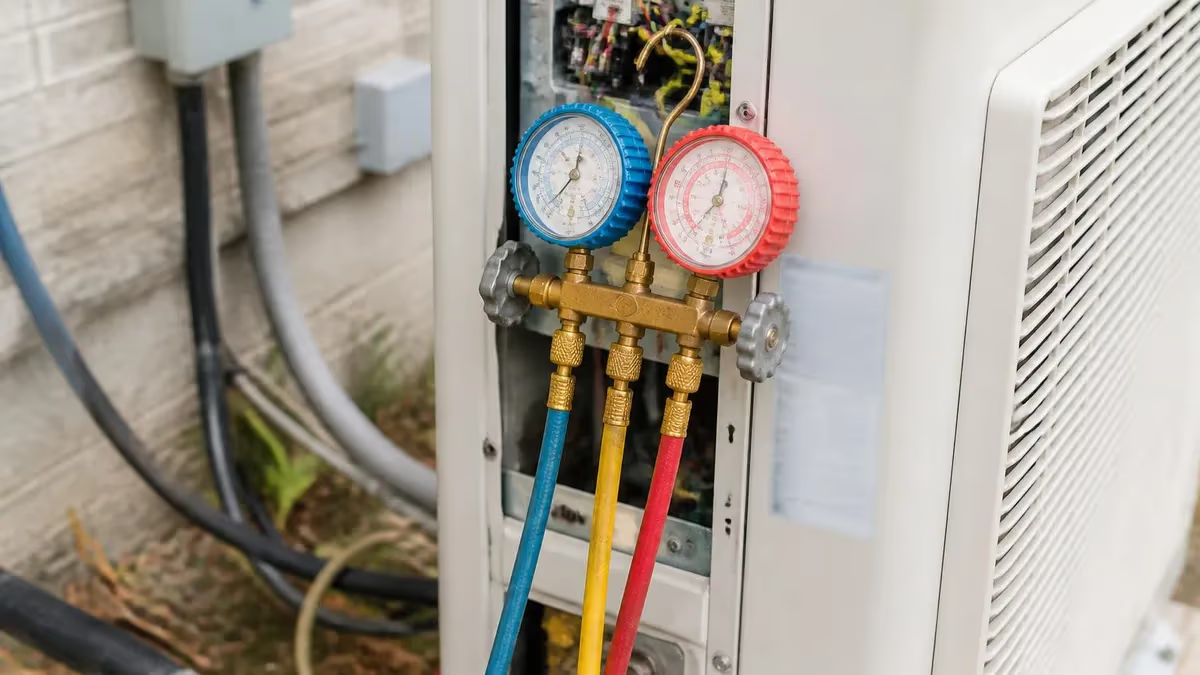
If you want to know how to be a HVAC technician, you have landed on the right guide. Heating, ventilation, air conditioning, and refrigeration systems are the backbone of modern buildings, and the professionals who install, maintain, and repair them are in enormous demand across every region of the United States. The Bureau of Labor Statistics projects employment of HVAC technicians to grow about 9 percent through 2032, which is faster than the average for all occupations, meaning stable, well-paying work is waiting for anyone willing to complete the training.
The HVAC trade is accessible because it does not require a four-year college degree. Most technicians enter the field through a combination of technical school training and hands-on apprenticeship, with total education lasting anywhere from six months to five years depending on the route chosen. While the path takes commitment, the reward is a skilled trade credential that commands strong wages, generous overtime pay, and opportunities to run an independent business.
Before exploring specific training options, it helps to understand what HVAC technicians actually do every day. Technicians install ductwork, refrigerant lines, and electrical controls. They troubleshoot systems that are not heating or cooling correctly, replace failed components like compressors and heat exchangers, and perform preventive maintenance on residential, commercial, and industrial equipment. Many technicians specialize in one area — such as commercial refrigeration or building automation systems — while others work as generalists handling a broad range of calls.
Licensing and certification requirements vary by state, but one credential is federally required for anyone who handles refrigerants: EPA Section 608 certification. Beyond that, many states require a contractor or journeyman license, and most employers look for North American Technician Excellence (NATE) certification as a sign of professional competency. Understanding these requirements early helps you plan your education so that certifications are earned in the right sequence without unnecessary delays or costs.
The earning potential in HVAC is genuinely compelling. Entry-level technicians earn around $38,000 to $45,000 per year, while experienced technicians with commercial certifications routinely earn $65,000 to $85,000. Overtime is common in summer and winter peak seasons, pushing effective annual income well above base salary. Technicians who move into service management, estimating, or business ownership can earn six figures within a decade of starting in the trade.
Physical fitness and mechanical aptitude are important, but equally critical are problem-solving skills and customer service ability. Residential HVAC technicians often work directly in customers' homes, explaining diagnoses and recommending repairs to homeowners who want clear, trustworthy communication. Commercial technicians must read building plans, coordinate with contractors, and sometimes navigate complicated building automation systems. Both settings reward technicians who communicate well and document their work thoroughly.
This guide walks you through every stage of the journey — from choosing a training program to passing licensing exams to landing your first job and advancing your career. Whether you are a high school student exploring trades, a career changer looking for job security, or someone who has worked in a related trade and wants to formalize credentials, the steps ahead will give you a clear roadmap to success in this rewarding field.
If you want to become hvac technician with a solid technical foundation, understanding how fan coil units and modern equipment work is an excellent place to begin.
HVAC Technician Career by the Numbers
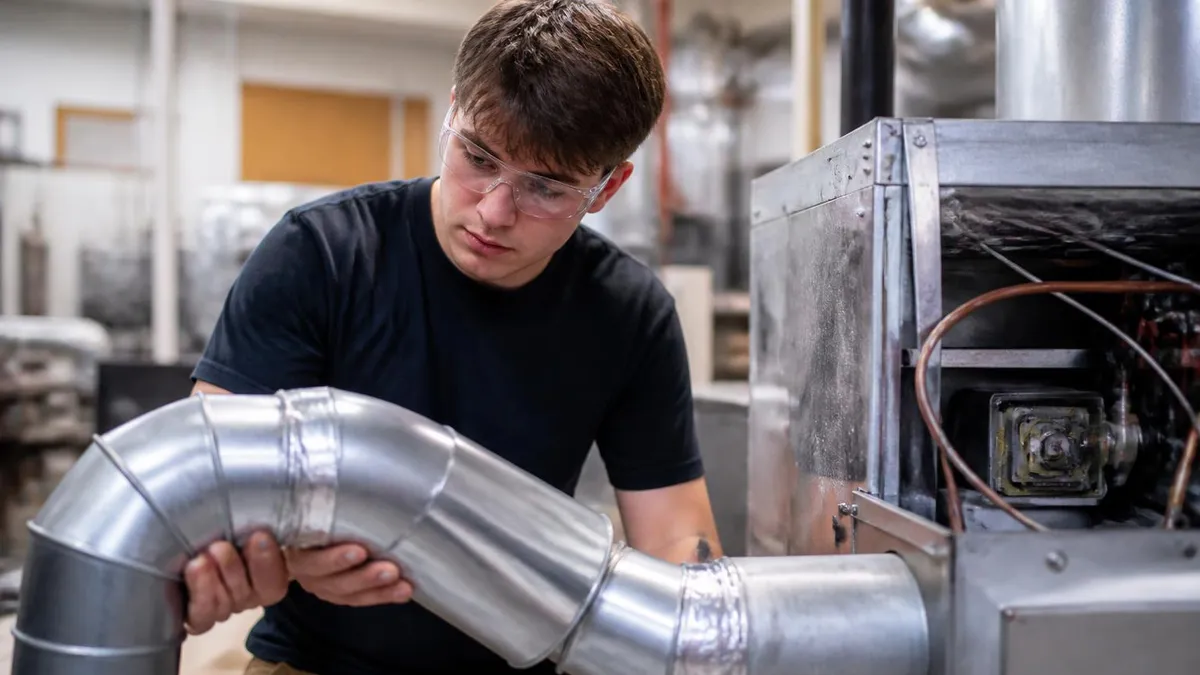
How to Become an HVAC Technician: Step-by-Step Path
Earn a High School Diploma or GED
Complete a Vocational or Trade School Program
Obtain EPA Section 608 Certification
Enter an Apprenticeship Program
Earn NATE and State Certifications
Enter the Workforce and Build Specialization
Certifications are the currency of the HVAC profession, and knowing which credentials to pursue and in what order can save you significant time and money. The EPA Section 608 certification is the non-negotiable starting point because federal law prohibits anyone from purchasing refrigerants or performing refrigerant recovery without it. The exam covers four types: Type I for small appliances, Type II for high-pressure systems, Type III for low-pressure systems, and Universal, which covers all categories and is the most widely held. Most training programs prepare students to sit for the Universal credential.
After EPA 608, North American Technician Excellence (NATE) certification is the industry's most respected voluntary credential. NATE offers specialty exams in areas including air conditioning, heat pumps, gas heating, commercial refrigeration, and hydronics. Each exam tests real-world knowledge, and employers frequently list NATE certification as a preferred or required qualification. The pass rate for NATE exams is roughly 50 to 60 percent on first attempt, which underscores the value of thorough preparation with practice tests and study materials before exam day.
State licensing is a separate layer of requirements that sits on top of national certifications. Approximately 44 states require some form of HVAC license for technicians who work independently or run a contracting business. Common license categories include journeyman technician, master technician, and contractor. Requirements typically include minimum work-hour documentation — often 4,000 to 8,000 hours of verified experience — plus passing a state-administered exam and providing proof of liability insurance and bonding. A few states, like California, have specific licensing boards for HVAC contractors that require additional documentation of business registration.
HVAC technicians who work in commercial settings may also need certifications related to electrical work, gas piping, or refrigeration systems that fall under different regulatory bodies. For example, technicians who work on natural gas systems in many states need a separate gas fitter license. Those who perform electrical panel work may need to demonstrate compliance with the National Electrical Code. Building strong awareness of local regulatory requirements is essential, because working without the appropriate license can result in fines, voided warranties, and liability exposure for your employer or your own business.
One credential gaining traction in 2025 and 2026 is the Building Performance Institute (BPI) certification, which focuses on energy efficiency, load calculations, and whole-building performance. As utility costs rise and building codes increasingly prioritize energy efficiency, technicians with BPI credentials are finding new market opportunities in energy auditing, heat load analysis, and recommending right-sized equipment. This credential pairs particularly well with Manual J load calculation training and positions technicians as consultants rather than just installers.
The HVAC Excellence certification program is another pathway offered by the Air Conditioning, Heating, and Refrigeration Institute (AHRI). HVAC Excellence credentials are available at the professional level and master specialist level, covering areas like residential air conditioning, commercial air conditioning, and light commercial heating. These certifications are especially common in community college programs that align their curriculum with HVAC Excellence standards, and graduates of those programs often earn the certification as part of completing their degree or diploma.
Tracking your certifications carefully matters because many credentials require periodic renewal. EPA 608 certification does not expire, but NATE certifications must be renewed every two years through continuing education hours or re-examination. Keeping a professional portfolio with copies of all certifications, training transcripts, and continuing education records makes license renewals smoother and provides a strong resume document when applying for jobs, bidding on contracts, or seeking promotion into supervisory roles.
HVAC Training Paths: Vocational School, Apprenticeship, and Military
Vocational and trade school programs are the fastest way to enter the HVAC workforce, with certificate programs running as short as six months and associate degree programs taking one to two years. These programs cover the theoretical foundation of refrigeration cycles, electrical systems, airflow principles, and code compliance in structured classroom settings. Students also get lab time working on real equipment, which builds hands-on competency before entering the workforce. Tuition typically ranges from $1,200 for short certificate programs to $15,000 for two-year associate degrees at community colleges.
The advantage of the vocational school route is speed — you can complete classroom training and sit for the EPA 608 exam before most apprentices have logged their first 500 hours. The trade-off is that employers often still want to see field experience, so graduates frequently enter the workforce as helpers or apprentice technicians and work their way up. Many trade school graduates pair their diploma with an apprenticeship to satisfy state licensing hour requirements while earning a competitive wage and building on their classroom knowledge in real job settings.
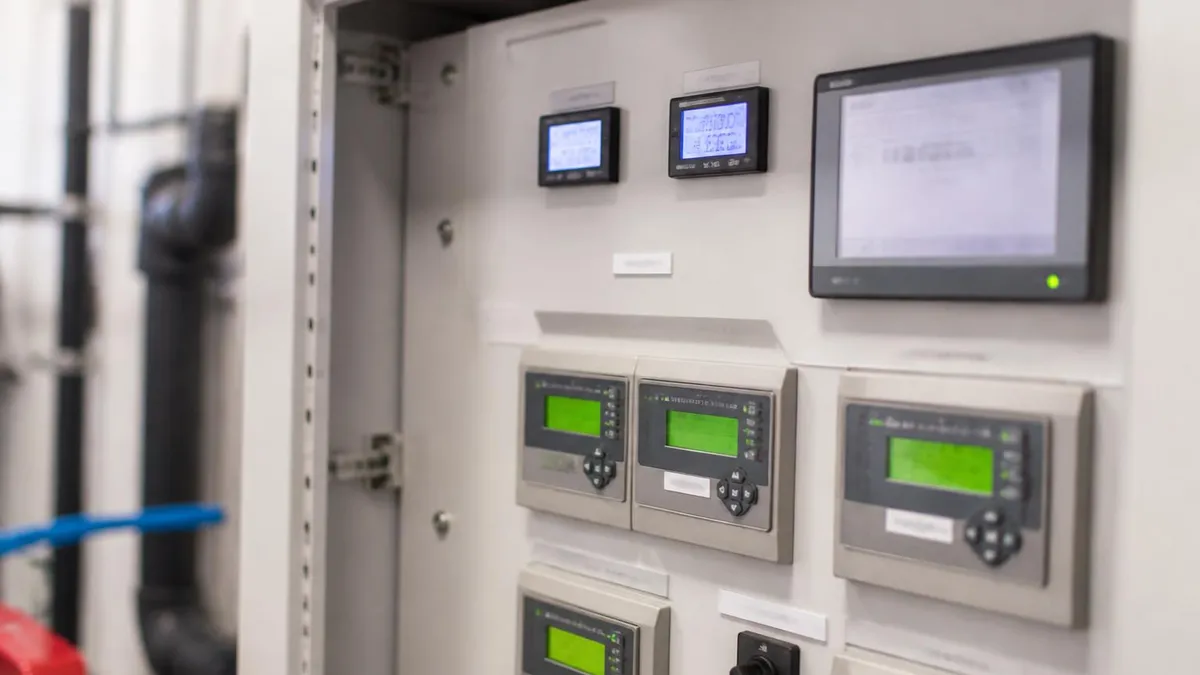
Is an HVAC Career Right for You? Pros and Cons
- +Strong and growing job demand driven by climate trends and aging building infrastructure
- +No four-year degree required — enter the workforce faster with less student debt
- +Earn while you learn through paid apprenticeship programs from day one
- +Diverse work environments — residential, commercial, industrial, and specialty refrigeration
- +Clear career ladder from helper to journeyman to master technician to business owner
- +Recession-resistant demand because heating and cooling are non-negotiable necessities
- −Physically demanding work involving confined spaces, heights, and heavy equipment
- −Seasonal workload peaks can mean very long hours in summer and winter extremes
- −Exposure to refrigerants and electrical hazards requires strict safety discipline
- −Licensing requirements vary by state and keeping certifications current requires ongoing effort
- −On-call and emergency service work can disrupt personal schedules, especially in early career
- −Initial tool and equipment investment can cost $1,000 to $3,000 for a personal toolkit
Pros and Cons at a Glance
| Pros | Cons |
|---|---|
| Strong and growing job demand driven by climate trends and aging building infrastructure | Physically demanding work involving confined spaces, heights, and heavy equipment |
| No four-year degree required — enter the workforce faster with less student debt | Seasonal workload peaks can mean very long hours in summer and winter extremes |
| Earn while you learn through paid apprenticeship programs from day one | Exposure to refrigerants and electrical hazards requires strict safety discipline |
| Diverse work environments — residential, commercial, industrial, and specialty refrigeration | Licensing requirements vary by state and keeping certifications current requires ongoing effort |
| Clear career ladder from helper to journeyman to master technician to business owner | On-call and emergency service work can disrupt personal schedules, especially in early career |
HVAC Technician Certification Checklist: 10 Steps to Complete
- ✓Earn a high school diploma or GED with strong grades in math and science.
- ✓Research and apply to an accredited HVAC vocational program or registered apprenticeship.
- ✓Study refrigerant handling and environmental regulations to prepare for the EPA Section 608 exam.
- ✓Pass the EPA 608 Universal certification exam to legally handle refrigerants.
- ✓Complete at least 6 months of hands-on training under a licensed technician or journeyman.
- ✓Study NATE exam content guides for your target specialty area (AC, heat pumps, gas heating).
- ✓Pass the NATE Ready-to-Work or specialty certification exam to boost your job competitiveness.
- ✓Document all work hours carefully to meet your state's journeyman license hour requirements.
- ✓Apply for and pass your state journeyman or contractor licensing exam with required documentation.
- ✓Enroll in continuing education courses before your NATE recertification deadline every two years.
EPA 608 Certification Is Federally Required — Not Optional
Any technician who purchases, recovers, or handles refrigerants without a valid EPA Section 608 certification is violating federal law and can face fines up to $44,539 per day per violation. Earn this certification before your first hands-on job — it is inexpensive to obtain ($20–$60 exam fee) and is the foundation of your entire HVAC career.
Once you have secured your initial certifications and entered the workforce, the focus shifts from getting hired to building depth of skill in real job conditions. The first few years as an HVAC technician are characterized by rapid learning because field problems are far more varied and complex than anything encountered in training.
Systems are installed incorrectly by previous contractors, components are discontinued and require creative substitution, and customers often describe problems in ways that require careful diagnostic questioning before any tools come out. Developing strong diagnostic habits early will separate you from technicians who simply replace parts until a problem disappears.
Specialization is one of the most important decisions you will make in the first five years of your career. Residential HVAC is characterized by high call volume, relatively straightforward equipment, and direct customer interaction. Technicians in this space build strong troubleshooting speed and customer communication skills.
Commercial HVAC involves larger, more complex systems — rooftop units, variable air volume (VAV) boxes, chillers, and cooling towers — and typically pays more per hour. Industrial refrigeration, covering cold storage, food processing plants, and large-scale refrigeration systems, commands the highest wages and requires the most specialized knowledge, including ammonia refrigerant handling under IIAR standards.
Building automation systems (BAS) are a growing specialization that combines HVAC knowledge with programming and networking skills. Technicians who can configure and troubleshoot building controllers, communicate between BACnet and Modbus devices, and optimize building energy performance through programming are extremely valuable to large commercial and institutional clients. This specialization requires additional training in controls and automation, but the compensation premium is substantial — BAS technicians in major metro areas commonly earn $85,000 to $110,000 annually.
Indoor air quality (IAQ) is another emerging specialization gaining traction as building owners, particularly in the post-pandemic environment, pay closer attention to ventilation adequacy, filtration efficiency, and humidity control. Technicians who understand MERV ratings, ERV and HRV system design, ultraviolet germicidal irradiation (UVGI), and ASHRAE ventilation standards can offer IAQ assessments and system upgrades as a premium service. Certification programs through organizations like the National Air Duct Cleaners Association (NADCA) and ACCA's Quality Installation (QI) program provide formal credentials in this space.
Refrigeration work — specifically commercial refrigeration for supermarkets, restaurants, and cold chain logistics — is one of the most stable and well-compensated specialties in the trade. Commercial refrigeration technicians work on walk-in coolers, reach-in display cases, ice machines, and complex multi-circuit refrigeration systems. This work is steady year-round unlike residential HVAC, which peaks seasonally. Many commercial refrigeration technicians also hold food safety awareness certifications because their work directly affects the storage temperature of perishable food products, adding another layer of professional responsibility and compensation potential.
Staying current with evolving refrigerant technology is a continuous professional obligation. The phase-out of R-22 is complete, and the industry is now managing the transition away from high-GWP refrigerants like R-410A under EPA AIM Act regulations. New lower-GWP refrigerants including R-32, R-454B, and R-466A are entering the market, each with different pressure characteristics, flammability classifications, and handling requirements. Technicians who proactively study these new refrigerants and understand how existing equipment is being retrofitted or replaced will be better positioned for commercial accounts that are planning equipment transitions over the next decade.
Soft skills — communication, punctuality, professional appearance, and documentation — are underrated differentiators in the HVAC trade. A technically excellent technician who communicates poorly with customers, leaves job sites messy, or fails to submit accurate service reports will advance more slowly than a skilled communicator with good organizational habits. Developing a habit of thorough service documentation from the very beginning of your career protects you legally, helps identify recurring equipment problems, and builds the professional reputation that leads to referrals and promotion into supervisory or management roles.
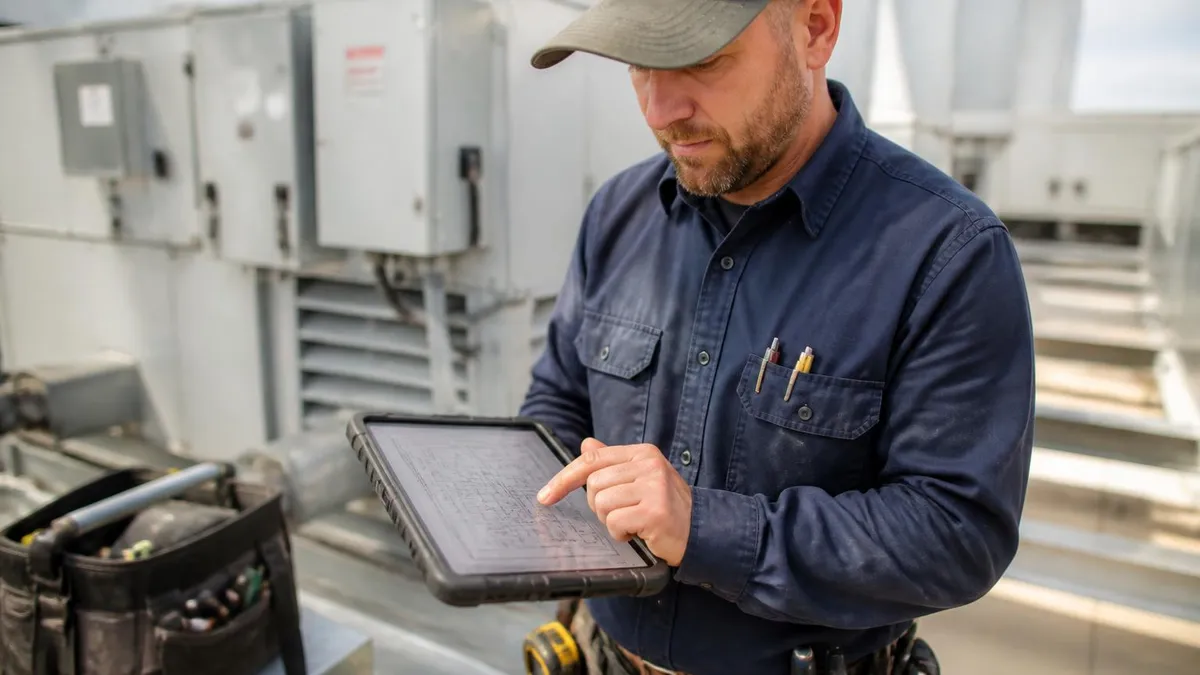
Some states require a specific number of documented work hours before you can even apply for a licensing exam — and hours must often be logged under a licensed supervisor, not just any employer. Research your state's exact requirements before starting your first job so you can ensure your hours are being documented correctly from day one. Retroactively proving hours after the fact can be extremely difficult and may delay your licensing by months.
Career advancement in HVAC follows a predictable ladder, but the speed at which technicians climb it depends heavily on intentional effort. Most technicians begin as helpers or apprentice technicians, earning in the range of $18 to $22 per hour. After two to three years of field experience, passing journeyman-level exams, and accumulating specialty certifications, earnings climb to $25 to $35 per hour. Senior technicians with master licenses, multiple NATE certifications, and supervisory experience can earn $40 or more per hour on top of overtime, vehicle allowances, and benefits packages.
Moving into supervision or management is a natural next step for senior technicians. Service manager roles involve scheduling dispatch, overseeing technician teams, handling escalated customer complaints, and coordinating with parts suppliers. Estimating and sales roles suit technicians with strong customer communication skills — these positions typically offer base salary plus commission and are among the highest-earning positions in mid-size HVAC contracting companies. Facility maintenance director positions in large commercial buildings or institutional campuses offer stable, salaried work managing multiple building systems rather than responding to individual service calls.
Starting your own HVAC business is the entrepreneurial path that many experienced technicians take after building strong technical skills and a customer network. Running a successful HVAC contracting business requires a contractor license (most states require a master technician license for the qualifying agent), liability insurance, workers' compensation coverage, and business registration. The financial upside is significant — small HVAC contractors with 3 to 5 employees can generate $500,000 to $1.5 million in annual revenue, and owner-operators often earn more than they did as employees within three to five years of founding their business.
Continuing education is not just a licensing requirement — it is a genuine competitive advantage. The HVAC industry changes faster than many trades because equipment technology, refrigerant regulations, and energy code requirements evolve continuously. Technicians who attend manufacturer training sessions, ACCA conferences, and local trade association events stay ahead of these changes and can offer clients services that less-informed competitors cannot. Manufacturer training programs — offered by companies like Carrier, Trane, Lennox, and Daikin — are often free or low-cost and provide hands-on training on specific equipment that makes factory-authorized service calls more profitable and technically accurate.
Mentorship — both receiving it early in your career and providing it later — is one of the most underutilized accelerators in the trade. Finding an experienced journeyman or master technician who is willing to explain not just what they are doing but why they are doing it will compress your learning curve dramatically.
Later, mentoring younger technicians builds leadership skills, reinforces your own knowledge through teaching, and creates loyalty within a team or business. Many of the best HVAC business owners attribute their success partly to having had strong mentors who invested time in their development beyond what a formal training program required.
The financial planning dimension of an HVAC career deserves attention early. Technicians who are employees should take full advantage of employer-sponsored retirement plans like 401(k) programs, especially when the employer provides matching contributions. Self-employed technicians and business owners should work with an accountant to set up SEP-IRA or Solo 401(k) accounts and manage the tax implications of owning vehicles, tools, and equipment as business assets. Building financial literacy alongside technical skill ensures that strong earnings in a well-paid trade translate into long-term financial security rather than just short-term cash flow.
For technicians evaluating how to structure their long-term career growth, resources from ACCA (Air Conditioning Contractors of America), PHCC (Plumbing-Heating-Cooling Contractors Association), and RSES (Refrigeration Service Engineers Society) provide technical training, business development tools, and networking opportunities that are genuinely valuable at every career stage. Membership in a trade association signals professional commitment to employers and customers alike and provides access to technical publications, legal guidance, and peer networks that accelerate problem-solving on challenging jobs.
Practical exam preparation is a critical stage that many aspiring technicians underestimate. Whether you are sitting for the EPA 608 exam, a NATE specialty exam, or a state licensing exam, structured study with practice questions is far more effective than simply re-reading textbooks.
Practice tests help you identify exactly which domains you have mastered and which require additional attention, allowing you to focus study time efficiently in the weeks leading up to exam day. Technicians who complete at least 200 to 300 practice questions before sitting for the NATE exam consistently report higher first-attempt pass rates than those who rely solely on work experience.
Understanding the format of each exam helps reduce test-day anxiety. The EPA 608 Universal exam consists of four sections covering core questions, Type I small appliances, Type II high-pressure systems, and Type III low-pressure systems, with a minimum passing score of 70 percent on each section.
NATE specialty exams contain 50 scored questions plus a small number of unscored pilot questions, and candidates have 90 minutes to complete them. State licensing exams vary widely in length and format, from multiple-choice question banks to practical skills assessments, so researching your specific state's exam structure at least three months in advance is strongly recommended.
Hands-on practice is equally important as written exam preparation. Before taking any performance-based portion of a state exam, ensure you can perform key tasks from memory: recovering refrigerant using a recovery machine, leak testing a system with nitrogen, brazing copper tubing safely, and wiring a basic thermostat to a furnace and air handler. These fundamental skills must be smooth and confident because exam environments create stress that can cause hesitation on tasks that should be automatic. Practicing under time pressure — ideally with a supervising journeyman watching and providing feedback — is the best preparation for any performance-based evaluation.
Study groups are a powerful but underused resource for HVAC exam prep. Connecting with fellow students in your training program, apprenticeship cohort, or local trade association to work through practice questions together creates accountability, exposes you to different reasoning approaches, and makes the study process more engaging. Online communities including HVAC-Talk forums, Reddit's r/HVAC community, and Facebook groups for HVAC professionals are active sources of peer support, real-world problem-solving discussions, and exam preparation advice from technicians who have recently passed the tests you are preparing for.
Time management during written exams is a practical skill that benefits from deliberate preparation. Many test-takers lose points not because they lack knowledge but because they spend too long on difficult questions and run out of time before answering easier ones they know well.
A practical strategy is to answer all questions you are confident about first, marking difficult ones to return to, rather than getting stuck trying to work through a challenging problem at the expense of time needed for the rest of the exam. Practicing this approach during timed practice tests builds the habit so it happens automatically under exam pressure.
After passing your certification and licensing exams, the next practical step is ensuring your professional profile is complete and searchable. Creating a detailed profile on platforms like Indeed, LinkedIn, and trade-specific job boards with your certifications, specializations, and years of experience listed clearly will attract inbound interest from employers and service managers. Asking supervisors and customers for written references or online reviews — especially on Google Business Profile pages if you operate independently — builds the reputation infrastructure that generates ongoing opportunity throughout your career.
Finally, remember that the HVAC trade rewards longevity. Technicians who stay in the field for 10 or more years accumulate a depth of diagnostic experience that simply cannot be replicated through any training program. Every unusual equipment failure, every atypical installation challenge, every system that behaved in an unexpected way adds to an internal library of knowledge that makes complex jobs faster and more accurate.
The technicians who are most respected in the trade — and who command the highest compensation — are almost always those who combined strong formal training with decades of curious, engaged fieldwork that treated every service call as a learning opportunity.
Sample HVAC Practice Questions
Try these questions from our free HVAC practice tests. The correct answer and an explanation follow each question.
What condition is indicated when a technician measures frost forming uniformly across the entire evaporator coil surface?
- A. Normal operation
- B. Low airflow across the coil
- C. Overcharge of refrigerant
- D. TXV stuck open
Answer: B. Low airflow across the coil
Uniform frost across the entire evaporator typically indicates insufficient airflow, causing the coil temperature to drop below 32°F across its full face.
What is the recommended action when an electronic air cleaner's collection cells become dirty?
- A. Replace the entire unit
- B. Wash the cells with water and mild detergent, then dry completely
- C. Vacuum only — never use water
- D. Apply a coating of activated carbon before reinstalling
Answer: B. Wash the cells with water and mild detergent, then dry completely
Electronic air cleaner collection cells should be removed and washed with water and mild detergent, then fully dried before reinstallation to restore efficiency.
A technician notices supply air temperature drops 8°F between the air handler and a distant register. What is the most likely cause?
- A. Oversized blower motor
- B. Inadequate duct insulation allowing heat gain or loss
- C. Incorrect thermostat calibration
- D. Dirty air filter
Answer: B. Inadequate duct insulation allowing heat gain or loss
Significant temperature drop along supply ducts typically indicates insufficient insulation allowing heat transfer between the duct and surrounding unconditioned space.
What action should a certified technician take upon discovering that a previous technician improperly vented refrigerant?
- A. Nothing—it is not their responsibility
- B. Report the violation to the EPA using Form 1800
- C. Report the violation to the EPA, which can be done anonymously
- D. Report to the state contractor licensing board only
Answer: C. Report the violation to the EPA, which can be done anonymously
Technicians can report refrigerant venting violations to the EPA, and reports may be made anonymously. The Clean Air Act allows for rewards to people who provide information leading to penalties.
HVAC Questions and Answers
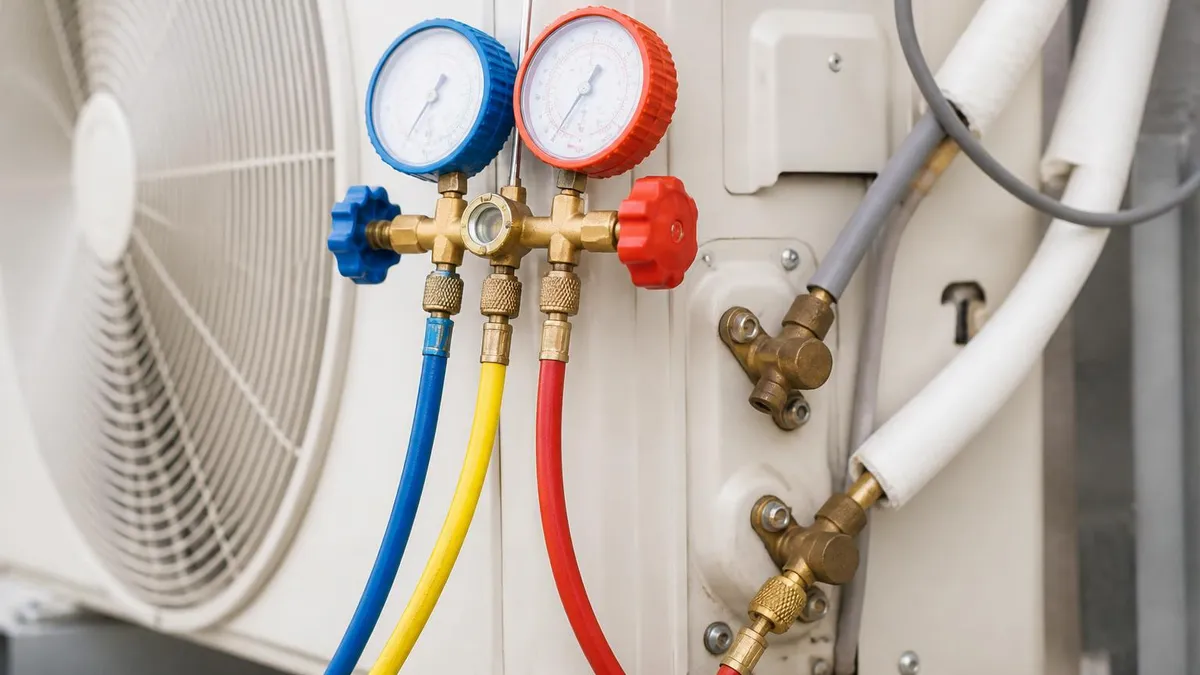
FCU HVAC: The Complete Guide to Fan Coil Units, How They Work, Where They Excel, and How to Choose the Right System
Finance a New HVAC System: 2026 Loans, 0% APR, and Rebates
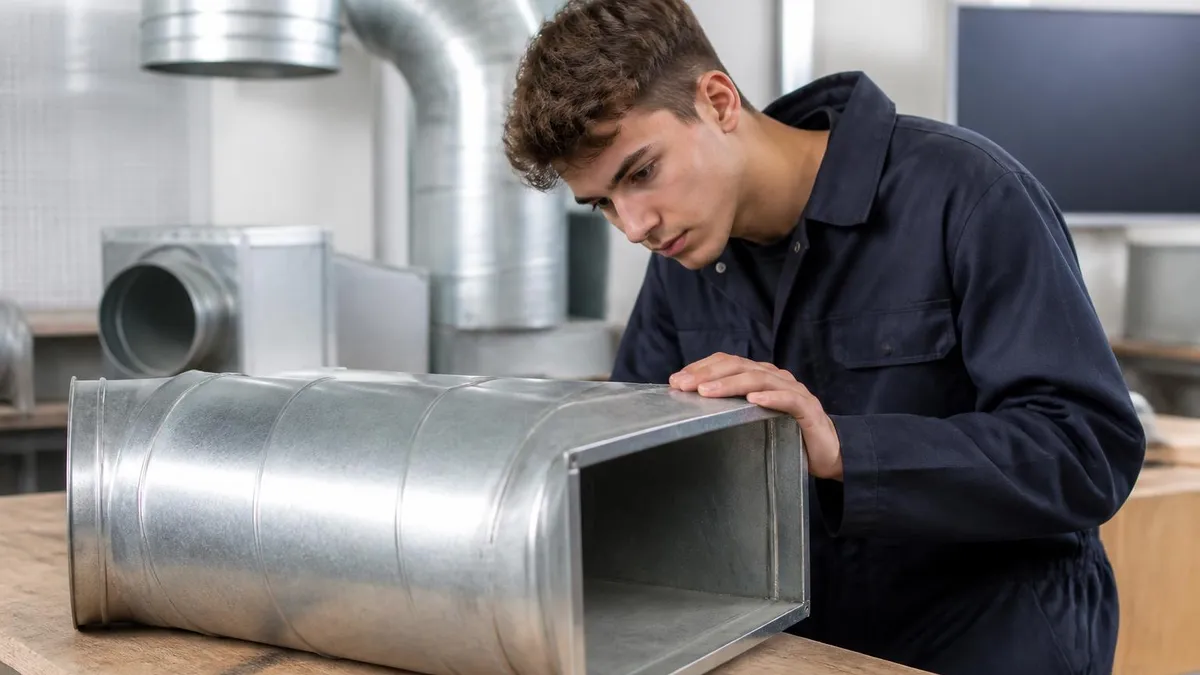
HVAC Duct Repair: Common Issues, Costs, and DIY vs Professional
HVAC School -- Programs, Costs, and Career Paths in 2026
HVAC Advertising: The Complete Playbook for Generating Leads, Booking Calls, and Growing Your Heating and Cooling Business
About the Author

NATE Certified HVAC Technician & Licensing Exam Trainer
Universal Technical InstituteMike Johnson is a NATE-certified HVAC technician and EPA 608 universal-certified refrigerant handler with a Bachelor of Science in HVAC/R Technology. He has 19 years of commercial and residential HVAC installation and service experience and specializes in preparing technicians for NATE certification, EPA 608, A2L refrigerant safety, and state HVAC contractor licensing examinations.