

FC Practice Test
Updated for September 2026The Furnace Installation and Maintenance Certification is an essential qualification for professionals working in the HVAC (Heating, Ventilation, and Air Conditioning) industry. This certification ensures that individuals have the necessary skills and knowledge to install, maintain, and repair furnaces efficiently and safely. Whether you are just beginning your career in HVAC or looking to advance your expertise, obtaining this certification can enhance your job prospects, increase your earning potential, and ensure that you meet industry standards.
FC Practice Test Questions
Prepare for the FC - Furnace Installation and Maintenance Certification exam with our free practice test modules. Each quiz covers key topics to help you pass on your first try.
FC Energy Efficiency & System Optimization
FC Exam Questions covering Energy Efficiency & System Optimization. Master FC Test concepts for certification prep.
FC Combustion & Fuel Systems
Free FC Practice Test featuring FC Combustion & Fuel Systems. Improve your FC Exam score with mock test prep.
FC Ductwork & Air Distribution
FC Mock Exam on FC Ductwork & Air Distribution. FC Study Guide questions to pass on your first try.
FC Electrical Components & Controls
FC Test Prep for FC Electrical Components & Controls. Practice FC Quiz questions and boost your score.
FC Heat Exchangers & Blower Systems
FC Questions and Answers on FC Heat Exchangers & Blower Systems. Free FC practice for exam readiness.
FC Venting & Exhaust Systems
FC Mock Test covering FC Venting & Exhaust Systems. Online FC Test practice with instant feedback.
FC Furnace Installation Techniques
Free FC Quiz on Furnace Installation Techniques. FC Exam prep questions with detailed explanations.
FC Heating System Maintenance & Troublesho...
FC Practice Questions for Heating System Maintenance & Troubleshooting. Build confidence for your FC certification exam.
Key Takeaways
Free FC Practice Test Online
Certification in furnace installation and maintenance ensures that technicians have the necessary skills and knowledge to install, maintain, and repair heating systems safely and efficiently.
Steps to certification include completing education or an apprenticeship, gaining hands-on experience, passing the certification exam, and maintaining certification over time.
Job responsibilities include installing new furnaces, conducting routine maintenance, troubleshooting and repairing systems, and providing excellent customer service.
Salary expectations for furnace technicians vary, with median annual wages around $50,590, but can increase with experience and certification.
Exam costs range from $100 to $500, depending on the certifying body, with additional costs for study materials and recertification.
What Is Furnace Installation and Maintenance Certification?
Furnace installation and maintenance certification is a professional credential that validates the skills and expertise required to work with heating systems, specifically furnaces. This certification ensures that technicians have mastered the necessary procedures for safely installing and maintaining residential and commercial heating systems.
The certification process is typically overseen by national or regional trade associations such as the National Association of Home Builders (NAHB) or the North American Technician Excellence (NATE), which set the standards for HVAC professionals. This certification covers areas such as:
Furnace installation procedures and codes
Maintenance schedules and troubleshooting techniques
Safety protocols for handling gas and electrical components
Repair methods for various furnace models
Knowledge of relevant local building codes and regulations
By acquiring this certification, technicians can prove their competency to employers, customers, and regulatory bodies.
- ✓Confirm your exam appointment and location
- ✓Bring required identification documents
- ✓Arrive 30 minutes early to check in
- ✓Read each question carefully before answering
- ✓Flag difficult questions and return to them later
- ✓Manage your time — don't spend too long on one question
- ✓Review flagged questions before submitting
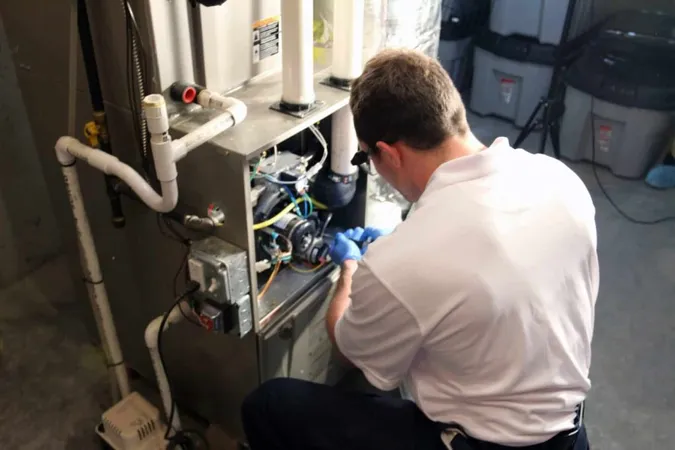
How to Become a Certified Furnace Installation and Maintenance Technician
Becoming a certified furnace installation and maintenance technician requires meeting specific educational and experience requirements, followed by passing a certification exam. Below is a general outline of the steps involved:
Complete Formal Education or Apprenticeship
Many furnace installation and maintenance technicians start by completing a formal education program, such as a certificate or associate degree in HVAC technology. Alternatively, some technicians begin by working as apprentices, learning on the job under the supervision of a seasoned technician.Gain Experience
Experience is critical in the HVAC field. Many certification programs require candidates to have at least two years of hands-on experience in furnace installation, maintenance, and repair. This experience provides valuable practical skills that cannot be gained solely through classroom instruction.
Prepare for the Certification Exam
Once you have completed your education and gained experience, you can begin preparing for the certification exam. Preparation may involve taking preparatory courses, studying manuals, or attending workshops.
Pass the Certification Exam
The certification exam typically consists of both written and practical components. The written test assesses your knowledge of heating systems, while the practical exam evaluates your ability to install and maintain furnaces in real-world conditions.
Maintain Certification
After achieving certification, many organizations require professionals to recertify periodically. This process ensures that technicians stay up-to-date with industry standards, technologies, and regulations.
Job Description: Furnace Installation and Maintenance Technician
Furnace installation and maintenance technicians perform a wide range of duties related to the installation, maintenance, and repair of furnace systems in both residential and commercial settings. Some of their core responsibilities include:
Installing Furnaces: Technicians are responsible for installing new heating systems, ensuring they are set up according to manufacturer specifications and local codes. They connect components such as thermostats, ductwork, gas lines, and electrical systems.
Routine Maintenance: Technicians conduct regular maintenance on existing furnace systems to ensure they operate efficiently. This includes cleaning filters, inspecting parts for wear and tear, and ensuring safety features are functioning correctly.
Troubleshooting and Repairs: Technicians diagnose problems with heating systems and perform repairs as needed. This may involve replacing faulty parts, such as ignitors, thermostats, or fan motors.
Customer Service: Technicians interact with customers, providing advice on furnace care and safety. They may also recommend upgrades or system replacements based on a customer’s needs.
Salary Expectations for Furnace Installation and Maintenance Technicians
The salary for furnace installation and maintenance technicians can vary depending on factors such as experience, geographic location, and industry demand. According to data from the U.S. Bureau of Labor Statistics (BLS), the median annual wage for heating, air conditioning, and refrigeration mechanics and installers was $50,590 in 2026.
Factors influencing salary include:
Experience: Technicians with several years of experience tend to earn more than those who are just starting out.
Location: Technicians working in areas with higher living costs, such as large metropolitan areas, often earn higher wages.
Certification Level: Certified technicians are generally compensated more than those without certification.
In addition to base salaries, many technicians also receive benefits such as health insurance, retirement plans, and paid time off, depending on their employer.
Exam Cost for Furnace Installation and Maintenance Certification
The cost of obtaining furnace installation and maintenance certification varies depending on the certifying body and the level of certification. On average, the exam fee ranges from $100 to $500. Additional costs may include study materials, preparatory courses, and membership fees to certification organizations.
For instance, certification from organizations such as NATE may involve a one-time testing fee of approximately $300 to $400, with recertification fees typically around $150 to $200 every few years.
Conclusion
The Furnace Installation and Maintenance Certification is a valuable credential for HVAC professionals seeking to advance their careers in furnace installation and maintenance. By obtaining this certification, technicians demonstrate their expertise and commitment to safety, which enhances their job prospects and earning potential. Whether you are just starting in the HVAC field or looking to further specialize in furnace technology, this certification is an essential step toward a rewarding career in the industry.
FC: Pros and Cons
- +FC certification validates expertise recognized by employers nationwide
- +Certified professionals typically earn 15-20% higher salaries
- +Opens doors to advanced positions and leadership roles
- +Demonstrates commitment to professional standards and ethics
- +Builds a strong professional network through certification communities
- −Exam preparation typically requires 2-4 months of dedicated study
- −Certification and exam fees can range from $150-$500+
- −Must complete continuing education to maintain active certification
- −Pass rates vary — thorough preparation is essential for success
- −Some certifications require prerequisite experience or education
(FC) Furnace Installation and Maintenance Certification Questions and Answers
About the Author

Certified Professional Development Expert & Niche Certification Advisor
University of Pennsylvania Graduate School of EducationDr. Alexandra Kim holds a PhD in Professional Studies from the University of Pennsylvania and is a Certified Professional in Learning and Performance (CPLP) and Certified Professional in Talent Development (CPTD). With 17 years of corporate training and professional certification advisory experience, she helps professionals navigate specialized, emerging, and cross-industry certification programs.