
Youth Mental Health First Aid Training: Complete Guide for 2026 September
Master youth mental health first aid training with our complete 2026 September guide. Certification steps, costs, and practice tests. 🎯

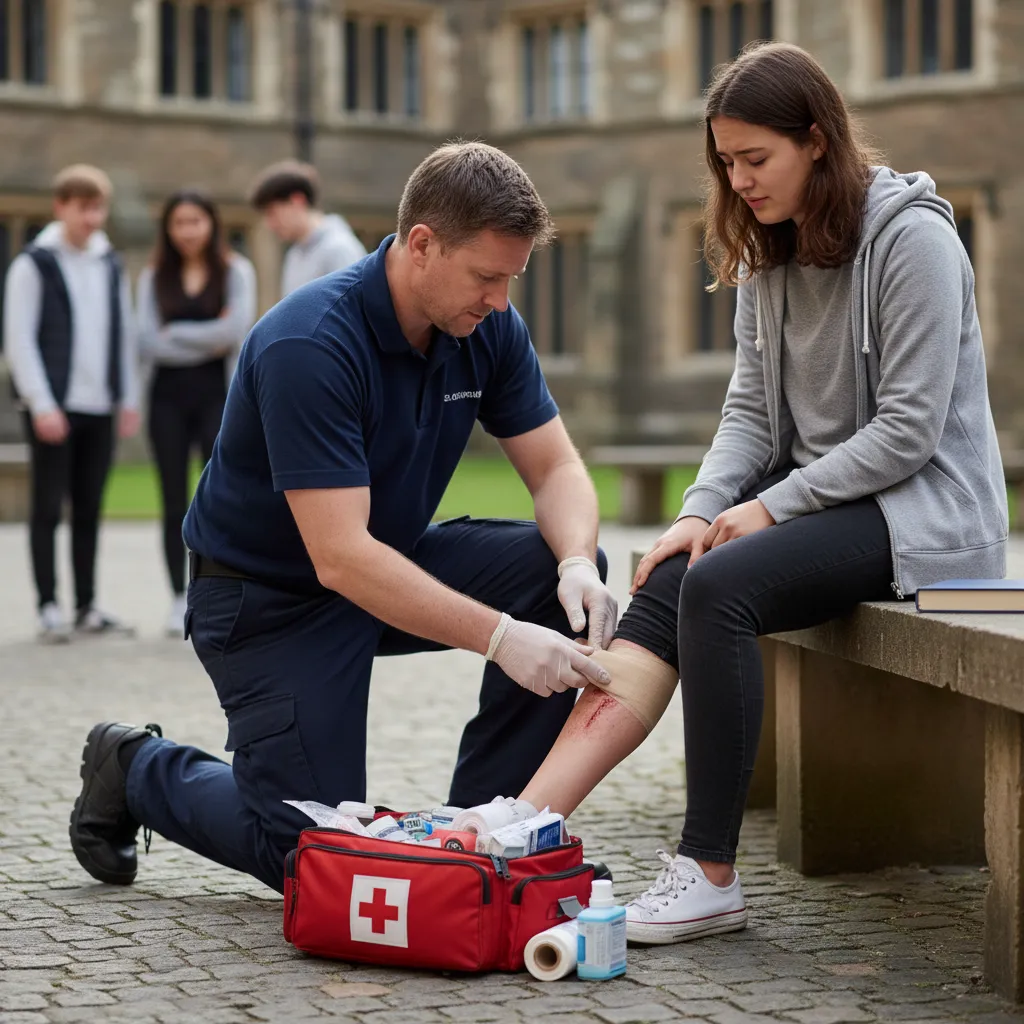
Youth mental health first aid training has become one of the most critical skill sets any adult who works with young people can possess. Whether you are a teacher, school counselor, coach, youth pastor, or parent, knowing how to recognize the early warning signs of a mental health crisis and respond appropriately can literally save a young person's life. Just as traditional first aid kits help us respond to physical injuries, youth mental health first aid gives us a structured, evidence-based framework for responding to emotional and psychological emergencies before professional help arrives.
The program was originally developed in Australia in 2001 and adapted for the United States by the National Council for Mental Wellbeing. Since its introduction to American communities, more than 3 million adults have completed the training. The curriculum is built around a five-step action plan known as ALGEE — Assess for risk, Listen nonjudgmentally, Give reassurance and information, Encourage appropriate professional help, and Encourage self-help and other support strategies. These steps are easy to remember under pressure and have been validated through peer-reviewed research.
Mental health conditions affect one in five young people aged 13 to 18 in the United States, yet the average delay between symptom onset and receiving professional treatment is a staggering eleven years. Much of that delay is rooted in stigma, lack of awareness, and adults who simply do not know how to start a conversation. Youth mental health first aid bridges that gap by equipping everyday adults with language, confidence, and tools they did not previously have. Understanding mental health first aid principles is the first step toward creating communities where no young person suffers in silence.
It is worth distinguishing youth mental health first aid from adult mental health first aid, as the two versions of the course carry important differences. The youth program specifically focuses on adolescents aged 12 to 18, a developmental window during which conditions such as anxiety disorders, depression, eating disorders, psychosis, and substance use disorders most commonly emerge. Instructors who deliver the course are specially trained to contextualize mental health within the social realities facing today's teenagers, including social media pressure, academic stress, bullying, gender identity challenges, and the lingering mental health effects of the COVID-19 pandemic.
Community organizations across the United States have increasingly mandated or strongly encouraged youth mental health first aid training for their staff. School districts in states like California, Texas, New York, and Florida have incorporated it into professional development requirements. Youth-serving nonprofits, sports leagues, faith communities, and local government agencies have all recognized that untrained adults represent a gap in the safety net that surrounds young people. Closing that gap costs relatively little in time and money compared to the long-term benefits of early intervention.
Completing the training does not make someone a therapist or a crisis counselor. That distinction is important and is emphasized throughout the course. What the certification does is prepare you to be a confident, compassionate first responder in the moments before a professional can step in.
Think of it in the same way you would think of wilderness first aid: you are not replacing the emergency room, but you are making sure the person reaches the emergency room alive and stabilized. The practical, scenario-based nature of the course means that participants leave with skills they can use immediately, not just knowledge they will struggle to recall under stress.
If you are preparing to take the youth mental health first aid certification exam or simply want to build your knowledge before enrolling in a course, practice questions are an invaluable resource. Working through realistic scenarios and knowledge checks mirrors the structure of the actual course assessment and helps cement the ALGEE framework in your memory. This guide will walk you through every aspect of the training — from eligibility and course format to study strategies, costs, and what to expect on test day — so you can walk in prepared and walk out certified.
Youth Mental Health First Aid by the Numbers

How to Get Youth Mental Health First Aid Certified
Register for a Course
Complete the Pre-Work Module
Attend the In-Person or Live Virtual Session
Pass the Knowledge Assessment
Receive Your 3-Year Certification
Understanding the eligibility requirements and prerequisites for youth mental health first aid training is straightforward, which is part of the reason the program has spread so rapidly. There are no formal educational prerequisites. You do not need a healthcare background, a psychology degree, or prior experience working in mental health to enroll. The course is specifically designed for adults who interact with young people in everyday settings — classrooms, sports fields, community centers, houses of worship, and family homes. If you are 18 years or older and regularly spend time around adolescents, you are an ideal candidate.
Organizations that frequently sponsor or subsidize youth mental health first aid training include public school districts, local health departments, community mental health centers, United Way chapters, faith-based organizations, and youth-serving nonprofits such as Boys and Girls Clubs, YMCA chapters, and Big Brothers Big Sisters affiliates. In many cases, these organizations have received federal or state grants specifically designated for mental health first aid expansion, which means the training may be available to you at little or no personal cost. It is always worth checking with your employer or local health department before paying out of pocket.
The course is delivered by certified Mental Health First Aid instructors who have themselves completed a multi-day instructor training program approved by the National Council for Mental Wellbeing. This quality-control mechanism ensures that the curriculum remains consistent and evidence-based regardless of where in the country you take the course. Instructors must also recertify regularly to maintain their authorization to teach, which keeps the content aligned with the latest research in adolescent mental health.
Group sizes for youth mental health first aid training are deliberately kept manageable — typically between 10 and 30 participants. This allows the instructor to facilitate meaningful discussion, address questions specific to participants' professional contexts, and ensure that every person gets adequate time during role-play activities. Large impersonal lecture halls are not how this course works. The intimate group format is intentional and is one of the reasons participants consistently report high satisfaction and strong skill retention after completing the training.
If your organization is looking to train a large number of staff members, you can host a dedicated course by partnering with a certified instructor or a regional Mental Health First Aid training hub. Many school districts, for example, have trained their entire faculty and support staff by scheduling back-to-back cohorts during professional development days. Corporate organizations in sectors with high youth contact — such as healthcare, education, and social services — are increasingly incorporating youth mental health first aid into standard onboarding protocols.
One often-overlooked resource is the first aid kits guidance provided alongside mental health training, which helps organizations ensure they have comprehensive emergency preparedness across both physical and psychological health domains. Mental and physical health are deeply interconnected, and organizations that invest in both types of first aid training build more resilient, responsive communities around the young people they serve.
Recertification every three years keeps your skills sharp and your knowledge current. The field of adolescent mental health evolves quickly, with new research constantly informing best practices around topics like suicide risk assessment, trauma-informed care, and the mental health effects of social media. The recertification process involves completing a shorter refresher course rather than repeating the full eight-hour program, which makes it easy to stay current without a major time commitment. Many employers who initially fund the certification will also cover recertification costs, viewing ongoing mental health first aid training as a core component of professional development.
Mental Health First Aid Training: Core Topic Areas
Depression and anxiety disorders are the most common mental health conditions affecting adolescents and represent a primary focus of youth mental health first aid training. The course teaches participants to distinguish between typical teenage moodiness and clinically significant symptoms, such as persistent sadness lasting more than two weeks, loss of interest in previously enjoyed activities, social withdrawal, sleep disturbances, and expressions of hopelessness. Recognizing these patterns early is the difference between timely intervention and prolonged suffering.
Anxiety disorders — including generalized anxiety, social anxiety, panic disorder, and specific phobias — affect approximately 31 percent of adolescents in the United States. Youth mental health first aid training equips adults with communication strategies tailored to anxious young people, including grounding techniques, active listening skills, and approaches that avoid minimizing the young person's experience. Participants learn how to create a safe conversational environment and how to connect the young person with appropriate school counselors, therapists, or community mental health resources.

Is Youth Mental Health First Aid Training Worth It?
- +Builds confidence to approach and support young people in mental health crises
- +Reduces stigma around mental health conditions in school and community settings
- +Evidence-based curriculum backed by peer-reviewed research and national standards
- +Certification recognized by employers, school districts, and government agencies nationwide
- +Low cost compared to most professional development options, often free through grants
- +Skills are transferable to home, workplace, and community environments beyond youth settings
- −Certification does not qualify you to provide therapy or clinical mental health treatment
- −Eight-hour time commitment can be challenging for busy professionals and parents
- −Requires recertification every three years to maintain current credential status
- −Course availability varies by region — rural communities may have fewer options
- −Role-play scenarios around suicide and self-harm can be emotionally challenging for some participants
- −Knowledge alone does not guarantee confidence — some people need additional practice to feel fully prepared
Pros and Cons at a Glance
| Pros | Cons |
|---|---|
| Builds confidence to approach and support young people in mental health crises | Certification does not qualify you to provide therapy or clinical mental health treatment |
| Reduces stigma around mental health conditions in school and community settings | Eight-hour time commitment can be challenging for busy professionals and parents |
| Evidence-based curriculum backed by peer-reviewed research and national standards | Requires recertification every three years to maintain current credential status |
| Certification recognized by employers, school districts, and government agencies nationwide | Course availability varies by region — rural communities may have fewer options |
| Low cost compared to most professional development options, often free through grants | Role-play scenarios around suicide and self-harm can be emotionally challenging for some participants |
| Skills are transferable to home, workplace, and community environments beyond youth settings | Knowledge alone does not guarantee confidence — some people need additional practice to feel fully prepared |
Youth Mental Health First Aid Training Preparation Checklist
- ✓Register for a course at least two weeks in advance to secure your spot and receive pre-work materials
- ✓Complete all online pre-work modules before the in-person or live virtual skills session
- ✓Review the five ALGEE action plan steps until you can recite them from memory
- ✓Familiarize yourself with common adolescent mental health conditions covered in the curriculum
- ✓Practice active listening techniques with colleagues or family members before course day
- ✓Identify two or three local mental health resources you would refer a young person to after training
- ✓Bring a notebook and pen to record local resource information and key takeaways during class
- ✓Review your organization's existing mental health or crisis protocols before attending
- ✓Arrive rested and mentally prepared — emotionally challenging content will be discussed
- ✓Plan to follow up with your instructor if you have questions about applying skills in your specific context
The ALGEE Framework Works Under Pressure
Research shows that adults trained in the ALGEE action plan are significantly more likely to intervene when they witness a young person in crisis compared to untrained adults. The five-step framework reduces decision paralysis by giving responders a clear sequence to follow, even when they feel anxious or uncertain. Memorizing ALGEE before your course day gives you a meaningful head start on passing the assessment and retaining skills long after certification.
The cost of youth mental health first aid training is one of the most common questions prospective participants ask, and the good news is that the program is among the most accessible professional development options available. The standard course fee when paid by an individual ranges from $25 to $100 depending on the region, the organization offering the training, and whether the course is delivered in-person or through a blended online format.
Many community-based organizations and public health departments offer the training at no charge thanks to federal funding streams including SAMHSA grants, ESSER funds allocated to schools during the pandemic recovery period, and state mental health block grants.
Employers in education, healthcare, and youth services frequently cover the full cost of training for their staff. If your employer has not yet established a youth mental health first aid training program, consider bringing the proposal to your human resources department or professional development coordinator. The return on investment is compelling: organizations that have trained their staff report reduced incidents of crisis escalation, improved staff confidence in supporting struggling students or clients, and stronger community trust. Many insurance carriers for schools and nonprofits have begun offering premium discounts to organizations that can demonstrate a trained workforce.
For individuals who want to go beyond participant-level certification and become certified instructors, the investment is significantly higher. The Youth Mental Health First Aid instructor training requires a multi-day program that typically costs between $400 and $800, plus ongoing fees to maintain instructor certification through the National Council for Mental Wellbeing. However, certified instructors can deliver courses to their own organization's staff, dramatically reducing per-person costs over time and building internal capacity rather than depending on external trainers for every cohort.
Some participants wonder whether the first aid beauty face moisturizer recall of misinformation — specifically, myths about mental health that circulate widely on social media — might interfere with the training. The curriculum directly addresses common misconceptions, including the idea that mental health conditions are a sign of weakness, that talking about suicide increases risk, and that young people are simply seeking attention when they exhibit troubling behaviors. Dismantling these myths is as important as teaching the ALGEE steps themselves, because a responder who holds these beliefs will hesitate at exactly the wrong moment.
Scholarship opportunities for youth mental health first aid training exist at both the national and local levels. The Mental Health First Aid USA website maintains a database of subsidized courses, and many state chapters of the National Alliance on Mental Illness (NAMI) offer vouchers or reduced-cost registrations for community members who demonstrate financial need. Veteran service organizations, tribal governments, and rural health coalitions have also received targeted funding to expand mental health first aid training in historically underserved populations.
Corporate social responsibility programs represent another underutilized funding channel. Companies in sectors ranging from retail to technology have donated funds to community mental health first aid training initiatives as part of their broader commitments to workforce wellness and community investment. If you are affiliated with a community organization seeking to train a large cohort, approaching local corporate partners about sponsoring a training cohort is often more successful than people expect, particularly when framed around the direct community benefit and the measurable outcomes the program delivers.
International travelers and outdoor enthusiasts may be familiar with wilderness first aid as a framework for managing medical emergencies in remote settings where professional help is hours away. Youth mental health first aid occupies an analogous niche in the social landscape — it is the intervention skill you deploy when professional support is not immediately available, when a young person is in a moment of acute need, and when the quality of your first response will determine whether the situation stabilizes or escalates.
The parallel is instructive: both disciplines require calm, systematic action under pressure, and both are dramatically more effective when the responder has trained in advance rather than improvising in the moment.

Youth Mental Health First Aid certification expires after three years. If your certificate lapses, you must complete the full course again rather than a shortened refresher. Set a calendar reminder at the two-and-a-half-year mark so you have time to find an available course and complete recertification before your credential expires. Many employers who require the certification for employment will also require proof of active, non-expired certification during annual performance reviews or license renewal cycles.
Once you have earned your youth mental health first aid certification, the real work of application begins. Certification is a credential, but competence develops through practice and intentional use of the skills in real-world settings.
The most effective certified first aiders are those who actively look for opportunities to apply what they have learned — initiating check-in conversations with students who seem withdrawn, gently raising the topic of mental health support with a young person who has missed multiple days of school, or speaking up in team meetings when a colleague's concerning observation about a student warrants a mental health lens.
Building a local resource map is one of the most practical steps you can take after completing the course. The ALGEE framework includes a step focused on encouraging appropriate professional help, and that step is only as effective as your knowledge of what resources actually exist in your community.
Know the name and contact information of your school district's crisis counselor, your county's mobile crisis response team, the nearest pediatric psychiatric emergency department, and any community mental health centers that accept adolescent patients on a sliding-scale or Medicaid basis. Having this information readily accessible means you can act immediately rather than fumbling for resources during a crisis.
The first aid beauty ultra repair cream of post-certification support comes in the form of ongoing learning opportunities provided by the Mental Health First Aid USA network. Certified participants can access webinars, regional conferences, and continuing education modules that build on the foundational skills acquired during the initial course. Staying engaged with the broader Mental Health First Aid community helps you maintain the confidence and currency that makes the difference between a responder who acts decisively and one who freezes under pressure.
Peer support is another powerful post-certification resource. Many schools and organizations that have trained multiple staff members establish internal mental health first aid teams — groups of certified employees who meet regularly to share observations, discuss challenging situations (with appropriate confidentiality), and support each other's wellbeing. These teams function similarly to CPR and AED response teams in workplaces: their existence signals organizational commitment to safety and creates a culture where mental health is treated as a legitimate dimension of overall health rather than a taboo subject.
Advocacy is a natural extension of youth mental health first aid training for many participants. After completing the course, many educators, parents, and community leaders become passionate advocates for expanding access to mental health resources in their communities. This might mean pushing for a school board to adopt a comprehensive mental health curriculum, lobbying a city council to fund mobile crisis response services, or simply speaking openly about mental health at community events to reduce stigma. The ripple effects of a single training can extend far beyond the eight hours of instruction.
Data on program outcomes consistently demonstrates that communities with higher rates of mental health first aid certification experience measurable improvements in key indicators. Schools with trained staff show higher rates of appropriate mental health referrals, lower rates of disciplinary escalation related to unrecognized mental health crises, and improved student satisfaction with school climate. These outcomes make a compelling case for treating youth mental health first aid training not as a one-time professional development checkbox but as an ongoing investment in the health and safety infrastructure of every community that serves young people.
For those interested in measuring their own readiness or building confidence before taking the certification course, practice questions and scenario-based assessments are invaluable tools. Platforms like PracticeTestGeeks offer first aid practice resources that reinforce key concepts and help prospective participants feel prepared walking into their certification session. Taking the time to self-assess, identify knowledge gaps, and fill those gaps before course day maximizes your learning during the training itself and accelerates your development into a confident, capable mental health first responder for the young people in your life.
Maximizing your performance in the youth mental health first aid course assessment requires more preparation than simply showing up and paying attention on course day. The most successful participants treat the training the way they would treat any important professional certification — with intentional preparation, active engagement during instruction, and deliberate follow-up after the course ends. Here are the most effective strategies for getting the most out of your training and retaining the skills long after the certificate arrives in your inbox.
Start your preparation by reading the official Mental Health First Aid USA course materials, which are often provided as a digital packet when you complete your registration or your online pre-work module. These materials outline the core concepts, define the key terms you will encounter during training, and provide context for the role-play scenarios you will practice during the skills session. Reading the materials in advance gives you the cognitive scaffolding to absorb instruction more efficiently and participate more meaningfully in group discussions.
Watch documentaries, TED Talks, or recorded panel discussions featuring young people sharing their experiences with mental health challenges. First-person accounts from adolescents who have lived through depression, anxiety, suicidal ideation, or psychosis build empathy in a way that textbook descriptions cannot replicate. Empathy is not a soft skill in this context — it is a functional competency that determines whether a young person feels safe enough to disclose what they are going through when you initiate a conversation using the ALGEE framework.
Practice the core communication skills taught in the course before you arrive. Active listening — which involves maintaining eye contact, avoiding judgment, reflecting back what you hear, and resisting the urge to immediately offer solutions — feels natural in theory and surprisingly difficult in practice. Rehearse these techniques with a trusted colleague or family member, explicitly asking for feedback on whether you were truly listening or subtly steering the conversation toward your own assumptions about what the other person should do.
On the day of your training, arrive with your phone silenced and your full attention available. The scenarios and discussions in youth mental health first aid training often surface strong emotions, and participants who are distracted miss critical nuances in the instruction. Bring water and a snack if the course does not provide them — eight hours of emotionally engaged learning is cognitively demanding, and physical comfort supports mental presence in ways that are easy to underestimate until you are sitting in the fifth hour of a challenging discussion about adolescent suicide.
After the course, schedule a fifteen-minute reflection session within twenty-four hours of completing the training. Write down the three things you learned that surprised you most, the two local resources you plan to refer young people to, and one specific situation in your professional or personal life where you would apply the ALGEE steps. This simple exercise dramatically improves long-term retention by forcing active recall immediately after learning — one of the most powerful memory consolidation techniques identified by cognitive science research.
Connect with other participants from your training cohort and establish a simple check-in practice — even a brief monthly email exchange asking how you each have applied the skills and what challenges you have encountered. Peer accountability extends the learning beyond the course day and helps both parties continue developing their confidence and competence. Mental health first aid is a perishable skill, just like physical first aid, and regular application is the most reliable way to keep it sharp.
Finally, stay current with developments in adolescent mental health by following reputable sources such as the American Academy of Pediatrics, the Society for Adolescent Health and Medicine, and the National Institute of Mental Health. The mental health landscape for young people is shifting rapidly — social media algorithms, climate anxiety, post-pandemic trauma, and evolving understanding of gender identity and sexual orientation all have meaningful implications for how mental health manifests in adolescents and how adults can most effectively support them. Continuing your education beyond the certification ensures that your knowledge remains as current as your credential.
First Aid Questions and Answers
About the Author

Registered Nurse & Healthcare Educator
Johns Hopkins University School of NursingDr. Sarah Mitchell is a board-certified registered nurse with over 15 years of clinical and academic experience. She completed her PhD in Nursing Science at Johns Hopkins University and has taught NCLEX preparation and clinical skills courses for nursing students across the United States. Her research focuses on evidence-based exam preparation strategies for healthcare certification candidates.
Join the Discussion
Connect with other students preparing for this exam. Share tips, ask questions, and get advice from people who have been there.
View discussion (5 replies)