
Wildland Firefighting Pack Test: Standards, Training Plan, Pay and Career Guide
🎯 Wildland firefighting pack test guide: the 3-mile, 45-lb standard, a 12-week training plan, firefighter salary, how to become a firefighter, and safety.
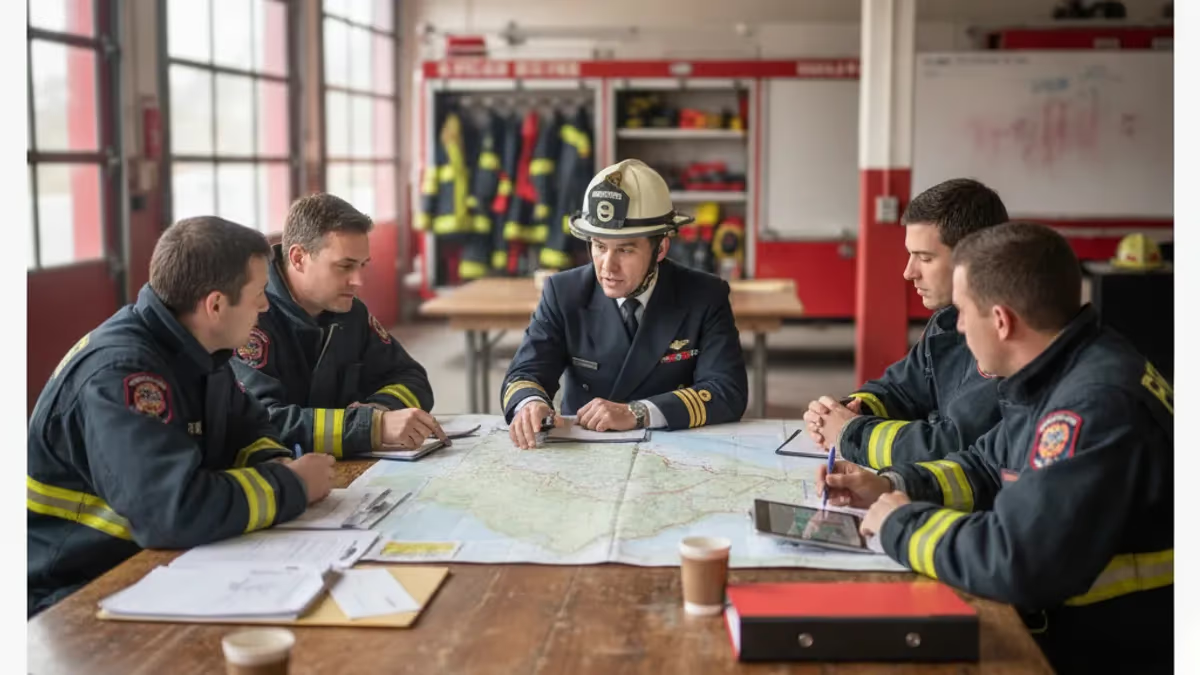
The wildland firefighting pack test is the fitness gate between most applicants and a seasonal job on a hand crew, engine, or helitack team. Officially called the Work Capacity Test, it asks you to hike three miles on a flat course while carrying a 45-pound pack, and to finish in 45 minutes or less. There is no partial credit. This guide explains the standard, the training, the pay, and the safety culture behind it.
Search interest in this career often spikes after major news. Queries such as idaho firefighters shot, firefighters shot in idaho, and idaho firefighter shooting rose sharply after the June 2025 ambush near Coeur d'Alene, where firefighters responding to a brush fire were attacked and two were killed. That tragedy reminded the public that fire crews face hazards beyond flames. We address it respectfully in the safety section, because every candidate deserves a realistic picture of the job.
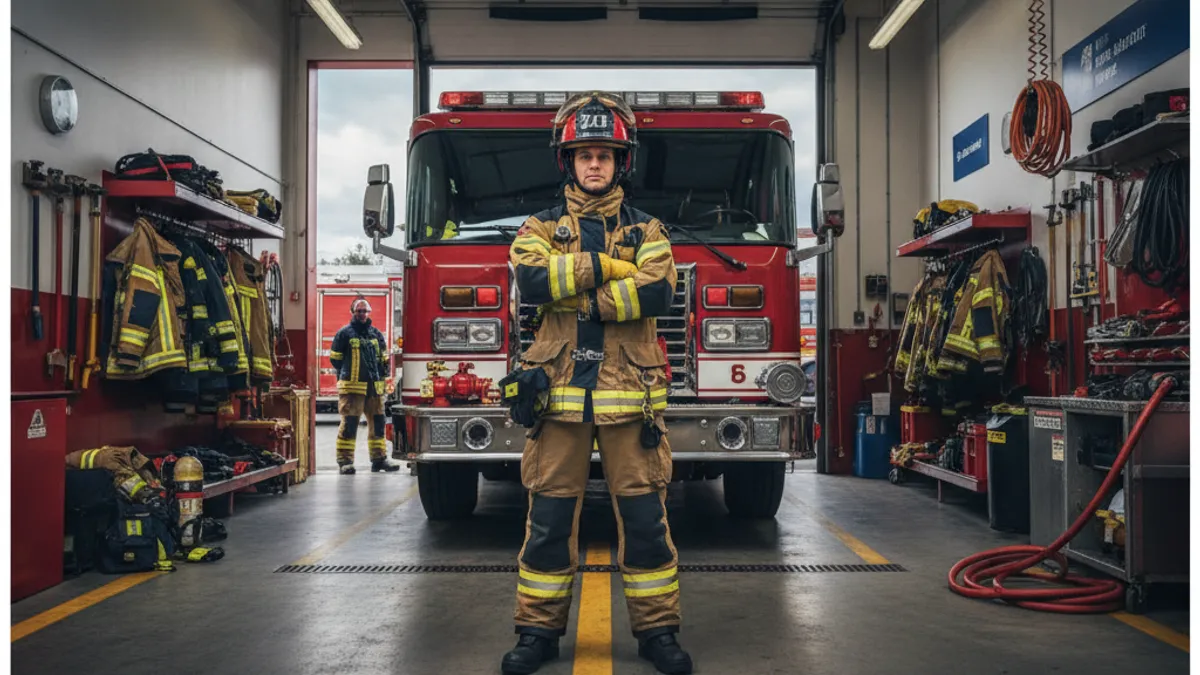
If you are new, start with the basics. A wildland firefighter suppresses fires in forests, grasslands, and brush, usually for a federal agency such as the Forest Service, Bureau of Land Management, National Park Service, or Fish and Wildlife Service, or for a state forestry department. Crews cut fireline with hand tools, run pumps and hose, and often camp in remote country for fourteen days at a stretch. The pack test proves you can sustain that effort.
Many readers ask how to become a firefighter in general, and the path differs by branch. Structural departments typically require a written exam, the CPAT, a background check, and EMT certification. Wildland hiring is faster and more forgiving: you must usually be at least 18, hold a driver's license, pass a medical screening, and pass the pack test. Seasonal hires can start with no prior experience, which makes wildland work the most common doorway into the profession.
Money matters too, so here is the short answer on firefighter salary and how much firefighters make. The Bureau of Labor Statistics reports a national median in the high $50,000s for all firefighters, with large variation by city and overtime. Entry-level wildland positions pay less per hour, commonly around $18 to $22 on federal crews, but overtime, hazard pay, and premium pay on fire assignments can push a full season well above the base rate.
Volunteer firefighter roles exist too and are a popular stepping stone. Volunteers make up roughly two thirds of US firefighters, and volunteer departments rarely require a formal pack test, though some rural districts that respond to grass and brush fires use a similar fitness check. Volunteering lets you collect training hours, learn terminology, and impress future hiring panels. Many green firefighters, meaning rookies in their first year, begin there before applying to paid seasonal crews.
One note on search terms. People sometimes land here after typing swat firefight, which usually points to police tactical news rather than fire service careers. If you want the fire service, you are in the right place. Below you will find a numbers snapshot, a step-by-step path, the three test levels, a training plan, a checklist, pros and cons, and answers to ten common questions, all aimed at helping you finish the course with time to spare.
The Wildland Firefighting Pack Test by the Numbers
How to Become a Wildland Firefighter: Step by Step
Meet Basic Eligibility
Train for the Pack Test
Complete Entry Training
Apply for Seasonal Jobs
Pass the Test and Get Your Red Card
The pack test comes in three levels, and the one you must pass depends on your job. The arduous level is the standard for hand crews, engines, helitack, and smokejumpers: three miles, a 45-pound pack, 45 minutes. The moderate level covers positions with occasional fireline exposure: two miles, a 25-pound pack, 30 minutes. The light level, for office or camp roles, is one mile with no pack in 16 minutes.
Do the pace math before you train. Three miles in 45 minutes works out to 15 minutes per mile, or four miles per hour. That sounds easy until you add 45 pounds of weight. Aim to finish in 42 minutes or less, which leaves a three-minute buffer for heat, a slow first lap, or a tight pack strap. Treat 45 minutes as the failure line, not the goal.
The test is a walking event. Jogging and running are not permitted, because impact under heavy load causes injuries and the test is meant to measure sustained work capacity, not sprint speed. That surprises athletes who plan to trot the last mile. If you cannot hold a fast walking stride, you need to train that stride specifically, with longer steps, a quick cadence, and swinging arms, until it feels automatic.
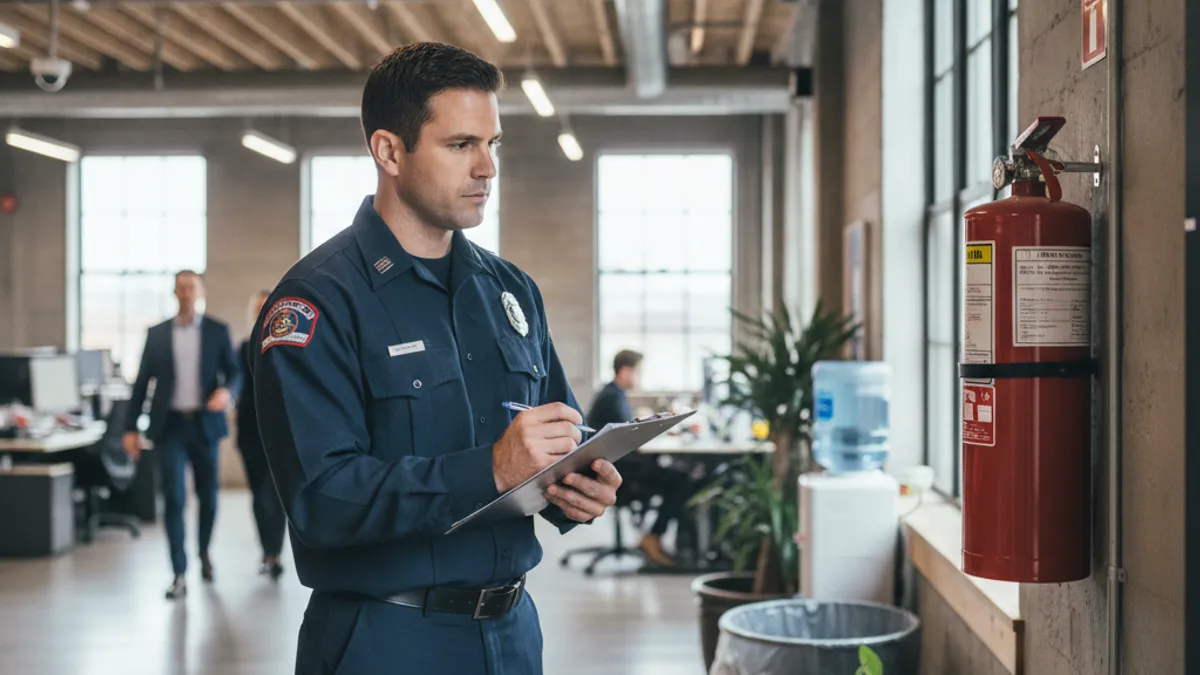
Expect a standard setup on test day. The course is a flat, firm, measured surface such as a track or paved or gravel loop. An administrator weighs your pack on a scale before you start, calls out lap times, and records your finish. Weights can be carried in a pack, a vest, or a sandbag arrangement. Ask beforehand whether water counts toward the required weight, since rules can differ by agency and event.
Scoring is pass or fail by time. Finish within the limit and you receive documentation that stays valid for a limited period, often one year, so you must retest before each season. If you fail, agencies commonly allow a retest after a waiting period, but policies vary, and a seasonal vacancy may be filled before you try again. Confirm your retest options with the administrator before you begin.
Footwear and fit matter more than most candidates expect. Wear the leather lace-up boots you plan to use on the line, with socks you have already worn for long hikes, and never test in brand-new boots. Adjust the pack so the hip belt carries most of the load and the shoulder straps stay snug. A pack that bounces wastes energy and causes blisters long before the third mile.
Finally, plan for conditions. Heat, humidity, and altitude can add minutes to your time, so schedule your test for early morning when possible. If you live at sea level and test at 6,000 feet, arrive two days early. Hydrate throughout the day before, eat a familiar breakfast, and warm up with five minutes of easy walking. Small details like these often decide a borderline finish.
How Much Do Firefighters Make? Salary, Volunteer and Green Firefighter Paths
Firefighter salary depends heavily on region, department type, and overtime. The Bureau of Labor Statistics puts the national median in the high $50,000s, while large municipal departments in California, Washington, and the Northeast frequently pay well above $80,000 once overtime and certifications are included. Wildland positions start lower on base pay, often in the high teens to low twenties per hour, but seasonal hours add up quickly.
Fire assignments are where wildland earnings climb. Crews can work 14-day assignments with 16-hour shifts, and overtime plus hazard and premium pay can turn a modest hourly rate into a strong season. A first-year seasonal employee might earn $30,000 to $45,000 across five or six months, depending on how active the fire season is. Always compare base pay with realistic overtime before judging an offer.
Is Wildland Firefighting Right for You?
- +Entry is open to applicants with no prior fire experience.
- +Overtime and hazard pay can raise seasonal earnings well above base pay.
- +You work outdoors in some of the country's most remote and beautiful terrain.
- +Crew life builds close teamwork and lasting friendships.
- +Training and a red card open doors to structural and federal careers.
- +The pack test is objective, so effort and preparation decide your result.
- −Most entry jobs are seasonal and may not include year-round benefits.
- −Long assignments mean weeks away from family and home.
- −Work is physically punishing, with heat, smoke, and steep terrain.
- −Hazards include burnovers, falling snags, vehicle accidents, and heat illness.
- −Base hourly pay is modest compared with many municipal departments.
- −The job can carry a heavy mental and emotional toll over time.
Wildland Firefighting Pack Test Readiness Checklist
- ✓Confirm which test level your target job requires.
- ✓Complete the medical screening your agency asks for.
- ✓Time a full practice test with a weighed 45-pound pack.
- ✓Break in your boots on at least five long hikes.
- ✓Practice a walking pace near 14 minutes per mile.
- ✓Strengthen legs and core twice a week.
- ✓Schedule your test for a cool morning if possible.
- ✓Eat and hydrate with familiar foods the day before.
- ✓Bring your ID, paperwork, and a pack that can be weighed.
- ✓Retake the practice test two weeks out and adjust your plan.
Train With Real Weight, Not Just Miles
Candidates who fail the pack test usually trained distance without load. Walk at least four sessions with 35 to 45 pounds before test day, and aim for a finish near 42 minutes so heat or a bad first mile cannot cost you the job.
A twelve-week plan is enough for most healthy adults. Start by measuring your baseline: walk three miles with a 20-pound pack on flat ground and record your time. If you finish in under 40 minutes, you are in good shape and can focus on load. If you take over 50 minutes, extend the plan to sixteen weeks and spend more time on base fitness and foot conditioning.
Weeks one through four build the base. Walk three days a week with 15 to 20 pounds for two to three miles, keeping a conversational effort. Add two strength days built around squats, step-ups, deadlifts, lunges, and farmer carries. Keep sessions short enough that you finish feeling capable of more. The goal in this phase is tough feet, strong hips, and a habit of showing up consistently.
Weeks five through eight build capacity. Increase pack weight to 30 pounds and the distance to three miles, then add a weekly long hike of five to six miles on hills with 25 to 30 pounds. Include one pace session where you hold 14-minute miles for twenty minutes. Raise the load or distance in only one session per week, so your joints and tendons adapt without breaking down.
Weeks nine through twelve are specific. Do at least two sessions per week with the full 45 pounds on a flat course, aiming for 42 to 44 minutes at first, then dropping toward 40. Keep one easier unloaded walk and one strength session. Do not stack heavy days back to back. In the final week, cut volume by about 40 percent so your legs arrive at the start line fresh.
Strength work should mirror the demands of the course and of the job. Weighted step-ups, Bulgarian split squats, hip thrusts, and calf raises protect the knees and drive the stride. Core exercises such as planks, dead bugs, and suitcase carries keep the pack stable on your back. Skip heavy jumping and sprint work, since the test punishes steady endurance under load far more than it rewards explosiveness.
Injury prevention decides who reaches test day. Shin splints, plantar fasciitis, and hot spots appear when load jumps too fast, so follow the ten percent rule and avoid adding both weight and distance in the same week. Replace worn insoles, use moisture-wicking socks, and treat blisters early. Sleep seven to nine hours, eat enough protein, and take a rest day after your heaviest session each week.
On test day, pace yourself in splits. Aim to pass the one-mile mark at 14 minutes, the two-mile mark at 28, and finish near 42. Start steady rather than fast, since a quick first mile burns energy you need later. Practice your breakfast, water intake, and any electrolyte drink on training days so nothing surprises you. Confidence comes from having already done the course several times at full weight.
Pack test rules, retest windows, and medical requirements differ by agency and can change each season. Always confirm the current standard, what counts toward pack weight, and how long your result stays valid with the hiring unit before you travel or apply.
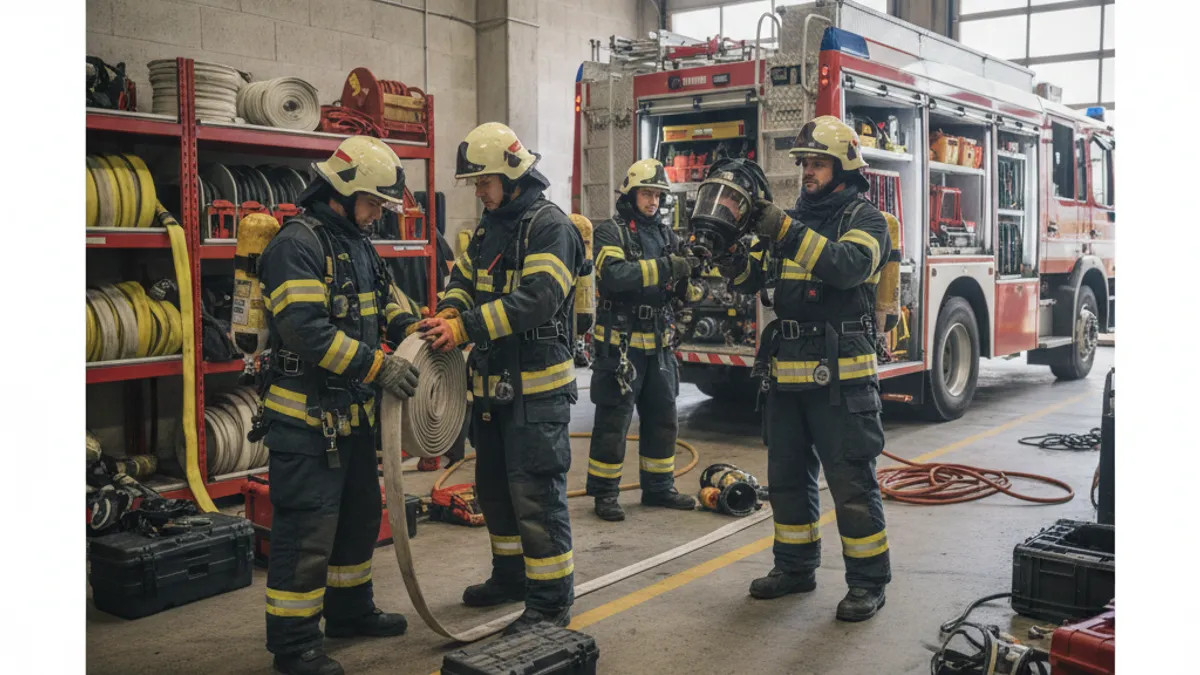
Wildland fire work is dangerous, and good crews build their culture around that fact. Common killers include burnovers, falling snags, rolling debris, vehicle crashes, heat illness, and smoke exposure. Firefighters learn the Ten Standard Firefighting Orders, the Watch Out Situations, and LCES, which stands for lookouts, communications, escape routes, and safety zones. These tools turn hard lessons into habits that you must apply on every shift, even when you are tired.
Fitness is a safety system, not just a hiring hurdle. Exhausted firefighters make poor decisions, trip on slopes, and struggle to reach safety zones when conditions shift. The 45-pound pack standard exists because fireline work demands heavy tools, water, food, and shelter while moving over rough ground for hours. A candidate who can finish comfortably is far less likely to become a liability to the crew in the field.
Many readers arrive after the Idaho news. In June 2025, firefighters responding to a brush fire near Coeur d'Alene were ambushed with gunfire. Two firefighters were killed and another was wounded, and the attacker died at the scene. Search terms like idaho firefighters shot and idaho firefighter shooting reflect public grief and shock. We mention it to honor those lost and to be honest that responders can face violence unrelated to fire.
Since events like this, many agencies emphasize scene safety and coordination with law enforcement. That can mean staging away from a scene until it is secured, using lookouts, keeping radio traffic clear, and reporting suspicious activity early. Applicants should ask about these protocols in interviews. Responders cannot control every threat, but a crew that communicates well, trains for contingencies, and trusts its leaders is better prepared for the unexpected.
Mental health deserves equal attention. Smoke, long assignments, line-of-duty deaths, and traumatic calls can leave lasting stress. Many agencies offer peer support teams, critical incident stress management, and employee assistance programs. If you or someone you know is struggling, the 988 Suicide and Crisis Lifeline is available by call or text. Reaching out is part of professional readiness, and strong crews treat it that way.
Career growth in wildland fire is clear. After a green season you can progress to Firefighter Type 1, then squad boss, engine operator, or crew leader, and some move on to hotshot crews, helitack, or smokejumping. Federal positions follow the GS pay scale, with seasonal roles often starting at GS-3 to GS-5. Others transition to structural departments, where wildland experience, a red card, and fitness make them stand out.
Credentials matter at every step. Keep a folder with your pack test results, course certificates, task book, and red card. The core NWCG courses are S-130, S-190, I-100, and L-180, with additional classes like S-131 and S-211 as you advance. Employers look for steady documentation, so update your records after each assignment. A clean file speeds up promotions, transfers, and rehire decisions in competitive seasons.
Final preparation starts about two weeks before your test. Do a full dress rehearsal with the exact pack, boots, and clothing you plan to use, on a surface similar to the real course. Record your time and note where you slowed. If you finish under 43 minutes in comfortable conditions, you are ready. If not, add one weighted session and recheck your pace in a week.
The final seventy-two hours are about recovery. Reduce training volume, sleep well, and eat carbohydrates with moderate protein. Hydrate steadily rather than chugging water the morning of the test. Pack your bag the night before with ID, paperwork, water, snacks, a spare pair of socks, and blister tape. Remove last-minute stress, because logistics mistakes cause more failures than most people admit.
On the morning of the test, arrive early and walk the course if allowed. Warm up with five minutes of easy walking and a few leg swings. Tighten your pack so it sits high on your back, with the hip belt taking the weight. Set a watch for mile splits, and keep a smooth, quick stride. Resist the urge to rush, since steady pace beats early speed.
Common mistakes are easy to avoid. Candidates start too fast, wear untested boots, skip the weighted scale check, or ignore heat. Others try to jog when rules forbid it and get disqualified. Some forget their paperwork or arrive without a pack that meets specifications. Write a short checklist, review it the night before, and ask the administrator any rule questions before you begin, not after.
Once you pass, turn the result into a job offer. Apply early and widely on USAJOBS and state sites, since seasonal postings often open months before the season and fill fast. Tailor your resume with specifics such as hours of volunteer service, hiking experience, chainsaw training, and certifications. Highlight reliability, physical fitness, and teamwork. Provide references who can speak to your work ethic under stress.
Prepare for the interview as well. Panels ask about teamwork, following orders, handling heat and fatigue, being away from home, and what you would do if you spotted an unsafe act. Practice concise answers with real examples. Show that you understand the risks, respect the chain of command, and are willing to ask questions. Humility and a strong work ethic usually beat bravado with crew bosses.
After you land the job, keep training. Maintain your fitness through the offseason, take additional courses, and build relationships with crew members and supervisors. Track your experience for task book signoffs. Take care of your body, sleep, and mental health. The best wildland firefighters treat the pack test as the first of many standards, and they keep earning trust every season they return to the line.
Firefighter Questions and Answers

Firefighter Interview Questions: Complete Prep Guide 2026

Firefighter CPAT Test: Complete Guide to Passing the Candidate Physical Ability Test

Firefighter Skills: Complete Guide to Core Competencies, Training & Career Success

Firefighter 1 Practical Exam: Stations, Scoring, Pay and Prep Guide
What is the Firefighter Exam?
About the Author

Emergency Manager & FEMA Certification Specialist
Naval Postgraduate SchoolCommander Lisa Foster holds a Master of Science in Emergency Management from the Naval Postgraduate School and is a FEMA-certified emergency manager and Certified Emergency Manager (CEM). With 18 years of emergency response coordination experience across federal and state agencies, she coaches emergency management professionals through ICS, NIMS, and FEMA Independent Study certification programs.
Join the Discussion
Connect with other students preparing for this exam. Share tips, ask questions, and get advice from people who have been there.
View discussion (6 replies)