
EFM Training: Complete Guide to Electronic Fetal Monitoring Certification Requirements
Master EFM training requirements, certification steps, and study strategies. 🎯 Complete guide for nurses pursuing C-EFM credentials in 2026 October.

EFM training is the foundation of safe intrapartum care for every labor and delivery nurse, midwife, and obstetric physician in the United States. Electronic fetal monitoring requires clinicians to accurately interpret fetal heart rate patterns, recognize category classifications under the NICHD framework, and communicate findings precisely to the entire care team — all in real time under significant clinical pressure. Whether you are pursuing the C-EFM credential for the first time or refreshing your skills before recertification, understanding the full scope of efm training will help you build the systematic competency needed to pass the exam and protect patients.
The demand for qualified EFM practitioners continues to grow alongside rising birth volumes and the expanding use of continuous fetal monitoring in hospitals across all 50 states. The Association of Women's Health, Obstetric and Neonatal Nurses (AWHONN) and the American College of Obstetricians and Gynecologists (ACOG) both emphasize that standardized EFM education reduces adverse outcomes, including preventable hypoxic-ischemic injury. Nurses who complete formal EFM training programs demonstrate measurably better strip interpretation accuracy compared to peers who rely solely on on-the-job experience, which is why hospitals increasingly require credentialed staff in their labor units.
The National Certification Corporation (NCC) administers the C-EFM examination, which is the gold-standard credential for electronic fetal monitoring in the United States. To sit for the exam, candidates must hold a current RN license, have a minimum of 2,000 hours of clinical experience in an EFM practice setting within the past 24 months, and complete a qualifying educational activity of at least 10 contact hours focused on fetal monitoring within the previous 3 years. These requirements ensure that every certified clinician brings both theoretical knowledge and hands-on clinical exposure to their practice.
A well-structured EFM training program covers several interrelated domains. The physiological domain addresses uteroplacental physiology, fetal oxygenation pathways, and the neurological mechanisms that produce fetal heart rate variability. The interpretive domain teaches the NICHD three-tier classification system — distinguishing Category I (normal), Category II (indeterminate), and Category III (abnormal) tracings — and the specific features used to classify baseline rate, variability, accelerations, and decelerations. The management domain translates interpretation into action, covering intrauterine resuscitation techniques, documentation standards, and escalation protocols.
Many institutions supplement NCC examination prep with specialty courses from AWHONN and organizations like Perinatal Quality Foundation (PQF). AWHONN offers both an online fetal monitoring course and an instructor-led Intermediate Fetal Monitoring program, each recognized by the NCC as qualifying educational activities. PQF's Safe Childbirth Bundles and electronic fetal monitoring modules are widely adopted in academic medical centers. Choosing the right combination of self-study materials, practice questions, and formal coursework will help you maximize both your exam score and your long-term clinical competence.
This guide walks you through every stage of EFM training — from eligibility requirements and program options to study strategies, exam-day tactics, and continuing education requirements after you earn your credential. You will find practical frameworks for interpreting complex strips, detailed breakdowns of high-yield exam topics, and evidence-based tips from experienced C-EFM holders. By the time you finish reading, you will have a clear, actionable plan for achieving and maintaining your EFM certification.
EFM Training by the Numbers

EFM Training Study Schedule
- ▸Review uteroplacental gas exchange and fetal oxygen reserve
- ▸Study the autonomic nervous system regulation of fetal heart rate
- ▸Memorize normal baseline FHR ranges (110–160 bpm) and causes of bradycardia/tachycardia
- ▸Complete 40 practice questions on fetal physiology topics
- ▸Master all 10 NICHD standardized FHR definitions
- ▸Practice classifying Category I, II, and III strip features
- ▸Study variability types: absent, minimal, moderate, and marked
- ▸Complete 50 practice questions on NICHD classification
- ▸Distinguish early, late, variable, and prolonged decelerations by mechanism
- ▸Study sinusoidal pattern recognition and clinical significance
- ▸Review shoulder patterns and overshoot as variable deceleration features
- ▸Complete 60 practice questions on deceleration interpretation
- ▸Learn the ABCDE mnemonic for intrauterine resuscitation steps
- ▸Study tocolysis, amnioinfusion, and maternal repositioning evidence
- ▸Review indications for operative delivery based on strip classification
- ▸Complete 60 practice questions on management scenarios
- ▸Practice SBAR communication templates for fetal status deterioration
- ▸Study special population EFM: preterm, post-term, IUGR, multiple gestation
- ▸Review documentation standards for timed entries and strip archiving
- ▸Complete 80 mixed-domain practice questions and full mock exam
The core curriculum of any accredited EFM training program is built around four interconnected knowledge domains that mirror the C-EFM exam blueprint. Understanding how these domains relate to each other — and how heavily each is weighted on the exam — allows you to allocate your study time strategically rather than covering every topic with equal intensity. The NCC publishes a detailed exam content outline that lists each domain, its sub-topics, and the approximate percentage of exam questions drawn from each area. Reviewing this blueprint early in your preparation is one of the highest-use actions you can take.
The first domain is physiology and pathophysiology, which accounts for roughly 20 to 25 percent of the exam. This section tests your understanding of normal fetal cardiac anatomy, the mechanisms governing uteroplacental oxygen transfer, and the physiological responses that produce characteristic fetal heart rate patterns.
You need to understand why a healthy fetus with adequate oxygen reserve will show moderate variability and accelerations, while a hypoxic fetus demonstrates minimal or absent variability and late decelerations. Memorizing these cause-and-effect relationships — rather than just the surface-level definitions — gives you the conceptual scaffold to answer scenario-based questions correctly even when the clinical details are unfamiliar.
The second domain covers interpretation of fetal heart rate patterns and constitutes the largest share of exam content, typically 40 to 45 percent of questions. Within this domain, you must demonstrate proficiency in assessing all components of the fetal heart rate tracing: baseline rate, baseline variability, presence or absence of accelerations, type and characteristics of any decelerations, and uterine activity.
The exam frequently presents complex strips that combine features from multiple categories, requiring you to synthesize all elements simultaneously rather than evaluate each feature in isolation. High-yield subtopics include the distinction between variable and late decelerations, the clinical significance of prolonged decelerations versus second-stage bradycardias, and the specific criteria that move a tracing from Category II to Category III.
The third domain addresses clinical management and encompasses approximately 20 to 25 percent of the exam. This section tests your ability to translate strip interpretation into appropriate clinical action — including intrauterine resuscitation maneuvers, escalation to physician or midwife, preparation for operative delivery, and ongoing assessment of fetal response to interventions.
The exam expects you to know the evidence base behind each resuscitation technique: why lateral positioning improves placental blood flow, how IV fluid boluses address maternal hypotension, and when tocolytic administration is and is not appropriate for managing tachysystole. Clinical management questions are often written as situational vignettes requiring multi-step reasoning.
The fourth domain focuses on documentation and communication, which makes up the remaining 10 to 15 percent of exam content. This domain tests your knowledge of medical-legal documentation standards, including required components of timed strip entries, chain-of-custody requirements for electronic monitoring records, and the use of standardized communication tools like SBAR (Situation, Background, Assessment, Recommendation). Effective SBAR communication is a critical patient safety skill because delays in escalating a deteriorating strip are a leading cause of preventable perinatal adverse events.
The exam includes questions about notification documentation, team huddle protocols, and the nurse's professional and legal responsibilities when a physician does not respond appropriately to a concerning fetal status report.
Beyond the four primary domains, successful EFM training programs also incorporate simulation-based learning with real strip libraries. Reviewing large numbers of actual fetal monitor strips — including both straightforward and ambiguous tracings — is the single most effective way to build the pattern recognition speed and accuracy the exam demands. Many NCC-approved study resources include digital strip libraries with expert commentary. Supplementing these with timed strip interpretation exercises (aiming to correctly classify a full tracing in under 90 seconds) will prepare you for the pacing demands of the actual exam environment.
Special topic coverage is also essential for a complete EFM preparation. High-risk obstetric conditions — including gestational diabetes, hypertensive disorders of pregnancy, intrauterine growth restriction, preterm labor, and multiple gestation — produce distinctive fetal monitoring patterns that differ meaningfully from low-risk labors. The exam devotes specific questions to these populations, so your training must address how maternal conditions alter the interpretation thresholds and management algorithms you would apply in a standard singleton labor at term. Building fluency across the full clinical spectrum ensures you are not caught off guard by any question on exam day.
EFM Training Program Types and Formats
Online self-study programs offer maximum scheduling flexibility and are the most popular format for working nurses balancing clinical shifts with exam preparation. AWHONN's online fetal monitoring course, the NCC's own preparatory modules, and third-party review platforms provide on-demand access to video lectures, interactive strip exercises, and practice question banks. Most online programs are self-paced, allowing you to accelerate through topics you already know and slow down on challenging areas like variability classification or late deceleration pathophysiology. Look for programs that include at least 500 practice questions and a strong strip library of 100 or more annotated tracings.
The primary limitation of online self-study is the absence of real-time expert feedback. When you misclassify a complex strip, you receive the correct answer explanation — but you cannot ask a follow-up question or explore the nuance with an instructor. To compensate, many self-study learners schedule virtual Q&A sessions with certified EFM educators through platforms like Medscape Nursing or join online study groups where peers discuss difficult tracings. Budget approximately 60 to 80 total study hours across a 6- to 8-week period for a structured online-only preparation track.

C-EFM Certification: Is the Credential Worth Pursuing?
- +Demonstrates verified, nationally recognized competency in fetal monitoring interpretation
- +Linked to improved patient outcomes and reduced adverse perinatal events in research studies
- +Strengthens your resume for labor and delivery, NICU, or high-risk obstetrics positions
- +Qualifies for specialty pay differentials at many hospital systems (average $1–$3/hour)
- +Builds clinical confidence for managing complex, high-acuity intrapartum situations
- +Satisfies institutional and Joint Commission credentialing requirements at many facilities
- −Requires 2,000 hours of EFM clinical experience — may exclude newer labor nurses
- −Exam fee of $325 (NCC members) to $395 (non-members) is a significant out-of-pocket cost
- −Study preparation demands 60–80+ hours of dedicated time outside clinical shifts
- −Recertification every 3 years requires 30 contact hours of continuing education
- −Exam has a reported first-attempt pass rate in the mid-50% range, requiring solid preparation
- −Limited geographic variation in employer recognition — some smaller hospitals do not offer differential pay
C-EFM Exam Readiness Checklist
- ✓Confirm you hold a current, unrestricted RN license in the United States or Canada.
- ✓Verify you have accumulated 2,000 clinical hours in an EFM setting within the past 24 months.
- ✓Complete a minimum of 10 contact hours of NCC-approved EFM continuing education within the past 3 years.
- ✓Download and study the official NCC C-EFM exam content outline to target your preparation.
- ✓Master all NICHD standardized fetal heart rate definitions and the three-tier classification system.
- ✓Practice classifying at least 200 fetal monitor strips across all complexity levels.
- ✓Complete a full-length timed mock exam (170 questions, 3 hours) under exam conditions.
- ✓Review intrauterine resuscitation steps for each Category III pattern and common Category II scenarios.
- ✓Study SBAR communication templates and documentation standards for strip entries and escalation.
- ✓Register for your exam through the NCC portal and schedule your testing appointment at a Pearson VUE center.

Scenario-Based Questions Dominate the C-EFM Exam
More than 60% of C-EFM exam questions are written as clinical vignettes presenting a patient scenario, a fetal strip description, and a required action. Memorizing definitions is necessary but not sufficient — you must practice applying NICHD criteria to realistic case presentations under time pressure. Candidates who spend the majority of their preparation time answering scenario-based practice questions consistently outperform those who focus on passive reading and memorization alone.
High-risk obstetric populations present some of the most clinically challenging and exam-relevant EFM scenarios you will encounter in both your practice and on the C-EFM examination. Understanding how maternal and fetal conditions alter the baseline presentation of fetal heart rate patterns — and how they change the thresholds for intervention — is essential for any clinician working in a modern labor and delivery setting.
Preterm fetuses, for example, demonstrate physiologically different fetal heart rate characteristics compared to term fetuses: their baseline rates tend to run on the higher end of the normal range (150–160 bpm), their variability may be inherently lower due to neurological immaturity, and their accelerations require only a 10-beat amplitude with 10-second duration (rather than 15×15 at term) to be considered reactive. Misapplying term criteria to a preterm strip can lead to unnecessary interventions or, conversely, false reassurance.
Intrauterine growth restriction (IUGR) creates a particularly high-stakes monitoring scenario because growth-restricted fetuses have chronically reduced oxygen reserves, making them significantly less tolerant of the physiological stressors of labor than appropriately grown fetuses. IUGR strips often show reduced or absent variability even before the onset of decelerations, and the progression from early warning signs to Category III patterns can occur rapidly. Experienced labor nurses learn to maintain heightened vigilance with IUGR patients from the moment monitoring begins, establishing careful baseline documentation and communicating proactively with the obstetric team rather than waiting for an obvious deceleration pattern to develop.
Hypertensive disorders of pregnancy — including gestational hypertension, preeclampsia, and the more severe spectrum of HELLP syndrome — affect placental perfusion in ways that manifest directly on the fetal monitor. Placental insufficiency associated with severe preeclampsia produces late decelerations that may begin subtly, with only 10 to 15 beat drops from baseline, before evolving into deeper and more prolonged patterns as placental reserve diminishes.
The exam expects you to recognize that the clinical context of hypertension increases the significance of even mild late-pattern decelerations that would be considered lower priority in a normotensive patient. Management escalation thresholds are appropriately lower in this population.
Multiple gestation — twins, triplets, or higher-order multiples — introduces both technical and interpretive complexity into fetal monitoring. Simultaneous monitoring of two fetuses requires careful attention to artifact and signal cross-contamination, particularly when the two heart rates are similar and the signals overlap on the strip.
The exam may present questions about twin monitoring artifact (where one monitor picks up the other twin's signal) and the clinical steps required to differentiate the fetuses and resolve ambiguity. Additionally, the specific risks associated with monochorionic twin pregnancies — including twin-to-twin transfusion syndrome — produce characteristic monitoring patterns that differ from dichorionic pregnancies and require specialized management protocols.
Umbilical cord complications, including cord prolapse and cord compression from oligohydramnios, produce variable decelerations that can range from brief and benign to deep and concerning depending on the degree of compression. The exam devotes considerable attention to distinguishing cord compression patterns that require simple repositioning from those that indicate urgent clinical response.
Key discriminating features include the W-shaped pattern of variable decelerations with overshoot, the duration and nadir of each deceleration, the presence or absence of variability between decelerations, and the fetal heart rate's recovery time and shape following each compressive event. These nuances are regularly tested in clinical scenario questions.
Maternal medical conditions including diabetes mellitus, cardiac disease, and obesity each affect fetal oxygenation through different mechanisms and produce distinctive monitoring considerations. Diabetic mothers whose glucose is poorly controlled may have fetuses with relative polycythemia and altered oxygen-carrying capacity; mothers on magnesium sulfate for seizure prophylaxis may have fetuses with pharmacologically reduced variability that is not pathological but can mimic concerning patterns on initial review.
Recognizing medication effects on fetal heart rate — including the characteristic beat-to-beat variability reduction associated with magnesium and the accelerations sometimes triggered by maternal cocaine use — is a specific knowledge area tested by the C-EFM exam and an important clinical competency for all labor nurses.
Postterm pregnancy (beyond 41 weeks gestation) carries improved risks of oligohydramnios and placental aging, both of which reduce fetal tolerance of labor. Postterm fetuses are more likely to demonstrate cord compression patterns from reduced amniotic fluid volume and may have less physiological reserve to withstand the intermittent hypoxia of normal uterine contractions.
Many postterm labor inductions are managed with amnioinfusion to restore fluid volume and reduce cord compression, and the exam includes questions about amnioinfusion indications, contraindications, and expected fetal monitoring changes following the procedure. Understanding the full clinical arc of postterm management — from antepartum surveillance through intrapartum monitoring — reinforces your ability to reason through exam scenarios about this high-risk group.
The NCC C-EFM examination is available on a rolling basis through Pearson VUE testing centers, but your authorization to test (ATT) is valid for only 90 days after your application is approved. If you do not schedule and complete your exam within that window, you must reapply and pay the full application fee again. Submit your application only when you have a realistic study plan in place and can commit to scheduling your exam within 6 to 8 weeks of receiving your ATT.
Maintaining your C-EFM credential after you earn it requires active engagement with continuing education and periodic revalidation of your clinical competence. The NCC's recertification cycle is 3 years, and certified nurses must demonstrate ongoing professional development through one of two pathways: either completing 30 contact hours of NCC-approved continuing education in electronic fetal monitoring, or retaking the C-EFM examination.
Most certified nurses find the continuing education pathway more practical, as the 30 hours can be accumulated incrementally over the 3-year period through a combination of employer-provided education, AWHONN workshops, online modules, conference attendance, and journal-based learning activities. Planning your continuing education activities from year one of your certification cycle prevents the last-minute scramble that many nurses experience in the final months before their credential expires.
The NCC's C-EFM continuing education requirements are specifically designed to ensure that certified nurses stay current with evolving evidence in fetal monitoring. The NICHD fetal monitoring terminology and classification system — which forms the foundation of all C-EFM content — has been updated multiple times since its original 1997 consensus statement, with significant revisions in 2008 and ongoing refinements in subsequent years.
The most current iteration emphasizes a five-tier classification system in some institutional frameworks, reflecting the growing recognition that the original three-tier model oversimplified the wide spectrum of clinical significance within Category II. Staying informed about these evolving frameworks through continuing education ensures your practice remains aligned with current evidence and best-practice guidelines.
Many hospitals and health systems have developed structured EFM competency programs that satisfy NCC recertification requirements while also meeting institutional credentialing and Joint Commission standards. These programs typically include an annual strip interpretation competency assessment, review of any significant adverse outcomes related to fetal monitoring on the unit, and updates on policy or protocol changes driven by new evidence or regulatory requirements. Participating actively in these programs — rather than completing the minimum required activities passively — is the best way to ensure that your technical interpretation skills remain sharp and that your clinical practice evolves alongside the evidence base.
Professional development in EFM extends beyond recertification requirements. Many certified nurses choose to pursue advanced roles as unit-based EFM educators, perinatal quality improvement specialists, or members of hospital patient safety committees. The C-EFM credential creates a recognized professional identity and opens doors to leadership responsibilities that would otherwise require years of seniority to access. Some C-EFM holders go on to complete AWHONN's EFM instructor training, qualifying them to teach AWHONN-approved fetal monitoring courses to their colleagues — a role that reinforces their own expertise while contributing directly to unit-wide safety culture.
Research in perinatal patient safety consistently identifies EFM interpretation errors and communication failures as the two most preventable contributors to adverse intrapartum outcomes. Hospitals that invest in systematic EFM education programs — including regular case reviews, standardized communication training, and unit-based mock drills for obstetric emergencies — demonstrate measurably better outcomes on metrics including umbilical cord pH at delivery, Apgar scores at 5 minutes, and rates of neonatal intensive care unit admission for hypoxic-ischemic encephalopathy.
Your commitment to ongoing EFM education is not merely a credentialing requirement: it is a direct investment in the safety of every patient you will care for throughout the remaining years of your career.
For nurses who are actively studying for or recently earned the C-EFM, staying connected to peer learning communities is one of the most effective ways to consolidate knowledge and maintain motivation. Online forums, social media professional groups, and specialty nursing organizations like AWHONN provide ongoing access to case discussions, strip interpretation challenges, and updates on evidence-based practice.
Many C-EFM holders report that discussing complex strips with certified peers — particularly in the context of actual cases they have encountered clinically — deepens their interpretive skill in ways that solo study cannot replicate. Consider joining your local AWHONN chapter or an online C-EFM study community to extend your learning beyond the certification exam and into lifelong professional development. You can supplement your continuing education with structured efm training resources to stay sharp between recertification cycles.
As you plan your recertification timeline, maintain a personal professional development log that tracks every qualifying educational activity, including dates, contact hours, content description, and provider accreditation number. The NCC may audit recertification applications, and clinicians who cannot document their 30 contact hours with adequate detail may have their recertification denied.
A simple spreadsheet or the NCC's online activity log tool is sufficient for this purpose. Starting this log from the day you earn your initial certification — rather than trying to reconstruct activities retroactively during your recertification year — will save you considerable stress and ensure your documentation is complete when you need it.
Practical exam-day preparation begins well before the morning of your scheduled test. Experienced C-EFM candidates consistently recommend scheduling your exam for the morning, when cognitive performance is typically at its peak and fatigue from a clinical shift or daily obligations has not yet accumulated. Arrive at the Pearson VUE testing center at least 30 minutes early to complete the check-in process without rushing — the identity verification and biometric check-in procedures at testing centers take longer than many first-time examinees expect, and arriving late adds unnecessary stress to an already demanding cognitive experience.
In the days immediately before the exam, shift your preparation from intensive content review to active recall practice and light review of your highest-confidence topic areas. Cramming new content in the final 48 hours produces minimal retention and substantially increases test anxiety.
Instead, spend 2 to 3 hours per day in the 3 days before your exam doing brief timed strip interpretation exercises and reviewing your personal weak areas — the specific question types or topic categories where you consistently scored below 70% in your practice sessions. This targeted final review reinforces your existing knowledge without overloading your working memory immediately before the exam.
During the exam itself, use a systematic approach for every strip-related question. Begin by assessing the uterine activity — contraction frequency, duration, and intensity — before evaluating the fetal heart rate tracing, because the relationship between contractions and FHR pattern is the key to distinguishing late from early decelerations and evaluating the overall clinical significance of any abnormal features. Then assess baseline rate, then variability, then accelerations, then decelerations in that sequence. This top-down systematic approach prevents the common error of fixating on a single dramatic feature while missing another important finding on the same strip.
Time management is critical on the C-EFM examination. With 170 questions to complete in 3 hours, you have an average of approximately 63 seconds per question. In practice, straightforward definition questions should take 20 to 30 seconds, leaving additional time in your budget for complex clinical vignettes that require multi-step reasoning or careful strip analysis. If you encounter a question that you cannot answer confidently after 90 seconds, flag it and move forward — spending 5 minutes on one difficult question is never worth the opportunity cost of rushing through 4 other questions you could answer correctly with adequate time.
The answer elimination strategy is particularly effective on the C-EFM exam because many distractor options can be ruled out quickly on the basis of fundamental physiological principles. For any management question, eliminate options that involve actions your facility's protocols would never permit without a physician order.
For any strip interpretation question, eliminate options that contradict NICHD definitions (for example, an answer that describes a deceleration as late if it begins before the contraction peak). Systematic elimination frequently reduces a four-option question to a two-option choice, improving your probability of selecting the correct answer even when you are uncertain between the remaining choices.
After the exam, most candidates receive their preliminary pass/fail result at the testing center before they leave. Official score reports are typically available through the NCC candidate portal within a few business days.
If you receive a passing score, your C-EFM certificate and digital credential badge are issued within 2 to 4 weeks, and your credential number is added to the NCC's publicly searchable online directory — which many hospitals query during the hiring and credentialing process. If you do not pass on your first attempt, the NCC allows retesting after a 90-day waiting period, and you must submit a new application with the associated fee.
For nurses who need to retake the exam, a structured analysis of your score report is the essential first step in planning your second attempt. The NCC provides domain-level performance feedback that shows your percentage correct in each content area. Focus your retake preparation on the domains where your performance was weakest, while maintaining your proficiency in stronger areas through periodic practice.
Many retake candidates find that a combination of additional strip interpretation practice, one live instructor-led workshop, and a structured question bank with detailed explanations produces the largest improvement in score between attempts. Most nurses who approach their retake with this level of strategic focus succeed on the second attempt.
EFM Questions and Answers

C-EFM Practice Questions: Free Electronic Fetal Monitoring Exam Prep (2026)

C-EFM Certification: Complete Study Guide and Exam Prep for 2026

EFM Practice Test PDF (Free Printable 2026)

C-EFM Certification Express Review: Complete Study Guide for Electronic Fetal Monitoring
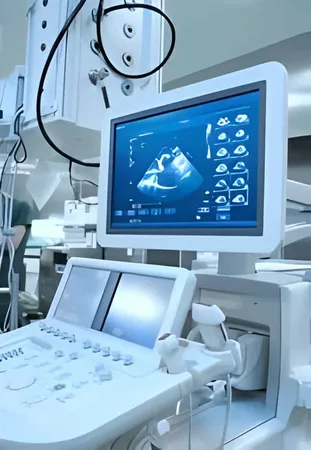
EFM Guide: Ensuring Baby's Health During Labor
About the Author

Educational Psychologist & Academic Test Preparation Expert
Columbia University Teachers CollegeDr. Lisa Patel holds a Doctorate in Education from Columbia University Teachers College and has spent 17 years researching standardized test design and academic assessment. She has developed preparation programs for SAT, ACT, GRE, LSAT, UCAT, and numerous professional licensing exams, helping students of all backgrounds achieve their target scores.
Join the Discussion
Connect with other students preparing for this exam. Share tips, ask questions, and get advice from people who have been there.
View discussion (8 replies)