
Kettering Driving Test Centre: Complete Guide to UK Driving Test Centres in 2026 September
⏳ Kettering driving test centre guide: pass rates, routes, booking tips and UK test centre comparisons to help you pass your practical test first time.
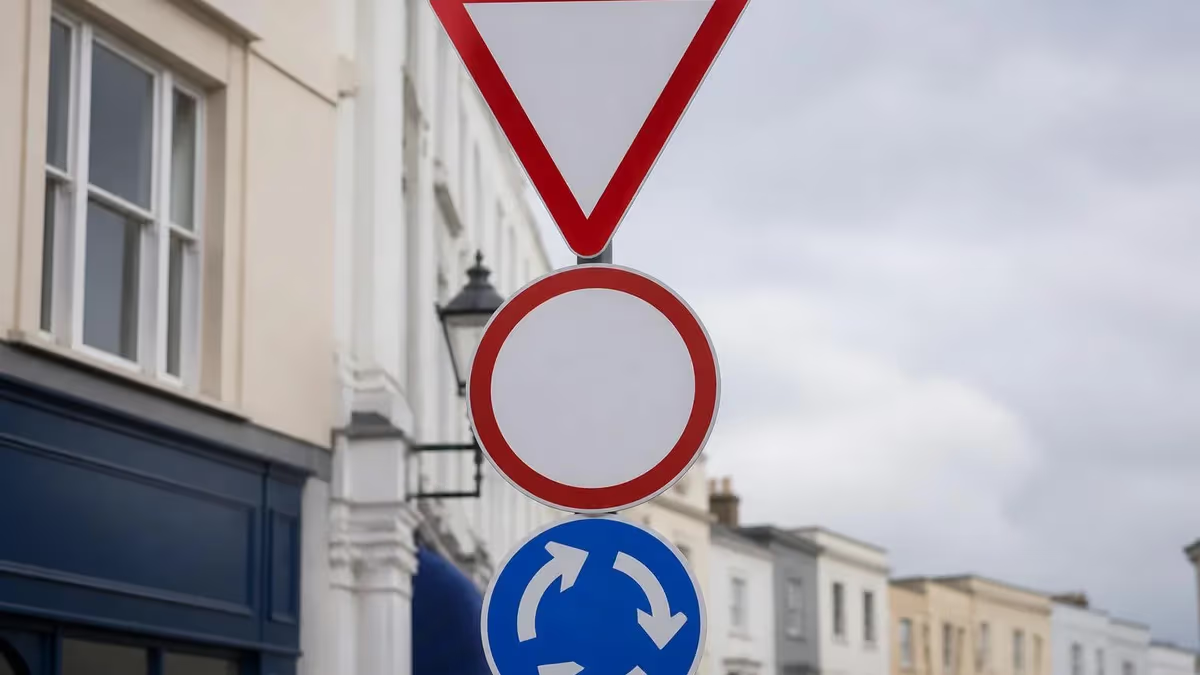
The Kettering driving test centre is one of the most searched locations in the East Midlands, and for good reason: it consistently records pass rates above the national average and offers a mix of rural and town routes that suit learners from across Northamptonshire. Whether you live locally or are travelling in from Corby, Wellingborough or Market Harborough, understanding how this centre operates will help you arrive calm, confident and ready to drive away with a full licence in your pocket.
The DVSA runs more than 320 practical test centres across the United Kingdom, and each one has its own quirks: local roundabouts, common manoeuvre spots, school zones, dual carriageways and even seasonal traffic patterns. Kettering sits in a mid-sized market town with easy access to the A14 and a varied network of 30, 40 and 60 mph roads. Examiners typically design routes that cover at least three speed limits inside a 40-minute drive.
This guide covers everything you need to know before you walk through the doors on test day. We explain how pass rates are calculated, what to expect in the waiting room, how the independent driving section works in Kettering compared with other UK centres, and the most common faults examiners record in this region. We also compare Kettering to nearby alternatives such as Wellingborough, Northampton and Peterborough so you can choose the centre that genuinely suits your driving style.
Booking a practical slot in 2026 is more competitive than ever, with average waiting times sitting at around 17 weeks for popular sites. Kettering tends to release new slots on Monday mornings, and learners who check at 06:00 sharp regularly secure cancellations within seven days. We will walk you through the booking process, fee structure, ID requirements and what happens if you need to rebook because of illness, weather or a mechanical issue with your tuition car.
If you are still working towards your theory pass, build the right foundation early. Strong theory knowledge translates directly into safer on-road decisions, especially around hazard perception and meeting traffic. Most successful Kettering candidates report doing at least 20 hours of focused theory revision alongside their lessons, and many use timed mock tests to mirror real exam pressure. Treat theory and practical as one continuous learning journey rather than two separate hurdles to clear.
Beyond Kettering itself, this article serves as a practical reference for any UK learner researching test centres. We explain how to read a centre's pass rate honestly, why some sites look harder than they really are, and how to avoid the classic mistake of booking a centre purely because it has shorter waiting times. The right centre is the one where your instructor knows the routes, where your nerves are manageable, and where you genuinely feel ready to demonstrate safe driving for life.
By the end of this guide you will know exactly how to prepare, what to pack, which routes to practise, and how to interpret your driving test report. Take notes as you read, share the checklist with your instructor, and bookmark this page so you can return to specific sections during your final week of preparation.
UK Driving Test Centres by the Numbers
How UK Driving Test Centres Are Structured
The Driver and Vehicle Standards Agency manages over 320 practical centres in Great Britain, plus DVA centres in Northern Ireland. Every centre follows the same standardised test format and marking scheme.
Centres are split into urban, suburban and rural. Urban centres test heavy traffic management; rural centres focus on national speed limit lanes; suburban centres like Kettering balance both, which many instructors prefer for first-time candidates.
Examiners are rotated between centres to prevent local bias. Each examiner observes the same DVSA marking sheet, so a fault in Kettering is recorded identically to one in Glasgow or Cardiff.
Routes are no longer published, but instructors map them through experience. Most Kettering routes last 38-42 minutes and cover roundabouts on Rockingham Road, the A14 slip roads and quiet estates for manoeuvres.
Standard facilities include a waiting room, toilets and a parking area for tuition vehicles. Smaller centres like Kettering have limited seating, so arriving 10 minutes early rather than 30 keeps the room calm.
The Kettering driving test centre is located on Pegasus Court, just off Rockingham Road in the north of the town. It is a small, single-storey building shared with other DVSA functions, and parking is limited to a handful of bays reserved exclusively for tuition vehicles and candidates. Most local instructors recommend arriving no earlier than ten minutes before your slot to avoid clogging the car park and to keep your nerves in check before the examiner calls your name.
The waiting room is modest: a few chairs, a noticeboard with current DVSA updates, and a small reception desk where examiners collect candidates. There are no refreshments on site, so bring a bottle of water and a light snack. Toilets are available but tend to be busy in the final five minutes before each test wave, so use them as soon as you arrive rather than waiting until the last moment when anxiety peaks.
Tests run in waves throughout the day, typically at 07:50, 09:14, 10:38, 12:02, 13:54, 15:18 and 16:42. Each examiner conducts five or six tests per day. If you book the first slot of the day you generally benefit from quieter roads, fresher examiners and a punctual start, but you also need to be alert at a time when many learners are still warming up mentally. Mid-morning slots are popular for that reason alone.
When the examiner appears, they will call your name, check your provisional licence and ask you to read a number plate from approximately 20 metres. This is the eyesight check, and failure to read it correctly ends the test before it begins. Practise reading registration plates in varied lighting in the weeks before your test, especially if you wear glasses or contacts. Always bring your prescribed eyewear and a spare pair if you have one.
The examiner will then ask two vehicle safety questions known as the show me, tell me questions. The tell me question is asked at the centre before you drive, and the show me is asked while you are driving. Common Kettering tell me questions cover checking tyre pressures, demonstrating how you would check the brake fluid, and explaining how the head restraint should be adjusted. Rehearse all 14 official questions with your instructor before test day.
If you are still finalising your theory certificate, make sure your booking matches your provisional. A common reason candidates are turned away at Kettering is bringing the wrong photocard or an expired theory pass. The DVSA DVSA theory test booking system links directly to your driver number, so any mismatch between names, addresses or licence numbers will cause problems on the morning of your practical.
Finally, remember that the test starts the moment you sit in the driver's seat. Adjust your mirrors, seat, head restraint and steering position before turning the key. Examiners watch these cockpit drills closely, and learners who skip them tend to pick up early control faults. Spend 30 seconds setting up properly, take three slow breaths, and confirm with the examiner that you are ready to move off when safe.
DVSA Practice Test Questions
Prepare for the DVSA - UK Driving Theory Test exam with our free practice test modules. Each quiz covers key topics to help you pass on your first try.
DVSA Eco-Friendly Driving and Vehicle Loading
DVSA Exam Questions covering Eco-Friendly Driving and Vehicle Loading. Master DVSA Test concepts for certification prep.
DVSA Hazard Awareness
Free DVSA Practice Test featuring Hazard Awareness. Improve your DVSA Exam score with mock test prep.
DVSA Incidents, Accidents and First Aid
DVSA Mock Exam on Incidents, Accidents and First Aid. DVSA Study Guide questions to pass on your first try.
DVSA Motorway Rules and Smart Motorways
DVSA Test Prep for Motorway Rules and Smart Motorways. Practice DVSA Quiz questions and boost your score.
DVSA Rules of the Road (Highway Code)
DVSA Questions and Answers on Rules of the Road (Highway Code). Free DVSA practice for exam readiness.
DVSA - UK Driving Theory Hazard Awareness ...
DVSA Mock Test covering - UK Driving Theory Hazard Awareness and Perception. Online DVSA Test practice with instant feedback.
DVSA - UK Driving Theory Motorway Rules an...
Free DVSA Quiz on - UK Driving Theory Motorway Rules and Regulations. DVSA Exam prep questions with detailed explanations.
DVSA - UK Driving Theory Road and Traffic ...
DVSA Practice Questions for - UK Driving Theory Road and Traffic Signs. Build confidence for your DVSA certification exam.
DVSA - UK Driving Theory Rules of the Road
DVSA Test Online for - UK Driving Theory Rules of the Road. Free practice with instant results and feedback.
Routes, Roads and Common Hot Spots Around Kettering
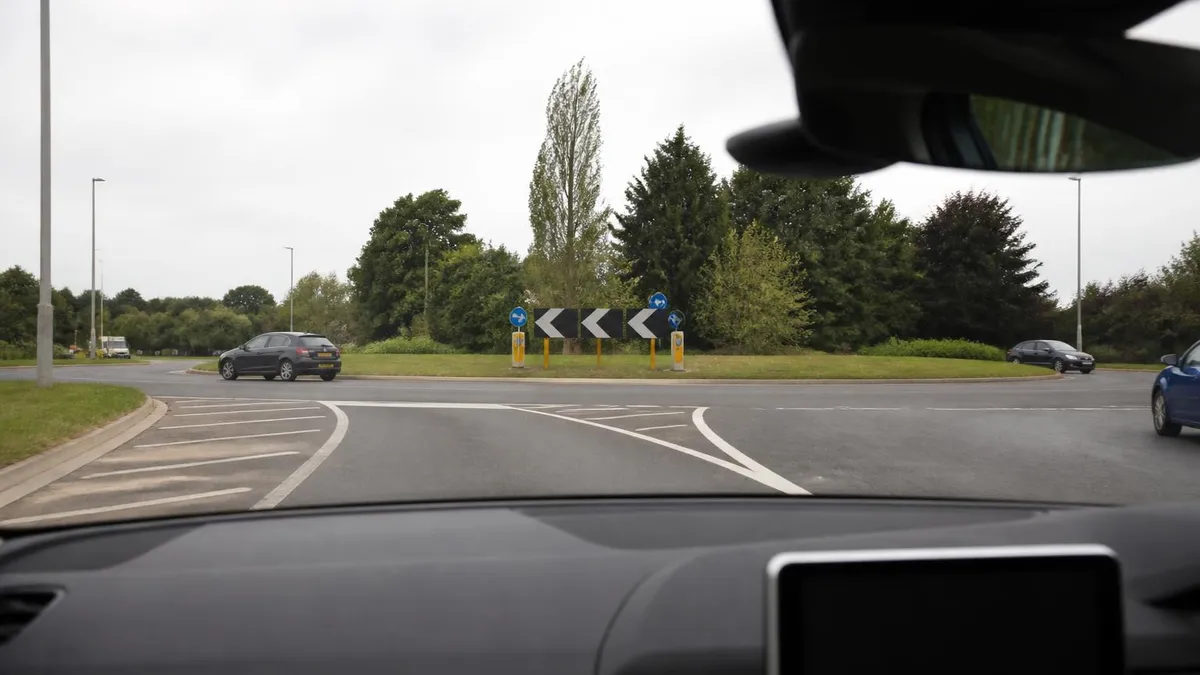
Town routes around Kettering test centre typically include Northall Street, Stamford Road and the busy mini-roundabouts near Rockingham Road. Examiners watch closely for lane discipline at multi-lane roundabouts, especially when traffic is heavy and learners feel pressured to commit early. Practise scanning two roundabouts ahead and signalling at the correct exit lamp post to avoid late or missed signals.
Residential estates like Ise Lodge and St Andrews are favourite manoeuvre zones because they offer wide, lightly parked roads. Expect parallel parks, bay parks at a nearby supermarket, and pull up on the right manoeuvres on quieter streets. Approach each manoeuvre with control: slow speed, all-round observations, and a willingness to adjust if your reference point is off.

Choosing Kettering vs Other UK Test Centres
- +Above-average pass rate compared with urban centres like Birmingham or Manchester
- +Mix of rural and town routes builds well-rounded driving confidence
- +Smaller building means shorter queues and a calmer waiting area
- +Easy parking for tuition vehicles compared with city-centre sites
- +Predictable manoeuvre zones in quiet residential estates
- +Closer to home for learners across north Northamptonshire
- +Examiners experienced with first-time candidates and nervous drivers
- −Limited test slots compared with larger centres like Northampton
- −Waiting times can stretch beyond 18 weeks during peak summer
- −Few public transport links if you need to travel without a tuition car
- −No on-site refreshments, café or vending machines
- −Small waiting room can feel cramped when multiple candidates arrive early
- −A14 slip roads can be intimidating for learners not used to dual carriageways
- −Limited evening or weekend availability compared with metropolitan centres
Kettering Driving Test Centre Pre-Test Checklist
- ✓Bring your photocard provisional licence and check the address matches your booking
- ✓Bring your theory test pass certificate or confirmation email as backup
- ✓Arrive 10 minutes before your slot to avoid waiting room overcrowding
- ✓Use the toilet immediately on arrival, not in the final five minutes
- ✓Practise reading number plates at 20 metres in different light conditions
- ✓Review all 14 show me, tell me questions out loud with your instructor
- ✓Check tyre pressures, oil and screen wash on your tuition vehicle the day before
- ✓Wear comfortable layered clothing so you can adjust to nerves and temperature
- ✓Eat a light meal one hour before; avoid heavy carbs that cause drowsiness
- ✓Plan your route to the centre and add a 15-minute buffer for traffic
Drive the route the morning before, not the morning of
Kettering instructors consistently report that learners who do a final mock lesson 24 hours before the test perform better than those who cram on the morning. A pre-test drive on test-day morning often raises anxiety and locks in any last-minute errors. Use the morning of your test to relax, hydrate and review your show me, tell me list calmly.
Pass rates are the most misunderstood number in the UK driving test world. Many learners pick a test centre purely because they spotted an impressive percentage on a league table, only to discover that the figure includes thousands of second and third attempts, rural-only routes, and a different mix of candidate experience than they themselves bring. To choose wisely, you need to understand what the headline number does and does not tell you.
The DVSA publishes pass rates annually for every centre in Great Britain. Kettering historically sits between 53% and 58%, comfortably above the national average of around 48%. By comparison, large city centres such as Birmingham Garretts Green or Wolverhampton sit closer to 35-40%, while small rural centres in the Highlands or rural Wales can exceed 70%. The gap reflects route complexity, traffic density and the average number of attempts per candidate, not a hidden examiner preference.
It is also important to separate first-time pass rates from overall pass rates. First-time figures are usually 4-6% higher, because candidates returning for second attempts often carry forward the same weak habits that caused their first fail. If you can find first-time data for Kettering through the DVSA's open data portal, weight that number more heavily when comparing centres. It is a closer reflection of your likely outcome if you arrive well prepared.
Examiner consistency is enforced through DVSA quality assurance audits. A senior examiner shadows tests on a rotating basis, and any examiner whose pass rate deviates significantly from the national mean is reviewed. This means that, despite local rumours of harsh or lenient examiners, the system is heavily monitored. Bad luck and good luck exist, but personal preparation is the dominant factor in your result, far more than which examiner you happen to draw.
Faults are recorded on a standardised marking sheet in three categories: driving faults (minor errors), serious faults and dangerous faults. You can collect up to 15 driving faults and still pass, but a single serious or dangerous fault ends your hopes. Around Kettering, the most common serious faults relate to junction observations, mirror checks during lane changes, and inappropriate speed on national speed limit roads. Drill these specifically with your instructor.
Time of day, season and weather all influence outcomes. Tests booked in mid-winter on icy mornings tend to fail more often, partly because nervous learners overreact to skidding sensations and partly because examiners legitimately expect candidates to adjust speed for conditions. Booking a late spring or early autumn slot, mid-morning, on a weekday, gives you the most predictable conditions across nearly every UK centre, including Kettering and its neighbours.
Finally, remember that pass rate is not destiny. Many learners with thorough preparation pass at supposedly difficult centres on their first attempt. Others fail repeatedly at supposedly easy centres because they rushed their lessons. Focus on driving hours, route familiarity, mock tests under examiner-style pressure, and honest feedback from your instructor. Those four levers move your personal pass probability far more than any league table ever will.
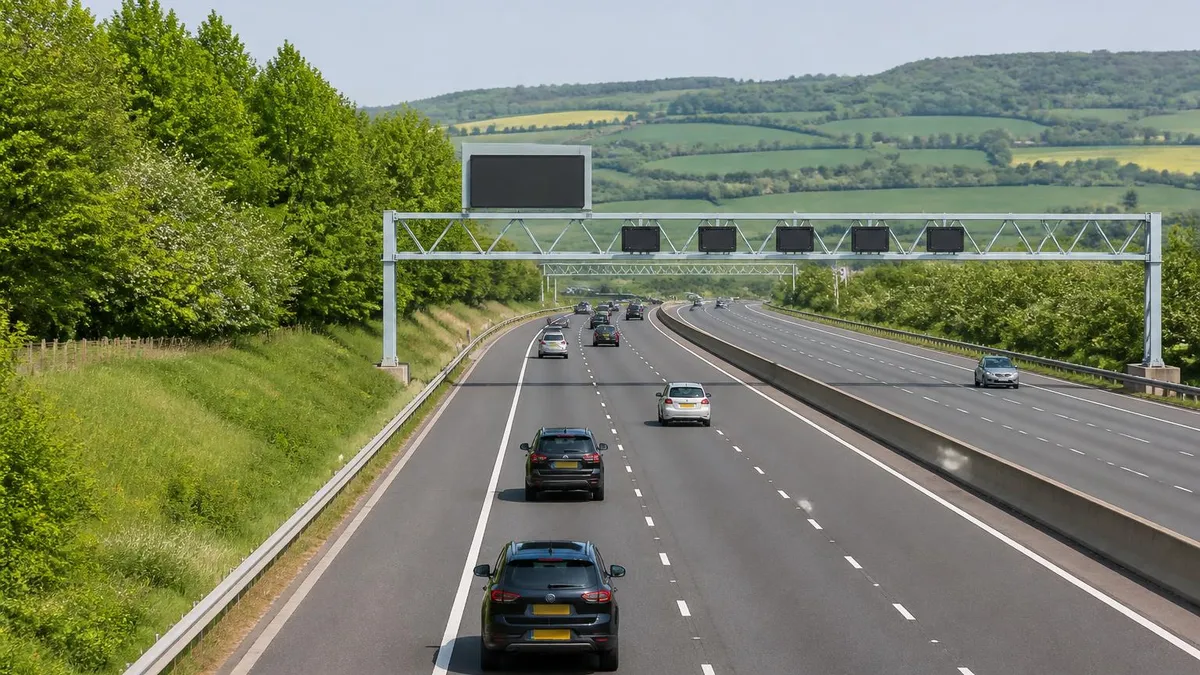
The DVSA will cancel your test on the spot if your tuition vehicle has a faulty seatbelt, illuminated airbag warning light, worn tyres below 1.6 mm tread, or no functioning L plates. You will lose your full fee and your slot. Always confirm vehicle roadworthiness with your instructor 48 hours before, and again on test-day morning.
Test day at the Kettering driving test centre follows a predictable rhythm, and walking through it in advance can take the edge off your nerves. Aim to arrive at Pegasus Court between 8 and 12 minutes before your slot, park in a bay clearly designated for candidates, and remain in the car with your instructor for the first few minutes. Use this time to breathe slowly, sip water, and run through the show me, tell me list one final time without rushing.
When you enter the waiting room, you will be asked to sign in and confirm your details. The examiner will appear at the precise time of your slot, call your name and ask you to read the declaration confirming the vehicle is insured for the test. Listen carefully and answer clearly. Mumbled or hesitant responses sometimes prompt examiners to repeat the question, which can rattle already-nervous candidates and chip away at their early composure.
The eyesight test follows immediately. The examiner will point to a parked car in the car park and ask you to read its registration. If you cannot read the plate, they may try another vehicle at a closer distance, and if you still cannot, the test ends and you forfeit your fee. Practise number plate reading in the week before your test, including in low light, drizzle and bright sun, all of which appear in Kettering's variable weather.
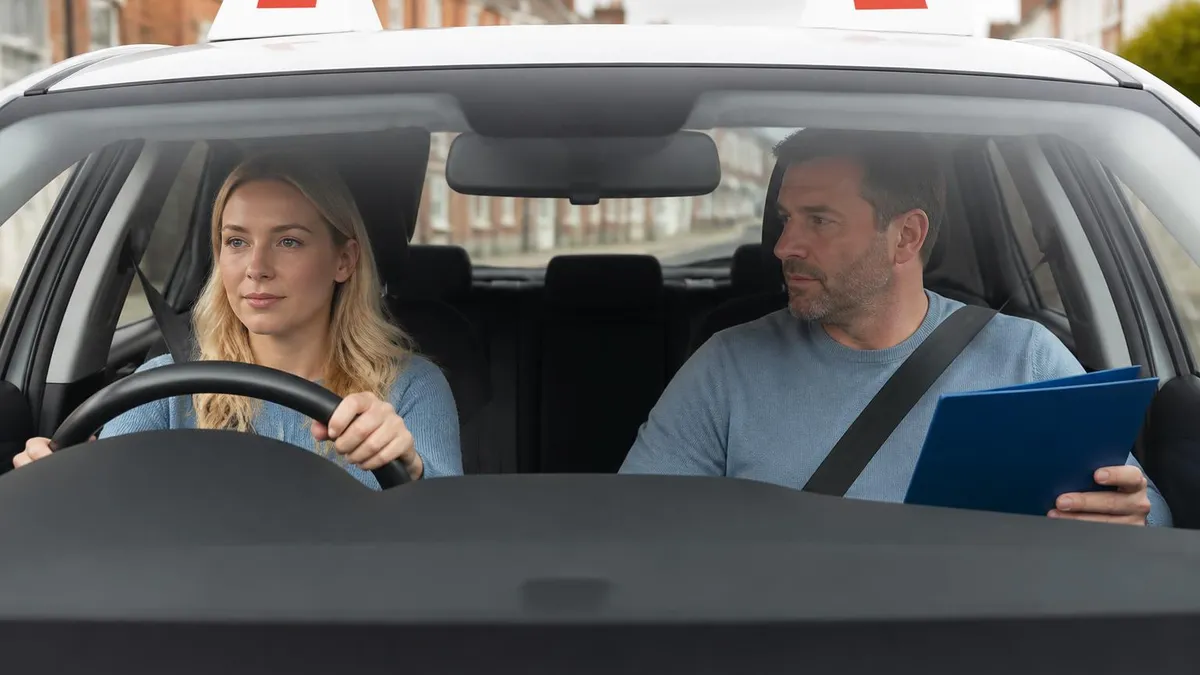
Once you are in the car, the cockpit drill begins. Adjust your seat, head restraint, steering wheel, mirrors and seatbelt in a deliberate order. Examiners notice candidates who rush through this stage. Take 30 to 45 seconds. Confirm doors are closed, handbrake is on and the car is in neutral. Then signal to the examiner you are ready, and follow their first instruction calmly. The drive lasts around 40 minutes including manoeuvres.
During the drive you will be asked to complete one manoeuvre from the official list: parallel park, bay park (forward or reverse), or pull up on the right and reverse two car lengths. Around one in three candidates also receives an emergency stop. Practise all four with your instructor in real settings, not just empty car parks. Reference points work best when you have rehearsed them in the exact lighting and weather you might face on the day.
If you want a second opinion on how the practical compares with other DVSA assessments, our deep-dive guide to the DVSA car practical test walks through the marking sheet, the timings and the most common reasons for failure across the country. Reading it the week before your Kettering slot gives you a national perspective and helps you spot any blind spots your local instructor may not have covered in detail.
At the end of the drive the examiner will guide you back to the test centre and ask you to park in a specified bay. They will then deliver the result verbally, explain any faults recorded on the marking sheet, and offer you a printed copy. Whether you pass or fail, take the feedback seriously, ask questions, and thank the examiner. The result is final on the day, but every report is a roadmap for becoming a safer driver tomorrow.
Final preparation in the week before your Kettering driving test should focus on consolidation, not new material. Resist the urge to cram fresh manoeuvres or learn unfamiliar routes; instead, polish what you already know. Two structured lessons of 90 minutes each, three days apart, give your instructor space to identify lingering weaknesses without overwhelming you. Use the days between for mental rehearsal: visualise junctions, mirror checks and emergency stops in slow, deliberate detail before sleeping.
Sleep is the most underrated test day asset. Aim for at least seven hours the night before, and avoid alcohol for 48 hours. Caffeine in moderation is fine, but two strong coffees on an empty stomach often produce shaky hands and tunnel vision behind the wheel. Eat a balanced breakfast roughly 90 minutes before your slot: porridge, eggs on toast or a banana with peanut butter all release energy slowly and steady your blood sugar through the test.
Pack a small test day bag the evening before. Include your photocard licence, theory pass confirmation, glasses if needed, a bottle of water, tissues, mints and a fully charged phone. Keep the phone on silent inside the centre. If you take prescription medication, take it at your usual time, not earlier or later because of nerves. A consistent routine signals to your brain that this is just another driving day, not a once-in-a-lifetime examination.
Mock tests under examiner-style conditions are the single most effective rehearsal tool. Ask your instructor to remain silent for an entire 40-minute drive, mark you on a real DVSA sheet, and deliver feedback only at the end. Two or three of these mocks in the final fortnight reveal exactly how you behave under realistic pressure. They also normalise the silence of the real test, which catches many learners off guard during their first attempt.
Manage your mind as deliberately as you manage your driving. Anxiety thrives on uncertainty, so reduce uncertainty wherever you can. Drive past the test centre during a normal lesson so the building feels familiar. Walk the car park. Visualise turning out of Pegasus Court onto Rockingham Road. Knowing exactly where to look for traffic on that first roundabout saves a critical second of hesitation, and confidence in those first five minutes shapes the rest of the drive.
If the worst happens and you do not pass, treat the result as data, not disaster. Around 51% of UK candidates fail their first attempt, and most go on to pass within the next two tries. Book your next slot only after at least three more lessons targeted at the specific faults the examiner recorded. Returning too early with the same habits is the most common reason candidates fail twice in a row. Rebuild, refine, retest.
Whichever centre you choose, the principles remain the same: thorough preparation, calm execution, honest self-assessment and a willingness to learn from feedback. Kettering offers an environment where well-prepared candidates have every chance of succeeding first time, and the skills you build here will serve you for decades of safe, confident driving. Trust your training, respect the road, and treat the examiner as a colleague evaluating safety, not a judge looking for reasons to fail you.
DVSA Questions and Answers

DVLA Test Centre: Complete UK Guide to Finding, Booking & Passing at Your Local Centre in 2026
DVSA Theory Test Booking: Step-by-Step Guide (2026)
Theory Test Centre: Booking, Locations, and What to Expect
Change Theory Test Booking: Step-by-Step DVSA Guide

DVSA Car Practical Test: Complete Guide to Passing First Time
About the Author

Licensed Driving Instructor & DMV Test Specialist
Penn State UniversityRobert J. Williams graduated from Penn State University with a degree in Transportation Management and has spent 20 years as a certified driving instructor and DMV examiner consultant. He has personally coached thousands of applicants through written knowledge tests, skills assessments, and commercial driver licensing programs across more than 30 states.