
How to Rebook Your Theory Test: Complete UK Guide for 2026 September
Need to rebook your theory test? Step-by-step guide covering costs, 🆕 waiting times, cancellation rules, and how to prepare smarter second time around.
If you need to rebook theory test after a failed attempt or cancellation, you are far from alone. According to DVSA statistics, roughly 50% of candidates do not pass on their first sitting, meaning hundreds of thousands of UK learners go through the rebooking process every single year. Understanding exactly how to rebook, how much it costs, and how to use your waiting time wisely can make the difference between passing next time and facing yet another round of fees.
The theory test itself consists of two distinct parts: a multiple-choice section with 50 questions drawn from the official DVSA question bank, and a hazard perception section featuring 14 video clips. To pass, you must score at least 43 out of 50 on the multiple-choice element and at least 44 out of 75 on the hazard perception element. Both scores are required simultaneously — passing one part but not the other means you have failed the test overall and must book again for the full assessment.
When you fail or need to cancel, the waiting period before your next attempt is a minimum of three working days. This cooling-off period is mandatory and cannot be waived under any circumstances. In practice, appointment availability at busy test centres means most candidates wait considerably longer — often two to four weeks, and sometimes more during peak periods such as summer and the months immediately after major bank holidays when demand surges significantly.
Rebooking is handled entirely online through the official DVSA service at gov.uk, or by telephone on 0300 200 1122. You will need your driving licence number and a valid debit or credit card for payment. The current fee for a car theory test is £23, which applies each time you book regardless of whether it is your first attempt or your fifth. There are no discounts for repeat attempts and no partial refunds if you fail again.
Many candidates make the mistake of rebooking immediately without first analysing why they failed. The DVSA does not provide a detailed breakdown of which specific questions you got wrong, but it does indicate which of the 14 topic categories you struggled in. Reviewing those categories carefully — using the official Highway Code, DVSA revision apps, and practice question banks — is essential before sitting the test again. Rushing back in without targeted revision is one of the most common reasons candidates fail multiple times.
This guide walks you through every aspect of the rebooking process: from understanding your result letter, to navigating the DVSA booking portal, managing your test date, preparing more effectively, and knowing your rights around refunds and cancellations. Whether this is your second attempt or your third, the information here will help you approach the process with confidence and give yourself the best possible chance of walking out with a pass certificate in hand.
UK Theory Test: Key Numbers to Know
Theory Test Rebooking: Step-by-Step Process
Receive and Review Your Result
Wait the Mandatory Three Working Days
Log Into the DVSA Booking Portal
Choose Your Test Centre and Date
Pay the £23 Booking Fee
Begin Your Targeted Revision Plan
The process of rebooking your theory test through the official DVSA portal is straightforward once you understand the steps involved. After the mandatory three-working-day wait has elapsed, go to gov.uk/book-theory-test and enter your Great Britain or Northern Ireland driving licence number along with your date of birth. The system will verify your identity and bring up any existing bookings. If your previous booking was cancelled or lapsed, you will need to create a new booking from scratch rather than simply rescheduling.
When selecting a test centre, it is worth broadening your search radius if your nearest centre shows no availability for the next several weeks. The DVSA booking system lets you search by postcode and shows availability at multiple sites simultaneously. Travelling an extra 20 or 30 minutes to a less busy centre can mean getting an appointment two or three weeks sooner, which keeps your study momentum active and reduces the risk of your revision going stale while you wait.
Once you have selected a date and time, you will be taken to the payment screen. The £23 fee must be paid in full at the time of booking — there is no option to reserve a slot and pay later. Accepted payment methods include all major debit and credit cards. The DVSA does not accept cash, cheques, or PayPal. After payment, a confirmation email is sent to the address registered on your driving licence record, so ensure that address is current before you begin the booking process.
It is possible to amend your booking date or test centre without incurring any additional fees, provided you make the change at least three clear working days before your booked appointment. Amendments are made through the same gov.uk portal using your booking reference number. If you need to cancel entirely, you can request a full refund as long as the cancellation is made more than three clear working days in advance. Cancel with less than three days' notice and the £23 is forfeited with no right of appeal except in certain documented medical emergencies.
Candidates who need to book on behalf of someone else — for example, a parent helping a young learner — should note that the booking must still be made using the candidate's own driving licence details. The payment card does not need to belong to the candidate, but the identity credentials do. This is a common source of confusion that can delay the booking process unnecessarily if the wrong details are entered at the start.
The DVSA telephone booking line at 0300 200 1122 is an alternative if you have difficulty with the online system. Lines are open Monday to Friday from 8am to 4pm. Telephone bookings carry the same £23 fee and the same rules around cancellations and amendments. Some candidates find telephone booking useful if they want to ask questions about test centre accessibility, such as whether a centre has step-free access or facilities for candidates with certain disabilities or special educational needs.
After booking, add your test date to your phone calendar immediately and set a reminder for five days before the appointment so you can confirm your attendance and verify that your provisional licence details are still correct. Turning up to a theory test with identification that does not match your booking — for example, a recently changed address on a photocard licence that has not been updated — can result in being turned away and losing your fee entirely.
DVSA Practice Test Questions
Prepare for the DVSA - UK Driving Theory Test exam with our free practice test modules. Each quiz covers key topics to help you pass on your first try.
DVSA Eco-Friendly Driving and Vehicle Loading
DVSA Exam Questions covering Eco-Friendly Driving and Vehicle Loading. Master DVSA Test concepts for certification prep.
DVSA Hazard Awareness
Free DVSA Practice Test featuring Hazard Awareness. Improve your DVSA Exam score with mock test prep.
DVSA Incidents, Accidents and First Aid
DVSA Mock Exam on Incidents, Accidents and First Aid. DVSA Study Guide questions to pass on your first try.
DVSA Motorway Rules and Smart Motorways
DVSA Test Prep for Motorway Rules and Smart Motorways. Practice DVSA Quiz questions and boost your score.
DVSA Rules of the Road (Highway Code)
DVSA Questions and Answers on Rules of the Road (Highway Code). Free DVSA practice for exam readiness.
DVSA - UK Driving Theory Hazard Awareness ...
DVSA Mock Test covering - UK Driving Theory Hazard Awareness and Perception. Online DVSA Test practice with instant feedback.
DVSA - UK Driving Theory Motorway Rules an...
Free DVSA Quiz on - UK Driving Theory Motorway Rules and Regulations. DVSA Exam prep questions with detailed explanations.
DVSA - UK Driving Theory Road and Traffic ...
DVSA Practice Questions for - UK Driving Theory Road and Traffic Signs. Build confidence for your DVSA certification exam.
DVSA - UK Driving Theory Rules of the Road
DVSA Test Online for - UK Driving Theory Rules of the Road. Free practice with instant results and feedback.
Revision Strategies for Your Second Theory Test Attempt
The multiple-choice section draws from a published bank of around 700 questions across 14 topic categories including alertness, attitude, safety and your vehicle, safety margins, and hazardous conditions. After a failed attempt, your category feedback sheet tells you exactly which areas let you down. Focus your first two weeks of revision entirely on those weak categories, using the official DVSA revision app or a reputable third-party question bank that mirrors the real test format. Aim for consistent scores above 47 out of 50 in practice before sitting the real exam.
One effective technique is to study in short, focused sessions of 20 to 30 minutes rather than marathon cramming sessions. Spaced repetition — reviewing questions on increasing intervals — is proven to improve long-term retention far more effectively than re-reading the Highway Code in one sitting. Many of the questions require you to know specific numbers: stopping distances, speed limits in particular zones, blood alcohol limits, and tyre tread depth minimums. Create flashcards for these numerical facts and review them daily in the week before your test.
Rebooking Quickly vs. Taking More Preparation Time
- +Maintains momentum and keeps recently studied material fresh in memory
- +Shorter gap means less time spent as a learner without a licence
- +Test centre familiarity reduces anxiety — you know the layout and process already
- +Early rebooking secures a slot before demand peaks in summer months
- +Psychological benefit of taking action quickly after a setback
- +Instructor costs may be lower if practical lessons continue uninterrupted
- −Rebooking too fast without revision risks another fail and another £23 fee
- −Anxiety from a recent fail can negatively affect performance under time pressure
- −Underlying knowledge gaps persist if root cause of failure is not addressed
- −Three working days is rarely enough time for meaningful additional study
- −Consecutive fails can damage confidence and create a negative test association
- −Rushing may mean choosing an inconvenient test centre simply for early availability
Theory Test Rebooking Checklist: Everything You Need to Do
- ✓Collect your result feedback sheet from the test centre before leaving — you will need the category breakdown for targeted revision.
- ✓Wait the full three clear working days before attempting to rebook through the DVSA portal.
- ✓Check that your provisional driving licence details (name, address, photo) are current and accurate before booking.
- ✓Search test centres within a 30-mile radius to find the earliest available appointment, not just your local centre.
- ✓Pay the £23 booking fee and save your confirmation email along with the booking reference number.
- ✓Set a calendar reminder five days before the test to confirm your booking is still active.
- ✓Download the official DVSA revision app or access a reputable question bank and complete at least one 50-question practice test on the day of rebooking to gauge your current level.
- ✓Create a revision timetable allocating extra sessions to the specific topic categories flagged in your feedback sheet.
- ✓Practice at least ten hazard perception clips per week, focusing on clicking technique rather than just recognition speed.
- ✓Run three full timed mock tests in the final week before your appointment to simulate real exam conditions and manage time pressure.
Repeating the same preparation leads to the same result
DVSA data consistently shows that candidates who rebook without changing their study approach are significantly more likely to fail again. If you passed one section but not the other, focus 80% of your extra revision time on the section you failed. If you narrowly missed on both, add at least three more full timed practice tests to your routine. A different approach — not just more of the same — is what produces a different outcome.
Understanding the costs associated with rebooking your theory test is essential for budgeting your overall learn-to-drive journey. The standard theory test fee is £23 per attempt for a car test. There is no discounted rebooking rate for candidates who failed previously, and there is no cap on the number of times you can sit the test — you simply pay £23 each time until you pass. For candidates who fail multiple times, these costs add up quickly on top of driving lesson fees and the eventual £62 practical test fee.
Cancellation and refund rules are strict and follow a three-working-day cut-off. If you cancel your booking more than three clear working days before your appointment, you receive a full £23 refund to the card used for payment, typically within five to ten working days. If you cancel with fewer than three working days' notice, the fee is lost entirely. The same rule applies if you simply do not turn up on the day — a no-show is treated as a late cancellation and the full fee is forfeited.
There is an important exception for medical emergencies. If you cannot attend due to a serious and documented medical incident — such as a hospital admission — the DVSA may consider a refund application on a case-by-case basis. You must provide supporting documentation, typically a letter from a GP or hospital, and contact the DVSA within a reasonable time after the missed appointment. Routine illness such as a cold or headache does not qualify for an exception; the threshold for medical refund consideration is high.
Candidates who need to amend rather than cancel — for example, changing the test centre or moving the date forward — can do so free of charge provided the amendment is made at least three clear working days before the original appointment. Amendments are made online through the same gov.uk booking portal. You cannot amend a booking less than three days before the test; at that point, your only option is to let the booking lapse, losing the fee, and make a fresh booking after the mandatory waiting period.
Some driving schools and instructors offer packages that include theory test support, occasionally covering the cost of a second theory test booking if the first attempt is unsuccessful. This is worth discussing with your instructor before your first sitting. However, such arrangements are informal and entirely at the instructor's discretion — there is no industry standard or legal obligation for instructors to cover rebooking fees, so do not assume this is available without explicitly asking.
If you are on certain means-tested benefits, you may be entitled to a reduced theory test fee. As of 2026, this reduction applies to candidates under 16 who are receiving certain benefits, though this affects a very small proportion of car theory test candidates. The standard £23 fee applies to the overwhelming majority of learners. Always check the current fee on gov.uk before booking, as the DVSA periodically reviews its fee structure and prices can change between years.
One often-overlooked cost associated with multiple theory test attempts is the indirect cost of delayed practical driving. Every week spent waiting for a theory pass and then waiting for a practical test slot is a week during which you may be paying for driving lessons without being able to take the full driving test. For candidates paying around £35 to £40 per lesson, even two or three extra weeks of waiting due to a theory test rebook can add £100 or more to the total cost of learning to drive.
One of the most avoidable reasons for being turned away at a theory test is presenting identification that does not match the name or address on your booking. If you have recently moved house or changed your name, update your provisional driving licence at DVLA before rebooking. Turning up with mismatched details means you will be refused entry, the appointment counts as a no-show, and the £23 fee is not refunded.
Test day preparation for a second theory test attempt is significantly different from preparing for your first, because you already know what to expect from the environment and the format. This familiarity is a genuine advantage that many candidates underutilise. You know where the test centre is, you know how long the journey takes, you know what the waiting area looks like, and you have experienced the format of both test sections. Channel this familiarity into confidence rather than complacency.
Arrive at the test centre at least 15 minutes before your appointment time. Late arrivals — even by a few minutes — are routinely refused entry by test centre staff, and the DVSA is under no obligation to accommodate latecomers regardless of the reason. Plan your journey accounting for traffic, and if possible do a trial run to the test centre on a day before your actual appointment so there are no surprises about parking, entrance locations, or travel time on the day itself.
You must bring your valid Great Britain or Northern Ireland photocard driving licence to the appointment. No other form of identification is accepted for UK residents. Your licence number must match the booking exactly. If you have an older-style paper licence, you must also bring a valid passport. Mobile phones and smart watches must be switched off and stored in a locker provided by the test centre — you cannot have any personal electronic devices in the testing room under any circumstances.
The multiple-choice section begins with a practice session of three questions that do not count toward your score. Use this time to settle your nerves, ensure the mouse or touchscreen is responsive, and confirm that audio for the hazard perception section is working correctly. If you notice any technical issues during this practice phase, alert an invigilator immediately — it is far easier to resolve equipment issues at the start than mid-test. Do not feel rushed during these practice questions even though they do not contribute to your score.
During the actual multiple-choice section, use the flag function for any questions you are uncertain about. Answer every question first without spending excessive time on any single one, then return to flagged questions for a second pass. This strategy ensures that you do not run out of time on questions you could have answered confidently at the end of the test. You have 57 minutes for 50 questions — that is over a minute per question — so time pressure is rarely the issue for well-prepared candidates.
After completing the multiple-choice section there is a short break before the hazard perception section begins. Use this time to breathe, stretch briefly, and mentally reset. The hazard perception section cannot be paused once it starts. Maintain a calm, steady approach to clicking — rapid multiple clicks within a short window are detected by the system as cheating and will result in a zero score for that clip. Trust your preparation: if you have practised the clips regularly, your instincts about when a hazard is developing will be well calibrated by test day.
When your results appear on screen, take a moment to read the category breakdown carefully regardless of whether you passed or failed. If you have passed, you will receive a pass certificate valid for two years, within which time you must pass your practical test. If you have not passed, the category scores on screen are the most detailed feedback you will receive, so note them down or photograph them if the test centre permits — this data directly informs your next revision plan and your decision about when to rebook theory test appointments going forward.
Building a smarter study routine between your first and second theory test attempt is the single most impactful thing you can do to improve your chances of passing. Most candidates who fail do so not because they lack the ability to understand the material, but because they did not practise consistently or did not focus on the right areas in sufficient depth. The good news is that with a structured approach and the right resources, the theory test is genuinely passable for almost anyone willing to put in the work.
Start by downloading the official DVSA theory test kit app, which is available on iOS and Android and contains the complete official question bank along with practice hazard perception clips. This app is maintained by the DVSA itself and is updated whenever questions are added or removed from the active bank, making it the most reliable revision tool available. Several third-party apps and websites also offer theory test practice, but always verify they use the current official question bank rather than outdated versions.
Read the Highway Code from cover to cover at least once. Many candidates rely entirely on question-bank practice without reading the underlying source material, which means they can answer specific questions correctly but lack the broader contextual understanding that helps when a question is phrased in an unfamiliar way. The Highway Code is available for free online at gov.uk and as a low-cost paperback. Pay particular attention to the sections on motorway driving, road markings, signals, and stopping distances, which are consistently represented heavily in the multiple-choice question bank.
For hazard perception, watch real dashcam footage of driving in various conditions as a supplementary revision activity. This trains your eye to scan the road continuously and identify developing situations — pedestrians stepping toward the kerb, vehicles pulling out of side streets, cyclists wobbling ahead — in a naturalistic way that purely practising the test clips alone cannot fully replicate. YouTube channels dedicated to UK driving instruction often contain narrated dashcam footage that explicitly identifies hazards as they develop, making them excellent free study resources.
Consider forming a study group with other learner drivers if you have friends or acquaintances in a similar position. Quizzing each other on theory questions, discussing reasoning for correct answers, and explaining concepts in your own words significantly improves retention compared to solitary revision. Teaching a concept to someone else is one of the most reliable ways to identify gaps in your own understanding — if you cannot explain why a particular answer is correct, that is a sign you need to revisit that topic before sitting the exam.
In the final 48 hours before your test, shift your focus from learning new material to reviewing and consolidating what you already know. Attempting full practice tests under timed conditions is valuable during this period; making targeted revisions to weaker areas is not — introducing new information too close to the exam can create confusion and undermine confidence. Get a full night of sleep before the test, eat a proper meal on the morning of the appointment, and arrive calm and prepared. Physical and mental readiness on test day matters more than most candidates realise.
Remember that the theory test pass certificate is valid for two years. Once you have passed, book your practical test as soon as possible to ensure you have adequate time to prepare and sit it within that window. There is no advantage to waiting, and delays can sometimes mean the theory certificate expires before the practical test takes place — requiring you to pass the theory test all over again at full cost. Keeping your overall learn-to-drive timeline as efficient as possible saves both time and money in the long run.
DVSA Questions and Answers
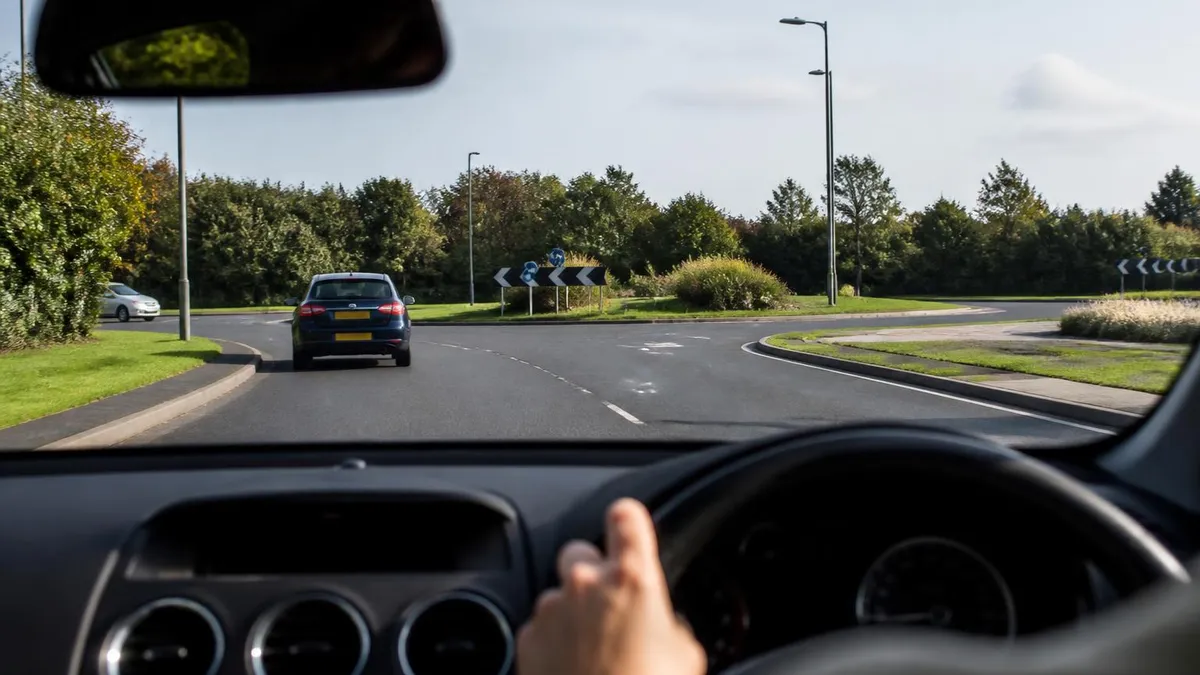
DVLA Theory Test Booking: Complete Step-by-Step Guide for UK Learners
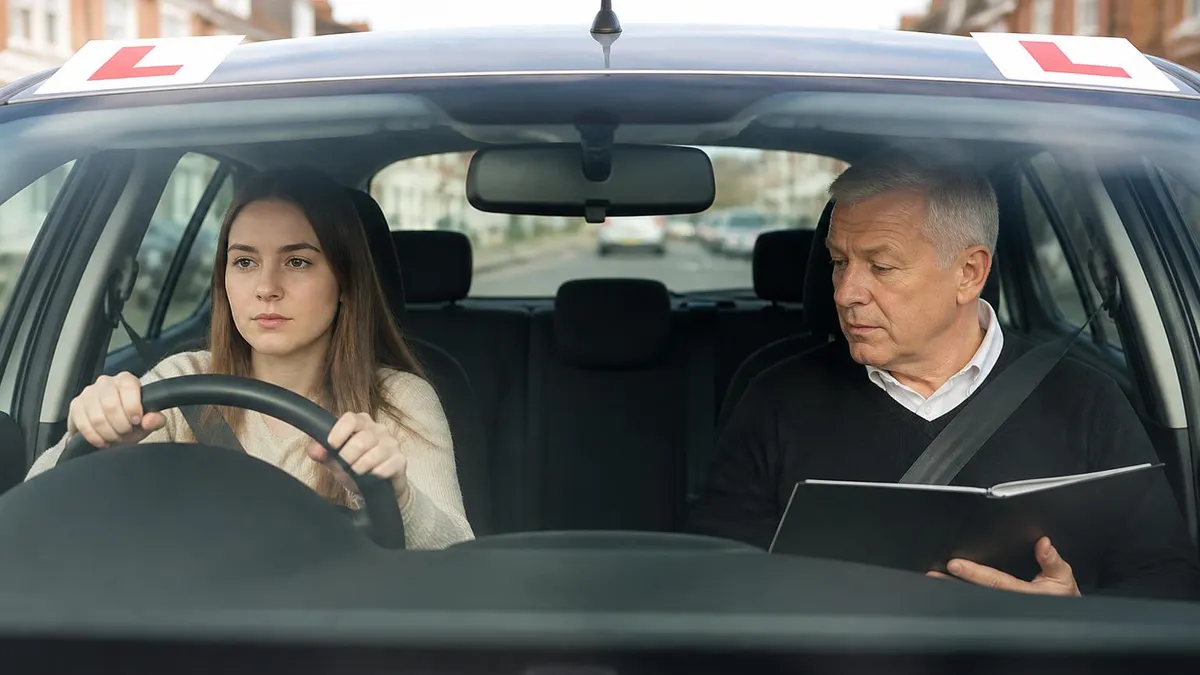
Driving Theory Test App: The Complete Study Guide for UK Learners
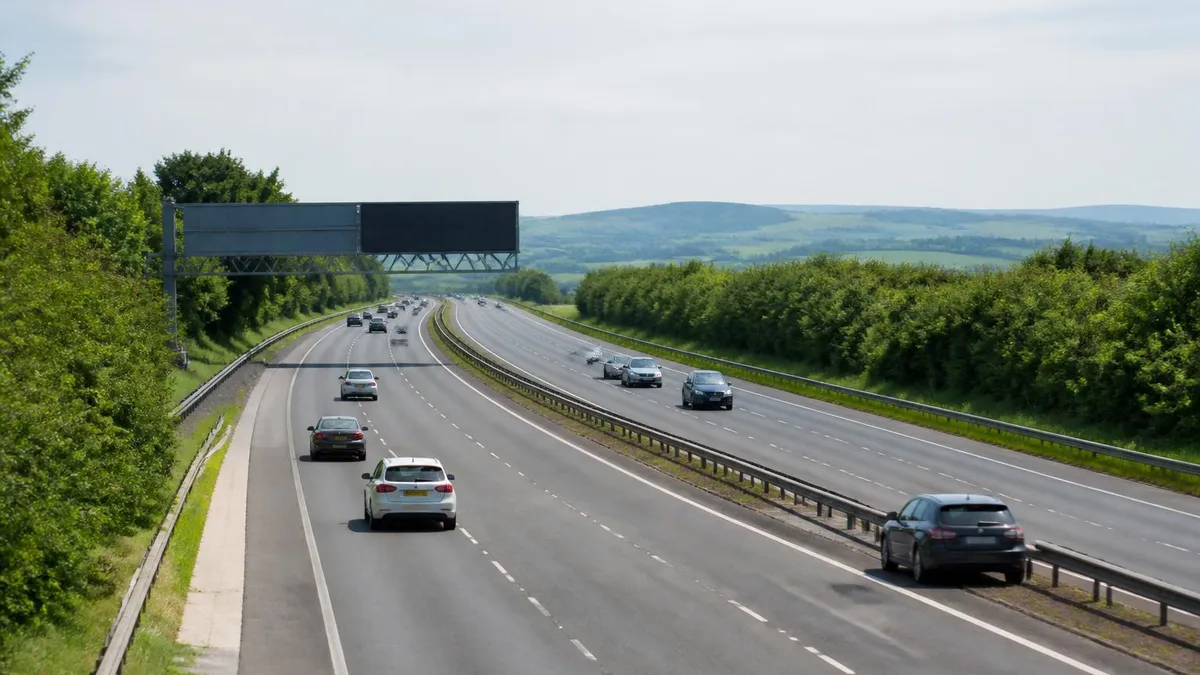
How to Book Your DVSA Practical Driving Test: Complete UK Guide

Learn to Drive in the UK: Complete Beginner's Guide to Getting Your Licence

DVSA Car Practical Test: Complete Guide to Passing First Time
About the Author
Licensed Driving Instructor & DMV Test Specialist
Penn State UniversityRobert J. Williams graduated from Penn State University with a degree in Transportation Management and has spent 20 years as a certified driving instructor and DMV examiner consultant. He has personally coached thousands of applicants through written knowledge tests, skills assessments, and commercial driver licensing programs across more than 30 states.