
Practical Driving Test Cost: Complete UK Price Guide 2026 September
✏️ Practical driving test price explained: DVSA fees, weekday vs evening costs, retake charges, hidden expenses and how to budget for your UK test.
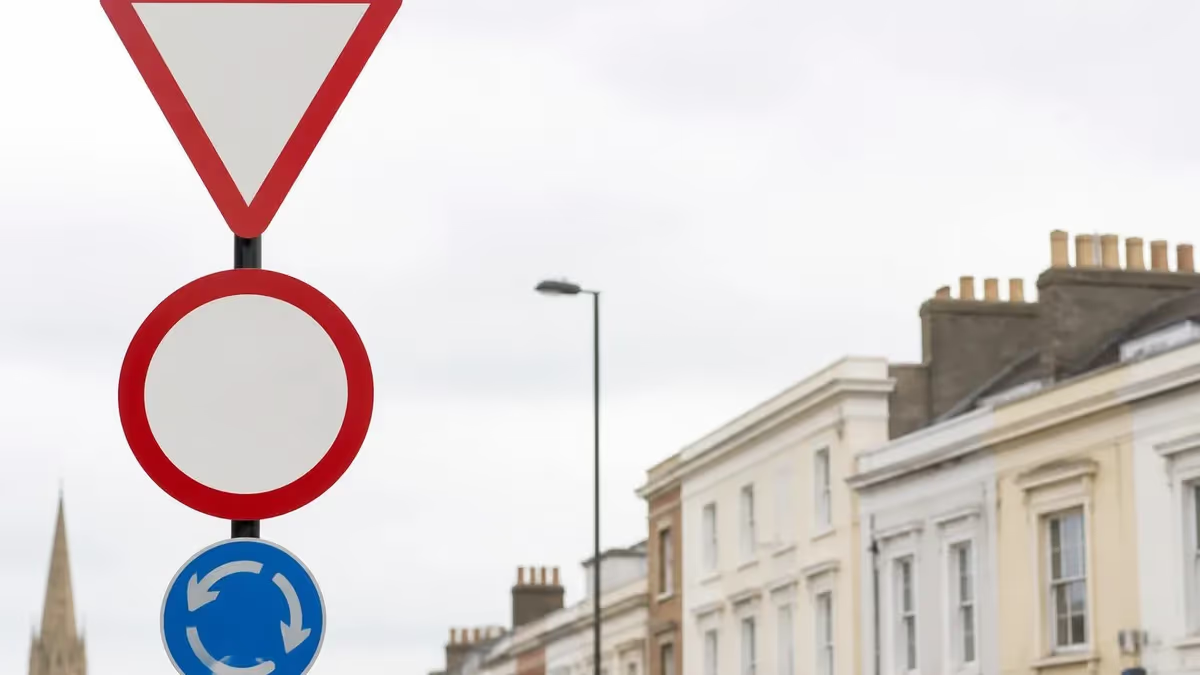
The current practical driving test price in the UK sits at £62 for a weekday test and £75 for an evening, weekend, or bank holiday slot, paid directly to the Driver and Vehicle Standards Agency (DVSA). That headline figure is only one slice of the real cost, because most learners also pay for lessons, car hire on the day, theory test fees, and sometimes retakes. Understanding the full financial picture before you book helps you avoid nasty surprises and budget sensibly.
For most candidates, the DVSA fee is the smallest line item in a much bigger spreadsheet. Driving instructors typically charge between £35 and £45 per hour in 2026, and the Driver and Vehicle Standards Agency suggests an average of 45 hours of professional tuition before test readiness. That alone pushes total spend well past £1,500 before you even add insurance, provisional licence fees, and the cost of using an instructor's car on test day, which usually runs £60 to £90 for a two-hour slot.
The good news is that almost every cost in the journey is controllable. You can choose weekday slots over premium evenings, share lessons with a learner-driver-insured family car, and target a first-time pass to avoid retake fees. Knowing where the money actually goes lets you redirect spending toward the things that genuinely improve your chance of passing, such as mock tests and structured hazard practice, rather than wasted last-minute lessons.
It also helps to remember that the practical test fee has changed several times in the last decade and is set centrally by the DVSA, not by your instructor or test centre. Anyone offering a 'discounted' test fee is almost always referring to a package that bundles lessons and car hire, not a reduced DVSA charge. The agency does not run sales, promotions, or referral discounts, so treat any offer below £62 with serious caution.
This guide breaks down every fee you will encounter, from the moment you apply for your provisional licence to the day you peel off your L-plates. We cover weekday and weekend pricing, retake costs, short-notice cancellation refunds, instructor packages, and the hidden charges that catch most learners off guard. You will also find budgeting checklists, real cost comparisons, and answers to the questions DVSA support receives most often.
By the end you should have a realistic total figure for your own circumstances and a clear plan for keeping that number as low as possible without compromising your readiness. Whether you are a 17-year-old booking your first test or an adult returning after years away from learning, the same principles apply: book early, pick the right slot, and treat every lesson as preparation for the examiner's eye.
Let's start with the numbers most learners need on day one, then work outward to the full lifetime cost of getting your full UK driving licence in 2026.
Practical Driving Test Price by the Numbers
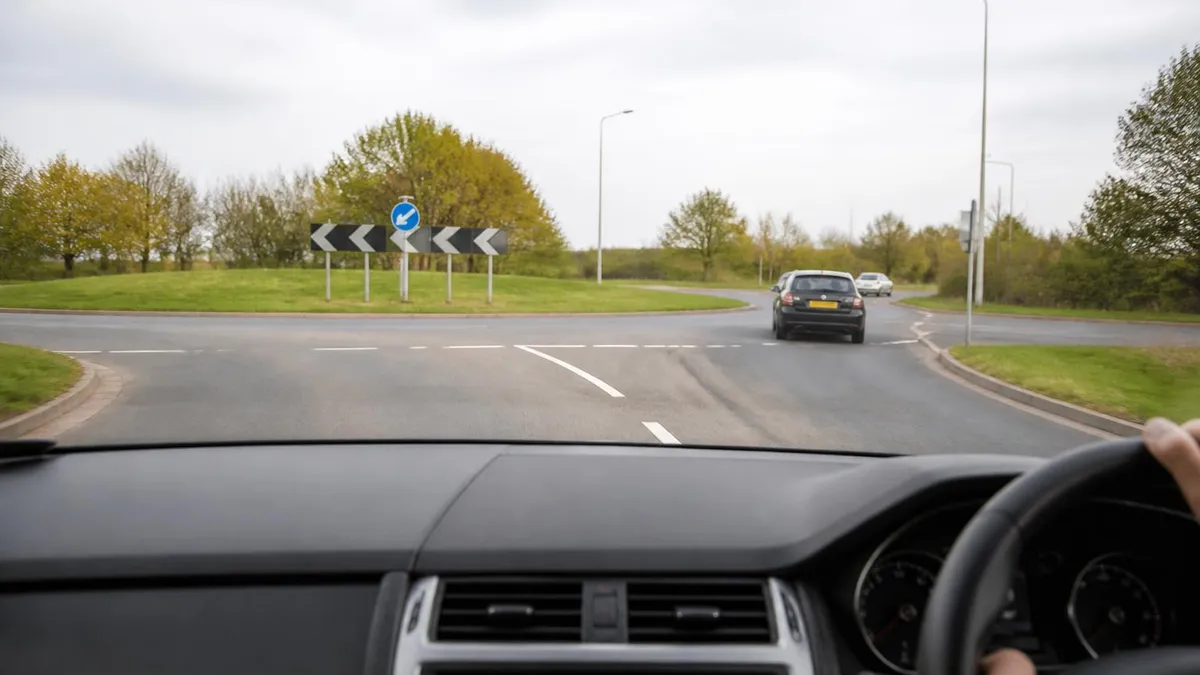
Official DVSA Practical Test Fees 2026
The total cost of getting your UK driving licence in 2026 typically lands between £1,800 and £2,400 for most learners, with the practical test fee itself representing less than five per cent of that figure. Breaking the spend into categories makes it easier to identify where to economise and where it is genuinely unwise to cut corners. The biggest line items are almost always lessons, car hire, and the cumulative cost of retakes if early attempts go badly.
Professional tuition is the heaviest expense for nearly every learner. At a national average of £40 per hour and a DVSA-recommended 45 hours of instruction, you are looking at roughly £1,800 in lessons alone. Some learners need fewer hours, particularly those with significant private practice in a family car, while others need considerably more. Block-booking ten hours at a time typically saves £2 to £5 per lesson, and intensive courses can compress the spend but rarely reduce it.
Beyond lessons, you need a provisional licence (£34 online or £43 by post), a theory test pass (£23), and learner driver insurance if you plan to practise privately, which runs around £80 to £140 per month for short policies. Most learners also pay their instructor £60 to £90 for the use of the tuition car on test day, since the DVSA does not provide vehicles. That car-hire fee usually includes a one-hour warm-up lesson immediately before the test slot.
Then there are the costs that only appear if things go slightly wrong. The national first-time pass rate hovers around 48 per cent, meaning more than half of candidates pay for at least one retake. Each retake is another £62 or £75 to the DVSA, plus another £60 to £90 in car hire, plus often a top-up block of refresher lessons. Two retakes can easily add £400 to your total spend, which is why instructors push so hard against booking before you are genuinely ready.
If you compare these numbers with previous generations, learning to drive has become significantly more expensive in real terms. In 2010 the typical total spend was under £1,000. The combination of rising instructor costs, longer average preparation times, and a tougher test introduced in December 2017 has driven the figure upward year on year. The good news is that the DVSA fee itself has risen modestly compared with private sector charges.
Many candidates also factor in indirect costs once they pass, such as buying a first car, paying for first-year insurance (often £1,500 to £3,000 for new drivers under 25), and optional Pass Plus training to reduce premiums. While these are outside the test itself, they belong in any realistic budget conversation because they often shape decisions about when to book the practical in the first place.
Before booking, walk through our DVSA Car Practical Test: Complete Guide to Passing First Time to confirm you are genuinely ready. Paying £62 to validate that confidence is wise; paying it three times because you booked early is not.
DVSA Practice Test Questions
Prepare for the DVSA - UK Driving Theory Test exam with our free practice test modules. Each quiz covers key topics to help you pass on your first try.
DVSA Eco-Friendly Driving and Vehicle Loading
DVSA Exam Questions covering Eco-Friendly Driving and Vehicle Loading. Master DVSA Test concepts for certification prep.
DVSA Hazard Awareness
Free DVSA Practice Test featuring Hazard Awareness. Improve your DVSA Exam score with mock test prep.
DVSA Incidents, Accidents and First Aid
DVSA Mock Exam on Incidents, Accidents and First Aid. DVSA Study Guide questions to pass on your first try.
DVSA Motorway Rules and Smart Motorways
DVSA Test Prep for Motorway Rules and Smart Motorways. Practice DVSA Quiz questions and boost your score.
DVSA Rules of the Road (Highway Code)
DVSA Questions and Answers on Rules of the Road (Highway Code). Free DVSA practice for exam readiness.
DVSA - UK Driving Theory Hazard Awareness ...
DVSA Mock Test covering - UK Driving Theory Hazard Awareness and Perception. Online DVSA Test practice with instant feedback.
DVSA - UK Driving Theory Motorway Rules an...
Free DVSA Quiz on - UK Driving Theory Motorway Rules and Regulations. DVSA Exam prep questions with detailed explanations.
DVSA - UK Driving Theory Road and Traffic ...
DVSA Practice Questions for - UK Driving Theory Road and Traffic Signs. Build confidence for your DVSA certification exam.
DVSA - UK Driving Theory Rules of the Road
DVSA Test Online for - UK Driving Theory Rules of the Road. Free practice with instant results and feedback.
Weekday vs Weekend Practical Driving Test Price
The standard weekday practical driving test costs £62 and is available Monday to Friday during normal working hours, typically between 7:30am and 4:30pm. These slots make up the bulk of DVSA availability and are the most economical choice for budget-conscious learners. Booking a quieter mid-week morning often produces shorter waiting lists too.
The trade-off is flexibility around work or college. Most weekday slots fall inside school and office hours, which can mean taking time off or rearranging childcare. Some learners deliberately choose weekday tests because traffic patterns are more predictable, examiners are fresher, and the test centre is calmer than rush-hour evening sessions.

Is Paying the Weekend Premium Worth It?
- +Fits around full-time work or college commitments
- +More family availability for support and lifts
- +Often easier to find back-to-back lesson and test slots
- +Less stress about taking annual leave
- +Test centres are typically quieter on Saturday mornings
- +You can celebrate immediately afterwards
- −Extra £13 per attempt over weekday rate
- −Weekend slots book up months in advance
- −Higher demand means longer overall waiting times
- −Traffic can be heavier near retail and leisure areas
- −Fewer examiners on duty in some test centres
- −Cancellation slots are harder to grab at weekends
Practical Driving Test Cost Money-Saving Checklist
- ✓Book weekday slots whenever possible to save £13 over evening fees
- ✓Pay the DVSA directly through gov.uk — never use third-party booking sites
- ✓Apply for your provisional licence online for £34 instead of £43 by post
- ✓Block-book lessons in tens to access instructor discounts of £2-£5 per hour
- ✓Use a family car with learner insurance to supplement paid tuition
- ✓Only book your practical test after a clean mock with your instructor
- ✓Cancel or reschedule at least 3 working days ahead to avoid losing the fee
- ✓Compare local instructor rates — prices vary by £10+ per hour within the same city
- ✓Avoid 'fast-track' brokers charging £30+ to find cancellation slots
- ✓Take Pass Plus after passing to reduce first-year insurance by up to 20%
Always book directly through gov.uk
Several private websites mimic the DVSA booking portal and charge £40-£80 admin fees on top of the standard £62 practical test price. These sites are legal but not endorsed by the DVSA, and the service they provide is identical to what you can do yourself in five minutes. The only legitimate URL is gov.uk/book-driving-test.
Retakes and cancellations are where many learners discover the real cost flexibility of the DVSA system. If you fail your practical test, you must wait a minimum of 10 working days before retaking, and you pay the full fee again — £62 for weekday or £75 for evening and weekend slots. There is no discounted 'retake rate', and the 10-day cooling-off period applies even if you only failed on a single serious fault. The DVSA enforces this rule strictly to give candidates time for genuine remedial practice.
Cancelling or rescheduling your own test is free as long as you give at least three full working days' notice, not counting the test day itself or weekends and bank holidays. Miss that window and you forfeit the entire fee, which is one of the most common ways learners lose money. A test on a Tuesday, for example, must be cancelled by the previous Wednesday end-of-day to qualify for a full refund or free rescheduling.
If the DVSA cancels your test — for example, because of examiner illness, severe weather, or industrial action — you are entitled to an automatic refund or a rebooked slot at no extra cost. You can also claim 'out-of-pocket expenses' such as the cost of lost lesson time or your instructor's car-hire fee, although you must submit receipts within set deadlines and claims are often partial rather than full.
Short-notice cancellations from other candidates can actually work in your favour. The DVSA booking portal lets you search for earlier slots once you have a test booked, and apps that monitor cancellations can help you bring your date forward by weeks. Bringing your test forward does not change the price, so this is a pure win for organised learners who feel ready earlier than expected.
What about medical reasons? If you cannot attend because of illness or injury, you can apply for a refund or free reschedule by sending the DVSA a doctor's note or hospital letter. The process is manual and can take several weeks, so do not rely on it as a casual safety net. Genuine medical claims are usually honoured, but routine illness without supporting evidence rarely is.
One sometimes-overlooked cost is the instructor's car-hire fee for a failed test. Even if you fail in the first five minutes, you still pay the full hire charge, which typically covers a two-hour block including warm-up. Some instructors offer a goodwill reduction on the next booking, but this is at their discretion and not industry standard. Always ask in writing what happens to your hire fee if you fail.
Finally, remember that the practical test fee is independent of your theory test pass certificate. Your theory pass is valid for exactly two years from the date you took it. If your two-year window expires before you pass the practical, you must retake the theory at £23 and start again. Many learners lose this entire fee simply by underestimating how long their practical journey will take.
Your theory test pass certificate expires after exactly 24 months. If you have not passed your practical test by then, you must retake and pay the £23 theory fee again — and you cannot book any further practical test until you do. Set a calendar reminder two months before expiry to avoid losing both money and momentum.
Building a realistic budget for your driving test journey starts with mapping out your personal timeline and being honest about your starting point. A complete beginner with no private practice should budget at the higher end of the £1,800-£2,400 range, while someone with regular family-car driving and a family member's insurance already in place might keep total spend closer to £1,200. The biggest single variable is how many lesson hours you actually need, and that varies enormously by individual.
Start by working backwards from the test fee itself. Set aside £75 to give yourself the option of an evening or weekend slot if your weekday availability disappears. Then add roughly 45 lesson hours at your local instructor rate — call around three or four instructors in your area to get accurate quotes rather than relying on national averages, because rural prices can be 15 per cent lower than London or Manchester prices. Add £80 for car hire on the day.
Next, factor in a sensible contingency for retakes. Even strong candidates fail sometimes — examiners report a serious fault on roughly half of all tests. Budgeting for one possible retake (£62 + £80 car hire + perhaps £160 in top-up lessons) avoids the painful conversation about whether you can afford to keep trying. If you pass first time, that £300 contingency becomes a celebratory budget for your first car deposit.
If money is tight, there are legitimate ways to reduce the bill without compromising readiness. Sharing lessons in pairs is offered by some schools at a discount. Insured family practice — even an hour a week in a parent's car — measurably reduces the number of paid lessons required. Some local councils and charities offer subsidised lessons for young people from low-income households, and the Motability scheme covers driving tuition for some disabled learners.
For those returning to learning after a long break, a short refresher block of five to ten hours is often far cheaper than restarting from scratch. Many people overestimate how much they have forgotten — clutch control, mirror discipline, and roundabout positioning often come back within two or three sessions. If you already hold an overseas licence, the picture is different again, and you should consult specific DVSA guidance for licence-exchange rules. Our Practice Theory Test: Free UK Driving Practice (2026) hub is a great starting point for returners brushing up.
Finally, think about timing. Booking your theory and practical too far apart wastes momentum and risks the two-year deadline. Booking them too close together risks paying for tests you are not ready for. The sweet spot for most learners is to pass the theory roughly four to six months before the intended practical date, leaving room for intensive practical lessons without the theory pass expiring.
A clear budget, honest self-assessment, and disciplined booking can shave hundreds of pounds off the average spend without sacrificing pass-rate odds. Treat the £62 DVSA fee as the smallest checkpoint in a much larger plan, and you will arrive at test day with both your skills and your wallet intact.
With your budget set, the final stage is making every pound you spend on the practical test count. The single biggest predictor of a first-time pass is consistent, structured practice in the weeks immediately before test day — not the total number of lesson hours over the whole learning journey. Two well-planned lessons in the fortnight before your test outperform six rushed lessons crammed into the last two days, and they cost the same.
Book a full mock test with your instructor seven to ten days before the real thing. A proper mock uses the same test centre routes, the same independent driving and sat-nav segments, and the same marking sheet the examiner will use. If you collect more than one serious fault during the mock, postpone the real test — losing £62 plus car hire is far better than paying it twice. Most reputable instructors will tell you honestly whether to push the date.
On the day, arrive at the test centre at least 15 minutes early, but do not get there so far ahead that nerves build up. Use the final hour for a calm warm-up drive covering the manoeuvres you find hardest. Many learners book the lesson immediately before their slot so they roll up already in driving mode rather than sitting cold in a waiting area. The £40 hour spent warming up has paid for itself thousands of times over in saved retake fees.
Bring both parts of your provisional licence and your theory test pass certificate, and double-check the car's tyres, lights, and windscreen washers. Tests are voided and fees forfeited for defective tuition cars — a rare but expensive error. Instructors are responsible for the car, but a quick walk-around takes ten seconds and removes any chance of an avoidable cancellation on the day.
If you fail, ask the examiner for a calm verbal summary before reading the marking sheet. Most failures cluster around two or three specific faults, and identifying the pattern within minutes helps your instructor design targeted remedial sessions. Booking the retake immediately can be tempting but is rarely wise — wait until you have had at least two clean lessons covering the specific failure points, then book.
Beyond test day, the cheapest way to extract long-term value from the money you have spent is the Pass Plus scheme. For around £150 to £200 it adds six hours of motorway, dual carriageway, and night-driving experience that is rarely covered in pre-test lessons. Some insurers offer up to 20 per cent off the first year of new-driver premiums for Pass Plus holders, which can recoup the cost many times over given how expensive new-driver insurance has become.
The practical driving test price is one of the few transparent costs in the entire learning process, but the surrounding spend is where most learners over-pay or under-prepare. Budget honestly, book deliberately, and treat every pound spent as an investment in passing first time. Do that, and the £62 cheque to the DVSA will be the easiest money you ever hand over.
DVSA Questions and Answers

About the Author
Licensed Driving Instructor & DMV Test Specialist
Penn State UniversityRobert J. Williams graduated from Penn State University with a degree in Transportation Management and has spent 20 years as a certified driving instructor and DMV examiner consultant. He has personally coached thousands of applicants through written knowledge tests, skills assessments, and commercial driver licensing programs across more than 30 states.