
Which Country Has the Hardest Driving Test in the World? 2026 September
Which country has the hardest driving test? 🎯 Compare UK, Finland, Japan & more. See pass rates, rules & how the UK stacks up globally.

If you have ever wondered which country has the hardest driving test in the world, you are far from alone. Millions of learner drivers across the globe ask this exact question every year, and the answer is more nuanced than a simple league table.
Driving licence requirements vary enormously between nations — from a handful of theory questions and a short road circuit to multi-stage examinations that can take years and cost thousands of pounds to complete. Understanding where the UK sits in this international landscape can provide genuine motivation and context for anyone currently working through their own DVSA journey.
Finland, Japan, Norway, South Korea and the United Kingdom are consistently cited as the countries with the most demanding driving licences. Each places enormous emphasis on road safety, environmental awareness and defensive driving — but they measure competence in very different ways. Japan, for example, requires candidates to pass a demanding written exam in Japanese, complete a mandatory course at a licensed driving school, and then pass a practical test on a closed circuit before ever driving on a public road. The entire process can take three to five months even for dedicated learners.
Norway is another strong contender. Norwegian learners must complete a risk recognition course on ice and snow, a mandatory motorway module, and a night-driving session — all in addition to a theory test and practical exam. The philosophy is that a driving licence should represent genuine mastery of the vehicle across every condition a driver is likely to encounter. Fail any single element and the candidate must repeat that module in full before progressing, which significantly extends the overall timeline and cost.
Finland mirrors many of Norway's requirements and adds a slippery-road training session on a dedicated skid pan. Finnish traffic law is enforced with income-related fines, meaning a speeding ticket can run into tens of thousands of euros for high earners — an indication of how seriously the country treats road safety from start to finish. The theory exam itself covers hazard perception, environmental driving, first aid and traffic law in considerable depth, requiring thorough preparation.
South Korea combines a written knowledge test, a driving skills test on a closed course, and a final road test. Until 2016, the practical test was considered too easy and the fatal accident rate reflected this, prompting the government to overhaul the system completely. The revised test is now substantially more demanding, particularly on parking, speed management and hazard awareness — areas that had previously been tested only superficially. This reform reduced accident rates measurably within the first two years of implementation.
The United Kingdom's DVSA system is widely regarded as one of the most rigorous in the world. The theory test alone requires mastery of the Highway Code, hazard perception video clips and a minimum pass mark of 86 per cent across two sections. Candidates who consider taking the hardest driving test seriously will quickly realise that surface-level revision is not enough — genuine understanding of road law, signage and safe driving principles is essential before sitting the real exam. The practical driving test then adds independent driving, vehicle safety questions and a full-length road assessment on real UK roads.
This article explores the global picture in detail, comparing pass rates, costs, training requirements and difficulty levels across the world's most demanding driving licence systems. Whether you are preparing for your own UK theory test or simply curious about how different countries approach road safety education, the comparisons ahead reveal fascinating differences in how nations define what it means to be a competent driver.
Global Driving Test Difficulty by the Numbers
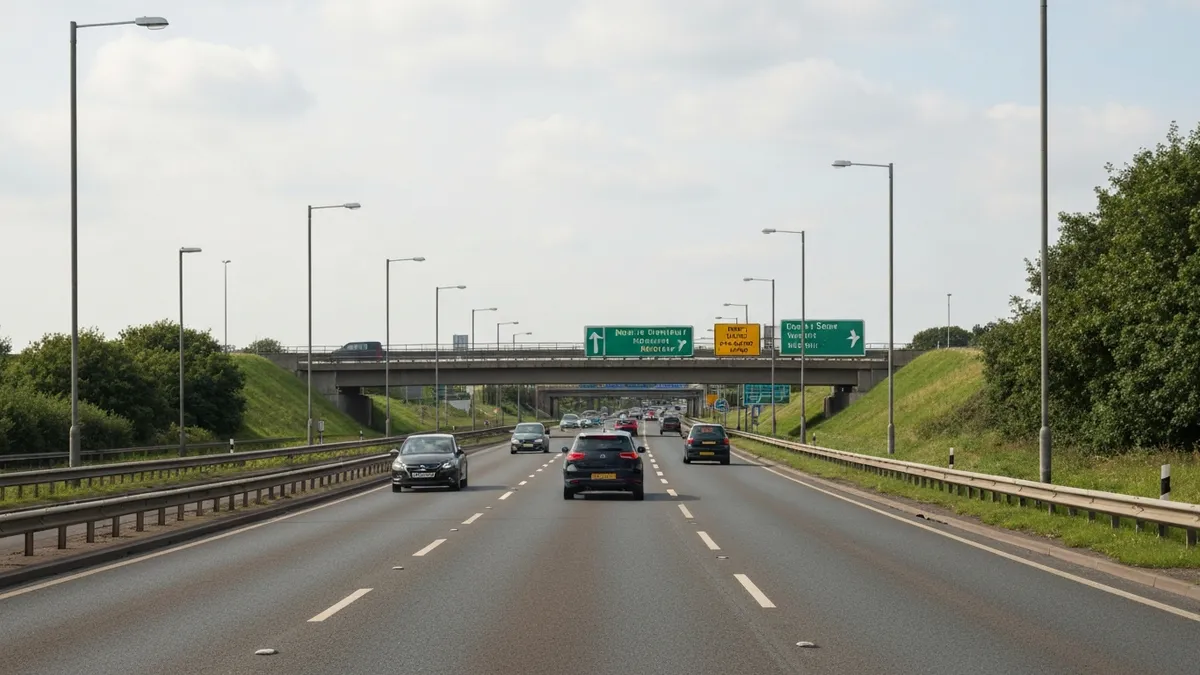
Countries with the World's Toughest Driving Licences
Requires a mandatory driving school placement lasting three to five months, a closed-circuit practical test, a written exam in Japanese, and strict eyesight checks. Total costs frequently exceed £5,000. Failure at any stage means repeating that module entirely before progressing.
Includes compulsory skid-pan training, a theory exam covering eco-driving and first aid, and a multi-stage practical assessment. Traffic fines are proportional to income, reflecting the country's zero-tolerance attitude toward unsafe driving behaviour on public roads.
Mandates ice and snow driving training, a night-driving module, and a mandatory motorway session. Learners must complete every module before taking the practical exam, meaning a single failure can push the licence date back by several weeks or months.
The DVSA system combines a dual-section theory test with hazard perception, a minimum 86 per cent pass mark, and a 40-minute practical exam on real roads. Independent driving tasks and vehicle safety questions add further complexity to an already demanding assessment.
Overhauled in 2016, the Korean system now includes a closed-course test and a full road assessment. The reforms followed a period of high accident rates and now rigorously test parking, speed control, and hazard response — leading to measurable safety improvements within two years.
When examining how the UK compares globally, the DVSA system stands out for several compelling reasons. The theory test's hazard perception component is virtually unique — no other major nation requires candidates to watch real video clips and click at the precise moment a developing hazard appears. This element tests cognitive speed and anticipation rather than rote memory, making it genuinely difficult to pass without substantial practice. The pass mark for hazard perception is 44 out of 75, and candidates who score too many clicks in rapid succession are penalised for cheating.
The multiple-choice section of the UK theory test draws from a question bank of approximately 900 questions covering everything from stopping distances and motorway rules to eco-friendly driving and first-aid procedures. Candidates must score 43 out of 50 — a pass rate of 86 per cent — which compares favourably in terms of rigour with tests in countries like Australia, where the pass mark in most states sits around 80 per cent. The breadth of topics covered means that genuinely understanding the Highway Code, rather than memorising answers by rote, is essential for consistent performance.
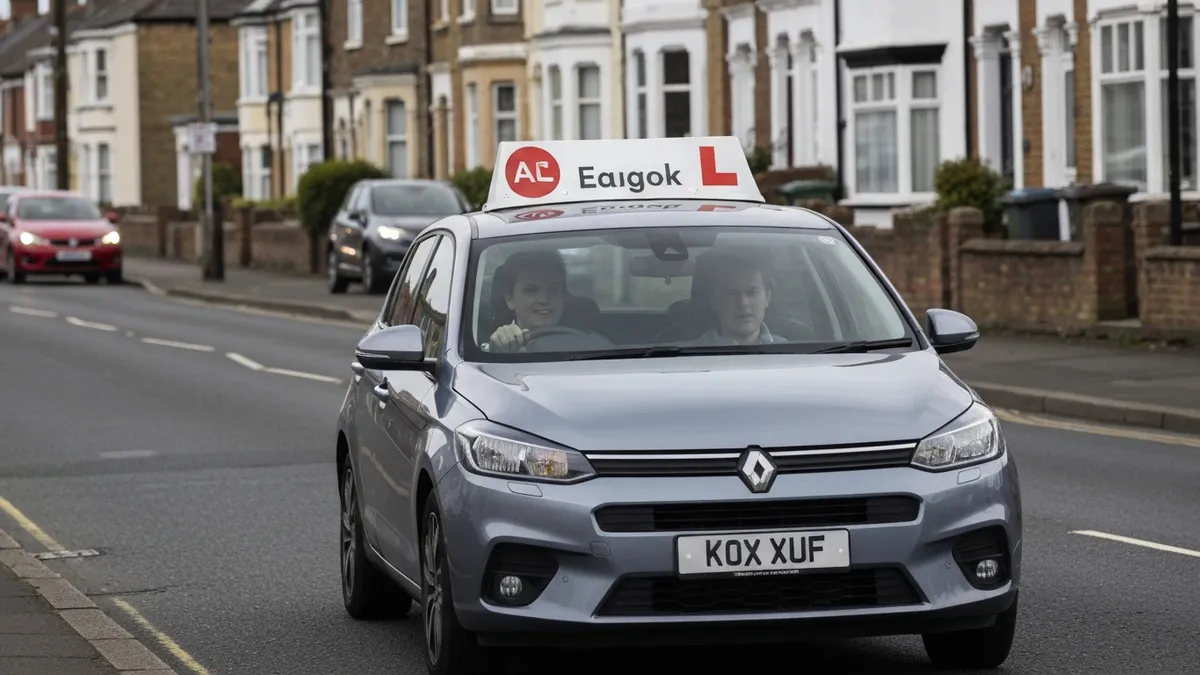
The UK practical driving test has also been substantially updated in recent years. Since December 2017, candidates must complete an independent driving section of around 20 minutes, following a sat-nav device or road signs without continuous instruction from the examiner. This change was specifically designed to test real-world driving ability rather than a choreographed route, and it has made the practical element considerably more demanding. A single serious fault or more than 15 minor faults results in an immediate fail.
Internationally, the UK's first-attempt practical pass rate of approximately 43 per cent is relatively low — comparable to that of Germany, where candidates must demonstrate competency across a similarly broad range of road conditions. By contrast, countries with shorter, less comprehensive tests tend to report higher first-attempt pass rates, which critics argue simply reflects lower standards rather than better prepared drivers. The data on road fatalities broadly supports this interpretation: nations with harder tests generally record fewer deaths per billion vehicle kilometres.
Germany's driving licence process is worth a specific mention because it rivals the UK in terms of cost and difficulty. German learners are required to complete a minimum number of hours of mandatory training, including night driving, motorway driving and driving in poor weather conditions. The theory test covers 1,000 possible questions and candidates must pass a minimum number correctly. Total licence costs in Germany regularly exceed £2,500, and the process can take anywhere from six months to over a year for the average learner.
Sweden, Denmark and the Netherlands all operate similarly rigorous systems. Swedish learners can take an optional — but widely used — risk education programme that includes both wet-road and skid-pan sessions. Dutch candidates must prove eco-driving competence as part of their practical assessment, and the country has one of the lowest road fatality rates in Europe as a result. Each of these nations demonstrates that investing heavily in driver education at the licensing stage produces measurable long-term safety benefits.
For UK learners, understanding this global context is genuinely useful. The DVSA system may feel demanding, expensive and frustrating — especially after a test failure — but it exists within a tradition of evidence-based road safety policy that has helped make British roads among the safest in the world. Completing your theory and practical tests to the DVSA standard is not just a bureaucratic hurdle; it is a demonstrated commitment to the safety of every other road user you will ever share the road with throughout your driving life.
Theory vs Practical: Where Is the UK Driving Test Hardest?
The UK theory test is considered one of the most demanding written assessments for a driving licence anywhere in the world. With a pass mark of 86 per cent, candidates must correctly answer 43 out of 50 multiple-choice questions drawn from a bank of approximately 900 topics. These range from motorway regulations and stopping distances to vehicle loading rules and first-aid responsibilities — a breadth rarely matched in comparable tests internationally. Many candidates underestimate how deeply they need to understand the Highway Code before sitting the exam.
The hazard perception component adds a further layer of genuine difficulty. Unlike multiple-choice revision, hazard perception cannot be crammed from flashcards — it requires pattern recognition and anticipatory thinking that only develops through repeated video practice. Candidates who click too frequently or too predictably are flagged for potential cheating and score zero for that clip. With 14 clips to complete and a pass mark of 44 out of 75, the margin for error is slim, making thorough video-based preparation an absolute necessity rather than an optional extra.
Is Having a Hard Driving Test Actually a Good Thing?
- +Fewer road deaths per billion kilometres in countries with rigorous testing
- +Better prepared drivers who understand real-world hazards before driving alone
- +Reduces insurance premiums over time as accident rates fall across the population
- +Creates a strong foundation in eco-driving, reducing long-term fuel costs and emissions
- +Hazard perception training improves reaction times for the driver's entire lifetime
- +Higher public confidence in other road users when the licence standard is well known
- −High costs can make a driving licence inaccessible for lower-income learners
- −Longer time to licence delays independence and employment opportunities for young people
- −Multiple retake fees add up quickly, particularly for candidates who fail several times
- −Test anxiety disproportionately affects neurodivergent candidates and those with performance anxiety
- −Waiting times for DVSA practical tests in popular areas can stretch to several months
- −Strict marking criteria can fail drivers who are perfectly competent but made one minor error under pressure
UK Theory Test Preparation Checklist: 10 Steps to Pass
- ✓Read the full Highway Code from cover to cover at least once before beginning topic revision.
- ✓Use an official DVSA question bank app to practise all 900+ multiple-choice questions by category.
- ✓Aim for consistent scores above 45 out of 50 before booking your real theory test date.
- ✓Complete at least 30 hazard perception practice clips to build genuine anticipatory skill.
- ✓Practise hazard perception on a computer or tablet, not just a phone, to replicate real test conditions.
- ✓Study the eco-driving and vehicle loading sections thoroughly — these are frequently underrevised.
- ✓Memorise key stopping distances, including those for different speeds and road surface conditions.
- ✓Review first-aid and accident procedure questions, which appear regularly and carry full marks.
- ✓Take at least three full mock theory tests under timed conditions in the week before your exam.
- ✓Arrive at the test centre 15 minutes early, bringing both parts of your driving licence for identity checks.
The UK Theory Test Has One of the Highest Pass Marks in the World
At 86 per cent (43 out of 50), the UK theory test multiple-choice pass mark is significantly higher than many comparable countries. Australia requires around 80 per cent in most states, while several EU nations accept 75–80 per cent. This higher bar means UK learners genuinely need to understand the Highway Code in depth — not just skim it — to achieve a consistent pass on exam day.
The question of why driving test difficulty saves lives is not abstract — it is backed by decades of road safety research. The World Health Organisation's Global Status Report on Road Safety consistently finds that countries with more comprehensive licensing systems record lower rates of road traffic deaths per 100,000 population.
The United Kingdom, with approximately 1,460 road deaths recorded in 2023, has one of the lowest fatality rates in the world relative to the size of its road network and vehicle fleet. That is not a coincidence; it is the direct result of a licensing system that demands genuine competence before granting the right to drive unsupervised.
Finland and Norway, both of which require winter driving training, benefit from this investment in ways that are clearly measurable. Despite having some of the most challenging driving conditions in Europe — snow, ice, limited visibility and long periods of darkness — both countries maintain road fatality rates well below the European average. The compulsory skid-pan and night-driving modules do not just teach specific skills; they build driver confidence and situational awareness that carries into every subsequent journey for the rest of the driver's life.
Japan's approach offers another instructive case study. The country has one of the lowest road traffic fatality rates in the world, recording approximately 2,636 deaths in 2022 across a population of 125 million. This translates to a rate of roughly 2.1 deaths per 100,000 people — a figure that places Japan among the safest road environments globally.
Researchers attribute this performance to several factors, but the rigorous, school-based driving education system is consistently identified as one of the primary contributors. When drivers have invested months and thousands of pounds in obtaining their licence, they also tend to take ongoing road safety more seriously.
By contrast, countries with minimal licensing requirements tend to record substantially higher fatality rates. According to WHO data, some nations in sub-Saharan Africa and South and Southeast Asia record rates twenty to thirty times higher than those in Europe's safest road environments. While road infrastructure, vehicle condition and emergency response capability all play a role, the absence of meaningful driver education and assessment at the licensing stage is a consistent factor in high-fatality road environments worldwide.
The economic argument for rigorous testing is also compelling. Road accidents impose enormous costs on national health systems, emergency services, insurance markets and lost productivity. The UK's Road Safety Foundation estimates that the total economic cost of road casualties in Great Britain exceeds £33 billion annually when all direct and indirect costs are included. Every learner driver who passes their test genuinely prepared — rather than just barely meeting a low threshold — represents a reduction in future risk across the entire network.
This broader context also helps explain why DVSA continues to update and strengthen the UK driving test over time. The introduction of independent driving in 2017, the inclusion of sat-nav navigation, and the ongoing review of the hazard perception question bank all reflect a commitment to ensuring that the test remains an accurate measure of real-world competence rather than an assessable performance for a specific examiner on a specific route. Each reform has been driven by casualty data, behavioural research and consultation with road safety experts.
For learners who are frustrated by the difficulty of the UK system, this context is worth holding onto. The DVSA's standards are not arbitrary bureaucratic hurdles designed to generate revenue from retake fees. They represent a careful, evidence-based calibration of the minimum competence required to operate a vehicle safely on some of the busiest and most complex road networks in the world. Meeting that standard is genuinely worth the effort — not just for passing the test, but for every mile driven thereafter.
Your UK theory test pass certificate is valid for only two years from the date of your test. If you do not pass your practical driving test within this window, your theory test result expires and you must sit — and pay for — the theory test again before rebooking a practical test. With current DVSA practical test waiting times stretching to several months in many areas, book your practical test as soon as possible after passing the theory test to avoid this scenario.
Preparing effectively for the UK theory test requires a structured approach that goes well beyond simply reading the Highway Code once and hoping for the best. The most successful candidates treat the theory test as a genuine examination that demands revision planning, timed practice and honest self-assessment throughout the preparation period. Research consistently shows that candidates who use spaced repetition — revisiting difficult topics at increasing intervals over several weeks — retain information far more reliably than those who cram in the days immediately before the test.
The first step is to identify which topic areas you find most challenging. The DVSA's official question bank is divided into categories including alertness, attitude, safety and your vehicle, safety margins, hazardous conditions, vulnerable road users, and motorway rules, among others. Most learners find they have comfortable knowledge in some categories and significant gaps in others. Pinpointing these gaps early in the revision process allows you to allocate more time where it is needed rather than reinforcing topics you already understand well.
For hazard perception specifically, the key insight is that this skill cannot be developed through multiple-choice revision alone. Hazard perception is fundamentally a perceptual skill — it requires training the eye to scan for pedestrian movement at junctions, cyclists emerging from behind parked vehicles, and developing situations on the horizon that most novice drivers simply do not notice. The only reliable way to develop this skill is by watching and responding to a large volume of practice clips across a wide variety of road types and weather conditions.
Many candidates also underestimate the importance of the eco-driving and vehicle loading sections of the theory test. These cover topics such as fuel-efficient driving techniques, the impact of tyre pressure on fuel consumption, correct load distribution and the rules around towing. While these might seem less immediately relevant than stopping distances or road signs, they represent a meaningful proportion of the question bank and are therefore worth thorough revision. Candidates who skip these topics regularly find themselves losing marks they could easily have secured with an additional hour of focused study.
Timing your revision is also important. The DVSA recommends that candidates do not book their theory test until they are consistently scoring above the pass mark on full mock tests, not just on individual topic categories. Booking too early to secure a nearby date — and then attempting the test before you are genuinely ready — is one of the most common and most avoidable causes of theory test failure. A failed test costs £23 to rebook, but more importantly it creates additional stress and delay that affects many candidates' subsequent preparation and confidence.
On the day of the theory test itself, practical preparation matters as much as knowledge. Candidates must bring both parts of their photocard driving licence. If the licence is misplaced or expired, the test cannot proceed and the full fee is forfeited. The test centre will require you to store personal items in a locker, and you will be asked to sign a declaration confirming your identity.
The multiple-choice section is completed first, followed by the hazard perception clips with a short optional break in between. You will receive your result immediately after finishing, typically within a few minutes of the final click.
UK learners who approach their theory test with the same seriousness they would apply to a GCSE or A-level examination consistently outperform those who treat it as a simple formality. The statistics are unambiguous: first-attempt pass rates are significantly higher among candidates who completed structured revision programmes, used official practice materials and took multiple full mock tests before their examination date. Given that the UK operates one of the most demanding driver licensing systems in the world, that level of preparation is not excessive — it is simply what the standard requires.
With the global context firmly established, practical preparation advice for UK candidates becomes both more meaningful and more motivating. Understanding that you are sitting one of the world's most demanding driving tests — not because the DVSA wants to collect retake fees, but because rigorous testing demonstrably saves lives — reframes the entire revision experience. Every hour spent practising hazard perception clips or memorising stopping distances is an investment in your safety and the safety of every road user you will ever share a road with throughout your life.
Start your revision at least eight weeks before your planned test date. This gives you enough time to work through all topic categories systematically, identify and address your weaker areas, complete a large volume of hazard perception practice, and take several full mock tests under timed examination conditions. Eight weeks also gives you a buffer in case life intervenes — illness, work commitments or a period of low motivation will not derail your preparation if you began with enough lead time built into your schedule.
Use a combination of revision resources rather than relying on a single source. The official DVSA revision materials are the gold standard, but supplementing them with reputable third-party practice question banks gives you exposure to a wider variety of question phrasings and helps prevent the false confidence that can come from repeatedly seeing the same questions. A good practice bank will track your performance by category and flag topics where your accuracy is below the pass mark, allowing you to direct additional revision time precisely where it is needed.
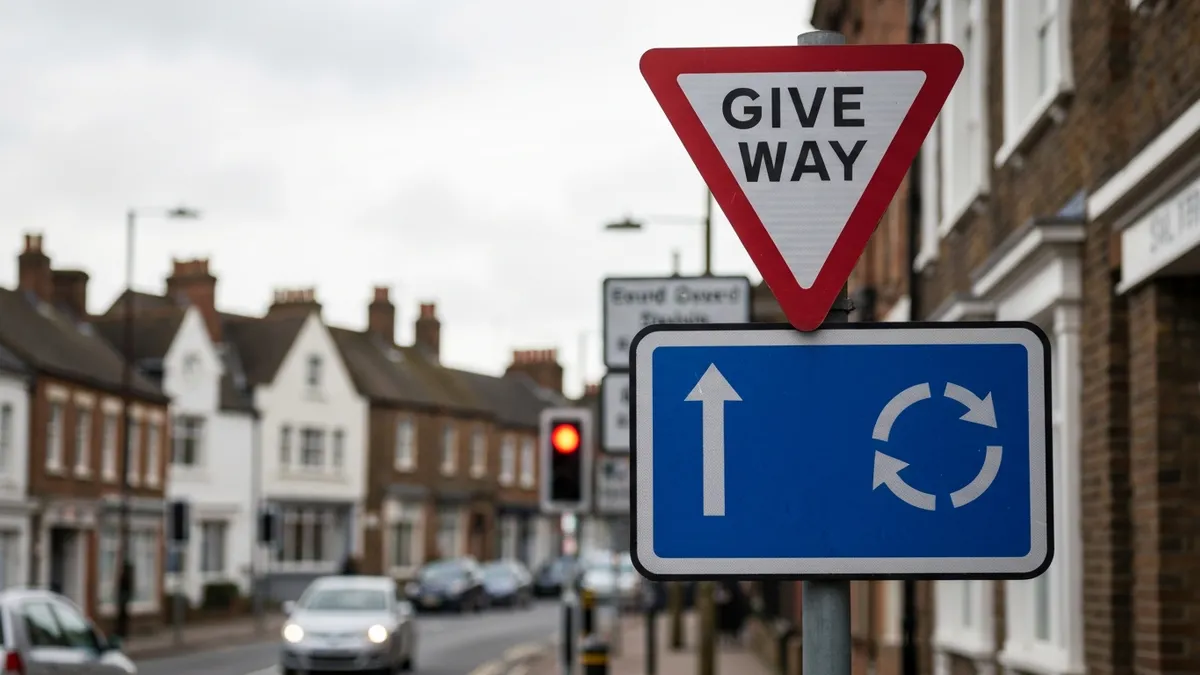
Pay particular attention to questions about road signs and markings, since these appear frequently and are entirely memorisation-based. There is no shortcut for road sign knowledge — you either know what a sign means or you do not, and guessing is rarely successful across the range of questions the DVSA uses.
Spending 20 to 30 minutes per week specifically on road sign revision — using flashcards, apps or the Highway Code's sign section — makes a measurable difference by examination day. Many candidates are surprised to discover how many signs they think they know but cannot reliably identify under test conditions.
In the weeks immediately before your test, focus on consolidation rather than learning new material. Take full mock tests under strict time pressure, aiming to complete the 50 questions in well under the 57 minutes allowed so that you have time to review flagged questions before submitting. Review every incorrect answer carefully, not just to learn the correct response but to understand why the correct answer is right and why your initial answer was wrong — this deeper understanding is what prevents you from making the same error again in the actual test.
Finally, remember that passing the theory test is only the beginning of the journey. The practical test, which has a first-attempt pass rate of just 43 per cent, demands the same level of commitment and preparation. Use the knowledge you build during theory revision actively during your driving lessons — understanding the why behind rules like following distances, observation routines and mirror-signal-manoeuvre makes you a faster learner behind the wheel. The theory and practical components of the UK driving licence are designed as a complementary system, and candidates who treat them that way consistently achieve better outcomes in both.
The global comparison we have explored throughout this article makes one thing absolutely clear: a hard driving test is not a barrier to be resented — it is a standard to be proud of meeting. When you hold your UK driving licence, you will have earned it through one of the most rigorous assessment processes in the world. That fact is worth something every time you get behind the wheel, and it is worth a great deal more every time you arrive safely at your destination.
DVSA Questions and Answers
UK Theory Test Pass Mark: Car, Bike, LGV, PCV & ADI Scores

Free Theory Test App: The Complete UK Guide to Choosing, Using and Passing With Mobile Practice in 2026

Cancelling Driving Test: The Complete UK Guide to Refunds, Rebooking and Avoiding Lost Fees in 2026
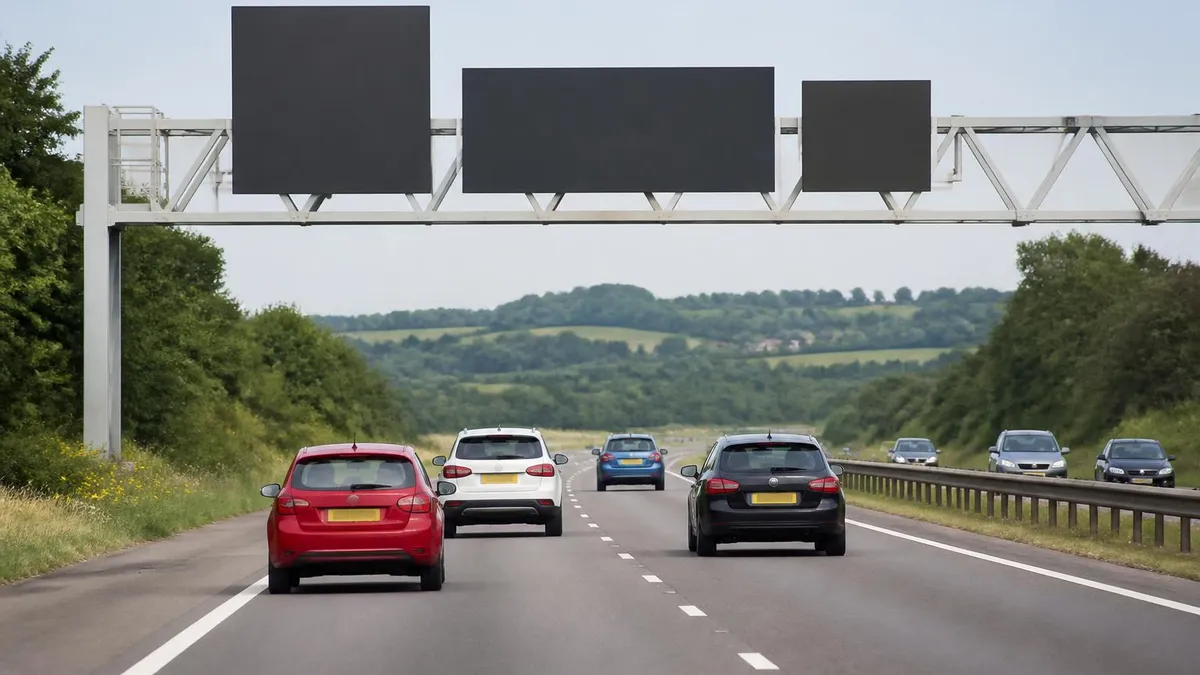
Theory Test Certificate: Complete UK Guide to Passing and Using Your DVSA Pass Letter in 2026
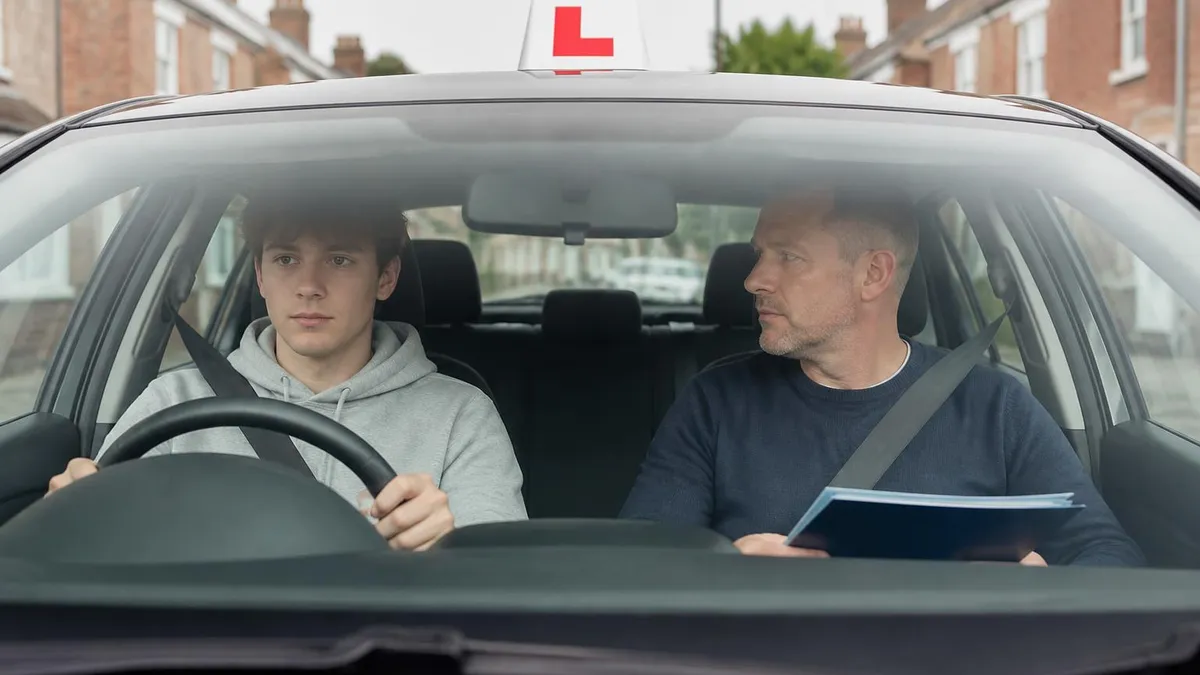
Driving Test Nerves: The Complete UK Guide to Calming Anxiety and Passing First Time in 2026
About the Author

Licensed Driving Instructor & DMV Test Specialist
Penn State UniversityRobert J. Williams graduated from Penn State University with a degree in Transportation Management and has spent 20 years as a certified driving instructor and DMV examiner consultant. He has personally coached thousands of applicants through written knowledge tests, skills assessments, and commercial driver licensing programs across more than 30 states.