
What to Take on a Driving Test: The Complete UK Checklist for Test Day 2026
What to take on a driving test in the UK? ✅ Full checklist of documents, ID & items needed — avoid being turned away on test day.
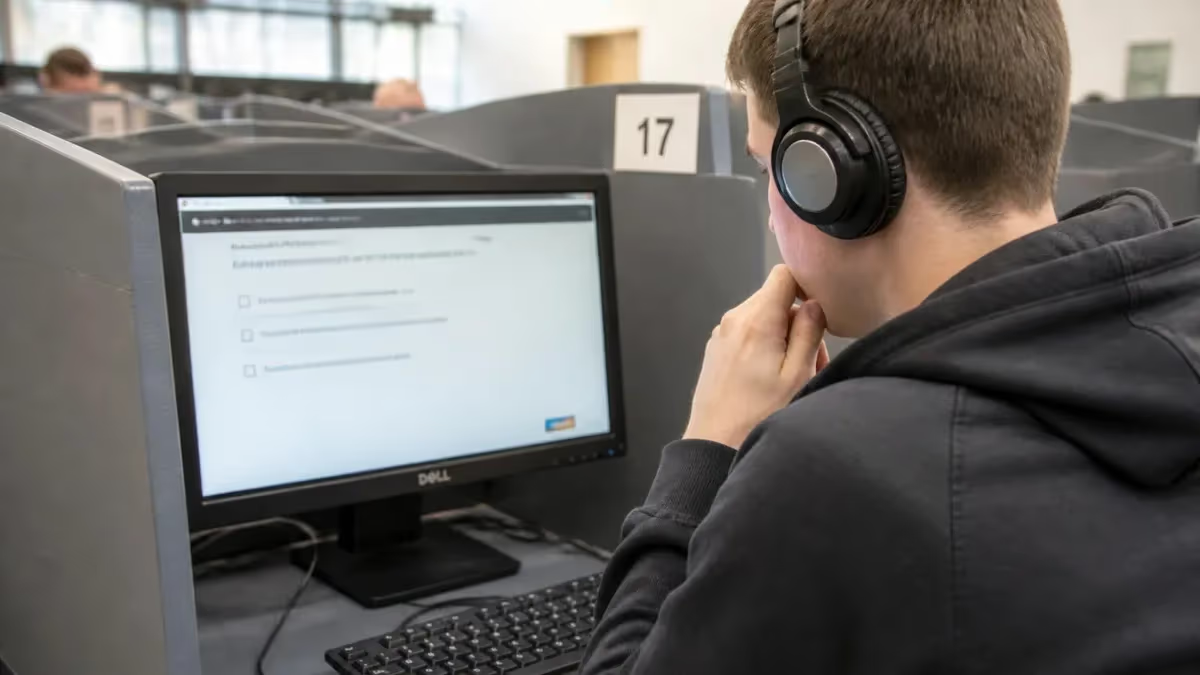
Knowing exactly what to take on a driving test is one of the most important steps in your preparation, yet it is surprisingly easy to overlook. The DVSA is strict about the documents and items you must bring on test day, and arriving without the correct paperwork means your test will be cancelled and you will lose your fee entirely. Every year, thousands of learner drivers are turned away at test centres simply because they forgot a document or brought the wrong version of their licence. A little preparation goes a long way.
The two essential items you must always bring are your valid UK provisional driving licence and your theory test pass certificate — or rather, the confirmation email or letter that proves you have passed the theory test. Without either of these, the examiner will refuse to conduct the test and you will forfeit your booking fee, which currently stands at £62 for a car practical test on a weekday. It is worth double-checking these items the evening before your test so there are no last-minute panics the following morning.
If your provisional licence is a photocard licence — which it will be if you applied after 1998 — you only need to bring the photocard itself. You do not need to bring a separate paper counterpart, because the DVSA abolished the paper counterpart in June 2015. However, if your licence photograph is more than ten years old, you should renew it before your test, as examiners need to be able to verify your identity from the photo. A blurry or outdated photo can sometimes cause delays, so it is best to keep your licence up to date.
Your theory test pass is valid for two years from the date you passed. If your practical test is scheduled after that two-year window has expired, your theory pass will no longer be valid and you will need to sit the theory test again before you can take the practical. This is an important date to track, especially if you have experienced delays in your driving lessons or had to postpone your practical test. Checking your driving test items and understanding the theory test framework helps you plan your preparation timeline effectively.
In addition to your licence and theory pass confirmation, you may also want to bring your booking confirmation email or reference number, though examiners can usually look up your booking using your name and date of birth. If your test is at a busy centre or there has been any administrative issue with your booking, having the reference number to hand can save a great deal of time and stress. Print it out or keep it easily accessible on your phone so you are not scrolling through a cluttered inbox while already nervous.
There are also practical items that are not officially required but are strongly recommended for test day. Wearing comfortable, flat shoes that allow you to operate the foot pedals smoothly can make a noticeable difference to your control of the car. Loose, heavy-soled footwear such as walking boots or high heels can interfere with clutch control and braking.
Some candidates also choose to bring a bottle of water and arrive 10–15 minutes early so they can settle their nerves before being called by the examiner. The waiting room at most test centres is small, so arriving composed and on time creates a much better start.
If you are taking an automatic car test, you should be aware that your licence will be restricted to automatic vehicles only unless you later pass a test in a manual car. The documents required are identical for both automatic and manual tests.
However, if you are using your own vehicle for the test rather than your instructor's car, you will need to ensure the car meets the DVSA's requirements: valid MOT, road tax, appropriate insurance that covers you for the test, and L-plates fitted to the front and rear. These vehicle requirements are separate from but just as important as the personal documents you bring.
UK Driving Test: Key Numbers
DVSA: upcoming dates and official changes
- Updated Oct 17, 2026: Eligibility is now Age 17+ (16 with higher-rate PIP mobility); provisional licence required (previously Age 17+ (16 with higher-rate PIP mobility), provisional licence required).
- Updated Oct 17, 2026: Eligibility (Car practical driving test) is now Theory pass usually required; 185 days' GB residency (previously Theory pass required before booking; 185 days' GB residency).
- Updated Oct 17, 2026: Exam fee (Car theory test) is now £23 (previously £23).
Facts verified Oct 17, 2026 against Driver and Vehicle Standards Agency. Dates that have passed are removed automatically.
- The UK driving theory test hazard perception part shows 14 video clips. (Driver and Vehicle Standards Agency)
- The UK driving theory test multiple-choice part has 50 questions. (Driver and Vehicle Standards Agency)
- The UK driving theory test multiple-choice part allows 57 minutes. (Driver and Vehicle Standards Agency)
- The pass mark for the hazard perception part of the UK driving theory test is 44 out of 75. (Driver and Vehicle Standards Agency)
- The pass mark for the multiple-choice part of the UK driving theory test is 43 out of 50. (Driver and Vehicle Standards Agency)
- The UK car practical driving test costs £75 on evenings, weekends and bank holidays. (Driver and Vehicle Standards Agency)
- The UK car practical driving test costs £62 on weekdays. (Driver and Vehicle Standards Agency)
- After failing the UK driving theory test you must wait at least 3 working days before taking it again. (Driver and Vehicle Standards Agency)
- A UK driving theory test pass certificate number lasts for 2 years. (Driver and Vehicle Standards Agency)
Facts verified Oct 17, 2026 against Driver and Vehicle Standards Agency. Dates that have passed are removed automatically.
DVSA Exam at a Glance
| Item | Detail | Official source |
|---|---|---|
| Number of questions (Hazard perception) | 14 video clips | Driver and Vehicle Standards Agency |
| Number of questions (Multiple-choice questions) | 50 multiple-choice questions | Driver and Vehicle Standards Agency |
| Time limit (Multiple-choice questions) | 57 minutes | Driver and Vehicle Standards Agency |
| Passing score (Hazard perception) | 44 out of 75 | Driver and Vehicle Standards Agency |
| Passing score (Multiple-choice questions) | 43 out of 50 | Driver and Vehicle Standards Agency |
| Exam fee (Car practical driving test (evenings, weekends, bank holidays)) | £75 evenings, weekends and bank holidays | Driver and Vehicle Standards Agency |
| Exam fee (Car practical driving test (weekday)) | £62 on weekdays | Driver and Vehicle Standards Agency |
| Exam fee (Car theory test) | £23 | Driver and Vehicle Standards Agency |
| Retake policy | Wait at least 3 working days; retake the full test | Driver and Vehicle Standards Agency |
| Validity | 2 years | Driver and Vehicle Standards Agency |
| Eligibility | Age 17+ (16 with higher-rate PIP mobility); provisional licence required | Driver and Vehicle Standards Agency |
| Eligibility (Car practical driving test) | Theory pass usually required; 185 days' GB residency | Driver and Vehicle Standards Agency |
| Score release | At the test centre, same day | Driver and Vehicle Standards Agency |
| Registration opens | Online booking 6am–11:40pm | Driver and Vehicle Standards Agency |
| Testing window (Car practical driving test) | Released 24 weeks ahead, 6am every Monday | Driver and Vehicle Standards Agency |
Facts verified Oct 17, 2026 against Driver and Vehicle Standards Agency. Dates that have passed are removed automatically.
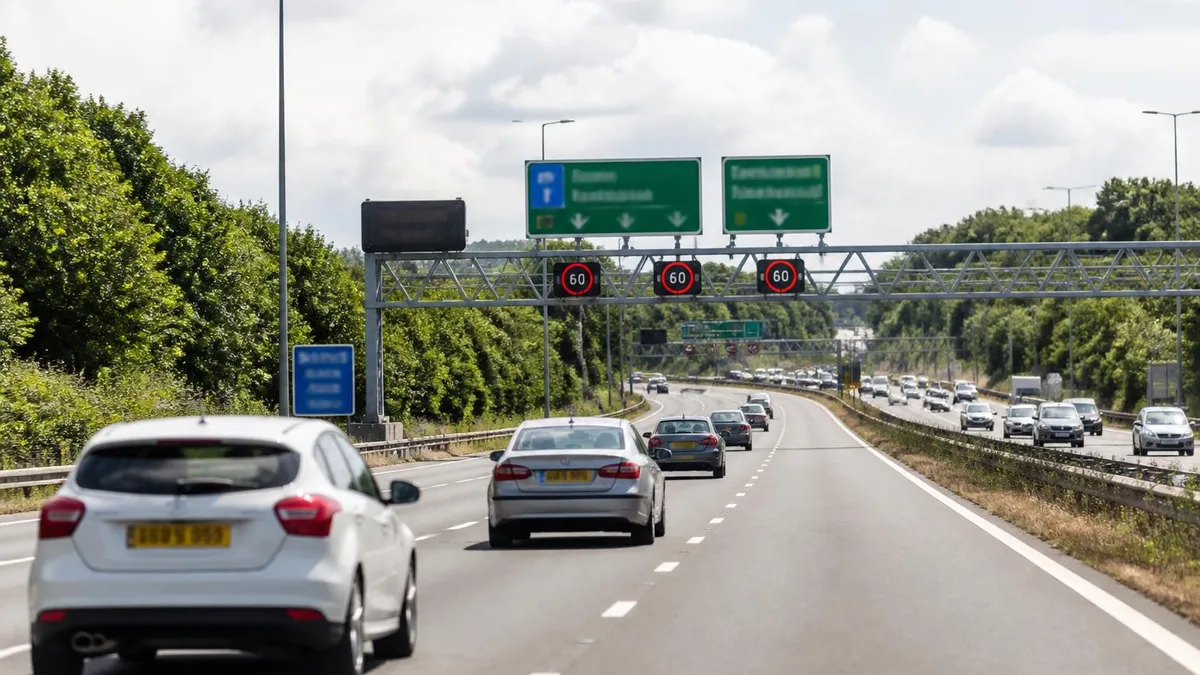
Essential Documents You Must Bring on Test Day
Your photocard provisional licence is the single most important item. It must be current, valid and bear a recognisable photograph of you. Without it, the examiner will cancel the test immediately and your fee is forfeited.
Bring your pass letter, confirmation email, or the reference number the DVSA issued when you passed. This proves your theory pass is within its two-year validity window. Expired theory certificates are not accepted under any circumstances.
While not strictly mandatory, having your practical test booking reference to hand speeds up check-in. Keep the email accessible on your phone or print a copy. It is especially useful at busy test centres or if there is any query about your appointment.
If you bring your own vehicle rather than your instructor's car, you must have valid insurance that explicitly covers you to drive under supervision for the purpose of a DVSA practical test. Check your policy wording in advance.
If you need corrective eyewear to meet the legal vision standard — reading a number plate at 20 metres — you must wear it during the test. Forgetting your glasses does not postpone the test; it means you will fail on safety grounds.
Your provisional driving licence is the cornerstone of your test day identity, and it is worth understanding exactly what the DVSA examiner checks when you hand it over. They will verify that the name on the licence matches the name on your booking, that the address is current, and that the photograph clearly resembles you. If you have recently moved house and your address has changed, you are legally obliged to update your driving licence through the DVLA, and failing to do so could technically invalidate the document. Updating takes just a few minutes online and costs nothing.
If your licence was issued before 1998, you may still have an older-style paper licence. In this case, you will need to bring both the paper licence document and any photocard associated with it. However, the DVSA strongly recommends converting older paper licences to photocard format before your test to avoid any ambiguity at check-in. Conversion can be done through the DVLA's online service and typically takes around a week, so factor in this lead time if your test is approaching soon.
One common source of confusion is the difference between a provisional licence and a full driving licence. You must hold a valid provisional licence — not a full licence — when taking your practical test. If you have already passed a test in another country and hold a full overseas licence that you have exchanged for a UK full licence, the rules around taking further tests are different and you should seek specific guidance from the DVLA. For the majority of UK learner drivers, however, the provisional photocard licence is the only document in question.
Examiners are trained to spot fraudulent or tampered documents, and any attempt to present a forged or altered licence is a criminal offence. Beyond the obvious legal consequences, it would also result in an immediate cancellation of your test and a report to the relevant authorities. This may sound extreme, but it is worth knowing that the DVSA takes identity verification very seriously, and honest errors — such as forgetting your licence at home — are treated very differently from deliberate deception.
If you hold a non-GB provisional licence — for example, a licence issued in Northern Ireland, the Isle of Man, or the Channel Islands — you should check with the DVSA in advance whether it is accepted at your chosen test centre. In most cases these licences are valid, but the rules can differ slightly and it is always better to confirm beforehand than to arrive and face an unexpected problem. A quick call to the DVSA contact centre or a check on the GOV.UK website will give you a definitive answer.
Name changes due to marriage or legal deed poll can create a mismatch between your licence and your booking if you have recently updated one but not the other. Always ensure the name on your provisional licence exactly matches the name used when you booked the test. If you have recently changed your name, update your licence through the DVLA before booking, or re-book using the name that currently appears on your licence. Small discrepancies can lead to unnecessary delays or, in the worst case, a cancelled test with a lost fee.
Understanding these identity verification requirements in advance removes one major source of test day stress. Once you know your licence is valid, current, and accurately reflects your personal details, you can focus your energy entirely on your driving. Preparation at this level of detail — checking the expiry date on your licence photograph, confirming your address is current — is exactly the kind of methodical approach that good drivers carry into their everyday motoring throughout their lives.
What Your Vehicle Must Have for the Driving Test
If you are using your own car for the practical test, it must display red L-plates on both the front and rear of the vehicle. These plates must be clearly visible and must not obscure your view or the view of other road users. The plates should be removed or covered when a qualified driver is using the car without a learner present, as displaying them incorrectly is a minor offence.
The car must also hold a current MOT certificate if it is more than three years old. The MOT confirms that the vehicle meets the minimum roadworthiness standards required by law. An examiner will not check the certificate at the test centre, but if the car is stopped by police during the test and found to be without a valid MOT, the consequences would be severe. Always check your MOT expiry date well before test day and arrange a new test if necessary.
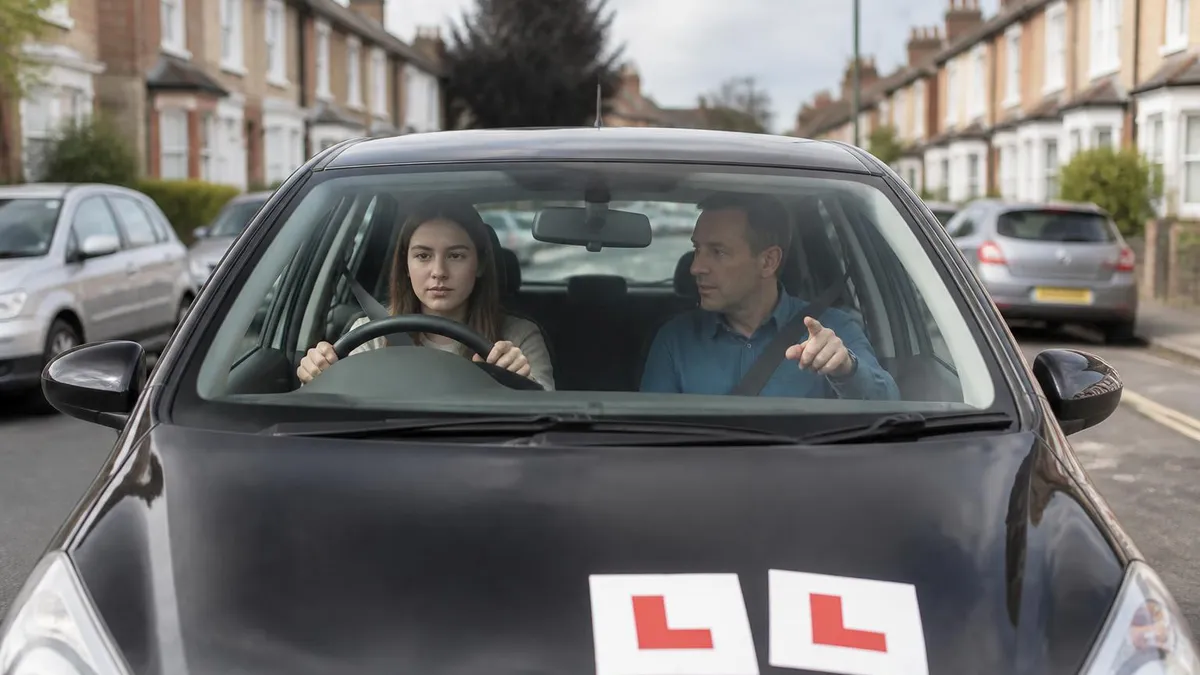
Using Your Instructor's Car vs Your Own Car on Test Day
- +Instructor's car is fully insured and always DVSA-compliant
- +L-plates, MOT and road tax are already confirmed valid
- +Dual controls give the examiner a safety fallback if needed
- +You are familiar with the car from your lessons — no surprises
- +Instructor handles all vehicle admin so you can focus on driving
- +No risk of your own car failing a check and invalidating the test
- −You must pay for lesson time to drive to and from the test centre
- −Test slot times may need to align with instructor availability
- −Less flexibility in choosing your own preferred test centre time
- −If you cancel late, you may still owe the instructor a fee
- −Using a hire or instructor car means adjusting seat, mirrors from scratch
- −Some learners prefer the familiarity of the family car for confidence
Complete Driving Test Day Checklist
- ✓Locate your photocard provisional driving licence the night before and place it somewhere you cannot forget it.
- ✓Confirm your theory test pass certificate or confirmation email is still within its two-year validity period.
- ✓Save or print your practical test booking confirmation, including the reference number and test centre address.
- ✓If wearing glasses or contact lenses, ensure they are with you — the examiner will ask you to read a number plate.
- ✓Check your vehicle has a valid MOT, current road tax, and insurance that explicitly covers your practical test.
- ✓Fit L-plates to both the front and rear of the vehicle if you are using your own car for the test.
- ✓Verify the tyres are properly inflated and the tread depth is at least 1.6mm across the central tread area.
- ✓Ensure the windscreen is clean and free of obstructions — no stickers, sat-nav mounts blocking your view.
- ✓Wear flat, comfortable shoes that allow precise control of the clutch, brake, and accelerator pedals.
- ✓Plan your route to the test centre and aim to arrive at least 10 minutes before your appointment time.
You Cannot Borrow Someone Else's Documents
The documents you bring must belong to you personally and match your booking details exactly. The DVSA cross-references the name, date of birth, and licence number during check-in. If there is any mismatch — even a missing middle name — it can cause delays. Always book using the exact name printed on your provisional licence to avoid any last-minute complications at the test centre reception desk.
One aspect of test day preparation that many learner drivers underestimate is the importance of the eyesight check conducted at the very start of the practical test. Before you even get into the car, the examiner will ask you to read a standard number plate from a distance of 20 metres for vehicles with the new-style plates, or 20.5 metres for older-style plates.
If you fail this check, your test is terminated immediately, you receive a fail, and your fee is not refunded. This brief check is not a formality — it is a legal requirement and a genuine safety assessment.
If you normally wear glasses or contact lenses to read and drive, you must wear them for this check. Many candidates forget their glasses in the car or at home, and because the test starts with this outdoor number plate check rather than inside the test centre, there is no opportunity to retrieve them. Make wearing your eyewear a non-negotiable part of your departure checklist, just as essential as bringing your licence. If you are unsure whether your vision meets the standard without correction, visit an optician before your test rather than hoping for the best on the day.
The weather on test day is something you cannot control, but you can prepare for its effects. Rain, bright low sun, and fog all create visibility challenges that the examiner will be watching to see how you handle. In wet weather, your stopping distances roughly double, and the examiner expects you to increase your following distance accordingly. Bringing sunglasses for a bright test day is perfectly acceptable and actually demonstrates sensible preparation. Polarised sunglasses are particularly useful for reducing glare from wet roads and low winter sun.
Fatigue is another underrated factor on test day. Sitting a forty-minute practical examination after a poor night's sleep significantly increases the chance of making errors — late mirror checks, misjudging gaps, or missing road signs. Try to maintain your normal sleep pattern in the days leading up to the test, avoid late nights, and eat a light meal beforehand. Skipping breakfast can lead to a drop in blood sugar that impairs concentration; equally, a large heavy meal shortly before the test can leave you feeling sluggish. A moderate, balanced meal two to three hours beforehand works well for most people.
Anxiety is completely normal and the examiner is accustomed to nervous candidates. What many learners do not realise is that the examiner is not looking for perfection — they are looking for safe, controlled driving that demonstrates you can handle real roads independently. Minor faults — up to 15 of them — do not cause a fail. Only serious or dangerous faults, or accumulating more than 15 minors, will result in a fail. Reminding yourself of this before and during the test can help you stay composed after a small error rather than allowing one mistake to spiral into several.
The independent driving section now makes up around half of the test duration — approximately 20 minutes — and requires you to follow either a sat-nav or road signs without step-by-step instruction from the examiner. If you take a wrong turn during this section, it does not automatically count as a fault. The examiner is assessing your ability to make decisions independently and safely, not your ability to navigate perfectly. If you go the wrong way, simply continue driving safely and follow the road signs or sat-nav to self-correct.
Understanding the structure and expectations of the test helps you arrive feeling informed and in control. Candidates who have thoroughly researched what is required on test day — including all the documents, the vehicle checks, and what the examiner is actually looking for — consistently outperform those who focus only on driving technique. Comprehensive preparation is not just about hours behind the wheel; it is about removing every possible source of uncertainty before you even start the engine.
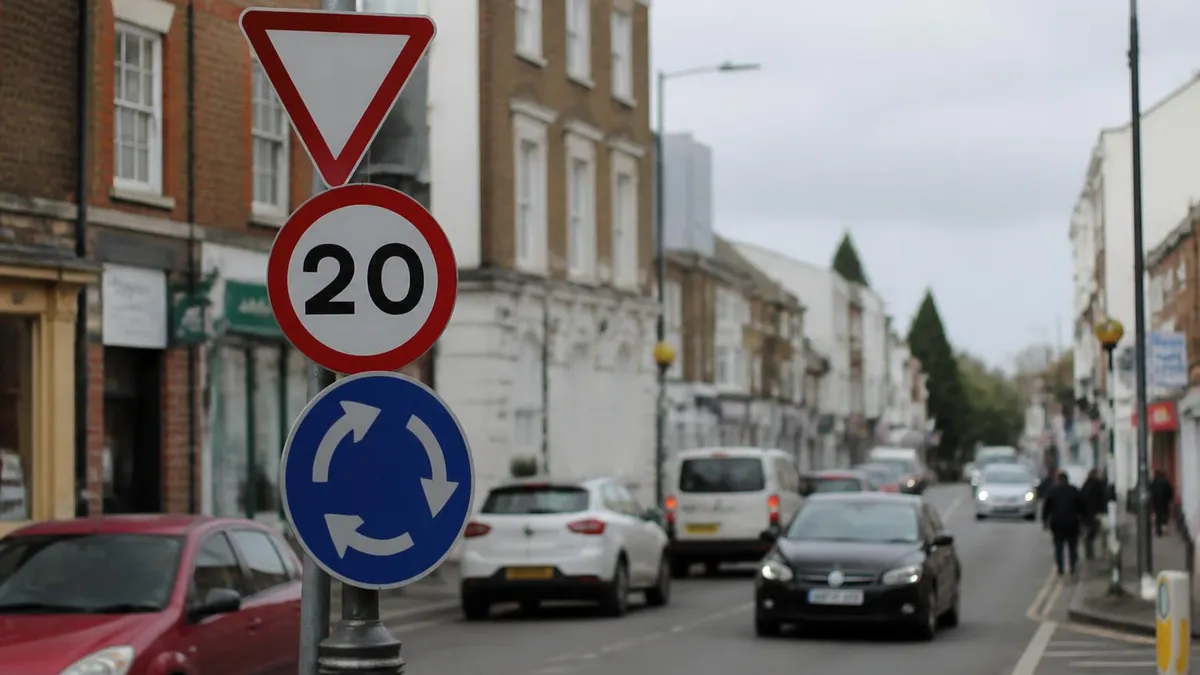
Your theory test pass is only valid for two years from the date you passed. If your practical test date falls after this window — even by a single day — the DVSA will not allow you to take the practical test and your booking fee will be lost. Check your theory pass date immediately and, if your practical test is close to the expiry date, contact the DVSA to discuss your options before it lapses.
Special circumstances can affect what you need to bring on test day, and it is worth knowing about these before they catch you off-guard. If you are a non-GB licence holder — for example, if you hold a licence from a country outside the European Economic Area — you may need to bring additional documentation to your practical test.
In some cases, the DVSA requires a certified translation of a foreign-language licence, and in others, you may need to confirm your immigration status. Check the specific requirements on GOV.UK well in advance and do not leave this research until the week before your test.
Candidates with disabilities or medical conditions may be entitled to additional time or specific accommodations during the practical test. If you have a condition that affects your driving — whether a physical disability, a hearing impairment, or another medical factor — you should declare this when booking and discuss any necessary adaptations with the DVSA. Similarly, if you drive with hand controls, an automatic gearbox, or any other vehicle adaptation, ensure the test centre and examiner are aware so that the appropriate vehicle and assessment criteria are in place on the day.
If you need to cancel or reschedule your practical test, you must give at least ten full working days' notice (since 8 April 2025) to receive a full refund of your booking fee. Cancelling with less notice means you forfeit the fee. Saturdays count as working days; only Sundays, bank holidays, and the day of the test itself don't count.
This is a frequently misunderstood rule — people often assume Saturdays don't count, or count calendar days rather than working days, and miss the deadline, losing their fee unnecessarily. Always calculate working days carefully and err on the side of cancelling earlier rather than later if you are in any doubt.
Rescheduling, rather than cancelling, can sometimes be done for free if you have sufficient notice — but again, the ten full working days rule applies. You can manage your booking online through the GOV.UK practical test booking service using your driving licence number and the email address you used when booking. The service allows you to change the date, time, and even the test centre, subject to availability. Keeping your login details accessible means you can act quickly if illness or an emergency forces a last-minute change of plans.
One scenario that trips up a surprisingly large number of candidates is forgetting their theory test confirmation when they have passed the theory test some time ago — perhaps a year or more before the practical. The confirmation email from the DVSA may have been buried in an inbox or even accidentally deleted.
If you cannot find your theory test confirmation, contact the DVSA directly. They can verify your pass status using your name, date of birth, and driving licence number. Do not wait until the morning of the test to discover this problem — contact them as soon as you suspect the email is missing.
For learners who have used a third-party theory test preparation service or app, it is important to note that pass confirmations only come from the official DVSA, not from any practice platform. The official pass notification arrives by email from the DVSA immediately after you pass your theory test at the Pearson VUE test centre. If you are unsure whether the email you have is official, look for it to come from a government address and to contain your theory test reference number and pass date. Unofficial confirmation from a revision app has no standing with the DVSA examiner.
Finally, consider photographing or scanning your key documents before test day and storing the images in a secure cloud folder. This does not replace the originals — the examiner must see the physical photocard licence — but having digital copies means you can quickly verify at home that you have everything accounted for.
For peace of mind in the hours before your test, a systematic document check against a written list is one of the simplest and most effective habits a learner driver can adopt. It takes five minutes and removes an entire category of potential problems from an already stressful day.
The morning of your driving test should feel like the calm conclusion of thorough preparation rather than a frantic scramble. If you have followed a structured checklist and confirmed your documents the evening before, the morning itself should be straightforward. Wake up in time to eat, get dressed comfortably, and travel to the test centre without rushing. Rushed driving on the way to the test centre is not only stressful but can genuinely affect your mindset and performance — allow ample travel time, particularly if you are relying on public transport or driving through an unfamiliar area.
Many examiners comment that candidates who arrive visibly flustered or late to sign in tend to carry that anxiety into the test itself. Test centres typically open the sign-in desk around 15 minutes before your test appointment. Arriving during this window means you have time to use the facilities, settle your thoughts, and prepare mentally without the additional pressure of rushing. If for any reason you are running late due to a genuine emergency, call the test centre as early as possible — they may be able to accommodate you, though this is at their discretion and is not guaranteed.
During the test, focus on communicating your intentions clearly through your signals, positioning, and mirror use. The examiner is sitting quietly in the passenger seat and will not offer encouragement or feedback during the drive — this can feel unnerving, but it is standard procedure. The silence is not an indication that you are doing badly. Examiners are trained to be neutral observers, and their quiet presence simply means they are recording your actions objectively. Trust your training and drive exactly as you have been practising during your lessons.
If you make a mistake during the test, resist the urge to apologise or comment on it. Brief, relevant communication with the examiner is fine — for example, saying "I've missed that turn" and then correcting your route calmly — but excessive self-commentary or apologies can be distracting and suggest a lack of composure. Keep your verbal interactions with the examiner minimal and focused. If you are genuinely unsure of an instruction, ask calmly for clarification — the examiner would rather repeat a direction than mark a fault caused by a genuine misunderstanding.
After the test, the examiner will return with you to the test centre and provide feedback regardless of whether you have passed or failed. If you pass, they will explain your result, any minor faults recorded, and the next steps for converting your provisional licence. If you fail, they will explain which serious or dangerous faults led to the fail and offer brief guidance on what to work on before your next attempt. In both cases, this debrief is valuable — listen carefully and ask your instructor to review any fault categories with you before your next lesson or test.
Candidates who do not pass on the first attempt should not be discouraged. The UK first-time practical pass rate averages around 47%, meaning more than half of all learners require more than one attempt. Each test is a learning experience, and understanding exactly why you were marked down helps you target your revision and practice more efficiently. Many driving instructors recommend booking a few extra lessons focused specifically on the fault areas from a failed test before attempting the practical again, rather than simply rebooking at the earliest opportunity without addressing the underlying issues.
Ultimately, thorough preparation — knowing what documents to bring, arriving on time, being familiar with the test format, and having practised extensively in varied conditions — gives you the best possible chance of passing first time. The driving test is designed to confirm that you are a safe and competent driver, not to catch you out. Approach it with quiet confidence, a methodical mindset, and the knowledge that you have done everything possible to be ready. That preparation begins long before you arrive at the test centre — it starts the moment you decide to take your driving seriously.
Sample DVSA UK Driving Theory Practice Questions
Try these questions from our free DVSA UK Driving Theory practice tests. The correct answer and an explanation follow each question.
When loading a vehicle, which items should be placed lowest and closest to the centre of the vehicle?
- A. Light, bulky items
- B. The heaviest items
- C. Fragile items wrapped in packaging
- D. Items needed most frequently during the journey
Answer: B. The heaviest items
Heavy items should be secured as low and central as possible to keep the vehicle's centre of gravity low and maintain stability.
You are approaching a zebra crossing where a pedestrian is waiting to cross. Which of the following actions is the correct one to take?
- A. Continue at the same speed as they have not stepped onto the crossing.
- B. Slow down and prepare to stop if they step onto the crossing.
- C. Sound your horn to let them know it is not safe to cross.
- D. Speed up to pass the crossing before they decide to step out.
Answer: B. Slow down and prepare to stop if they step onto the crossing.
According to the Highway Code, you must give way when a pedestrian has moved onto a zebra crossing. As a driver, you should anticipate that a waiting pedestrian will cross, so you must slow down and be prepared to stop to allow them to do so safely.
What is the most eco-friendly action to take when you know you will be stationary for more than a couple of minutes?
- A. Switch to neutral but keep the engine running
- B. Turn the engine off
- C. Keep the engine running to warm the cabin
- D. Rev the engine gently to avoid it stalling
Answer: B. Turn the engine off
Switching the engine off when stationary for more than a minute or two prevents unnecessary fuel burn and reduces exhaust emissions.
You are driving in queuing traffic and notice a motorcyclist filtering between the lanes. What is the most appropriate action to take?
- A. Move closer to the vehicle in front to block their path.
- B. Sound your horn to show you are aware of them.
- C. Maintain your position and check your mirrors and blind spots before manoeuvring.
- D. Flash your headlights to let them pass.
Answer: C. Maintain your position and check your mirrors and blind spots before manoeuvring.
Filtering (or lane splitting) by motorcyclists in slow-moving traffic is not illegal in the UK. Drivers should remain aware of their presence. The correct action is to hold your position and be vigilant, checking mirrors and blind spots frequently, especially before any change in position, as a motorcycle could be alongside you.
DVSA Questions and Answers
UK Theory Test Pass Mark: Car, Bike, LGV, PCV & ADI Scores

Free Theory Test App: The Complete UK Guide to Choosing, Using and Passing With Mobile Practice in 2026

Cancelling Driving Test: The Complete UK Guide to Refunds, Rebooking and Avoiding Lost Fees in 2026
Theory Test Certificate: Complete UK Guide to Passing and Using Your DVSA Pass Letter in 2026
Official DVSA Theory Test Kit: Complete Study Guide for UK Learners
About the Author

Licensed Driving Instructor & DMV Test Specialist
Penn State UniversityRobert J. Williams graduated from Penn State University with a degree in Transportation Management and has spent 20 years as a certified driving instructor and DMV examiner consultant. He has personally coached thousands of applicants through written knowledge tests, skills assessments, and commercial driver licensing programs across more than 30 states.