
Car Theory Practice: The Complete UK Guide to Passing Your DVSA Theory Test First Time
Master car theory practice with our complete UK guide. Real DVSA questions, proven study plans, and expert tips. 📚 Pass first time in 2026 September.
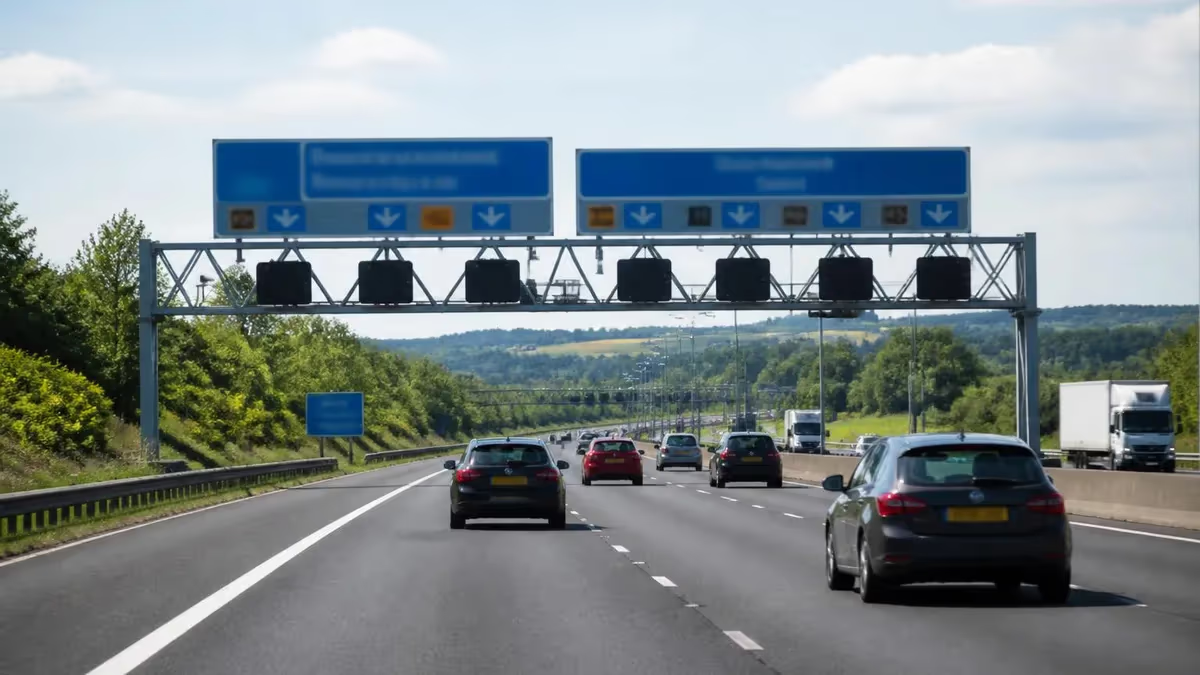
Car theory practice is the single most important step any learner driver can take before booking their official DVSA theory test. The theory test is not simply a formality you pass on common sense alone — it is a structured, timed examination covering 50 multiple-choice questions drawn from a question bank of nearly 700 items, and a separate hazard perception video section. Thousands of candidates sit the test each year and walk away disappointed because they underestimated how seriously targeted car theory practice needs to be taken as a discipline in itself.
The DVSA (Driver and Vehicle Standards Agency) designs the car theory test to assess your understanding of the Highway Code, road signs, vehicle safety, eco-friendly driving, incident management, and hazard awareness. Each topic area has its own weighting and question style, meaning a scattergun approach to revision rarely produces the consistent results that a structured programme of practice tests can deliver. Understanding the exam's breadth is the starting point for every effective revision strategy.
Most learners dramatically underestimate the volume of material they need to absorb. The 14 official topic categories range from alertness and attitude through to motorway rules and vehicle handling. Some of these areas, such as vehicle loading and eco-friendly driving, feel unfamiliar because most learner drivers haven't yet had the on-road experience to contextualise the rules. This is precisely where regular, topic-by-topic practice testing fills the gap — it builds pattern recognition and embeds answers through repetition rather than rote memorisation.
The good news is that the DVSA publishes its official question bank, which means every question that can appear on your real test is available for practice in advance. There are no hidden surprises. Every candidate who has failed did so because they either didn't encounter enough questions before test day, or they encountered them but didn't review why their wrong answers were wrong. Both problems are solved by deliberate, feedback-driven practice rather than passive reading of the Highway Code.
Pass rates for the car theory test hover around 47–50% nationally, meaning roughly half of all candidates fail on their first attempt. That statistic sounds alarming, but it's also highly actionable: the gap between passing and failing almost always comes down to preparation time and the quality of the revision tool used. Candidates who complete at least 20 full mock exams under timed conditions before their real test pass at dramatically higher rates than those who read the Highway Code once and hope for the best.
This guide walks you through every aspect of effective car theory practice — from understanding the test format to building a week-by-week study schedule, choosing the right practice resources, mastering the hazard perception clip section, and arriving on test day with the confidence that comes from genuinely knowing your material. Whether you are just starting your revision or trying to pass after a previous failed attempt, this is the most complete resource available to UK learner drivers in 2026.
By the end of this article you will understand exactly how many practice questions you need, which topic areas to prioritise, how to use timed mock tests strategically, and what the most common mistakes are so you can avoid making them yourself. Let's start with the numbers that define what you are aiming for.
UK Car Theory Test by the Numbers
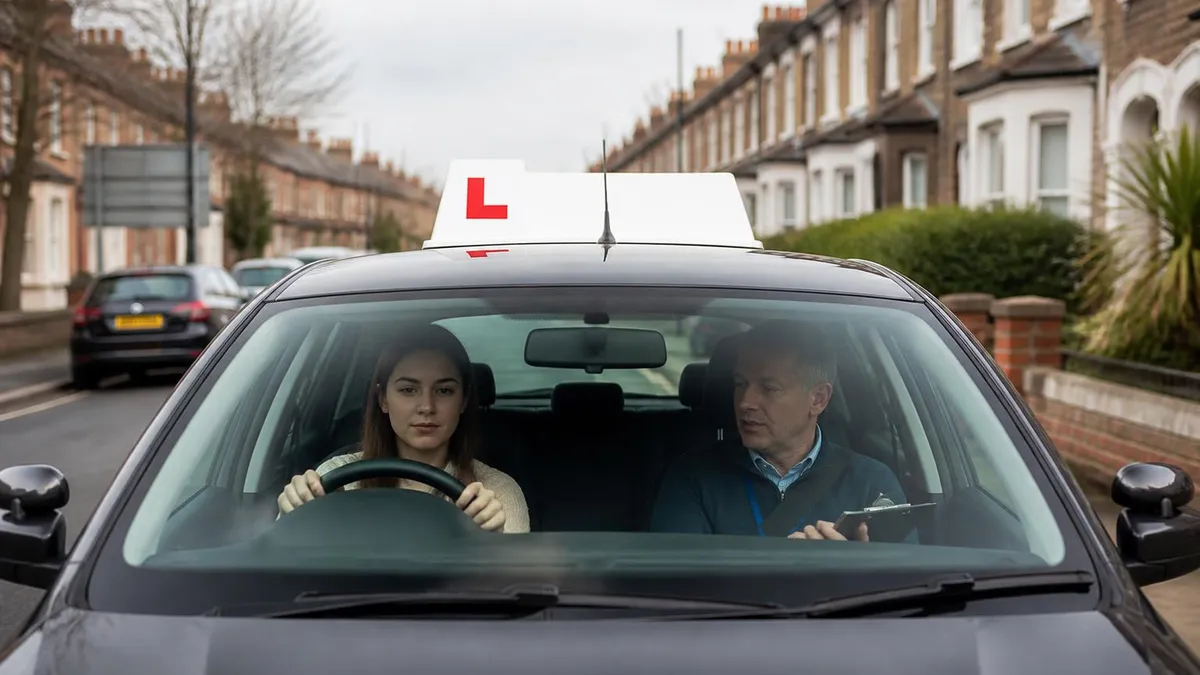
Understanding the Car Theory Test Format
50 questions drawn from the official DVSA question bank. You have 57 minutes and must score at least 43 out of 50 to pass. Questions cover all 14 topic categories, from road signs to vehicle safety and eco-driving.
14 video clips filmed from a driver's perspective. You must click when you spot a developing hazard. One clip contains two scoreable hazards. Maximum score is 75 points; the pass mark is 44 out of 75.
The DVSA publishes approximately 700 official questions across 14 topic areas. All real test questions are drawn from this bank, meaning thorough practice of the complete bank is sufficient preparation for the multiple-choice section.
The multiple-choice section allows 57 minutes. Hazard perception follows immediately after. Both sections must be passed on the same sitting; failing either section means the whole test must be retaken.
The theory test costs £23 and must be booked through the official DVSA website. You must pass before you can book your practical driving test. Tests are available at over 150 test centres across Great Britain.
Building an effective car theory practice routine starts with honest self-assessment. Before you can plan your revision, you need to know how much you already understand and where your knowledge gaps are largest. The most efficient way to do this is to sit a full mock test on day one of your revision programme without any preparation, then review every incorrect answer carefully. This baseline score tells you exactly which topic categories need the most attention over the coming weeks.
A good rule of thumb used by driving instructors across the UK is the 30-question-per-day principle. Completing 30 practice questions daily across a four to six week period ensures you encounter every question in the official bank at least twice, which is the minimum repetition threshold needed to move information from short-term recognition into genuine long-term recall. Simply reading questions once and marking them as understood is a well-documented study trap — recognition in a low-stakes context does not equal recall under exam pressure.
Structured revision should be split into two distinct phases. The first phase — typically weeks one and two — focuses on topic-by-topic drilling. Isolate the categories where your baseline test revealed the most errors, and work through every question in those categories systematically. Read the full explanation for every incorrect answer, not just the correct option, because understanding why the wrong answers are wrong dramatically accelerates learning and helps you tackle similar questions with greater confidence.
The second phase — weeks three and four — should shift to full timed mock exams under conditions that mirror the real test as closely as possible. This means setting a 57-minute timer, answering all 50 questions in sequence without pausing, and treating the session with the same seriousness as a real appointment. Research consistently shows that practice under realistic conditions significantly reduces performance anxiety on test day and prevents the common problem of candidates who score 95% on untimed practice but freeze on the real exam.
Hazard perception practice must run parallel to your multiple-choice revision from the very beginning, not be bolted on as an afterthought in the final days before your test. The hazard perception section trips up many otherwise well-prepared candidates because it requires a different skill set — sustained visual attention and split-second motor response — rather than knowledge retrieval. Watching hazard perception clips once is not sufficient; you need to practice responding under the time pressure that real clips impose.
A particularly effective technique for the hazard perception section is to watch each clip at least three times: once to observe the full scene, once to focus on identifying the moment the hazard first begins to develop (not when it becomes obvious), and once more to practice clicking at the right moment. The DVSA scoring system awards higher marks for early, accurate identification of developing hazards. Clicking too late or too early — and particularly clicking repeatedly in a pattern — can result in a zero score for that clip.
Progress tracking is the element most learner drivers skip but that makes the biggest difference to outcomes. Keep a simple log of your mock test scores each day. A rising score line over four weeks is motivating and confirms your revision is working; a plateauing score signals that you need to change your approach, perhaps by revisiting explanations for questions you keep getting wrong rather than simply repeating the same mock tests.
Aim to achieve consistent scores of 47 or 48 out of 50 on timed mocks before booking your real test — building a comfortable margin above the 43 pass mark is the insurance policy that accounts for test-day nerves.
Topic-by-Topic Revision Strategies
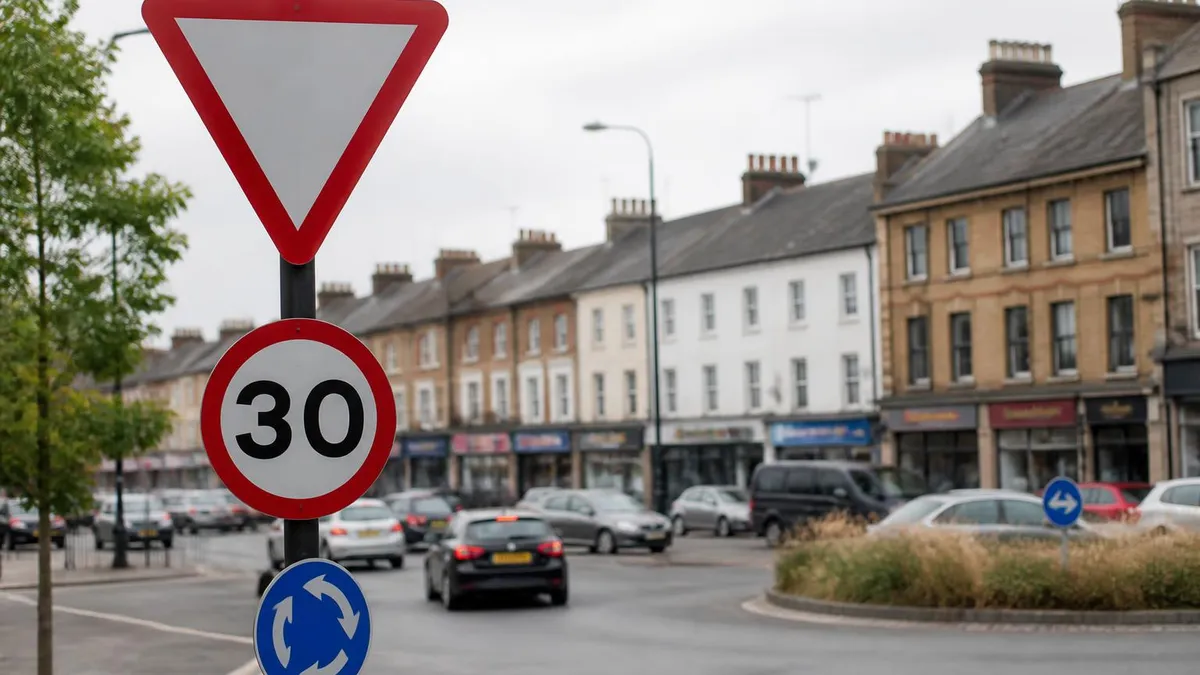
Road signs and markings form one of the largest single topic areas in the DVSA question bank, and they are also one of the most straightforward to master with targeted practice. The key strategy is to group signs by shape and colour — triangular warning signs, circular mandatory and prohibitory signs, and rectangular information signs — and drill each category separately before combining them in mixed practice tests. Candidates who learn signs in logical groups retain them far more reliably than those who try to memorise a long alphabetical list.
The Highway Code appendix on road signs is essential reading, but reading alone will not produce exam-ready recall. Pair every reading session with a quiz that tests you on the specific signs you have just studied. Pay particular attention to signs that look similar but carry very different meanings — for example, the difference between a national speed limit sign (white circle, black diagonal line) and a no-overtaking sign. These visual near-twins are responsible for a significant proportion of wrong answers in the signs and markings category.
Online Practice Tests vs Official DVSA Materials: Which Is Better?
- +Online practice platforms use the exact official DVSA question bank, so every question you practise could appear on your real test
- +Instant answer feedback and detailed explanations help you understand why wrong answers are wrong, not just which answer is correct
- +Timed mock exams replicate real test conditions, reducing performance anxiety and preventing time-management surprises on test day
- +Progress tracking tools show which topic categories need more attention, allowing you to target revision rather than reviewing material you already know
- +Hazard perception clip libraries give you unlimited attempts on each clip so you can practice early hazard identification repeatedly
- +Accessible on mobile devices so you can complete 10-15 practice questions during commutes, lunch breaks, or any spare moment throughout the day
- −Digital practice cannot replicate the physical environment of a test centre, where external noise and the formal setting can affect concentration
- −Some free practice sites use outdated or unofficial questions that do not match the current DVSA question bank, risking revision on incorrect material
- −Over-reliance on pattern recognition from repeated question sets can lead to memorising answers without understanding the underlying rule
- −The hazard perception section on practice platforms may use lower quality video or different clip lengths than the real DVSA test clips
- −Practising without timed conditions — answering questions at leisure on a phone — builds a false sense of readiness that can collapse under exam time pressure
- −No practice tool can fully prepare you for the physical and psychological experience of sitting a formal DVSA examination for the first time
Your Complete Car Theory Practice Revision Checklist
- ✓Complete a full 50-question baseline mock test on day one of revision to identify your weakest topic areas
- ✓Work through every question in your three lowest-scoring categories before moving to general mixed practice
- ✓Read the full explanation for every wrong answer — not just the correct option — during topic-specific drilling sessions
- ✓Complete at least 20 full timed mock exams (57 minutes, 50 questions) before your test date
- ✓Practice hazard perception clips daily from week one, aiming to click within the first half of the hazard development window
- ✓Memorise the key Highway Code stopping distances for 20, 30, 40, 50, 60, and 70 mph including wet-weather doubles
- ✓Learn the minimum legal tyre tread depth (1.6 mm), standard fine for bald tyres (up to £2,500 per tyre), and when to check oil
- ✓Study all road sign categories grouped by shape and colour, drilling near-identical signs as pairs to avoid confusion
- ✓Take at least two mock tests in an environment that simulates a real test centre — quiet, timed, no interruptions
- ✓Achieve a consistent score of 47 or 48 out of 50 on timed mocks before booking your real theory test appointment
Why You Should Aim for 47+, Not Just 43
The theory test pass mark is 43 out of 50, but experienced driving instructors consistently advise candidates to target 47 or 48 on practice tests before booking their real sitting. A 5-point buffer accounts for the natural 5–8% score drop most candidates experience on the real test due to nerves, unfamiliar environment, and the psychological weight of a formal examination. Candidates who practise to a comfortable margin above the pass mark almost always pass first time.
Mastering the hazard perception section of your theory test requires a fundamentally different approach to the multiple-choice preparation you have been doing. Where multiple-choice revision rewards systematic reading and repetition of factual material, hazard perception success depends on training your visual attention system to detect subtle environmental cues that indicate a hazard is about to develop — not cues that indicate a hazard is already happening. The DVSA scoring system is calibrated to reward early, accurate identification, and it penalises both very late clicking and suspicious clicking patterns that suggest random guessing.
The 14 hazard perception clips each last between 60 and 90 seconds and are filmed from a driver's perspective on real UK roads. One clip contains two separately scoreable developing hazards; the remaining 13 each contain one. You will see stationary hazards — parked cars, road signs, junctions — throughout every clip, but these only become scoreable when they start developing into situations that require you to respond by slowing, stopping, or changing direction. Clicking during the stationary phase wastes a click without earning points; clicking the moment development begins earns the maximum five points per hazard.
The five-point scoring window for each hazard opens at the moment the hazard first begins to develop and closes before the scene reaches the point where any driver would obviously need to react. Within this window, earlier clicks receive higher scores: a click in the first portion of the window earns five points, a click in the middle earns three or four points, and a click near the end earns one or two points.
Missing the window entirely scores zero. This graded system rewards genuine anticipation rather than reaction, which is why experienced drivers — who have learned to read roads — typically perform better on hazard perception than learner drivers with fresh theoretical knowledge.
The most effective practice strategy for hazard perception is to work through large libraries of practice clips and, crucially, to review your click timing after each attempt. Most practice platforms display a timeline showing exactly when the window opened, when you clicked, and when the window closed. Reviewing this feedback clip by clip is what builds genuine anticipatory skill, as opposed to simply clicking more practice clips without understanding whether your timing is improving. Focus particular attention on clips where you missed the window entirely — these represent the hazard types where your visual scanning strategy is least developed.
Common hazard types that catch learner drivers off guard include pedestrians stepping from behind parked vehicles, cyclists and motorcyclists filtering between lanes at junctions, vehicles emerging from junctions on the left when you have priority, and animals entering the road from field gates.
These hazard types share a common feature: the cue that signals developing danger appears before the actor enters your immediate path. A pedestrian looking right while walking towards a parked car in your lane is a developing hazard even before they step off the pavement. Training your eye to notice these pre-hazard signals rather than waiting for the hazard to become obvious is the core skill the test measures.
One common mistake in hazard perception practice is clicking too frequently throughout the clip in an attempt to ensure you catch the hazard window. The DVSA system detects abnormal clicking patterns — multiple clicks within a short time window — and will score that clip as zero rather than awarding the highest time-sensitive score. This rule exists to prevent random guessing from being rewarded. Your clicking strategy should be selective and deliberate: one or two clicks precisely timed to the moment of hazard development, not a stream of clicks hoping one lands in the window.
In the weeks before your test, try to supplement clip practice with real-world observation as a passenger. Every car journey becomes a hazard perception training session if you actively scan ahead and mentally identify potential hazards before they develop.
Narrate silently to yourself: the cyclist at the next junction is looking left, not at me — they may not have seen me; the child on the pavement is bouncing a ball towards the kerb — I expect them to run into the road. This kind of active observation during real car journeys accelerates the transfer of test skills to genuine road awareness, which is ultimately what the DVSA theory test is designed to measure.
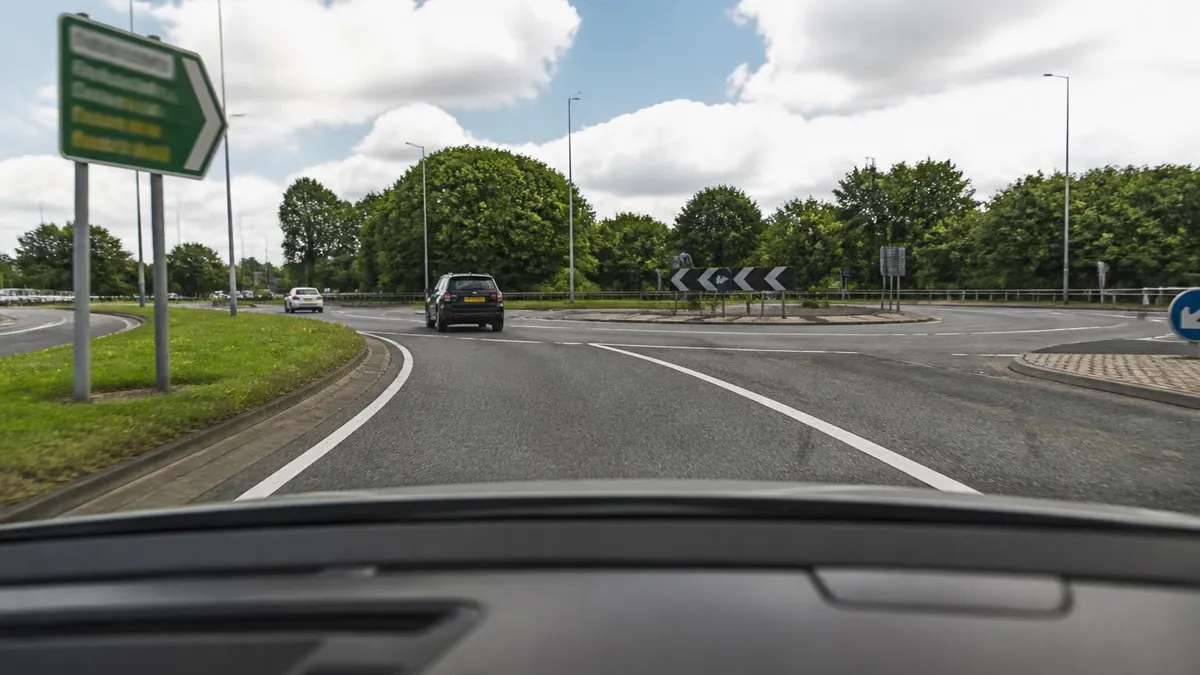
Your DVSA car theory test certificate is valid for two years from the date you pass. If you book your practical driving test and your theory certificate expires before the practical test date, you will need to pass the theory test again before you can sit your practical. Always check your theory certificate expiry date when planning your practical test timeline, especially if significant time has passed since you passed the theory.
Arriving at your theory test centre on the day of your examination well-prepared means more than simply having completed enough practice questions. Test-day readiness is a combination of logistical preparation, physical state, and psychological readiness, all of which have measurable impacts on performance. Candidates who arrive rushed, hungry, or anxious about the location and check-in process perform worse even when their knowledge base is sound, because cognitive load from stress directly reduces the working memory available for answering questions accurately.
The first logistical step is to confirm your test centre address and plan your journey the day before. DVSA theory test centres are located across the UK, including in major cities and smaller market towns, and many share buildings with other services. Knowing exactly where to enter and how long the journey takes eliminates a significant source of morning anxiety.
Plan to arrive at least 15 minutes before your appointment time, as late arrivals may be turned away and forfeit their fee. Bring your valid driving licence — both the photocard and the counterpart if applicable — as you cannot enter the test without it.
On the morning of your test, eat a balanced breakfast and avoid excessive caffeine. While caffeine can improve alertness, it also increases anxiety and can cause your hands to tremble, which is uncomfortable during 57 minutes of computer-based testing. Stay hydrated and avoid energy drinks. The test centre will provide lockers for your personal belongings, including your phone, which must be switched off and stored before you enter the examination room. You are not permitted to take anything into the testing area.
When you sit down at the testing terminal, you will be shown an on-screen tutorial explaining how to answer questions, flag answers for review, and move between questions. Take this tutorial seriously even if you feel confident using computers — the interface is simple but specific, and knowing exactly how to flag a question and return to it later is a time-management tool you should use actively during the multiple-choice section.
If you are uncertain about an answer, flag it, move on, and return to it at the end rather than spending disproportionate time on one difficult question at the expense of others you know well.
Time management during the multiple-choice section is straightforward for well-prepared candidates: 57 minutes for 50 questions gives you just over a minute per question on average, which is generous. Most questions can be answered in 20–30 seconds by a properly prepared candidate. The remaining time should be used for a careful review of flagged questions. Research on multiple-choice test strategy consistently shows that your first instinct is correct more often than second-guessed answers — change an answer only if you have a specific, concrete reason to do so, not because you feel uncertain on reflection.
After completing the multiple-choice section you will move immediately into the hazard perception section. There is a brief explanation screen between the two sections that tells you what to expect. You cannot pause between sections, so ensure you are comfortable before confirming you are ready to continue. The hazard perception clips play sequentially; you cannot pause, rewind, or skip any clip. Focus entirely on each clip as it plays and reset your attention fully between clips to avoid carrying the expectation of one hazard type into a clip featuring a different hazard entirely.
Your results are displayed on screen immediately at the end of the test. You will see your multiple-choice score out of 50 and your hazard perception score out of 75 separately, with a clear pass or fail for each section and overall. If you pass, you will receive a pass certificate that you will need when booking your practical driving test.
Keep this certificate safe — it cannot be reissued if lost, and the DVSA charges a fee to confirm pass status to driving test booking systems. If you do not pass, review your score breakdown carefully: a near-miss in one section with a strong score in the other tells you exactly where to focus your revision for your next attempt.
Practical tips for the final week before your theory test can make a significant difference to your outcome, particularly if you have been revising consistently and are approaching your target score on practice tests. The final seven days should not be spent introducing new material — they should focus entirely on consolidation, confidence-building, and fine-tuning your test-day routine. This is not the time to panic-learn topic areas you have neglected; it is the time to reinforce what you already know until retrieval feels effortless.
In the final week, shift your practice session format to exactly mirror the real test: one full timed 50-question mock followed immediately by a set of hazard perception clips, taken without interruption. Do this at least three times across the seven days. This combined-format practice trains your brain to transition smoothly from knowledge-retrieval mode to visual-attention mode within a single sitting, which is a cognitive demand that surprises many candidates who have always practised the two sections separately and independently.
Sleep is often the most underrated revision tool. Research in cognitive science consistently demonstrates that sleep consolidates memory more effectively than additional study time — the brain processes and files the day's learning during deep sleep phases. In the week before your test, prioritise seven to eight hours of sleep each night over late-night revision cramming. A candidate who has revised consistently for four weeks and sleeps well the night before the test will almost always outperform a candidate who studied the same amount but stayed up late reviewing material and arrived sleep-deprived.
On the day before your test, do not take a full practice exam. A short, gentle review of your weakest topic area — perhaps 15 to 20 questions — is sufficient. Your goal the day before is to maintain confidence without fatiguing your mental resources. Confirm your test centre address and transport plan, gather your driving licence, and spend the evening doing something relaxing. The preparation work is done; your only job now is to arrive in the best possible physical and mental state to demonstrate what you already know.
Many candidates find it helpful to do a brief visualisation exercise the evening before or on the morning of the test. Close your eyes and mentally walk through the test experience from arriving at the test centre through to seeing your pass result on screen. Visualisation is used by elite athletes specifically because it primes the brain's performance systems for the upcoming challenge and reduces the novelty-anxiety response that often causes performance to drop in unfamiliar environments. A few minutes of positive visualisation costs nothing and has a measurable calming effect on test-day anxiety levels.
If you are sitting the theory test for the second time after a previous fail, the approach should be identical in method but more targeted in content. Review the score breakdown from your failed attempt and identify exactly which category areas cost you marks. Spend the first half of your revision programme exclusively on those weak areas before returning to full mixed practice.
Candidates who fail the theory test typically do so by a narrow margin — often just two or three incorrect answers in a single topic category — which means targeted remediation is far more efficient than repeating the same broad revision programme that did not quite get you over the line first time.
Finally, remember that passing the car theory test is not an end in itself — it is the gateway to your practical driving test and ultimately to independent mobility. The knowledge you build during theory practice directly makes you a safer driver. Understanding stopping distances, hazard anticipation, vehicle safety, and eco-driving principles does not become irrelevant the moment you collect your pass certificate; it becomes the cognitive framework on which decades of safe driving are built. Approach your revision with this broader perspective and the temporary discomfort of structured study becomes the foundation of a lifelong skill.
DVSA Questions and Answers
UK Theory Test Pass Mark: Car, Bike, LGV, PCV & ADI Scores

Free Theory Test App: The Complete UK Guide to Choosing, Using and Passing With Mobile Practice in 2026

Cancelling Driving Test: The Complete UK Guide to Refunds, Rebooking and Avoiding Lost Fees in 2026

DVLA Test Centre: Complete UK Guide to Finding, Booking & Passing at Your Local Centre in 2026
Driving Test Nerves: The Complete UK Guide to Calming Anxiety and Passing First Time in 2026
About the Author

Licensed Driving Instructor & DMV Test Specialist
Penn State UniversityRobert J. Williams graduated from Penn State University with a degree in Transportation Management and has spent 20 years as a certified driving instructor and DMV examiner consultant. He has personally coached thousands of applicants through written knowledge tests, skills assessments, and commercial driver licensing programs across more than 30 states.