
DMV Test in Spanish: Complete Guide to Taking Your Exam in Español in 2026 September
Take the DMV test in Spanish: 🧠 state availability, exam format, study resources, scheduling tips, and how to speak to a DMV representative for help.

Taking the dmv test in spanish is one of the most important accommodations offered by state motor vehicle agencies, opening the path to a driver license for millions of native Spanish speakers across the United States. Nearly every state DMV now provides written knowledge exams in Spanish, and many also publish their driver handbooks in Spanish so applicants can study the exact terminology that will appear on the test. Whether you live in California, Texas, Florida, New York, or Arizona, knowing your options up front saves time and reduces stress on test day.
Despite how widespread Spanish exams are, many applicants still feel uncertain about how the process actually works. Common worries include whether the road sign portion appears in Spanish, whether interpreters are allowed, whether the test is identical in difficulty to the English version, and how to schedule the Spanish exam through online portals that sometimes default to English-only menus. A dmv customer service representative at your local office can clarify these details, but the wait times and inconsistent answers frustrate applicants who simply want a clear roadmap before walking in.
This guide walks through every step of the Spanish-language testing process in 2026. You will learn which states support Spanish, which test sections are translated, what to bring on test day, how to prepare with bilingual study materials, and what to do if your local office tells you the Spanish version is unavailable. We will also cover practical scenarios such as taking the commercial driver license written exam in Spanish, requesting an oral exam if reading is difficult, and the rules around having someone translate for you during the road skills test.
Spanish testing is not a special favor or a workaround — it is a standard service backed by federal civil rights protections and decades of state policy. The DMV is required to provide meaningful access to limited-English-proficient drivers, and that obligation extends to the written knowledge exam, the application paperwork, and many of the customer service interactions you will have at the counter. Understanding your rights helps you push back politely when a clerk gives incorrect information about availability.
The structure of the Spanish exam itself mirrors the English version almost exactly. You will see the same number of questions, the same passing score requirement, and the same mixture of road sign identification, traffic law, safe driving practices, and penalties for violations like DUI or reckless driving. The translations are reviewed by professional linguists, and most states use plain, neutral Spanish that avoids regional slang so that speakers from Mexico, Puerto Rico, the Dominican Republic, Central America, and South America can all read the questions comfortably.
Preparation, however, is where most people stumble. Reading the official handbook in Spanish is essential, but practice questions in Spanish are harder to find online than English versions, and the quality varies widely. Throughout this article we will point you to reliable practice resources, explain the most common mistakes Spanish-speaking applicants make, and show you how to combine bilingual study so you build confidence not only for the test but for the lifetime of driving in an English-language road environment.
By the end of this guide you should feel ready to schedule your appointment, walk into the office, and complete your written knowledge exam in Spanish on your first attempt. The information below is organized so you can read it cover-to-cover or skip ahead to the section most relevant to your situation. Use the table of contents on the side to jump to scheduling, exam format, preparation strategy, or the frequently asked questions that close out the guide.
DMV Spanish Testing by the Numbers

State Availability and Eligibility for the Spanish DMV Test
California, Texas, Florida, New York, Arizona, New Mexico, Illinois, and New Jersey offer the Spanish written exam at every field office with no special request needed. You simply select Spanish on the testing terminal when you sit down.
States like Ohio, Pennsylvania, Georgia, and North Carolina offer Spanish exams but may require you to mention it when scheduling. Calling ahead or selecting Spanish in the online appointment portal ensures the right test loads on your station.
A handful of states like Vermont, New Hampshire, and Wyoming may only offer Spanish at select offices or by appointment with an interpreter. Verify availability before traveling to a smaller branch by contacting the central DMV phone line.
Eligibility for the Spanish version is identical to the English version. You need proof of identity, residency, Social Security number where required, and the application fee. Immigration status rules vary by state but do not affect language choice for the test itself.
Federal rules require the commercial driver license knowledge exam to be administered in English in most circumstances, but the general knowledge portion may be available in Spanish in some states for non-CDL classes. Always confirm with your state CDL office.
The Spanish DMV written exam covers the same four core topic areas as the English version: traffic signs and signals, rules of the road, safe driving practices, and consequences of violations. State motor vehicle agencies do not water down the Spanish test or make it easier — every question that appears in the English version has a directly translated counterpart, and the passing threshold is identical. Most states require correct answers on roughly 80 percent of the questions, with the exact count depending on whether your state uses a 25, 36, 40, or 46-question format.
Road sign questions deserve special attention because the signs themselves remain in English on real roads. The Spanish exam shows you the same sign images and asks you to identify their meaning in Spanish, so you must learn to associate the visual shape and color with both the English word printed on the sign and the Spanish concept it represents. Stop signs, yield signs, school zone warnings, and one-way indicators all appear exactly as you would see them while driving, which means your study habit should include memorizing the English text even while answering in Spanish.
Rules of the road questions cover speed limits, right-of-way at intersections, lane usage, passing rules, parking restrictions, and following distances. The Spanish translations use standard motor vehicle terminology, so words like carril (lane), semáforo (traffic light), cruce peatonal (pedestrian crossing), and límite de velocidad (speed limit) appear consistently throughout the exam. Studying these terms in advance from the official handbook gives you the vocabulary anchors you need to read questions quickly without translating word by word in your head.
Safe driving practice questions ask about defensive driving techniques, sharing the road with cyclists and motorcyclists, what to do in adverse weather, and how to handle vehicle emergencies like a tire blowout or brake failure. These questions test judgment as much as knowledge, and the Spanish wording often presents short scenarios where you must select the safest reasonable action. Reading the scenario carefully matters more than knowing obscure vocabulary, because the answer choices usually contain everyday words familiar to any Spanish speaker.
Violation and penalty questions cover blood alcohol concentration limits, points systems, license suspension triggers, mandatory insurance requirements, child restraint laws, and the specific consequences for refusing a chemical test. These rules differ from state to state, so the Spanish version of your state handbook is the authoritative source. Avoid practicing with materials from other states because point values, suspension lengths, and even legal BAC thresholds for novice drivers vary widely.
The test interface on most state terminals lets you switch between Spanish and English on individual questions if you ever feel uncertain about a translation. This bilingual toggle is invaluable when a question uses an unfamiliar word — you can flip to English, read the original phrasing, and then return to Spanish to confirm your answer. Practice using this feature during any computer-based practice exam your state offers so you are not learning the interface for the first time during the real test.
Finally, remember that the road skills test — the actual driving portion — is conducted in English by the examiner. You may not have an interpreter ride along in most states, although a few permit certified interpreters under strict rules. The examiner will give simple commands like turn right, pull over, back up, and parallel park. Learning these handful of phrases in English is mandatory regardless of which language you take the written test in, and we recommend practicing them out loud before your road test appointment.
DMV Practice Test Questions
Prepare for the DMV - Representative Exam exam with our free practice test modules. Each quiz covers key topics to help you pass on your first try.
DMV - Representative Consumer Protection a...
DMV Exam Questions covering DMV - Representative Consumer Protection and Dispute Resolution. Master DMV Test concepts for certification prep.
DMV - Representative Vehicle Inspections a...
Free DMV Practice Test featuring DMV - Representative Vehicle Inspections and Safety Standards. Improve your DMV Exam score with mock test prep.
DMV - Representative Advertising and Sales...
DMV Mock Exam on - Representative Advertising and Sales Practices. DMV Study Guide questions to pass on your first try.
DMV - Representative Bonds and Business Re...
DMV Test Prep for - Representative Bonds and Business Records. Practice DMV Quiz questions and boost your score.
DMV - Representative Dealer-Specific Regul...
DMV Questions and Answers on - Representative Dealer-Specific Regulations. Free DMV practice for exam readiness.
DMV - Representative Registration and Tran...
DMV Mock Test covering - Representative Registration and Transfer Fees. Online DMV Test practice with instant feedback.
DMV - Representative Sales Contracts and D...
Free DMV Quiz on - Representative Sales Contracts and Disclosures. DMV Exam prep questions with detailed explanations.
DMV - Representative Salesperson Licensing...
DMV Practice Questions for - Representative Salesperson Licensing Requirements. Build confidence for your DMV certification exam.
DMV - Representative Unlawful Acts and Con...
DMV Test Online for - Representative Unlawful Acts and Conduct. Free practice with instant results and feedback.
DMV - Representative Vehicle Code Definitions
DMV Study Material on - Representative Vehicle Code Definitions. Prepare effectively with real exam-style questions.
DMV - Representative Vehicle Registration ...
Free DMV Test covering - Representative Vehicle Registration Procedures. Practice and track your DMV exam readiness.
DMV Representative Basic Arithmetic
DMV Exam Questions covering Representative Basic Arithmetic. Master DMV Test concepts for certification prep.
How to Reach a DMV Customer Service Representative for Spanish Help
Every state DMV operates a main customer service line, and most offer a Spanish-language option within the first menu prompt — usually by pressing 2 or saying español. A dmv customer service representative on the Spanish line can confirm Spanish exam availability at your local office, help schedule appointments, and answer questions about required documents before you make the trip.
Expect wait times of 20 to 60 minutes during peak hours. Calling early in the morning, midweek, or right before closing typically connects you faster. Have your driver license number, date of birth, and address ready so the representative can pull up your record quickly and avoid the back-and-forth that lengthens calls unnecessarily.

Should You Take the DMV Test in Spanish? Pros and Cons
- +Read questions in your strongest language without translation delays slowing you down
- +Reduces test anxiety significantly for native Spanish speakers
- +Same passing score and same question count as the English exam
- +Bilingual toggle on most terminals lets you double-check translations
- +Eliminates the risk of misunderstanding nuanced legal terminology
- +Helps you focus on the actual content rather than language comprehension
- +Available at most DMV offices nationwide without special arrangements
- −Road signs in real driving environments remain in English regardless
- −The road skills test is conducted in English with an English-speaking examiner
- −Some practice materials online are lower quality in Spanish than English
- −CDL written exams are generally English-only under federal rules
- −Smaller rural offices may not load Spanish on every testing terminal
- −You still need basic English driving vocabulary for examiner commands
- −Translation of regional terms occasionally feels awkward to some speakers
DMV Customer Service Representative Day-of-Exam Checklist
- ✓Bring two forms of identification including a primary photo ID
- ✓Bring proof of residency such as a utility bill or lease in your name
- ✓Bring your Social Security card or denial letter if required by your state
- ✓Bring the application fee in the accepted payment form for your office
- ✓Arrive 30 minutes early to allow time for check-in and document review
- ✓Request the Spanish version of the test at the check-in counter
- ✓Confirm the testing terminal is set to Spanish before you begin
- ✓Bring glasses or contacts if you need them for the vision screening
- ✓Bring an interpreter only if your state explicitly allows one for road tests
- ✓Review your state Spanish handbook one final time the night before
The Spanish version is the same difficulty as English — but your preparation determines the outcome
Many applicants believe the Spanish test is somehow easier or harder than the English version. It is neither. Every question is a direct translation, the passing score is identical, and the question pool draws from the same handbook chapters. What changes outcomes is preparation: studying the official Spanish handbook chapter by chapter, taking timed practice quizzes, and reviewing every missed question until you understand why the correct answer is correct.
Building an effective study plan for the Spanish DMV test starts with downloading your state's official driver handbook in Spanish from the state DMV website. This handbook is the single authoritative source for every question on the exam, and reading it twice cover-to-cover gives you a foundation that no third-party study app can match. The first read should be exploratory — understanding the overall structure — while the second read should be note-taking, highlighting penalties, speed limits, and sign meanings that you find difficult to remember.
After finishing the handbook, move into practice questions. Look for practice quizzes specifically translated for your state because traffic laws differ. A practice question about right-turn-on-red rules from Florida might give you the wrong instinct for New York City, where right turns on red are generally prohibited. State-specific practice eliminates this confusion. Many states publish a small set of sample questions on their official websites, and these are excellent starting points because they reflect the actual style and vocabulary the test uses.
Studying with a bilingual partner can accelerate your progress. Have a friend or family member who reads English well ask you Spanish questions and listen to your reasoning. When you explain why you chose an answer, you reinforce the concept in long-term memory. If you cannot explain your reasoning clearly, that is a signal you need to revisit the handbook chapter, not just memorize the answer. Active recall outperforms passive reading every time, especially for the road sign section.
Set a realistic timeline based on your prior driving experience. New drivers with no background in US traffic law typically need three to four weeks of daily study, about 45 minutes per session, to feel confident. Experienced drivers from countries with similar traffic systems — Mexico, Argentina, Colombia, Spain — often need only one to two weeks because the concepts overlap heavily, though the specific US rules around DUI, points, and insurance still require focused review.
Use spaced repetition for vocabulary. Make flashcards for the 50 to 75 most common Spanish traffic terms and review them three or four times per week. Words like ceda el paso (yield), pare (stop), no rebase (no passing), zona escolar (school zone), and intersección controlada (controlled intersection) appear repeatedly. Building reflexive recognition of these terms means you spend zero mental energy on translation during the test and can dedicate full attention to the actual question being asked.
If you struggle with reading, ask your local DMV office about an oral exam. Many states allow applicants with low literacy in either language to take the knowledge test orally with a clerk reading questions aloud. Oral tests are administered in Spanish where Spanish written tests are offered, and they remove the reading speed pressure entirely. There is no shame in requesting this accommodation — it exists specifically to ensure language and literacy do not prevent qualified drivers from earning licenses.
Finally, take at least three full-length timed practice tests in the week before your appointment. Treat them like the real exam: no notes, no pausing, no looking up answers. Score yourself honestly. If you consistently score above 90 percent on full-length practice tests, you are ready. If you score in the 70s or low 80s, take another week to review the weakest topic areas before scheduling. Walking in confident beats walking in hopeful every single time.

Not every DMV office loads the Spanish testing terminal automatically, and arriving without confirming can mean rescheduling. Call your local office or use the online appointment portal to verify Spanish testing is available on the day and time you plan to visit. This single phone call prevents the most common cause of wasted DMV trips for Spanish-speaking applicants.
Scheduling your DMV appointment for the Spanish written test follows the same online or phone process as any other appointment, with one important addition: look for a language preference dropdown when selecting your appointment type. States like California, Texas, and Florida explicitly let you choose Spanish during online scheduling, which routes you to a clerk and a terminal already configured for Spanish. Selecting this option in advance eliminates the awkwardness of asking at the counter and reduces the chance of being assigned an English-only testing station by mistake.
If you have not yet started studying, give yourself at least two full weeks between scheduling the appointment and the actual test date. This buffer lets you read the handbook, take practice exams, and address any weak topic areas without cramming. Cramming hurts performance on the DMV test more than on most exams because the questions test understanding of safety principles rather than rote memorization, and tired, anxious test takers consistently miss judgment-based scenario questions they would otherwise answer correctly.
On the morning of your appointment, eat a real breakfast, leave early enough to avoid traffic stress, and bring a printed list of documents you packed so you can verify nothing was forgotten. The most common reason Spanish-speaking applicants are turned away at the counter is incomplete documentation, not language issues. Bring originals of every identity and residency document — photocopies are typically not accepted — and bring more than the minimum so a substitute is available if one document is rejected.
During check-in, greet the dmv representative politely in Spanish or English, present your documents, pay your fee, and clearly state that you would like to take your written exam in Spanish. If you scheduled online and selected Spanish, mention that fact. Most clerks will confirm by saying the test will be in Spanish and direct you to a specific terminal. If they seem confused or claim Spanish is unavailable, politely ask to speak with a supervisor — Spanish testing is mandated and available in nearly every state.
At the testing terminal, take a moment to read the on-screen instructions carefully before clicking start. The instructions explain how to navigate between questions, how to flag a question for review, how to use the bilingual toggle if available, and how to submit your final exam. Understanding the interface for two minutes saves you from accidentally submitting an incomplete test or missing the review screen at the end. Do not rush this step even though the testing time clock is already ticking — most states give plenty of time.
Manage your pace during the test by aiming to spend roughly 45 seconds per question on your first pass. Answer the easy ones quickly and flag any that require more thought. After the first pass, return to the flagged questions with a fresh perspective. Often a later question in the test will jog your memory or give context that helps you answer an earlier flagged question correctly. Use every minute available — there is no bonus for finishing early, but there is a real penalty for guessing without thinking.
If you fail, do not panic. Most states allow multiple retakes, sometimes the same day and almost always within a week. The clerk will print your score sheet showing which topic areas you missed most often, which is invaluable feedback for your next attempt. Study those specific chapters intensively, take more practice exams, and return when you consistently score above 90 percent on practice. Many successful drivers needed two or three attempts, and the test does not judge persistence — only knowledge on the day you pass.
Final preparation in the 72 hours before your test should focus on reinforcement, not new learning. By this point you should have read the handbook twice, completed at least three full-length practice tests, and built reliable recall for the 50 to 75 key Spanish traffic vocabulary terms. Adding new material now creates anxiety without improving scores. Instead, review your previously missed practice questions one more time and reread any handbook chapters where you felt least confident, especially penalty structures and right-of-way rules.
Get a full night of sleep before the test. Eight hours of rest improves recall and decision-making far more than three extra hours of cramming, and tired test-takers make careless reading errors that flip correct answers into wrong ones. If your appointment is in the morning, lay out your documents, ID, payment, and confirmation paperwork the night before. If your appointment is in the afternoon, do a light review for 30 minutes after lunch but avoid intense study in the final two hours before you leave.
Plan your transportation in advance. Use a map app to check traffic patterns at the actual time you will be traveling, not the current time. Plan to arrive at least 30 minutes early so unexpected delays do not eat into your check-in window. DMV offices often refuse to test applicants who arrive after their scheduled time, even by a few minutes, and rescheduling can mean a wait of several weeks at busy locations. Bringing a snack and water for the wait helps you stay alert and calm.
During the test itself, read every question completely before looking at the answer choices. Spanish DMV questions often contain qualifying words like nunca (never), siempre (always), excepto (except), and solamente (only) that completely change the correct answer. Rushing past these qualifiers is the single most common cause of missed questions among prepared test-takers. Read slowly, identify what the question is actually asking, then evaluate each answer choice against that specific requirement before selecting your final response.
Use the process of elimination on any question you find difficult. Even when two answer choices look correct, there is always one most correct answer that aligns with the official handbook. Eliminate obviously wrong options first, then compare the remaining choices against what you remember from the handbook chapter on that topic. If you are still split between two options, choose the one that prioritizes safety over convenience — DMV exams consistently reward the safer choice when both are technically legal.
After the test, the system will display your score immediately on most state terminals. If you pass, the clerk will guide you through the next steps for issuing your permit or license, including the vision test if you have not already completed it. If you do not pass, ask for a printed breakdown of your topic-area scores so you know exactly what to study before retaking. Either way, thank the dmv customer service representative — they help thousands of nervous applicants every week and a kind word goes a long way.
Long term, remember that passing the written exam in Spanish is just the first step. Practice driving with an experienced licensed driver, build comfort with English road signs through daily driving, and consider an English-language defensive driving course later in your driving career to strengthen your traffic vocabulary. Safe driving habits and continued learning matter far more over a lifetime than which language you originally took your knowledge test in. Welcome to the road, and drive carefully.
DMV Questions and Answers
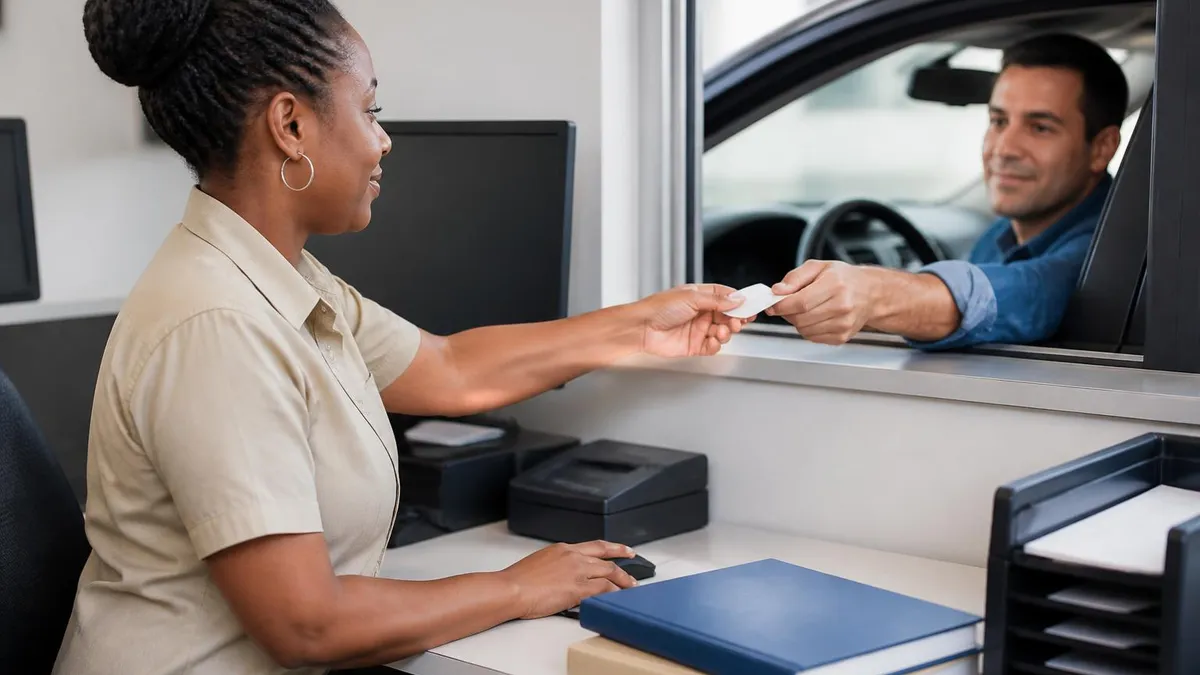
DMV Road Sign Test: Complete Guide to Passing on Your First Try in 2026
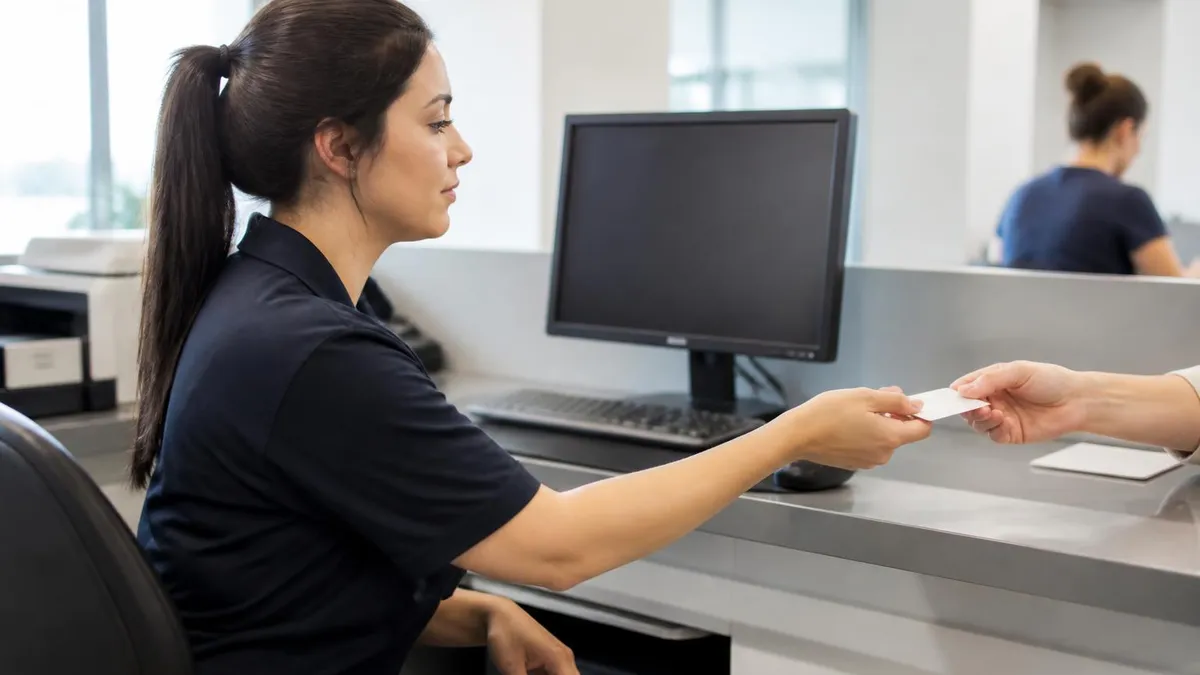
DMV Practice Questions: Topics, Strategy and Where to Find Them
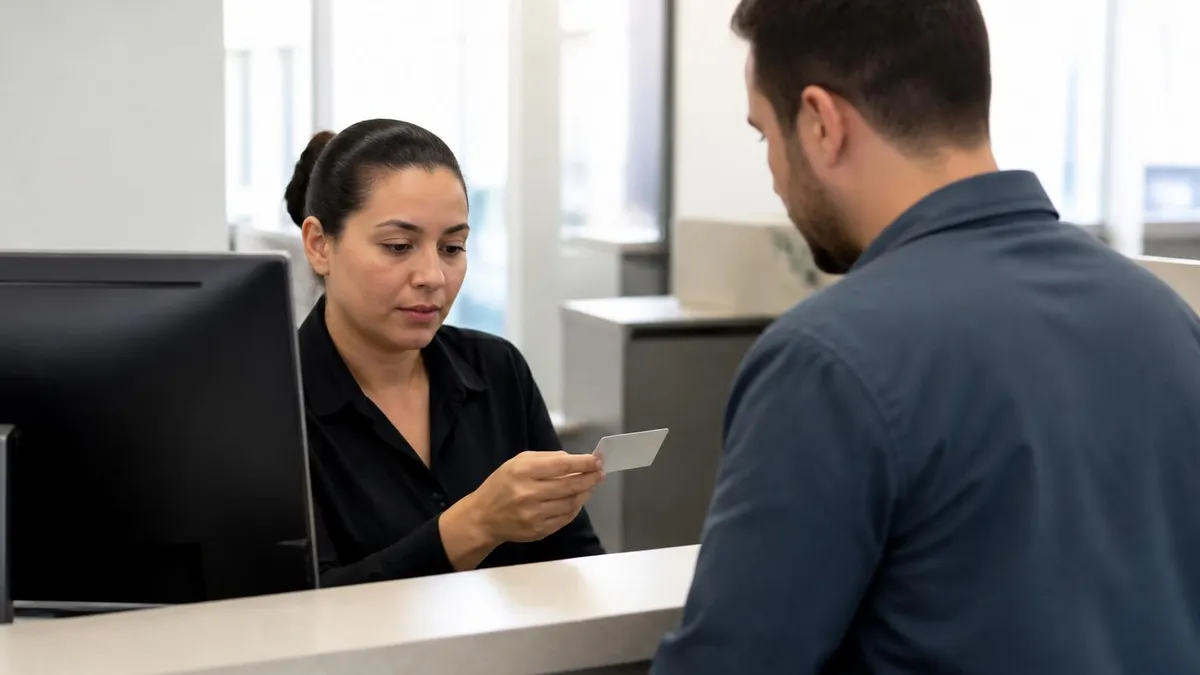
DMV Learners Permit Practice Test: Complete 2026 Prep Guide for First-Time Test Takers
DMV Representative Practice Test Video Answers

Virginia DMV Driving Test: Complete 2026 Guide to Passing Your Road Skills Exam
About the Author
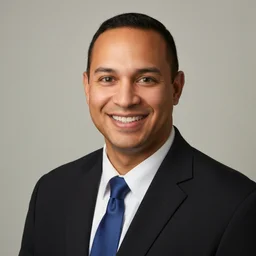
Licensed Driving Instructor & DMV Test Specialist
Penn State UniversityRobert J. Williams graduated from Penn State University with a degree in Transportation Management and has spent 20 years as a certified driving instructor and DMV examiner consultant. He has personally coached thousands of applicants through written knowledge tests, skills assessments, and commercial driver licensing programs across more than 30 states.
Join the Discussion
Connect with other students preparing for this exam. Share tips, ask questions, and get advice from people who have been there.
View discussion (8 replies)