
Will Colorado DMV Text Me? How to Reach a DMV Customer Service Representative
Will Colorado DMV text me? Learn how DMV customer service representatives send notifications & how to contact your DMV rep fast. ✅
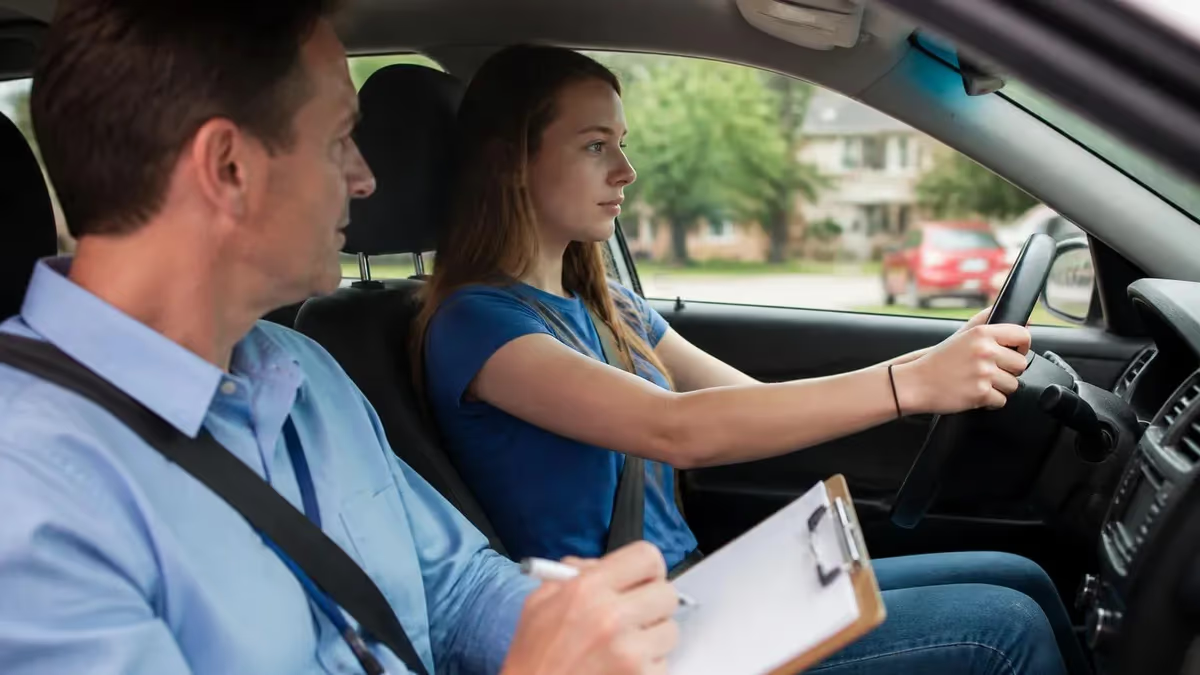
If you have ever asked yourself "will Colorado DMV text me about my license renewal, registration, or appointment?" you are far from alone. Thousands of Colorado drivers wonder each year whether the state's motor vehicle office sends proactive text messages, emails, or phone alerts. The short answer is yes — Colorado DMV does offer digital notification options for select transactions — but the specifics depend on the service type, your contact preferences on file, and whether a DMV customer service representative has updated your account.
Understanding how DMV notifications work is genuinely useful for avoiding expired registrations, missed appointments, and late fees. Colorado's Division of Motor Vehicles (DMV) has steadily expanded its digital outreach since 2020, adding text-based appointment reminders and email renewal notices. However, the system is opt-in for most alerts, meaning you must provide a valid mobile number and confirm your preference through the DMV's online portal or in person with a DMV representative.
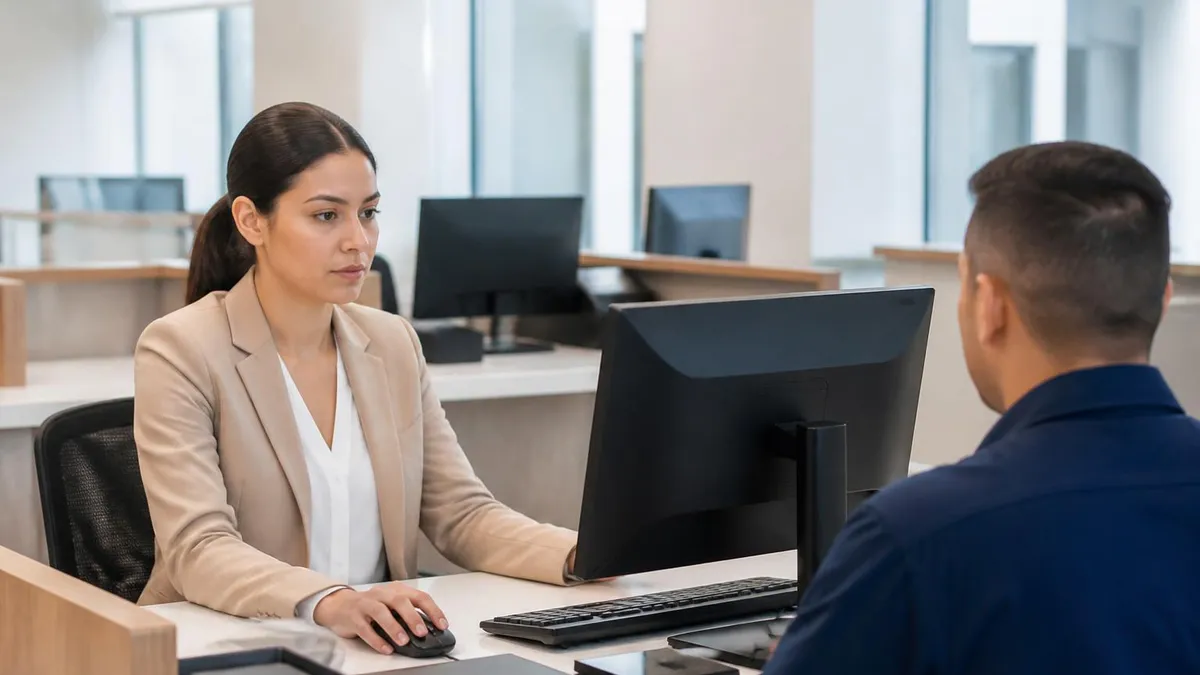
A dmv customer service representative is the frontline professional who manages these account updates, processes renewals, handles title transfers, and answers questions about notification settings. These representatives work both at physical DMV offices and through remote support channels including phone lines, live chat systems, and online ticketing. When notifications fail or go to a wrong number, a DMV customer service representative is typically the person who can diagnose and fix the issue on the spot.
Colorado is not unique in its approach to notifications — most states have some form of digital alert system, but the depth of that system varies dramatically. Some states send automated texts for every transaction milestone; others limit digital outreach to appointment confirmations and annual registration renewals. Knowing what Colorado specifically offers, and how to set up or update your preferences, can save you significant time and prevent costly lapses in coverage or registration validity.
Keep an eye on dmv notifications settings each time you update your mailing address or phone number, since stale contact information is the most common reason drivers miss important DMV alerts. Whether you are dealing with a first-time license application, a commercial vehicle registration, or a title transfer after purchasing a used car, understanding the notification pipeline helps you stay ahead of deadlines and avoid the frustration of showing up to an appointment that got rescheduled without your knowledge.
This guide walks through everything you need to know about Colorado DMV text and email notifications, how to reach a live DMV customer service representative when the automated system falls short, and what to expect when you contact the DMV by phone, online chat, or in person. We also cover specific guidance for New York residents who frequently ask how to speak to a DMV representative in NY, since the NY DMV notification system differs meaningfully from Colorado's approach and has its own contact protocols worth understanding.
By the end of this article you will have a clear picture of which notifications Colorado DMV sends automatically, which ones require you to opt in, how to verify your contact information is correct, and the fastest channels for reaching a human DMV representative when you need personalized help. Whether you are prepping for a DMV representative exam or just trying to navigate a real-world DMV issue, the information here is designed to be practical, accurate, and immediately actionable.
Colorado DMV Notifications by the Numbers
How Colorado DMV Sends You Notifications
Contact Information Verified
Opt-In Preference Set
Automated Reminder Triggered
Appointment Confirmation Sent
Transaction Completion Notice
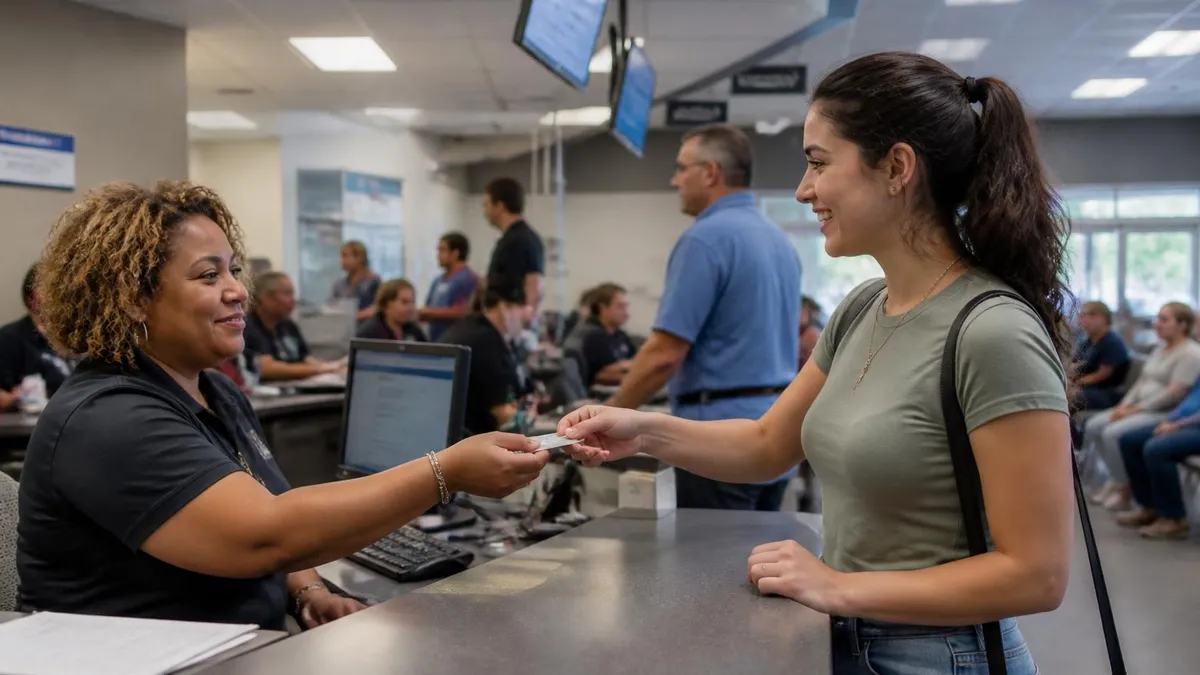
The DMV customer service representative role is more complex than most people realize. At its core, the position involves processing driver and vehicle transactions — license applications, renewals, title transfers, and registration updates — but representatives also serve as the primary point of contact for customers who have questions, disputes, or notification-related issues. In Colorado, DMV customer service representatives are state employees trained on the Colorado Motor Vehicle database systems, federal REAL ID compliance requirements, and the state's specific titling and registration rules.
When a Colorado driver does not receive an expected text or email from the DMV, the most direct fix is to contact a DMV representative and ask them to verify the contact information on file. Representatives have access to account-level data that the public-facing myDMV portal does not expose. They can confirm whether an email address has been flagged as undeliverable, whether a mobile number is formatted incorrectly in the system, or whether an account has been placed on a communication hold due to an outstanding issue such as a suspended license or unpaid fee.
DMV representatives also play a key role in consumer protection. When a customer receives a notice that seems incorrect — for example, a registration renewal notice for a vehicle they already sold — the representative can investigate the title history, confirm the transfer status, and issue a correction if the record was not updated properly. This is particularly important in Colorado, where private-party vehicle sales are common and title transfer delays sometimes cause the seller to receive renewal notices for months after the sale.
In New York, the question of how do I speak to a DMV representative in NY comes up constantly because NY DMV operates one of the busiest motor vehicle systems in the country. New York's approach differs from Colorado's in several ways: NY DMV uses a centralized 311 system for general inquiries, maintains a dedicated DMV phone line at 1-518-486-9786, and offers an online contact form for non-urgent requests. NY DMV representatives can also be reached at local DMV offices, though walk-in availability varies significantly by county and season.
For the DMV representative exam, candidates need to understand not just transaction processing but also the customer service and notification aspects of the role. This includes knowing how to update contact preferences in the DMV database, explaining notification timelines to customers, and handling disputes when a customer claims they never received an expected alert. These practical scenarios appear regularly on DMV representative practice tests and reflect the real daily responsibilities of the job.
One area where DMV representatives provide outsized value is in helping customers understand the difference between mandatory notifications — which the DMV sends regardless of opt-in status for issues like license suspensions or court-ordered actions — and optional convenience notifications like renewal reminders. Mandatory notifications are typically sent by certified mail in addition to any electronic channels, ensuring a legal record of notice. Customers who are unsure about the status of a notification can always ask a representative to confirm the delivery method and date on file.
Training for DMV customer service representative positions typically covers communication systems, privacy law (since DMV records are protected under state and federal statute), dispute resolution, and the mechanics of the DMV's computer systems. Representatives must balance speed — high-volume DMV offices process hundreds of transactions per day — with accuracy, since errors in title records or license data can have serious downstream consequences for the driver. Understanding this balance is essential both for passing the DMV representative exam and for succeeding in the role itself.
How to Contact a DMV Representative: Phone, Chat, and In-Person
Calling the Colorado DMV is the most direct way to reach a live DMV representative for notification-related issues. Colorado's main DMV phone line is 303-205-5600 and is staffed Monday through Friday. Call volumes are highest on Monday mornings and the day after holidays, so mid-week mornings between 9 a.m. and 11 a.m. typically yield the shortest wait times. Have your driver's license number, vehicle identification number (VIN), and current mailing address ready before calling.
When prompted by the automated menu, listen for options related to your specific issue — registration renewal, license inquiry, or title services — since selecting the correct category routes you to a representative trained in that area. If your issue involves a notification you did not receive, say "notification" or "alert" to the automated system, which in many cases connects you directly to the account services team rather than the general queue. Average hold times run 15 to 25 minutes during peak hours.

Digital DMV Notifications vs. Traditional Mail: Pros and Cons
- +Instant delivery — text and email alerts arrive days before mail would
- +Cost savings for the state, which reduces postage and printing expenses
- +Easy to archive digital notifications for reference or dispute resolution
- +Appointment reminders reduce no-shows and shorten overall wait times at offices
- +Opt-in flexibility lets you choose which alerts you actually want to receive
- +Environmentally friendlier than paper-only notification systems
- −Opt-in requirement means many drivers never activate digital notifications
- −Phone number or email changes can break the notification chain without warning
- −Text messages can be flagged as spam by carriers and never reach the recipient
- −No delivery confirmation for texts — DMV cannot verify you actually received it
- −Not all DMV transactions trigger digital notifications in every state
- −Elderly or technology-limited drivers may miss digital alerts they do not expect
DMV Notification Setup Checklist: Make Sure You Never Miss an Alert
- ✓Log in to myDMV.colorado.gov and verify your email address and mobile phone number are current
- ✓Confirm your communication preferences are set to receive both email and text notifications
- ✓Add the Colorado DMV email domain (colorado.gov) to your email safe-sender list to prevent spam filtering
- ✓Save the Colorado DMV phone number (303-205-5600) in your contacts so you recognize their calls
- ✓Check that your mailing address matches your current residence in case digital alerts fail
- ✓After any vehicle purchase or sale, confirm the title transfer was completed within 30 days to stop misdirected renewal notices
- ✓Review your notification history in the myDMV portal at least once per year to spot any delivery failures
- ✓If you change your phone number, update it at the DMV within 30 days — do not wait for your next renewal
- ✓Request a printed confirmation from a DMV representative whenever you update contact information in person
- ✓Set a personal calendar reminder 45 days before your registration or license expiration as a backup to DMV alerts
Colorado DMV Texts Are Opt-In — You Must Activate Them
Many Colorado drivers assume DMV text notifications are automatic, but they are not. You must actively opt in through the myDMV portal or by asking a DMV customer service representative to enable text alerts on your account. Drivers who never opt in will only receive paper mail notices, which typically arrive 30 days before a deadline — leaving far less buffer time than the 45-day digital alerts provide.
Not all states handle DMV notifications the same way, and understanding the differences can help you navigate the system more effectively — especially if you have recently moved from another state or hold licenses or registrations in multiple states. Colorado's approach sits in the middle of the national spectrum: more digital-forward than states like Wyoming or Montana, which still rely heavily on mail, but less automated than California or Texas, which send multi-channel alerts for nearly every transaction milestone.
California's DMV, for example, sends text and email reminders for registration renewals, appointment confirmations, and even Real ID document checklist summaries. The California DMV has also integrated with the state's digital ID wallet pilot program, meaning some notifications are pushed directly to the resident's smartphone wallet app. Colorado has explored similar integrations but has not yet implemented a wallet-based notification channel as of 2026.
Texas DMV takes a decentralized approach because vehicle registration in Texas is handled at the county tax assessor-collector level rather than by a single state agency. This means notification practices vary by county — Harris County (Houston) sends automated texts and emails, while smaller rural counties may rely entirely on mail. If you are a Texas driver, your best source of information about notification settings is your local county tax office rather than a statewide DMV portal.
New York's DMV notification system is centralized but complex due to the state's size and volume. NY DMV sends email renewal reminders but does not offer opt-in text notifications for most transactions as of 2025. Instead, NY relies on a robust mail system and a well-staffed phone and online contact infrastructure. The question of how do I speak to a DMV representative in NY has a clear answer: call 518-486-9786 on weekdays between 8:30 a.m. and 4:30 p.m., or use the online AskDMV contact form for non-urgent inquiries that can be answered within two to three business days.
Florida's DHSMV (Department of Highway Safety and Motor Vehicles) offers one of the most comprehensive notification systems in the country. Florida drivers can opt into text alerts for registration renewals, license expiration reminders, and even fraud alerts if someone attempts to access their driving record online. Florida also has a dedicated app — the MyFlorida app — that aggregates DMV notifications alongside other state service alerts. Colorado has discussed but not yet implemented a comparable dedicated app.
For drivers who move between states, the critical action is to update contact information with both the old state's DMV and the new state's DMV during the transition period. Many drivers receive mail or digital notices from their previous state for months after moving, which can cause confusion about which renewal deadlines actually apply to them. A DMV customer service representative in either state can clarify which records are still active and help close out any lingering registrations or titles that were not properly transferred.
Understanding state-by-state differences also matters for the DMV representative exam, which often tests candidates on federal regulations — such as the REAL ID Act's documentation requirements — that apply uniformly across all states, versus state-specific rules that vary widely. Representatives who serve customers from other states need to understand enough about those differences to give accurate guidance without overstepping their jurisdiction or providing incorrect information about another state's specific policies or fees.
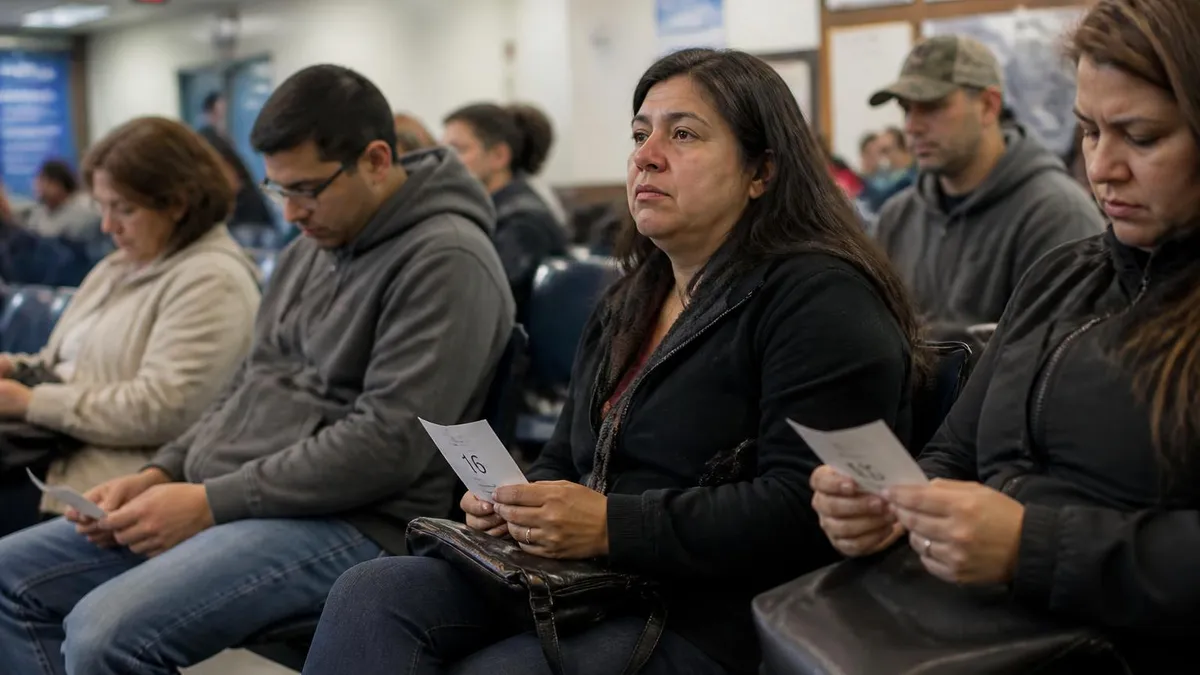
Colorado law does not excuse expired registrations or licenses on the grounds that a renewal notice was not received. Whether the DMV sent a text, email, paper notice, or nothing at all, the legal obligation to renew on time rests with the vehicle owner or license holder. Always verify your expiration dates independently through the myDMV portal — do not rely solely on incoming notifications to track your deadlines.
If you are studying for the DMV customer service representative exam, you already know that the role goes well beyond stamping forms and processing payments. The exam tests candidates on a wide range of topics including titling law, consumer protection regulations, vehicle safety inspection standards, and — increasingly — the digital systems that support modern DMV operations. Notification workflows are a small but real part of this picture, and understanding them from the representative's perspective is different from understanding them as a customer.
From the representative's side, notification management involves working within a state database system to verify that customer records are accurate, understanding which alerts are triggered automatically versus manually, and knowing how to escalate when a customer reports a systemic notification failure. Representatives are trained to document every account update they make, including changes to email addresses and phone numbers, with a timestamp and their employee ID — this creates an audit trail that protects both the customer and the DMV in case of a dispute.
The consumer protection angle of DMV notifications is also exam-relevant. If a customer claims they never received notice of a license suspension and subsequently drove on a suspended license, the representative's documentation of when and how the suspension notice was sent becomes legally important. States have specific rules about what constitutes valid notice — Colorado, for example, requires that suspension notices be sent by first-class mail to the address of record, regardless of whether digital notifications are also sent. A representative who fails to follow this protocol could expose the state to liability.
Dispute resolution is another area where notification knowledge intersects with the exam. Customers frequently dispute fees, fines, or penalties on the grounds that they were not properly notified of a deadline or a compliance requirement. A well-trained DMV representative knows how to pull notification history from the system, explain what was sent and when, and escalate to a supervisor or hearing officer when the dispute cannot be resolved at the counter level. These scenarios are frequently simulated in DMV representative training programs and appear as case-study questions on the exam.
For candidates preparing for the exam, practicing with realistic scenario-based questions is the most effective preparation method. Questions about notification procedures tend to appear in the consumer protection and records management sections of the exam, so prioritizing those practice modules is a smart strategy. Make sure you also review the specific Colorado statutes governing motor vehicle records and customer communication, as the exam will test your knowledge of state law rather than general best practices.
One practical tip: when you encounter a practice question about DMV notifications, read it carefully to determine whether it is asking about mandatory legal notifications (which have strict statutory requirements) or optional convenience notifications (which are governed by administrative policy rather than law). The distinction matters significantly on the exam and in real practice, since the consequences of getting a mandatory notice wrong — for both the customer and the state — are far more serious than a missed appointment reminder text.
Staying current with Colorado DMV policy updates is also important for exam candidates, since the state regularly revises its digital outreach standards, portal features, and customer service protocols. Reviewing the Colorado DMV's official policy bulletins and any recent legislative changes to the motor vehicle code will ensure your exam preparation reflects the most current requirements rather than outdated procedures from prior years.
Putting all of this together into practical action, here is the most efficient path forward whether you are a Colorado driver trying to set up notifications or an exam candidate trying to master the material. For drivers, start with the myDMV portal at mydmv.colorado.gov, log in with your Colorado ID or driver's license number, and navigate to your profile settings.
Under communication preferences, confirm that both your email and mobile phone fields are populated and correct. Toggle on text and email notifications for registration renewals, license renewals, and appointment reminders. This five-minute task can save you significant time and money over the course of a year.
If you encounter any errors in the myDMV portal — fields that will not save, notifications that do not appear to be activating, or discrepancies between what you see online and what a DMV representative tells you over the phone — document the issue with screenshots and call 303-205-5600. Ask specifically to speak with an account services representative and explain the portal behavior you are experiencing. Colorado DMV's technical support team can force-update fields that are locked in the customer-facing portal and can escalate portal bugs to the IT team if the issue appears to be systemic rather than account-specific.
For drivers who moved recently, the single most important action is updating your address of record with the Colorado DMV within 30 days of moving, as required by state law. An address change also gives you a natural opportunity to re-verify all of your contact information and re-confirm your notification preferences. Many notification gaps are traced back to an address update that was processed correctly for mail purposes but did not trigger a review of the email and phone fields, which remained linked to an old apartment or employer address.
For exam candidates, the practical preparation tips that consistently produce the best outcomes are: use official Colorado DMV study materials as your primary source, supplement with scenario-based practice tests that simulate real customer interactions, and make sure you understand the why behind each rule rather than just memorizing the rule itself.
Notification procedures, for example, make much more sense once you understand the legal framework around valid notice — why certified mail is required for suspension notices, why the address of record is legally definitive, and why the burden of keeping that address current falls on the driver rather than the DMV.
Time management on the exam itself is another practical skill to develop during preparation. DMV representative exams typically include a mix of straightforward factual recall questions and longer scenario-based questions that require you to apply multiple concepts simultaneously. Practicing with timed quizzes — starting with untimed practice to build knowledge, then progressively adding time pressure — helps you develop the pacing instincts needed to finish the exam comfortably within the allotted time.
Finally, do not underestimate the value of understanding the customer's perspective when preparing for the representative role. The best DMV customer service representatives are the ones who can explain a complicated notification failure — or a denied transaction — in plain language that a nervous or frustrated customer can understand. That communication skill is tested on the exam through written scenario responses and is evaluated during in-person interviews for DMV representative positions. Practice explaining DMV notification rules to a friend or family member who knows nothing about the system — if they understand your explanation, you are ready.
Whether your goal is to get a text from the Colorado DMV before your registration expires or to ace the DMV customer service representative exam on your first attempt, the underlying theme is the same: accuracy and proactivity. Accurate contact information on file, proactive opt-in to the notification channels that work best for you, and a proactive study approach that goes beyond surface-level memorization. Both challenges are very winnable with the right preparation and the right resources at your fingertips.
DMV Questions and Answers
DMV Customer Service Representative: Complete Career Guide & Permit Test Practice
DMV Drivers License: Application, Tests, REAL ID and Renewals

Colorado DMV Walk-In Locations: How to Talk to a DMV Customer Service Representative
DMV Customer Service Representative: Alcohol Questions, Permit Test Prep & Career Guide

How to Chat With DMV: Reach a Customer Service Representative Fast
About the Author
Licensed Driving Instructor & DMV Test Specialist
Penn State UniversityRobert J. Williams graduated from Penn State University with a degree in Transportation Management and has spent 20 years as a certified driving instructor and DMV examiner consultant. He has personally coached thousands of applicants through written knowledge tests, skills assessments, and commercial driver licensing programs across more than 30 states.
Join the Discussion
Connect with other students preparing for this exam. Share tips, ask questions, and get advice from people who have been there.
View discussion (8 replies)