
DMV Hours & Holidays: Is the DMV Closed on Labor Day and Other Federal Holidays?
Is the DMV closed on Labor Day? 🎯 Learn DMV holiday schedules, how to reach a DMV representative, and tips for avoiding long wait times.

One of the most common questions drivers have before heading to their local office is: is the DMV closed on Labor Day? The short answer is yes — in nearly every U.S. state, DMV offices follow the standard federal holiday calendar, which means they are closed on Labor Day, the first Monday of September each year. Understanding this schedule can save you a wasted trip, an unnecessary day off work, or the frustration of arriving at a locked door with documents in hand.
A DMV customer service representative is the frontline professional who handles everything from driver's license renewals and vehicle registration to title transfers and identity verification. These employees work within a rigidly structured schedule dictated by state government policies, which almost universally mirror federal holiday observances. Knowing when these representatives are available — and when they are not — is essential for anyone who needs in-person assistance at a branch office.
Most DMV offices across the country operate Monday through Friday, roughly between 8:00 a.m. and 5:00 p.m., though hours vary by state and even by individual branch location. Saturday hours are available in select high-traffic offices in states like California, New York, Texas, and Florida, but Sunday service is virtually nonexistent. Holiday closures add another layer of complexity, particularly around major observances like Labor Day, Thanksgiving, Christmas, and Independence Day.
Beyond traditional holiday closures, many offices also observe state-specific holidays that may not appear on a standard federal calendar. For example, offices in certain Southern states may close for Confederate Memorial Day or Jefferson Davis's Birthday, while others may have unique state observances tied to local history. This patchwork of closures makes it especially important to verify your specific office's schedule before visiting — a task your local DMV customer service representative can help clarify over the phone or online.
If you need to renew a license or handle registration paperwork around a holiday period, planning ahead by at least one to two weeks is strongly recommended. DMV offices often experience a surge in foot traffic immediately before and after a major holiday, as people rush to complete tasks before the closure or catch up on backlogged appointments afterward. Arriving without an appointment during these peak windows can mean multi-hour waits.
Online services have dramatically reduced the need for in-person visits in recent years. Many states now allow you to renew your license, pay registration fees, update your address, and even schedule road tests entirely online — services that remain available 24 hours a day, 7 days a week, including holidays. Checking your state's DMV website before any in-person visit can reveal whether your specific transaction can be completed digitally, saving you the trip entirely. You can also explore resources like dmv hours holidays for additional guidance on navigating DMV services and scheduling around closures.
This article covers everything you need to know about DMV holiday closures, typical operating hours by state, how to reach a live DMV representative when offices are closed, and practical strategies for getting your business done without delays. Whether you are a first-time driver, a vehicle owner facing a registration deadline, or someone preparing to become a DMV customer service representative yourself, the information here will help you navigate the system with confidence.
DMV Hours & Holidays by the Numbers
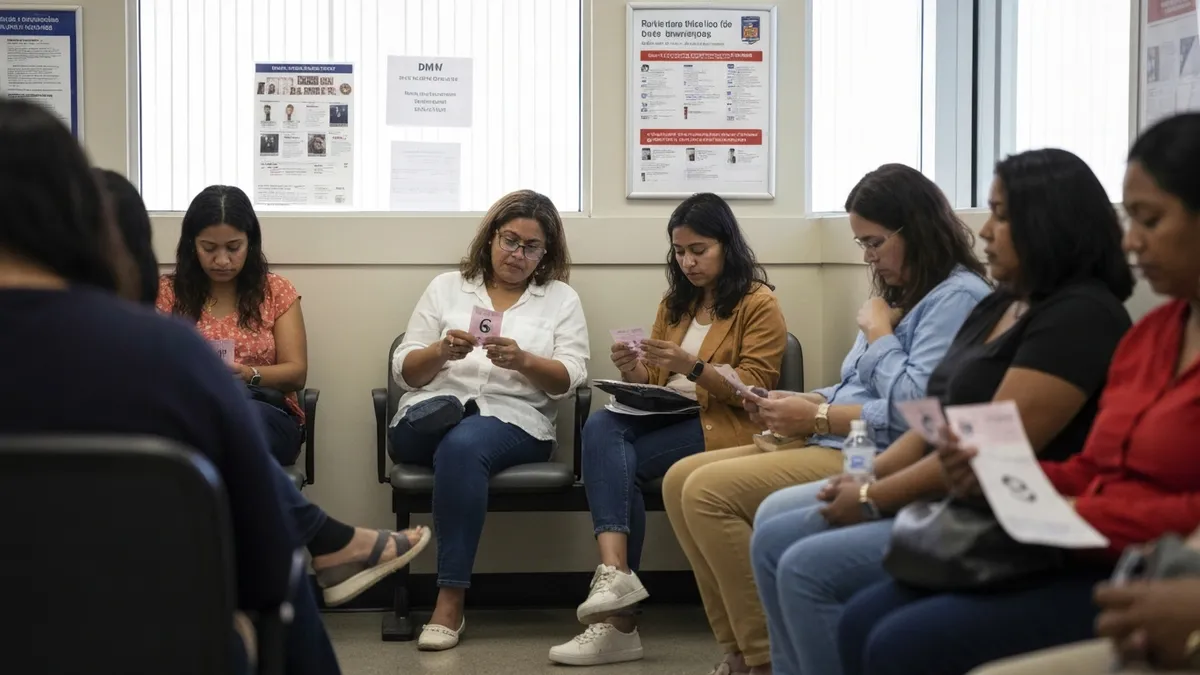
Major Federal Holidays When DMV Offices Close
New Year's Day — January 1
Memorial Day — Last Monday in May
Independence Day — July 4
Labor Day — First Monday in September
Thanksgiving — Fourth Thursday in November
Christmas Day — December 25
DMV operating hours vary considerably from state to state, and even from one branch to another within the same state. In densely populated states like California and New York, major urban offices may open as early as 7:30 a.m. and offer Saturday appointments to accommodate working professionals, while rural branches in the same state might only be open four days a week with reduced hours. Understanding your specific state's structure is the first step to efficient DMV planning.
In California, DMV offices are generally open Monday through Friday from 8:00 a.m. to 5:00 p.m., with select offices offering Saturday hours from 8:00 a.m. to noon. California also observes all eleven federal holidays plus a handful of state-specific holidays, making the closure calendar more complex than in many other states. The California DMV website provides a real-time office locator tool that shows each branch's specific hours and any upcoming closures, which is a feature more states should emulate.
New York State DMV offices typically operate Monday through Friday, 8:30 a.m. to 4:00 p.m., though several New York City borough offices maintain extended hours. New York observes standard federal holidays plus Election Day as a state holiday, meaning DMV offices close on Election Day in November — a detail many New York drivers overlook when planning mid-autumn visits. If you need to speak with a DMV representative in NY specifically, the state operates a dedicated phone line and online chat service that can handle a wide range of transactions without requiring an in-person visit.
Texas DMV offices, administered through the Texas Department of Motor Vehicles (TxDMV), operate Monday through Friday from 8:00 a.m. to 5:00 p.m. Texas observes all federal holidays and also closes for several state holidays including Texas Independence Day (March 2nd), San Jacinto Day (April 21st), Emancipation Day/Juneteenth (June 19th), and Lyndon Baines Johnson Day (August 27th). This makes Texas one of the states with the most total annual closure days, requiring drivers to plan well in advance for any time-sensitive transactions.
Florida DMV services are operated through the Florida Department of Highway Safety and Motor Vehicles (FLHSMV), with most offices operating Monday through Friday from 8:00 a.m. to 5:00 p.m. Florida does not observe as many state-specific holidays as Texas, but it does follow all eleven federal holidays. Some Florida county tax collector offices — which handle many DMV functions in that state — maintain Saturday hours, making Florida one of the more weekend-accessible states for DMV services.
Illinois Secretary of State facilities, which handle DMV functions in Illinois, are typically open Monday through Friday from 8:00 a.m. to 5:00 p.m., with some express facilities and extended-hours locations in the Chicago metro area. Illinois observes all federal holidays and also closes for Primary Election Day and General Election Day, which can create unexpected closure windows for Illinois drivers who are not aware of the state's election-day holiday policy.
Regardless of your state, the most reliable way to confirm your local DMV office's hours is to visit the official state DMV website or call the main customer service line. Hours can change seasonally, temporarily during construction or staffing shortages, and as a result of emergency declarations. Never rely solely on third-party websites or outdated information — always verify directly with the source. For additional context on planning around DMV closures and other scheduling considerations, the information on dmv hours holidays can also be a helpful starting point when preparing for a DMV visit.
How to Speak to a DMV Customer Service Representative
Reaching a DMV customer service representative by phone is often the fastest alternative when offices are closed for holidays. Every state operates a main DMV customer service line, usually listed prominently on the official state DMV website. Call volume peaks on Mondays, the day after holidays, and during lunch hours — so calling mid-morning on a Tuesday or Wednesday typically yields the shortest hold times. Have your driver's license number, vehicle identification number (VIN), and any relevant documents ready before you call.
Many states have implemented automated phone systems that can handle common requests like address changes, registration status checks, and appointment scheduling without requiring you to speak to a live agent. If you need a human representative specifically, listen carefully to the menu prompts — often pressing "0" or saying "representative" will route you to a live agent faster than navigating the full automated menu. For complex matters like title disputes or license reinstatement, always request a live DMV representative rather than relying on automated responses.
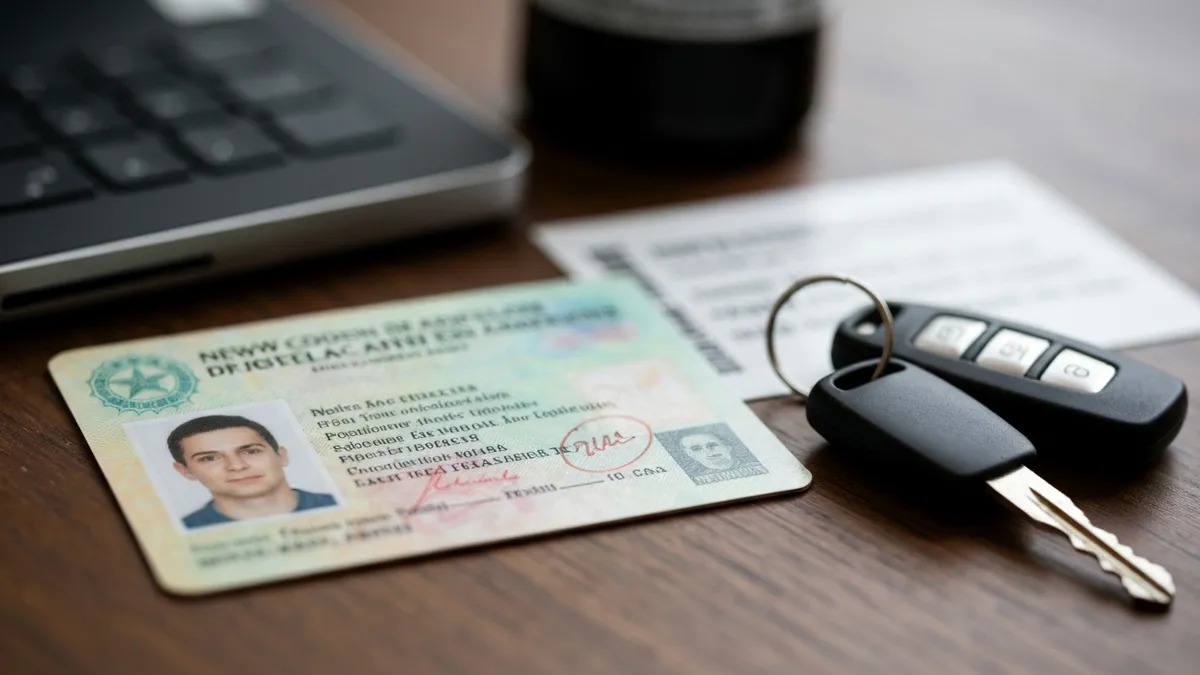
Visiting the DMV In-Person vs. Using Online Services
- +Immediate resolution for complex transactions requiring document review
- +Ability to ask questions directly to a trained DMV representative
- +Same-day processing for most standard license and registration tasks
- +Access to services not yet available online in your state
- +Physical proof of submission if a paper receipt is required
- +Helpful for customers uncomfortable with digital platforms or document uploads
- −Offices closed on Labor Day and all other federal and state holidays
- −Average wait times of 45 minutes or more without a scheduled appointment
- −Limited Saturday hours available only at select high-traffic locations
- −Travel required, which may be difficult for those without reliable transportation
- −Risk of arriving with incomplete documents and needing to return
- −Peak surges around holidays can extend wait times to two hours or more
Pre-Visit DMV Checklist: What to Do Before You Go
- ✓Verify your local DMV office hours on the official state DMV website the day before your visit.
- ✓Confirm your office is not closed for a federal or state holiday on your planned visit date.
- ✓Schedule an appointment online if your state's DMV portal offers advance booking.
- ✓Check the official document requirements list for your specific transaction type.
- ✓Gather all required documents — license, proof of insurance, vehicle title, and payment method.
- ✓Bring both primary and backup forms of identification in case one is questioned.
- ✓Check whether your transaction can be completed online to avoid the trip entirely.
- ✓Note your local office's phone number in case you need to call with last-minute questions.
- ✓Plan to arrive 10–15 minutes before your appointment or the office opens.
- ✓Bring a charged phone or book to manage wait time if you are a walk-in customer.
Plan Around the Post-Holiday Surge
The Tuesday after Labor Day is statistically one of the three busiest DMV days of the entire year, alongside the Tuesday after Thanksgiving and the first business day of January. If you must visit a DMV office during that week, scheduling an early morning appointment or arriving at opening time can cut your wait from two-plus hours down to under twenty minutes.
Avoiding long DMV wait times requires a combination of strategic timing, thorough preparation, and willingness to use alternative service channels. The single most effective strategy is scheduling an appointment rather than walking in. In states like California, New York, and Texas, appointment slots can fill up weeks in advance during peak periods — so check availability early and book as soon as you know you need an in-person visit. Appointment holders are almost always served before walk-in customers, regardless of how long those walk-in customers have been waiting.
Mid-week mornings consistently represent the shortest wait windows at DMV offices nationwide. Tuesday, Wednesday, and Thursday mornings between 9:00 a.m. and 11:30 a.m. see significantly lower traffic than Monday mornings, Friday afternoons, and the hours immediately around lunch. If you have flexibility in your schedule, this mid-week morning window is the ideal time to visit. Avoid the last week of the month as well — many registration renewals are tied to monthly deadlines, creating end-of-month surges at offices in states like California and New York.
Preparing your documents thoroughly before arriving is the second most powerful strategy for cutting your effective time at the DMV. Many long waits are extended not because of queue length but because customers discover they are missing a required document after reaching the counter. Review your state's official checklist online, gather every item on the list, and organize them in the order they are likely to be requested. Consider making photocopies of key documents as backup in case an original is questioned or retained.
Using online self-service tools can eliminate the in-person visit altogether for a growing number of transactions. As of 2026, most states allow license renewals, registration renewals, address changes, duplicate title requests, and vehicle record lookups to be completed entirely online. Some states have expanded online services to include REAL ID applications with document upload, knowledge test scheduling, and even digital license issuance through mobile apps. Before assuming you need an in-person appointment, spend five minutes on your state's DMV website reviewing the online services menu — you may discover the entire transaction can be handled from home.
For residents of states with particularly long DMV wait times — California and New York are frequently cited as among the worst — third-party DMV service agents (also called DMV runners or registration services) can handle routine transactions on your behalf for a fee. These licensed service agents maintain relationships with local DMV offices and can often process standard renewals, title transfers, and license plate orders more quickly than a standard counter visit. The fee varies but typically ranges from $25 to $75 for basic transactions, which many drivers consider worthwhile given the time savings involved.
Real-time wait time tools are available in several states and can help you identify the least busy office near you on any given day. California's DMV website, for example, displays current and estimated wait times for each office, allowing drivers to choose the location with the shortest queue. Similar tools are available in Florida, Texas, and New York. Using these real-time trackers before leaving home — or even while driving to the DMV — can direct you to an office that is significantly less busy than your originally planned destination.
Finally, understanding the difference between appointment types at your DMV can help you get to the right queue faster. Many offices separate counters by transaction type — driver's licensing, vehicle registration, commercial licensing, and general inquiries each have their own lines or service areas. Arriving at the correct counter from the start prevents the common frustration of waiting in a long general queue only to be redirected to a different section. When in doubt, ask a DMV customer service representative at the front of the office which counter handles your specific transaction before joining any line.
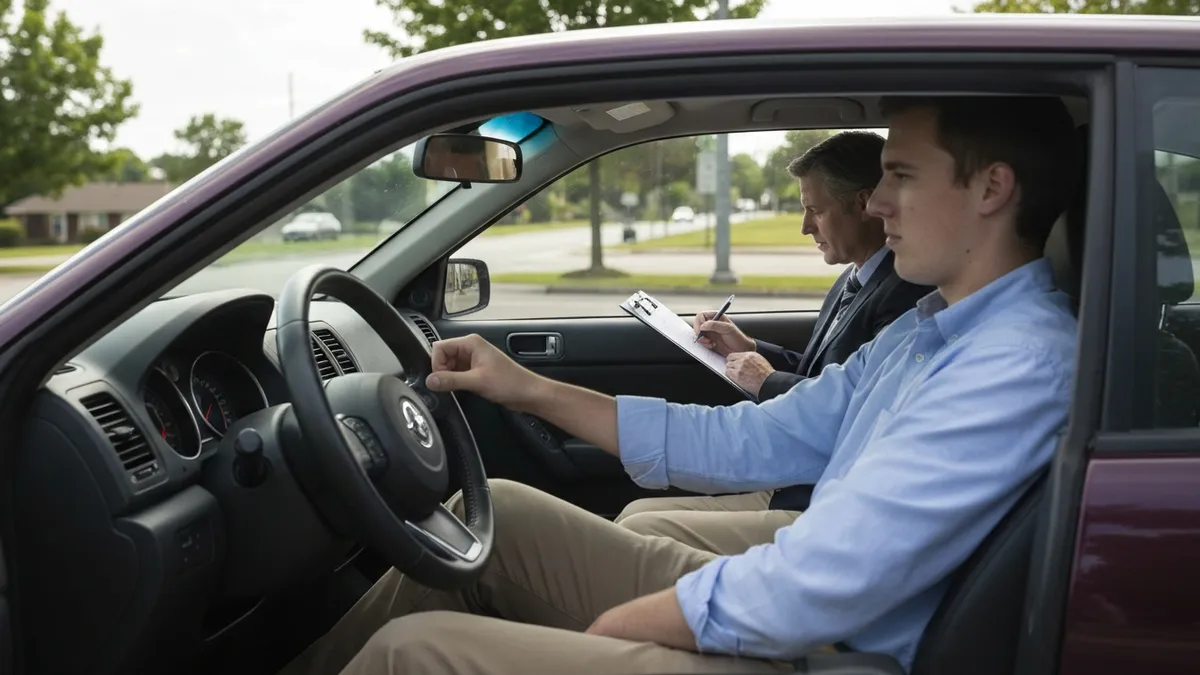
If your driver's license or vehicle registration expires within two weeks of a federal holiday like Labor Day or Thanksgiving, act immediately — do not wait until the last business day before the holiday. DMV offices experience their heaviest backlogs on the days surrounding major closures, and processing delays can result in your registration or license lapsing, which may carry fines or create legal complications during a traffic stop.
For individuals interested in becoming a DMV customer service representative, understanding the work environment — including holiday schedules and peak service periods — is an important part of career preparation. DMV representatives are state government employees who typically earn between $35,000 and $75,000 annually depending on the state, level of experience, and specific role. The position offers strong job stability, government benefits including health insurance and pension plans, and predictable working hours tied to the standard state government calendar.
The role of a DMV customer service representative encompasses a wide range of responsibilities. On any given day, a representative might process driver's license applications, conduct knowledge tests, verify identity documents for REAL ID compliance, handle vehicle title transfers, respond to consumer complaints, and explain regulatory requirements to members of the public. In states with more complex vehicle inspection programs, representatives may also coordinate with licensed inspection facilities to verify safety and emissions compliance records.
Becoming a DMV representative typically requires a high school diploma or equivalent as a minimum, though many positions prefer candidates with some college education or prior customer service experience. Most states require candidates to pass a competitive civil service examination covering topics like customer service principles, data entry accuracy, DMV regulations, consumer protection law, and vehicle inspection standards. Passing scores typically range from 70 to 75 percent, and positions are awarded based on competitive ranking among applicants who meet the minimum threshold.
The civil service exam for DMV representative positions is structured to assess both job knowledge and interpersonal skills. Sections typically include multiple-choice questions on DMV procedures and regulations, situational judgment questions involving customer interactions, and sometimes a basic math and literacy component to assess data entry accuracy. Preparation using official state study guides combined with practice tests covering consumer protection, dispute resolution, and vehicle safety standards is strongly recommended for candidates who want to score competitively.
Once hired, new DMV customer service representatives typically complete a structured onboarding program that includes classroom instruction on state DMV regulations, hands-on training with the office's computer systems, shadowing experienced representatives, and supervised practice transactions before handling customers independently. This training period generally lasts two to eight weeks depending on the state and the complexity of the office's service portfolio. New hires are evaluated regularly during the training period, and passing the probationary review is required for conversion to a permanent position.
Career advancement within DMV systems is structured and merit-based. Entry-level representatives who demonstrate strong performance can advance to senior representative roles, supervisory positions, training coordinator roles, or specialized technical positions in areas like commercial vehicle regulation, fraud investigation, or program compliance. Many states also offer lateral movement opportunities between DMV divisions and other Department of Motor Vehicles-adjacent agencies, creating diverse long-term career paths within the state government system.
If you are preparing for a DMV representative civil service exam, a disciplined study schedule covering all tested domains is your best path to a competitive score. Focus particular attention on consumer protection procedures, which represent a significant portion of most state exam curricula, along with vehicle inspection and safety standard knowledge.
Practice tests that mirror the actual exam format are invaluable for building both content knowledge and test-taking confidence — the same strategic preparation approach applies whether you are sitting for a DMV exam or helping a customer navigate a complicated renewal process. Reviewing materials on dmv hours holidays can give you additional context on how DMV scheduling and policy knowledge fits into the broader representative role.
Whether you are a driver trying to time a DMV visit around the holiday calendar or a job seeker preparing for the DMV customer service representative exam, the practical strategies outlined in this article can make a meaningful difference in your outcomes. For drivers, the core lesson is simple: always verify your local office's hours and holiday closure schedule before visiting, and use online services whenever possible to bypass in-person queues entirely. For exam candidates, consistent and structured preparation is the clearest path to a competitive score and a successful career in public service.
One of the most overlooked tips for drivers dealing with holiday-adjacent deadlines is to set calendar reminders at least 30 days before any expiring document. This applies to driver's licenses, vehicle registrations, vehicle inspections, and commercial vehicle permits.
A 30-day buffer gives you enough time to schedule an appointment, gather documents, and complete the transaction without any pressure from the holiday calendar or peak-season wait times. Many state DMV systems will also send automated renewal reminder notices by mail or email — make sure your address and contact information on file with the DMV is current so you receive these alerts.
For DMV exam candidates, the most common mistake is studying broadly but not deeply. State DMV representative exams are highly specific to the regulations, procedures, and legal frameworks of that particular state. While general customer service knowledge is helpful, candidates who pass with competitive scores almost always have invested significant time studying state-specific DMV policy manuals, consumer protection statutes, and vehicle code regulations. Generic test prep is a starting point, not a substitute for mastering the state-specific content that will actually appear on the exam.
Time management during the exam itself is a skill that benefits from deliberate practice. Most DMV representative civil service exams are timed, with sections ranging from 20 to 90 minutes depending on the state. Pacing yourself through practice tests under timed conditions will help you develop an intuitive sense of how long to spend on each question, when to skip a difficult item and return to it later, and how to manage anxiety during the actual test. Consistent timed practice is far more effective than a last-minute cram session the night before the exam.
For drivers who frequently need DMV services, building a complete digital document portfolio is a time-saving investment that pays dividends over years. Scan and securely store digital copies of your driver's license, vehicle title, insurance cards, proof of address, Social Security card, and birth certificate. Having these documents immediately accessible on a secure cloud service or encrypted drive means you are always ready for an unplanned DMV visit without the risk of missing a critical item. Many states are also moving toward accepting digital document copies for an expanding range of transactions, making a digital portfolio increasingly practical.
The relationship between holiday closures, peak traffic surges, and preparation time is a cycle that catches many drivers off guard every year. Labor Day closes DMV offices for an entire day, and the Tuesday following the holiday consistently ranks among the busiest DMV days of the year nationwide. By understanding this cycle and building your schedule around it — completing time-sensitive transactions in late August rather than waiting until after Labor Day — you can sidestep one of the most predictable sources of DMV frustration.
Ultimately, success with DMV services — whether as a customer or as a representative — comes down to preparation, timing, and knowledge. Customers who know when offices are closed, what documents are required, and what online options are available consistently report faster and less stressful DMV experiences. Representatives who deeply understand state regulations, consumer protection frameworks, and vehicle safety standards consistently outperform their peers on civil service exams and in day-to-day service quality. Both groups benefit from the same core principle: invest in preparation before you need it, not after you run into a problem.
DMV Questions and Answers

DMV Customer Service Representative: Complete Career Guide & Permit Test Practice

DMV Drivers License: Application, Tests, REAL ID and Renewals

Colorado DMV Walk-In Locations: How to Talk to a DMV Customer Service Representative

What Are 6 Points of ID for NJ DMV: Complete Guide to New Jersey ID Requirements

How to Get a Car Title from DMV: Complete Guide for 2026
About the Author
Licensed Driving Instructor & DMV Test Specialist
Penn State UniversityRobert J. Williams graduated from Penn State University with a degree in Transportation Management and has spent 20 years as a certified driving instructor and DMV examiner consultant. He has personally coached thousands of applicants through written knowledge tests, skills assessments, and commercial driver licensing programs across more than 30 states.
Join the Discussion
Connect with other students preparing for this exam. Share tips, ask questions, and get advice from people who have been there.
View discussion (8 replies)