

CVP Practice Test
Updated for September 2026The CVP (Cardiovascular Perfusionist) Test is key for healthcare pros wanting to show their skills in heart care. It checks if someone can run heart-lung machines and manage blood flow outside the body. It also tests their ability to help during tough heart surgeries.
Passing this test is a big step towards becoming a certified cardiovascular perfusionist. These experts are crucial in helping patients during heart surgeries and other cardiac treatments.
Students preparing for standardized academic tests can practice with our CPB bookkeeper certification exam 2026, covering the quantitative reasoning and analytical sections tested on exam day.
CVP Practice Test Questions
Prepare for the CVP - Cardiovascular Perfusionist exam with our free practice test modules. Each quiz covers key topics to help you pass on your first try.
CVP Cardiopulmonary Bypass
CVP Exam Questions covering Cardiopulmonary Bypass. Master CVP Test concepts for certification prep.
CVP Cardiopulmonary Bypass (CPB) Management
Free CVP Practice Test featuring Cardiopulmonary Bypass (CPB) Management. Improve your CVP Exam score with mock test prep.
CVP Coagulation and Anticoagulation Manage...
CVP Mock Exam on Coagulation and Anticoagulation Management. CVP Study Guide questions to pass on your first try.
CVP Cannulation Techniques and Circulatory...
CVP Test Prep for CVP Cannulation Techniques and Circulatory Support. Practice CVP Quiz questions and boost your score.
CVP ECMO and Mechanical Circulatory Support
CVP Questions and Answers on CVP ECMO and Mechanical Circulatory Support. Free CVP practice for exam readiness.
CVP Myocardial Protection and Cardioplegia
CVP Mock Test covering CVP Myocardial Protection and Cardioplegia. Online CVP Test practice with instant feedback.
CVP Hemodynamics and Monitoring
Free CVP Quiz on Hemodynamics and Monitoring. CVP Exam prep questions with detailed explanations.
CVP Patient Safety and Equipment
CVP Practice Questions for Patient Safety and Equipment. Build confidence for your CVP certification exam.
CVP Pharmacology and Blood Management
CVP Test Online for Pharmacology and Blood Management. Free practice with instant results and feedback.
CVP Physiological and Pathophysiological C...
CVP Study Material on Physiological and Pathophysiological Concepts. Prepare effectively with real exam-style questions.
Key Takeaways
FREE CVP Practice Test Online
- The CVP (Cardiovascular Perfusionist) Test checks if someone knows how to work with heart-lung machines and manage blood flow outside the body.
- Getting through the CVP test is key to becoming a certified cardiovascular perfusionist. This job is very important for helping during complex heart surgeries.
- The test looks at skills in things like heart bypass, using machines to help the heart and lungs, and keeping blood from clotting.
- Cardiovascular perfusionists are very important in taking care of patients during heart surgeries and other heart treatments.
- When someone passes the CVP test, it shows they're really good at their job in heart care.
Cardiovascular Perfusion: A Critical Role in Healthcare
Understanding the Importance of the CVP (Cardiovascular Perfusionist) Test
The field of cardiovascular perfusion is key in today's healthcare. It deals with advanced heart-lung machines and managing extracorporeal circulation during complex heart surgeries. Cardiovascular perfusionists are vital in the surgical team. They provide critical circulatory support during surgeries like open-heart surgeries and heart transplants.
Perfusion technology is crucial in modern heart care. Perfusionists manage the heart-lung machine to keep blood flowing and oxygenated during surgeries. Their skills in clinical perfusion and cardiopulmonary bypass help deliver blood safely throughout the body. This lets surgeons do complex operations safely.
CVP Key Concepts
What is the passing score for the CVP exam?
Most CVP exams require 70-75% to pass. Check the official exam guide for exact requirements.
How long is the CVP exam?
The CVP exam typically allows 2-3 hours. Time management is critical for success.
How should I prepare for the CVP exam?
Start with a diagnostic test, create a 4-8 week study plan, and take at least 3 full practice exams.
What topics does the CVP exam cover?
The CVP exam covers multiple domains. Review the official content outline for the complete list.
Certification: Ensuring Professional Competence
The CVP (Cardiovascular Perfusionist) test checks a person's knowledge and skills in this vital field. Getting the perfusionist certification shows a professional's skill in extracorporeal life support technician techniques. It also shows their dedication to clinical perfusion training and perfusion board exam prep.
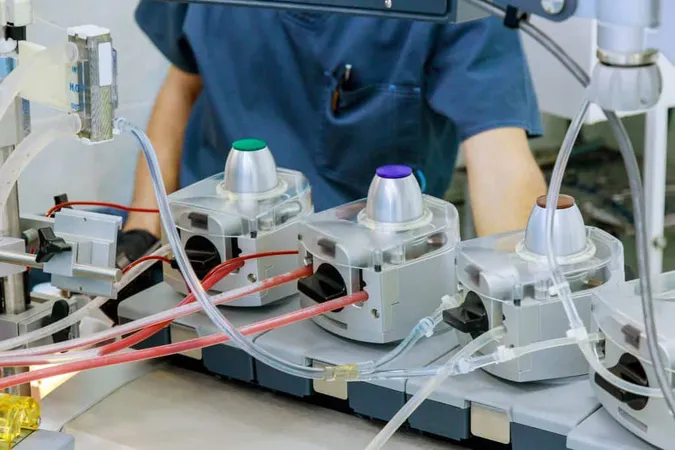
The cardiovascular perfusion job is crucial in healthcare, offering chances for those who love supporting life-saving surgeries. Passing the CVP test proves a healthcare professional's skills. It helps them give top-notch care as a cardiopulmonary bypass specialist.
Preparing for the CVP (Cardiovascular Perfusionist) Test
As a perfusion exam preparation candidate, it's key to know a lot about cardiovascular perfusion, managing extracorporeal circulation, and how to safely use heart-lung machines. To do well, those wanting to be cardiopulmonary bypass specialists and extracorporeal life support technicians should get a lot of clinical perfusion training and real-world experience. They should also keep learning and growing in their careers.
Looking over study materials, practicing different cases, and getting advice from skilled open-heart surgery support experts can help you pass the perfusion board exam. Showing you know a lot about these important topics shows you're ready to work in the allied health careers as a cardiovascular perfusionist.
- Learn what the exam will cover and how it's set up.
- Deep dive into cardiovascular perfusion and managing extracorporeal circulation.
- Get lots of practice using heart-lung machines and fixing problems.
- Get tips from experienced perfusionists to improve your skills and knowledge.
- Keep up with new things in the field by always learning more.
Putting in the work to prepare for the perfusion exam helps aspiring cardiovascular perfusionists do well on the CVP test. This way, they can make a big impact in patient care.
| Key Preparation Strategies | Benefits |
|---|---|
| Comprehensive review of cardiovascular perfusion principles | Shows you really get the field |
| Extensive hands-on experience with heart-lung machine operation | Makes you sure and skilled in important tasks |
| Continuous professional development and guidance from experts | Keeps your knowledge and skills fresh with new discoveries |
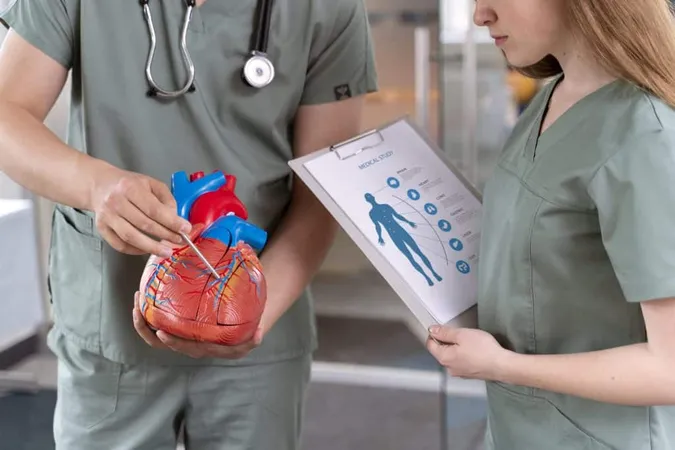
Clinical Perfusion: Heart-Lung Machine Operation
Exam Structure and Content Areas
The CVP (Cardiovascular Perfusionist) exam tests a candidate's full knowledge and skills in clinical perfusion. It looks at many important areas. These include how to safely use heart-lung machines and manage extracorporeal circulation. It also checks on skills in giving extracorporeal membrane oxygenation (ECMO) support.
Candidates must show they know about cardiopulmonary bypass and how to monitor anticoagulation. They need to know about putting in vascular grafts and other key parts of clinical perfusion. They must be good at setting up, priming, and keeping the heart-lung machine running right during complex surgeries.

Extracorporeal Membrane Oxygenation (ECMO) Procedures
The exam also checks on ECMO knowledge and skills. It looks at how well candidates can manage extracorporeal circulation and keep an eye on patient health. They must be able to fix ECMO problems to make sure it works safely and effectively.
CVP: Pros and Cons
- +CVP exam preparation strengthens your knowledge across all domains
- +Passing the exam proves competency to employers and clients
- +Study materials and practice tests are widely available
- +Exam-based credentials are portable across states and employers
- +Clear exam objectives help focus your study plan effectively
- −Exam anxiety can affect performance — practice tests help reduce it
- −Registration fees are non-refundable if you miss your test date
- −Limited retake opportunities may apply with waiting periods
- −Exam content updates periodically — use current study materials
- −Testing center availability may require advance scheduling
(CVP) Cardiovascular Perfusionist Questions and Answers
About the Author

Certified Professional Development Expert & Niche Certification Advisor
University of Pennsylvania Graduate School of EducationDr. Alexandra Kim holds a PhD in Professional Studies from the University of Pennsylvania and is a Certified Professional in Learning and Performance (CPLP) and Certified Professional in Talent Development (CPTD). With 17 years of corporate training and professional certification advisory experience, she helps professionals navigate specialized, emerging, and cross-industry certification programs.
Join the Discussion
Connect with other students preparing for this exam. Share tips, ask questions, and get advice from people who have been there.
View discussion (8 replies)