
Proper CPI Holds: Complete Guide to Safe Physical Intervention Techniques in Crisis Prevention
Learn proper CPI holds, safe physical intervention techniques, and when to use them. Complete guide for certified professionals. ✅

Understanding proper CPI holds is one of the most critical competencies for any professional working in healthcare, education, behavioral health, or social services. The Crisis Prevention Institute (CPI) defines physical intervention holds as a last-resort measure applied only when a person poses an imminent danger to themselves or others, and all verbal de-escalation strategies have been exhausted. Knowing when and how to apply these techniques safely can mean the difference between a safe resolution and a serious injury for both the individual in crisis and the intervening staff member.
Physical intervention is never the first step in CPI-trained crisis management. Before any hold is considered, trained professionals work through a structured continuum that begins with supportive communication, moves into directive redirection, and only escalates to physical intervention when the situation demands it. This graduated approach is at the heart of CPI's Nonviolent Crisis Intervention model, which emphasizes the least restrictive means necessary to protect everyone involved. Staff are taught to continuously reassess the situation and disengage from physical contact as soon as it is safe to do so.
The specific cpi holds taught through certified CPI training programs are designed with kinesiology and human physiology in mind. Every position, angle, and grip is carefully engineered to minimize the risk of injury while maintaining enough control to prevent harm. This is not improvised restraint — it is a structured, evidence-informed approach that organizations adopt as part of a comprehensive safety culture. Professionals who complete CPI training leave with both the technical skills and the ethical framework to apply these techniques responsibly.
In the United States, regulatory agencies, accreditation bodies, and state licensing boards increasingly require documented crisis intervention training for staff who work with high-risk populations. This includes employees in psychiatric hospitals, residential treatment facilities, juvenile justice programs, special education classrooms, and emergency departments. Understanding the theory behind physical holds — not just the mechanics — is essential because many certification exams test your ability to explain the rationale for each technique, not simply perform it.
One of the most common misconceptions about CPI holds is that they are painful compliance techniques similar to law enforcement control holds. This could not be further from the truth. CPI physical interventions are specifically designed to be non-pain-based and non-punitive. The goal is never to cause pain to gain compliance; instead, the goal is to safely contain movement until the individual regains behavioral control. This distinction is fundamental to CPI philosophy and is tested heavily on certification assessments.
Mastering proper CPI holds also requires understanding the documentation and post-incident requirements that follow any physical intervention. Every time a hold is used, staff are typically required to complete a detailed incident report, notify supervisors, and participate in a post-crisis debriefing session. These debriefings serve multiple purposes: they support the emotional recovery of both staff and the individual involved, identify potential triggers that could prevent future crises, and provide data for organizational quality improvement. This full-cycle accountability is what separates professionally trained crisis intervention from unstructured restraint.
Whether you are preparing for your initial CPI certification exam, refreshing your knowledge for recertification, or deepening your professional expertise, this guide covers everything you need to know about physical intervention holds within the CPI framework. From the theoretical foundations and legal considerations to the specific mechanics of commonly tested techniques, the sections below provide a thorough, accurate, and exam-ready resource for any CPI candidate.
CPI Physical Intervention by the Numbers

Core Types of CPI Physical Intervention Holds
A two-staff technique where each responder controls one side of the individual's body, supporting the person in a standing or seated position while maintaining safe postural alignment and minimizing pressure on the torso or neck.
Designed for low-risk physical intervention scenarios where only one staff member is available. This hold focuses on guiding movement rather than full restraint, and is only used when the risk level allows a softer containment approach.
Used when an individual is already seated or needs to be guided to a chair for safety. Staff position themselves to support the person's arms and upper body without applying pressure to the chest, abdomen, or spine.
Applied when a person must be moved from one location to another for safety reasons. The technique requires coordinated movement between two or more staff, with constant verbal communication to the individual throughout the process.
A controlled, graduated technique used when an individual's behavior creates a fall risk or when a seated hold is no longer safe. Staff support the person to the floor in a controlled manner that protects the head, neck, and joints.
Knowing when physical intervention is justified under CPI training is just as important as knowing how to execute a hold correctly. CPI's decision-making framework is built around the concept of proportional response: the level of physical intervention used must match the actual risk level presented by the individual's behavior. A person who is verbally aggressive but not physically threatening does not meet the threshold for physical intervention, no matter how uncomfortable the situation feels for staff. Applying a hold prematurely is both ethically wrong and potentially a legal liability for the organization.
The CPI Nonviolent Crisis Intervention model identifies four behavioral levels within its Crisis Development Model: Anxiety, Defensive, Acting-Out Person, and Tension Reduction. Physical holds are only appropriate at the Acting-Out Person level, when the individual's behavior is completely out of control and there is an imminent risk of harm. Even at this stage, staff are expected to use the least restrictive intervention possible. If a verbal prompt or a simple guiding touch can redirect the person, that is always preferred over a full control hold.
Staff must also conduct a continuous risk-benefit analysis throughout any physical intervention. Questions to consider include: Is the risk of harm from the behavior greater than the risk of injury from the hold? Does the individual have any known medical conditions — such as respiratory issues, cardiac history, or musculoskeletal injuries — that could make restraint dangerous? Is the team adequately trained and physically capable of safely executing the hold without causing additional harm? These are not hypothetical questions; they are real-time clinical judgments that CPI-trained professionals must be prepared to make under pressure.
Organizational policy plays a critical role in defining when physical holds are permitted. Even if CPI guidelines technically allow for physical intervention at a given behavioral level, individual employers may have more restrictive policies that limit or prohibit certain techniques in specific settings. For example, some school districts prohibit prone (face-down) holds entirely, regardless of what CPI training may include. Staff members are always responsible for knowing both the CPI framework and their employer's specific policies, and must apply whichever standard is more restrictive.
Time is also a critical variable in determining when intervention is appropriate. CPI training emphasizes that most behavioral crises, if properly de-escalated, will peak and begin to subside within a predictable window. Staff who intervene physically too early may actually escalate the situation by introducing a physical confrontation that the individual would not have initiated. Patience, verbal skill, and environmental management are powerful tools that can often resolve even intense crises without any physical contact whatsoever.
Documentation of the decision-making process is legally and professionally essential. When staff do apply a physical hold, they must be prepared to articulate — in writing and potentially in court — why physical intervention was the only remaining safe option at that specific moment. Courts, licensing boards, and accreditation reviewers will all scrutinize whether the decision met the standard of reasonable professional judgment. Thorough training, careful assessment, and honest documentation are the foundations of defensible crisis intervention practice.
For professionals preparing for the CPI certification exam, understanding the justification framework is not just theoretical — it is one of the most heavily tested topic areas. Exam questions frequently present scenarios and ask candidates to identify whether physical intervention was appropriate, which technique should have been used, or what step was missed in the de-escalation process. Building a solid understanding of the decision-making logic behind CPI holds is therefore directly tied to exam success as well as real-world professional competence.
CPI Holds Across Different Professional Settings
In hospitals and psychiatric facilities, proper CPI holds must account for patients who may have IV lines, cardiac monitors, or other medical equipment attached to their bodies. Staff in these environments receive additional training on how to modify standard holds to avoid dislodging medical devices, and teams typically include a registered nurse who can assess physical risk factors in real time. Facilities must also comply with Centers for Medicare and Medicaid Services (CMS) regulations that mandate post-restraint assessment within one hour of any physical intervention.
Emergency departments present unique challenges because patients may arrive in altered states due to substances, traumatic brain injury, or acute psychiatric episodes. CPI holds used in the ED must be executed quickly and adapted on the fly as the patient's medical condition evolves. Staff are trained to coordinate closely with physicians and to release holds immediately if a patient shows signs of respiratory distress, loss of consciousness, or sudden behavioral change that may indicate a medical emergency rather than a purely psychiatric crisis.

Benefits and Risks of Physical Intervention Training
- +Provides staff with structured, evidence-based techniques that reduce improvised and dangerous responses to crises
- +Creates a shared professional language across multidisciplinary teams, improving coordination during emergencies
- +Reduces injury rates for both staff and individuals in crisis when properly implemented and regularly practiced
- +Supports legal defensibility by documenting that staff acted within a recognized, trained framework
- +Builds staff confidence, reducing the anxiety that often causes premature or excessive physical responses
- +Integrates physical skills with de-escalation training, reinforcing that holds are always a last resort
- −Physical intervention skills degrade quickly without regular practice, creating a false sense of competence in undertrained staff
- −Annual recertification may not be frequent enough for high-acuity settings where holds are used regularly
- −Some individuals with trauma histories may experience physical intervention as re-traumatizing, worsening long-term outcomes
- −Improper execution — even by trained staff — carries real risks of positional asphyxia, joint injury, and cardiac events
- −Organizational pressure to use holds less frequently can conflict with staff safety needs in genuinely dangerous situations
- −Training costs, scheduling demands, and staff turnover mean that organizations often struggle to maintain consistent certification levels
Pros and Cons at a Glance
| Pros | Cons |
|---|---|
| Provides staff with structured, evidence-based techniques that reduce improvised and dangerous responses to crises | Physical intervention skills degrade quickly without regular practice, creating a false sense of competence in undertrained staff |
| Creates a shared professional language across multidisciplinary teams, improving coordination during emergencies | Annual recertification may not be frequent enough for high-acuity settings where holds are used regularly |
| Reduces injury rates for both staff and individuals in crisis when properly implemented and regularly practiced | Some individuals with trauma histories may experience physical intervention as re-traumatizing, worsening long-term outcomes |
| Supports legal defensibility by documenting that staff acted within a recognized, trained framework | Improper execution — even by trained staff — carries real risks of positional asphyxia, joint injury, and cardiac events |
| Builds staff confidence, reducing the anxiety that often causes premature or excessive physical responses | Organizational pressure to use holds less frequently can conflict with staff safety needs in genuinely dangerous situations |
| Integrates physical skills with de-escalation training, reinforcing that holds are always a last resort | Training costs, scheduling demands, and staff turnover mean that organizations often struggle to maintain consistent certification levels |
Pre-Intervention De-escalation Checklist Before Applying Any Hold
- ✓Attempt verbal redirection using a calm, non-threatening tone and simple, clear language.
- ✓Reduce environmental stimulation by lowering noise, removing bystanders, and creating physical space.
- ✓Offer the individual a limited set of acceptable choices to restore a sense of control.
- ✓Use empathic listening to acknowledge the person's feelings without validating dangerous behavior.
- ✓Identify and address any immediate unmet needs such as pain, sensory overload, or confusion.
- ✓Position yourself at a safe distance and angle that does not feel threatening or cornering to the individual.
- ✓Request additional staff support before the situation reaches the Acting-Out level, not after.
- ✓Confirm that all verbal and environmental strategies have been attempted and have failed to reduce risk.
- ✓Quickly assess the individual for known medical conditions that affect the safety of physical intervention.
- ✓Communicate clearly with your team partner using agreed-upon verbal cues before initiating any hold.
Physical Holds Are Tested on Context, Not Just Mechanics
CPI certification exams routinely present scenario-based questions that test whether candidates understand the decision-making process behind holds — not just the technical execution. Expect questions that ask you to identify what step was missed before a hold was applied, whether a given hold was proportional to the behavioral level, or how post-intervention documentation should be completed. Knowing the theory is just as important as knowing the technique.
The legal and ethical landscape surrounding CPI holds has evolved substantially over the past two decades. High-profile incidents of injury and death related to improper physical restraint in schools, hospitals, and residential programs prompted state legislatures and federal agencies to introduce significantly more restrictive regulations. Today, professionals operating in any setting must be aware that physical intervention carries real legal risk, and that compliance with CPI training standards alone does not guarantee legal protection if the hold was not warranted by the circumstances.
Federal protections are particularly relevant in educational settings. The U.S. Department of Education has issued guidance strongly discouraging the use of prone restraints on students, and some members of Congress have repeatedly introduced legislation that would ban them entirely in federally funded programs. Several states have already enacted such bans, and the trend toward greater restriction is clear. CPI has responded to this regulatory environment by updating its training curriculum to de-emphasize prone positions and to place even greater emphasis on prevention-first strategies that reduce the overall need for physical intervention.
From an ethical standpoint, every CPI-trained professional must internalize the principle that physical intervention has the potential to cause psychological harm even when it is physically safe. Research in trauma-informed care has demonstrated that unexpected physical contact — especially contact that involves restraint or loss of physical autonomy — can activate trauma responses in individuals with histories of abuse, neglect, or prior traumatic restraint experiences. This does not mean that holds should never be used, but it does mean that staff must weigh the psychological risk alongside the physical risk when making intervention decisions.
Informed consent and family notification are ethical imperatives that apply in many settings. In pediatric and residential programs, parents or guardians often have the right to be notified any time a physical hold is used on their child, frequently within a specified timeframe such as 24 hours. Some programs go further and require documented family agreement to specific intervention protocols as part of the admission process. Professionals who skip or delay these notifications — even inadvertently — expose themselves and their organizations to grievances, regulatory action, and civil litigation.
Professional licensing boards add another layer of accountability. Social workers, nurses, counselors, and teachers who use improper physical intervention may face disciplinary action from their state licensing board, up to and including license revocation. This accountability exists independently of any criminal or civil legal proceedings, meaning a professional could theoretically face consequences through three separate channels: criminal prosecution, civil suit, and licensing board investigation. Understanding this tri-layer accountability structure is essential for any professional who may be called upon to use physical intervention in their work.
Organizational liability extends to supervisors and administrators who authorize or fail to prevent improper restraint practices. If an organization lacks adequate training programs, fails to enforce its own policies, or turns a blind eye to staff who regularly use holds inappropriately, leadership can be held personally and institutionally liable. This is one of the strongest arguments for strong, frequent, and well-documented CPI training at the organizational level — it protects not just the individuals involved in any given crisis, but the entire organization and its leadership team.
For exam candidates, legal and ethical scenarios appear frequently in CPI certification assessments. Questions often describe a situation where a hold was used and ask whether it was legally and ethically justified, what documentation should follow, or who should be notified and by what deadline. Building a thorough understanding of the regulatory and ethical framework is therefore not just professionally responsible — it is a direct path to better exam performance and long-term career protection.

Positional asphyxia — restricted breathing caused by body position during a hold — is one of the most serious risks associated with physical intervention and has been implicated in deaths during restraint. CPI training specifically addresses this risk by prohibiting positions that compress the chest or abdomen, restrict neck movement, or place weight on the person's back. Staff must monitor breathing throughout any intervention and release the hold immediately if the individual shows any signs of respiratory distress, unusual limpness, or loss of responsiveness.
Post-intervention debriefing is one of the most important — and most frequently neglected — components of the CPI crisis intervention model. After any physical hold, both the individual who experienced the intervention and the staff members who implemented it are likely to be in an improved emotional state. Skipping the debriefing phase to move quickly back to routine operations is a common institutional mistake that leaves psychological needs unaddressed and misses critical opportunities for prevention and quality improvement. CPI training treats debriefing not as an optional courtesy but as a mandatory professional responsibility.
The debriefing process for the individual in crisis should begin as soon as they have reached the Tension Reduction phase of the Crisis Development Model — that is, once their behavior has calmed and they are cognitively accessible again. During this conversation, a trained staff member works to rebuild the therapeutic relationship by acknowledging what happened without judgment, exploring what the individual was experiencing before the crisis escalated, and collaboratively identifying alternative strategies for the future. This restorative approach is consistent with trauma-informed care principles and significantly reduces the likelihood of recurrence.
Staff debriefing serves a different but equally important function. Crisis intervention is physically and emotionally demanding, and staff who apply physical holds often experience adrenaline crash, self-doubt, and residual anxiety in the hours following an incident. Without a structured opportunity to process these reactions, staff are at increased risk for burnout, secondary trauma, and poor decision-making in future crises. CPI recommends that supervisors conduct staff debriefs within the same shift whenever possible, creating space for staff to share what they observed, what went well, and what they would do differently next time.
Documentation generated during debriefing feeds directly into organizational learning systems. Incident reports that capture not just the facts of what happened but also the contributing factors, staff responses, and outcome variables create a data set that organizations can analyze for patterns over time. Are certain staff members involved in a disproportionate number of incidents?
Are holds occurring more frequently during specific times of day or with particular individuals? Are there environmental factors — such as staffing shortages, schedule disruptions, or sensory overload conditions — that consistently precede crises? These patterns, visible only through systematic documentation and review, are the keys to meaningful prevention.
Regulatory requirements for post-intervention review vary by setting, but the trend across all sectors is toward greater accountability and shorter reporting timelines. In many psychiatric hospitals, a physician or licensed clinician must review any restraint episode within one hour of its initiation, and a written order must be obtained or renewed at specified intervals if the restraint continues.
In schools, parents must typically be notified within one school day, and some states require written reports to be submitted to a state education agency within five school days. Missing these deadlines — even by hours — can result in regulatory citations and fines.
Quality improvement committees in well-functioning organizations use restraint data as a key performance indicator. Reducing the rate of physical interventions over time, while maintaining a safe environment, is considered a marker of organizational health and staff competence. Programs that achieve year-over-year reductions in hold frequency are typically those that invest in environmental modifications, staff training, individual behavioral support planning, and leadership commitment to a prevention-first culture. Reviewing the research on organizations that have dramatically reduced restraint use provides compelling evidence that the CPI philosophy works when it is fully implemented.
For professionals using these post-intervention procedures as part of their exam preparation, it is worth noting that CPI certification assessments consistently test knowledge of what should happen after a hold, not just during one. Questions about debriefing timelines, documentation requirements, notification obligations, and quality improvement processes are all fair game. Reviewing your organization's specific post-incident protocols alongside general CPI guidelines will give you the comprehensive preparation needed to answer these questions confidently on exam day. Additional study resources are available through the official cpi holds training materials section of this site.
Preparing effectively for questions about physical intervention on your CPI certification exam requires a strategy that goes beyond memorizing the names of techniques. The most successful candidates approach their preparation by building three interconnected layers of knowledge: the theoretical framework that governs when holds are used, the anatomical and kinesiological principles that explain how they are designed, and the procedural knowledge that covers documentation, debriefing, and regulatory compliance. Studying these three layers together, rather than in isolation, produces the kind of integrated understanding that CPI exam questions are specifically designed to test.
Start your preparation with the CPI Crisis Development Model and make sure you can fluently describe each of the four behavioral levels and the corresponding staff attitudes and responses. Many exam questions are structured as scenario-based situations where a character's behavior is described, and you must identify which behavioral level they are in and what the appropriate staff response should be. Getting these foundational concepts locked in early creates the scaffolding onto which everything else — including knowledge of specific holds — can be attached with much greater retention.
Next, study the anatomy and body mechanics content that underpins physical intervention technique. Understanding why certain holds are designed the way they are — why, for example, staff are taught to avoid placing direct pressure on the spine or to never hyperextend a joint — makes the techniques easier to remember and apply correctly. The CPI Anatomy and Kinesiology practice test available on this site is an excellent resource for building this foundational knowledge, particularly if you do not have a clinical background and are approaching this material for the first time.
Practice applying your knowledge to novel scenarios rather than simply rereading your training materials. The brain retains information much more effectively when it has to retrieve and apply knowledge actively, a phenomenon known as the testing effect in cognitive psychology. Use flashcards to quiz yourself on definitions, work through practice scenario questions, and consider forming a study group with colleagues who are also preparing for CPI certification so you can discuss scenarios and challenge each other's reasoning.
Pay particular attention to the content areas where candidates most commonly lose points on CPI assessments. According to instructors and test-prep resources, these high-miss areas typically include: the specific conditions that must be met before physical intervention is justified, the documentation requirements that follow any hold, and the signs that a hold must be immediately released due to medical risk. These are not obscure topics — they appear in the core curriculum — but they require careful, specific memorization rather than general familiarity to answer correctly under exam conditions.
Build in time to review your organization's specific policies alongside CPI's training guidelines. On the exam, you will be expected to apply CPI principles; in the real world, you will always need to apply whichever standard — CPI or organizational policy — is more restrictive. Understanding how to navigate this dual-standard environment is a mark of professional maturity and clinical sophistication. Exam questions may touch on this by describing a scenario where CPI guidelines and an organizational protocol seem to conflict, asking you to identify the correct course of action.
Finally, approach your exam preparation with the same calm, systematic confidence that CPI training asks you to bring to a real crisis. Anxiety is contagious — in a crisis situation and in a test room alike. Candidates who have prepared thoroughly, practiced consistently, and reviewed both theoretical and procedural content from multiple angles consistently outperform those who crammed at the last minute.
Give yourself a realistic preparation timeline of four to six weeks, schedule your study sessions during your highest-focus time of day, and use the practice resources available through this site to track your progress and identify areas where you need additional review before your exam date.
Sample Crisis Prevention Intervention Certification Practice Questions
Try these questions from our free Crisis Prevention Intervention Certification practice tests. The correct answer and an explanation follow each question.
What is a fundamental principle of Motivational Techniques in Crisis Prevention Intervention Certification practice?
- A. Working in isolation without guidance
- B. Following established standards and best practices
- C. Ignoring industry guidelines
- D. Using outdated methods
Answer: B. Following established standards and best practices
Following established standards and best practices ensures quality and consistency in Motivational Techniques.
What is the role of documentation in Motivational Techniques for Crisis Prevention Intervention Certification?
- A. It is unnecessary paperwork
- B. It provides an accurate record for accountability and reference
- C. It should only be done monthly
- D. It is only for management review
Answer: B. It provides an accurate record for accountability and reference
Proper documentation in Motivational Techniques ensures accountability, traceability, and serves as a reference for future decisions.
Which skill is most important for success in Motivational Techniques within Crisis Prevention Intervention Certification?
- A. Working without any training
- B. Continuous learning and adaptation
- C. Avoiding feedback
- D. Resisting change
Answer: B. Continuous learning and adaptation
Continuous learning ensures professionals stay current with evolving practices in Motivational Techniques.
Which approach best supports quality outcomes in Motivational Techniques for Crisis Prevention Intervention Certification?
- A. Rushing through tasks
- B. Systematic application of evidence-based methods
- C. Relying solely on intuition
- D. Avoiding quality checks
Answer: B. Systematic application of evidence-based methods
Evidence-based methods provide a reliable foundation for achieving consistent, high-quality outcomes.
Take the full Crisis Prevention Intervention Certification practice test
CPI Questions and Answers

CPI Training Materials: Complete Guide to Crisis Prevention Intervention Resources and Requirements

What Does a Directive Approach Mean in CPI: Complete Training Guide to Stage 3 Crisis Intervention

CPI Precipitating Factors: Complete Guide to Understanding Crisis Triggers in Crisis Prevention Intervention
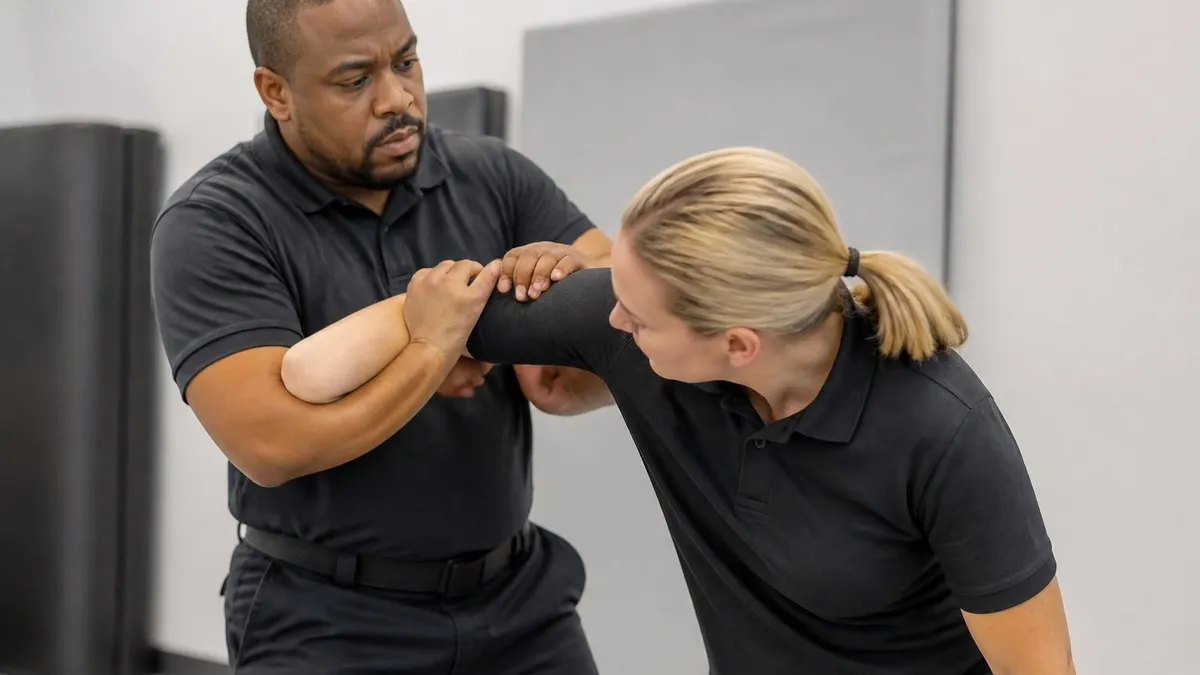
CPI Decision Making Matrix: Complete Guide to Crisis Risk Assessment and Staff Response
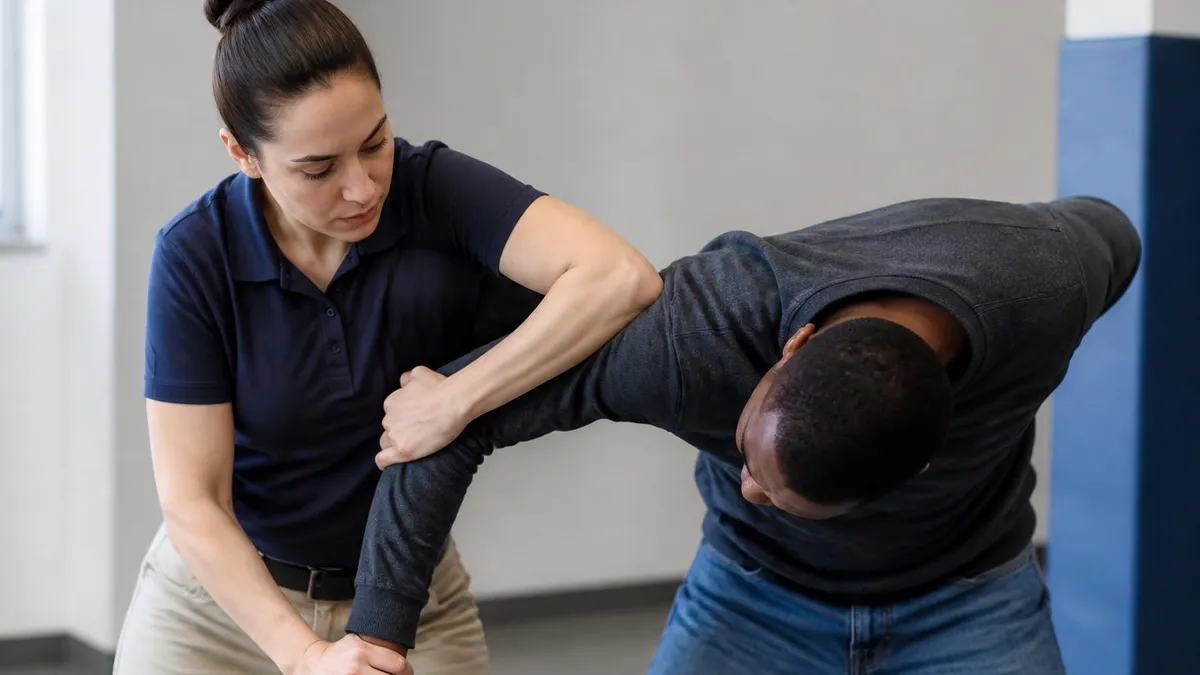
CPI Training Certification: Complete Guide to Crisis Prevention Intervention Credentialing
About the Author

Educational Psychologist & Academic Test Preparation Expert
Columbia University Teachers CollegeDr. Lisa Patel holds a Doctorate in Education from Columbia University Teachers College and has spent 17 years researching standardized test design and academic assessment. She has developed preparation programs for SAT, ACT, GRE, LSAT, UCAT, and numerous professional licensing exams, helping students of all backgrounds achieve their target scores.
Join the Discussion
Connect with other students preparing for this exam. Share tips, ask questions, and get advice from people who have been there.
View discussion (8 replies)