
Correctional Officer Art: Creative Expression, Culture & the Human Side of CO Life
Explore correctional officer art, creative culture, and the human side of CO life. From collars and co traditions to stress relief through creativity. 🎯
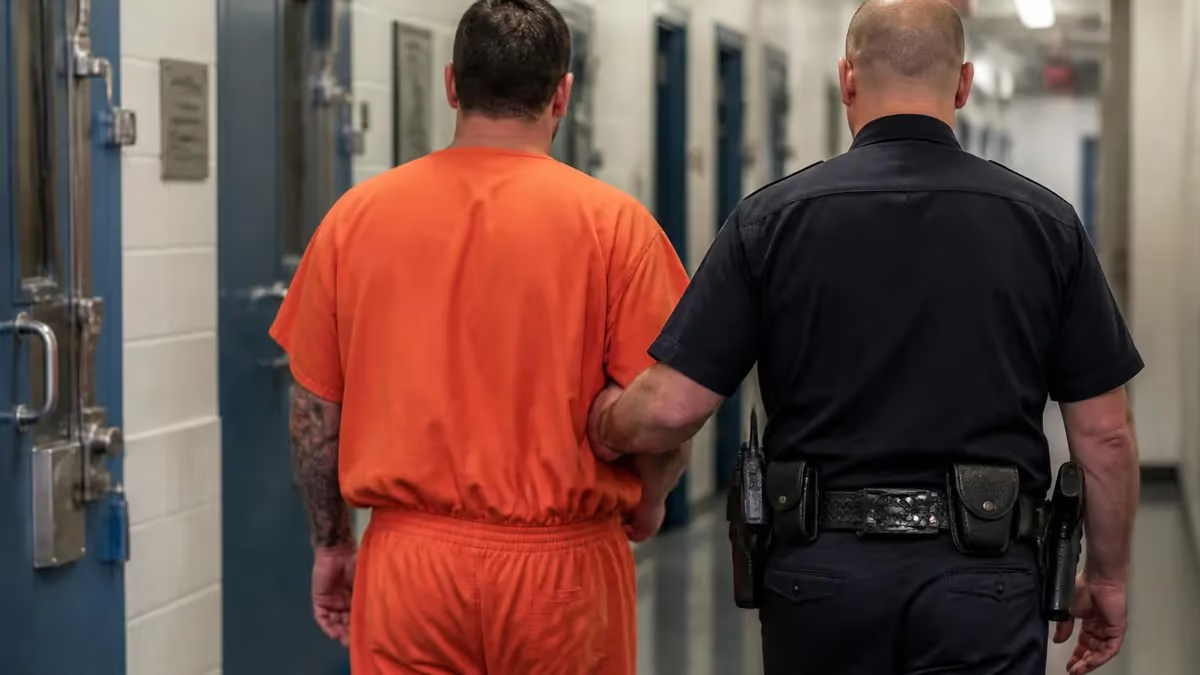
When people think about correctional officers, they rarely picture artists, storytellers, or creative professionals — but the world of correctional officer art is rich, surprising, and deeply human. From handcrafted leatherwork sold through collars and co marketplaces to watercolor paintings hung in staff break rooms, COs across the United States have long used creative expression as a way to process the emotional weight of their work. Art is not a luxury for people in this profession — it is often a lifeline.
The correctional environment is one of the most psychologically demanding workplaces in America. Officers manage conflict, enforce rules under pressure, and spend long shifts in controlled, often tense atmospheres. Against that backdrop, creative outlets take on outsized importance. A CO who spends eight hours a day managing a housing unit might come home and pick up a sketchbook, a camera, or a guitar — not as a hobby, but as a genuine psychological reset. Researchers in occupational health have documented the stress-buffering effects of artistic practice among first responders and security professionals for decades.
The cultural footprint of correctional officer life also shows up in unexpected places. Brands like rifle paper co have produced prints that capture institutional architecture, while independent artists inspired by Duluth Trading Co workwear aesthetics have created entire visual vocabularies around correctional uniforms, tools, and daily rituals. The CO experience has inspired murals, documentary photography, poetry chapbooks, and even short films screened at regional film festivals. This cultural production is easy to miss if you only look at official channels, but it thrives in online communities and local art shows.
Understanding correctional officer art also means understanding the communities where COs live and work. Cities like Glenwood Springs CO in the United States are home to correctional facilities that anchor local economies, and the officers who work there are active participants in local culture — attending gallery openings, coaching youth sports, and yes, making art. The line between the officer identity and the broader civic identity is blurrier than outsiders assume, and creative expression is one of the places where that blurring happens most visibly.
This article explores the full landscape of creative expression among correctional officers in the US. We look at the traditions that have shaped CO culture, the specific art forms that resonate most in this community, the psychological research behind why creative outlets matter for high-stress professions, and the practical ways current and aspiring COs can integrate artistic practice into their lives. Whether you are a CO yourself, a family member, a researcher, or simply curious about the human dimensions of corrections work, this guide offers a grounded, evidence-based look at a side of the profession that rarely makes headlines.
We also connect creative culture to professional development. The same qualities that make a good artist — observation, patience, attention to detail, the ability to hold ambiguity — are qualities that make a good correctional officer. Programs that incorporate creative expression into CO training and wellness initiatives have reported measurable improvements in officer retention and mental health outcomes. That is a connection worth exploring in depth, and this article does exactly that across the sections that follow.
Finally, a note on scope: correctional officer art is not a single genre or movement. It is a sprawling, unofficial, community-driven body of creative work produced by people who share an occupational identity but express themselves in wildly different ways. Our goal is to map that diversity honestly — celebrating what is genuinely compelling while also acknowledging the hard emotional realities that often fuel it.
Correctional Officer Art & Wellness by the Numbers
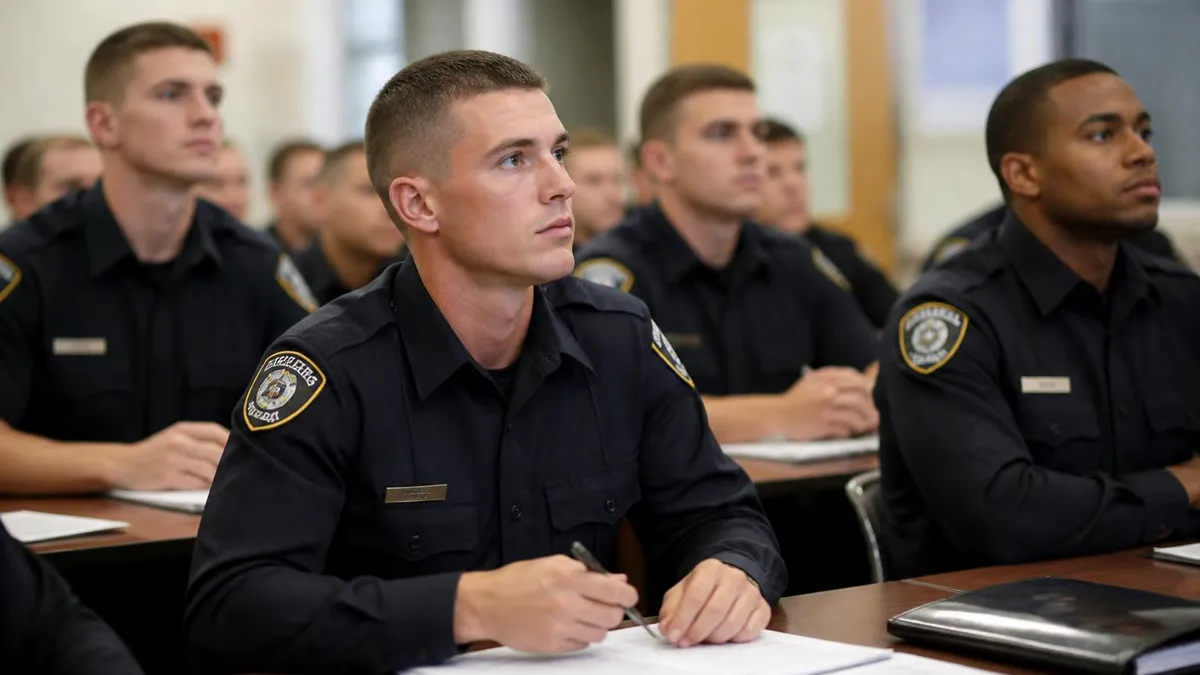
Core Traditions in Correctional Officer Creative Culture
One of the oldest CO creative traditions, leather tooling lets officers produce holsters, belts, and decorative pieces using skills that echo the craft traditions of their equipment. Collars and co leather markets remain a popular venue for this work.
Officers with camera access during off-duty hours have produced striking documentary work about facility architecture, rural landscapes near prisons, and the everyday textures of CO life — winning awards at regional photo competitions.
Written expression — especially short poetry and personal essays — has a long history in CO culture. Officers process grief, absurdity, and dark humor through language, and several have published chapbooks or appeared in literary journals.
From country music influenced by the Johnny Cash prison concert legacy to hip-hop produced by officers who also work with incarcerated musicians, CO musical culture is diverse and often community-facing.
Facility murals painted by officers or in collaboration with incarcerated artists are a documented tradition in several state systems. These works range from patriotic imagery to abstract explorations of justice, time, and confinement.
The psychological case for creative expression among correctional officers is not abstract — it is built on a substantial body of occupational health research. Officers who engage in regular artistic activity report lower rates of secondary traumatic stress, better sleep quality, and stronger relationships at home.
A 2022 study published in the Journal of Correctional Health Care found that COs with active creative hobbies scored significantly lower on burnout indices than peers without such outlets, even after controlling for years of service and facility security level. The mechanism appears to involve both emotional processing and attentional restoration: making art requires a different kind of focus than managing a housing unit, and that shift in attention mode has measurable neurological benefits.
Correctional officer art also serves a social function that is easy to underestimate. In a profession where vulnerability is often discouraged and emotional expression is seen as a liability, making and sharing creative work creates legitimate space for officers to express experiences that might otherwise go unspoken. A watercolor painting of an empty corridor communicates something about the experience of working in a correctional facility that a debriefing session never quite captures. Art allows for ambiguity, complexity, and emotional honesty in ways that official channels do not — and for many COs, that freedom is precisely what makes it valuable.
The connection between artistic sensibility and professional effectiveness is also worth noting. Officers who practice observation-based art forms — life drawing, documentary photography, plein air painting — often report enhanced situational awareness on the job. The habit of truly looking at a scene, noticing details, tracking changes over time, is directly transferable to the work of monitoring a housing unit or conducting a cell search. Several CO training programs have begun incorporating observational drawing exercises into their curricula for exactly this reason, treating art not as a soft skill but as a professional development tool.
Stress management through creative outlets is also recognized by organizations like the National Institute of Corrections (NIC) and several state departments of correction (DOCs) as part of comprehensive officer wellness frameworks. Programs modeled on similar initiatives in military and emergency services contexts have demonstrated that relatively modest investments in arts-based wellness — access to materials, dedicated time, helped group sessions — produce disproportionately large returns in terms of officer retention and reduced sick days.
When you consider that the cost of recruiting and training a single new CO averages around $8,000 to $12,000, the economics of arts-based wellness programs are compelling even before accounting for the human benefits.
Time is always a constraint for COs on demanding schedules. Many officers work rotating shifts, mandatory overtime, and double-backs that leave little room for sustained creative practice. This is where low-barrier art forms — sketchbooks, single-instrument music, short-form writing — become especially important.
The key insight from wellness research is that consistency matters more than duration: fifteen minutes of focused creative activity three times a week produces measurable stress-reduction benefits. The image of an officer keeping a small sketchbook in their locker and drawing for a few minutes before or after a shift is not romantic fantasy — it is a documented, evidence-based wellness practice.
Community matters, too. Isolated creative practice is valuable, but connected creative practice — sharing work with colleagues, participating in group art projects, attending local shows or open mics — has additional social and psychological benefits. Facilities that have created informal art-sharing communities among staff report stronger team cohesion and better communication across shifts.
The act of showing someone else your work, however informally, requires a degree of trust and vulnerability that builds the same interpersonal muscles that make effective correctional officers. Understanding the full scope of what correctional officer art encompasses — from solitary sketchbooks to community murals — is essential for anyone working in or studying corrections wellness.
Brands and communities that have emerged around CO culture — from the practical workwear heritage of Duluth Trading Co to the crafts marketplaces where officers sell handmade goods — reflect a hunger for identity expression that goes beyond the uniform. The CO professional identity is often externally defined by what officers are not allowed to do, say, or show. Creative expression offers a parallel identity space where officers get to define themselves on their own terms, and the cultural products that result are often striking in their honesty and their craft.
Collars and Co: Art Forms Across the CO Community
Visual art is the most documented form of creative expression among correctional officers in the United States. Photography is particularly prevalent — officers drawn to documentary and architectural photography have produced bodies of work that capture the geometric severity of institutional spaces, the play of light through security glass, and the human details that persist even in controlled environments. Several CO photographers have exhibited at state and regional galleries, sometimes in collaboration with formerly incarcerated artists whose work addresses the same spaces from the inside.
Painting and drawing are also well represented, ranging from hyper-detailed technical illustration to loose, expressive watercolor work that officers describe as a deliberate counterweight to the precision their jobs demand. Collars and co artisan markets and platforms like Etsy feature CO-made jewelry, leather goods, and decorative metalwork that draw on both craft traditions and professional symbolism — badges, keys, and institutional motifs transformed into personal artistic statements. The diversity of visual approaches reflects the diversity of the officers themselves, and taken together this body of work constitutes a genuine vernacular art movement.
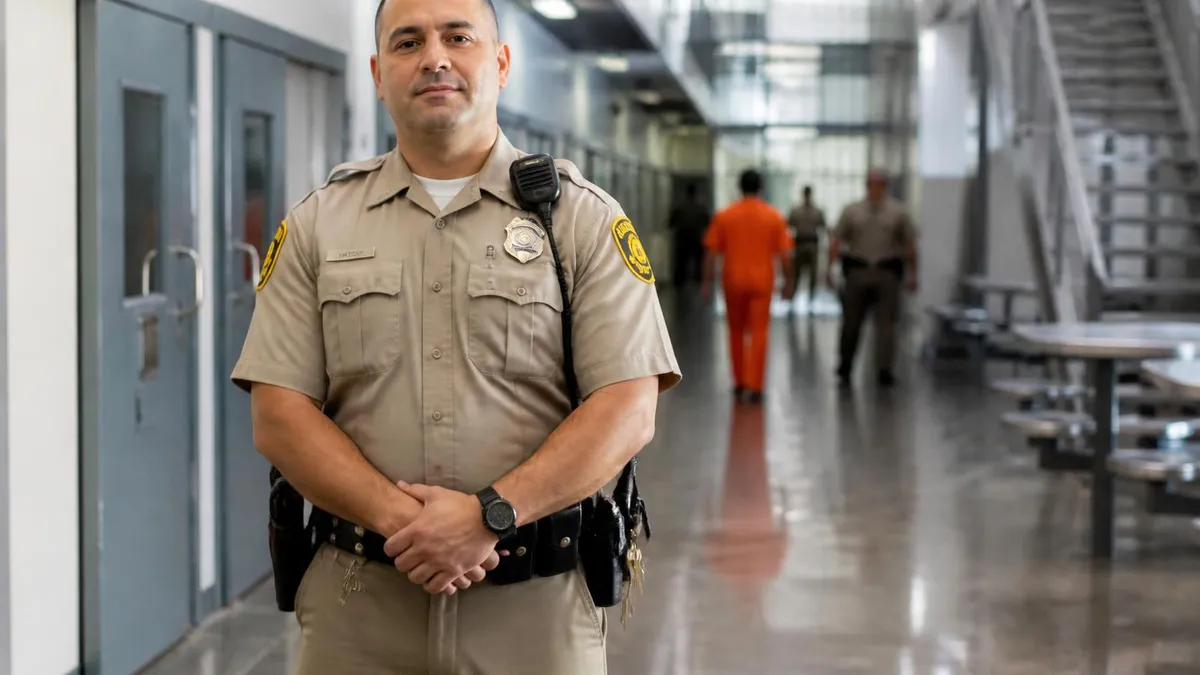
Creative Practice as a CO: Benefits and Challenges
- +Documented reduction in secondary traumatic stress and burnout symptoms among officer-artists
- +Provides a legitimate emotional outlet for experiences that are difficult to verbalize in professional contexts
- +Builds observational and attentional skills that transfer directly to correctional work effectiveness
- +Creates community and trust among colleagues through shared creative projects and informal sharing
- +Supports a professional identity that extends beyond the uniform and the job title
- +Low-barrier forms like journaling and sketching can be practiced in small time windows on busy schedules
- −Rotating shift work and mandatory overtime leave little consistent time for sustained creative practice
- −Facility culture may discourage vulnerability or emotional expression, making it harder to share creative work
- −Some art forms require upfront investment in materials, tools, or instruction that officers may not prioritize
- −Creative work that depicts correctional environments may raise confidentiality or security concerns
- −Officers dealing with severe burnout or PTSD may find it difficult to access creative motivation without professional support
- −The informal, community-driven nature of CO art culture means quality support resources are unevenly distributed
Pros and Cons at a Glance
| Pros | Cons |
|---|---|
| Documented reduction in secondary traumatic stress and burnout symptoms among officer-artists | Rotating shift work and mandatory overtime leave little consistent time for sustained creative practice |
| Provides a legitimate emotional outlet for experiences that are difficult to verbalize in professional contexts | Facility culture may discourage vulnerability or emotional expression, making it harder to share creative work |
| Builds observational and attentional skills that transfer directly to correctional work effectiveness | Some art forms require upfront investment in materials, tools, or instruction that officers may not prioritize |
| Creates community and trust among colleagues through shared creative projects and informal sharing | Creative work that depicts correctional environments may raise confidentiality or security concerns |
| Supports a professional identity that extends beyond the uniform and the job title | Officers dealing with severe burnout or PTSD may find it difficult to access creative motivation without professional support |
| Low-barrier forms like journaling and sketching can be practiced in small time windows on busy schedules | The informal, community-driven nature of CO art culture means quality support resources are unevenly distributed |
Building Your Creative Practice: CO Action Checklist
- ✓Identify one creative form that interests you most — visual, written, musical, or craft-based — and commit to trying it for 30 days.
- ✓Invest in a minimal, portable setup: a small sketchbook and pencil, a pocket-size journal, or a free writing app on your phone.
- ✓Schedule three 15-minute creative sessions per week at consistent times, even if that means waking up slightly earlier on shift days.
- ✓Connect with at least one colleague who has a creative practice and agree to share work informally — even via text photo.
- ✓Research local art groups, maker spaces, or writing circles in your community that welcome beginners and offer structured support.
- ✓Review your facility's policies on photography and documentation before creating any work that depicts your workplace or colleagues.
- ✓Explore online communities — subreddits, Facebook groups, Discord servers — where correctional officers share creative work and offer peer support.
- ✓Set a six-month goal for your creative practice: a completed sketchbook, ten finished poems, a short recorded song, or a craft project to give as a gift.
- ✓Talk to your EAP (Employee Assistance Program) representative about arts-based wellness resources available through your employer.
- ✓Attend one local art event — a gallery opening, open mic, craft fair, or community mural project — as a participant, not just an observer.
Facilities with Active Arts Wellness Programs Retain Officers Longer
State DOC data from three pilot programs in the Southeast and Midwest found that facilities offering structured arts-based wellness programming saw officer turnover rates drop by an average of 18% over a two-year period. Given that replacing a single CO costs between $8,000 and $12,000 in recruitment and training expenses, arts programming pays for itself many times over — and that is before accounting for the improvements in officer mental health and facility climate that accompany lower turnover.
Art programs inside correctional facilities — programs designed for incarcerated people but often helped or co-helped by correctional officers — represent one of the most complex and interesting intersections of correctional officer art and professional life. Research consistently shows that arts programming reduces recidivism, improves facility climate, and reduces behavioral incidents. The Rand Corporation's landmark 2014 meta-analysis found that incarcerated individuals who participated in educational and arts programming were 43% less likely to reoffend within three years of release. More recent studies have replicated and extended these findings, and today arts programming is a feature of many high-performing correctional systems.
What gets less attention in the research literature is the effect of arts programming on the officers who work alongside it. COs who help or observe arts programs regularly report changes in how they perceive the people in their care — not a softening of professional boundaries, but a genuine expansion of their understanding of the individuals they are responsible for managing.
When an officer watches an incarcerated person transform their experience into a painting or a poem, something shifts in the relational dynamic. That shift tends to make the officer's job easier, not harder, because it creates a basis for communication that does not depend entirely on authority and compliance.
Several state systems have formalized this insight. The New York State Department of Corrections and Community Supervision (DOCCS) has supported arts programming through organizations like the Prison Creative Arts Project for decades, and officers in those facilities have noted positive effects on their own engagement with the work.
Oregon, California, and Washington have similar programs with documented positive outcomes for both incarcerated participants and staff. These programs succeed in part because they treat art as infrastructure rather than as a perk — understanding that creative expression is a basic human need that does not disappear when someone enters a correctional facility, whether as an incarcerated person or as an officer.
The practical logistics of arts programming in correctional settings are worth understanding. Materials must be approved for security compliance — no sharp implements, no substances that can be ingested or used to make improvised weapons. This constraint has driven creative problem-solving among program facilitators and artist-instructors who have developed entire curricula around approved materials. Watercolor painting, collage, charcoal drawing, creative writing, and music (with approved instruments) are the most common forms because they offer rich expressive possibilities within tight material constraints. Officers who have worked in these programs often bring the creative problem-solving mindset back into their security work.
Community arts organizations have also played an important role in building bridges between correctional facilities and the broader public. Organizations like the Petlab Co model of community wellness — which emphasizes consistent, evidence-based engagement with wellbeing practices — have inspired DOC-adjacent nonprofits to develop CO-specific arts wellness programs that extend beyond the facility walls.
These programs recognize that officers do not leave the psychological weight of their work at the gate; they carry it into their homes, their relationships, and their communities. Arts programs that follow officers home — into community studios, local galleries, and neighborhood arts spaces — help complete the wellness circuit.
The time dimension of this work is also important. Like ivy city co's approach to cultivating long-term community identity, building a meaningful arts culture within and around correctional settings takes years of consistent investment.
The facilities that have the strongest arts cultures did not get there through a single program or initiative; they got there through sustained commitment from leadership, peer advocacy from officers and staff, and ongoing collaboration with arts organizations that understood the unique constraints of the correctional environment. That kind of sustained investment is exactly what the evidence supports, and it is exactly what advocates for CO wellness are pushing for in legislatures and DOC headquarters across the country.
Understanding arts programming also means grappling with the political and economic context in which correctional facilities operate. Budget pressures, public skepticism about spending on incarcerated populations, and the persistent narrative of corrections as a purely punitive enterprise all create headwinds for arts programming. Officers who value and benefit from these programs are often their most effective advocates precisely because they can speak to the practical benefits from inside the system — reduced incidents, better communication, improved climate — rather than relying on arguments that can be dismissed as soft or idealistic.
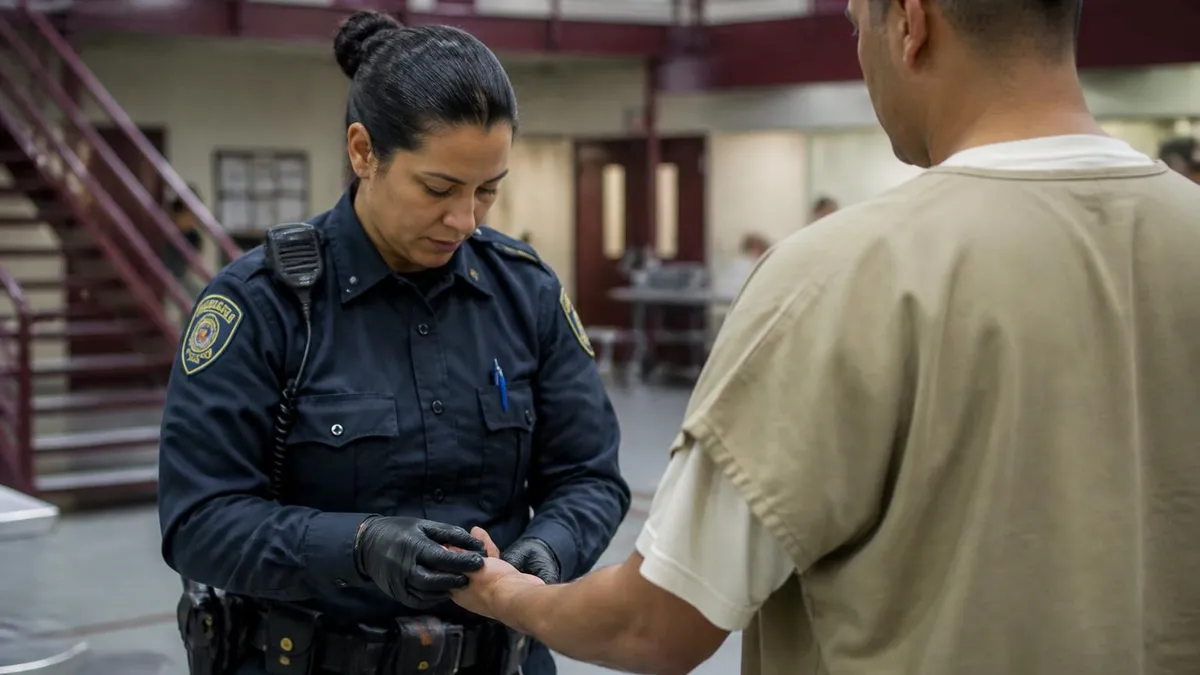
Before creating, sharing, or publishing any creative work that depicts your facility, colleagues, or incarcerated individuals, review your department's media and social media policies carefully. Most state DOCs have specific guidelines governing what officers may photograph, write about, or publicly share regarding their workplace. When in doubt, consult your union representative or human resources department. Violating these policies — even unintentionally — can result in disciplinary action, so informed creative practice is always safer creative practice.
The intersection of correctional officer art and professional development raises questions that go beyond individual wellness to touch on institutional culture, leadership, and the long-term sustainability of the corrections workforce. The United States currently faces a significant CO staffing crisis: turnover rates at many facilities exceed 30% annually, recruitment pipelines are thin, and the officers who do stay often report high levels of burnout and disengagement.
Against this backdrop, the cultural dimensions of the CO profession — including its creative traditions — take on real strategic importance. Institutions that invest in the full humanity of their officers, including their creative lives, perform better on the metrics that matter most.
Career development for correctional officers intersects with creative practice in ways that are sometimes surprising. The observational skills developed through visual art translate directly to the kind of behavioral monitoring that is central to effective CO work. The narrative skills developed through writing translate to better incident reports, clearer communication with supervisors, and more effective testimony in disciplinary hearings.
The collaborative skills developed through group music or community art projects translate to stronger teamwork across shifts and units. These connections are not incidental — they reflect the deep relationship between creative capacity and professional effectiveness that research has documented across many high-stakes professions.
Promotion and advancement within correctional systems also rewards officers who demonstrate broad professional development, and creative engagement is increasingly recognized as part of that. Officers who participate in or help arts programs, who pursue creative education, or who bring innovative thinking to their work are often among the most competitive candidates for supervisory and administrative roles. The correctional officer ranks — which you can explore in more detail through resources on correctional officer art and career development — reward well-rounded professionals who can manage complex human dynamics, and creative practice is one pathway toward developing those capacities.
The wellness dimension of career longevity is equally important. Officers who maintain active creative practices throughout their careers report greater job satisfaction, better coping with difficult incidents, and more positive relationships with colleagues and supervisors. These are not trivial outcomes: they are precisely the factors that distinguish officers who thrive over a 20- or 30-year career from those who burn out in the first five years. The data on this point is consistent across studies and across state systems, and it has begun to influence how forward-thinking DOCs design their wellness infrastructure.
Looking at the broader cultural landscape, correctional officer art is finding new audiences and new platforms. Social media communities focused on CO culture have grown substantially, and creative work by officers is circulating in these spaces with increasing frequency.
Photography accounts that document the environments and artifacts of correctional life, poetry collections that draw on CO experience, and music that engages with the themes of justice and confinement have all found audiences beyond the immediate CO community. This broader cultural conversation is healthy for the profession because it humanizes officers in public discourse at a moment when that humanization is badly needed.
The brands, communities, and cultural spaces that have grown up around CO life — from the workwear heritage of Duluth Trading Co to the artisan markets where officers sell handcrafted goods, from the HCA Healthcare co.uk model of integrated professional wellness to the time-in-co tradition of marking career milestones with creative projects — collectively constitute a rich ecosystem of creative and professional culture. Navigating that ecosystem well requires the same qualities that correctional work demands: patience, observation, situational awareness, and a genuine investment in the people around you.
The future of correctional officer art is bright precisely because the need for it is urgent. As the corrections workforce grapples with staffing challenges, mental health crises, and the long-term consequences of pandemic-era conditions, creative expression is emerging as one of the most accessible and evidence-supported tools available. Officers who cultivate creative practices are not escaping from their professional responsibilities — they are deepening their capacity to meet them, year after year, with integrity and resilience.
Practical advice for correctional officers who want to develop a creative practice begins with a simple acknowledgment: you do not need to be talented to benefit from making art. The research on creative expression and stress management is clear that the act of making — not the quality of the product — is what produces psychological benefits. A sketchbook full of unimpressive drawings is worth infinitely more than a blank sketchbook kept against the day when you feel ready to draw well. Starting is the entire point, and starting badly is infinitely better than not starting at all.
Choose a form that fits your life. If you have fifteen minutes between the end of your shift and the start of your commute, a pocket journal is more useful than an easel. If you have longer weekend windows, a musical instrument or a more involved craft project might be more satisfying.
The key is matching the form to the time and energy you actually have, not to an idealized version of your schedule. Many COs find that keeping materials accessible — in a locker, a bag, or the front seat of a car — dramatically increases the likelihood of actually using them.
Community amplifies the benefits of individual practice. Finding even one other officer who shares your interest, or one local community of makers or writers who welcomes new participants, can transform a solitary habit into a social practice with additional benefits for connection and accountability.
Online communities are a good starting point if local options are thin, but the long-term goal of connecting face-to-face with other creative practitioners is worth pursuing. The sourdough and co model of building community around a shared craft — patient, consistent, centered on the process as much as the product — is a useful mental model for building a creative community around CO culture.
Documentation is also valuable, even if you never intend to share your work publicly. Keeping a record of your creative output over time — photographs of paintings, printed poems, recordings of music — creates a tangible record of a practice that might otherwise feel ephemeral.
Looking back at that record after a year or two is often genuinely surprising: the accumulation of small, consistent efforts adds up to something substantial. Many officers who began creative practices skeptically have found that reviewing their accumulated work produced a kind of pride and motivation that reinforced the practice and deepened their commitment to it.
When life gets difficult — and in corrections work, it often does — creative practice tends to be one of the first things officers abandon. This is understandable but counterproductive, because the periods of highest stress are precisely when creative outlets are most needed.
Building a practice that is strong enough to survive hard periods requires intentional design: choosing forms that are low-barrier, building in social accountability, and giving yourself explicit permission to make work that is rough or incomplete or emotionally raw. The goal is not to produce gallery-worthy art during your hardest weeks; the goal is to keep the door to creative expression open even when it feels like the last thing you have energy for.
Finally, consider connecting your creative practice to your broader professional development. Talk to your supervisor about wellness initiatives at your facility, ask your EAP about arts-based programming, and look for opportunities to bring creative thinking into your work itself.
The voddler.co.uk model of distributed creative resources — making good tools available where people already are — offers a useful analogy for how arts-based wellness can be woven into the fabric of a correctional facility rather than existing as a separate, optional add-on. The most effective wellness initiatives are the ones that meet officers where they are, in the rhythms of their actual working lives, and support creative expression as a natural and necessary part of what it means to do this work well.
The correctional profession demands extraordinary things from the people who choose it. It demands physical presence, emotional steadiness, ethical clarity, and sustained engagement with some of the hardest realities in American life. Officers who sustain these demands over long careers consistently point to the importance of having something that is theirs — a practice, a community, an identity — that exists outside the professional role.
For a striking number of those officers, that something is art. And that fact, repeated across hundreds of thousands of careers, constitutes one of the most compelling arguments available for taking correctional officer creative culture seriously.
Sample Correctional Officer Practice Questions
Try these questions from our free Correctional Officer practice tests. The correct answer and an explanation follow each question.
A correctional officer observes another officer accepting a gift from an inmate's family member. The correct response is to:
- A. Ignore it since it does not directly involve inmates inside the facility
- B. Warn the officer privately and take no further action
- C. Report the incident to a supervisor per facility policy
- D. Confront the family member and confiscate the gift yourself
Answer: C. Report the incident to a supervisor per facility policy
Accepting gifts from inmates or their families violates ethical standards and must be reported to a supervisor to uphold facility integrity.
What is the primary goal of conducting regular inmate headcounts?
- A. To ensure the inmates are following the rules
- B. To prevent contraband from entering the facility
- C. To maintain accurate records of inmate locations and prevent escapes
- D. To evaluate the health and well being of inmates.
Answer: C. To maintain accurate records of inmate locations and prevent escapes
Regular inmate headcounts are a fundamental security procedure in correctional facilities. Their primary purpose is to verify the presence and location of every inmate, ensuring that no one has escaped and maintaining strict accountability for the inmate population at all times.
Which of the following is NOT a typical duty of a correctional officer?
- A. Enforcing institutional rules
- B. Providing medical treatment
- C. Conducting cell searches
- D. Escorting inmates to court
Answer: B. Providing medical treatment
While correctional officers are trained in first aid and emergency response, providing medical treatment beyond basic first aid is not a typical duty. Medical care for inmates is the responsibility of qualified healthcare professionals, such as doctors, nurses, or paramedics, who are employed by or contracted to the correctional facility. Correctional officers focus on security and supervision.
An officer successfully uses force to stop an inmate's attack. The inmate is now handcuffed and compliant. Continuing to strike the inmate at this point is:
- A. Permitted if the officer is still in fear
- B. A justified safety precaution
- C. Prohibited as excessive force
- D. Allowed for up to 30 seconds post-restraint
Answer: C. Prohibited as excessive force
Once an inmate is restrained and no longer poses a threat, any continued use of force becomes excessive and violates the Eighth Amendment.
CO Questions and Answers
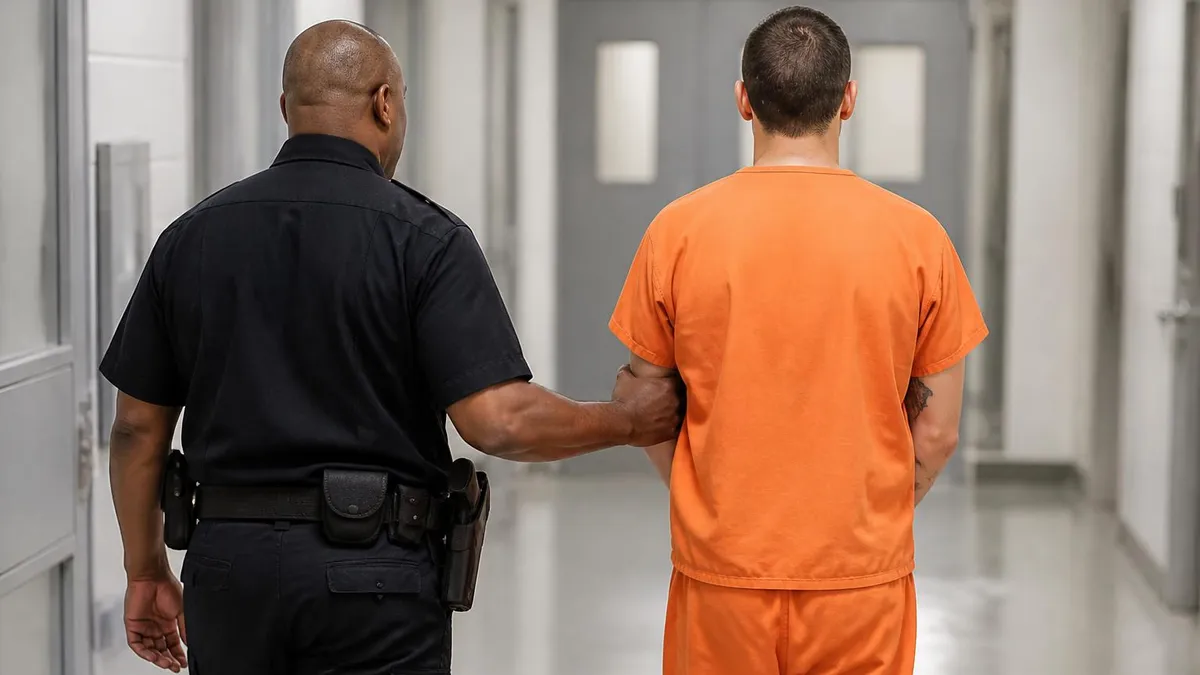
Correctional Officer Ranks: Complete Guide to CO Hierarchy, Insignia & Promotion Paths 2026

Correctional Officer Physical Test: Complete Training Guide & Requirements 2026
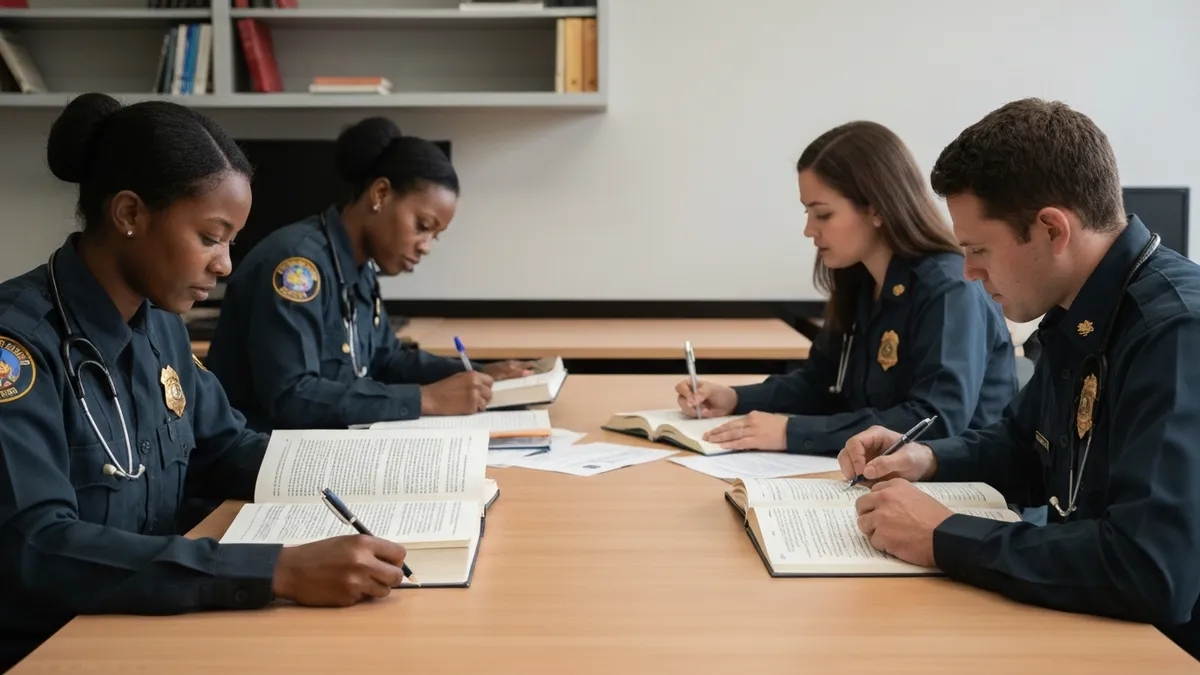
Colorado Correctional Officer — Corrections Career Guide 2026
Correctional Officer Practice Test PDF 2026
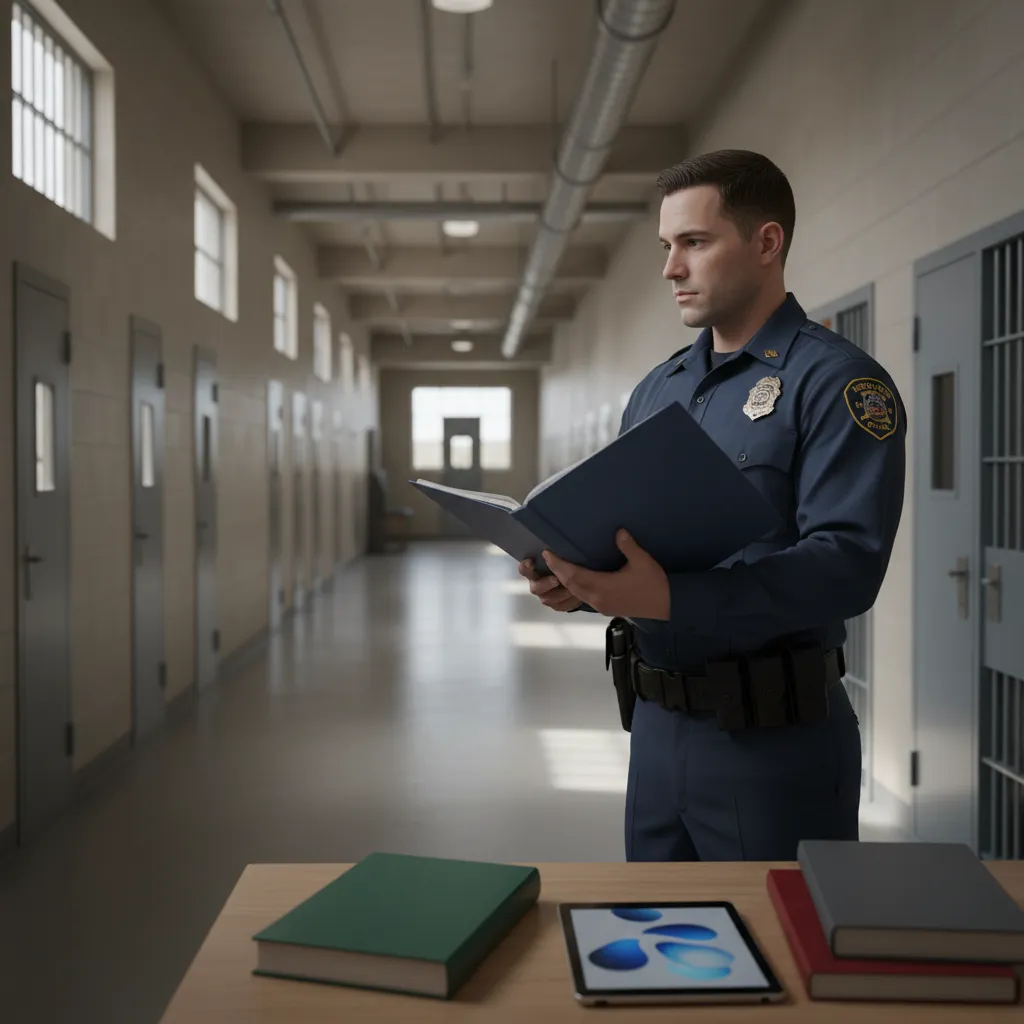
How to Pass the Correctional Officer Exam — Study Tips & Physical Test Prep
About the Author

Educational Psychologist & Academic Test Preparation Expert
Columbia University Teachers CollegeDr. Lisa Patel holds a Doctorate in Education from Columbia University Teachers College and has spent 17 years researching standardized test design and academic assessment. She has developed preparation programs for SAT, ACT, GRE, LSAT, UCAT, and numerous professional licensing exams, helping students of all backgrounds achieve their target scores.