
CNG Auctions: How to Find, Bid On, and Buy Compressed Natural Gas Vehicles at Auction
Learn how CNG auctions work, where to find them, bidding strategies, and how to evaluate compressed natural gas vehicles before you buy. 🆕

CNG auctions have emerged as one of the most cost-effective pathways for fleet managers, owner-operators, and individual buyers to acquire compressed natural gas vehicles at prices well below retail. Whether you are shopping for a single transit van or looking to expand a 20-truck fleet, understanding how these specialized vehicle auctions operate can save you thousands of dollars per unit while still putting a capable, low-emission asset on the road. The auction marketplace for CNG equipment spans government surplus sales, municipal fleet dispersals, utility company disposals, and dedicated wholesale vehicle auctions that cater specifically to alternative-fuel buyers.
The growth of CNG as a mainstream commercial fuel over the past decade has created a strong secondary market. Major fleets that adopted CNG vehicles between 2010 and 2018 are now cycling through those assets on standard replacement schedules, releasing a steady stream of well-maintained, high-mileage trucks, buses, and vans into the auction pipeline.
For buyers willing to do their homework, this represents genuine opportunity. A Class 6 or Class 7 CNG truck that retailed for $85,000 new may cross the auction block at $28,000 to $42,000, with much of its useful engine life still ahead. If you are looking at broader marketplace options, exploring cng auctions alongside dealer listings gives you the fullest picture of what is available.
Government and municipal auctions deserve particular attention because public agencies are legally required to dispose of fleet assets through competitive bidding processes, which means transparent pricing and documented maintenance records. Cities, transit authorities, school districts, and utility companies often run CNG vehicles on rigorous preventive maintenance schedules that exceed what many private operators follow. When these vehicles reach end-of-service thresholds — typically based on mileage, age, or budget cycles rather than mechanical failure — they enter auction in comparatively good condition with paperwork that tells a clear story about their history.
Online auction platforms have dramatically expanded geographic access to CNG vehicle sales. A buyer in Texas can now bid on a decommissioned CNG refuse truck from a California municipality or a natural gas transit bus from a Midwest agency without ever leaving their office.
Platforms like GovPlanet, PublicSurplus, IronPlanet, and the GSA Auctions portal list CNG vehicles regularly, and specialized heavy equipment auctioneers such as Ritchie Bros. conduct both live and online events that frequently include alternative-fuel equipment. Knowing which platforms to monitor, when major fleet dispersals are scheduled, and how to evaluate a CNG vehicle remotely are the core skills that separate successful auction buyers from frustrated ones.
Before placing a single bid, every prospective buyer should understand the fundamental differences between CNG vehicles and their diesel or gasoline counterparts. The compressed natural gas fuel system adds components — high-pressure cylinders, pressure regulators, dedicated fuel injectors, and specialized valving — that require specific inspection techniques and carry their own depreciation curves.
CNG cylinders have mandatory service lives, often 15 to 20 years from the date of manufacture stamped on each tank, and cylinders approaching end-of-life can represent significant replacement costs that must factor into your maximum bid calculation. A vehicle that appears cheap on the surface can become expensive once cylinder replacement, fueling station compatibility, and conversion costs are factored in.
This guide walks you through every stage of the CNG auction process: finding active sales, registering and qualifying to bid, conducting remote and in-person vehicle inspections, developing a bidding strategy that accounts for total cost of ownership, completing paperwork and transfer, and integrating purchased vehicles into an existing fleet or operation. Whether you are a seasoned fleet professional or a first-time auction buyer, the structured approach outlined here will help you make confident, well-informed decisions at every step of the process.
The secondary CNG vehicle market rewards preparation. Buyers who arrive at auction day with completed inspection checklists, pre-researched market comparables, firm maximum bids based on full cost-of-ownership calculations, and pre-arranged financing consistently outperform buyers who show up hoping to learn on the fly. The following sections provide the framework for becoming the former type of buyer, with concrete numbers, practical checklists, and real-world examples drawn from active auction activity across the United States.
CNG Auction Market by the Numbers

Types of CNG Vehicle Auctions
Federal, state, and local agencies dispose of fleet assets through competitive bidding. GSA Auctions and PublicSurplus list municipal CNG buses, utility trucks, and transit vans with documented service histories and legally required disclosures.
Platforms like Ritchie Bros. and IronPlanet host regular commercial auctions where private fleets and leasing companies sell off-cycle CNG vehicles. Volumes are higher but documentation varies widely by seller.
Specialized CNG vehicle remarketing companies acquire auction stock, perform inspections and minor refurbishment, then resell with limited warranties. Prices are higher than raw auction but risk is reduced for buyers unfamiliar with CNG systems.
Events conducted entirely online with no live bidding floor. Bidders submit maximum bids during an open window, and the platform automatically advances against competing bidders. Ideal for remote buyers but requires thorough remote inspection before bidding.
Traditional in-person events where vehicles are driven or displayed on a lot and auctioneer-led bidding takes place in real time. These allow direct inspection before bidding but require travel and attendance during the scheduled event.
Finding active CNG vehicle auctions requires monitoring several distinct channels simultaneously, because no single platform aggregates every sale. The most reliable starting point is the U.S. General Services Administration's online auction portal, which lists federal fleet vehicles on a rolling basis.
Municipal and state government auctions flow through platforms like PublicSurplus and BidSync, where transit authorities, utility companies, and city fleet departments post upcoming sales weeks or months in advance. Setting up email alerts on these platforms using search terms like "CNG," "compressed natural gas," or specific vehicle makes such as "Peterbilt CNG" or "Ford F-250 CNG" ensures you receive notice before high-demand vehicles attract competitive bidding.
Commercial heavy equipment auction houses conduct the largest volume sales of CNG vehicles outside the government sector. Ritchie Bros. Auctioneers, the world's largest industrial auctioneer, runs both live and online events that regularly feature CNG refuse trucks, yard tractors, and line-haul semis.
Their IronPlanet subsidiary focuses on online transactions and publishes detailed inspection reports called IronClad Assurance for many listed vehicles, which is particularly valuable when buying CNG equipment remotely. GovPlanet, another Ritchie Bros. property, specializes in government surplus and often has CNG transit and utility vehicles from municipal fleet dispersals. Reviewing upcoming event calendars on these platforms quarterly gives you a planning horizon for major purchases.
Utility companies and natural gas distributors periodically retire service fleets that are exclusively CNG-powered. Utilities like SoCalGas, Xcel Energy, and Questar in Utah have historically operated large CNG fleets and sell those vehicles through auction when replacement cycles arrive.
Contacting fleet departments at major natural gas utilities directly — or monitoring their press releases for fleet modernization announcements — can give you advance notice of upcoming vehicle disposals before they are widely advertised. These utility fleet vehicles often have lower mileage than equivalent municipal transit vehicles and come with exceptional maintenance documentation because utilities operate under regulatory scrutiny that demands detailed record-keeping.
Transit agencies represent another high-volume source of auctioned CNG vehicles, particularly buses and paratransit vans. The American Public Transportation Association maintains a directory of transit agencies, and contacting procurement or fleet management departments at agencies you identify as CNG operators can yield direct sale opportunities before vehicles reach public auction. Some transit agencies sell vehicles through their own solicitation processes and post notices on their websites or through their regional procurement portals, bypassing commercial auction platforms entirely. This channel requires more legwork but can surface vehicles with competitive starting prices and less competition from professional remarketing buyers.
Networking within the CNG industry itself surfaces auction opportunities that never appear on public platforms. Fleet managers, CNG infrastructure consultants, and vehicle dealers routinely know of upcoming sales through professional contacts.
Joining the Natural Gas Vehicle America (NGVA) association, attending the Alternative Clean Transportation (ACT) Expo, and participating in regional clean fleet roundtables puts you in contact with people who are often the first to know when a major fleet is cycling out CNG equipment. These informal channels can lead to private negotiated sales that offer better pricing than competitive auction environments while allowing more thorough pre-purchase inspections and negotiation of terms.
Social media and online forums provide a supplementary discovery layer. LinkedIn groups focused on fleet management and alternative fuels frequently surface auction announcements. Facebook Marketplace occasionally lists individual CNG vehicles sold by small fleets or individuals who acquired them through prior auction activity. Specialized forums like TruckingTruth and Commercial Truck Trader have community sections where members share upcoming auction notices. While these informal channels are less reliable than dedicated auction platforms, they occasionally surface genuinely undervalued vehicles from sellers who are not working with professional remarketing assistance and therefore price less aggressively.
Once you identify a sale you want to participate in, registration requirements vary considerably by platform and auction type. Government auctions typically require a valid government-issued ID, a credit card or bank account for deposit purposes, and sometimes a business license or GST number for commercial buyers.
Commercial auction platforms generally require completing a buyer registration form, providing financial references or a credit card authorization for a buyer deposit, and agreeing to the platform's terms including buyer's premiums, which typically range from 5% to 12% of the hammer price. Understanding the total cost of acquisition — hammer price plus buyer's premium plus transport plus any required inspections or title transfer fees — is essential for setting accurate maximum bids.
CNG Vehicle Inspection, Bidding, and Strategy
When buying at online CNG auctions without physical access, request every available document: maintenance logs, CNG cylinder certification dates, OBD-II diagnostic reports, and photos of all four sides plus engine bay, cab interior, and undercarriage. Cross-reference VIN against CARFAX or equivalent commercial vehicle history reports to identify any prior accidents, title brands, or major mechanical events. Pay particular attention to the cylinder inspection sticker dates, because cylinders approaching their stamped end-of-life date represent a known, quantifiable future cost that must reduce your maximum bid.
Ask the auction platform or selling agency if they will allow a third-party inspection by a CNG-certified mechanic before the bid deadline. Many platforms accommodate this for a scheduling window of 24 to 48 hours. Independent inspection services like Vehicle Inspection Pros or local CNG certified technicians can physically examine fuel system components, pressure-test the cylinders, read diagnostic codes, and run the vehicle under load to check for performance anomalies. A $200 to $400 third-party inspection on a $30,000 auction vehicle is always money well spent.

Pros and Cons of Buying CNG Vehicles at Auction
- +Significant price savings of 30–50% compared to retail dealer pricing
- +Access to well-maintained government and municipal fleet vehicles with documented service records
- +Wide geographic access through online platforms — bid from anywhere in the US
- +Large variety of vehicle types including trucks, buses, vans, and specialty equipment
- +Transparent competitive pricing prevents seller markup inflation
- +Opportunity to acquire multiple units simultaneously during large fleet dispersals
- −Vehicles sold as-is with no warranty — all mechanical risk transfers to buyer
- −CNG cylinder age and remaining service life may not be clearly disclosed
- −Buyer's premiums of 5–12% add to total acquisition cost beyond hammer price
- −Remote inspection limitations increase risk when attending only online auctions
- −Title and registration complications are more common with auction vehicles
- −Competition from professional remarketing buyers can push prices up on desirable units
CNG Auction Pre-Bid Checklist
- ✓Verify the manufacture date stamped on every CNG cylinder and calculate remaining service life.
- ✓Pull a full VIN history report from CARFAX or a commercial equivalent before bidding.
- ✓Request maintenance records or service logs from the selling agency or platform.
- ✓Confirm the vehicle's fueling inlet type (Type 1 fast-fill vs. slow-fill) matches local CNG station availability.
- ✓Calculate total acquisition cost: hammer price + buyer's premium + transport + title transfer fees.
- ✓Research comparable retail listings to establish a baseline fair market value for the vehicle type.
- ✓Arrange third-party CNG-certified mechanic inspection during any available preview window.
- ✓Confirm your financing is in place and funds are accessible before placing any bid.
- ✓Read the auction platform's terms and conditions, particularly payment deadlines and title transfer procedures.
- ✓Set a written maximum bid per vehicle and commit to not exceeding it during live or online bidding.
CNG Cylinder Replacement Can Cost $3,000–$8,000 per Vehicle
Always check the manufacture date stamped on each CNG cylinder before bidding. Cylinders have a mandatory 15–20 year service life, and end-of-life replacement on a multi-cylinder vehicle can cost $3,000 to $8,000 depending on cylinder type and count. A vehicle priced $10,000 below market with cylinders expiring within two years may actually cost more to own than a higher-priced vehicle with newer tanks. Factor cylinder life into every maximum bid calculation.
Total cost of ownership is the analytical framework that separates disciplined auction buyers from impulsive ones. The auction hammer price is only the first number in a longer equation, and experienced fleet acquisition professionals always work through the full calculation before placing a bid. Start with the vehicle's estimated remaining useful life in miles or years.
A Class 6 CNG truck with 180,000 miles on a 350,000-mile expected engine life has roughly 170,000 miles of productive service remaining. Divide your total acquisition and ownership costs by those projected miles to arrive at a cost-per-mile figure you can compare against new vehicle alternatives and diesel equivalents.
Fuel cost advantage is the central economic case for CNG vehicles, and it must be calculated against the specific fueling infrastructure available to you. CNG currently trades between $0.50 and $1.20 per gasoline gallon equivalent at public stations across the US, compared to diesel averaging $3.50 to $4.50 per gallon in most markets.
A heavy-duty CNG truck burning the equivalent of 30,000 gallons of diesel fuel per year at a $2.50-per-gallon price differential saves $75,000 annually in fuel costs alone. Over a five-year ownership horizon, that differential can dwarf the initial auction purchase price and justify acquiring CNG equipment even at prices closer to retail value.
Maintenance cost differences between CNG and diesel vehicles are more nuanced than fuel savings. CNG engines generally experience lower oil contamination because natural gas burns cleaner than diesel, which can extend oil change intervals and reduce internal engine wear. However, CNG-specific components — regulators, injectors, and fuel system filters — require periodic replacement and inspection by technicians certified for compressed gas systems.
Not every commercial truck repair shop has CNG-certified technicians, so buyers in areas with limited CNG service infrastructure face higher labor costs and longer vehicle downtime when specialized repairs are needed. Map your nearest CNG-capable service providers before committing to auction acquisition.
Insurance costs for CNG vehicles warrant a specific conversation with your commercial auto insurer before you buy. Most major commercial vehicle insurers are comfortable with CNG equipment that carries current cylinder certifications, but some regional or specialty carriers charge higher premiums for alternative-fuel vehicles due to unfamiliarity with the technology. Request a specific quote for the vehicle type you intend to purchase at auction before closing the deal. If cylinders are approaching end-of-life, some insurers will require replacement before providing coverage, which again reinforces the importance of verifying cylinder dates as a primary inspection criterion.
Resale value considerations affect the economics of fleet-scale auction buying. CNG vehicles have historically depreciated faster than diesel equivalents once the fuel price differential narrows or when fueling infrastructure in a given geography is limited. If your acquisition strategy involves buying and eventually reselling, focus on vehicle types and vintages with the broadest potential buyer base: medium-duty work trucks and transit vans command more resale interest than highly specialized refuse trucks or line-haul tractors converted from diesel.
Vehicles from well-known commercial CNG makers like Peterbilt, Kenworth, Freightliner, and Ford with factory-installed CNG systems command higher resale values than vehicles with aftermarket conversions, which are viewed with more skepticism by subsequent buyers.
Financing at auction requires pre-arrangement because payment timelines are compressed. Commercial vehicle lenders who work with auction purchases include Balboa Capital, Commercial Fleet Financing, and regional agricultural and equipment lenders familiar with the commercial vehicle secondary market. Interest rates on auction vehicle financing are typically one to two percentage points higher than new vehicle financing because lenders treat as-is auction purchases as higher risk. Alternatively, buyers who can pay cash or deploy working capital directly avoid interest cost entirely, which significantly improves the total cost-of-ownership calculation on vehicles acquired at meaningful discounts to retail value.
Tax incentives for CNG vehicle purchases remain available in several states and at the federal level, though programs change with legislative cycles. The federal Alternative Fuel Vehicle Refueling Property Credit covers CNG fueling infrastructure installation rather than vehicles directly. Several states including California, Texas, and Utah offer fleet purchase rebates or tax credits specifically for alternative-fuel commercial vehicles acquired to replace diesel counterparts.
New vehicles capture most of these incentives, but some programs extend to used vehicle acquisitions that displace diesel equipment. Research current incentive availability in your state before finalizing acquisition budgets, as a $5,000 state rebate meaningfully changes the effective acquisition cost of a vehicle purchased at auction.

CNG cylinders must be certified and inspected by a qualified technician before a vehicle can legally operate on public roads in most states. If the vehicle you purchase at auction has expired cylinder inspections or missing certification documentation, you may be unable to register or insure the vehicle until inspections are completed. Build this contingency time and cost — typically $150 to $500 per vehicle for a full cylinder inspection — into your post-auction planning before the vehicle enters your fleet rotation.
After winning a vehicle at auction, the integration process begins immediately and proceeds in parallel with administrative steps like title transfer and insurance binding. The first operational priority for any CNG vehicle entering a new fleet is a comprehensive systems inspection by a CNG-certified technician, even if you already arranged a pre-bid third-party inspection.
Post-purchase inspection serves a different purpose: it establishes a baseline for the vehicle's condition within your maintenance tracking system and identifies any items requiring immediate attention before the vehicle is placed in service. This inspection should cover the entire CNG fuel system, engine and drivetrain, brakes, tires, electrical system, and cab safety equipment.
Driver training is a non-negotiable step when adding CNG vehicles to a fleet for the first time. CNG vehicles behave differently from diesel equivalents in several important ways: the fuel gauge reads pressure rather than volume, which confuses drivers accustomed to diesel, and fueling procedures differ significantly from diesel or gasoline refueling.
Drivers must understand the difference between fast-fill and time-fill fueling, how to safely connect and disconnect CNG nozzles, what to do if they detect a gas odor, and how to respond to low-fuel warnings that indicate residual pressure rather than empty tanks. The Natural Gas Vehicle Institute offers driver training resources, and many CNG equipment manufacturers provide fleet operator training programs at no additional cost.
Fueling infrastructure planning is the operational foundation that makes or breaks a CNG fleet acquisition strategy. Before purchasing auction vehicles, confirm that adequate CNG fueling is available within your operational geography. Public CNG stations are concentrated along interstate corridors and in urban areas with established transit and fleet programs, but coverage gaps exist in rural regions and some secondary markets.
The Department of Energy's Alternative Fuels Station Locator maps public CNG stations nationwide and is an essential planning resource. For fleets with fixed routes or depot-based operations, on-site time-fill fueling equipment may be more cost-effective than reliance on public fast-fill stations, but on-site installation requires permitting, utility coordination, and capital investment of $50,000 to $500,000 depending on capacity.
Fleet management software configuration is often overlooked in the post-auction integration phase but matters operationally. CNG vehicles require different maintenance triggers than diesel vehicles: natural gas fuel system components have service intervals measured in operating hours and years rather than just mileage, and cylinder requalification schedules must be tracked independently of standard vehicle maintenance cycles. Systems like Fleetio, Samsara, and Verizon Connect support CNG-specific maintenance tracking, and configuring these triggers correctly at the time of vehicle onboarding prevents the kind of deferred maintenance that creates safety issues and inflated repair costs later in the ownership cycle.
Telematics data collected from auction-purchased CNG vehicles provides operational visibility that helps recover value from vehicles whose history is partially unknown. GPS-based route tracking, idle time monitoring, fuel consumption data, and driver behavior scoring all generate insights that help fleet managers optimize CNG vehicle deployment and identify performance outliers that may indicate developing mechanical issues. Vehicles with higher-than-expected fuel consumption per mile, for example, often have fuel system pressure leaks or injector issues that would not be apparent from visual inspection alone but show up clearly in consumption data after several hundred miles of monitored operation.
Community and network resources for CNG fleet operators are more extensive than many buyers realize. The Natural Gas Vehicle America organization provides technical assistance, regulatory advocacy, and peer networking. Regional clean fleet programs in California, Colorado, Texas, and the Northeast corridor offer technical support and sometimes cost-sharing programs for fleets transitioning to CNG.
State energy offices in natural gas-producing states frequently have dedicated alternative fuel fleet programs that provide free technical consultations for fleet operators considering or expanding CNG operations. Tapping these resources reduces the learning curve for first-time CNG fleet buyers and surfaces incentive programs that are not widely advertised.
Long-term success with auction-acquired CNG vehicles comes down to discipline in acquisition, rigor in inspection, and excellence in ongoing maintenance. The buyers who achieve the best outcomes are those who treat every auction purchase as a calculated business decision grounded in total cost of ownership analysis, not a gamble on a cheap price. With proper preparation, a well-executed CNG auction strategy can reduce fleet acquisition costs by 30 to 50 percent compared to new vehicle dealer pricing while delivering vehicles that provide years of reliable, low-emission, cost-effective service.
Developing a repeatable auction buying process is what separates one-time auction participants from fleet acquisition professionals who consistently find value in the secondary CNG vehicle market. The process starts months before any specific auction event, with ongoing market monitoring that builds familiarity with pricing trends, typical mileage and condition ranges for target vehicle types, and the seasonal patterns that influence supply and pricing.
Late spring and early fall tend to see higher volumes of government surplus vehicle sales as agencies close out fiscal year budgets, while commercial fleet dispersals occur more evenly throughout the year. Understanding these rhythms lets you plan capital deployment and avoid overpaying during supply-constrained periods.
Building relationships with auction platform representatives pays dividends over time. Most major platforms assign account managers to active commercial buyers, and these relationships surface advance notice of upcoming fleet dispersals before they are publicly listed. Account managers can also provide insight into a seller's motivation and timeline — information that helps calibrate bidding strategy. A seller facing a hard deadline to clear a lot will often set lower reserves than one with flexibility, and knowing the backstory helps you assess how aggressively to bid below your maximum. This relationship-building requires consistent, professional engagement with platform representatives over multiple transactions.
Documentation management is a practical discipline that auction buyers often underestimate. Create a digital file for each vehicle acquired at auction that contains every document generated from pre-bid research through post-purchase integration: VIN history reports, pre-bid inspection reports, auction receipts, title transfer paperwork, cylinder certification records, and initial fleet maintenance inspection findings. This file becomes invaluable when the vehicle is eventually sold or traded, as a complete paper trail significantly increases buyer confidence and can justify higher resale pricing. For fleet operators, centralized documentation also simplifies compliance with DOT and FMCSA record-keeping requirements for commercial vehicle fleets.
Understanding reserve prices and their dynamics is tactically important for auction bidding. Most auction platforms allow sellers to set a reserve — a minimum price below which the vehicle will not sell even if bidding closes. When a vehicle sells below reserve, it is often relisted or offered to the highest bidder through post-auction negotiation.
Monitoring vehicles that fail to sell at auction and making post-auction offers directly through the platform is a legitimate strategy that sometimes yields pricing below what competitive auction bidding would have produced. Platforms like GovPlanet and PublicSurplus have structured processes for post-auction offers on unsold government vehicles.
Risk management in auction buying is ultimately about information asymmetry. The seller knows more about the vehicle than you do, and your job as a buyer is to narrow that gap as much as possible before committing to a bid. Every step in the pre-bid research process — VIN history, maintenance records, third-party inspection, cylinder date verification, market comparable research — reduces information asymmetry and improves the quality of your bidding decision.
Buyers who skip these steps and rely on appearance or price alone take on disproportionate risk relative to their expected savings. The auction market does not guarantee bargains; it merely creates an environment where bargains are possible for prepared buyers.
Scaling a CNG auction acquisition strategy from single-vehicle purchases to fleet-scale buying introduces additional considerations around logistics, financing, and processing capacity. Buyers acquiring five or more vehicles from a single auction event need transport logistics that can handle multiple units within tight payment and pickup windows, financing facilities that can close multiple transactions simultaneously, and receiving and inspection capacity that can process a batch of vehicles efficiently.
Building these capabilities incrementally — acquiring two to three vehicles at a time before attempting larger lot purchases — develops operational muscle memory that prevents the logistical failures that derail ambitious fleet expansion plans.
The future outlook for CNG auction supply is strong for buyers. As the wave of CNG fleet adoptions from 2010 to 2020 ages through replacement cycles, auction volumes of CNG vehicles will continue to grow through 2030. Simultaneously, new CNG vehicle models are increasingly entering commercial service, creating a pipeline of future auction supply with more standardized components and better parts availability than older converted vehicles.
For fleet operators with the skills to identify, inspect, and acquire quality CNG equipment through auction channels, the next decade represents one of the most favorable buying environments the secondary CNG market has ever produced.
CNG Questions and Answers
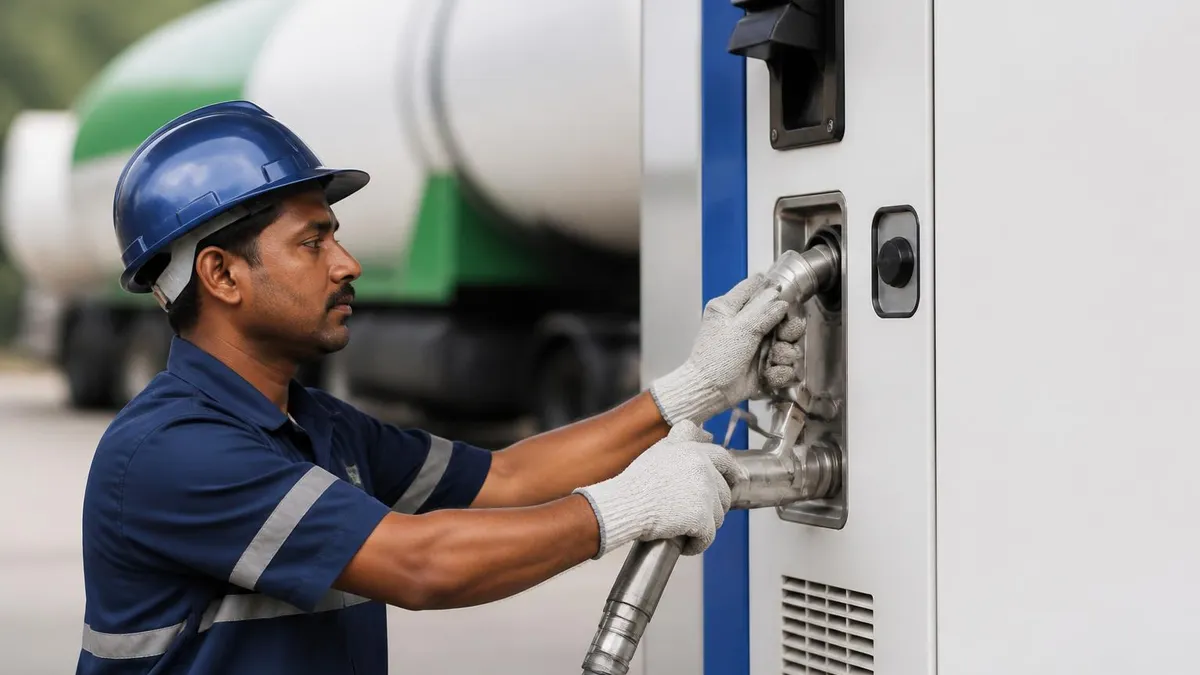
CNG Trucks for Sale: Complete Buyer's Guide to New and Used Compressed Natural Gas Vehicles
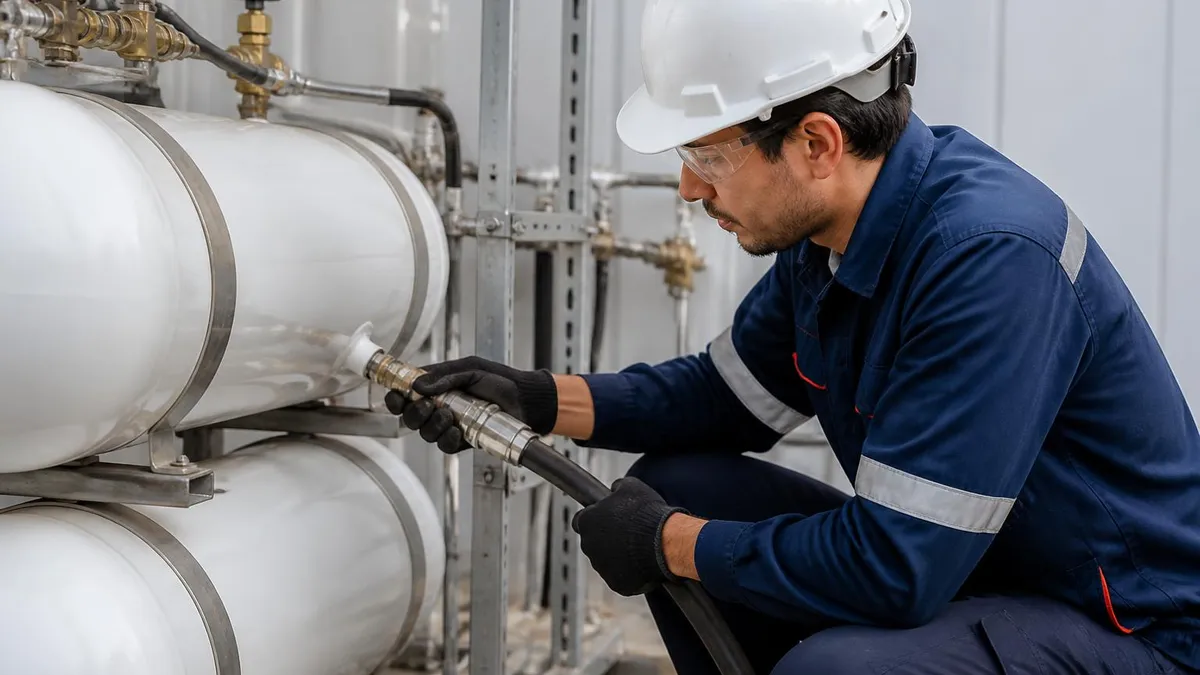
CNG Stations: How They Work, Where to Find Them, and Real-World Fuel Costs

What Is CNG? A Plain-English Guide to Compressed Natural Gas

CNG Pump: How Compressed Natural Gas Fueling Works, What to Expect, and Why It Matters
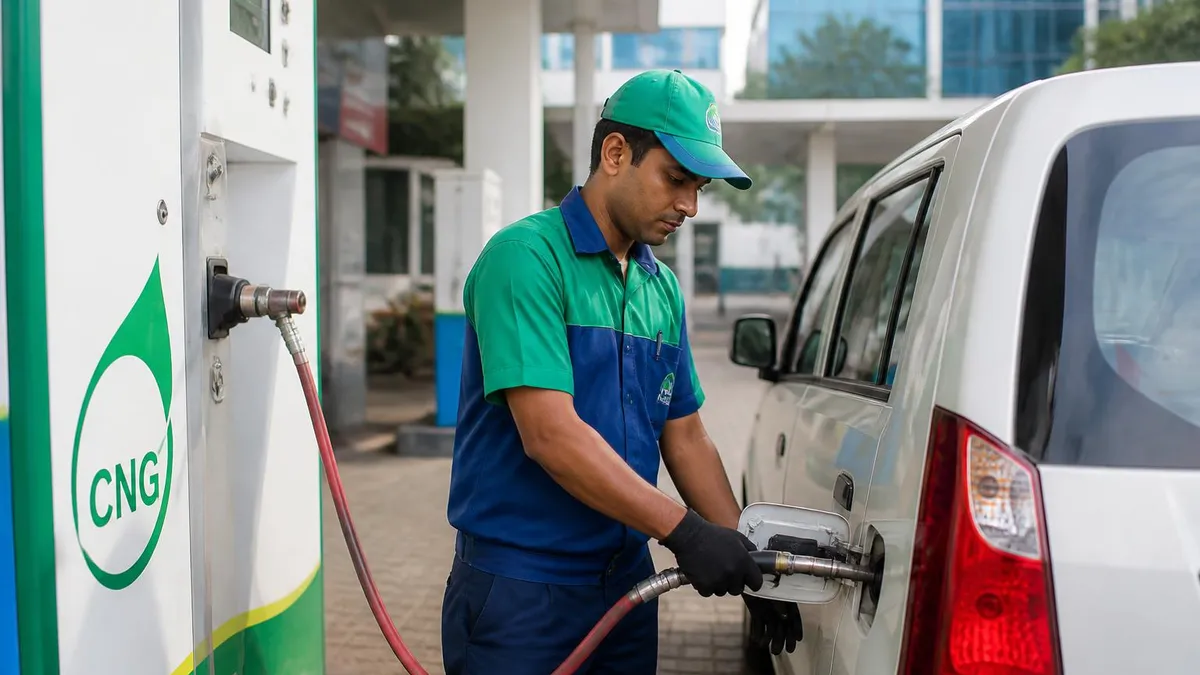
CNG Meaning: What Compressed Natural Gas Is and Why It Matters
About the Author

Educational Psychologist & Academic Test Preparation Expert
Columbia University Teachers CollegeDr. Lisa Patel holds a Doctorate in Education from Columbia University Teachers College and has spent 17 years researching standardized test design and academic assessment. She has developed preparation programs for SAT, ACT, GRE, LSAT, UCAT, and numerous professional licensing exams, helping students of all backgrounds achieve their target scores.
Join the Discussion
Connect with other students preparing for this exam. Share tips, ask questions, and get advice from people who have been there.
View discussion (8 replies)