
2 Week CNA Classes Online Texas: How Hybrid Programs Work, Cost, and Get You Hired
🎓 Yes, 2 week CNA classes online in Texas exist as hybrid programs: online theory plus in-person clinicals. See hours, costs, and how to enroll.
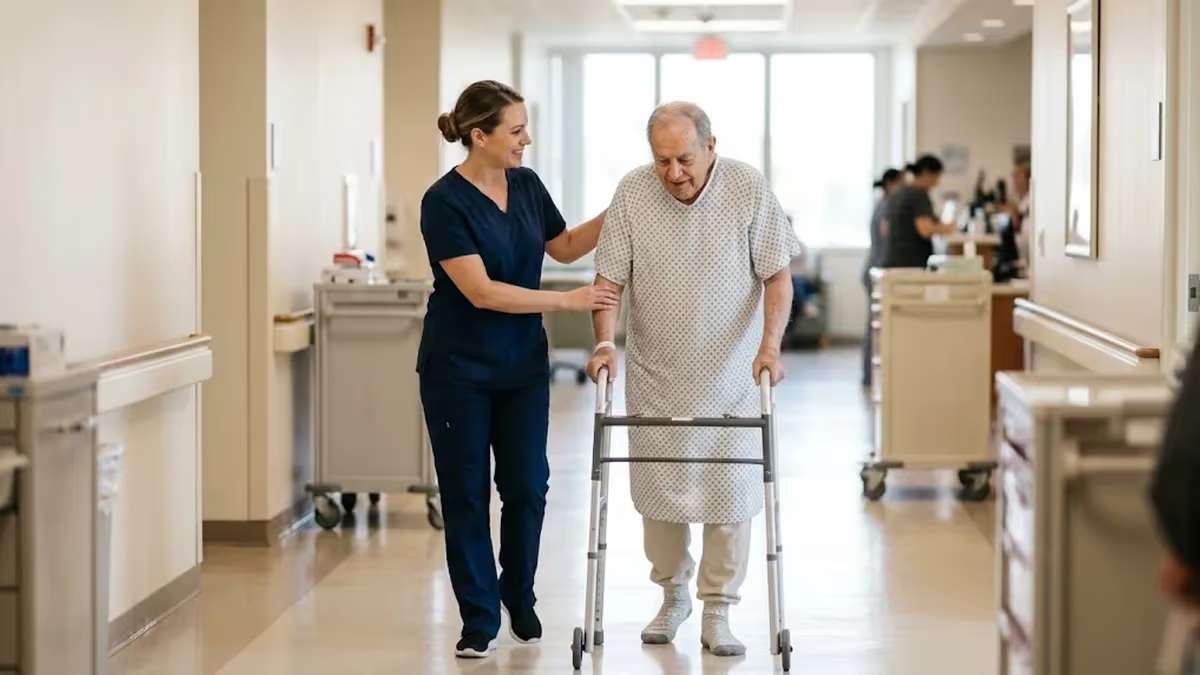
Yes, 2 week CNA classes online in Texas exist, but only as hybrid programs. You complete the classroom theory online, then finish the required hands-on clinical hours in person at an approved site. Texas requires 100 total training hours, so a two-week schedule means roughly 10 hours per day, five days a week.
2 Week Cna Classes Online Texas: Key Facts (Updated October 2026)
| Fact | Details | Source |
|---|---|---|
| Federal minimum training length | No less than 75 clock hours, including at least 16 hours of supervised practical training | 42 CFR 483.152 |
| Texas training length | 100 hours of approved training, which is why a 2 week schedule runs about 10 hours per weekday | Texas Health and Human Services Commission |
| Competency evaluation | A written or oral examination (your choice) plus a skills demonstration | 42 CFR 483.154 |
| Skills demonstration | Randomly selected items drawn from a pool of tasks | 42 CFR 483.154 |
| Fully online option | Not accepted; supervised practical training must be done in person | 42 CFR 483.152 |
| Example of another state's exam format | Florida's written exam has 60 multiple-choice questions with a 90-minute limit | Florida Board of Nursing |
Searching for 2 week CNA classes online in Texas usually starts with a simple goal: get certified fast and start earning. Fast programs do exist, and Texas approves them the same way it approves slower ones. The catch is the word online. Federal rules require supervised practical training, so no legitimate program is entirely virtual. What you can find is a hybrid format, with lectures delivered on a laptop and skills practice done in a real lab or nursing facility.
Why two weeks? The math is straightforward. Texas requires 100 hours of approved training, commonly split into about 60 classroom hours and 40 clinical hours. Spread across ten weekdays, that is ten hours per day with little downtime. Programs advertised as two weeks are therefore full-time bootcamps, not casual courses. If you work a job, care for children, or cannot commit to eight to ten hours daily, a four-week or evening schedule is likely a better fit for you.
Choosing a program is only the first step; passing the state exam is the second. The nurse aide exam includes a written or oral portion and a skills demonstration, and a compressed course leaves little time for review. Many students begin working through free cna credential practice exams during week one, so vocabulary, infection control steps, and resident rights are already familiar when the instructor covers them in class. That habit makes a fast schedule far more manageable.
Be careful with anything promising a certificate with no in-person component. Some websites sell online-only CNA courses that look official, yet employers and the Texas Nurse Aide Registry will not accept them. A quick test: ask whether the program is approved by Texas Health and Human Services, where clinicals happen, and who supervises them. Vague answers, instant certificates, or fees that seem unusually low are warning signs. Legitimate schools name their clinical sites and instructors without hesitation.
Demand for graduates is strong, which is why speed matters to many applicants. Searches such as cna jobs near me and cna hiring near me return thousands of listings in Houston, Dallas, San Antonio, and Austin, from nursing homes to home health agencies. Many facilities also pay for training or reimburse tuition after you start work. That makes the two-week route attractive for career changers who want to be on a work schedule within about a month of enrolling.
This guide explains how compressed programs work, what they cost, who they suit, and how to avoid scams. You will also find a step-by-step enrollment checklist, advice on handling the exam, and a look at the software you will use on the job, such as PointClickCare, which many Texas facilities use for charting. For a wider overview of the profession, see our main page on 2 Week CNA Classes and certification basics.
One more note on timing: the fastest route is rarely just the two weeks. Add time for background checks, immunization records, a TB test, and exam scheduling. Realistically, plan on three to six weeks from the day you apply to the day your name appears on the registry. Starting paperwork early, before class begins, is the single easiest way to shave days off that timeline and avoid a delayed start.
Texas 2 Week CNA Classes by the Numbers
How Do You Complete a 2 Week CNA Course in Texas?
Confirm the Program Is Approved
Gather Health and Background Documents
Finish Online Theory Hours
Complete Lab and Clinical Training
Schedule and Pass the State Exam
Who Qualifies for 2 Week CNA Classes Online in Texas?
Most Texas applicants qualify if they are at least 16 or 18 depending on the school, can pass a criminal background check, and meet health requirements. Many programs ask for a high school diploma or GED, though some accept students without one. Texas also screens applicants against the Employee Misconduct Registry and the Nurse Aide Registry. A past conviction does not always disqualify you, but certain offenses can block both training and employment, so ask the school before paying.
Health screening is the part people forget. Expect to show proof of vaccinations, a negative tuberculosis test, and sometimes a physical exam or flu shot before clinical rotations begin. These documents can take a week or more to collect from a clinic or health department, which is why starting early matters. If the paperwork is incomplete on day one, a school may move you to the next cohort and your two-week plan becomes a four-week wait.
Physical readiness matters just as much as paperwork. CNAs lift, turn, and reposition residents, stand through long shifts, and walk several miles a day. In a compressed course, you practice those tasks for eight or more hours daily, so back strain and sore feet are common by Wednesday. Wear supportive shoes, learn proper body mechanics early, and tell your instructor about any limitation immediately so adjustments can be made safely.
Schedule availability is the biggest filter. A true two-week program expects roughly 50 hours per week, which is more than a full-time job. Students who succeed usually arrange time off, childcare, and transportation ahead of time. If you can only attend evenings or weekends, look at longer cohorts that still lead to the same certification. Searching for cna courses near me and comparing schedules is a practical way to find that balance.
Language and reading skills count too. Classes are taught in English at most schools, and the written exam is multiple choice with medical terms such as ambulation, contracture, and pressure injury. Federal rules let candidates choose a written or oral version of the knowledge test, which you can request when registering. Practicing vocabulary in advance helps either way, because the pace of a two-week course leaves little time for slow, repeated review.
Location also shapes your options. Large metro areas offer dozens of approved programs, while rural counties may have only one or two. If you live in the Alamo City, our guide to cna schools in san antonio texas compares campuses, schedules, and costs side by side. Students in Houston, Dallas, and the Rio Grande Valley can use the same approach: list approved programs, check start dates, and confirm clinical sites are within a reasonable commute.
Finally, consider your reason for enrolling. If you want to move into nursing school, a two-week CNA course gives you fast patient-care experience and a strong application line. If you want immediate income, it is the quickest path to cna jobs in long-term care. If you are unsure you can handle personal care tasks, shadow a CNA or volunteer first, since the compressed format leaves little room to change your mind midway.
Which CNA Courses Near Me Offer 2 Week Online Options?
This hybrid model is the closest thing to online CNA classes in Texas. You complete lectures, quizzes, and reading on your own device, usually in the first several days, then report to a lab or nursing facility for supervised hands-on training. It suits self-directed learners who want flexibility during the classroom portion without skipping the practical hours the state requires.
Confirm exactly how many hours are online and how many are in person before you enroll. A program that front-loads theory can still demand long clinical days at the end, sometimes ten hours or more. Ask who grades the skills checkoffs, which facility hosts clinicals, and whether makeup days exist if illness forces you to miss a session during the short schedule.
Are 2 Week CNA Classes Worth It Compared With Longer Programs?
- +You can be certified and job-ready in roughly a month from application
- +Online theory gives flexibility for the classroom portion
- +Lower lost income because you spend fewer total weeks in training
- +Staying immersed helps you remember skills and procedures
- +Fast entry into cna jobs and a bridge to nursing school
- +Some employers pay tuition or hire graduates immediately
- −Roughly 10-hour days leave little room for work or family
- −Heavy information load makes falling behind easy
- −Very little time to repeat skills before the exam
- −Fully online claims are often scams that employers reject
- −Missed days can push you into the next cohort
- −Physical fatigue is high in the clinical portion
What Should You Check Before Enrolling in 2 Week CNA Classes Online Texas?
- ✓Confirm the program is approved by Texas Health and Human Services.
- ✓Ask how many hours are online and how many are in person.
- ✓Get the name and address of the clinical site in writing.
- ✓Verify the total training hours meet Texas requirements.
- ✓Request the full cost list, including books, scrubs, and exam fees.
- ✓Collect vaccination records and schedule your TB test now.
- ✓Start the background check before the first day of class.
- ✓Arrange childcare, transport, and time off for ten-hour days.
- ✓Read the refund and makeup-day policy before paying.
- ✓Ask for the school's recent exam pass rate and job placement rate.
Never Pay for a Certificate That Skips Clinicals
Federal rules require at least 16 hours of supervised practical training, so any course that issues a CNA certificate without in-person clinicals will not qualify you for the registry. Verify approval first, then pay.
How Much Do 2 Week CNA Classes Cost in Texas?
Tuition for a compressed CNA course in Texas varies widely, generally from nothing at all to well over a thousand dollars. Private schools and community colleges often charge several hundred to about fifteen hundred dollars, while nursing homes sometimes run their own classes at no cost to employees. Prices change, so confirm the current figure in writing. Ask exactly what the fee includes, because low advertised tuition sometimes hides separate charges for books, uniforms, and testing.
Hidden costs add up quickly. Budget for scrubs, a watch with a second hand, non-slip shoes, a gait belt, and a blood pressure cuff if the school does not provide them. Background checks, drug screens, vaccination records, and a TB test may add another one or two hundred dollars. State exam fees are often separate from tuition, so ask whether the school pays them or whether you must schedule and pay the testing vendor yourself.
Free and employer-paid options deserve a serious look. Many Texas long-term care facilities will train you for free or reimburse tuition if you commit to working for them for a set period, often six months to a year. Nonprofit programs can be especially helpful, and our overview of cna training near me through Goodwill explains eligibility, locations, and how to apply for free classes. Always read the repayment clause first.
Compare cost per hour rather than the sticker price. A 100-hour program at $900 costs nine dollars per hour of instruction, while a cheaper course that provides only 75 hours may not satisfy Texas rules at all. Also compare pass rates, instructor experience, and the share of graduates hired. A slightly higher fee can be the better value if the school provides exam prep, retake support, and job placement help.
Think about earnings too. Texas CNAs commonly earn roughly twelve to eighteen dollars an hour depending on city, employer, and shift, with night and weekend differentials adding more. At those rates, a course that costs one thousand dollars can pay for itself within about two months of full-time work. Home health and hospital roles sometimes pay above nursing homes, though they may ask for experience and a few months of on-the-job history first.
Watch for refund policies. Compressed courses move fast, and many schools refuse refunds after the first day. Ask what happens if you miss a clinical day, fail a skills checkoff, or need to move to a later cohort. Some schools allow one makeup day free; others charge a fee. Get the policy in writing before you pay, and keep receipts for every payment, since an employer may require them for reimbursement.
Finally, protect yourself from payment scams. Never pay a large deposit to someone who contacts you on social media, and avoid schools that cannot show a Texas approval listing. Pay by card or another traceable method rather than cash apps. If a program promises guaranteed jobs or guaranteed passing, treat that as a red flag, because no honest school can guarantee either outcome for any student.
Certain criminal convictions and entries on the Employee Misconduct Registry can bar you from training and employment. Ask the school to review your background check first, and confirm your vaccination and TB paperwork is complete before the first class day.
What Happens After a 2 Week CNA Class: Exam, Registry, and CNA Jobs?
After class ends, you must pass the state competency exam, which has a knowledge portion and a skills demonstration. Federal rules let you choose a written or oral version of the knowledge test. The skills portion uses randomly selected tasks, such as handwashing, measuring blood pressure, or transferring a resident with a gait belt. Most schools schedule the exam within days of graduation, so the material stays fresh in your mind.
The skills test rewards precision. Evaluators watch for critical steps like washing hands, knocking before entering, introducing yourself, protecting privacy, and leaving the call light within reach. Missing a critical step can fail an entire task even if the rest is perfect. Practice each skill aloud, narrate every step, and rehearse with a partner using a timer until the order feels automatic and calm.
If you do not pass on the first try, you can usually retake the part you missed, though fees and attempt limits apply. Ask the school and the testing vendor about the current Texas retake rules before exam day. A good program offers a refresher session and extra lab time to students who need another attempt, which is another reason to ask about post-graduation support before enrolling.
Once you pass, your name is added to the Texas Nurse Aide Registry, which employers check before hiring. Certification must be renewed periodically, and renewal typically requires proof that you worked paid nursing-related hours. Verify the current renewal period and requirements with Texas Health and Human Services, and keep your address updated so notices reach you. A lapsed listing can force you to retest or retrain.
Job searches are easiest right after certification. Queries like cna jobs near me, cna job near me, and cna hiring near me surface openings in nursing homes, assisted living, hospitals, hospice, and home health. Apply to several at once and mention your fresh certification date. Many employers hold orientation within a week or two, and some offer sign-on bonuses for night or weekend shifts.
Expect to learn electronic charting on the job. Many facilities use PointClickCare to record meals, bathing, vital signs, and turning schedules. Searches for pointclickcare cna login, click point care cna, and cna point click care are common because new hires receive credentials from their employer; you cannot create your own account. Your facility trains you during orientation, and the login is tied to you personally, so never share it.
If cost is the barrier, there are no-cost routes too. See our guide on free cna classes near me for programs that train you at no charge, including options with online theory. Combine that with the job-search tips above and you can move from application to paycheck quickly, without taking on debt or leaving your current income unprotected for longer than necessary.
What Are the Best Tips to Pass a 2 Week CNA Course?
Start studying before day one. Even a few evenings with a vocabulary list and basic skills videos can shorten the learning curve dramatically. Focus first on the terms that appear constantly: ambulation, range of motion, aspiration, pressure injury, and activities of daily living. When the instructor uses these words in the first lecture, you will already recognize them and can spend your energy on the skills rather than the language.
Treat the schedule like a full-time job. Sleep at least seven hours, prepare meals the night before, and set two alarms. In a ten-hour-a-day course, small lapses compound: one late arrival can mean missing a demonstration that is never repeated. Pack a bag with your watch, pen, notebook, and water. Arriving ten minutes early also gives you time to ask the instructor a question before class starts.
Practice skills out loud and in order. The state skills test is graded on specific steps, and nerves can scramble even well-learned routines. Use a checklist, then rehearse without it. Teach each skill to a friend or family member as if they were the evaluator. Speaking each step as you perform it builds memory, shows the evaluator your reasoning, and helps you recover quickly if you stumble on a step.
Protect your body. Use your legs when lifting, keep the resident close, and ask for help when a transfer is unsafe. Wear compression socks if your feet swell, and stretch your back at lunch. Soreness is normal in week one, but sharp pain is not. Report any injury to your instructor immediately, because early treatment prevents missed days, and missed days are the real threat to a two-week timeline.
Build a study group on day one. Exchange phone numbers, quiz each other on terms during breaks, and take turns playing the resident during lab practice. Peers often notice mistakes an instructor has no time to catch. A group also provides motivation when fatigue hits around day six or seven. Keep sessions short and focused, thirty minutes at most, so studying supports your sleep instead of replacing it.
Use communication skills as a study tool and a career skill. Introduce yourself, explain what you are about to do, and ask permission before touching a resident. Evaluators and employers both notice dignity and respect. Learn to report changes in a resident's condition promptly, since observation and reporting are core parts of the job. Strong habits here carry straight into your first shift and make supervisors more confident in a new hire.
Plan your next step before graduation. Update your resume with your training dates and clinical site, line up two references, and set job alerts for cna jobs in your area. Ask your instructor whether the clinical facility is hiring. If nursing school is your goal, keep notes on your patient-care experience for future applications. Finishing in two weeks is an achievement, but the real payoff comes from using the certification quickly.
CNA Questions and Answers

Free CNA Practice Test 2026 - CNA Exam Questions

CNA Classes in Texas 2026: Top Schools, Free Programs & State Exam Guide

Goodwill CNA Program: Free Classes, Locations, Cost, and How to Apply

Free CNA Classes: How to Find Training Near You and Online
Certified Nursing Assistant
CNA Classes
Certified Nursing Assistant Salary: An Overview

CNA Week: Celebrating Certified Nursing Assistants Every June

CDPH CNA: California Nurse Assistant Certification Guide
Sources & references
Prepared by the Practice Test Geeks editorial team using AI-assisted drafting; exam facts are checked against the official sources below. Editorial policy
- floridasnursing.gov — Eligibility, exam format · verified Oct 2026
- law.cornell.edu — Eligibility · verified Oct 2026
- law.cornell.edu — Test delivery · verified Oct 2026
- prometric.com — Exam information · verified Oct 2026