
Texas CDL Test Questions and Answers: Free Study Guide 2026 September
❓ Boost your Texas CDL exam score with practice questions and detailed answer explanations. Track progress with instant feedback.
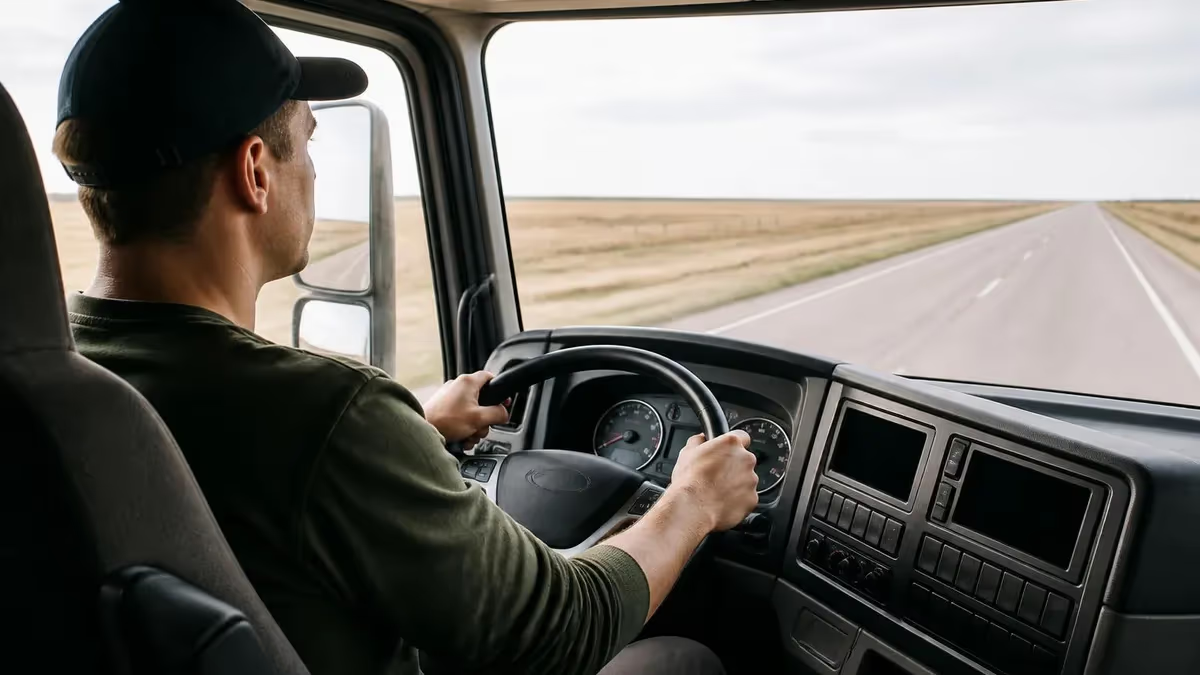
Texas CDL Test Questions and Answers
The Texas DPS CDL knowledge test trips up thousands of applicants every year — not because it's impossible, but because most people underestimate what it actually covers. You're not just answering questions about driving. You're being tested on federal regulations, vehicle inspection procedures, hazardous materials rules, and Texas-specific licensing requirements. That's a lot of ground.
Here's the honest answer on passing rates: Texas doesn't publish CDL written test pass rates, but industry data puts first-attempt pass rates around 55–65% for general knowledge. The people who fail? Most of them skimmed the Texas CDL Handbook once and felt ready. The people who pass? They drilled practice questions until the material felt automatic.
This guide covers the major knowledge areas — general knowledge, air brakes, combination vehicles, HazMat, and tanker endorsements — and gives you a straight path to passing your Texas DPS CDL written test on the first try. No fluff. Just what Texas tests and how to prepare for it.
The Texas CDL is issued through the Department of Public Safety (DPS), not the DMV. You'll schedule your knowledge test at a DPS Driver License office. Bring your standard driver license, proof of legal presence, medical certificate (DOT physical), and the applicable fee — currently $97 for the first CDL issuance. You'll take the test on a touchscreen kiosk at the office. Results are immediate.
Before you can get behind the wheel for the skills test, you need to pass every applicable knowledge section. That means general knowledge at minimum — plus endorsement tests for any specialty vehicle you want to drive. Don't schedule your skills test until all written tests are cleared. Texas DPS requires it.
This guide focuses on the Texas knowledge test — the written portion you take at DPS before any driving. Master this, and the skills test becomes the final step, not the scary unknown.
CDL license texas requirements vary by class — read the certification guide before you book your test appointment.General Knowledge: The Foundation of Your Texas CDL Test
General knowledge is the section every CDL applicant in Texas must pass — no exceptions. The 50-question test draws from the entire Texas CDL Handbook, which itself mirrors the FMCSA Commercial Driver's License Manual. Chapters 1 through 11 are all fair game. That includes pre-trip inspection, basic controls, shifting and backing, coupling and uncoupling, cargo securement, hazardous conditions, and emergency maneuvers.
The questions aren't trick questions, but they do require specific knowledge. You can't guess your way through 40+ correct answers out of 50. Texas tests on exact numbers — stopping distances, weight limits, following distances — so vague understanding won't cut it. You need the specifics. Example: what's the minimum following distance for a 60-foot combination vehicle at highway speed? Three seconds. Under 40 mph? One second per 10 feet of vehicle length. These details show up on the test.
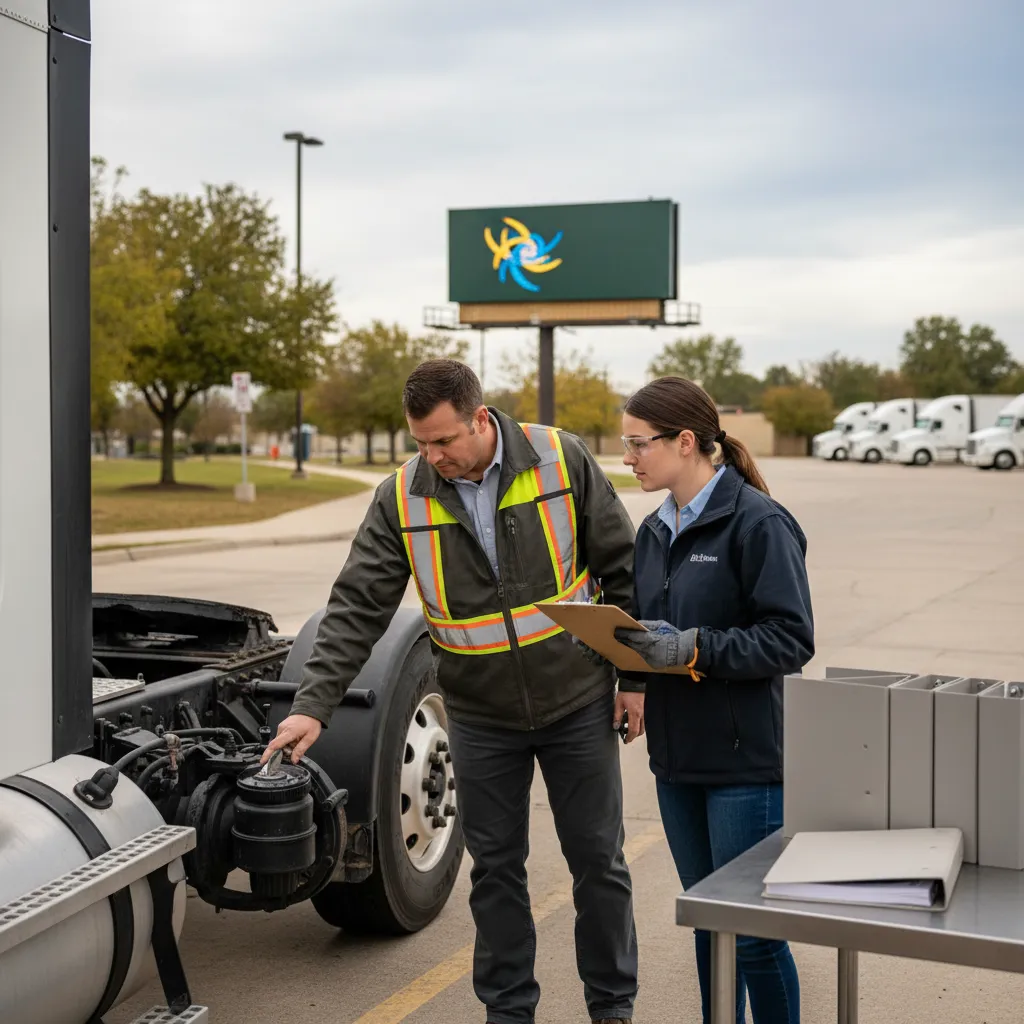
Pre-trip inspection is heavily weighted in the general knowledge section. You need to know the 7-step inspection procedure in order: approach, engine compartment, cab interior, lights, walkaround, signal lights, and brake check. Texas DPS expects you to know what to check at each step and what constitutes a defect that takes a vehicle out of service.
Cargo securement rules also get significant coverage. The minimum number of tie-downs, the working load limit calculations, how to handle oversized loads — these aren't obscure questions. They're tested because they reflect real violations that cause accidents. Pay special attention to Chapter 3 of the handbook for inspection and Chapter 8 for cargo.
cdl practice test general knowledge — free questions that mirror the actual DPS format. Take at least 3 full tests before you schedule your appointment.cdl test study strategy — proven 30-day approach used by first-time passers.
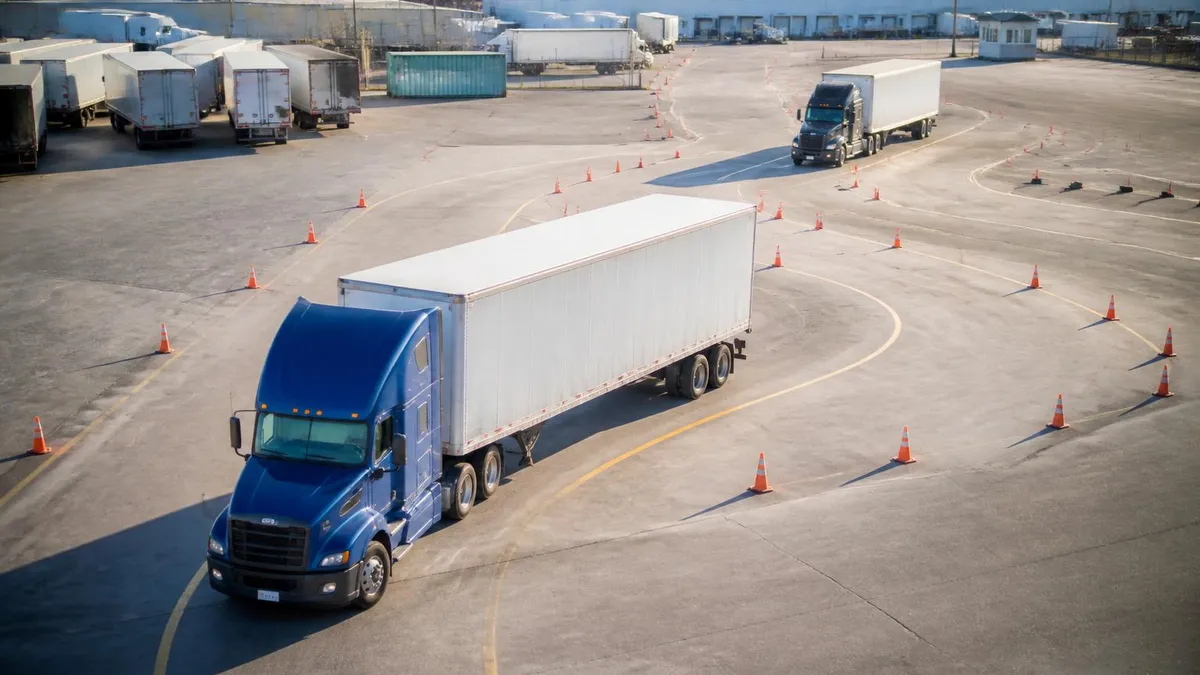
Air Brakes: What Texas CDL Applicants Get Wrong
Air brakes are where a lot of CDL candidates stumble — not because the material is hard, but because they underestimate the depth of coverage. Texas DPS tests 25 questions on air brake systems, and you need 20 right. The questions go well beyond "how do you stop" into system components, inspection procedures, and failure recognition. You need to know what a dual air system does differently from a single system. You need to know what low air pressure warning triggers at. You need to know the reservoir drain valve procedure.
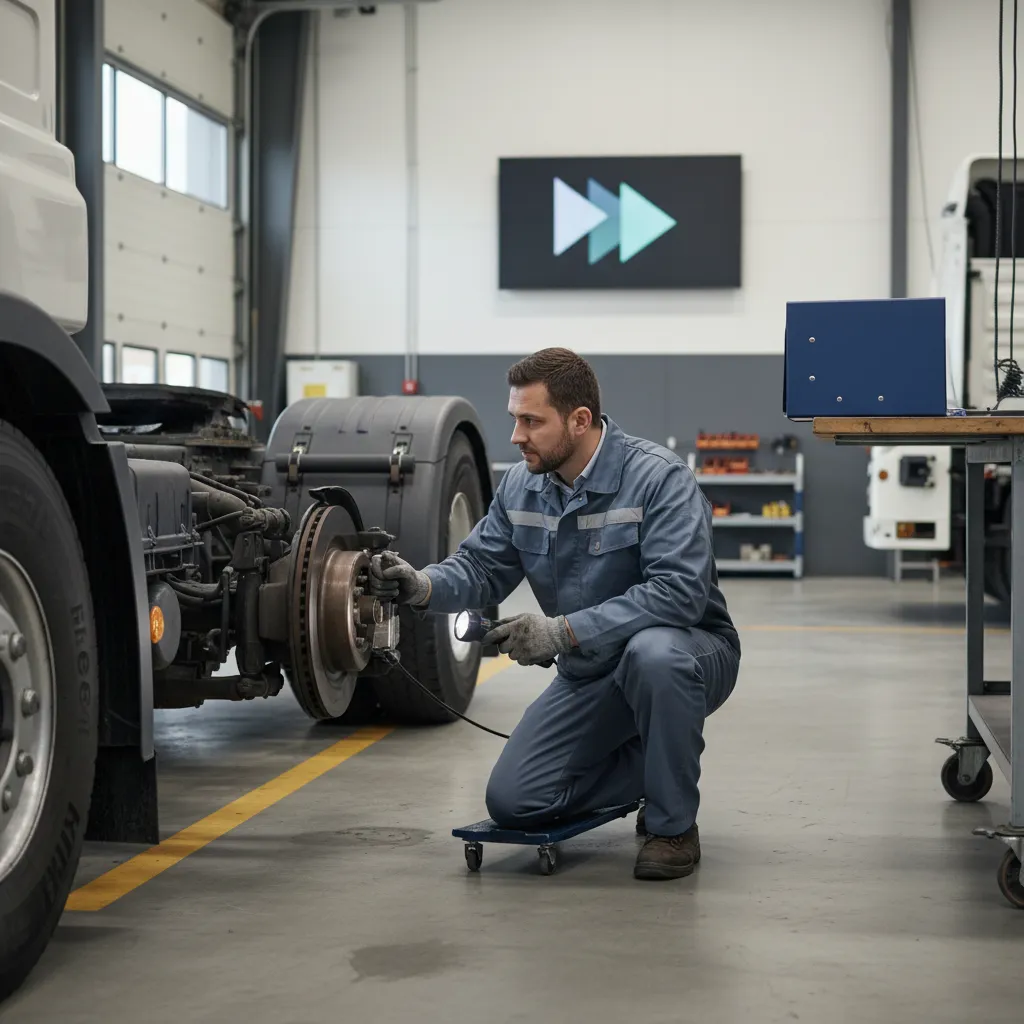
The test covers three main areas: system components, inspection, and failure. For components — know the compressor, governor, reservoirs, safety valve, brake chambers, slack adjusters, and brake drums. For inspection — know the 7 steps for testing air brake system during pre-trip. For failure — know what to do if brakes fade on a downgrade, how spring brakes activate, and the difference between service brakes and parking brakes.
One specific area Texas focuses on: the air brake application pressure drop test. With the engine off and pressure built to governor cutout, you pump the brakes three times and watch the gauge. Maximum allowable drop is 3 psi in one minute for single vehicles, 4 psi for combination vehicles. That number is tested — memorize it.
Brake fade on long downgrades is another high-frequency topic. The correct technique is selecting the right gear BEFORE the descent — not halfway down. Use engine braking. Apply brakes in firm, steady pressure only when needed. Don't ride the brakes. Texas DPS tests this because brake fade on Texas hill country grades is a real accident cause.
cdl air brake test — full 25-question simulation matching the Texas DPS air brakes section.CDL Key Concepts
What is the passing score for the CDL exam?
Most CDL exams require 70-75% to pass. Check the official exam guide for exact requirements.
How long is the CDL exam?
The CDL exam typically allows 2-3 hours. Time management is critical for success.
How should I prepare for the CDL exam?
Start with a diagnostic test, create a 4-8 week study plan, and take at least 3 full practice exams.
What topics does the CDL exam cover?
The CDL exam covers multiple domains. Review the official content outline for the complete list.
Texas CDL Endorsements Explained
The HazMat endorsement lets you transport placarded quantities of hazardous materials. Texas requires both the written test AND a TSA background check (HAZMAT Security Threat Assessment). Budget $86.50 for the TSA fee and 2–4 weeks for processing. You cannot take or receive a HazMat endorsement until TSA clears you. The written test covers: hazardous materials classes (1–9), placards and labels, shipping papers, emergency response information, and driver responsibilities. 30 questions, 80% required (24/30). The HazMat section of the CDL Handbook (Chapter 9) is thorough — read it twice.
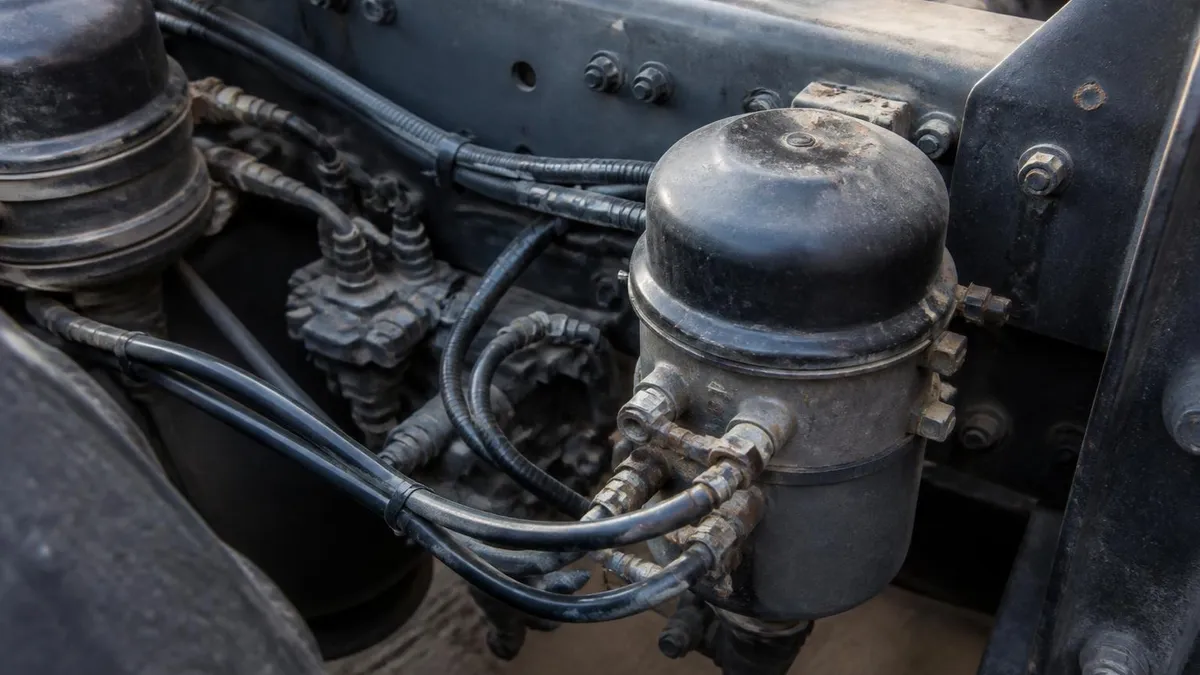
How to Get a CDL in Texas: Step-by-Step
Texas CDL licensing follows a specific sequence that DPS enforces. You can't skip steps, and you can't take the skills test before clearing all knowledge sections. Here's the actual process — not the oversimplified version.
First, get your DOT physical from a certified medical examiner. You'll need a current Medical Examiner's Certificate before DPS will issue a CDL Learner's Permit. The medical certificate is valid for up to 24 months. If you have certain medical conditions (sleep apnea, insulin-dependent diabetes, vision issues), you may need a waiver or exemption from FMCSA — that takes extra time to plan for.
Second, visit a Texas DPS Driver License office with your current license, Social Security card (or proof of SSN), proof of Texas residency (two documents), and your medical certificate. Pay the CDL application fee ($97 for Class A, or per DPS schedule), then sit for the knowledge test. You can take all applicable sections in one visit — general knowledge, air brakes, combination, and any endorsement tests. Each failed section requires a waiting period before retesting: 14 days after first and second failure, 90 days after third.
Third, after passing all knowledge tests, you hold a CDL Learner's Permit. You must hold the permit for at least 14 days before scheduling skills testing. During this period, you must practice with a licensed CDL holder in the vehicle. No solo driving. The permit is valid for 180 days — if you don't pass the skills test in that window, you restart with the knowledge tests.
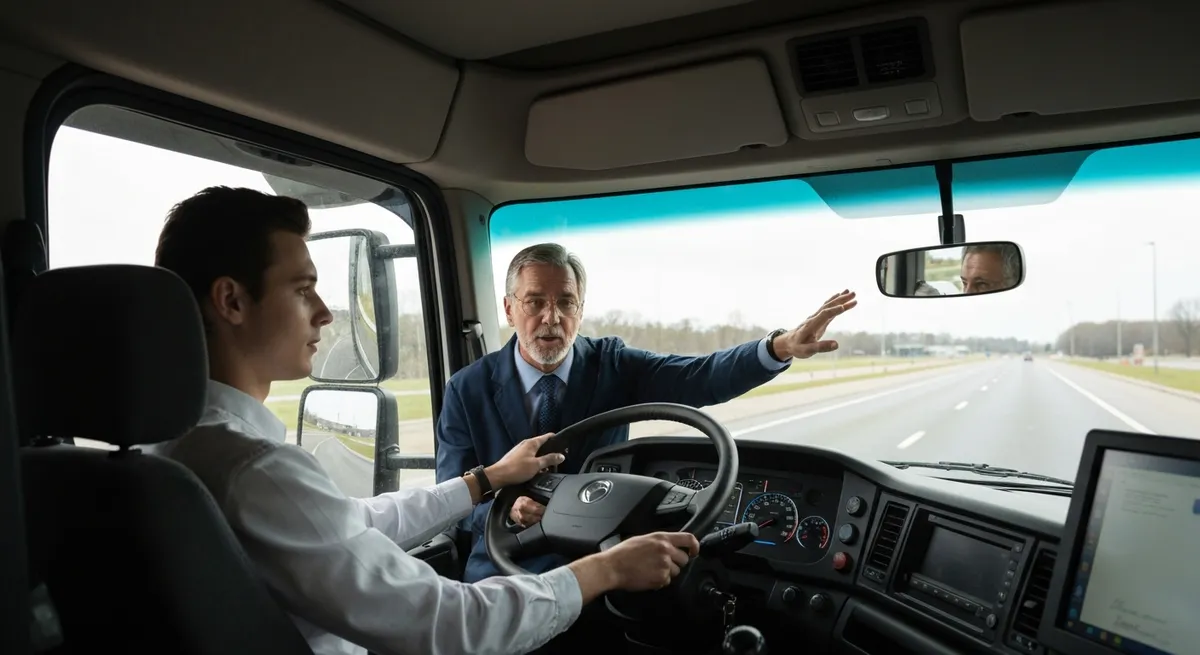
Fourth, the skills test has three parts: pre-trip inspection, basic vehicle controls (backing maneuvers), and road test. Texas contracts the skills test to third-party testers in most areas. Budget $150–$250 for the skills test fee depending on the third-party examiner. If you fail, you can retest after 14 days — but each attempt costs the full fee again.
One more thing: Texas has a separate Commercial Learner's Permit (CLP) that's distinct from a regular learner's permit. Your CLP is valid for 180 days — but you must take your skills test before it expires or you'll have to retake all knowledge sections. If you're attending CDL school, coordinate closely with your school on scheduling. Many Texas CDL schools include skills testing as part of their program fee and schedule it for you. Independent candidates schedule directly through the third-party examiner list on the TxDPS website. Either way, don't leave it to the last week of your 180-day window.
Texas-Specific CDL Rules You Need to Know
Beyond the federal FMCSA regulations that apply everywhere, Texas has a few wrinkles worth knowing before you show up at DPS. The biggest one in recent years: Texas suspended non-domicile CDLs. If your state of domicile is Texas, your CDL must be issued by Texas — you can't hold a CDL from another state if you live in Texas. DPS enforces this actively, and it caught a lot of out-of-state CDL holders who moved to Texas without updating their license.
Texas also has specific rules around hazardous materials routes. Houston, Dallas, San Antonio, and Austin all have locally restricted HazMat routes. Your employer's dispatch needs to know these — routing a HazMat shipment through a restricted tunnel or bridge in Houston isn't just a fine, it's a federal violation that can pull your CDL. The Texas CDL Handbook addresses this in the HazMat chapter, but local route maps come from TxDOT and your carrier's safety department.
Weight limits in Texas are notably more complex than most states. Texas allows heavier loads with a permit — up to 125,000 lbs on some corridors — compared to the federal 80,000 lb standard. If you're hauling heavy equipment or oversized loads, you'll deal with Texas Oversize/Overweight permits through TxDOT. That's not tested on the CDL written exam, but it's real-world knowledge every Texas Class A driver eventually needs.
Texas DPS requires CDL holders to self-certify their CDL category annually. You declare whether you drive interstate or intrastate, and whether you're exempt from federal medical requirements. Your self-certification determines whether you must maintain a current DOT medical certificate on file with DPS. Interstate commercial drivers? You must file a current medical certificate with DPS within 30 days of expiration — DPS can downgrade your CDL to a Class C if it lapses.
class a cdl vs Class B — which license fits your Texas driving plans and target employers.One more Texas-specific situation worth flagging: the Texas Agricultural CDL exemption. Farmers operating farm vehicles within 150 air miles of their farm may be exempt from CDL requirements in certain situations — but this is narrow and specific. If you're hauling farm commodities in your own vehicles, check the full exemption criteria before assuming you don't need a CDL. Texas DPS and FMCSA both have guidance on this. Getting it wrong means operating a CMV without a CDL — a serious violation that carries fines and a permanent mark on your record.
Texas CDL Test Prep Checklist
- ✓Download the Texas CDL Handbook (DPS website — free PDF)
- ✓Read Chapters 1–3 first: intro, driving safely, transporting cargo
- ✓Read Chapters 4–5 for air brakes and combination vehicles
- ✓Read Chapter 9 (HazMat) if applying for H endorsement
- ✓Take at least 5 full CDL general knowledge practice tests
- ✓Score 90%+ on practice tests before scheduling your DPS appointment
- ✓Schedule DOT physical with a certified medical examiner
- ✓Gather documents: license, SSN proof, two Texas residency proofs, medical cert
- ✓Pay CDL application fee at DPS ($97 for Class A)
- ✓Pass all required knowledge sections in one visit if possible
CDL Practice Test Questions
Prepare for the CDL - Commercial Driver's License exam with our free practice test modules. Each quiz covers key topics to help you pass on your first try.
CDL Alabama CDL Combination Vehicles Pract...
CDL Exam Questions covering Alabama CDL Combination Vehicles Practice Test. Master CDL Test concepts for certification prep.
CDL Alabama CDL General Knowledge Practice...
Free CDL Practice Test featuring Alabama CDL General Knowledge Practice Test #. Improve your CDL Exam score with mock test prep.
CDL Alabama General Knowledge CDL Practice...
CDL Mock Exam on Alabama General Knowledge CDL Practice Test. CDL Study Guide questions to pass on your first try.
CDL Airbrakes Practice Test
CDL Test Prep for Airbrakes Practice Test. Practice CDL Quiz questions and boost your score.
CDL Air Brakes Practice Test
CDL Questions and Answers on Air Brakes Practice Test. Free CDL practice for exam readiness.
CDL CLASS A COMMERCIAL DRIVER'S LICENSE PR...
CDL Mock Test covering CLASS A COMMERCIAL DRIVER'S LICENSE PRACTICE TEST. Online CDL Test practice with instant feedback.
CDL Class B Commercial Driver's License Pr...
Free CDL Quiz on Class B Commercial Driver's License Practice Test. CDL Exam prep questions with detailed explanations.
CDL Combination Vehicles Practice Test
CDL Practice Questions for Combination Vehicles Practice Test. Build confidence for your CDL certification exam.
CDL Doubles and Triples Practice Test
CDL Test Online for Doubles and Triples Practice Test. Free practice with instant results and feedback.
CDL Doubles Triples Practice Test
CDL Study Material on Doubles Triples Practice Test. Prepare effectively with real exam-style questions.
CDL General Knowledge Practice Test
Free CDL Test covering General Knowledge Practice Test. Practice and track your CDL exam readiness.
CDL General Knowledge Practice Test1
CDL Exam Questions covering General Knowledge Practice Test1. Master CDL Test concepts for certification prep.
CDL Hazardous Materials (Hazmat) Practice ...
Free CDL Practice Test featuring Hazardous Materials (Hazmat) Practice Test. Improve your CDL Exam score with mock test prep.
CDL Hazardous Materials Hazmat Practice Test
CDL Mock Exam on Hazardous Materials Hazmat Practice Test. CDL Study Guide questions to pass on your first try.
CDL Hazmat Practice Test
CDL Test Prep for Hazmat Practice Test. Practice CDL Quiz questions and boost your score.
CDL Passenger Transport Practice Test
CDL Questions and Answers on Passenger Transport Practice Test. Free CDL practice for exam readiness.
CDL Road Signs and Signals Practice Test
CDL Mock Test covering Road Signs and Signals Practice Test. Online CDL Test practice with instant feedback.
CDL School Bus Endorsement Practice Test
Free CDL Quiz on School Bus Endorsement Practice Test. CDL Exam prep questions with detailed explanations.
CDL School Bus Endorsement S Practice Test
CDL Practice Questions for School Bus Endorsement S Practice Test. Build confidence for your CDL certification exam.
CDL Tanker Practice Test
CDL Test Online for Tanker Practice Test. Free practice with instant results and feedback.
CDL Class A Commercial Driver's License Pr...
CDL Study Material on Class A Commercial Driver's License Practice Test -1. Prepare effectively with real exam-style questions.
CDL Class A Driver's License Practice Test -2
Free CDL Test covering Class A Driver's License Practice Test -2. Practice and track your CDL exam readiness.
CDL Class A Driver's License Practice Test -3
CDL Exam Questions covering Class A Driver's License Practice Test -3. Master CDL Test concepts for certification prep.
CDL Class A Driver's License Practice Test -5
Free CDL Practice Test featuring Class A Driver's License Practice Test -5. Improve your CDL Exam score with mock test prep.
CDL Class B Commercial Driver's License Pr...
CDL Mock Exam on Class B Commercial Driver's License Practice Test -2. CDL Study Guide questions to pass on your first try.
CDL Class C CDL with Hazmat Endorsement Pr...
CDL Test Prep for Class C CDL with Hazmat Endorsement Practice Test. Practice CDL Quiz questions and boost your score.
CDL Class C CDL with Hazmat Endorsement Pr...
CDL Questions and Answers on Class C CDL with Hazmat Endorsement Practice Test -2. Free CDL practice for exam readiness.
CDL Class C CDL with Hazmat Endorsement Pr...
CDL Mock Test covering Class C CDL with Hazmat Endorsement Practice Test -3. Online CDL Test practice with instant feedback.
Texas CDL: Advantages vs. Challenges
- +Texas is a top-5 state for CDL truck driver demand — Houston and Dallas are major freight hubs
- +Intrastate CDL allowed at 18 — start your career earlier than most states permit
- +Texas allows third-party CDL skills testing — more scheduling flexibility than DMV-only states
- +Strong salary potential: Texas CDL-A drivers average $58,000–$78,000/year
- +Massive employer base: oilfield, agriculture, retail distribution, port shipping, food logistics
- −HazMat TSA background check adds 2–4 weeks and $86.50 to your timeline
- −Non-domicile CDL rule — moving to Texas means re-licensing through DPS
- −Skills test fees are paid to third-party examiners, not DPS — can be $150–$250 per attempt
- −Failing a knowledge section means 14-day wait before retest (90 days after 3rd failure)
- −Medical certificate must be filed with DPS separately — easy to miss the renewal deadline
Texas CDL Test Questions and Answers: What to Expect on Test Day
The DPS knowledge test is touchscreen-based. Each question appears one at a time with 3–4 answer choices. You can't go back and change answers — once you confirm a response, it's locked. Read each question fully before selecting. Some questions are intentionally phrased to test whether you default to a common misconception rather than the actual regulation.
Expect questions from these high-frequency areas on the Texas CDL general knowledge test: following distances at various speeds, brake lag time (0.75 seconds average), stopping distance components (perception + reaction + brake lag + braking), the three-second rule for following distance, minimum eyesight standards (20/40 in both eyes with correction), blood alcohol content limit for CDL holders (0.04% — half the standard 0.08%), and the definition of a controlled substance violation.
The alcohol and substance rules are worth special attention. A BAC of 0.04% or higher while driving a CMV is a federal offense — your CDL is disqualified for one year on first offense, lifetime on second. Texas DPS tests this because it's a critical safety rule that differs from regular driver standards. Don't mix it up with the 0.08% rule that applies to passenger vehicles.
One practical tip for test day: arrive early and bring all your documents. DPS offices get busy, and if you're missing one document, you reschedule — there's no exception process. Verify the specific DPS office's hours before you go; not all locations offer CDL knowledge testing, and some require appointments. Call ahead or check the DPS website for your nearest CDL-testing location.
cdl test passing strategies — detailed breakdown of what the written and skills tests actually cover, from people who've sat both.After your knowledge test, DPS prints a temporary document showing your results. If you passed, keep it safe — your CDL learner's permit won't be mailed until 2–3 weeks later. Some employers accept the DPS printout as temporary proof of passing during your permit period. If you failed any section, the printout shows which topics you missed most frequently. Use that information. Don't just re-read the same chapters — drill the specific topic areas where you lost points.
A practical note on scheduling: Texas DPS Driver License offices are busy. Wait times can be 2–4 hours at larger urban offices in Houston, Dallas, and San Antonio, especially Friday afternoons and Monday mornings. Early Tuesday through Thursday appointments are typically fastest. If your local office offers online appointment scheduling — use it. Walk-ins are allowed for CDL knowledge testing, but an appointment usually cuts your wait by half.
Texas CDL Questions and Answers

About the Author
Licensed Driving Instructor & DMV Test Specialist
Penn State UniversityRobert J. Williams graduated from Penn State University with a degree in Transportation Management and has spent 20 years as a certified driving instructor and DMV examiner consultant. He has personally coached thousands of applicants through written knowledge tests, skills assessments, and commercial driver licensing programs across more than 30 states.
Join the Discussion
Connect with other students preparing for this exam. Share tips, ask questions, and get advice from people who have been there.
View discussion (7 replies)