
CDL Exam Prep: How to Pass Your Commercial Driver's License Test 2026
❓ Boost your CDL exam score with practice questions and detailed answer explanations. Track progress with instant feedback.
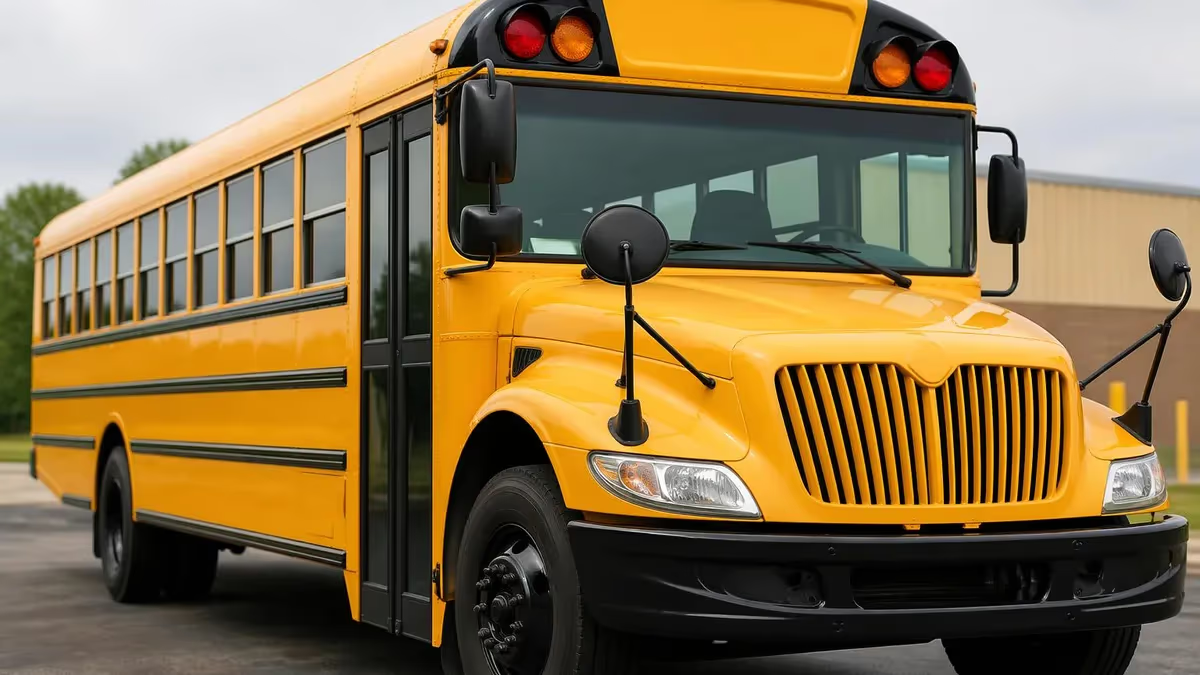
Getting your CDL starts with solid CDL exam prep. The Commercial Driver's License test isn't something you can wing -- it covers federal regulations, vehicle systems, safety procedures, and driving techniques that every commercial driver needs cold. Whether you're after a Class A for over-the-road trucking or a Class B for local delivery, the exam structure is the same: a written knowledge test for your CLP, then a three-part skills test for the full license.
Here's the thing most first-timers don't realize. The knowledge test pulls questions directly from your state CDL manual, which follows FMCSA federal standards. That means if you know the manual, you know the test. But "knowing the manual" takes more than a casual read-through. You need to memorize specific numbers -- weight thresholds, HOS limits, stopping distances, placard requirements -- and understand how they apply in real driving scenarios. If you're wondering how to prepare for cdl exam success, it comes down to structured study plus repeated practice testing.
This guide breaks down the entire CDL exam process. You'll find the test structure for each CDL class, endorsement requirements, a study plan that actually works, and free practice tests to sharpen your knowledge before test day. We've also included a prep checklist so you don't miss any steps along the way. The CDL opens doors to a career with strong demand, solid pay, and real job security -- but you've got to pass the exam first.
CDL Exam Overview: What You're Up Against
A Commercial Driver's License is required to operate vehicles over 26,001 lbs GVWR, vehicles transporting 16+ passengers, or any vehicle hauling placarded hazardous materials. The FMCSA sets the federal standards, but your state DMV administers the actual tests. If you want to know how to prepare for imt cdl exam requirements, start with your state's specific rules -- they build on the federal framework but add their own scheduling, fees, and retesting policies.
The CDL process has two major phases. First, you pass the knowledge test (written exam) to get your Commercial Learner's Permit. Then, after holding the CLP for at least 14 days and completing ELDT training, you take the skills test to earn your full CDL. The knowledge test draws from the state CDL manual -- which itself mirrors the FMCSA model manual -- so the core content stays consistent whether you're testing in Texas or Maine.
Since 2022, every first-time Class A or B CDL applicant must complete Entry Level Driver Training through an FMCSA-registered provider before the skills test. This isn't optional. ELDT covers both theory and behind-the-wheel components. You can verify whether your school qualifies on the FMCSA Training Provider Registry. Don't skip this step -- showing up to the skills test without ELDT completion on file means you won't test that day.
CDL Classes A, B, and C -- Which One Do You Need?
Your CDL exam prep guide needs to match the class you're pursuing. Each CDL class unlocks different vehicle types, and your choice shapes which knowledge tests and skills tests you'll face. Getting the wrong class wastes time and money, so think about your career goals before you start.
Class A CDL covers combination vehicles with a GVWR of 26,001 lbs or more when the towed unit exceeds 10,000 lbs. Think tractor-trailers, flatbeds, tanker trucks. This is the most versatile CDL -- holders can also operate Class B and C vehicles. If you want OTR or regional freight work, Class A is the path. Finding the best CDL exam prep in Orlando or any metro area usually means looking at Class A programs first, since they're the most in-demand.
Class B CDL handles single vehicles over 26,001 lbs GVWR, plus towing up to 10,000 lbs. Straight trucks, dump trucks, transit buses, school buses -- they all fall here. Class B is popular for local routes: delivery, refuse collection, transit. Class C CDL covers vehicles under Class A/B weight thresholds that transport 16+ passengers or haul placarded HazMat. It's the least common class but essential for certain passenger and HazMat operations.
CDL Endorsements
HazMat Endorsement
Required for transporting placarded hazardous materials under 49 CFR Part 172. The knowledge test covers 9 hazard classes, labeling rules, shipping papers, and emergency response. You'll also need a TSA background check and fingerprinting -- that adds 1 to 4 weeks. HazMat drivers earn 15-25% more than non-HazMat routes, making it one of the most valuable endorsements you can add.
The General Knowledge Test: What's Actually on It
Every CDL applicant takes the General Knowledge test -- it's required for all classes. The test typically has 50 questions, and you need 80% (40 correct) to pass in most states. Questions pull directly from your state CDL manual, so there shouldn't be any surprises if you've studied properly. The best CDL exam prep in Orlando programs and training centers across the country focus heavily on this section because it's the gateway to your CLP.
Here's what the test covers: driving safety (speed and space management, hazard recognition), shifting and backing procedures, the 7-step pre-trip vehicle inspection process, braking systems including ABS, coupling and uncoupling for trailers, Hours of Service regulations (the 11-hour driving limit, 14-hour on-duty window, 30-minute break rule), cargo securement, and federal driver qualification rules. Class A applicants also take a separate 20-question Combination Vehicles test on coupling, rollover prevention, and towing.
The numbers trip people up more than anything else. You've got to know 26,001 lbs (CDL threshold), 11 hours (daily driving limit), 14 hours (on-duty window), 30 minutes (mandatory break after 8 hours), 60/70 hours (7/8-day limits), and 1,000 gallons (tanker threshold). Make flashcards for every numerical value in the manual. Seriously -- this one habit separates first-attempt passers from repeat testers.
Building Your CDL Study Plan
A structured approach beats random cramming every time. The best CDL exam prep in Orlando schools and programs across the country follow the same basic formula: read the manual first, then test yourself repeatedly until you can answer questions without hesitation. Here's how to build that into a plan you'll actually follow.
Start with your state CDL manual -- download the free PDF from your state DMV website. Read it cover to cover during your first week. Don't skim. Pay attention to every number, threshold, and regulation. Then begin taking practice tests. Our CDL practice tests on PracticeTestGeeks cover General Knowledge, Air Brakes, Combination Vehicles, HazMat, and every endorsement area. Take a diagnostic test before heavy studying to find your baseline, then target your weakest sections first.
Week two should focus on the sections where you scored lowest. If air brakes gave you trouble, spend extra time on brake lag, compressor governors, and the one-quarter cut-in/three-quarter cut-out pressure cycle. Week three is for endorsement study if you're adding HazMat, Tanker, or other endorsements. Week four is full-length timed practice tests -- at least one per day -- plus review of missed questions. By test day, you should be scoring 90%+ consistently on practice tests before scheduling the real exam.
CDL Exam Prep: Pros and Cons of Different Study Methods
- +Structured study guides organize content in exam-aligned order, cutting time spent figuring out what to study
- +Combining manual reading with practice tests builds both content knowledge and test-taking fluency
- +Free online practice tests let you prep without spending money beyond CDL school tuition
- +Flashcards with spaced repetition dramatically improve retention of numerical thresholds and regulations
- +CDL school classroom time gives you direct access to instructors who know your state's specific test quirks
- +Study groups with other CDL candidates provide accountability and different perspectives on tricky topics
- −No single study guide covers everything perfectly -- most candidates need 2-3 resources for full coverage
- −Self-study requires discipline; without external accountability, it's easy to underallocate prep time
- −Recognizing content isn't the same as answering under timed pressure -- practice tests reveal this gap
- −Study materials can lag behind regulation changes; verify your resources match current FMCSA rules
- −Time estimates in study plans assume ideal conditions; real prep typically takes 30-50% longer
- −Over-reliance on practice test memorization without understanding the why behind answers hurts skills test performance
How to Prepare for the CDL Exam: A Week-by-Week Breakdown
Here's the thing about CDL exam prep that catches people off guard: the best CDL exam prep in Orlando programs and top-rated schools nationwide all emphasize the same core approach. Read first, test second, drill weak spots third. It's not flashy. But it works.
During your first two weeks, focus exclusively on the General Knowledge section. This is the foundation for everything else. Read the chapters on driving safety, vehicle inspection, cargo securement, and HOS rules at least twice. After each reading session, immediately take a practice test on that topic. The gap between what you think you know and what you actually know shows up fast. Don't move to endorsement study until you're consistently scoring 85%+ on General Knowledge practice tests.
Weeks three and four shift to endorsement-specific study and the skills test. If you're going for HazMat, you'll need to memorize the 9 hazard classes, placard thresholds, and shipping paper requirements. For Air Brakes -- which most Class A and many Class B candidates need -- focus on the pressure readings, brake lag time, and the inspection sequence. Meanwhile, start watching pre-trip inspection videos and practicing the verbal walk-around. The skills test is where knowing the material physically matters, not just intellectually.
CDL Exam Preparation Checklist
- ✓Download your state CDL manual from the DMV website (free PDF)
- ✓Read all General Knowledge chapters -- don't skip the boring ones
- ✓Create flashcards for every numerical threshold in the manual
- ✓Take at least 3 full-length CDL General Knowledge practice tests
- ✓Study endorsement sections for your intended vehicle type
- ✓Complete ELDT theory training through an FMCSA-registered provider
- ✓Visit the DMV to verify your document checklist and application requirements
- ✓Pass the CLP knowledge test at your DMV or third-party testing center
- ✓Hold your CLP for at least 14 days before scheduling the skills test
- ✓Complete behind-the-wheel ELDT training with your registered school
State-by-State Testing Differences That Matter
The federal framework is consistent, but state DMVs add their own wrinkles. If you're searching for the best CDL exam prep in Orlando, for example, Florida's testing system has specific quirks you should know about -- appointment wait times in metro areas can run 2-4 weeks during peak seasons, and third-party testing is widely available through CDL schools.
Test appointment availability varies dramatically. Texas, California, and Florida have high CDL demand, which means longer waits at most DMV locations. Book your CLP knowledge test appointment as soon as you start studying -- not after you feel ready. You can always reschedule, but losing weeks to a scheduling backlog is worse than testing slightly early.
Retake policies differ too. Some states allow same-day retakes (with a fee each time). Others impose a 1-7 day waiting period between attempts. A few states even cap total attempts within a set timeframe before requiring full reapplication. Knowing your state's specific policy removes unnecessary pressure and helps you decide whether to test slightly early or wait until you're scoring 90%+ on practice exams.
And don't forget the DOT physical -- you need a valid medical certificate from a certified examiner before CDL issuance. Common disqualifying conditions include blood pressure above 180/110 and vision below 20/40 in either eye. Get your physical early so any required waivers don't delay your timeline.
ELDT Requirements and CDL School Options
Entry Level Driver Training changed the CDL process in 2022. Every first-time Class A or B applicant now needs ELDT through a registered provider. No exceptions. Self-study alone won't cut it anymore -- the FMCSA requires documented theory and behind-the-wheel training before you can sit for the skills test. For the best CDL exam prep in Orlando and other major markets, this means finding an FMCSA-registered school is step one.
CDL school programs typically run 3-8 weeks and cost between $3,000 and $10,000. Community college programs tend to be cheaper. Some trucking companies -- Werner, Swift, CRST, and others -- offer sponsored training where you drive for them post-graduation to offset the tuition cost. These programs vary in quality, so check reviews and FMCSA registration status before committing your time and money.
Online theory training counts toward the ELDT requirement if the provider is FMCSA-registered. This lets you complete classroom study at your own pace before the behind-the-wheel phase. But don't treat online theory as a shortcut. The material is the same -- federal regulations, vehicle systems, safety procedures -- and you'll need to know it cold for both the knowledge test and the hands-on skills evaluation.
You can't receive your CDL without a valid DOT medical certificate. The physical must be performed by a certified medical examiner on the FMCSA National Registry. Schedule it early in your CDL process -- if you need a medical waiver or exemption for conditions like insulin-treated diabetes or hearing loss, the paperwork can take weeks to process. Don't let a medical clearance delay derail your entire CDL timeline.
Practice Tests: Your Most Effective Study Tool
If there's one piece of CDL exam prep advice that matters more than any other, it's this: take practice tests early and take them often. The best CDL exam prep in Orlando instructors and CDL schools everywhere will tell you the same thing. Practice questions reveal the gap between recognition ("I've seen this before") and recall ("I know the answer cold"). That gap is where test failures live.
Start with a diagnostic test before you begin heavy studying. Your score tells you where to focus. If you're already solid on driving safety but weak on HOS regulations, you know exactly where to spend your time. After targeted study, take another practice test on that section. Repeat until you're consistently hitting 90%+. Then move to the next weak area.
Our CDL practice tests on PracticeTestGeeks cover every section: General Knowledge, Air Brakes, Combination Vehicles, HazMat, Passenger, School Bus, Tanker, and Doubles/Triples. Each test mirrors the real exam format with realistic questions based on current FMCSA regulations. Take them under timed conditions when you're close to test day -- building comfort with the clock running reduces anxiety and prevents time-management mistakes during the real thing.
CDL Practice Test Questions
Prepare for the CDL - Commercial Driver's License exam with our free practice test modules. Each quiz covers key topics to help you pass on your first try.
CDL Alabama CDL Combination Vehicles Pract...
CDL Exam Questions covering Alabama CDL Combination Vehicles Practice Test. Master CDL Test concepts for certification prep.
CDL Alabama General Knowledge CDL Practice...
CDL Mock Exam on Alabama General Knowledge CDL Practice Test. CDL Study Guide questions to pass on your first try.
CDL Airbrakes Practice Test
CDL Test Prep for Airbrakes Practice Test. Practice CDL Quiz questions and boost your score.
CDL CLASS A COMMERCIAL DRIVER'S LICENSE PR...
CDL Mock Test covering CLASS A COMMERCIAL DRIVER'S LICENSE PRACTICE TEST. Online CDL Test practice with instant feedback.
CDL Hazmat Practice Test
CDL Test Prep for Hazmat Practice Test. Practice CDL Quiz questions and boost your score.
CDL Tanker Practice Test
CDL Test Online for Tanker Practice Test. Free practice with instant results and feedback.
CDL Class A Commercial Driver's License Pr...
CDL Study Material on Class A Commercial Driver's License Practice Test -1. Prepare effectively with real exam-style questions.
Career Outlook After Your CDL
Passing your CDL exam opens a career path with strong demand and real earning potential. The BLS reports a median salary of $50,489 for heavy and tractor-trailer truck drivers, with top earners clearing $75,000+. The best CDL exam prep in Orlando programs prepare you for a market where over 50,000 trucking companies are actively hiring -- and driver shortages have kept wages climbing for years.
Your CDL class and endorsements shape your options. Class A with HazMat and Tanker endorsements puts you in the highest-paying category. Local Class B positions offer better work-life balance with home-daily schedules. School bus driving (Class B with Passenger and School Bus endorsements) provides a predictable schedule with summers off. The point is that the CDL isn't one career -- it's a platform for dozens of different driving careers, each with different pay scales, schedules, and lifestyle tradeoffs.
New drivers typically start with a training carrier or regional company to build experience and road hours. After 1-2 years with a clean record, you'll qualify for specialized positions that pay significantly more: LTL freight, tanker operations, oversized loads, dedicated routes, and intermodal container hauling.
Some drivers transition into owner-operator roles after building capital, contacts, and enough experience to run their own authority. The CDL exam is just the beginning -- but it's the essential first step that unlocks everything else. Put in the prep work now, pass on your first attempt, and you'll be behind the wheel earning a real paycheck within weeks of graduation.
Related reading: CDL Study covers the next step in more detail.
CDL Questions and Answers
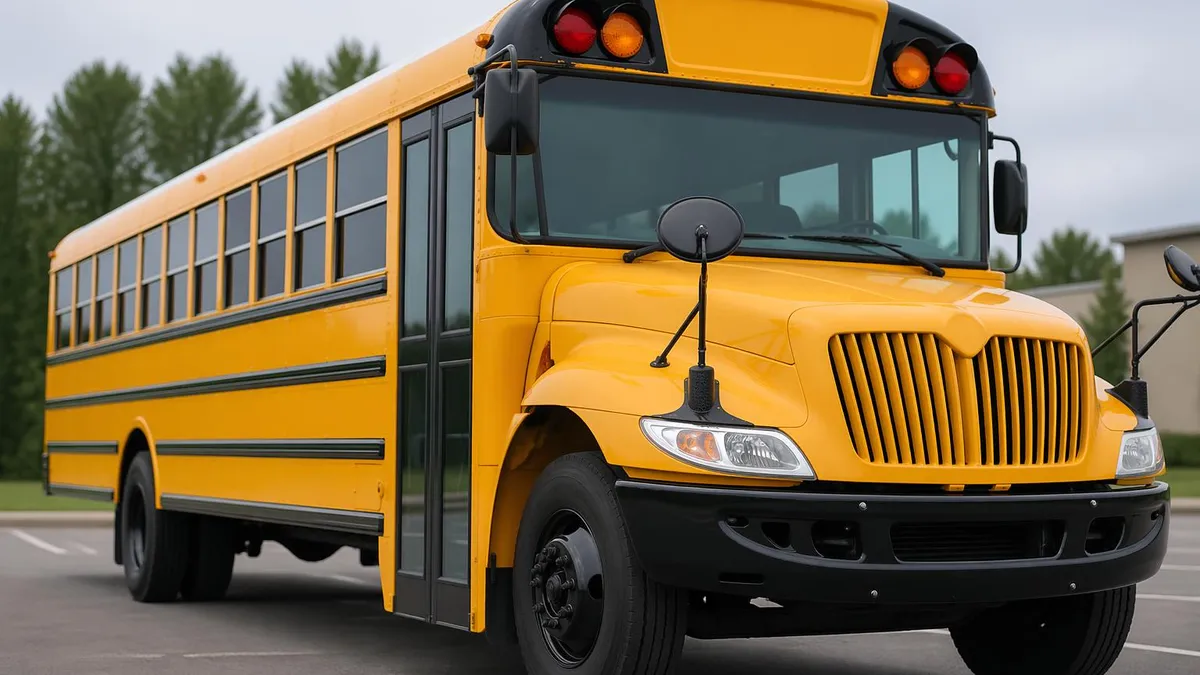
CDL Career Overview: Driving Jobs, Salaries, and How to Get Started
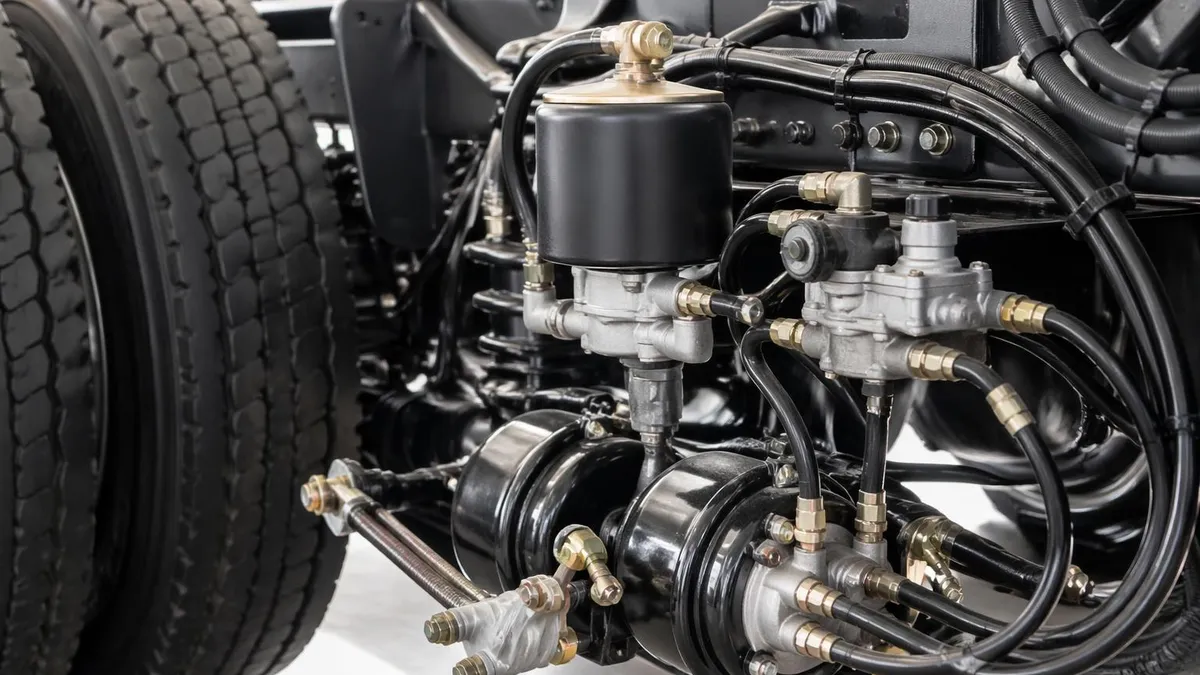
CDL Exam Eligibility: DOT Requirements, Medical Exams, and How to Qualify
CDL Hazardous Materials Study Guide and Essential Study Materials
CDL General Knowledge Test: What You Need to Know About Subject Knowledge
CDL Certification Guide: DOT Requirements, Study Tips & Endorsements
How this page was made: written with AI tools. Exam facts are checked against the official sources listed below. Not reviewed by a subject-matter expert. Editorial policy
Sources & references
Exam facts on this page (fees, format, dates, passing scores) are checked against these official sources; the date is our last check. Editorial policy