
A Cadet's Primary Job Is To: Complete Guide to Cadet General Knowledge
A cadet's primary job is to learn & serve. Master cadet general knowledge, lady cadet course info, and CADET test prep. 🎯

A cadet's primary job is to develop the foundational knowledge, discipline, and leadership skills that form the backbone of military service. Whether you're studying for the CADET exam, exploring the cadet lifestyle, or simply curious about what military training entails, understanding core cadet responsibilities is essential. From the early days of structured formation to advanced leadership exercises, cadets are expected to absorb an enormous breadth of material — and this guide walks you through every major area you need to master.
The term "cadet" covers a remarkably broad spectrum of programs, institutions, and training pipelines. High school JROTC cadets, college ROTC participants, West Point plebes, and students at service academies all share a common thread: a commitment to self-improvement and service before self. The general knowledge required spans military history, customs and courtesies, physical readiness standards, land navigation, weapons safety, chain of command, and academic performance expectations — all of which are testable on the CADET standardized exam.
Many people first encounter the world of cadets through popular culture — most notably the film "Cadet Kelly," which starred Hilary Duff and introduced millions of young viewers to the regimented but rewarding life at a military academy. While Hollywood naturally dramatizes the experience, the core themes of discipline, teamwork, and personal growth depicted in "Cadet Kelly" are genuinely reflective of what cadets experience during their training. The film sparked widespread interest and continues to drive searches for real cadet programs each year.
Beyond pop culture references, the landscape of cadet programs in the United States is vast and varied. The lady cadet course, offered at several military schools and academies, provides female cadets with specialized leadership tracks that address both universal military competencies and gender-specific considerations in military service. These programs have grown significantly over the past two decades as women have taken on increasingly prominent roles across all branches of the U.S. armed forces, demonstrating that cadet training is truly for everyone willing to commit.
The CADET standardized test itself is a rigorous assessment that measures aptitude across mathematics, problem-solving, military history, customs, and general knowledge. Test scores are used by military schools and programs to evaluate candidates for admission, placement, and scholarship eligibility. Preparing thoroughly for this exam requires understanding not just isolated facts but how military concepts interconnect — how chain of command relates to field operations, how historical battles inform modern tactical doctrine, and how customs and courtesies reinforce unit cohesion and discipline in real-world scenarios.
This comprehensive guide covers every major knowledge domain that cadets are expected to master, provides practical study strategies drawn from successful cadet candidates, and maps out exactly how to approach the CADET exam with confidence. Whether you are a prospective cadet just beginning your research, a current program participant seeking to deepen your understanding, or a parent helping a young person navigate military education options, the information here will give you a clear, actionable picture of what cadet general knowledge really means and how to demonstrate it effectively.
Cadet Programs by the Numbers

Core Cadet Responsibilities: What Every Cadet Must Know
Cadets must master the proper rendering of salutes, forms of address for officers and NCOs, reporting procedures, and flag etiquette. These protocols reinforce respect and hierarchy essential to military unit function.
Meeting and maintaining Army Physical Fitness Test (APFT) or branch-equivalent standards is a non-negotiable cadet duty. This includes timed runs, push-ups, sit-ups, and overall fitness benchmarks tied to age and gender.
Cadets at service academies and ROTC programs must maintain minimum GPA requirements, often 2.0 or higher, while simultaneously managing demanding physical and military training schedules alongside college coursework.
Cadet programs intentionally rotate leadership positions — squad leader, platoon sergeant, company commander — so every cadet gains practical experience directing peers, planning operations, and being accountable for outcomes.
Knowledge of basic rifle marksmanship, weapons safety rules, and drill and ceremony movements are foundational cadet skills taught early and continuously reinforced through formal training events and inspections.
Military history is one of the most heavily tested domains on the CADET exam, and understanding why requires recognizing how deeply the U.S. military culture is rooted in historical precedent. Cadets are expected to know key battles, commanders, dates, and strategic decisions from the Revolutionary War through modern conflicts in Iraq and Afghanistan. This isn't trivia for its own sake — military history teaches cadets how leaders succeeded or failed under pressure, how logistics determine outcomes, and how doctrine evolves in response to battlefield lessons.
The customs and courtesies section of cadet general knowledge is equally important and often catches unprepared candidates off guard. Knowing when and how to salute, understanding the significance of morning and evening colors, recognizing unit insignia and rank structure, and being able to recite the Soldier's Creed or equivalent branch documents are all fair game. These customs date back centuries and exist because consistent, respectful behavior builds the trust that unit cohesion depends on when lives are on the line in actual operations.
Chain of command knowledge is another core cadet competency. Every cadet must be able to identify the current Commander in Chief, Secretary of Defense, Chairman of the Joint Chiefs, and the leadership structure of their specific branch from top to bottom. This knowledge isn't static — leadership changes with administrations and promotions, meaning cadets must stay current. The cub cadet mowers of the military world, so to speak, are the junior enlisted who look to cadets-turned-officers for direction, making this chain of command mastery a genuine operational necessity.
Land navigation remains a staple of cadet training that shows up in CADET exam questions and physical training events alike. Using a military lensatic compass, reading a 1:50,000 scale topographic map, identifying terrain features like ridgelines and draws, plotting grid coordinates, and executing a point-to-point azimuth course are skills that every cadet program teaches and tests. In an era of GPS dependency, the military deliberately maintains these analog navigation skills because electronic systems can be jammed, damaged, or simply run out of power in field conditions.
First aid and combat lifesaver knowledge is woven throughout cadet curriculum because no matter what specialty an officer eventually pursues, the ability to render immediate care under fire is a universal military competency. Cadets learn how to treat gunshot wounds, manage airways, apply tourniquets, treat heat casualties, and call for a medical evacuation using the standard nine-line MEDEVAC request format. This content appears on CADET exams in both theoretical question formats and practical application scenarios that test applied understanding rather than rote memorization.
The Uniform Code of Military Justice (UCMJ) is another area that cadet general knowledge tests extensively. Understanding what constitutes an Article 15 offense, how courts-martial work, what rights service members retain under military law, and how the UCMJ differs from civilian criminal law is essential knowledge for any aspiring officer. Cadets who understand the UCMJ are better equipped to lead ethically and to make sound legal judgments when commanding troops — which is precisely why this content appears prominently in cadet training curricula across all branches and programs.
Cadet Kelly, Lady Cadet Course & Popular Cadet Programs
The 2002 Disney Channel film "Cadet Kelly" introduced millions of viewers to the structured world of military academy life. Hilary Duff portrayed a free-spirited teenager thrust into a military school environment, capturing the culture shock, discipline demands, and ultimate personal transformation that characterize cadet programs. The film remains one of the most-searched cadet-related terms online and serves as a genuine gateway for young people who later investigate real military education pathways after connecting with its themes of growth under pressure.
While "film cadet Kelly" takes dramatic liberties for entertainment purposes, the core curriculum elements depicted — drill competitions, physical training standards, honor codes, and leadership evaluations — accurately reflect what cadets experience. Searches for the cadet kelly film frequently lead prospective cadets to research JROTC programs, military boarding schools, and service academy admissions processes. This cultural touchstone has meaningfully shaped public awareness of cadet programs in the United States over the past two decades.

Benefits and Challenges of Cadet Programs
- +Full tuition scholarships available at service academies and through ROTC programs
- +Structured leadership development that accelerates professional growth compared to civilian peers
- +Guaranteed employment commission as a military officer upon graduation
- +Access to world-class physical training facilities, mentors, and professional networks
- +Strong camaraderie and lifelong bonds formed through shared hardship and achievement
- +Valuable credentials — service academy degrees carry enormous weight in both military and civilian career markets
- −Significant time commitment with limited personal freedom during the cadet training period
- −Mandatory active duty service obligation typically ranging from four to eight years after commissioning
- −Highly competitive admissions process at service academies with acceptance rates under 12%
- −Physical and mental demands are substantial and not suitable for every personality type or health profile
- −Frequent relocation requirements throughout a military career can strain personal and family stability
- −Career path is largely determined by military needs and branch assignments rather than individual preference
CADET Exam Preparation Checklist
- ✓Review U.S. military history from the Revolutionary War through the Global War on Terror, noting key commanders and turning-point battles.
- ✓Memorize the current chain of command from Commander in Chief down to battalion-level leadership positions.
- ✓Study military customs and courtesies including saluting rules, reporting procedures, and flag etiquette protocols.
- ✓Practice CADET math sections daily — arithmetic, algebra, geometry, ratios, and multi-step word problems are all fair game.
- ✓Learn the Uniform Code of Military Justice basics: Article 15 procedures, courts-martial types, and service member rights.
- ✓Master land navigation concepts: compass use, grid coordinates, topographic map reading, and terrain feature identification.
- ✓Review military rank insignia for all five branches of the U.S. armed forces — Army, Navy, Air Force, Marines, and Coast Guard.
- ✓Memorize first aid and combat lifesaver procedures including tourniquet application and the nine-line MEDEVAC format.
- ✓Study military acronyms, phonetic alphabet (Alpha through Zulu), and standard military time conversion.
- ✓Take at least three full-length timed CADET practice tests under realistic exam conditions before your test date.
A Cadet's Primary Job Is to Learn — And the CADET Exam Tests Exactly That
The single most important concept to internalize before taking the CADET exam is that the test measures your ability to absorb, retain, and apply military knowledge under timed pressure — precisely mirroring the core skill set that officer candidates must demonstrate throughout their careers. Candidates who approach each practice session as genuine exam simulation, rather than casual review, consistently outperform those who read passively without testing themselves. Allocate at least 40% of total study time to active recall practice using timed questions.
Leadership development is the central purpose around which all cadet training orbits. Every physical training session, every classroom lecture on military history, every drill and ceremony rehearsal, and every field training exercise exists ultimately to develop leaders who can make sound decisions under pressure, communicate clearly in ambiguous situations, and maintain the trust of the soldiers, sailors, airmen, or marines they will one day lead. Understanding this overarching purpose helps cadets make sense of why general knowledge requirements are so broad — effective leaders must understand the full context of military operations.
The concept of character-based leadership is woven throughout every serious cadet program in the United States. Rather than simply training cadets to follow rules, top programs invest heavily in developing the ethical reasoning capacity that allows young officers to navigate complex moral situations on the battlefield and in garrison. This is why cadet general knowledge includes not just tactical and technical content but also philosophy of leadership, military ethics, cross-cultural competency, and decision-making under uncertainty — all areas that distinguish truly effective officers from those who merely follow procedures.
Mentorship relationships formed during cadet training are among the most professionally valuable outcomes of the entire experience. Senior cadets mentor junior cadets, active-duty officers mentor cadet candidates, and alumni networks provide career-long support to graduates of cadet programs. This mentorship culture explains why service academy and ROTC graduates consistently outperform civilian peers in leadership roles across both military and private-sector environments — they arrive at their first jobs having already built and leveraged genuine professional mentorship relationships that most people don't access until much later in their careers.
The physical demands of cadet training deserve serious consideration from any prospective candidate. Meeting the minimum fitness standards is not sufficient — cadets who arrive at service academies or ROTC programs in peak physical condition are dramatically better positioned to focus their mental energy on academic and leadership development rather than struggling to pass fitness tests. Most successful candidates begin structured physical training programs twelve to eighteen months before their program start date, working with coaches or trainers to build functional fitness that transfers directly to military physical readiness requirements.
Academic performance in cadet programs is simultaneously more demanding and more supported than at conventional universities. Service academy cadets carry heavy course loads in STEM-heavy curricula while also fulfilling military training requirements that consume significant time each week. However, they have access to exceptional academic support resources including peer tutoring, small class sizes with experienced faculty mentors, and structured study periods built into the daily schedule. Cadets who use these resources proactively consistently outperform those who attempt to manage academic challenges in isolation without seeking help.
The transition from cadet to commissioned officer represents one of the most significant professional pivots any young person can make. Upon graduation and commissioning, former cadets suddenly hold genuine authority over enlisted service members who may have decades more experience than they do. Successful new officers navigate this challenge by demonstrating intellectual humility, seeking guidance from experienced NCOs, communicating clearly about expectations and standards, and consistently modeling the behavior they expect from their soldiers. All of this is why cadet programs front-load leadership theory and practice so heavily — the stakes of poor leadership in military contexts are extraordinarily high.
CADET exam registration deadlines and eligibility windows vary by program and institution — missing a registration cutoff can delay your application by a full admissions cycle. Most service academy applicants must begin the nominations process with their congressional representative at least 12 to 18 months before their desired entry date. Check your specific program's official website for current deadlines, as military school admissions calendars change annually and late applications are rarely accepted regardless of the candidate's qualifications.
Developing a structured study plan is the single most important step any cadet candidate can take before sitting for the CADET exam. The breadth of material covered across mathematics, military history, and general knowledge domains makes ad hoc studying deeply inefficient. Successful candidates consistently report spending eight to twelve weeks on dedicated CADET exam preparation, devoting one to two hours per day across all tested domains rather than cramming any single subject immediately before the test date. This distributed practice approach aligns with established learning science research on long-term retention.
Mathematics preparation for the CADET exam requires particular attention because the math section tests a wider range of skills than many candidates initially expect. Beyond basic arithmetic and algebra, the CADET math section includes geometry, data interpretation, probability, and multi-step word problems that require translating complex real-world scenarios into mathematical operations. Candidates who identify their weakest math areas early in their preparation and allocate extra practice time to those specific skill gaps consistently perform better than candidates who review math broadly without targeting individual weaknesses systematically.
The military history section of the CADET exam rewards candidates who understand context and causation rather than simply memorizing isolated dates and names. When studying historical battles, focus on why each battle was strategically significant, what leadership decisions proved decisive, and what doctrinal lessons the military drew from the outcome. Understanding that the D-Day landings succeeded partly because of elaborate Allied deception operations, for example, tells you something meaningful about intelligence operations that connects to broader military doctrine — and that kind of connected understanding helps on exam questions that ask about principles rather than pure facts.
Practice tests are the most effective single tool in any CADET exam preparation toolkit. Taking full-length practice exams under timed conditions accomplishes several things simultaneously: it familiarizes you with the exam format and pacing, identifies knowledge gaps that reading alone may not reveal, builds the mental stamina required to perform well across a multi-section exam, and reduces test-day anxiety by making the actual experience feel familiar rather than novel. Most successful candidates complete at least three to five full practice exams in the weeks leading up to their actual test date.
Reviewing incorrect practice test answers is where the real learning happens. Many candidates make the mistake of simply noting which questions they got wrong and moving on without deeply analyzing why the error occurred. Was it a knowledge gap — you simply didn't know the material? A reasoning error — you understood the concept but made a logical mistake applying it?
A reading error — you misread the question or answer choices under time pressure? Each error type requires a different corrective strategy, and candidates who conduct rigorous error analysis on practice tests improve far more rapidly than those who merely repeat tests without reflection.
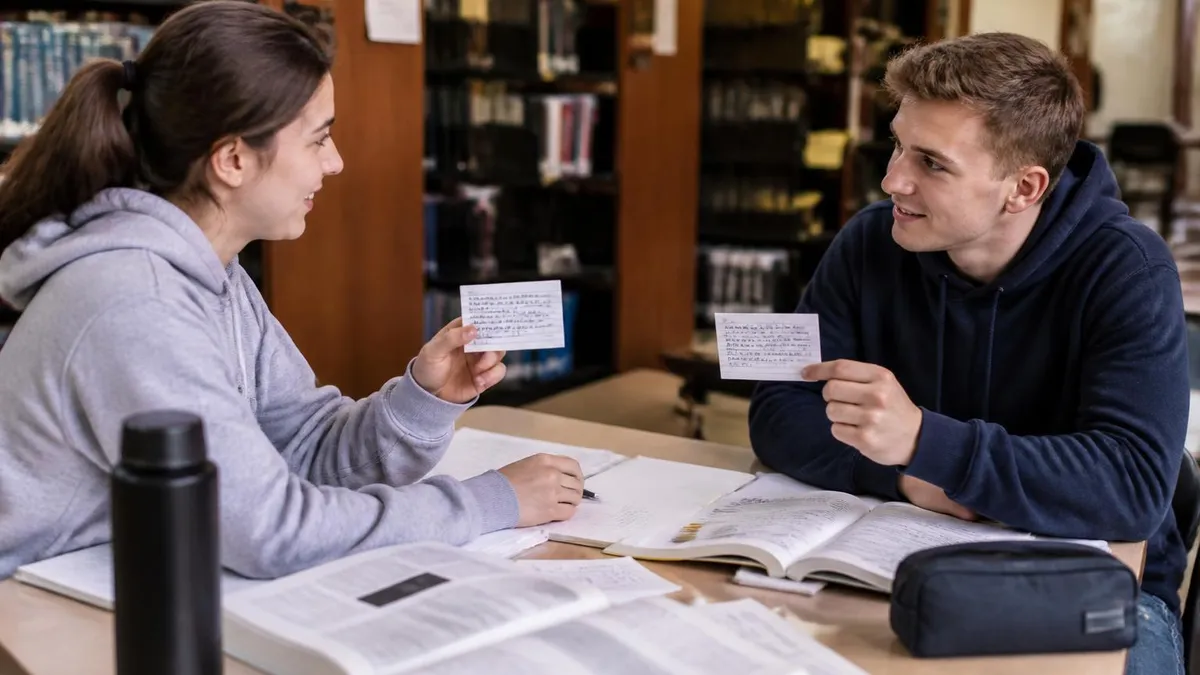
Study groups can significantly accelerate CADET exam preparation when structured effectively. Reviewing military history with peers who can quiz each other on dates, commanders, and strategic significance is more engaging and effective than solitary reading.
Teaching a concept to a peer is also one of the most powerful ways to identify gaps in your own understanding — if you can't explain the significance of the Battle of Midway clearly enough for a classmate to understand it, you probably don't understand it well enough to answer exam questions about it reliably under timed pressure. The lady cadet course style of cohort-based learning reflects this principle precisely.
In the final weeks before your CADET exam, the most productive strategy shifts from learning new material to consolidating and reinforcing what you already know. This consolidation phase should include daily review of your most challenging topics, timed practice on the question types where you've historically performed below your target score, and active recall exercises that force you to retrieve information from memory rather than passively re-reading notes. Sleep, nutrition, and physical exercise during this final preparation phase are not optional extras — they are performance-critical variables that directly affect cognitive function on test day.
Time management during the actual CADET exam is a skill that requires deliberate practice in advance. Many candidates lose significant points not because they lack knowledge but because they spend too long on difficult questions early in a section, leaving insufficient time for questions they could have answered correctly with more time. Practicing a consistent pacing strategy — spending no more than a set number of seconds per question before flagging for review and moving on — is a skill that only develops through repeated timed practice, not through reading about it conceptually.
The mental approach you bring to the CADET exam on test day matters more than most candidates realize. Arriving rested, well-fed, and with time to spare eliminates unnecessary anxiety that depletes cognitive resources you need for actual test performance. Treat the exam as a demonstration of preparation you've already done rather than a high-stakes performance where everything could go wrong. Candidates who approach standardized tests with confident calm consistently outperform equally prepared candidates who arrive anxious and overwhelmed, because anxiety consumes working memory that is otherwise available for problem-solving.
After the exam, regardless of how you feel about your performance, request feedback from your program coordinator or admissions officer about your results as soon as they are available. Understanding which sections of the CADET exam you performed strongest and weakest on provides invaluable guidance for any necessary retesting preparation. Most programs allow candidates to retake the exam after a waiting period, and candidates who approach a retake with targeted preparation based on their first attempt score report significantly better outcomes than those who simply repeat the same general preparation strategy a second time.
Building a sustainable study habit in the months before your CADET exam also pays dividends far beyond the test itself. The discipline, consistency, and structured self-management skills you develop during exam preparation are the same skills that will serve you throughout a cadet program and military career. Officers who succeed long-term are those who maintain continuous learning habits throughout their careers — staying current on evolving doctrine, studying military history with fresh eyes as operational contexts change, and pursuing professional military education opportunities with genuine engagement rather than perfunctory compliance.
Finally, remember that the CADET exam is a gateway, not a destination. Passing the exam with a competitive score earns you entry into a training environment where real development begins. The most successful officers and cadet graduates consistently describe their time in cadet programs as the period when they developed their most enduring professional values — commitment to excellence, accountability to peers and subordinates, and the quiet confidence that comes from knowing you've been tested under genuine pressure and emerged stronger. That transformation is what cadet general knowledge, properly internalized, ultimately prepares you for.
CADET Questions and Answers

West Point Cadet Life: Do West Point Cadets Get Summers Off? Complete Guide

Cadet Wings Program: Complete Guide to Earning Your Wings as a Military Cadet

Sea Cadet Program: Complete Guide to the US Naval Sea Cadets

What Is a Cadet? Complete Guide to Cadet Programs, Training & the CADET Test

Camp CADET: Complete Guide to Programs, Military Training, and CADET Test Preparation
About the Author

Educational Psychologist & Academic Test Preparation Expert
Columbia University Teachers CollegeDr. Lisa Patel holds a Doctorate in Education from Columbia University Teachers College and has spent 17 years researching standardized test design and academic assessment. She has developed preparation programs for SAT, ACT, GRE, LSAT, UCAT, and numerous professional licensing exams, helping students of all backgrounds achieve their target scores.
Join the Discussion
Connect with other students preparing for this exam. Share tips, ask questions, and get advice from people who have been there.
View discussion (9 replies)