
Air Force CADET: Complete Guide to Programs, Training, and the CADET Test
Everything about air force cadet programs, training paths, and the CADET test. From cadet kelly to ROTC, get ready to serve. 💯

The air force cadet pathway is one of the most structured and rewarding routes into military service available to young Americans today. Whether you first heard the word "cadet" watching the beloved film cadet kelly or you're seriously researching officer commissioning programs, understanding exactly what it means to be a cadet — and how to prepare for the standardized assessments that accompany that journey — is essential. The CADET test serves as a key academic benchmark, and thousands of aspiring officers sit it every year across Reserve Officer Training Corps programs nationwide.
Air Force ROTC, the Air Force Academy, and related junior programs collectively produce the next generation of commissioned officers who lead America's most technologically advanced military branch. The term "cadet" carries significant weight: it signals a person in formal training who has accepted a structured commitment to physical fitness, academic achievement, leadership development, and service. Understanding what the word encompasses helps you navigate everything from application requirements to daily training obligations with confidence and clarity.
The CADET test — formally associated with programs under the College Assessment and Diagnostic Evaluation for Training — measures competencies in mathematics, problem solving, and military history that are foundational to cadet success. This assessment is not simply a gatekeeping hurdle; it reflects the actual cognitive and historical knowledge base that officers need to make fast, accurate decisions in high-pressure environments. Scoring well requires deliberate, strategic preparation rather than last-minute cramming.
Many students entering cadet programs underestimate the breadth of knowledge tested. The mathematics sections demand fluency in algebra, geometry, data analysis, and logical reasoning. The military history sections require familiarity with key battles, command structures, strategic doctrines, and the evolution of air power from the Wright Brothers to modern fifth-generation fighters. Balancing both domains while also managing physical training and coursework is the central challenge every air force cadet candidate faces.
This guide is designed to give you a comprehensive overview of what air force cadet programs involve, how the CADET test is structured, and how to build a study plan that gives you the best possible chance of success. You will find detailed breakdowns of program requirements, realistic timelines, honest assessments of the challenges involved, and practical strategies drawn from the experiences of cadets who have successfully navigated these programs. Use the table of contents on the right to jump to any section that is most relevant to your current stage of preparation.
One dimension of cadet life that surprises many new entrants is the community and culture that develops inside a cadet corps. The bonds formed during field training exercises, leadership laboratory sessions, and academic study groups are among the most lasting of a person's life. The discipline instilled during cadet training does not disappear at commissioning — it becomes the foundation upon which an entire military career is built. Understanding this culture from the outset helps candidates approach the process with the right mindset and expectations.
Whether you are a high school junior researching the Air Force Academy, a college freshman considering Air Force ROTC, or a parent trying to understand what your child is getting into, this article provides the grounded, detailed information you need. The journey from civilian to air force cadet to commissioned officer is demanding by design — but with the right preparation and support, it is absolutely achievable for motivated, capable individuals who are willing to do the work.
Air Force Cadet Programs by the Numbers

Air Force Cadet Program Structures
A four-year federal institution in Colorado Springs that admits roughly 1,200 cadets annually through a highly competitive nomination and selection process. Graduates receive a Bachelor of Science degree and commission as second lieutenants.
Available at over 1,100 colleges and universities, ROTC allows students to earn a civilian degree while completing military training. Scholarship recipients receive tuition, fees, and a monthly stipend in exchange for a service commitment.
A high school program present in thousands of schools nationwide that introduces students to aerospace science, citizenship, and leadership. JROTC does not obligate service but provides a strong foundation for college-level cadet programs.
An auxiliary of the US Air Force, Civil Air Patrol runs a cadet program for youth ages 12–18 covering aerospace education, emergency services, and leadership. Graduates may receive ROTC credit or advanced promotion at enlistment.
A 9.5-week commissioning program for college graduates who did not complete ROTC. OTS is intensely compressed, covering leadership, military customs, law of armed conflict, and physical standards in a very short window.
Preparing for the CADET test requires a clear-eyed understanding of what the assessment actually measures and how that knowledge maps onto the daily realities of commissioned officer service. The mathematics and problem-solving sections are not designed to trip up candidates with obscure formulas — they are designed to verify that an officer can process quantitative information quickly and accurately under time pressure. This means your preparation should emphasize speed and pattern recognition as much as conceptual understanding. Drilling practice questions under timed conditions is not optional; it is the core of an effective study strategy.
Building a cadet portfolio of your academic achievements, leadership roles, and community service is equally important alongside test preparation. Scholarship boards and program selection committees look at the whole candidate, and a strong CADET test score paired with a thin extracurricular record will not outperform a slightly lower score attached to genuine leadership experience. Cadets who have led clubs, played team sports, volunteered in community organizations, or held part-time jobs that required responsibility demonstrate the character traits programs value most.
Military history knowledge tested in the CADET assessment spans a wide chronological range, from the earliest organized armies of antiquity through the Global War on Terror. For air force cadets specifically, the evolution of air power deserves particular attention. The Wright Brothers' first flight in 1903, the formation of the Army Air Corps in 1926, the creation of an independent Air Force in 1947, and the development of stealth technology in the 1980s are all landmark events that contextual military history questions frequently reference. Understanding not just dates but strategic implications is what separates strong scorers from average ones.
Time management during the actual CADET test is a skill unto itself. Many candidates know the material but struggle with pacing, spending too long on difficult questions and leaving easier ones unanswered at the end of each section.
The proven strategy is to move through each section at a consistent pace, mark questions you are uncertain about, complete the entire section first, and then return to marked questions with remaining time. Never leave a question blank if you have time to make an educated guess — the scoring does not penalize guessing, so a thoughtful estimate is always better than an empty answer.
Study groups have proven consistently effective for CADET test preparation, particularly for the military history sections. When you study alone, you are limited to your own knowledge gaps and blind spots. When you study with peers who are also preparing, you encounter questions and perspectives you would never generate independently. Regular discussion of historical events, command decisions, and strategic outcomes reinforces retention far more effectively than passive re-reading of notes. If you cannot find an in-person group, online forums and study platforms can serve a similar collaborative function.
Practice tests are the single most important study tool available. Taking a full-length practice test under realistic conditions — timed, without distractions, seated as you would be on test day — gives you data that no amount of content review can provide. After each practice test, spend at least as much time reviewing wrong answers as you spent taking the test itself. Understanding why you got something wrong, whether from a knowledge gap, a misread question, or a careless calculation error, is the only way to systematically improve your score over successive attempts.
Many successful CADET test takers schedule their first practice test before they have reviewed any material at all, using it as a diagnostic baseline. This cold assessment tells you exactly where your starting point is and which domains need the most work. A person who scores well on mathematics cold but struggles with military history should weight their study schedule accordingly, spending 70 percent of their time on history and 30 percent reinforcing math fluency. Tailoring your preparation to your actual profile rather than following a generic study plan is the most efficient path to score improvement.
Cadet Training Tracks and Career Paths
The pilot track is the most competitive path within air force cadet programs, attracting candidates with strong STEM backgrounds and near-perfect vision. Cadets interested in flying must score well on the Air Force Officer Qualifying Test pilot composite, pass a stringent flight physical, and demonstrate coordination and spatial reasoning skills through standardized assessments administered at select evaluation centers. Competition for pilot training slots is fierce, and only a fraction of cadets who express pilot interest ultimately receive an Undergraduate Pilot Training assignment upon graduation.
Once selected, newly commissioned officers attend Undergraduate Pilot Training at bases including Vance AFB in Oklahoma, Columbus AFB in Mississippi, or Laughlin AFB in Texas, where they spend approximately one year learning to fly the T-6A Texan II and then progressing to either the T-38 Talon or T-1A Jayhawk depending on the aircraft track they are assigned. Graduating from UPT and receiving wing pins is considered one of the proudest milestones in a military aviation career, representing years of preparation and months of intensive instruction.

Air Force Cadet Programs: Benefits and Challenges
- +Full tuition scholarship available through ROTC for four years of college education
- +Guaranteed employment and competitive starting salary upon commissioning as a second lieutenant
- +World-class leadership development recognized and respected by civilian employers
- +Access to advanced technical training, graduate school, and professional military education
- +Strong peer network and lifelong fraternity with fellow officers and veterans
- +Travel opportunities to domestic and international installations throughout a military career
- −Multi-year active duty service commitment required in exchange for scholarship benefits
- −Physical fitness standards are rigorous and must be maintained consistently throughout the program
- −Assignment locations are determined by the Air Force, not personal preference
- −The CADET test and officer qualifying assessments require significant dedicated preparation time
- −Cadet schedules are demanding, combining academic workload with military training obligations
- −Separation from family and friends during training exercises, deployments, and permanent change of station moves
Pros and Cons at a Glance
| Pros | Cons |
|---|---|
| Full tuition scholarship available through ROTC for four years of college education | Multi-year active duty service commitment required in exchange for scholarship benefits |
| Guaranteed employment and competitive starting salary upon commissioning as a second lieutenant | Physical fitness standards are rigorous and must be maintained consistently throughout the program |
| World-class leadership development recognized and respected by civilian employers | Assignment locations are determined by the Air Force, not personal preference |
| Access to advanced technical training, graduate school, and professional military education | The CADET test and officer qualifying assessments require significant dedicated preparation time |
| Strong peer network and lifelong fraternity with fellow officers and veterans | Cadet schedules are demanding, combining academic workload with military training obligations |
| Travel opportunities to domestic and international installations throughout a military career | Separation from family and friends during training exercises, deployments, and permanent change of station moves |
CADET Test Preparation Checklist
- ✓Take a cold diagnostic practice test to establish your baseline score in both mathematics and military history sections.
- ✓Review algebra, geometry, and data interpretation concepts using a standardized test prep workbook or online resource.
- ✓Create a military history timeline covering major US conflicts from the Revolutionary War through the 21st century.
- ✓Study the formation and evolution of the US Air Force from the Army Air Corps designation through the 1947 National Security Act.
- ✓Practice solving math problems under timed conditions to build the speed required for actual test-day performance.
- ✓Join or form a CADET study group to discuss military history topics and quiz each other on key events and figures.
- ✓Complete at least three full-length practice exams under realistic timed conditions before your scheduled test date.
- ✓Review all incorrect practice answers thoroughly, identifying whether errors stem from knowledge gaps or procedural mistakes.
- ✓Familiarize yourself with military customs and courtesies, rank structures, and the Uniform Code of Military Justice basics.
- ✓Schedule your test date at least six to eight weeks after beginning structured preparation to allow sufficient study time.
Practice Tests Beat Passive Reading Every Time
Research on military exam preparation consistently shows that candidates who complete five or more full-length practice tests before their actual exam outperform those who spend the same amount of time reviewing notes. Active retrieval — answering questions under time pressure — builds the memory pathways and test-taking stamina that passive study simply cannot replicate. Start practicing early and test often.
Physical fitness standards for air force cadets are demanding, measurable, and non-negotiable. The Air Force Fitness Assessment evaluates four components: a 1.5-mile run, push-ups, sit-ups, and waist circumference measurement. Cadets in training programs must not only meet minimum standards but are expected to pursue continuous improvement, since fitness scores are evaluated periodically throughout the cadet phase and a pattern of borderline scores can affect program standing, scholarship status, and commissioning eligibility. Beginning a structured physical training regimen months before entering any cadet program is strongly advisable.
Leadership development is woven into every aspect of cadet life in a way that cannot be replicated in standard academic settings. Cadets rotate through leadership positions within the cadet wing or detachment, experiencing the challenges of directing their peers, planning training events, managing logistics, and holding others accountable to standards. These experiences build a practical understanding of leadership that complements the theoretical leadership models taught in classroom settings. The tension between being a student who is still learning and being a leader who must perform is precisely what makes cadet programs so effective at building officers.
The cub cadet zero turn reference in popular culture reminds us that the word "cadet" carries meanings far beyond military service — but within the context of air force programs, the term represents a specific and honored status. Cadets are not yet officers, but they are more than civilians. They occupy a transitional space that carries real responsibilities, real authority within cadet hierarchies, and real consequences for performance. Understanding this liminal identity helps new cadets approach the experience with appropriate seriousness and appropriate humility.
Field training is the crucible experience of ROTC cadet development. Typically conducted at Maxwell Air Force Base in Alabama during the summer between a cadet's sophomore and junior years, Field Training is a four-week intensive evaluation where cadets are assessed on their leadership potential, teamwork, physical fitness, and ability to perform under stress. The evaluation is cumulative, meaning that every exercise, briefing, and peer assessment contributes to an overall score that significantly influences future scholarship decisions, program continuation, and eventually commissioning priority for rated (flying) positions.
Air Force Academy cadets undergo an even more intensive version of this formative experience called Basic Cadet Training, commonly known as BCT or "Beast." This six-week program begins immediately after in-processing in late June and concludes with a mountain march back to the cadet area in August. BCT is deliberately challenging: it strips away civilian habits and instills military bearing, teamwork, and resilience in incoming fourth-class cadets (recognized as "doolies") before they integrate with the rest of the cadet wing for the academic year. Those who make it through BCT emerge with a fundamentally different self-understanding.
Mentorship is one of the most underutilized resources available to cadet candidates during their preparation phase. Every ROTC detachment has cadre officers who hold office hours specifically to advise prospective and current cadets. The Air Force Academy has an admissions liaison officer network of graduates who volunteer to assist applicants in their geographic areas. Civil Air Patrol senior members routinely mentor youth cadets. Taking the initiative to seek out these mentors, ask thoughtful questions, and follow up on their advice demonstrates exactly the kind of proactive leadership mindset that program evaluators are looking for throughout the selection process.
The connection between academic success and cadet program success is direct and consistent. Programs look for candidates who have demonstrated they can manage competing demands — excelling academically while also contributing to their communities, maintaining physical fitness, and developing leadership skills. A candidate who has only one of these dimensions developed will struggle to meet the full-spectrum expectations of cadet training. The CADET test serves partly as a proxy measure for academic capability, which is why preparing thoroughly for it signals to selection boards that you understand the comprehensive nature of what they expect from their officer candidates.

Air Force ROTC scholarship applications typically open in the spring of junior year and close in December for the following fall enrollment. Medical examinations through the Department of Defense Medical Examination Review Board (DoDMERB) must be completed well in advance of commissioning — conditions discovered late in the cadet phase can affect eligibility for commissioning even after years of successful program participation. Begin your medical pre-screening and application paperwork early to avoid timeline complications.
Daily life as an air force cadet balances academic demands, physical training, military obligations, and social community in ways that are genuinely unlike any other undergraduate experience. A typical weekday for an ROTC cadet might begin with a 5:30 a.m. physical training session, followed by a full day of college classes, an afternoon leadership laboratory session, evening study hours, and preparation for the next day's military requirements. This schedule is not designed to be easy — it is designed to prove that you can manage multiple competing priorities simultaneously, which is precisely what officers must do throughout their careers.
The social culture of cadet programs is built on shared challenge. When a group of people regularly push through difficult physical and mental experiences together, they develop trust and camaraderie that persists long after the program ends. Alumni networks of Air Force ROTC and Academy graduates are among the strongest professional networks in any industry, providing career connections, job references, and mentorship opportunities that extend throughout a 20-to-30-year military career and beyond into second careers in the civilian sector. Many cadets cite this network as one of the most valuable long-term benefits of their time in the program.
Understanding the cub cadet riding mower distinction — that is, the difference between various types of cadet programs and their associated obligations — is something many applicants overlook until they are deep in the application process. Non-scholarship ROTC cadets, scholarship cadets, and Academy cadets all operate under different contractual and financial arrangements. A non-scholarship cadet can participate in ROTC training for two years before incurring any service obligation, giving them time to evaluate whether military service is right for them before making a binding commitment. This distinction is important and worth understanding clearly before enrolling.
The intersection of pop culture and military service is worth acknowledging, because many candidates who ultimately pursue air force cadet programs trace their initial interest to media portrayals of military life. Movies like the famous film cadet kelly have introduced millions of viewers to the concept of cadet discipline, military customs, and the personal growth that structured programs can produce.
While feature films naturally dramatize and simplify the cadet experience, they do capture something genuine: the transformation that occurs when motivated young people commit to a program that demands more of them than anything they have encountered before is real and profound.
Financial considerations are a significant factor for many cadet candidates and their families. Air Force ROTC offers three-year and four-year scholarship options that cover tuition and mandatory fees, provide a textbook allowance, and pay a monthly stipend that ranges from $300 to $500 depending on year in school. In exchange, scholarship recipients incur a four-year active duty service commitment following commissioning. When calculated over the life of a military career including housing allowances, health care, retirement benefits, and education opportunities, the total compensation package compares very favorably to starting civilian salaries in most fields.
Mental health and resilience have become increasingly prominent topics in military training programs over the past decade, and for good reason. The demands placed on cadets are significant, and the stigma around acknowledging struggle has decreased meaningfully as service branches have invested in psychological health resources. Most major ROTC detachments and the Air Force Academy have counseling services specifically designed for cadets, and taking advantage of these resources when needed is now recognized as a sign of self-awareness rather than weakness. Building mental resilience alongside physical fitness is a priority for modern cadet programs.
Graduation from a cadet program — whether that means pinning on second lieutenant bars at an ROTC commissioning ceremony or tossing your cover at the Academy's graduation parade — is a milestone that cadets and their families remember forever. It marks the successful completion of a rigorous multi-year development process and the beginning of a career in service.
The discipline, leadership skills, and professional network built during the cadet years provide a foundation that shapes everything that follows, from first assignments to command tours to the eventual transition back to civilian life. The investment in the cadet journey pays dividends for decades.
As you finalize your preparation for the CADET test and cadet program applications, several practical strategies can make a meaningful difference in your outcomes. First, create a structured weekly study schedule that allocates specific time blocks to each content area rather than studying whatever feels convenient on a given day. Specificity in scheduling dramatically increases follow-through. Treat your study sessions like mandatory appointments that cannot be rescheduled, because in a cadet program, mandatory training does not move for personal convenience, and building that habit now pays dividends later.
Second, take advantage of every free practice resource available before investing in paid materials. PracticeTestGeeks.com offers CADET-specific practice tests in both mathematics and military history that are directly aligned with the assessment format you will encounter. These free resources allow you to identify your weakest areas without spending money on generic test prep products that may not reflect the actual content or format of the CADET evaluation. Strategic use of targeted, format-accurate practice materials is far more efficient than high-volume review of loosely related content.
Third, engage with your ROTC detachment or Academy admissions liaison officer as early as possible in your preparation process. These individuals have direct insight into what selection boards are looking for, what common mistakes applicants make, and what distinguishes competitive candidates from the broader applicant pool. They can review your application materials, give feedback on your personal statement, and provide informal assessments of your program readiness that are far more valuable than any published guide, including this one. Personal relationships with program cadre are among the highest-use investments you can make during the preparation phase.
Fourth, pay attention to the small things that signal military bearing and attention to detail. When you attend a cadet program event, arrive early. When you communicate with program cadre, write professional emails. When you show up for a physical fitness test, demonstrate maximum effort even if you are already above the minimum standard. These behaviors are observed and remembered, and they reflect the character traits that commissioned officer roles demand. The CADET test score matters, but so does the impression you create at every point of contact with the program.
Fifth, build a strong support system of family, friends, and peers who understand and respect your commitment to the cadet preparation process. Cadet training is demanding enough on its own — carrying it alongside unsupportive relationships or distracting social environments makes it exponentially harder. Many cadets find it helpful to connect with others who are going through the same preparation process, whether through ROTC detachment networks, online cadet communities, or Civil Air Patrol units. Shared purpose is a powerful motivator during the inevitably difficult stretches of preparation.
Sixth, plan your nutrition, sleep, and recovery as deliberately as you plan your study sessions and physical training. Cognitive performance on standardized tests is directly affected by sleep quality — a candidate who is well-rested and nutritionally fueled will consistently outperform a more knowledgeable candidate who is sleep-deprived and poorly nourished. In the final week before your CADET test date, prioritize sleep over late-night cramming. The marginal knowledge gain from an extra hour of studying at midnight is far outweighed by the cognitive cost of taking the test fatigued.
Finally, remember that the CADET test and the cadet program application process are not ends in themselves — they are the beginning of a journey that extends far beyond any single assessment. Approach each stage of preparation with the long-term perspective of someone who is building a career in service, not just trying to pass a test. The habits of discipline, preparation, and continuous improvement that you develop now are exactly the habits that will define your effectiveness as a commissioned officer throughout your career. Start building those habits today, and the rest of the journey becomes significantly more manageable.
CADET Questions and Answers

Air Force Cadet Chapel: History, Architecture & Visitor Guide 2026

Cadet Command Regulations: Understanding Pamphlet 145-4 and ROTC Standards for 2026
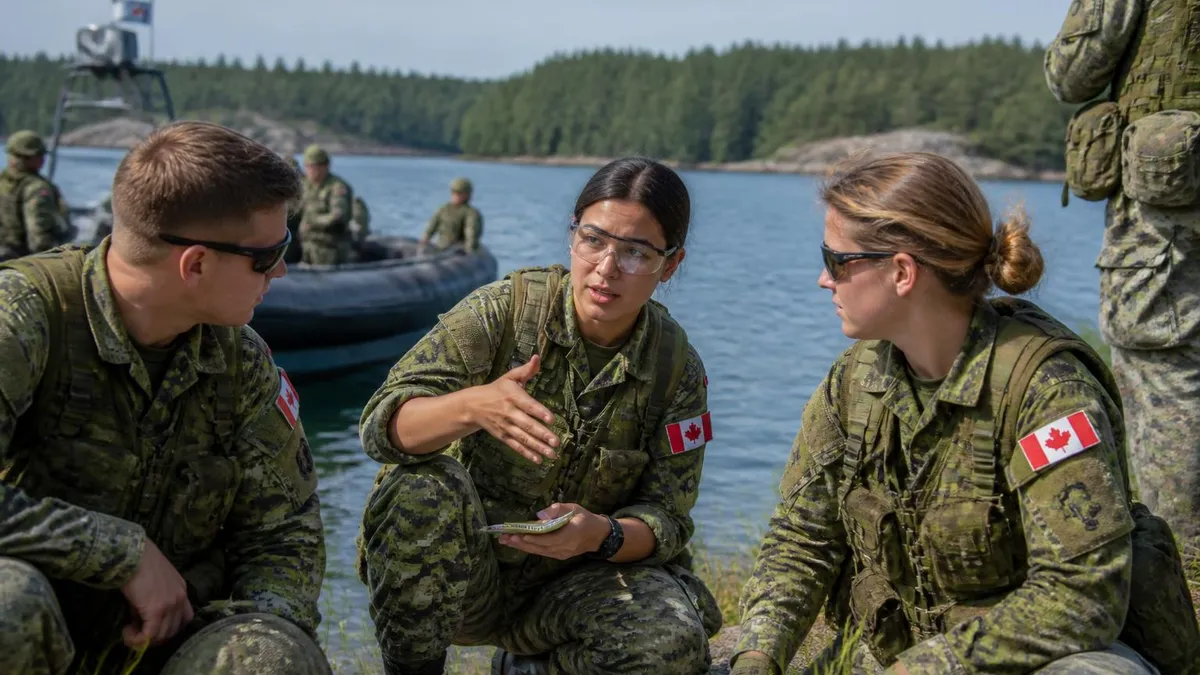
Cadet Programs Explained: From Cadet Kelly to JROTC, ROTC, and the CADET Test

Air Cadet Uniform Guide — Complete Guide (2026)
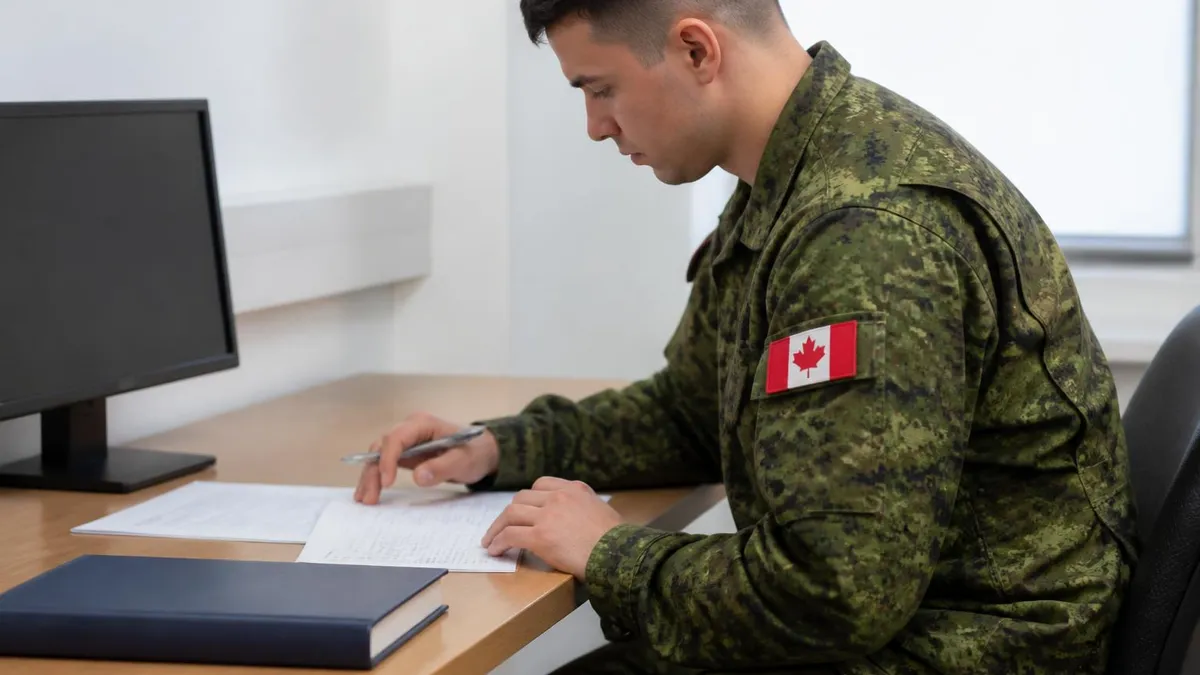
Army Cadet Force Explained: US Equivalents, Programs, and CADET Test Prep
About the Author

Educational Psychologist & Academic Test Preparation Expert
Columbia University Teachers CollegeDr. Lisa Patel holds a Doctorate in Education from Columbia University Teachers College and has spent 17 years researching standardized test design and academic assessment. She has developed preparation programs for SAT, ACT, GRE, LSAT, UCAT, and numerous professional licensing exams, helping students of all backgrounds achieve their target scores.
Join the Discussion
Connect with other students preparing for this exam. Share tips, ask questions, and get advice from people who have been there.
View discussion (9 replies)