
Maryland Boating License: Requirements, the Course, and How to Get One in 2026 September
🎓 How to get a Maryland boating license: who needs the boating safety certificate, the birth-date rule, the approved course, cost, and what it covers.
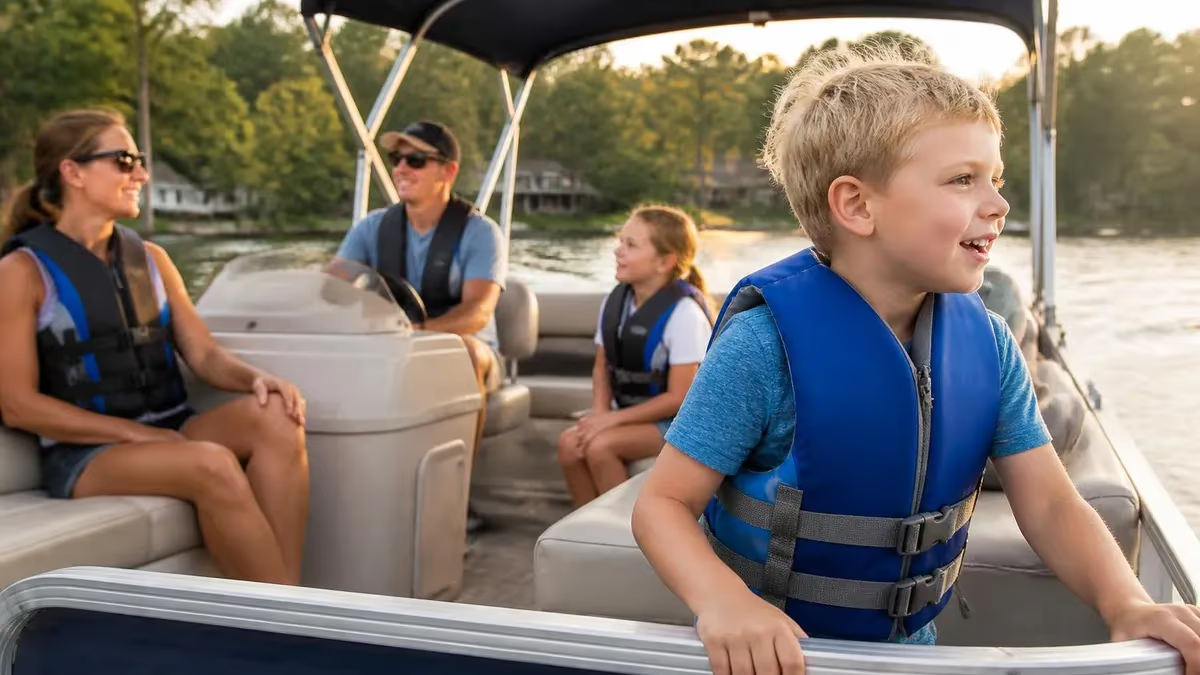
If you plan to operate a boat in Maryland, you've likely searched for a "Maryland boating license"—and the first thing to know is that, like many states, Maryland doesn't issue a traditional boating license. What Maryland requires is boating safety education, and completing an approved course earns you a Certificate of Boating Safety Education. That certificate is what people mean by a Maryland boating license, and it's required for many operators.
Maryland, with the Chesapeake Bay, its rivers, and Atlantic coastline, is a major boating state, and the safety education requirement exists to reduce accidents by ensuring operators understand the rules and safe practices. The requirement is administered by the Maryland Department of Natural Resources (DNR) and, importantly, is tied to a birth-date rule, so whether you specifically need it depends on when you were born.
This guide explains exactly who needs a Maryland boating certificate, the key birth-date rule, how to get it through the approved course, what it costs, and what it covers. Understanding the boating license rules for Maryland specifically—and how to complete how to get a boating license—keeps you legal and safe on the water.
One framing point: Maryland's requirement is straightforward once you know the birth-date rule that drives it. Rather than applying to everyone, it applies to operators born on or after a specific date, which means most younger boaters need it while some older boaters are exempt. Knowing which group you fall into is the first step, and everything else follows from there.
Maryland Boating License at a Glance
The Key Facts About the Maryland Requirement
Maryland requires boating safety education, and completing an approved course earns a Certificate of Boating Safety Education—not a renewable license. This certificate satisfies the legal requirement to operate.
The requirement applies to operators born on or after July 1, 1972. Those born before that date have generally been exempt, making the rule depend on age rather than applying to everyone.
The requirement applies to operating motorized vessels in Maryland waters, including personal watercraft like jet skis. The rule centers on powered boats.
The course must be approved—Maryland's program aligns with national NASBLA standards and is administered by the Department of Natural Resources. Approved online and in-person options exist.
Let's start with who needs the Maryland boating safety certificate, since not everyone does. The requirement is administered by the Maryland Department of Natural Resources, the agency responsible for boating in the state, and it applies based on the operator's birth date combined with operating a motorized vessel. Getting clear on the birth-date rule tells you definitively whether you need to complete the course before heading out.
The central rule is the birth date: Maryland requires boating safety education for people born on or after July 1, 1972. If you were born on or after that date and you operate a motorized vessel in Maryland, you must have a Certificate of Boating Safety Education. If you were born before July 1, 1972, you have generally been exempt from the requirement, though safe operation is of course still expected of every boater.
The vessel factor centers on motorized boats. The requirement applies to operating powered vessels in Maryland waters, including personal watercraft such as jet skis. The focus on motorized craft is common across state boating laws, reflecting that powered vessels carry the greatest safety considerations. So the question is: were you born on or after July 1, 1972, AND are you operating a motorized vessel? If both, you need the certificate.
This birth-date approach reflects how the requirement was phased in over time—applying going forward to younger generations rather than retroactively to everyone. The practical result is that most boaters today need the certificate, since the July 1, 1972 cutoff now covers a large majority of adults, while older boaters remain grandfathered out. Checking your birth date against the cutoff is the quick first step.
There are some nuances worth knowing. Rules can allow supervised operation in certain circumstances, there are age considerations for younger operators, and rental and out-of-state visitor situations may have their own provisions. Maryland also participates in reciprocity, generally recognizing valid boating safety certificates from other states and NASBLA-approved courses. If your situation is unusual, it's worth checking the current DNR specifics.
For most people, though, the determination is simple: check your birth date against July 1, 1972, and consider whether you'll operate a motorized vessel. Given the cutoff, most adult boaters in Maryland today need the certificate. Knowing this upfront lets you complete the requirement before you head out, avoiding the risk of operating illegally and the citation that can follow from a Natural Resources Police check on the water.
Because the rules hinge on specific dates and vessel definitions the state sets and can update, the authoritative source is always Maryland DNR. This guide explains the framework and the well-established July 1, 1972 rule, but verifying the current specifics for your exact situation with the Department of Natural Resources ensures accurate, up-to-date information, much as you would check boating license rules in any state.
How to Get Your Maryland Boating Certificate
Check if you need it
Choose an approved course
Complete the course
Pass the exam
Get your certificate
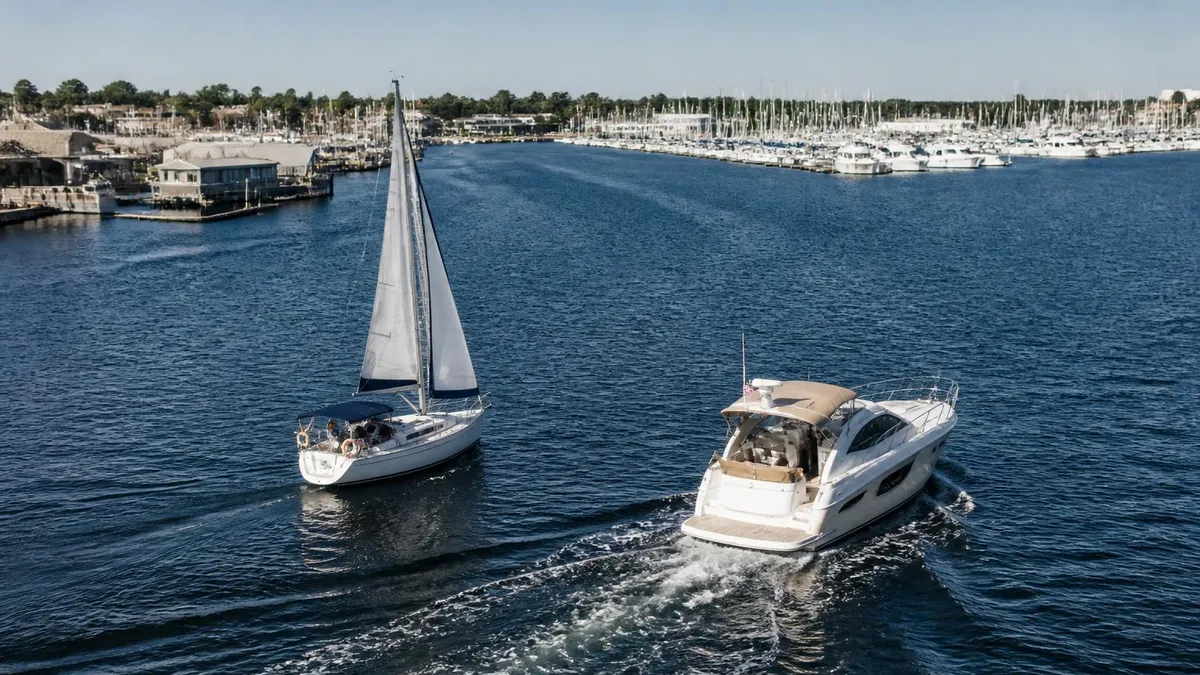
So how do you actually get the certificate? The process centers on completing an approved boating safety course and passing its exam. The most popular route is an approved online course, which lets you study at your own pace from home and complete the requirement conveniently. In-person classroom courses are also offered, including those run in coordination with the DNR and boating safety organizations. Either way, the course must be an approved one for it to count.
The online course is how most people satisfy the requirement today. You work through interactive material covering boating safety, laws, navigation rules, and safe operation, then take a final exam. The self-paced format means you can complete it over an evening or across several sessions, fitting it around your schedule. Upon passing, you receive your Certificate of Boating Safety Education, often available fairly quickly to print or access.
The exam at the end tests whether you've absorbed the material. It's designed to confirm understanding of the safety and legal content the course teaches, not to trip you up—students who go through the material attentively are well prepared to pass. The questions cover the practical knowledge a safe boat operator needs, which is exactly what the course teaches, so engaging with the material is the preparation that matters.
Maryland's course aligns with national NASBLA (National Association of State Boating Law Administrators) standards, which is why a Maryland-approved course covers the nationally recognized boating safety curriculum. This alignment also supports reciprocity—because the content meets national standards, Maryland generally recognizes equivalent certificates from other states, and other states often recognize Maryland's. This standardization benefits boaters who travel across state lines.
An important and convenient feature is that the Certificate of Boating Safety Education does not expire. Once you've earned it, it's valid for life—you don't renew it like a driver's license. This means completing the course is a one-time requirement: do it once, keep your certificate, and you've satisfied the education requirement permanently. Keep the certificate accessible, since you're expected to have it available when operating.
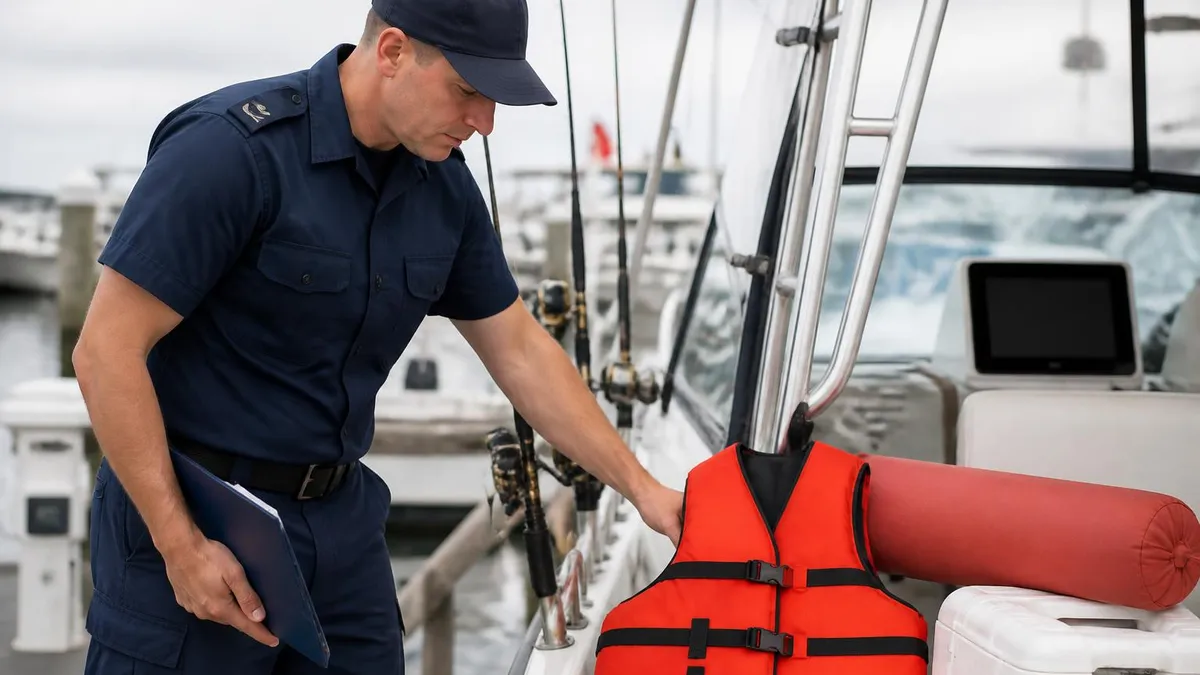
You're generally expected to carry proof of your certificate while boating, so that if Maryland's Natural Resources Police or another officer checks, you can show you've met the requirement. Keeping a copy—physical or digital—accessible on your vessel is good practice. Operating without the required certificate when you're subject to the rule can result in a citation, so completing the course and carrying proof keeps you compliant on the water.
The overall process is refreshingly simple: confirm you need it, take an approved course (most easily online), pass the exam, and keep your non-expiring certificate. Compared to many licensing processes, Maryland boating safety education is quick and accessible, designed to get operators safely educated without undue burden, reflecting its safety-focused purpose rather than a bureaucratic one.
Maryland Boating License Essentials
Operators born on or after July 1, 1972, who operate a motorized vessel (including personal watercraft) in Maryland waters. Those born before that date have generally been exempt. The requirement is a Certificate of Boating Safety Education, administered by the Maryland Department of Natural Resources (DNR).
Getting Your Maryland Boating Certificate
- ✓Check your birth date against July 1, 1972, to see if you need it.
- ✓Confirm you'll operate a motorized vessel (including PWC).
- ✓Choose an approved, NASBLA-aligned course—online is most convenient.
- ✓Complete the course material on safety, rules, and operation.
- ✓Pass the final exam to earn your certificate.
- ✓Keep proof of your non-expiring certificate accessible while boating.
- ✓Verify any current specifics or special situations with Maryland DNR.
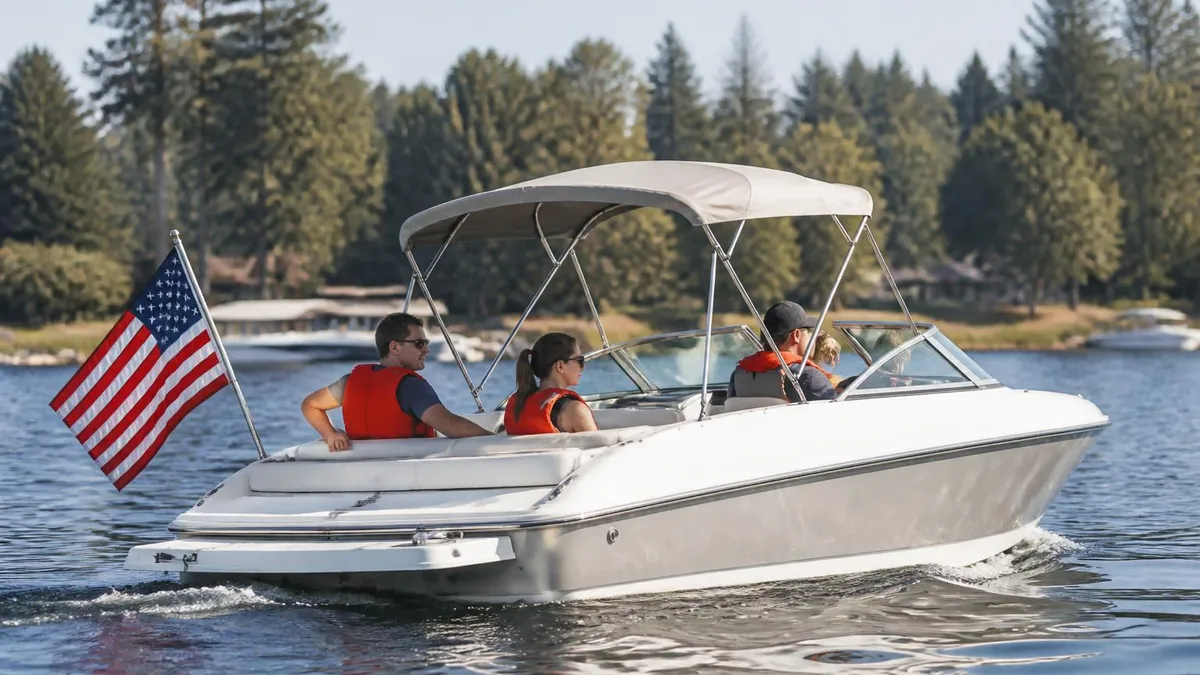
Let's cover cost and practical logistics. Approved boating safety courses in Maryland charge a fee, which is generally modest and varies by the course provider. Online courses typically have a set price for the course and certificate. Compared to many licensing costs, boating safety education is inexpensive—reflecting that it's a safety measure meant to be accessible, not a revenue source. Some free or low-cost options through boating organizations may also be available.
The time investment is similarly modest. An online boating safety course can usually be completed in a few hours, though you can spread it across multiple sessions since it's self-paced. This makes it easy to fit in before boating season or a planned outing on the Chesapeake. The convenience of the online format—study anytime, anywhere, at your own speed—is why it's the route most Maryland boaters choose to satisfy the requirement.
Choosing an approved course is the key logistical step. Only approved courses satisfy the requirement, so verify that any course you're considering is approved (NASBLA-aligned and accepted by Maryland) before paying. There are several approved providers covering the same required content. Picking a reputable, clearly approved course ensures your effort and money result in a valid, recognized certificate rather than a course that doesn't count.
Once you complete the course and pass the exam, getting your certificate is typically prompt. Many online courses let you immediately access or print a temporary certificate, with the official one following. Keep this certificate safe and accessible—since it doesn't expire, it's a document you'll retain permanently and have available whenever you operate a motorized vessel in Maryland. Storing a digital copy on your phone is a practical backup.
For families, arranging certificates for multiple members is straightforward—each person who needs it completes their own course. Since the requirement is birth-date based, a household might have some members who need it and some who don't. Sorting out who needs the certificate by checking each person's birth date against July 1, 1972 prevents both unnecessary courses and accidental non-compliance for those who do need it.
Out-of-state and visitor situations benefit from Maryland's reciprocity. Visitors boating in Maryland with a valid boating safety certificate from another state or a NASBLA-approved course are generally recognized, and Marylanders boating elsewhere usually have their certificate honored. Because boating safety education is broadly standardized through NASBLA, this cross-state recognition is common, though confirming the specifics for any state you visit is still wise.
The bottom line on logistics is that completing the Maryland requirement is quick, affordable, and convenient—especially via an approved online course—and results in a lifetime certificate. The modest investment of a few hours and a small fee is genuinely worthwhile not just for legal compliance but for the safety knowledge it imparts, which is the real point and benefits every boater regardless of whether the law strictly requires it of them.
Were you born on or after July 1, 1972?
Maryland's boating safety education requirement hinges on this date. If you were born on or after July 1, 1972, and operate a motorized vessel in Maryland—including a personal watercraft—you need the Certificate of Boating Safety Education. Born before that date, you've generally been exempt. Checking your birth date against this rule is the fastest way to know whether you need to take the course at all.
The Maryland Boating Safety Requirement
- +Inexpensive and quick—often a few hours online
- +The certificate never expires, a true one-time requirement
- +Convenient self-paced approved online courses
- +NASBLA standards support reciprocity across states
- +Teaches genuinely useful safety and navigation knowledge
- −Required for those born on or after July 1, 1972
- −You must use an approved course for it to count
- −Proof must be carried and shown if checked while boating
- −Vessel-type and supervision rules add some nuance
- −Out-of-state recognition specifics are worth confirming
Maryland boating safety requirements—the birth-date rule, vessel definitions, supervision provisions, reciprocity, and fees—are set by the Department of Natural Resources and can be updated. This guide explains the established framework and the July 1, 1972 rule, but for your exact situation, especially unusual cases or visitor and reciprocity questions, confirm the current specifics directly with Maryland DNR before relying on them.
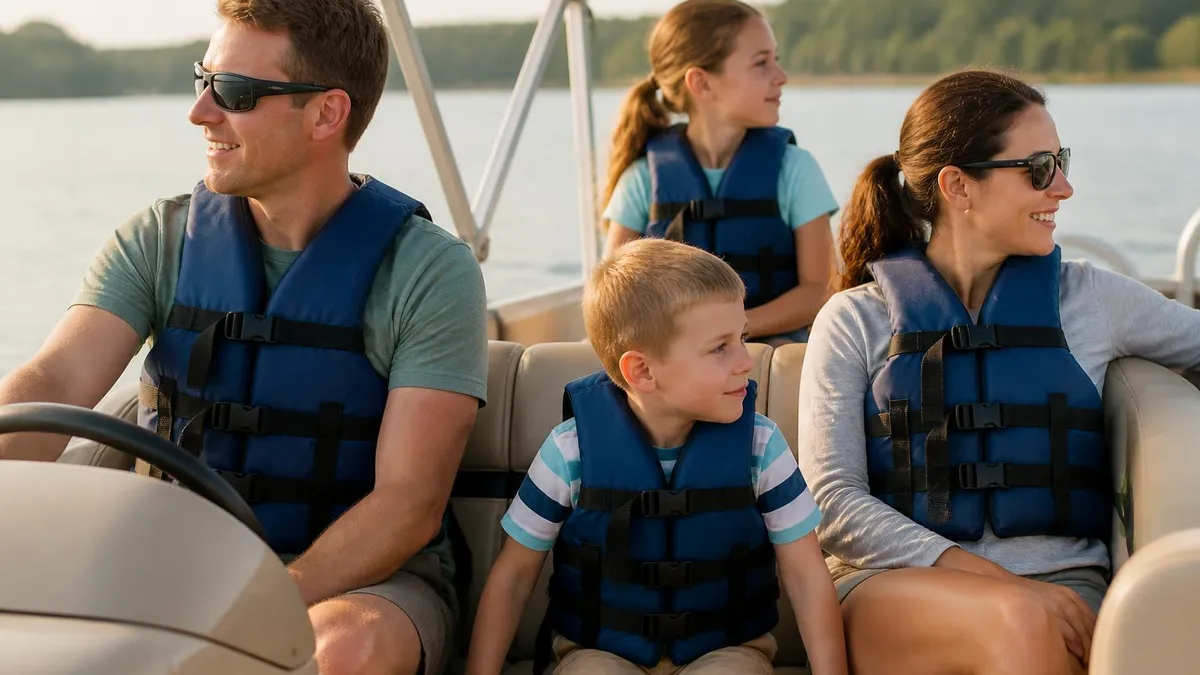
What does the boating safety course actually cover? The content is genuinely practical, designed to make you a safer, more competent operator. It covers boating safety fundamentals—the equipment you're required to carry, like life jackets and fire extinguishers, and how to use them. Knowing your safety equipment and its proper use is foundational, and the course ensures every certified operator understands these basics that can save lives in an emergency on the water.
Navigation rules are a core topic. The course teaches the "rules of the road" for the water—how to determine right of way, what navigation markers and buoys mean, how to pass other vessels safely, and how to navigate in various conditions, including the busy mixed traffic common on the Chesapeake Bay. Just as drivers must know traffic rules, boaters must know navigation rules to avoid collisions, and these rules are less intuitive than many new boaters assume.
Legal requirements and regulations form another section. The course covers boating laws, registration requirements, speed and wake rules, restricted areas, and the legal responsibilities of an operator—including the serious consequences of operating under the influence. Understanding the legal framework keeps boaters compliant and aware of their obligations, which protects both them and others sharing Maryland's waterways.
Safe operation and seamanship are taught throughout. This includes launching and docking, handling the boat in different weather and water conditions, managing passengers safely, loading the boat properly, and operating personal watercraft responsibly. These practical skills, combined with the safety mindset the course instills, turn a rules-compliant operator into a genuinely capable and safe one, which matters on Maryland's varied waters from rivers to the open bay.
Emergency preparedness and response round out the curriculum. The course covers what to do in common emergencies—a capsizing, a person overboard, running aground, severe weather, or a breakdown—and basic first aid awareness. Knowing how to respond calmly and correctly when something goes wrong is exactly the kind of knowledge that prevents a bad situation from becoming a tragedy, and it's a key reason boating safety education demonstrably improves safety.
Environmental responsibility is also typically included—protecting the Chesapeake Bay and other waterways from pollution and invasive species, respecting wildlife, and being a responsible steward of these shared, ecologically important resources. This dimension is especially relevant in Maryland, where the health of the Chesapeake is a major concern, adding responsibility beyond personal safety to the education a certified boater receives.
Taken together, the curriculum explains why the requirement exists: a certified boater has learned the safety, legal, navigational, and emergency knowledge that makes them safer on the water. So while "getting your Maryland boating license" is the practical goal, the real value is the education itself. To sum up: Maryland requires a Certificate of Boating Safety Education for operators born on or after July 1, 1972, operating motorized vessels; you earn it through a quick, affordable, non-expiring approved course; and the knowledge genuinely makes you a safer boater for life.
So treat the certificate as the easy, worthwhile step it is. Confirm whether the July 1, 1972 rule applies to you, pick an approved online course, give it a focused evening, and you'll be both legal and genuinely better prepared the next time you launch on the Chesapeake or anywhere else in Maryland.
Maryland Boating License Questions and Answers
About the Author

Master Mariner & Maritime Certification Specialist
Massachusetts Maritime AcademyCaptain David Harrington is a US Coast Guard licensed Master Mariner with a Bachelor of Science in Marine Transportation from Massachusetts Maritime Academy. He has 22 years of deep-sea and coastal navigation experience aboard commercial vessels and specializes in preparing maritime candidates for USCG licensing exams, STCW certification, dynamic positioning (DPO), and officer-of-the-watch qualifications.
Join the Discussion
Connect with other students preparing for this exam. Share tips, ask questions, and get advice from people who have been there.
View discussion (6 replies)