
Career Test Free for Adults: How a Free Career Test Connects to Your DMV Written Test and Driving Career Goals
A career test free adults can take pairs perfectly with DMV written test prep. Learn how driving careers, road signs, and traffic laws connect here. ✍🏼

A career test free adults can access online is one of the most useful self-assessment tools available today, and for many people the results point straight toward jobs that require a driver license. Whether you discover an interest in logistics, delivery, rideshare, commercial trucking, or field service work, almost every one of these paths begins with passing the dmv written test. Understanding how a free career assessment connects to your driving credentials helps you plan smarter, save money, and move toward employment faster.
Adults returning to the job market frequently underestimate how central driving is to modern employment. A free career test will repeatedly surface roles such as courier, mobile technician, home health aide, and route sales representative, and each of those positions assumes you can legally and safely operate a vehicle. That means the dmv knowledge test is not just a teenage rite of passage. It is a genuine workforce credential that opens doors across dozens of industries and pay levels.
The good news is that preparing for the dmv test online has never been easier. You can take practice quizzes from your phone during a lunch break, review road signs and markings at home, and track your weak areas without paying a tutor. This article walks you through how career testing and license testing reinforce each other, what the exam actually covers, and how to build a study routine that fits an adult schedule full of work and family responsibilities.
We will also clear up common confusion about terminology. People search for "driver license test," "driving knowledge test," "online dmv permit test," and "dmv knowledge test" interchangeably, but they generally refer to the same written examination of traffic laws and safe operation. Knowing the vocabulary helps you find accurate study material and avoid scam sites that charge for information your state provides for free. Clarity at this stage saves both time and money.
Beyond the license itself, employers increasingly value candidates who demonstrate strong safe driving practices and a clean record. A career test can reveal whether you are naturally suited to roles where driving is constant and high-stakes, such as emergency transport or long-haul freight, versus roles where it is occasional. Matching your temperament to the right driving-related career reduces burnout and improves your long-term earning potential in a measurable way.
Throughout this guide, we treat the dmv written test as the gateway credential it truly is. We will explain the exam format, the smartest study schedule for busy adults, the pros and cons of online preparation, and the practical test-day tips that separate first-time passers from repeat takers. By the end, you will understand exactly how a free career test and a focused license-study plan combine into a single, achievable career strategy.
Career Tests and Driving Credentials by the Numbers

Driving Careers a Free Career Test Often Reveals
Package, food, and parcel delivery roles are booming. A career test that flags independence and time management often points here, and every position requires a valid driver license and clean record.
High-paying long-haul and regional freight jobs start with a standard license, then a CDL. Career tests highlight this path for adults who enjoy solo work, travel, and predictable routines on the open road.
Flexible gig roles like rideshare, mobile mechanics, and home health visits reward strong people skills plus reliable driving. A free assessment frequently matches sociable adults to these customer-facing routes.
Cable installers, route sales reps, and field service techs drive company vehicles daily. Career tests flag candidates who like hands-on problem solving combined with constant movement between job sites.
EMT, paramedic, and transit operator careers demand advanced safe driving practices under pressure. Assessments identify calm, detail-oriented adults suited to high-responsibility driving environments where lives depend on judgment.
Once a free career test points you toward a driving-related field, the dmv knowledge test becomes your first concrete milestone. This written exam verifies that you understand traffic laws, right-of-way rules, speed regulations, and the meaning of common signs before you ever take the wheel for a road test. Treating it as a career investment rather than a chore changes your mindset and tends to produce far better study habits and stronger first-attempt results.
The exam is administered by your state's licensing agency, sometimes called the DMV, BMV, MVD, or DOR depending on where you live. Despite the different acronyms, the core content is remarkably consistent nationwide because it is grounded in the same federal highway standards. That consistency is why a well-built driving knowledge test practice set transfers usefully across state lines, even if a handful of local rules about parking or permits differ slightly.
Adults often worry that they have forgotten everything since they last studied for school. The reality is reassuring: the driver license test is designed to be passed by anyone who studies the official handbook and takes a few practice exams. It is not an aptitude test or an IQ measure. It rewards preparation, repetition, and attention to detail, all skills that mature adults typically possess in greater measure than nervous sixteen-year-olds taking the test for the first time.
Taking the dmv test online for practice removes most of the friction that used to discourage adult learners. You no longer need to drive to an office, sit in a waiting room, or buy a printed manual. Instead, you can complete a ten-question quiz while waiting for coffee, review explanations on your commute as a passenger, and gradually build confidence in short, manageable sessions that fit around shift work and parenting duties.
It also helps to understand why each rule exists. When you learn that following distance increases on wet roads because tire grip drops, the rule sticks far better than rote memorization. This deeper understanding directly supports the safe driving practices that employers screen for and that keep insurance premiums low. Connecting the why behind every regulation transforms the written test from trivia into genuinely useful, life-protecting career knowledge you will carry for decades.
Finally, remember that passing the written exam is sequential, not simultaneous, with other steps. You typically pass the knowledge test first to earn a learner permit, accumulate supervised practice, and only then schedule the behind-the-wheel road test. Mapping this sequence early prevents the frustration of arriving unprepared. A clear timeline turns a vague goal into a series of small, winnable steps toward your chosen driving career.
BMV Practice Test Questions
Prepare for the BMV - Test exam with our free practice test modules. Each quiz covers key topics to help you pass on your first try.
BMV Basic BMV Practice
BMV Exam Questions covering Basic BMV Practice. Master BMV Test concepts for certification prep.
BMV Alcohol, Drugs, and Impaired Driving Laws
Free BMV Practice Test featuring Alcohol, Drugs, and Impaired Driving Laws. Improve your BMV Exam score with mock test prep.
BMV Licensing Requirements
BMV Mock Exam on BMV Licensing Requirements. BMV Study Guide questions to pass on your first try.
BMV Traffic Laws
BMV Test Prep for BMV Traffic Laws. Practice BMV Quiz questions and boost your score.
BMV Vehicle Operations
BMV Questions and Answers on BMV Vehicle Operations. Free BMV practice for exam readiness.
BMV Parking, Right-of-Way, and Intersections
BMV Mock Test covering Parking, Right-of-Way, and Intersections. Online BMV Test practice with instant feedback.
BMV Road Signs and Markings
Free BMV Quiz on Road Signs and Markings. BMV Exam prep questions with detailed explanations.
BMV Safe Driving and Hazard Awareness
BMV Practice Questions for Safe Driving and Hazard Awareness. Build confidence for your BMV certification exam.
How to Prepare for Your DMV Knowledge Test
Your state's official driver handbook is the single source of truth for the dmv knowledge test. Every question is drawn from its pages, so reading it cover to cover at least once is non-negotiable. Download the free PDF and break it into short daily sections rather than attempting one marathon session that leaves you overwhelmed and forgetful.
Pay special attention to chapters on right-of-way, speed limits, and parking rules, since these generate the most missed questions. Highlight unfamiliar terms and revisit them. The handbook is updated regularly, so always confirm you are reading the current edition rather than an outdated copy floating around an unofficial website.

Is Taking the DMV Test Online Practice Worth It?
- +Completely free practice from any phone or computer
- +Instant explanations teach the reasoning behind each rule
- +Flexible micro-sessions fit around work and family
- +Realistic format reduces test-day anxiety dramatically
- +Track scores to identify and fix weak topics fast
- +Reinforces safe driving practices employers screen for
- −Some unofficial sites charge for free state content
- −Online practice cannot replace the official in-person exam
- −Outdated question banks may teach incorrect rules
- −No substitute for actual supervised driving hours
- −Requires self-discipline to study without a teacher
- −Local rules still need the official state handbook
Online DMV Permit Test Readiness Checklist
- ✓Download your state's current official driver handbook for free
- ✓Read the right-of-way and speed limit chapters twice
- ✓Memorize the shape and color meaning of major road signs
- ✓Take at least five full-length practice tests online
- ✓Score 90% or higher on three consecutive practice quizzes
- ✓Review every missed question with its full explanation
- ✓Confirm your state's passing score and number of questions
- ✓Gather required identity and residency documents in advance
- ✓Verify your testing appointment date, time, and location
- ✓Get a full night of sleep before exam day
Free Practice Beats Paid Shortcuts Every Time
Every state provides its driver handbook and testing information at no cost, and high-quality practice tests are free too. If a website demands payment to "unlock" the real questions or guarantees a pass, it is almost certainly a scam. Invest your money in a future career, not in information your government already gives away.
Road signs and markings make up one of the largest and most testable sections of any driver license test, so they deserve focused attention. Signs are organized by shape and color into predictable families: red means stop or prohibition, yellow warns of hazards ahead, green guides direction, and orange signals construction zones. Once you internalize this color-and-shape logic, you can correctly interpret unfamiliar signs on the exam even when you have never seen the exact image before.
Pavement markings carry just as much legal weight as posted signs, a fact many adults overlook. A solid yellow line means passing is prohibited on your side, while broken yellow lines permit passing when clear. White lines separate traffic moving in the same direction. Understanding the difference between these markings is not academic trivia; it directly determines who has the legal right to occupy a lane and prevents the head-on collisions that markings exist to avoid.
Traffic laws governing right-of-way generate more confusion and more missed test questions than nearly any other topic. At a four-way stop, the first vehicle to arrive proceeds first, and ties are resolved by yielding to the driver on your right. At uncontrolled intersections, yielding rules still apply even without signs. The written exam tests these scenarios heavily because real intersections are where the majority of urban crashes actually happen every single day.
Speed-related traffic laws extend well beyond the posted number on a sign. The basic speed law requires you to drive at a speed that is reasonable for current conditions, meaning you must slow down in rain, fog, heavy traffic, or near schools regardless of the limit. Exam questions frequently describe a hazardous condition and ask what the correct speed adjustment should be, rewarding drivers who understand judgment rather than rigid numbers.
Sharing the road with pedestrians, cyclists, motorcycles, and large trucks introduces another cluster of frequently tested rules. Pedestrians in marked and unmarked crosswalks generally have right-of-way, and you must give cyclists a safe passing distance defined by your state. Large trucks have significant blind spots and need far more stopping distance, so the exam stresses patience and extra following room around them. These vulnerable-user rules reflect real safe driving practices.
Work zones and emergency situations round out this content area and carry steep real-world penalties. Fines often double in construction zones, and most states now have move-over laws requiring you to change lanes or slow dramatically when passing stopped emergency vehicles. The written test reinforces these rules because violations endanger workers and first responders. Mastering this section protects both your score and the lives of people working at the roadside every day.

While core traffic laws are consistent nationwide, details like passing scores, number of questions, allowed missed answers, and retake waiting periods vary by state. Always confirm the current requirements on your official state licensing website before scheduling. Studying outdated or out-of-state material is the most common avoidable reason adults fail their first attempt.
Connecting your free career test results to an actual driving job requires more than just passing the written exam, though that is the essential first step. Employers in delivery, trucking, and field service verify your driving record through a motor vehicle report, so building a clean history from day one matters enormously. The safe driving practices you learn while preparing for the knowledge test directly translate into the spotless record that hiring managers and insurance underwriters demand from every applicant.
Different careers require different levels of licensing beyond the standard credential, and planning for that progression early saves time. Commercial truck driving requires a commercial driver license earned after the standard one, while passenger transport roles may need additional endorsements. A career test that points you toward freight or transit should prompt you to research these advanced steps now, so you can sequence your training, testing, and job applications without costly gaps or backtracking later.
Adults often qualify for workforce development programs that reimburse licensing and training costs for in-demand driving careers. Many states partner with community colleges and trade organizations to subsidize CDL training because the trucking industry faces a persistent driver shortage. Before paying out of pocket, contact your local workforce office and ask about grants, apprenticeships, and employer-sponsored programs. Combining free practice tests with subsidized formal training dramatically lowers the total cost of entering a stable field.
Your driving knowledge test performance can even signal something to yourself about career fit. If you found studying traffic laws genuinely interesting and enjoyed mastering road signs and markings logic, a driving-intensive career may suit you well. If the material felt tedious and you struggled to stay focused, your free career test results might be steering you toward roles where driving is occasional rather than the core daily responsibility you must perform.
Financial planning should accompany your career and licensing decisions. Beyond the modest exam fees, consider vehicle access, fuel, maintenance, and insurance, since many entry-level driving jobs initially expect you to use your own car. Rideshare and delivery work in particular shift these costs onto the worker. Calculating realistic net earnings after expenses prevents the disappointment of accepting a role that looks lucrative on paper but barely covers its own operating costs.
Finally, treat the written exam as the beginning of lifelong learning rather than a one-time hurdle. Traffic laws evolve, new vehicle technologies emerge, and professional drivers attend periodic safety training throughout their careers. The study habits you build now, reviewing rules in short focused sessions and understanding the reasoning behind each one, will serve you every time you renew a license, add an endorsement, or onboard with a new employer in your chosen driving field.
Test-day success comes down to preparation and composure, and adults who plan ahead consistently pass on the first attempt. Arrive early with all required documents, including proof of identity, residency, and any application paperwork your state mandates. Forgetting a single document is the most common reason appointments get rescheduled, wasting weeks of momentum. Make a checklist the night before and physically place every item by your door so nothing is left behind in a morning rush.
Manage your nerves with the simple knowledge that you have prepared properly. If you have scored above ninety percent on several full-length practice tests, the real dmv written test will feel familiar rather than threatening. Take slow breaths, read each question completely before looking at the answers, and resist the urge to rush. The exam is not timed aggressively in most states, so there is no reward for finishing first and every reason to be careful.
Watch for qualifier words that change a question's meaning entirely, such as always, never, must, and except. These small words trip up rushed test-takers far more often than genuinely difficult content. When a question describes a scenario, picture yourself actually behind the wheel and ask what the safest legal action would be. Your understanding of safe driving practices usually points to the correct answer even when the wording is deliberately tricky.
If you encounter a question you are unsure about, eliminate the answers you know are wrong first. Most multiple-choice questions contain at least one obviously incorrect option and often two, narrowing your odds dramatically. Trust your studying and avoid second-guessing answers you felt confident about initially, since first instincts grounded in real preparation are correct more often than anxious revisions made under pressure in the testing room.
Should you not pass on your first try, do not treat it as a verdict on your ability. Most states allow retakes after a short waiting period, and many successful professional drivers needed a second attempt. Review which topics tripped you up, return to those handbook chapters, and run additional targeted practice quizzes. A failed attempt is simply data showing exactly where to focus, turning a setback into a precise and efficient study plan.
After you pass and earn your permit or license, keep practicing the principles you learned. The written test confirmed your knowledge, but your career depends on applying it consistently for years. Maintain your clean record, stay current on changing traffic laws, and pursue any endorsements your chosen field requires. The combination of a clear-eyed career test, disciplined study, and steady safe driving will carry you from your first exam to a stable, rewarding driving career.
BMV Questions and Answers
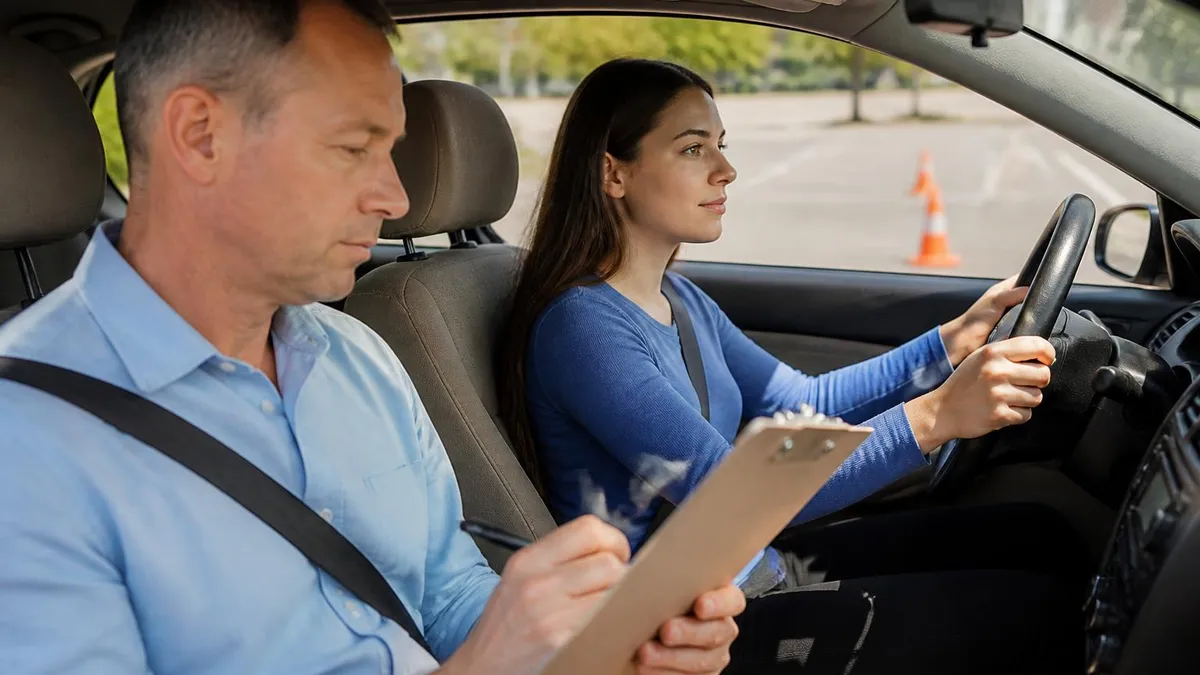
Driver Test Car Rental in Gastonia, NC: Complete BMV Road Test Vehicle Guide
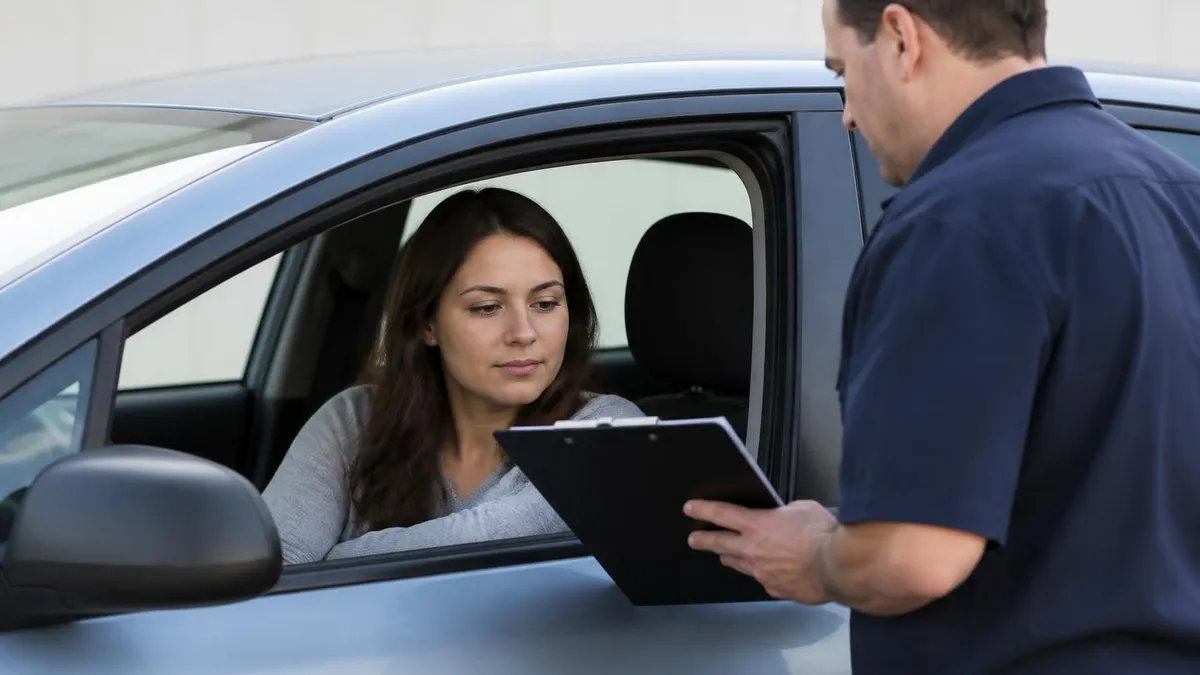
Will You Be Disqualified From DMV Testing Area for Cheating? Complete Guide to BMV Test Integrity Rules

Nebraska DMV Practice Test: Pass Your NE Driver License Exam

Ohio BMV Locations: Types, Services, and How to Find One Near You

Failed DMV Test for Cheating: What Really Happens, Consequences, and How to Recover
About the Author

Licensed Driving Instructor & DMV Test Specialist
Penn State UniversityRobert J. Williams graduated from Penn State University with a degree in Transportation Management and has spent 20 years as a certified driving instructor and DMV examiner consultant. He has personally coached thousands of applicants through written knowledge tests, skills assessments, and commercial driver licensing programs across more than 30 states.
Join the Discussion
Connect with other students preparing for this exam. Share tips, ask questions, and get advice from people who have been there.
View discussion (9 replies)