
California DMV Drivers Test Appointment: Complete Guide to Scheduling, Studying, and Passing Your Written and Road Exam
🟢 Book your california dmv drivers test appointment with confidence. Learn how to schedule, study road signs, traffic laws, and pass the DMV written
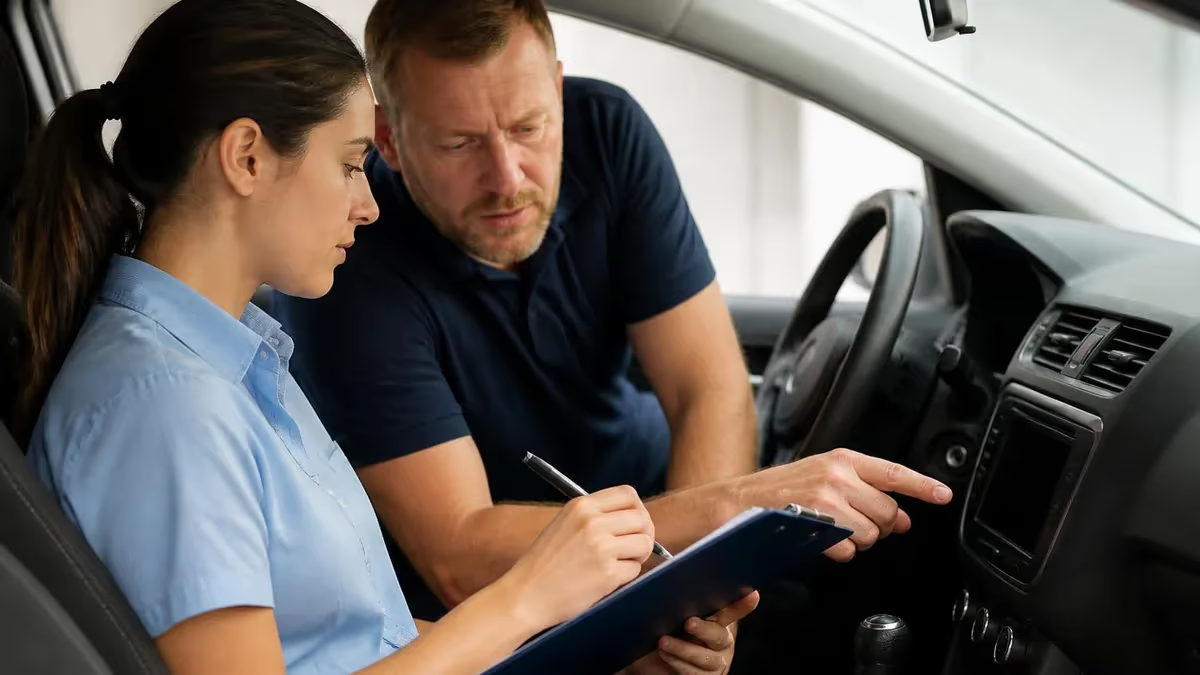
Booking a california dmv drivers test appointment is the first concrete step toward earning your license, and getting it right saves weeks of frustration. The process splits into two distinct milestones: the dmv written test that confirms you understand the rules of the road, and the behind-the-wheel road exam that proves you can apply them safely. Before you ever sit at a testing terminal, you must reserve a time slot, gather your documents, and prepare with focused study so you walk in calm and confident.
The dmv knowledge test is where most first-time applicants stumble, not because the material is hard, but because they underestimate it. California pulls questions from the official driver handbook covering speed limits, right-of-way, parking restrictions, and penalties for impaired driving. A california dmv drivers test appointment for the written portion can often be completed in person or, for eligible applicants, partly online. Knowing which path applies to your age and license class determines exactly how you should schedule and what you bring.
Scheduling early matters more than people expect. Popular field offices in Los Angeles, San Diego, and the Bay Area book out weeks in advance, especially during summer when teen permit demand peaks. If you wait until the last minute, you may be forced to drive to a distant office or accept an inconvenient time. Reserving your california dmv drivers test appointment online through the official portal lets you compare wait times across nearby branches and lock in the slot that fits your study timeline.
Many applicants today start with a dmv test online practice run before committing to the real thing. Free and paid sample exams mirror the format, question count, and passing threshold, giving you a realistic sense of readiness. Pairing an online dmv permit test simulator with a careful read of the handbook is the single most effective preparation strategy. It transforms abstract memorization into pattern recognition, so when the real questions appear you recognize the structure instantly and answer with speed.
This guide walks you through every stage, from creating your account and choosing a location to mastering the driver license test content and finally passing the road exam. We cover the documents you need, the fees you will pay, the rules examiners enforce, and the mistakes that cause automatic failure. Understanding how vehicles are inspected before a road test can help too — review the road signs and markings requirements early so nothing surprises you on test day.
Whether you are a sixteen-year-old securing your first provisional permit or an adult new to California transferring an out-of-state license, the fundamentals are the same. Prepare deliberately, schedule strategically, and treat each section as a checkpoint rather than a hurdle. By the end of this article you will know exactly what to expect, how to study efficiently, and how to turn a single california dmv drivers test appointment into a passed exam and a license in your wallet.
California DMV Testing by the Numbers

How to Schedule Your DMV Appointment
Create a DMV Account
Complete the Application
Choose Office & Time
Pay the Fee
Confirm & Prepare
The dmv written test in California is a multiple-choice exam drawn directly from the official Driver Handbook, and understanding its structure removes most of the anxiety. Standard Class C applicants face 46 questions and must answer at least 38 correctly, a passing rate near 83 percent. The questions are not trick puzzles; they test whether you genuinely understand traffic laws, signage, and safe driving practices. Reading the handbook cover to cover once, then reviewing weak areas, is the proven foundation for a confident first attempt.
Question topics are weighted toward situations you encounter daily. Expect items on speed limits in school zones and residential areas, the meaning of yellow versus white lane markings, who yields at four-way stops, and the legal blood alcohol limits for different driver categories. A solid dmv knowledge test score depends on recognizing these recurring themes. Many applicants find that a focused driving knowledge test practice routine reveals exactly which categories they keep missing before it costs them on the real exam.
California offers a dmv test online option for certain renewals and for some original applicants, though most teens taking the permit exam complete it at a field office terminal. The online version uses the same question bank and the same passing standard, so preparation does not change. What changes is the environment: at home you must avoid distractions and resist looking up answers, because doing so defeats the purpose and leaves you unprepared for the proctored road test that follows.
Timing is generous. There is no harsh countdown clock forcing rushed guesses, so read every question fully and consider all answer choices before selecting. A common mistake is jumping at the first plausible option. California writers deliberately include answers that are partially correct but incomplete. Slow, deliberate reading paired with the elimination of obviously wrong choices raises your accuracy dramatically and turns a borderline score into a comfortable pass on the driver license test.
If you fail, do not panic. Your application fee covers three attempts, and you can usually retake the written portion on a different day without paying again. However, repeated failures within the application window can require a new fee and a fresh california dmv drivers test appointment. Treat the first attempt as the real one by preparing thoroughly. Walking in after scoring well on multiple practice exams is the surest way to avoid the retake cycle entirely.
Language accessibility is another strength of the California system. The written test is available in numerous languages, and audio assistance is offered for applicants who need reading support. If English is not your first language, request the version that lets you demonstrate your actual knowledge of traffic laws rather than your reading speed. The goal is to prove you understand safe driving practices, and the DMV provides accommodations so the exam measures the right thing.
BMV Practice Test Questions
Prepare for the BMV - Test exam with our free practice test modules. Each quiz covers key topics to help you pass on your first try.
BMV Basic BMV Practice
BMV Exam Questions covering Basic BMV Practice. Master BMV Test concepts for certification prep.
BMV Alcohol, Drugs, and Impaired Driving Laws
Free BMV Practice Test featuring Alcohol, Drugs, and Impaired Driving Laws. Improve your BMV Exam score with mock test prep.
BMV Licensing Requirements
BMV Mock Exam on BMV Licensing Requirements. BMV Study Guide questions to pass on your first try.
BMV Traffic Laws
BMV Test Prep for BMV Traffic Laws. Practice BMV Quiz questions and boost your score.
BMV Vehicle Operations
BMV Questions and Answers on BMV Vehicle Operations. Free BMV practice for exam readiness.
BMV Parking, Right-of-Way, and Intersections
BMV Mock Test covering Parking, Right-of-Way, and Intersections. Online BMV Test practice with instant feedback.
BMV Road Signs and Markings
Free BMV Quiz on Road Signs and Markings. BMV Exam prep questions with detailed explanations.
BMV Safe Driving and Hazard Awareness
BMV Practice Questions for Safe Driving and Hazard Awareness. Build confidence for your BMV certification exam.
Road Signs and Markings You Must Know
Shape alone communicates meaning before you read a single word. Octagons always mean stop, downward triangles mean yield, and diamonds warn of hazards ahead such as curves, merges, or pedestrian crossings. Rectangles convey regulatory or guide information like speed limits and directions. Memorizing the shape-to-meaning relationship lets you react instantly even when a sign is dirty, faded, or partly blocked.
Pentagon signs mark school zones and crossings, while pennant-shaped signs warn against passing. Round signs are reserved almost exclusively for railroad crossings ahead. On the dmv written test, expect at least several questions asking you to identify a sign by shape or color alone, so drill these visual cues until recognition becomes automatic and effortless.
Taking the DMV Test Online vs In Person
- +Online testing lets eligible applicants complete the exam from home without travel
- +No field office wait times or crowded lobbies to navigate
- +Same question bank means your study preparation transfers directly
- +Flexible scheduling fits around work or school commitments
- +Immediate digital confirmation of your results in many cases
- +Reduces test-day anxiety by using a familiar environment
- −Online eligibility is limited and excludes most first-time teen permit applicants
- −Requires a stable internet connection and a compatible device
- −Proctoring rules still apply and violations can void your result
- −You still must visit an office for the road test and photo
- −Technical glitches can interrupt or invalidate a session
- −Less direct staff help if you have a question mid-exam
Test Day Preparation Checklist for Your Driver License Test
- ✓Confirm your appointment date, time, and office location the night before
- ✓Print or save your DMV confirmation number on your phone
- ✓Bring proof of identity such as a birth certificate or passport
- ✓Bring proof of California residency and your Social Security number
- ✓Carry your completed application or know your application number
- ✓Have a payment method ready in case additional fees apply
- ✓Arrive at least 15 minutes early to check in calmly
- ✓Eat a light meal beforehand to stay focused during the exam
- ✓Review road signs and markings one final time that morning
- ✓For the road test, bring a registered, insured, and safe vehicle
Score 90%+ on practice tests before booking
Applicants who consistently score 90 percent or higher on full-length practice exams pass the real dmv written test on their first try far more often than those who cram the handbook once. Treat practice tests as your readiness gauge, not just review material. Only schedule your final appointment when your scores are stable and strong across every topic.
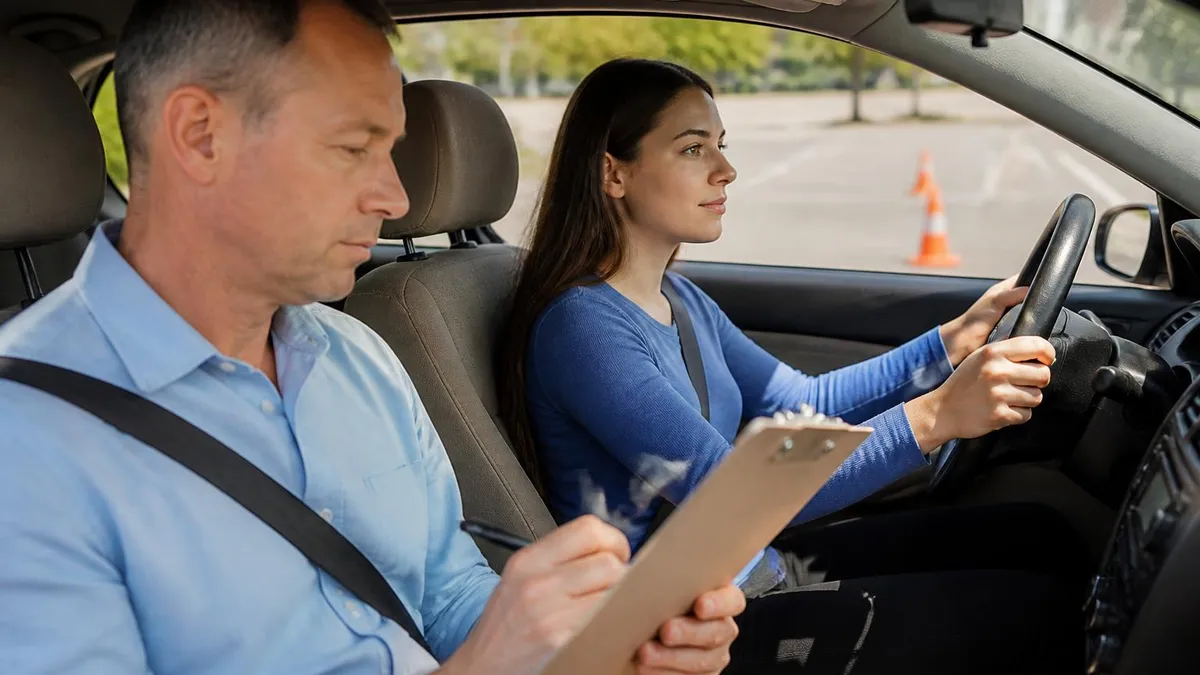
Passing the behind-the-wheel exam is the second half of your california dmv drivers test appointment, and it demands different preparation than the written portion. The examiner rides with you and evaluates real driving decisions: lane positioning, smooth braking, proper signaling, mirror checks, and safe responses to traffic. Before the drive even begins, the examiner inspects your vehicle to confirm working brake lights, turn signals, horn, tires, windshield, and seat belts. A failed vehicle check ends the test immediately, so verify every component the day before.
The route covers a mix of residential streets, busier roads, intersections, and often a controlled lane change. Examiners look for confident but cautious driving. They want to see you scan intersections, yield correctly, maintain safe following distance, and obey posted speed limits without hesitation. Demonstrating smooth, predictable control matters more than speed. Nervous over-correction, riding the brake, or rolling through stop signs signals that you have not internalized safe driving practices yet, and those errors accumulate quickly on the scoring sheet.
Certain mistakes cause automatic failure regardless of how well you perform elsewhere. These include any action requiring the examiner to physically intervene, striking an object, disobeying a traffic signal, dangerous speeding, or causing another driver to brake or swerve to avoid you. Understanding these critical errors in advance helps you stay alert to the moments that matter most. One reckless decision outweighs a dozen small, recoverable point deductions, so prioritize safety over showing off advanced maneuvers.
Parallel parking and backing maneuvers are commonly tested, and they reward practice in a low-pressure setting. Spend time in an empty lot mastering controlled reverse, three-point turns, and parking between cones before you ever face an examiner. Muscle memory built through repetition keeps you calm when the examiner gives an instruction. Hesitation usually comes from unfamiliarity, so the more reps you log on these specific skills, the more naturally they execute on exam day.
Your choice of vehicle affects your comfort and your score. Test in a car you know well, with predictable brakes, clear sightlines, and controls you can operate without looking. Renting or borrowing an unfamiliar car introduces variables that can rattle even prepared drivers. Make sure registration and insurance are current and the documents are in the glove box, because examiners verify them before you leave the lot. A familiar, well-maintained vehicle removes one major source of test-day stress.
If you do not pass, the examiner provides a marked score sheet showing exactly where you lost points. Review it honestly rather than blaming nerves. Most failed road tests trace back to two or three repeatable habits like incomplete stops, weak mirror use, or poor lane positioning. Address those specific behaviors through targeted practice, reschedule once you have genuinely improved, and you will likely pass comfortably. The road exam rewards consistency, not perfection, so build reliable habits and trust them.

If your car's brake lights, turn signals, horn, tires, or windshield fail the pre-drive inspection, the examiner cancels the road test on the spot and you forfeit that appointment slot. Inspect every component the evening before and bring current registration and proof of insurance. Showing up with a non-compliant vehicle wastes weeks of scheduling.
Smart study strategy separates applicants who pass on the first attempt from those who keep rebooking. Start by reading the California Driver Handbook in full, then return to it in focused passes rather than rereading linearly. Break the material into themes: signs and signals, right-of-way rules, speed and following distance, parking, and alcohol and drug laws. Studying by theme builds connected understanding instead of isolated facts, which is exactly how the driving knowledge test frames its questions and how real driving situations actually unfold.
Layer practice exams on top of your reading. A quality driving test online simulator reveals patterns the handbook alone cannot, because seeing questions phrased the way the DMV phrases them trains your recognition. Take a full-length test, mark every miss, and study the explanation until you understand why the correct answer is correct and why your choice was wrong. This active review converts mistakes into permanent knowledge far more effectively than passive rereading ever will.
Spacing your study sessions beats cramming. Research on memory consistently shows that reviewing material across several days locks it into long-term recall, while a single marathon session fades within hours. Plan two weeks of short daily sessions before your california dmv drivers test appointment rather than one panicked night. Twenty focused minutes each evening, alternating between handbook review and an online dmv permit test, produces stronger retention and far less test-day anxiety than last-minute cramming.
Pay special attention to the topics that carry heavy real-world consequences and appear frequently on the exam. Alcohol, drug, and impaired-driving laws are tested heavily because California enforces strict zero-tolerance rules for drivers under 21 and severe penalties for everyone. Memorize the blood alcohol limits, implied consent rules, and suspension periods. These questions are predictable, so mastering them is among the easiest ways to bank guaranteed points on the dmv written test.
Do not neglect road signs and markings simply because they seem easy. Many applicants lose passing margin on pavement-marking questions, curb-color rules, and the subtle differences between regulatory and warning signs. Quiz yourself with flashcards or an app until you can identify any sign by shape and color in under two seconds. Reviewing the full road signs and markings reference until it feels automatic is a reliable way to protect your score.
Finally, simulate test conditions during your last few practice sessions. Sit somewhere quiet, set aside the same amount of time the real exam allows, and answer without notes or pauses. This rehearsal calms nerves and exposes any lingering weak spots while you still have time to fix them. Arriving at your appointment having already passed a dozen realistic practice exams transforms the real test from a threat into a familiar routine you have already mastered.
With your study plan in place, a few practical habits make the difference between a stressful test day and a smooth one. Sleep well the night before; fatigue slows reaction time and dulls recall more than people admit. Eat a balanced meal so hunger does not distract you mid-exam. Arrive early enough to find parking, check in, and settle your nerves. Rushing in late raises your heart rate and undermines the calm focus that both the written and road portions reward.
Manage anxiety with a simple routine. Take slow breaths while you wait, remind yourself that you have already passed practice tests, and read each question or follow each driving instruction deliberately. Anxiety causes the most common avoidable errors: misreading questions, rolling stops, and forgetting mirror checks. A composed mindset lets the knowledge you built surface naturally. Confidence is not arrogance here; it is the earned result of thorough preparation finally paying off when it counts.
Organize your documents the night before in a single folder. Identity proof, residency proof, your application or confirmation number, payment method, and for the road test your registration and insurance should all be ready to hand over. Fumbling for paperwork at the counter creates stress and can delay or even forfeit your slot. A two-minute check the evening before eliminates a surprisingly common cause of failed or postponed appointments at busy California field offices.
For the driver license test road portion specifically, do a short warm-up drive before you arrive if possible. Reacquaint yourself with the vehicle's brake sensitivity, mirror angles, and signal stalks. Even ten minutes of driving loosens stiff reactions and reminds your hands where everything is. Cold-starting a high-stakes test in a car you have not driven that day invites avoidable mistakes during the first few minutes when examiners are forming their initial impression of your control.
If something goes wrong, stay professional and finish strong. A single deduction is rarely fatal to your score, so do not let one mistake spiral into several. Reset, refocus, and drive the rest of the route cleanly. Examiners score the whole performance, and a calm recovery after a small error demonstrates exactly the kind of judgment safe driving demands. Panicking after one slip is what turns a recoverable test into a failed one.
After you pass, listen carefully to the next steps. You will typically take your photo, pay any remaining fees, and receive an interim license while the permanent card arrives by mail. Confirm the mailing address on file is current. New drivers under 18 face provisional restrictions on passengers and night driving, so understand those rules before you start driving solo. Passing the test is the milestone, but knowing your post-license obligations keeps that hard-earned license in good standing.
BMV Questions and Answers
Driver Test Car Rental in Gastonia, NC: Complete BMV Road Test Vehicle Guide
Will You Be Disqualified From DMV Testing Area for Cheating? Complete Guide to BMV Test Integrity Rules

Nebraska DMV Practice Test: Pass Your NE Driver License Exam
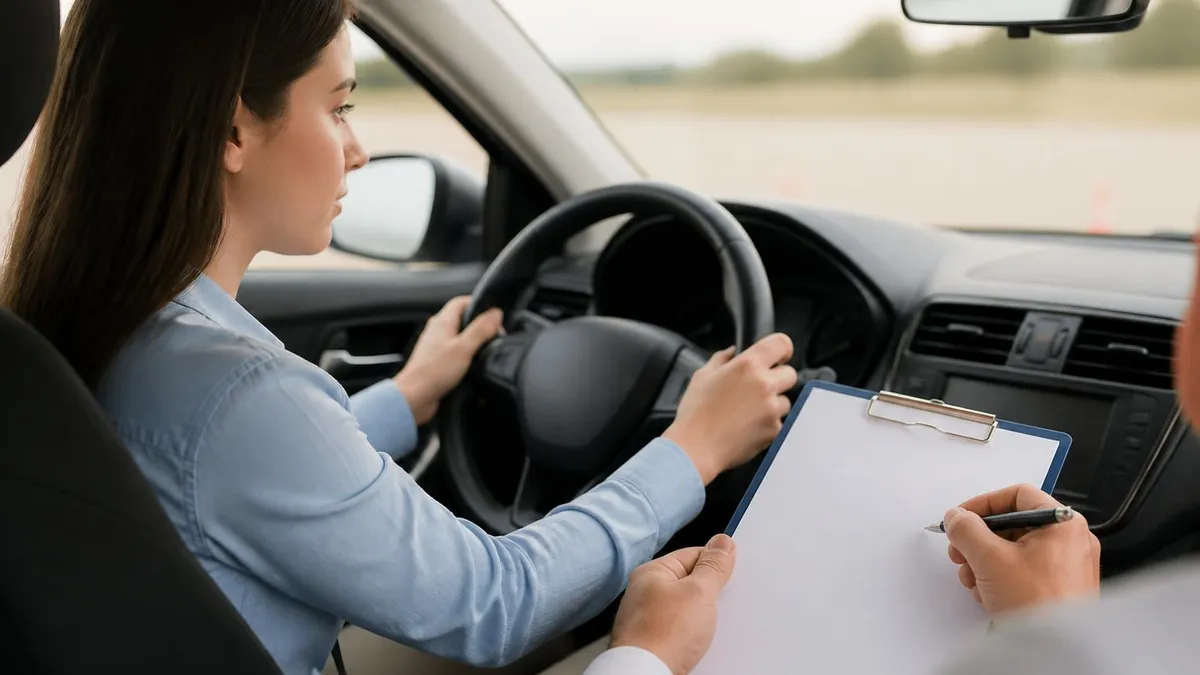
Ohio BMV Locations: Types, Services, and How to Find One Near You
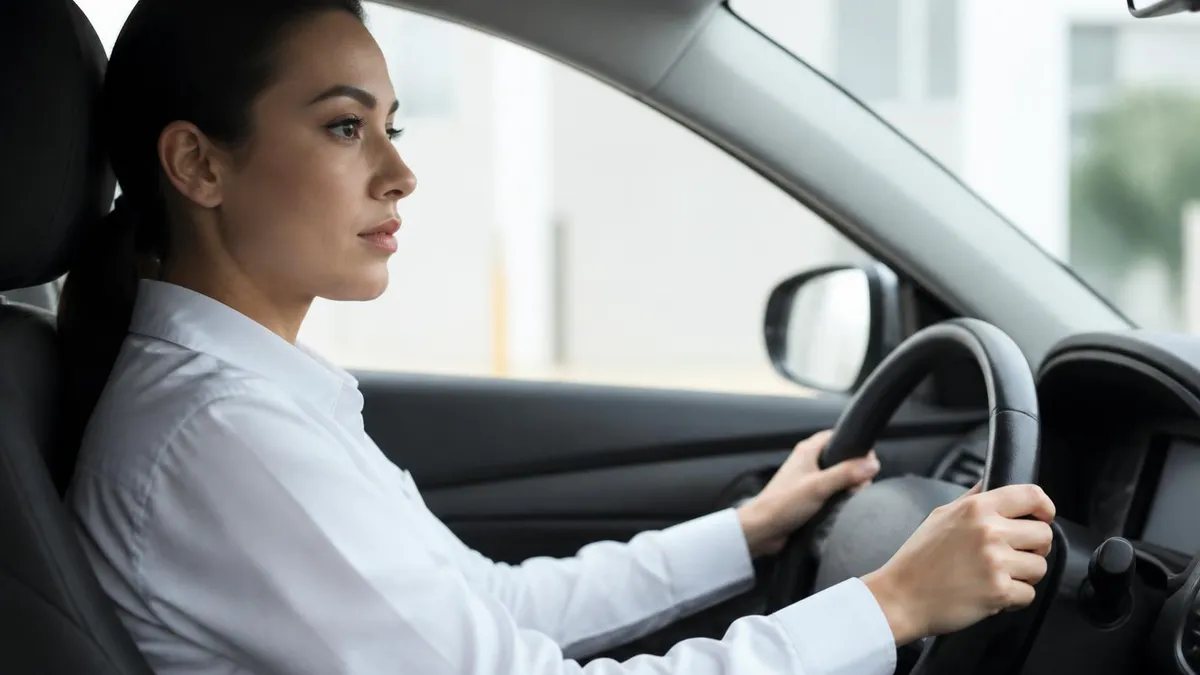
Failed DMV Test for Cheating: What Really Happens, Consequences, and How to Recover
About the Author
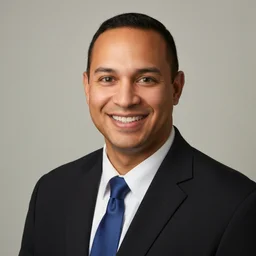
Licensed Driving Instructor & DMV Test Specialist
Penn State UniversityRobert J. Williams graduated from Penn State University with a degree in Transportation Management and has spent 20 years as a certified driving instructor and DMV examiner consultant. He has personally coached thousands of applicants through written knowledge tests, skills assessments, and commercial driver licensing programs across more than 30 states.
Join the Discussion
Connect with other students preparing for this exam. Share tips, ask questions, and get advice from people who have been there.
View discussion (9 replies)