
Better Bartenders: The Skills, Habits, and Training That Set Professionals Apart
🎓 Learn what makes better bartenders: pour control, speed, legal basics, cost control, and practice tests to sharpen your bartending career.

Better bartenders are not born behind the bar; they are built through repetition, curiosity, and a willingness to learn the unglamorous parts of the job. Anyone can memorize a Margarita spec, but the people who earn loyal regulars and strong tips combine speed, accuracy, product knowledge, legal awareness, and genuine hospitality. This guide breaks down what separates a competent pourer from a true professional, and it shows you how to build those skills whether you are pouring your first shift or your thousandth.
Most people picture general bartending as cocktail shaking and flair, yet the daily reality is far more operational. A shift involves opening checklists, stocking garnishes, calibrating pours, tracking inventory, reading a crowded room, and politely cutting off guests who have had enough. If you want the full career picture, our general bartending guide explains how to land, grow, and succeed in the role from entry level to management. Understanding that wider context helps you decide which skills deserve practice first.
Consider the numbers behind a typical Friday night. A busy bar may expect each bartender to serve 150 to 300 drinks during a four-hour rush, which leaves roughly one minute per drink including payment and conversation. Shaving even ten seconds from each build adds up to dozens of extra guests served and noticeably higher tips. Speed, however, only counts when accuracy holds, because a wasted pour or a wrong order costs money and trust at the same moment.
Knowledge is the second pillar of the craft. Better bartenders know the classic cocktail families, such as sours, old fashioneds, highballs, and spritzes, because nearly every modern drink is a variation on those templates. Learning the template lets you improvise when a guest asks for something unfamiliar. You also need to explain beers on tap, recommend wine by the glass, and describe categories like bourbon, rye, blanco tequila, and London dry gin without guessing or bluffing.
Responsibility is the third pillar, and it is where many new hires are weakest. The legal drinking age is 21 in every state, intoxication laws vary by jurisdiction, and dram shop rules can make a bar, and sometimes an individual server, liable for harm caused by an overserved guest. Checking identification correctly and recognizing impairment are job-protecting skills, not optional extras, and they sit at the heart of most bartender certification exams and employer training programs.
Finally, professionalism ties everything together. Showing up early, keeping a clean station, communicating with servers and barbacks, and staying calm during a rush signal reliability to the managers who decide schedules and promotions. The sections below walk through a step-by-step improvement plan, core skill breakdowns, honest pros and cons of the career, a practical daily checklist, and study resources so you can improve deliberately instead of hoping that experience alone will teach you everything you need.
Use this article as a roadmap rather than a one-time read. Pick one skill per week, practice it on shift or at home, and measure the result with a timer, a jigger, or a short practice quiz. Small, tracked improvements compound quickly, and within a couple of months the difference in your confidence, speed, and guest feedback is usually obvious to you and to the people you work beside every night.
Better Bartending by the Numbers

A Step-by-Step Plan to Become One of the Better Bartenders
Learn the Fundamentals
Get Certified
Gain Floor Experience
Master Speed and Consistency
Grow Into Leadership
Core Skills That Separate Better Bartenders From Average Ones
Pour control comes first because every other skill depends on it. A standard shot is 1.5 ounces, and most cocktails call for between 1.5 and 2.5 ounces of base spirit. Using a jigger until your count is reliable protects the bar's margins and keeps drinks consistent. Many bartenders practice with water and a free-pour counting method, checking each result in a measuring cup, until their pours land within an eighth of an ounce of the target.
Speed comes from workflow, not frantic movement. Set up your station so that your most-used bottles, tins, strainers, and garnishes sit within one arm's reach, and always build drinks in the same order. Pour with both hands when possible, batch similar orders such as three vodka sodas together, and keep moving while the shaker is working. Efficient bartenders rarely look rushed, yet they consistently finish tickets faster than people who sprint around the well.
Product knowledge builds trust with guests. Learn the major spirit categories, how they are made, and what flavor differences guests should expect between, for example, bourbon and rye or reposado and añejo tequila. Taste your menu regularly, with management approval, so your recommendations are honest. When someone asks what is good, a specific answer such as 'the rye old fashioned is spicier and drier' beats a vague shrug every single time.
Communication separates good service from great service. Greet every guest within roughly a minute of arrival, even if all you can say is that you will be right there. Repeat complicated orders back, ask clarifying questions about preferences, and keep guests updated on delays. Strong communication with servers, hosts, and barbacks also prevents mistakes, because a bar is a team sport where one unclear ticket can slow the entire line for ten minutes.
Multitasking and memory matter more than flair. During a rush you might be holding six open tabs, two garnish refills, and a pending ID check at the same time. Build memory habits, like repeating each order in sequence and anchoring glassware positions to tab order. Practice reading the room as well, because spotting a guest who is about to order, or one who is getting too loud, lets you act before small issues become real problems.
Cleanliness and organization are quiet skills with big payoffs. Wipe your station as you go, rinse tins between uses, change ice scoops and garnish trays on schedule, and date every opened mixer. Health inspectors notice, and so do guests who watch your hands. A tidy well also speeds you up because you never search for a spoon or a lime wedge while a line grows in front of you.
Finally, develop emotional control. Intoxicated guests, impatient customers, and difficult coworkers are part of the job, and your ability to stay calm, polite, and firm determines how fast you advance. Use a short reset routine, such as a slow breath and a smile, before handling a conflict. Managers consistently promote bartenders who protect the atmosphere under pressure, because those people make the entire shift easier for everyone around them.
Building Better Bartenders: Three Training Paths Compared
Many bartenders start as barbacks, servers, or hosts and learn by watching and assisting. You stock ice, restock beer, wash glassware, and observe how senior bartenders handle a rush. This path is paid, immersive, and teaches real-world pacing that no classroom can copy. It also builds relationships with managers who later promote from within, which is how a large share of working bartenders earn their first solo shift behind the well.
The downside is inconsistency. The quality of instruction depends entirely on who trains you, and bad habits such as overpouring or skipping ID checks can be passed along unnoticed. To get the most from this route, ask questions, request feedback after busy shifts, and supplement the job with outside study of recipes, legal rules, and cost control so your knowledge stays well rounded rather than limited to one bar's way of doing things.
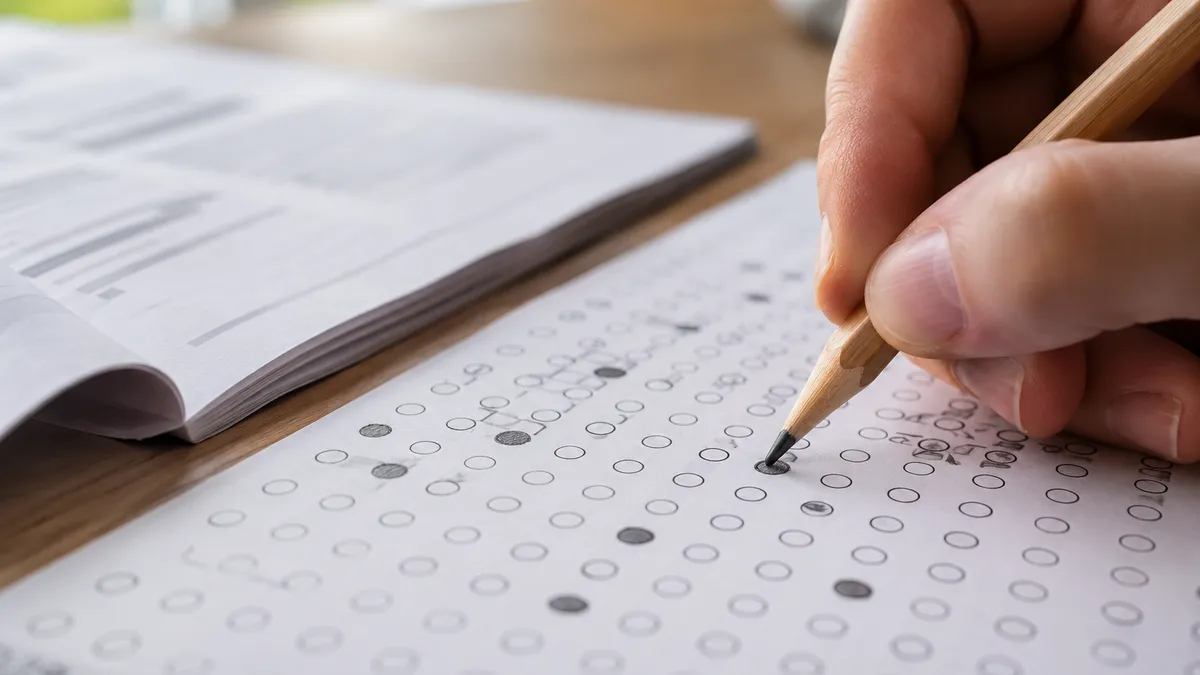
Is a Bartending Career Worth It?
- +Low barrier to entry with short training and certification requirements
- +Tips can significantly boost hourly earnings on busy shifts
- +Flexible schedules suit students, parents, and second-job seekers
- +Skills transfer across cities, venues, and hospitality roles
- +Social, fast-paced environment with constant variety
- +Clear growth path to head bartender, bar manager, or beverage director
- −Income can fluctuate with seasons, shifts, and venue traffic
- −Long hours on your feet cause physical strain
- −Late nights and weekend work affect social and family time
- −Difficult or intoxicated guests require constant patience
- −Legal liability for overservice adds real responsibility
- −Benefits like health insurance are not guaranteed at every employer
Daily Habits Checklist for Better Bartenders
- ✓Arrive 15 minutes early and review the shift notes.
- ✓Set up your station so key tools sit within arm's reach.
- ✓Measure every pour with a jigger or a verified count.
- ✓Check ID carefully for every guest who looks under 40.
- ✓Greet each guest within one minute of arrival.
- ✓Wipe down your well and rinse tins between uses.
- ✓Date and label all prepared juices, syrups, and garnishes.
- ✓Track guest pace and watch for signs of intoxication.
- ✓Ring every drink and comp into the point-of-sale system.
- ✓Write down one thing to improve before closing out.
Measure Every Pour
Overpouring by just half an ounce on 100 drinks a night wastes about 50 ounces of liquor, or more than two 750 mL bottles. Measuring protects margins, keeps flavor consistent, and builds the accuracy managers notice when choosing who gets the best shifts.
Responsible Alcohol Service: The Legal Side of Better Bartending
Legal knowledge protects you, your employer, and your guests. The minimum legal drinking age is 21 across the United States, and acceptable ID typically means an unexpired government-issued photo identification such as a driver's license, state ID card, passport, or military ID. Always check the date of birth, expiration date, photo match, and signs of tampering. When in doubt, ask for a second form of ID or politely decline service rather than guessing.
Blood alcohol concentration is another core concept. The standard driving limit for adults is 0.08 percent in nearly every state, and lower limits apply to commercial drivers and drivers under 21. A standard drink contains about 0.6 ounces of pure alcohol, which equals a 12-ounce beer at 5 percent, a 5-ounce glass of wine at 12 percent, or a 1.5-ounce shot of 80-proof spirits. Counting standard drinks helps you track guest consumption objectively.
Recognizing visible intoxication is the hardest part of responsible service. Warning signs include slurred speech, glassy eyes, stumbling, loud or aggressive behavior, spilled drinks, repeated orders in quick succession, and sudden mood swings. No single sign proves impairment, so watch clusters of behavior over time. Start a friendly conversation early in the visit, because it becomes much easier to notice change when you remember how the guest spoke and moved at the beginning of the night.
Dram shop laws and server liability vary by state. In many states, a bar that serves a visibly intoxicated person who later injures someone can face civil claims, and in some places the individual bartender can also be held responsible. Penalties for serving minors can include fines, license suspension, and criminal charges. Because rules differ, review your state alcohol beverage control agency's website and complete any required server training before you work your first shift.
Cutting someone off requires tact and consistency. Speak privately, stay calm, avoid blame, and offer water, food, or a ride-share option. Say something like 'I can't serve you another drink tonight, but I'd be glad to get you some water.' Notify your manager and security so the decision is backed up, and document the incident in the shift log. Never argue about whether the guest is drunk; once you have made the decision, it is final.
Other legal areas deserve attention as well. Learn your state's last call time, rules on happy hour pricing, restrictions on drink promotions, open container laws, and how to handle drugs or weapons on premises. Many states also require or strongly encourage alcohol server certification, and some employers mandate it regardless. Certification courses and practice tests teach these rules in a structured way, which is why they are so useful for anyone aiming to be among the better bartenders in their market.
Treat compliance as a habit, not a hurdle. Keep a mental checklist for every transaction: confirm age, assess alertness, measure the pour, and monitor the guest's pace. Bartenders who build these checks into muscle memory stay calm when an inspector or an incident appears, because they have already done the right thing hundreds of times. That consistency is exactly what employers look for and what certification exams are designed to test.

Server certification requirements, dram shop liability, and last-call hours differ widely between states and even between cities. Always confirm current rules with your state alcohol control agency or your employer before working a shift.
Inventory and Cost Control: The Business Skills Behind the Bar
Great bartenders understand that every pour is a financial transaction. Most bars target a liquor pour cost between 18 and 24 percent, meaning the cost of the liquor is about a fifth of the selling price of drinks. If a cocktail uses 2 ounces of a spirit costing $1.00 per ounce and sells for $11, the liquor cost is roughly 18 percent, which is healthy. Overpouring by half an ounce quickly erodes that margin.
Bottle math is useful to know by heart. A 750-milliliter bottle holds about 25.4 ounces, so it yields roughly 16 pours of 1.5 ounces, and a one-liter bottle holds about 33.8 ounces, or around 22 pours. If a $24 bottle yields 16 pours, each pour costs $1.50. Knowing these numbers lets you evaluate specials, estimate nightly usage, and spot when something does not add up at the end of a shift.
Par levels keep the bar stocked without tying up cash. A par level is the quantity you want on hand after a delivery, set according to sales patterns. Count bottles at the end of each week, compare them with sales reports, and order only what brings you back to par. Rotating stock with first in, first out practices prevents spoilage of juices, dairy, and beer kegs, which have limited shelf lives and quickly become waste.
Variance reports reveal problems early. Variance is the gap between what inventory says should have been used and what actually disappeared. Small variance of one to three percent is normal because of spillage and measuring error. Larger gaps can signal overpouring, unrecorded comps, theft, or broken ordering processes. Bartenders who understand variance can explain discrepancies, suggest fixes, and show managers that they treat the bar's money with the same care as their own.
Waste reduction is another opportunity to stand out. Use juice and syrups within safe time windows, label every container with a prep date, and repurpose trimmings, such as citrus peels for oleo saccharum or expressed oils. Track spills and remakes in a log so patterns appear. If a drink is remade often, the problem may be unclear specs or a confusing menu rather than careless bartending, and you can raise that with management constructively.
Comps and voids need documentation. Giving away drinks may build goodwill, but unrecorded comps distort inventory numbers and invite suspicion. Follow your bar's policy, get approval when required, and ring everything into the point-of-sale system. Cash handling deserves the same discipline: count your bank at the start and end of each shift, keep the drawer closed between transactions, and never mix personal money with till funds, even briefly.
These cost control topics appear on many certification and hiring assessments, which is why practice questions on inventory are worth your time. Working through scenarios such as calculating pours per bottle, setting par levels, and interpreting variance builds the arithmetic habits employers prize. Bartenders who can speak confidently about numbers often move into head bartender, bar manager, or beverage director roles faster than peers who focus only on cocktail technique.
Practical Tips to Keep Improving Behind the Bar
Build a deliberate practice routine. Choose one skill each week, such as free-pour accuracy, shaking technique, or recalling ten classic specs, and spend 15 minutes a day on it. Record your results in a notebook or phone note so you can see progress. Deliberate practice beats casual repetition because it targets weak points directly, and even short sessions add up to dozens of hours of focused improvement over a few months.
Learn the classics before chasing trends. Memorize about twenty foundational recipes, including the Old Fashioned, Margarita, Daiquiri, Manhattan, Martini, Negroni, Moscow Mule, Whiskey Sour, Cosmopolitan, and Mojito. Understand why each works, such as the classic sour ratio of 2 parts spirit, 1 part citrus, and 3/4 part sweetener. Once you know the structure, you can adjust for guest taste, ingredient shortages, or house variations without needing a printed recipe.
Seek feedback and mentorship actively. Ask senior bartenders to watch you work and name one thing to fix. Shadow different shifts, because Tuesday afternoon teaches patience and Saturday midnight teaches speed. Visit well-run bars as a guest and observe how staff greet, pace, and close out tabs. Most experienced bartenders are happy to share advice when you show real interest, and those relationships frequently lead to better shifts and job referrals.
Study with quizzes and structured materials. Practice tests on bar law, liquor regulations, and inventory give quick feedback and expose gaps you may not notice on shift. Take a short quiz after each study session, review every wrong answer, and retake the set a few days later. Spaced repetition like this helps facts such as ID rules, legal limits, and cost formulas stick, which saves stress before certification exams or interviews.
Protect your body and your mood. Bartending is physically demanding, with long hours standing, lifting kegs and cases, and working late nights. Wear supportive, slip-resistant shoes, stay hydrated, stretch your wrists and back, and eat before shifts. Set boundaries around drinking, since burnout and alcohol misuse are real occupational risks. Better bartenders last longer in the industry because they look after their health as carefully as they look after their guests.
Keep your professional profile current. Update your resume with certifications, volume numbers, and specific achievements, such as reducing pour variance or building a seasonal cocktail menu. Maintain a polished social presence if you share your work, and collect references from managers. When you apply, research the venue's style and prepare to discuss how your skills fit it. Applicants who show preparation stand out in a pile of similar resumes.
Finally, stay curious and humble. Trends, products, and regulations change constantly, from low-alcohol cocktails to new labeling rules and local ordinances. Read industry publications, attend tastings, and take refresher training every few years. Treat every shift as a chance to learn something, whether it is a faster build, a better phrase for a difficult conversation, or a new spirit. That mindset, more than any single trick, creates lasting improvement.
Bartender Bartender Questions and Answers

Bartending Job: Everything You Need to Know to Land, Grow, and Succeed in a Bartending Career

Bartender Age Requirements by State
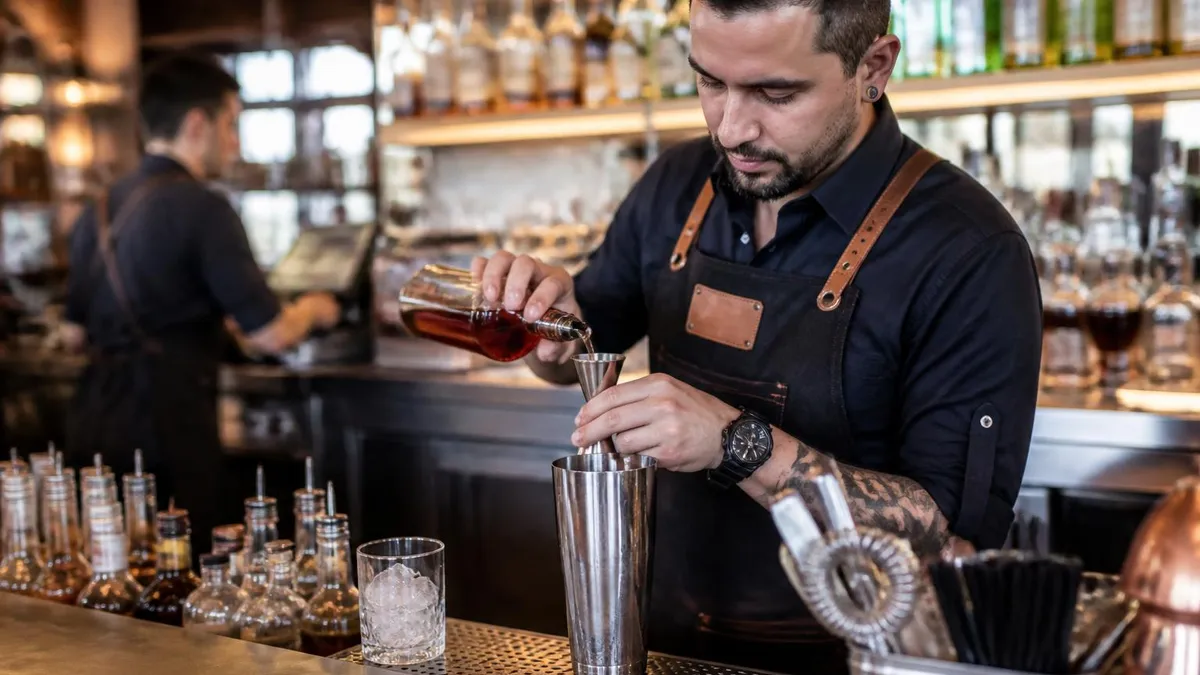
Bartending School Las Vegas: Complete Training Guide for Aspiring Bartenders
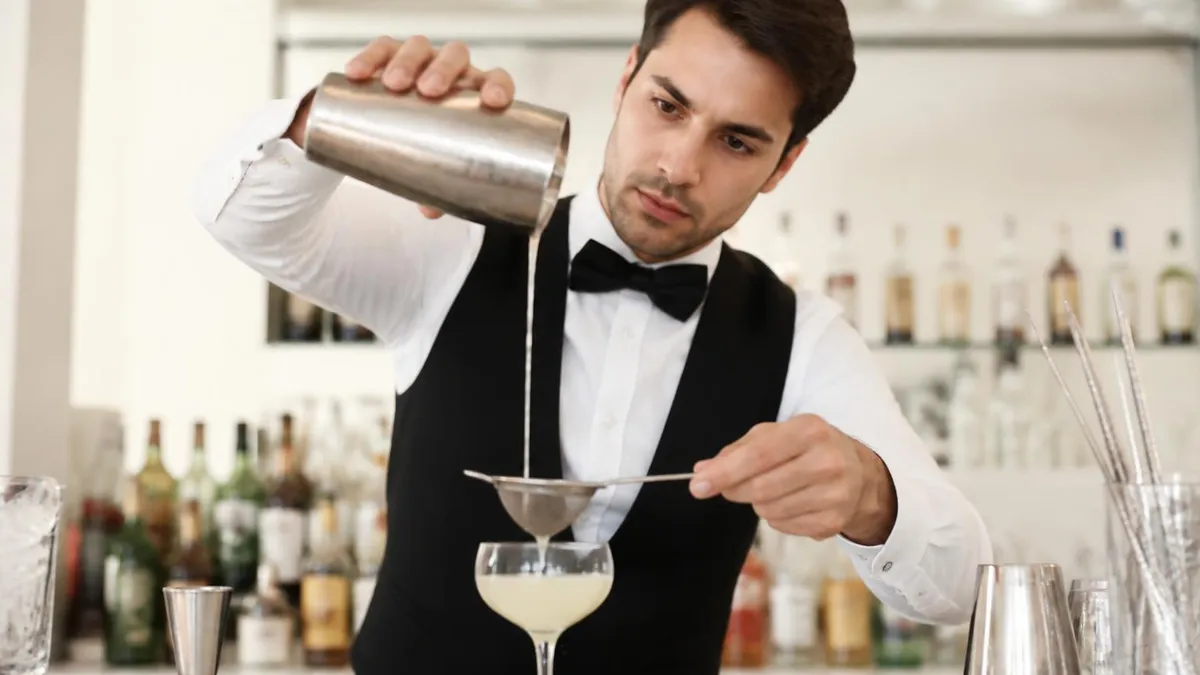
Requirements to Be a Bartender: Age, Training, Licenses & Skills in 2026
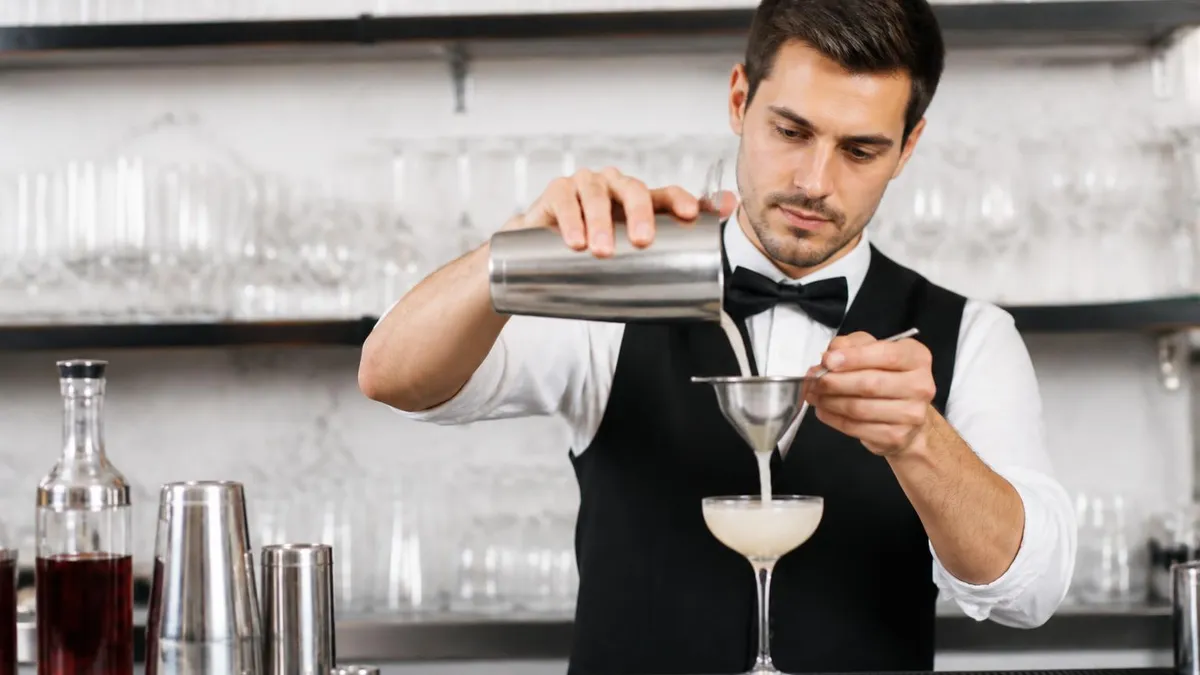
Bartending Jobs Near Me 2026: How to Find & Land a Bartender Job
How this page was made: written with AI tools and published by Nathan Beja, founder of Practice Test Geeks, who is responsible for its content. We have not yet matched this exam's facts to an official source, so confirm fees, dates and rules with the exam body. Not reviewed by a subject-matter expert. Editorial policy