
Bartending Jobs Near Me 2026 September: How to Find & Land a Bartender Job
Free Bartending Jobs Near Me 2026 September: How to practice test with questions and answer explanations. Prepare for the 2026 September exam with instant scoring. 🟢


Bartending jobs are in demand across the country, and if you've been searching for "bartending jobs near me," you're entering one of the most flexible, high-earning service industries available. Whether you're a seasoned mixologist looking to upgrade venues or someone trying to break into the industry with zero experience, 2026 is a strong year for bartenders. The U.S. Bureau of Labor Statistics projects steady growth in food service employment through the decade, and tipped positions like bartending continue to rank among the highest-earning hourly roles in hospitality.
This guide covers everything: where to find open bartending positions, which venue types are hiring, realistic salary expectations by experience level, what certifications give you a competitive edge, how to land your first bartending job without prior experience, and how to ace the interview. Whether you're aiming for a weekend gig to supplement income or a full-time career behind the bar at a high-end establishment, the strategies and information here apply directly to your search.
The bartending industry rewards people who show up prepared. That means having the right credentials, understanding the hiring process, knowing which venues match your experience level, and walking into every interview with the specific knowledge and confidence that makes managers want to say yes. You don't need years of experience to get started — you need a clear, deliberate plan. That's what this guide gives you.
Where to Find Bartending Jobs Near You
The right job board cuts your search time dramatically. General platforms work, but hospitality-specific boards surface listings that never reach Indeed or LinkedIn.
General Job Boards
Indeed remains the highest-volume source for bartending jobs. Search "bartender" plus your city, filter by "Full-time" or "Part-time," and set up email alerts — popular positions at high-volume bars can fill within 48 hours of posting.
LinkedIn is increasingly useful for bar manager and head bartender roles at hotel groups, restaurant chains, and event venues. Premium listings sometimes appear here before they hit other boards, especially for corporate hospitality brands.
Craigslist still lists a significant number of bartending openings, particularly at independent bars, dive bars, and smaller restaurants. Check the "Food / Bev / Hosp" section under your metro area.
Hospitality-Specific Job Boards
Poached Jobs (poachedjobs.com) focuses exclusively on the restaurant and bar industry. Employers post here specifically to reach experienced hospitality workers, and many listings include hourly or tip estimates upfront.
Hcareers (hcareers.com) specializes in hotel and restaurant careers. If you want to work at a hotel bar, resort lounge, or casino — where base pay is often higher and benefits more common — Hcareers is your best starting point. Major hotel groups like Marriott, Hilton, and Hyatt post here regularly.
Culinary Agents and Seasoned aggregate hourly hospitality positions and let employers reach you directly. Both are worth registering on alongside your primary board.
Direct Outreach: The Underrated Strategy
Walking in with a polished resume during off-peak hours — Tuesday through Thursday, 2 p.m. to 4 p.m. — gets you in front of a hiring manager before the posting goes live. Most bars hire through word of mouth or internal referrals first. Introduce yourself to the bar manager, mention your availability, and leave your resume. Follow up with a brief email the next day.
This approach is especially effective at craft cocktail bars, hotel lounges, and high-end restaurants where the hiring manager values interpersonal confidence — a core bartending skill — above almost everything else. Networking inside the industry matters too: attend local bartender competitions, visit bartender certification courses in your area, and connect with working bartenders. Jobs at the best venues rarely advertise publicly.
What Employers Look for When Hiring Bartenders
Understanding what hiring managers actually evaluate narrows your preparation considerably. Across venue types, five factors consistently determine who gets the job. Knowing these before you walk in the door lets you frame your experience and answers in terms that directly address what matters most to the person across from you.
Speed and Efficiency. Volume kills profits when bartenders are slow. Employers want to know you can handle a rush without falling apart. If you've worked behind a bar before, be ready to describe your system: how you organize your station, how you prioritize tickets, how you handle four customers flagging you at once.
Product Knowledge. Know your spirits categories: bourbon vs. rye vs. Scotch, the difference between a London Dry and New American gin, how to describe an amaro to a curious guest. For craft bars, this knowledge is non-negotiable. For chain restaurants, a solid baseline plus enthusiasm to learn is usually sufficient. Study the house menu before your interview — walk in knowing what they pour on draft and what their signature cocktails are.
Personality and Guest Interaction. Bartending is performance as much as it is production. Managers hire people their regulars will enjoy. Be warm, direct, and confident in your interview. If you're naturally personable, let that show — it's the trait that generates repeat customers and tips.
Reliability. Hospitality hiring managers have been burned by no-shows. Any signal that you're dependable matters: consistent work history, references who speak to your reliability, showing up exactly on time for your interview. Arrive five minutes early. Follow up promptly. These signals communicate professionalism before you've poured a single drink.
Alcohol Certification. More employers require or strongly prefer candidates who hold a recognized alcohol service certification. See our bartender certification guide for a state-by-state breakdown. The key credentials are covered in detail below.

Bartending Certifications That Help You Get Hired
The Texas Alcoholic Beverage Commission requires sellers and servers of alcohol to complete TABC-approved training within 30 days of employment. The course covers Texas alcohol laws, identifying intoxication, refusing service, and liability. It's available online in a few hours for around $10–$15 and is mandatory if you want to bartend in Texas. Many employers won't even interview you without it.
How to Get Your First Bartending Job with No Experience
Every experienced bartender started somewhere. The path from zero to behind-the-bar isn't as long as most people assume, but it does require a deliberate strategy.
Start as a Barback
A barback is the bartender's assistant: restocking ice, cutting garnishes, washing glasses, changing kegs, and keeping the bar organized during service. It's entry-level and unglamorous — and it's the single fastest path to a bartending job. Experienced bartenders notice competent, eager barbacks and advocate for their promotion. Six to twelve months as a barback at a good venue will teach you more than most bartending schools combined.
Take a Bartending Course
Bartending schools vary significantly in quality. The best ones provide hands-on practice with actual equipment, cover classic cocktail recipes, responsible service training, and pour measurement. Look for programs affiliated with recognized industry organizations. Realistic cost is $200–$800 depending on length and location. A certificate won't guarantee a job, but it demonstrates commitment and gives you something concrete on your resume.
Start Small: Dive Bars, Sports Bars, Banquet Halls
High-end craft bars rarely hire inexperienced bartenders. Dive bars, neighborhood pubs, sports bars, and banquet facilities are far more open to training someone who demonstrates enthusiasm and reliability. The tips may be modest, but you're building a verifiable track record. After 12–18 months, you'll have the experience to apply anywhere.
Get Certified Before You Apply
Having ServSafe Alcohol, TIPS, or your state's required certification before your first interview removes an objection. Many employers will bring on someone without bar experience if they've already completed responsible service training — it means less administrative work for the employer and signals genuine commitment to the industry.
Build a Home Cocktail Portfolio
Craft bartending positions increasingly ask candidates to demonstrate specific skills. Practice making a Manhattan, Old Fashioned, Negroni, Margarita, Daiquiri, and Whiskey Sour until you can do them confidently and accurately. If you're pursuing craft positions, develop one or two original cocktail recipes. Being able to describe your process — why you chose a particular ratio, what the flavor profile achieves — signals real passion.
Reinforce your knowledge with bartender practice tests covering mixology fundamentals, responsible service, and bar operations before your first interview. Use our bartender certification to sharpen your spirits knowledge and responsible service awareness before your working interview.
Bartender Resume Checklist
- ✓Lead with alcohol service certifications (TABC, ServSafe Alcohol, TIPS, RBS)
- ✓Quantify experience: covers, volume, seat count, shift type (e.g., "20-seat bar, 250+ covers on weekends")
- ✓Include a skills section: spirits categories, cocktail styles, POS systems, draft beer systems
- ✓List any bar-adjacent roles: barback, server, banquet staff, event bartending
- ✓Keep it to one page — hiring managers spend 10–15 seconds on first scan
- ✓Use action verbs: "managed," "executed," "trained," "developed," not "responsible for"
- ✓Tailor the resume to the venue type — craft bar language differs from nightclub language
- ✓Include a professional email address (not a childhood nickname)
- ✓List two reliable references from the service industry by name and phone number
- ✓Proofread for spelling errors — attention to detail matters behind the bar too

Bartender Practice Test Questions
Prepare for the Bartender Certification exam with our free practice test modules. Each quiz covers key topics to help you pass on your first try.
Bartender Certification Bar Inventory and ...
Bartender Exam Questions covering Certification Bar Inventory and Cost Control. Master Bartender Test concepts for certification prep.
Bartender Certification Bar Law and Liquor...
Free Bartender Practice Test featuring Certification Bar Law and Liquor Regulations. Improve your Bartender Exam score with mock test prep.
Bartender Certification Bar Sanitation and...
Bartender Mock Exam on Certification Bar Sanitation and Safety. Bartender Study Guide questions to pass on your first try.
Bartender Certification Bar Setup and Orga...
Bartender Test Prep for Certification Bar Setup and Organization. Practice Bartender Quiz questions and boost your score.
Bartender Certification Bar Tools and Glas...
Bartender Questions and Answers on Certification Bar Tools and Glassware. Free Bartender practice for exam readiness.
Bartender Certification Basic
Bartender Mock Test covering Certification Basic. Online Bartender Test practice with instant feedback.
Bartender Certification Cocktail Recipes a...
Free Bartender Quiz on Certification Cocktail Recipes and Techniques. Bartender Exam prep questions with detailed explanations.
Bartender Certification Customer Service a...
Bartender Practice Questions for Certification Customer Service and Sales. Build confidence for your Bartender certification exam.
Bartender Certification Customer Service S...
Bartender Test Online for Certification Customer Service Skills. Free practice with instant results and feedback.
Bartender Certification Mixology Fundamentals
Bartender Study Material on Certification Mixology Fundamentals. Prepare effectively with real exam-style questions.
Bartender Certification Responsible Alcoho...
Free Bartender Test covering Certification Responsible Alcohol Service. Practice and track your Bartender exam readiness.
Bartender Certification Spirits, Beer, and...
Bartender Exam Questions covering Certification Spirits, Beer, and Wine. Master Bartender Test concepts for certification prep.
Bartender Certification Spirits, Liqueurs,...
Free Bartender Practice Test featuring Certification Spirits, Liqueurs, and Cocktails. Improve your Bartender Exam score with mock test prep.
Bartender Responsible Alcohol Service
Bartender Mock Exam on Responsible Alcohol Service. Bartender Study Guide questions to pass on your first try.
Bartender Spirits, Liqueurs, and Cocktails
Bartender Test Prep for Spirits, Liqueurs, and Cocktails. Practice Bartender Quiz questions and boost your score.
Bartender Bar Sanitation and Safety
Bartender Questions and Answers on Bar Sanitation and Safety. Free Bartender practice for exam readiness.
Bartender Bar Setup and Organization
Bartender Mock Test covering Bar Setup and Organization. Online Bartender Test practice with instant feedback.
Bartender Bar Tools and Glassware
Free Bartender Quiz on Bar Tools and Glassware. Bartender Exam prep questions with detailed explanations.
Bartender Basic
Bartender Practice Questions for Basic. Build confidence for your Bartender certification exam.
Bartender Cocktail Recipes and Techniques
Bartender Test Online for Cocktail Recipes and Techniques. Free practice with instant results and feedback.
Bartender Customer Service and Sales
Bartender Study Material on Customer Service and Sales. Prepare effectively with real exam-style questions.
Bartender Customer Service Skills
Free Bartender Test covering Customer Service Skills. Practice and track your Bartender exam readiness.
Bartending Interview Questions and How to Answer Them
Preparation turns interview nerves into confidence. These are the questions you're most likely to face, and how experienced bartenders approach their answers.
"What's your experience behind the bar?" Be honest and specific. If you're new, frame your answer around transferable skills: "I've spent six months as a barback at [venue], where I learned station organization, restocking under pressure, and watching experienced bartenders work a rush. I've also completed my ServSafe Alcohol certification and spend time at home developing cocktail recipes." If you have experience, quantify it: covers, shift volume, venue type.
"What's your favorite cocktail to make and why?" This tests enthusiasm and knowledge simultaneously. Pick something you can speak to with genuine passion. Describe the balance of flavors, your technique, why the drink appeals to you. A Negroni answer that touches on the tension between sweet vermouth, bitter Campari, and botanical gin demonstrates more than someone who just lists the ingredients.
"How do you handle a difficult or intoxicated guest?" Responsible service is the legal backbone of bartending. Describe your approach calmly and with confidence: you observe behavioral cues, slow service, offer water and food, and if necessary, firmly but respectfully decline further service. Mention your certification. Managers want to know you won't expose them to liability.
"How do you stay organized during a rush?" Walk them through your physical setup and mental system: mise en place before service, FIFO on tickets, communicating with barbacks, calling out orders. Demonstrate that you've thought about operational efficiency — it's the mark of someone who's actually worked under pressure.
"Where do you see yourself in two years?" An honest answer that shows ambition within hospitality is better than vagueness: "I want to develop my spirits knowledge further and eventually move into a head bartender role." Craft bars and hotel venues ask this to gauge whether you're a flight risk; answer it directly. Before any interview, take our free bartender basic practice test to check your readiness across the core knowledge areas every hiring manager probes.
States That Require Alcohol Service Certification
Before you apply for bartending jobs, check whether your state has mandatory alcohol service training requirements. Arriving certified — before the employer even asks — gives you a real edge in competitive markets. Start your prep now with our bartender certification. Here's a summary of states with active requirements as of 2026:
- Alaska: Mandatory responsible vendor training for all alcohol servers.
- California: RBS certification required; servers must pass a state-administered exam.
- Illinois: BASSET certification required in Chicago and many other jurisdictions.
- Indiana: Server training required for all permit holders.
- Louisiana: Responsible vendor program participation required.
- Massachusetts: TIPS or equivalent required for alcohol servers and sellers.
- New Jersey: Mandatory training for all alcohol servers and sellers.
- New Mexico: Smart Serve or equivalent required.
- Oregon: OLCC Alcohol Server Education permit required before serving.
- Rhode Island: Server training required.
- Texas: TABC certification required within 30 days of hire.
- Utah: DABC training permit required before serving.
- Vermont: Responsible server certification required.
- Washington: MAST (Mandatory Alcohol Server Training) Class 12 permit required to serve.
Even in states without a legal mandate, certification is increasingly expected by employers who want to minimize liability exposure. The cost is low ($15–$50), online courses take a few hours, and the credential signals professionalism from your very first application. There is no downside to getting certified before you need it — and in a competitive market, it's often the detail that separates the candidate who gets the callback from the one who doesn't. Treat it as a $15–$50 investment with guaranteed returns on your employability.
One important note: state requirements change regularly. Laws in California, Washington, and Illinois have all been updated or expanded within the past five years. Always verify current requirements directly with your state's alcohol control board website before you sit for an exam, since some states require renewal every three years while others have indefinite validity periods. Confirming this before you start saves valuable time and avoids any costly surprises.
Bartending as a Career: Pros and Cons
- +High earning potential through tips, especially at premium venues and on weekend shifts
- +Flexible scheduling — part-time, full-time, and event work all available
- +Low barrier to entry compared to licensed professions requiring multi-year degrees
- +Social, dynamic work environment with constant variety in guests and interactions
- +Transferable skills: speed, multitasking, customer service, and product knowledge travel well
- −Income unpredictability — slow nights, weather events, and economic downturns hit tips hard
- −Late-night hours and weekend-heavy scheduling affects work-life balance
- −Physical demands: standing 6–10 hours per shift, heavy lifting, fast-paced environments
- −Benefits like health insurance and retirement plans are rare outside hotel and corporate venues
- −Alcohol exposure and industry culture require personal discipline to manage sustainably
Pros and Cons at a Glance
| Pros | Cons |
|---|---|
| High earning potential through tips, especially at premium venues and on weekend shifts | Income unpredictability — slow nights, weather events, and economic downturns hit tips hard |
| Flexible scheduling — part-time, full-time, and event work all available | Late-night hours and weekend-heavy scheduling affects work-life balance |
| Low barrier to entry compared to licensed professions requiring multi-year degrees | Benefits like health insurance and retirement plans are rare outside hotel and corporate venues |
| Social, dynamic work environment with constant variety in guests and interactions | Alcohol exposure and industry culture require personal discipline to manage sustainably |
Bartender Salary: What to Realistically Expect
Bartender income has two components: base hourly wage and tips. The federal minimum for tipped employees is $2.13/hour, though most states mandate a significantly higher floor — California, for instance, requires full minimum wage before tips. What matters most to your take-home pay is the tip volume of your venue, which correlates directly with check averages, the customer demographic, and which shifts you're assigned.
Here's a realistic salary framework by experience and venue type:
- Entry-level / no experience: $25,000–$35,000/year (base + tips at lower-volume venues)
- 1–3 years, mid-volume restaurant or bar: $35,000–$50,000/year
- 3–5 years, busy restaurant, hotel, or craft bar: $50,000–$65,000/year
- Experienced, nightclub or high-end hotel bar in major market: $65,000–$80,000+/year
- Head bartender / bar manager (with salary component): $55,000–$90,000/year depending on market
Geographic location is a major variable. A bartender in New York City or San Francisco with three years of experience will out-earn the same bartender in a smaller market by 30–50% or more, largely due to higher check averages and tipping norms. Las Vegas bartenders at high-volume casino bars consistently rank among the highest earners in the country — some reporting $80,000–$100,000+ annually when peak shifts are secured.
Weekend shifts drive the majority of tip income for most bartenders. If you want to maximize earnings, prioritize securing Friday and Saturday shifts early in your tenure. Consistency and reliability on lower-demand weeknight shifts is often how you earn the right to the high-tip weekend rotations — managers reward the people they can count on. Strengthen your competitive profile with our bartender practice tests covering everything from cocktail fundamentals to responsible alcohol service and bar management.
Bartender Questions and Answers
About the Author
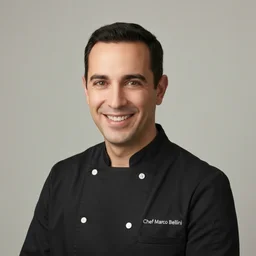
Executive Chef & Culinary Arts Certification Educator
Culinary Institute of AmericaChef Marco Bellini is a Certified Executive Chef and graduate of the Culinary Institute of America with over 20 years of professional kitchen experience in Michelin-recognized restaurants. He teaches culinary arts certification, food safety, and hospitality exam preparation, having guided thousands of culinary students through their ServSafe, ProStart, and professional chef certifications.
Join the Discussion
Connect with other students preparing for this exam. Share tips, ask questions, and get advice from people who have been there.
View discussion (7 replies)