
Flair Bartender: The Complete Career Guide to Skills, Salary, and Certification
🗨️ Flair bartender career guide: master bottle flipping, pours, and the skills, salary, and certification path to working flair behind the bar.
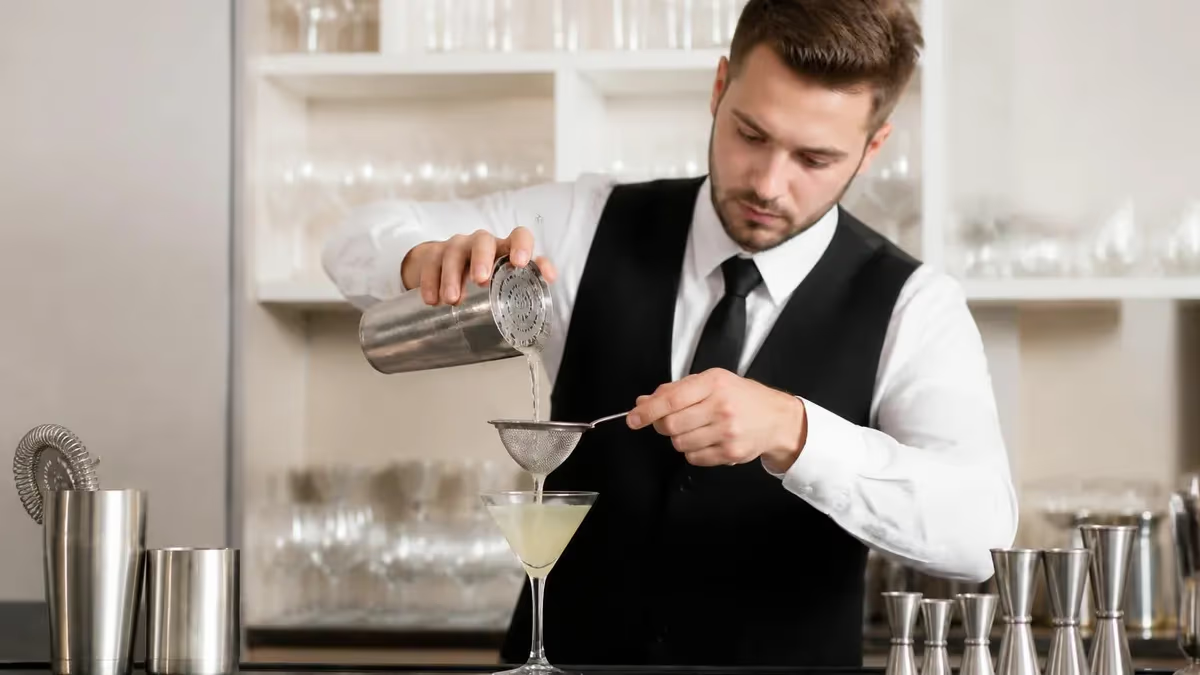
A flair bartender is a hospitality professional who blends precise drink service with athletic, entertaining bottle handling that turns every order into a small performance. While a standard bartender focuses on speed and accuracy, the flair bartender layers in spins, flips, throws, and rhythmic shaking that keep guests watching the well rather than their phones. The discipline grew out of competitive cocktail culture and has become a genuine career track, with specialists earning premium tips at high-volume nightclubs, resorts, cruise lines, and branded promotional events across the United States.
The role demands far more than showmanship. Behind every cascading pour sits a working knowledge of recipes, free-pour counts, sanitation law, responsible service, and inventory control. A guest who came for the spectacle still expects a properly balanced Margarita served in under ninety seconds. The best practitioners treat the entertainment as a layer on top of fundamentals, never a replacement for them, which is exactly why employers value certified candidates who can prove both their technique and their command of the rules governing alcohol service.
This guide walks through what the job actually involves day to day, the skills you must build in order, realistic pay ranges, and how certification fits into the picture. We cover the difference between working flair and exhibition flair, the gear you need, and the common mistakes that get beginners cut from a shift. Whether you are aiming for a casino floor in Las Vegas or a destination wedding circuit, the path starts with the same foundation of safe, legal, accurate service.
One of the smartest early investments you can make is assembling the right tools before you ever practice a single move. A reliable set of weighted training bottles, tins, and pour spouts shortens your learning curve dramatically, which is why we recommend reading our guide to flair bartending equipment alongside this article. Trying to learn complex flips with cheap, unbalanced bar gear teaches your hands the wrong muscle memory and guarantees broken glass and bruised confidence in the first week.
It also helps to set expectations honestly. Flair is a craft you measure in months, not days. A motivated learner can perform two or three crowd-pleasing moves within a few weeks, but stringing them into a confident, repeatable routine while taking orders takes deliberate, daily repetition. The good news is that the underlying bartending knowledge transfers immediately: every hour you spend learning specs, garnishes, and service flow makes you more employable even before your first clean bottle flip lands.
Throughout this guide you will find free practice questions covering bar inventory, cost control, and liquor law, the exact knowledge areas that certification exams test and that employers quietly screen for during interviews. Treat the flair as your signature and the fundamentals as your foundation. Master both, and you become the kind of hire a busy bar manager fights to keep on the schedule, the kind whose name guests remember and request by the end of the night.
Flair Bartending by the Numbers
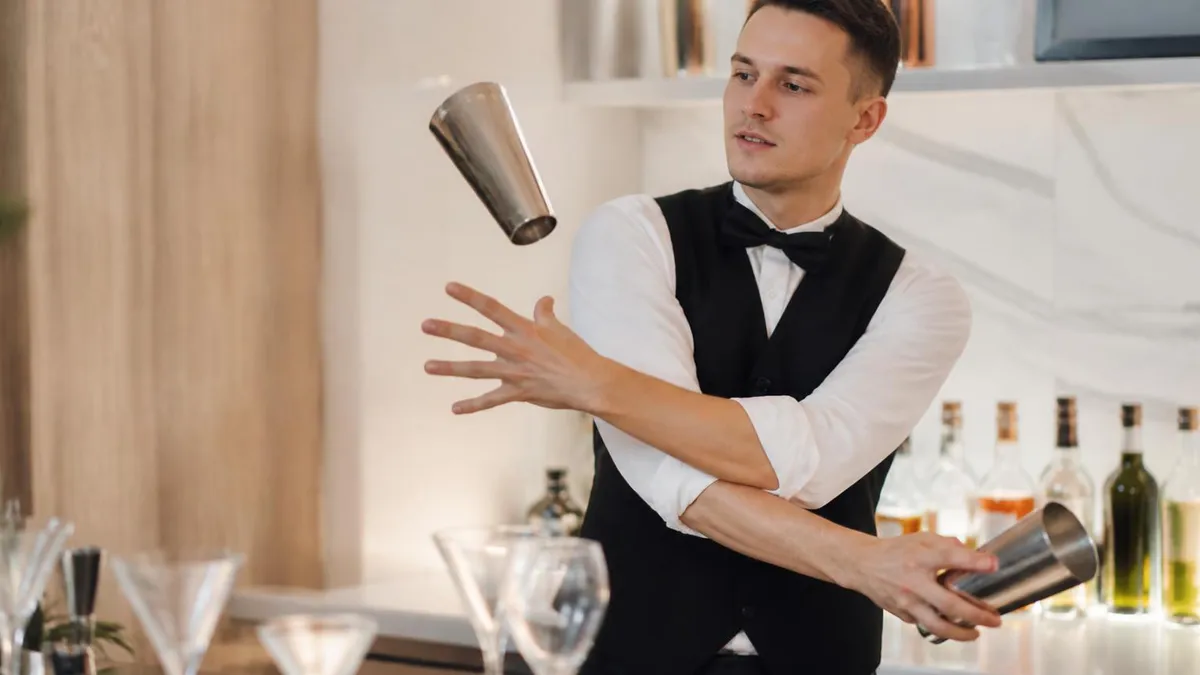
What a Flair Bartender Actually Does
The flair bartender keeps guests engaged with spins, flips, and stalls woven into normal drink-making. The performance never slows accurate service or sanitation, and it drives repeat visits, higher checks, and stronger tip averages across a shift.
Behind the show, every cocktail must hit its spec. Flair pros free-pour to consistent counts, balance sweet and sour, and rebuild a drink correctly even mid-routine so the finished glass tastes the same every single time it is ordered.
On a busy night a flair bartender still clears a long rail. They choose quick, low-risk moves during rushes and save elaborate sequences for slower moments, protecting both pour times and breakage rates while keeping the energy high.
Responsible service, ID checks, and inventory control apply equally to flair roles. Knowing liquor law, cutting off intoxicated guests, and tracking cost percentages keeps the bartender, the license, and the venue protected from costly liability.
Building a flair career means stacking skills in a deliberate order, because each layer depends on the one beneath it. The foundation is dry-hand work: spinning and flipping empty bottles until the catches feel automatic. Most coaches insist on hundreds of clean repetitions with a weighted practice bottle before any liquid enters the picture. Skipping this stage is the single most common reason beginners stall, because they try to perform under pressure with hands that have not yet memorized the basic arc, grip, and timing of a controlled flip.
Once dry-hand moves are reliable, you progress to working flair with liquid. This is where free-pour accuracy becomes non-negotiable. A flair bartender must hit a consistent count, often a four-count for roughly a one-and-a-half-ounce pour, while the bottle is moving through a spin. Pouring blind into a tin from height looks spectacular and wastes product fast if your count drifts. Disciplined practitioners measure their pours with a jigger weekly to recalibrate, treating accuracy as a perishable skill that decays without maintenance.
Speed and recovery form the next tier. Drops happen to everyone, even world champions, so the mark of a professional is the recovery: catching gracefully, laughing it off, and never letting a fumble stall the rail. You learn to read the room and scale your routine, deploying a single eye-catching move during a four-deep rush and saving multi-bottle sequences for the lull. This judgment separates a working flair bartender from a hobbyist who only performs in an empty practice space.
Underneath all of it sits classic bartending knowledge, and this is where many aspiring performers underinvest. You need recipe recall for dozens of cocktails, garnish standards, glassware pairings, and the rhythm of building rounds efficiently. The visual flair means nothing if the Old Fashioned arrives unbalanced. Pairing showmanship with substance is the same philosophy behind solid bartending techniques, where speed and style only matter once the fundamentals are automatic and the drink itself is correct.
Sanitation and safety run through every layer. Flipping a bottle whose spout has touched the floor, or catching with a hand you just used to clear glassware, is a health-code failure no matter how clean the move looked. Professionals build hygiene into the choreography: dedicated practice bottles, sanitized pour spouts, and a habit of pausing the show to wash hands. Employers and inspectors notice, and a single visible lapse can undo a night of goodwill with regulars who suddenly question what else gets cut behind the bar.
Finally, you develop stamina and showmanship as a performer. A flair shift is physically demanding: hours on your feet, repetitive overhead motions, and the social energy of constantly engaging strangers. Conditioning your shoulders and wrists prevents the tendon injuries that end careers early. Just as important is stage presence, the eye contact, the timing of a reveal, the confidence to own a small mistake. These soft skills convert a competent technician into a draw that guests specifically come back to see.
Working Flair vs Exhibition Flair
Working flair is the style you actually perform on a live shift while serving paying guests. The moves are fast, low-risk, and built into normal drink-making, like a quick bottle spin during a pour or a smooth tin flip while shaking. Nothing slows service, and breakage stays near zero. This is what hiring managers care about most, because it lifts tips and energy without sacrificing the speed a busy rail demands.
Mastering working flair means choosing the right move for the moment. During a heavy rush you might deploy a single clean stall; during a lull you can chain a longer sequence. The skill is judgment as much as dexterity. A working flair bartender reads the room, protects pour times, and keeps the bar profitable, treating each flourish as a bonus layered on top of flawless, legally compliant service rather than the main event.
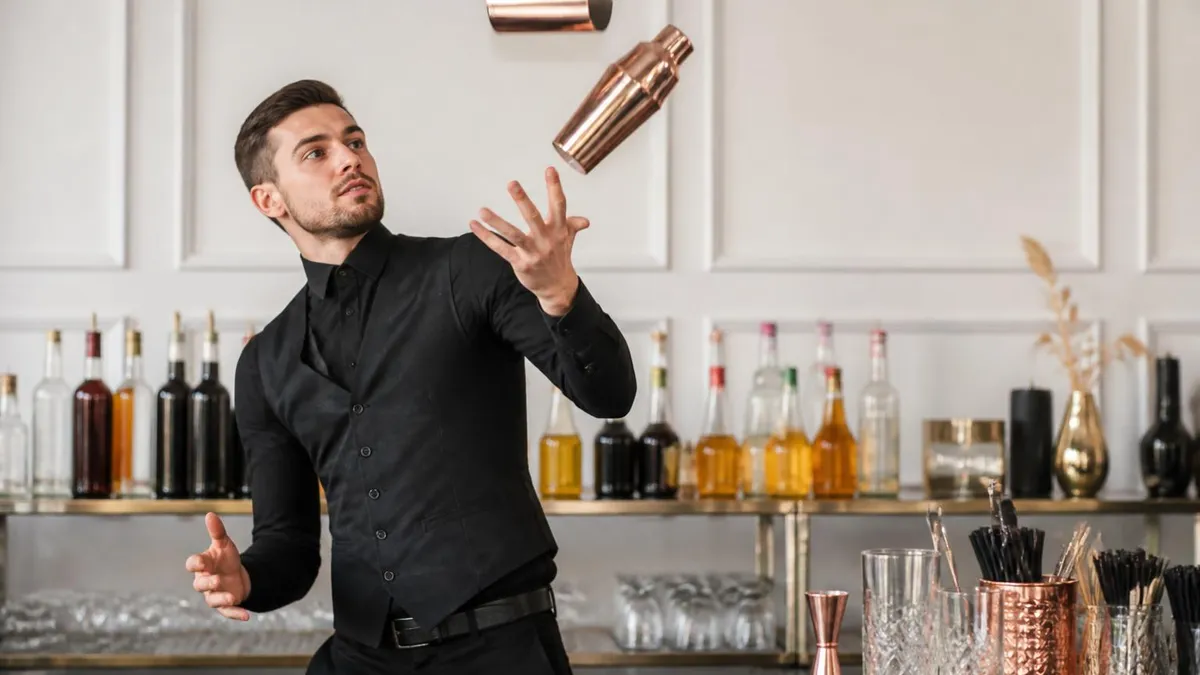
Is a Flair Bartending Career Right for You?
- +Higher tip averages than standard bartending at entertainment-focused venues
- +Memorable personal brand that drives guest requests and repeat business
- +Access to premium gigs: nightclubs, resorts, cruise lines, and branded events
- +Competition circuit offers sponsorships and travel opportunities
- +Transferable skills that make you employable in any bar nationwide
- +Creative, athletic work that rarely feels repetitive or monotonous
- −Steep learning curve requiring months of daily, unpaid practice
- −Repetitive overhead motion risks wrist, elbow, and shoulder injuries
- −Breakage and product waste during learning can be costly
- −Late nights, loud rooms, and physically demanding shift length
- −Not every venue values or permits flair behind the bar
- −Pressure to perform consistently even on slow or difficult nights
Pros and Cons at a Glance
| Pros | Cons |
|---|---|
| Higher tip averages than standard bartending at entertainment-focused venues | Steep learning curve requiring months of daily, unpaid practice |
| Memorable personal brand that drives guest requests and repeat business | Repetitive overhead motion risks wrist, elbow, and shoulder injuries |
| Access to premium gigs: nightclubs, resorts, cruise lines, and branded events | Breakage and product waste during learning can be costly |
| Competition circuit offers sponsorships and travel opportunities | Late nights, loud rooms, and physically demanding shift length |
| Transferable skills that make you employable in any bar nationwide | Not every venue values or permits flair behind the bar |
| Creative, athletic work that rarely feels repetitive or monotonous | Pressure to perform consistently even on slow or difficult nights |
Flair Bartender Skill-Building Checklist
- ✓Buy a weighted practice bottle and a dedicated set of training tins
- ✓Drill basic dry-hand spins and flips until catches feel automatic
- ✓Practice a consistent four-count free pour and verify it with a jigger
- ✓Memorize specs for at least 30 classic and modern cocktails
- ✓Learn to recover gracefully from drops without stalling service
- ✓Build one tight working-flair sequence you can run during a rush
- ✓Condition your wrists and shoulders to prevent overuse injuries
- ✓Study responsible service, ID checks, and local liquor law
- ✓Practice pour-cost and inventory math to control product waste
- ✓Film your routines weekly to track progress and fix flaws
- ✓Shadow an experienced flair bartender on a live shift if possible
- ✓Pass practice tests on inventory, cost control, and liquor regulations
Practice with liquid, not just empty bottles
Most beginners practice exclusively with empty bottles, then panic when a full one behaves differently mid-shift. Once your dry-hand catches are reliable, switch to bottles filled with water to roughly half their working weight. The altered balance and momentum reveal timing flaws that empty practice hides, and it trains the exact muscle memory a real pour demands.
Flair bartender earnings vary widely by venue, market, and skill, but the discipline reliably pays above standard bartending in the right setting. Base hourly wages often mirror the local tipped-minimum or a modest hourly rate, and the real money arrives in gratuities. At entertainment-driven venues, reported tip uplifts of fifteen to forty percent over a standard bar are common, simply because engaged guests stay longer, order more rounds, and reward the show. Total annual earnings for a busy flair professional frequently land in the forty-five to seventy-five thousand dollar range, with top performers in major nightlife markets exceeding that.
Geography drives much of the spread. A flair bartender on the Las Vegas Strip, in a Miami beach club, or aboard a cruise line earns substantially more than someone in a quiet small-town tavern, both because volume is higher and because those venues specifically market the spectacle. Resort towns, casino floors, and destination-wedding circuits concentrate the highest-paying opportunities. Relocating toward these markets, or building a mobile flair offering that travels to events, is one of the fastest ways to raise your ceiling without years of additional tenure.
The career also branches well beyond the bar rail. Experienced flair pros move into beverage consulting, brand ambassadorship for spirit companies, corporate event entertainment, and paid instruction. A respected competitor can earn appearance fees, sponsorship stipends, and social-media income that dwarfs shift tips. Others open their own businesses, combining flair as a marketing hook with the operational reality of running events, which is exactly the model behind a successful mobile bartending operation that books premium private gigs at a flat rate plus gratuity.
Seasonality matters more than new bartenders expect. Nightlife and event work spikes around summer, holidays, and festival seasons, then cools in shoulder months. Smart flair professionals plan their finances around this rhythm, banking during peaks and picking up consulting, teaching, or private events in the slow stretches. Building multiple income streams, shift work plus events plus instruction, smooths the volatility that pure tip-dependent roles suffer when foot traffic dips.
Skill ceiling translates directly to pay ceiling. A bartender who only knows two safe moves caps out faster than one with a deep, adaptable repertoire and a reputation guests recognize. Investing in continual practice, competition exposure, and a polished personal brand compounds over time. The bartenders earning at the top of the range are almost always the ones who treated flair as a long-term craft and a business asset rather than a party trick they learned once and never refined.
Finally, do not overlook the value of certification and clean compliance to your earnings. Venues that pay the most also carry the most liability and protect their licenses fiercely. A flair bartender who can demonstrate responsible-service training, mastery of inventory and cost control, and a spotless record is simply worth more to a manager than an equally talented performer who creates legal risk. The performance gets you noticed; the professionalism gets you the high-paying schedule and keeps you on it.
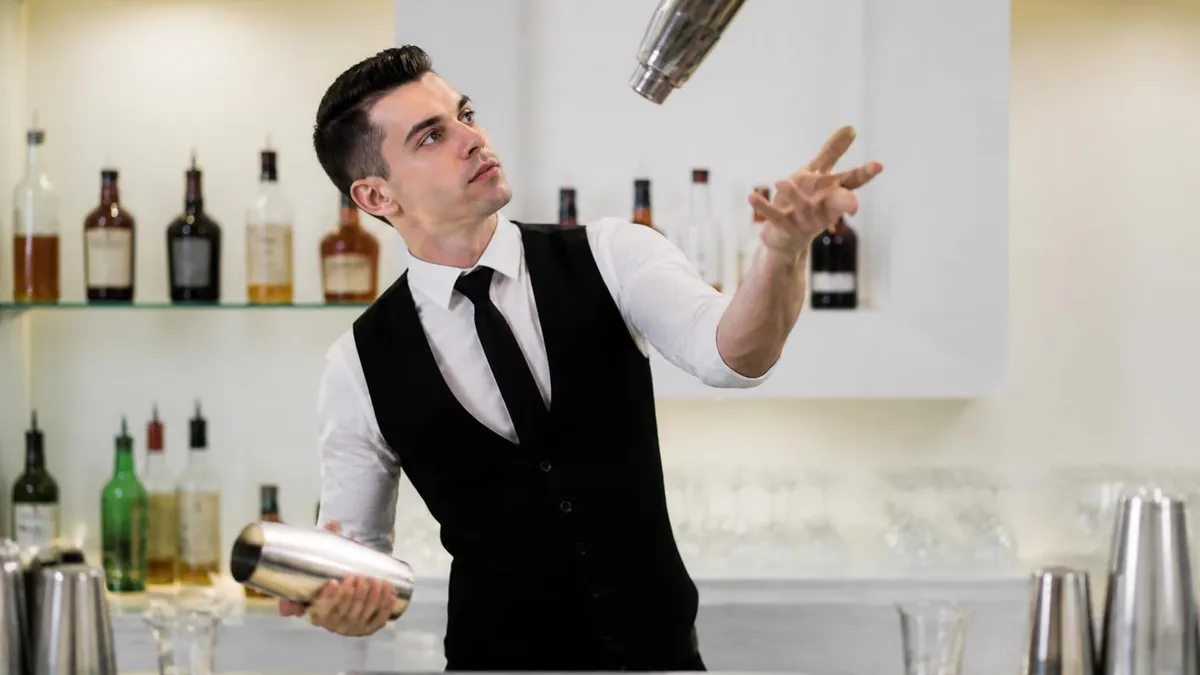
No amount of showmanship exempts you from responsible-service obligations. You must still check IDs, refuse service to intoxicated guests, and follow your state's liquor regulations to the letter. A dramatic over-pour during a routine can become evidence of over-service in a liability claim, so keep your counts honest and your judgment sober even mid-performance.
Certification is where many aspiring flair bartenders misunderstand the landscape. There is no single mandatory flair license in the United States; flair is a skill, not a regulated credential. What is regulated, often at the state or local level, is alcohol service itself. Depending on where you work, you may need a responsible-beverage-service certification, a state-issued server permit, or an employer-required food-handler card. These requirements exist independently of whether you flip bottles, and skipping them can cost you the job before your technique ever gets a look.
Requirements vary sharply by state, which trips up bartenders who relocate for higher-paying markets. Some states mandate a permit before you can legally pour, while others leave it to the venue. For example, the rules and operator's license process differ significantly if you are working in the Midwest, as our guide to the Wisconsin bartending license explains in detail. Always confirm the specific server-permit and age requirements for your city and state before accepting a flair position, because employers expect you to arrive compliant.
For the flair skill itself, training is informal but structured. Reputable flair schools and online programs teach progressions from dry-hand basics through working and exhibition routines, often with video feedback. These courses are not legally required, but they dramatically shorten the learning curve and give you a credible portfolio to show managers. Pair structured flair training with a recognized responsible-service certification, and you present as a complete hire: entertaining, safe, and legally cleared to work the rail from day one.
The interview itself often includes a working test. Expect to be asked to make several standard cocktails to spec, demonstrate a working-flair move or two, and answer questions about pour cost, par levels, and how you would handle an intoxicated guest. This is exactly why practice tests on inventory, cost control, and liquor law matter; the knowledge they cover is the same knowledge a sharp manager probes during hiring. Walking in able to talk numbers and law signals you understand the business, not just the bottles.
Building a portfolio accelerates everything. Short, well-lit videos of clean working routines, ideally filmed behind a real bar, give managers confidence before they ever schedule a trial shift. Competition placements, even regional ones, add credibility. Combine that with documented certifications and a couple of strong references, and you shorten the gap between applying and earning. In a crowded applicant pool, the candidate who arrives organized, certified, and demonstrably safe almost always beats the flashier performer who cannot prove their fundamentals.
Finally, treat certification as ongoing, not one-time. Responsible-service cards expire and must be renewed, liquor laws change, and your skills atrophy without practice. The professionals who sustain long flair careers schedule periodic recertification, keep current on local regulation, and never stop drilling. That maintenance mindset, applied to both the legal credentials and the physical craft, is what turns a promising rookie into a dependable veteran whom venues across multiple states are happy to put on their busiest, most lucrative shifts.
When you are ready to convert practice into a paying flair career, a few practical habits separate those who break through from those who stall. Start by narrowing your working repertoire rather than expanding it. Managers want three or four moves you can execute flawlessly under pressure, not a dozen you land half the time. Choose sequences that integrate naturally into pouring and shaking, drill them until they are boring, and only then add complexity. Reliability behind a live rail beats variety every single time.
Protect your body deliberately, because flair careers end most often from injury, not lack of talent. Warm up your wrists, elbows, and shoulders before every practice session and shift, stretch afterward, and rest when a joint complains. The repetitive overhead motion of flipping bottles accumulates strain quietly until it becomes a serious tendon problem. Veterans who work for years treat conditioning as seriously as technique, alternating heavy practice days with recovery and never powering through sharp pain in pursuit of one more clean catch.
Dial in your free pour relentlessly, since accuracy is what keeps you employable when the show wears off. Recalibrate against a jigger weekly, because counts drift without anyone noticing until inventory variance flags it. A flair bartender who over-pours during routines quietly destroys the bar's cost percentage, and a manager will cut an inaccurate performer fast regardless of how good the flips look. Treat every pour, even the dramatic ones, as a measured action you can defend on an inventory sheet at the end of the night.
Study the business side as carefully as the moves. Understanding pour cost, par levels, shrinkage, and responsible-service law makes you a partner to management rather than just an entertainer. When you can explain how your routines drive higher checks without blowing the cost target, you become someone the venue wants to invest in. The free practice tests on inventory, cost control, and liquor regulations linked throughout this guide cover precisely the knowledge that earns that trust and answers the questions managers ask in interviews.
Build your brand intentionally from day one. Film clean routines, post consistently, and engage with the flair community online and at competitions. A recognizable name draws guest requests, opens event bookings, and gives you use when negotiating schedules or rates. The bartenders earning the most are rarely just the most technically gifted; they are the ones who packaged their skill into a reputation that travels. Treat your social presence and competition record as career assets that compound steadily over the years.
Finally, stay compliant and keep learning. Renew your service certifications before they lapse, confirm local liquor rules whenever you change markets, and keep practicing even after you are hired, because skills decay without maintenance. The flair bartenders who sustain decade-long careers are disciplined about the unglamorous parts: the conditioning, the legal upkeep, the accuracy drills, and the steady practice. Master the spectacle, respect the fundamentals, and protect your body and your credentials, and you build a flair career that lasts well beyond the first viral clip.
Bartender Bartender Questions and Answers
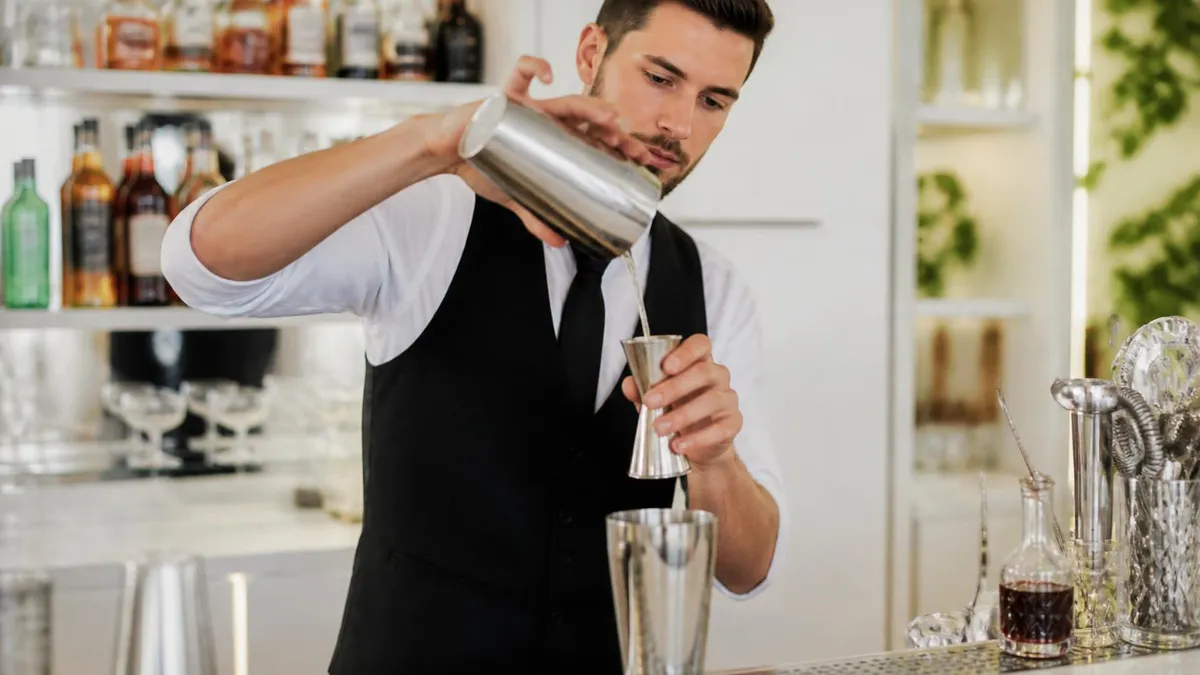
Bartending Kit: The Complete Tool Guide for Certification Prep
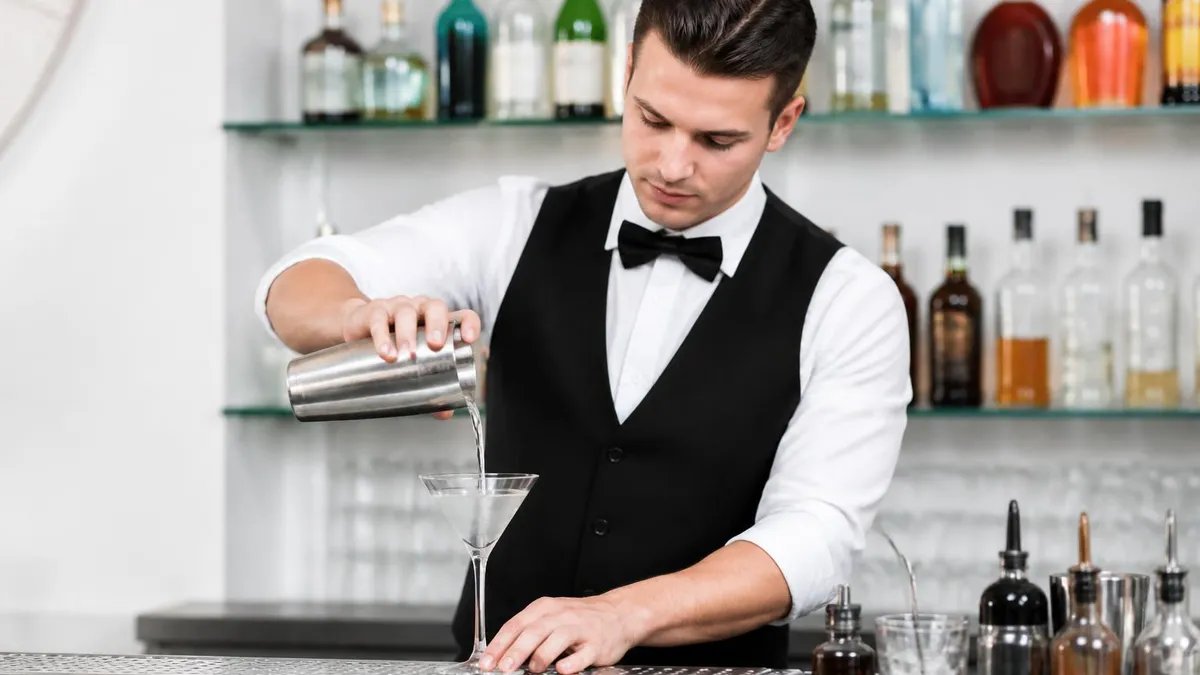
Wisconsin Bartending License: Operator's License Guide 2026
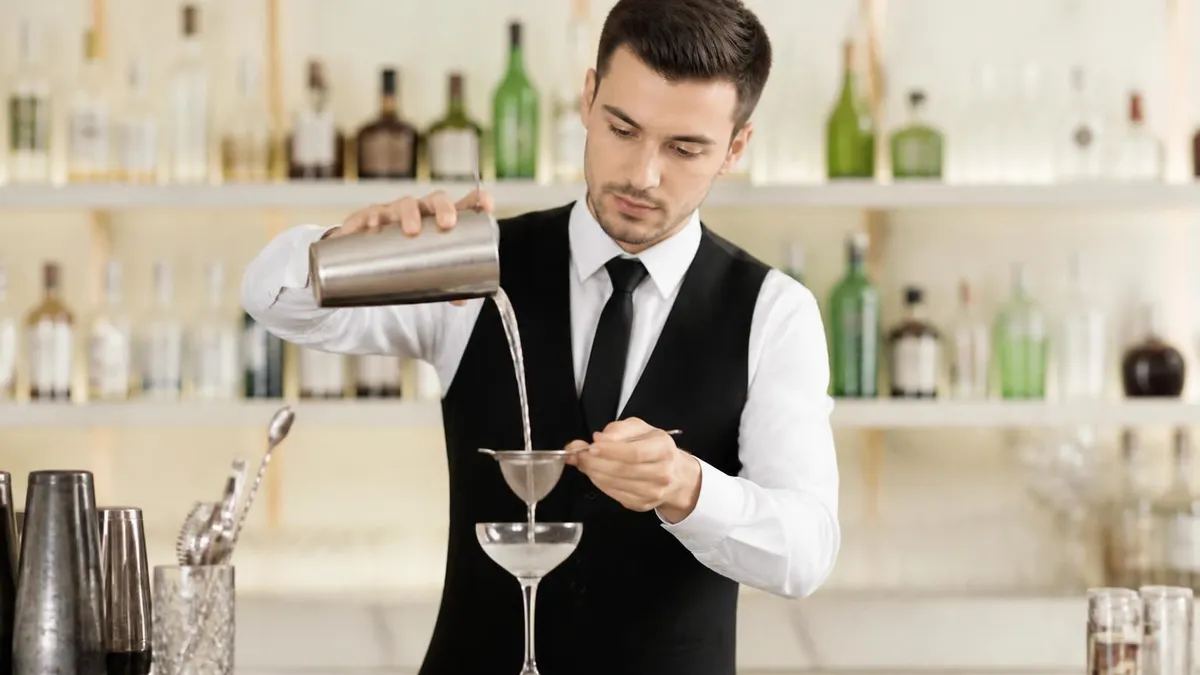
Shot Bartending Techniques: The Complete Guide to Speed, Style, and Service Behind the Bar
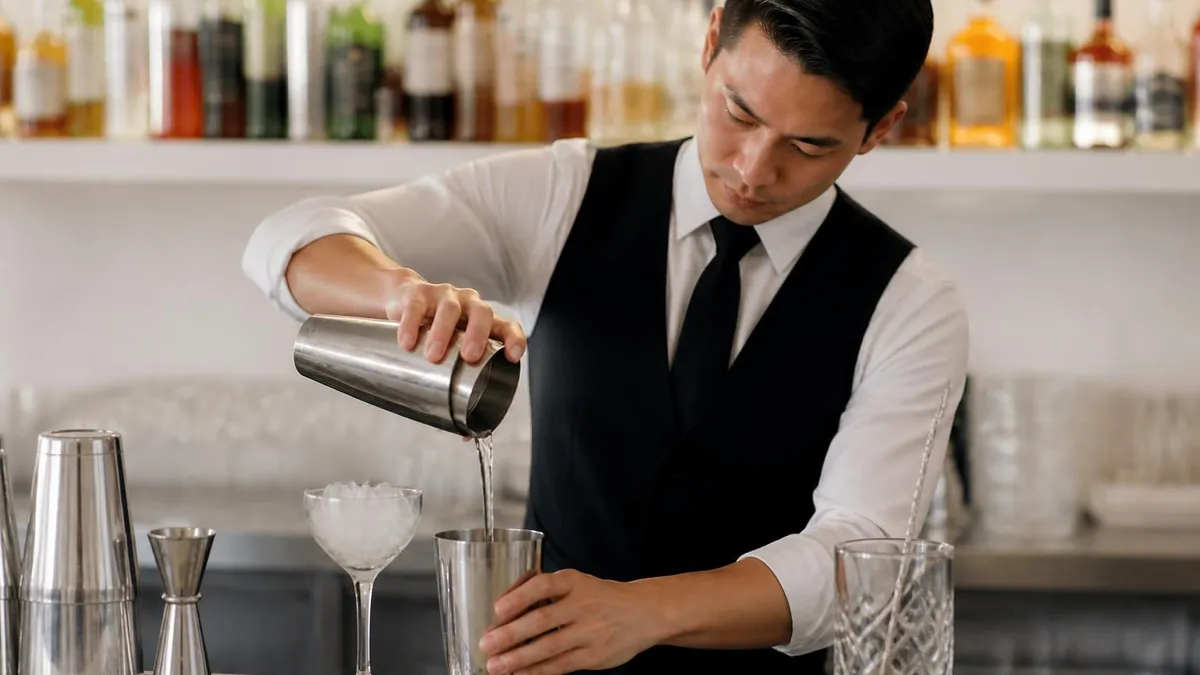
Bartending License Florida: Complete Certification & Permit Guide for 2026
Mobile Bartending: How to Start, License, and Grow Your Business
About the Author
Executive Chef & Culinary Arts Certification Educator
Culinary Institute of AmericaChef Marco Bellini is a Certified Executive Chef and graduate of the Culinary Institute of America with over 20 years of professional kitchen experience in Michelin-recognized restaurants. He teaches culinary arts certification, food safety, and hospitality exam preparation, having guided thousands of culinary students through their ServSafe, ProStart, and professional chef certifications.
Join the Discussion
Connect with other students preparing for this exam. Share tips, ask questions, and get advice from people who have been there.
View discussion (7 replies)