
Bartending License Requirements: State Guide 2026 September
Bartending license requirements by state: ❓ TIPS, ServSafe Alcohol, Utah, Wisconsin, California, Texas. Costs, hours, online options, age limits explained.
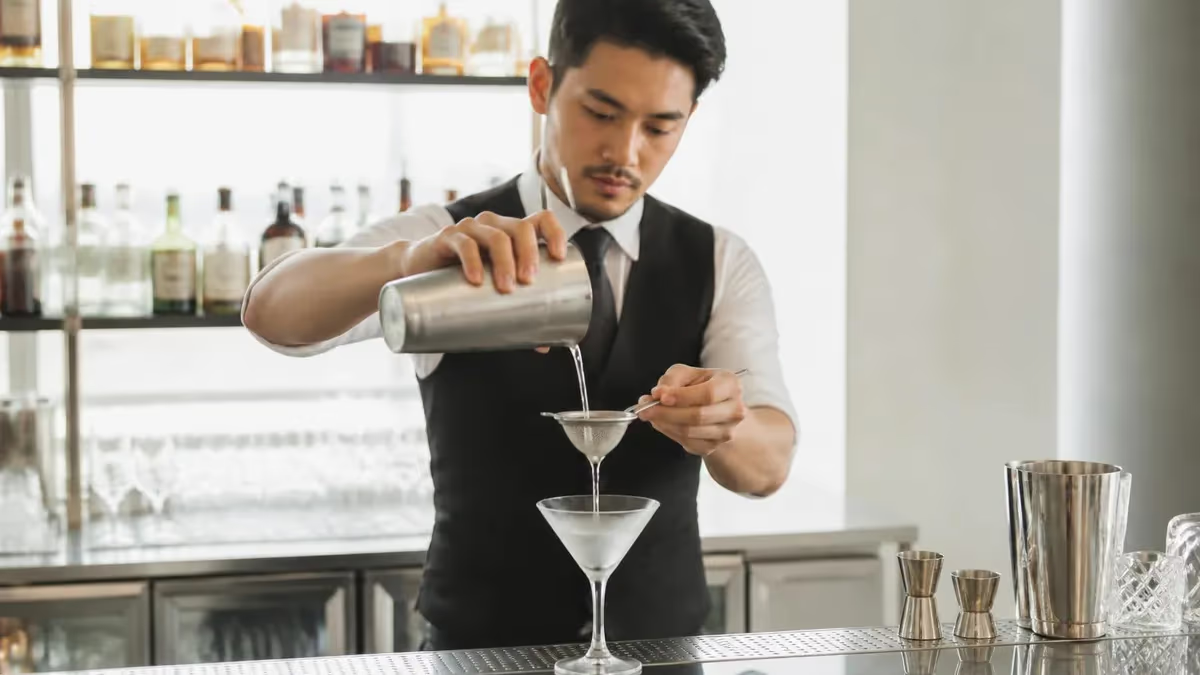
The Short Answer: It Depends on Your State
Walk into any bar in Utah and the person mixing your old fashioned has a state-issued permit hanging in the back office. Walk into any bar in California and the bartender across the counter probably doesn’t. Both are legal. Both are normal. That’s the entire mess of bartending license requirements in the United States — there isn’t one rule. There are roughly fifty, plus a few cities and counties with their own.
This guide cuts through the confusion. We’ll walk through which states actually require a license to bartend, which require a certification card (TIPS or ServSafe Alcohol), and which states leave it entirely to the bar owner. We’ll cover Georgia, Indiana, Massachusetts, Milwaukee specifically, Utah, Florida, New York, California, and Texas. We’ll talk about how long the courses take, what they cost, whether you can do them online, and the age question — 18 in some states, 21 in others.
If you’re heading toward a career behind the bar, the how to become a bartender overview pairs neatly with what follows.
Here’s the truth most blog posts won’t admit: in much of the U.S., you don’t legally need a license to serve drinks. What you usually need is a certification — a short course proving you know how to spot a fake ID, refuse service to someone who’s drunk, and avoid serving minors. The terminology gets sloppy. People say “license” when they mean “permit,” “card,” or “certification.” They’re not the same thing legally, but in everyday speech they blur together.
So if you’ve been asking do you need a license to bartend, the honest answer is: maybe. Read on, find your state, and we’ll tell you exactly what the law says — and what it doesn’t.
Key Facts at a Glance
| Item | Value | Details |
|---|---|---|
| Typical online cert cost | $10-40 | |
| Course length (most states) | 2-4 hrs | |
| Typical certification validity | 3 yrs |
License vs Certification vs Permit — What Each Actually Means
Before going state-by-state, pin down the vocabulary. A liquor license almost always refers to the bar or restaurant — the business has the license to sell alcohol. The bartender working there usually doesn’t need their own license. What they may need is a certification or a permit, depending on the state.
A server certification is what programs like TIPS (Training for Intervention ProcedureS) and ServSafe Alcohol issue. You take a 2-to-4-hour course, pass a short test, and get a wallet card that’s typically valid for three years. Most certifications are not mandated by state law — they’re voluntary unless your state or city has a statute saying otherwise. But many bars require them anyway because the bar’s liability insurance gives a discount when staff are certified.
A server permit or bartender license — the words states actually use vary — is what Utah, Washington, Oregon, New Mexico, and a handful of others issue. These are real state-issued credentials. You apply through the state alcoholic beverage control agency, complete approved training, sometimes pay a state fee, and receive a card that proves you’re legally allowed to pour. Get caught working without one in a permit state and the bar gets fined; you can get fired. That’s a real bartender license, not just a training card.
And here’s where it gets thorny: some states require training but don’t issue a state credential. New Mexico, for example, requires servers to complete an approved Alcohol Server Education program but the certificate comes from the trainer, not the state. Other states, like Oregon, have a state OLCC server permit and the training counts toward it. The distinction matters if you’re moving between states — your Oregon permit doesn’t work in Utah, and vice versa.
How old do you have to be to bartend?
Most states require bartenders to be at least 18, though that doesn’t mean they can drink — the drinking age stays 21 nationwide. About a dozen states require bartenders themselves to be 21, including Alaska, Nevada, and Utah. New York lets you pour beer and wine at 18 but spirits at 21. California sets 21 across the board. Always check the state’s ABC (Alcoholic Beverage Control) site for the exact rule — the law occasionally changes and city rules can be stricter than state rules.
For a deeper breakdown of state minimum ages, see our bartender age requirements page. It tracks every state plus a few major cities where local rules differ from the state floor.
Which States Actually Require Training?
Eighteen states currently have laws making responsible-alcohol-server training mandatory for anyone who pours drinks in a licensed establishment. That number drifts as states amend their laws — Texas just toughened its rules in 2023, for example — so always check the current statute before you bet a paycheck on it.
But the broad list is stable: Alaska, California, Connecticut, Delaware, Hawaii, Illinois (Cook County and beyond), Maine, Michigan, Montana, Nevada, New Mexico, Oregon, Rhode Island, Tennessee, Utah, Vermont, Washington, and West Virginia all require some form of training. A few others — Massachusetts is the famous case — don’t legally require it but treat your certification as evidence in dram-shop lawsuits, so practically every bar mandates TIPS anyway.
The remaining 32-ish states have no statewide training mandate. New York doesn’t. Florida doesn’t. Georgia doesn’t at the state level — though Atlanta, like a number of large cities, has stricter local rules. Texas requires sellers to be certified but allows the bar itself to decide which approved program. Each state runs its own system, and what looks like a uniform “TIPS card” on Indeed job ads can mean wildly different things behind the scenes.
If you’re prepping for the job application side, browse open postings via bartender jobs or filter by location using bartending jobs near me. The job ad will usually spell out exactly which cert the employer wants — that’s your real-world signal.
The four major alcohol-server certifications
Industry standard since 1982. Recognized in all 50 states. Online course runs about $40, takes 3-4 hours, valid 3 years. Some states (Illinois, New Mexico) accept TIPS as their official server training.
Run by the National Restaurant Association. Slightly broader corporate adoption than TIPS, especially at chain restaurants. About $30 online, 4 hours, valid 3 years. Recognized in nearly every state.
Utah ABC, Oregon OLCC, Washington MAST. These are real state credentials, not third-party certifications. You apply through the state agency and complete state-approved coursework, often online.
New York City has its own non-mandatory program; some Florida counties run their own. Milwaukee requires a Bartender's License through the city clerk — one of the few US cities with this rule.
State-by-State: The Big Nine
Below we break down the nine states that get asked about most often. If your state isn’t here, the pattern almost certainly matches one of these models. The TIPS/ServSafe answer covers most of them; the state-specific permit answer covers Utah, Oregon, Washington, and New Mexico; the Wisconsin model with its unique Wisconsin bartending license is also its own creature, especially in Milwaukee.
One reminder before we dig in — rules change. Check the state ABC or liquor control website before you spend money on a course. Some states have grandfather clauses, some accept out-of-state certifications, and many have city-level rules layered on top. Our how to get a bartending license primer covers the universal application steps that work in any state.
Bartending license GA: Georgia has no statewide server-training mandate. But the City of Atlanta requires anyone selling or serving alcohol to obtain a city Alcohol Pouring Permit — it costs $35, is valid two years, and requires a background check. Outside Atlanta, most counties leave it to the bar. Athens-Clarke and a few others run their own pouring-permit systems. State minimum age to serve is 18, though Atlanta keeps that age too.
TIPS vs ServSafe Alcohol — Which Should You Pick?
If your state doesn’t require a specific program — or if your employer hasn’t named one — you’re probably choosing between TIPS and ServSafe Alcohol. They’re the two dominant national programs. Both run about 3-4 hours online, both cost $30-40, both are valid three years. Both teach essentially the same content: ID checking, intoxication signs, refusal techniques, and dram-shop liability basics.
The differences are mostly cosmetic. TIPS, run by Health Communications Inc. and around since 1982, has slightly more independent-bar adoption. ServSafe Alcohol, owned by the National Restaurant Association Educational Foundation, dominates corporate chains — Applebee’s, Chili’s, Olive Garden, and similar brands tend to require it because their parent companies have ServSafe contracts. Some state programs accept one and not the other; California’s RBS list includes TIPS California but not generic TIPS, for example. Read your state’s approved-program list before paying.
Which one should you pick? Honestly — if you have a specific bar in mind, ask them. Most bars will tell you outright which they prefer. If you’re studying for general employability, TIPS has slightly broader independent coverage; ServSafe gives you better use with chains. If you’re moving to a state with a mandatory state program (California, Oregon, Washington, Utah), neither generic version may work — you’ll need the state-approved variant.
One more practical note: both programs are mostly online these days. The COVID era pushed almost every alcohol-server program onto the web. In-person classes still exist — bartending school programs often bundle TIPS or ServSafe certification — but you don’t need the in-person version unless your state explicitly requires it. The certificate is identical either way.
Server certifications don’t automatically cross state lines. A Texas TABC card means nothing in Utah. A California RBS card doesn’t qualify you in Oregon. Generic TIPS or ServSafe certifications are recognized in many states but not in the ones with a mandated state program. Before you move, check the destination state’s ABC website for the approved-trainer list and budget another $20-40 for a new course. Some states also require background checks or fingerprinting, which adds another $25-75 plus a few days’ processing time.
How Long Does It Take — and What Does It Cost?
If you’re asking how long does it take to get a bartending license, the honest answer is: less time than you might think. For most U.S. workers, the entire process is a single afternoon. You sign up online, watch the course videos, take the multiple-choice exam, and print your certificate. Total time: about three hours. Total cost: $10 to $40 depending on the program.
The states with formal state-issued permits add a layer. Utah, Oregon, Washington, New Mexico, and Wisconsin/Milwaukee all require state agency processing. Add another $20-50 in state fees and a few business days for the agency to issue the card. Wisconsin’s Milwaukee process includes fingerprinting — budget an extra week and another $30. Indiana’s Employee Permit takes 5-10 business days after you submit the online application.
Bartending school is a separate question. Many people conflate the two, but a license/certification has nothing formally to do with attending a bartending school. Schools teach you to mix drinks (cocktails, technique, speed); a license teaches you to serve responsibly. Schools usually cost $300-800 and run 1-4 weeks. A license is overnight. You don’t need school to get hired in most states — you do need the license/certification if your state or employer requires one. If you’re cost-conscious, the bartending classes guide breaks down the school question.
How about a quick math example? If you live in Texas, get your TABC seller-server card for $10-15 online (two hours), and you’re legal to serve immediately upon submitting it to your employer. If you live in Utah, the UATES course is $20-30, plus state processing of about a week. If you live in Wisconsin and want to bartend in Milwaukee, you’ll spend $50-70 total and wait 1-2 weeks for the city to process your fingerprints. Every state is a slightly different ledger.
- ✓Check your state ABC website for the current server training law — it may have changed in the past year.
- ✓Confirm the minimum age to serve in your state (18 in most states, 21 in Utah/Nevada/Alaska/California).
- ✓Decide between TIPS and ServSafe Alcohol if your state allows either — or pick the state-mandated program.
- ✓Budget $10-40 for the online course plus $25-50 for any state agency fees.
- ✓Schedule fingerprinting if your state (Wisconsin/Milwaukee, parts of Florida) requires it.
- ✓Print your certificate the moment you pass the exam; many bars want a physical copy on file.
- ✓Save a digital copy — you’ll re-use it when applying to other bars in the next three years.
- ✓Set a calendar reminder for renewal (most certifications last 2-3 years; lapsed cards = fired).
Online vs In-Person: Does It Matter?
Almost all alcohol-server training is now online and that’s genuinely fine. The course content is identical whether you sit in a classroom or watch the videos at home. Both end with the same multiple-choice exam, both issue the same certificate. The in-person version was the default before 2018; the pandemic accelerated a switch that was already happening. You can finish your TIPS or ServSafe Alcohol class on a Sunday afternoon and have your certificate in hand by Sunday evening.
That said, a few state programs still require in-person components. Wisconsin’s Responsible Beverage Server training can be online, but the fingerprinting is in-person. Oregon’s OLCC permit can be entirely online but some applicants prefer the classroom version for harder material. The differences are small. Pick whichever fits your schedule.
One advantage of in-person: networking. Bartending classes that bundle in TIPS or ServSafe certification often include job-placement help. If you’re trying to break into the industry from scratch, taking the in-person version through a school like ABC Bartending School can connect you with hiring managers in your city. If you already have a job lined up, the online version is faster, cheaper, and just as legally valid.
What about apps and free courses? Plenty exist. Some states accept free university extension courses (Penn State’s alcohol service program, for example). Free isn’t worse than paid — the paid programs simply have better marketing and faster processing. If you have a couple of hours and a Penn State or community college extension course is approved in your state, it’s the cheapest legal route.
- +Online courses finish in 3-4 hours flat
- +Cost is $10-40 vs $50-100 for state-issued permits
- +Recognized in roughly 32 states with no specific mandate
- +Renewal is just as fast online as the original course
- +Most chain restaurants accept generic ServSafe directly
- −Won’t satisfy state mandates in Utah, Wisconsin, California, Oregon, Washington
- −Doesn’t bypass age requirements (still 18 or 21 by state)
- −Some employers explicitly want a specific program (CA RBS, NM ASP)
- −Won’t transfer to a state with its own approved-trainer list
- −Doesn’t replace bartending school for actual drink-mixing skills
Putting It All Together: The Three-Step Path
Strip away the state-by-state confusion and the actual process is short. Step one — find your state on the ABC website and read the current law. Step two — pick an approved program (TIPS, ServSafe, state-specific) and finish the course. Step three — submit your certificate to your employer and keep a digital backup. That’s it. You can be legally pouring drinks within a week in any state, often within a day.
Where the system trips people up isn’t the certification — it’s the age requirements and the city-level overlays. If you’re 18 and want to bartend in California, you can’t until you turn 21. If you’re 19 and want to work in Indiana, you can — Indiana’s minimum is 19 specifically. If you want to bartend in Milwaukee but live in another Wisconsin city, you’ll need a new operator’s license from the Milwaukee city clerk. These edge cases catch more people than the actual training does.
For people building a longer-term career, the license is just step one. Most bartenders accumulate multiple certifications over time — a TIPS card, a state permit if relevant, sometimes a hospitality certificate from a school, and often a bartender certification as proof of formal training. Add a state permit if you cross state lines. The wallet-size collection grows. Bars value it because liability insurance loves a credentialed staff. If you’re considering taking your skills mobile, our mobile bartending page covers the additional licensing wrinkles that come with running events.
Two final practical tips. First — renew early. Most certifications expire after two or three years, and an expired card can mean an immediate termination at strict bars. Set the calendar reminder for 60 days out. Second — if you’re thinking about bartending as a career rather than a side gig, get your TIPS or ServSafe in your first month no matter what state you’re in. Even where it isn’t mandatory, it’s a baseline employers expect. Three hours of your life and $30 of your money buys access to almost every bar job in the country.
Quick Summary Before the FAQs
To recap: bartending license requirements in the U.S. are state-by-state, but the basic pattern is consistent. Most states require either no formal license, a generic TIPS or ServSafe Alcohol certification, or a state-issued permit (Utah, Wisconsin/Milwaukee, Indiana, California, Oregon, Washington). Cost runs $10 to $70 total; time runs three hours to two weeks. Minimum age is 18 in most states, 21 in a handful, and 19 in Indiana. The certification has nothing to do with bartending school — the school teaches drink-making, the license/permit covers legal service.
The FAQs below cover the things people ask us most often through our quiz prep platform. Read them, share them with anyone considering the field, and you’ll be well ahead of where most aspiring bartenders sit when they walk into their first hiring conversation.
Bartender Questions and Answers
About the Author
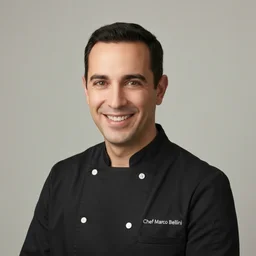
Executive Chef & Culinary Arts Certification Educator
Culinary Institute of AmericaChef Marco Bellini is a Certified Executive Chef and graduate of the Culinary Institute of America with over 20 years of professional kitchen experience in Michelin-recognized restaurants. He teaches culinary arts certification, food safety, and hospitality exam preparation, having guided thousands of culinary students through their ServSafe, ProStart, and professional chef certifications.
Join the Discussion
Connect with other students preparing for this exam. Share tips, ask questions, and get advice from people who have been there.
View discussion (7 replies)