
ASVAB Tutor Training Programs: Complete Guide to Military Test Prep 2026 October
Complete guide to ASVAB tutor training programs, practice test resources, scoring requirements, and study strategies to maximize your military test prep... 📗
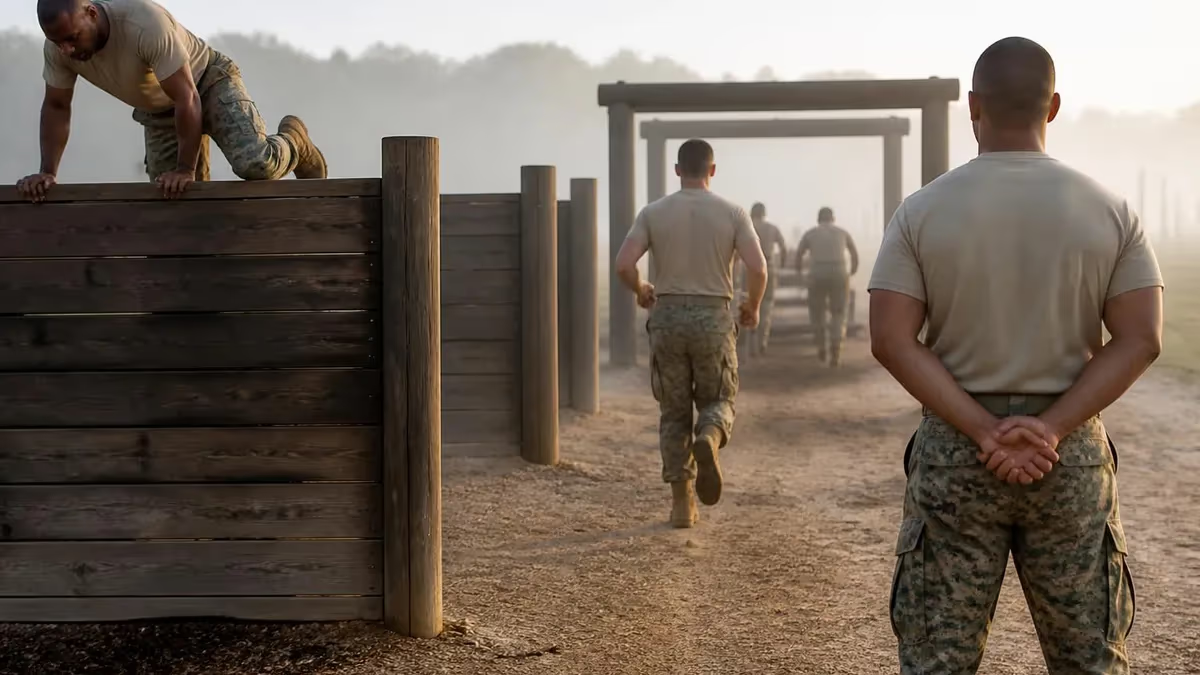
Finding the right asvab tutor and training program can mean the difference between scoring just enough to enlist and earning the top scores needed for elite military jobs. The Armed Services Vocational Aptitude Battery is the gateway to every branch of the U.S. military, and the right preparation approach transforms an intimidating standardized test into a manageable, even predictable, challenge. Whether you are aiming for a basic enlistment cutoff or chasing a 99 AFQT, structured training programs paired with consistent asvab practice test sessions deliver measurable results faster than self-study alone.
Training programs come in many shapes today, from one-on-one private tutoring at $40 to $120 per hour, to small-group bootcamps run by veterans, to fully online platforms that combine adaptive question banks with on-demand video instruction. The best programs share three traits: they diagnose your weakest subtests early, they drill those weaknesses with targeted question sets, and they simulate full-length test conditions so test-day anxiety never derails your performance. Anything less and you risk leaving valuable points on the table.
The stakes are real. A 50 AFQT might qualify you for the Army, but jobs like intelligence analyst, cryptologic linguist, nuclear technician, or special forces support roles often demand line scores in the 105 to 110 range across specific composites. A skilled tutor knows which subtests feed which line scores and builds a custom study plan that targets the jobs you actually want, not the ones the recruiter pushes because they need to fill slots that month.
This guide walks through everything you need to evaluate, choose, and succeed with an ASVAB training program. You will learn what credentials to look for in a tutor, how to interpret your army combat fitness test requirements alongside your ASVAB results, and how to build a study schedule that respects your job, family, and physical training commitments. We will cover both pencil-and-paper and computer-adaptive test formats since they require different pacing strategies.
We will also examine the most common pitfalls candidates encounter, from cramming the wrong subtests to relying on outdated practice materials that no longer reflect the current item bank. The ASVAB has been refined repeatedly over the last decade, with new question types added to the Assembling Objects and Auto and Shop sections in particular. Training with stale materials can leave you blindsided on test day, even after months of preparation, so material currency matters as much as instructor quality.
By the end of this article you will know whether you need a full bootcamp, a weekly tutor, or simply a disciplined self-study routine. You will also have a clear sense of realistic timelines, typical costs, and the milestones that signal you are ready to schedule your official exam at the Military Entrance Processing Station, commonly called MEPS, where the test that determines your military future actually happens.
ASVAB Training Programs by the Numbers

Types of ASVAB Training Programs
Personalized instruction with a dedicated tutor who designs lessons around your specific weaknesses. Best for candidates with significant skill gaps or those targeting elite line scores above 110 in specific composites.
Video lessons, adaptive question banks, and full-length practice tests accessed on your own schedule. Cost ranges from $30 to $300 and works well for self-motivated learners with steady study discipline.
Intensive 4 to 8 week classes led by veterans or certified instructors, often hosted by recruiters or community colleges. Provides accountability, peer competition, and structured curriculum at moderate cost.
Free study guides and access to practice tests like the PiCAT, the unproctored online version. Useful as a starting baseline but rarely sufficient alone for candidates aiming above a 65 AFQT.
Combines weekly tutor sessions with daily access to an online question bank. The most effective format for serious candidates, delivering both expert guidance and the volume of repetitions needed for mastery.
Choosing the right ASVAB tutor begins with understanding what credentials actually matter. Unlike SAT or ACT tutoring, the ASVAB world has no single governing certification body, so anyone can market themselves as an expert. The best instructors are typically former military test proctors, retired recruiters, veterans who scored above 90 AFQT themselves, or licensed teachers with documented experience helping students improve on standardized math and verbal exams. Ask any prospective tutor for verifiable improvement statistics from prior students before signing a contract or committing to a long package.
Beyond credentials, evaluate teaching style. A great tutor diagnoses before prescribing, meaning your first session should involve a full-length diagnostic test and a careful review of which subtests dragged your composite scores down. Tutors who launch immediately into generic vocabulary drills or arithmetic refreshers without seeing your baseline are wasting your money. Demand a documented study plan within the first two sessions, complete with weekly milestones, target subtest scores, and a final test date you are actively preparing for.
Compatibility matters as much as competence. You will spend dozens of hours with this person over the course of preparation, often discussing topics that expose your academic weaknesses. A good tutor balances honesty about your gaps with the patience and encouragement needed to keep you motivated through tough weeks. If after two sessions you feel discouraged rather than focused, switch tutors. The right fit accelerates progress dramatically, while the wrong fit can stall improvement for months.
Pricing varies enormously by region and tutor pedigree. Expect to pay $40 to $60 per hour for college students or newer tutors, $70 to $90 for experienced instructors, and $100 to $150 for veterans with proven track records of producing top scores. Most packages bundle 10 to 20 hours of instruction at a small discount, but avoid prepaying for more than 10 hours until you have completed at least three sessions and confirmed the tutor delivers measurable progress on your weakest subtests.
Online tutoring has exploded since 2020, and platforms like Wyzant, Varsity Tutors, and dedicated ASVAB sites now connect candidates with instructors nationwide. Online sessions tend to run 15 to 25 percent cheaper than in-person rates while offering wider access to specialists. Pair your tutor sessions with a comprehensive asvab study guide so you have reference material to work through between meetings and arrive at each session with specific questions prepared in advance.
One critical question to ask any tutor before hiring: how do they handle the difference between the paper-and-pencil ASVAB given at MET sites and the computer-adaptive CAT-ASVAB administered at MEPS. The two versions require different pacing, different guessing strategies, and different practice approaches. A tutor who cannot explain these differences in detail likely lacks the depth of experience to coach you to the highest scores, and you should keep looking until you find someone who can.
Finally, verify that your tutor uses current practice materials. The ASVAB item bank rotates regularly, and questions from 2015 study guides may bear little resemblance to what you will see today. Top tutors invest in updated commercial materials and supplement with their own custom problem sets refined over many years of student feedback. If a tutor hands you a stack of photocopies with no source citations, treat that as a warning sign about overall program quality.
ASVAB Practice Test Questions
Prepare for the ASVAB - Armed Services Vocational Aptitude Battery exam with our free practice test modules. Each quiz covers key topics to help you pass on your first try.
ASVAB Arithmetic Reasoning Test
ASVAB Exam Questions covering Arithmetic Reasoning Test. Master ASVAB Test concepts for certification prep.
ASVAB Arithmetic Reasoning Word Problems
Free ASVAB Practice Test featuring Arithmetic Reasoning Word Problems. Improve your ASVAB Exam score with mock test prep.
ASVAB Assembling Objects Test
ASVAB Mock Exam on Assembling Objects Test. ASVAB Study Guide questions to pass on your first try.
ASVAB Automotive Information Test
ASVAB Test Prep for Automotive Information Test. Practice ASVAB Quiz questions and boost your score.
ASVAB Electronics Fundamentals and Circuits
ASVAB Questions and Answers on Electronics Fundamentals and Circuits. Free ASVAB practice for exam readiness.
ASVAB Electronics Practice Test
ASVAB Mock Test covering Electronics Practice Test. Online ASVAB Test practice with instant feedback.
ASVAB Electronics Practice Test 1
Free ASVAB Quiz on Electronics Practice Test 1. ASVAB Exam prep questions with detailed explanations.
ASVAB General Science Biology and Ecology
ASVAB Practice Questions for General Science Biology and Ecology. Build confidence for your ASVAB certification exam.
ASVAB General Science Practice Test
ASVAB Test Online for General Science Practice Test. Free practice with instant results and feedback.
ASVAB General Science Practice Test 1
ASVAB Study Material on General Science Practice Test 1. Prepare effectively with real exam-style questions.
ASVAB Mathematics Knowledge Test
Free ASVAB Test covering Mathematics Knowledge Test. Practice and track your ASVAB exam readiness.
ASVAB Mechanical Comprehension Principles
ASVAB Exam Questions covering Mechanical Comprehension Principles. Master ASVAB Test concepts for certification prep.
ASVAB Mechanical Comprehension Test
Free ASVAB Practice Test featuring Mechanical Comprehension Test. Improve your ASVAB Exam score with mock test prep.
ASVAB Paragraph Comprehension and Inference
ASVAB Mock Exam on Paragraph Comprehension and Inference. ASVAB Study Guide questions to pass on your first try.
ASVAB Paragraph Comprehension Test
ASVAB Test Prep for Paragraph Comprehension Test. Practice ASVAB Quiz questions and boost your score.
How to Use Your ASVAB Study Guide Effectively
Your first four weeks should focus exclusively on diagnostic testing and foundational review. Take a full-length practice ASVAB during week one and score it honestly, paying attention to which subtests fell below the 50th percentile. Use weeks two through four to rebuild fundamentals in math, vocabulary, and reading comprehension. Resist the urge to drill specialized subtests like Auto Information or Mechanical Comprehension this early in your preparation.
During this foundation phase, target 60 to 90 minutes of daily study, six days per week, with one full rest day to prevent burnout. Use a combination of textbook review, video lessons, and short quizzes of 20 questions or less. The goal is rebuilding academic confidence and identifying knowledge gaps you may not have visited since high school, not racing through full practice tests that simply confirm what you already know.
Hiring a Private ASVAB Tutor vs. Self-Study
- +Personalized diagnostic identifies your exact weak subtests immediately
- +Built-in accountability keeps you on schedule across the full prep timeline
- +Expert pacing strategies for both CAT-ASVAB and paper formats
- +Real-time answers to confusing questions instead of stalled progress
- +Customized question sets target the specific jobs you want to qualify for
- +Motivation and confidence-building during low-progress weeks
- +Often produces 15 to 25 point AFQT gains versus 5 to 10 from self-study alone
- −Cost ranges from $400 to over $2,000 for a full prep package
- −Quality varies wildly with no national certification standard
- −Requires scheduling commitment that may conflict with work or family
- −Some tutors recycle generic materials without true customization
- −Online sessions lack the engagement of in-person instruction
- −You still must do daily independent practice between sessions
Pros and Cons at a Glance
| Pros | Cons |
|---|---|
| Personalized diagnostic identifies your exact weak subtests immediately | Quality varies wildly with no national certification standard |
| Built-in accountability keeps you on schedule across the full prep timeline | Requires scheduling commitment that may conflict with work or family |
| Expert pacing strategies for both CAT-ASVAB and paper formats | Some tutors recycle generic materials without true customization |
| Real-time answers to confusing questions instead of stalled progress | Online sessions lack the engagement of in-person instruction |
| Customized question sets target the specific jobs you want to qualify for | You still must do daily independent practice between sessions |
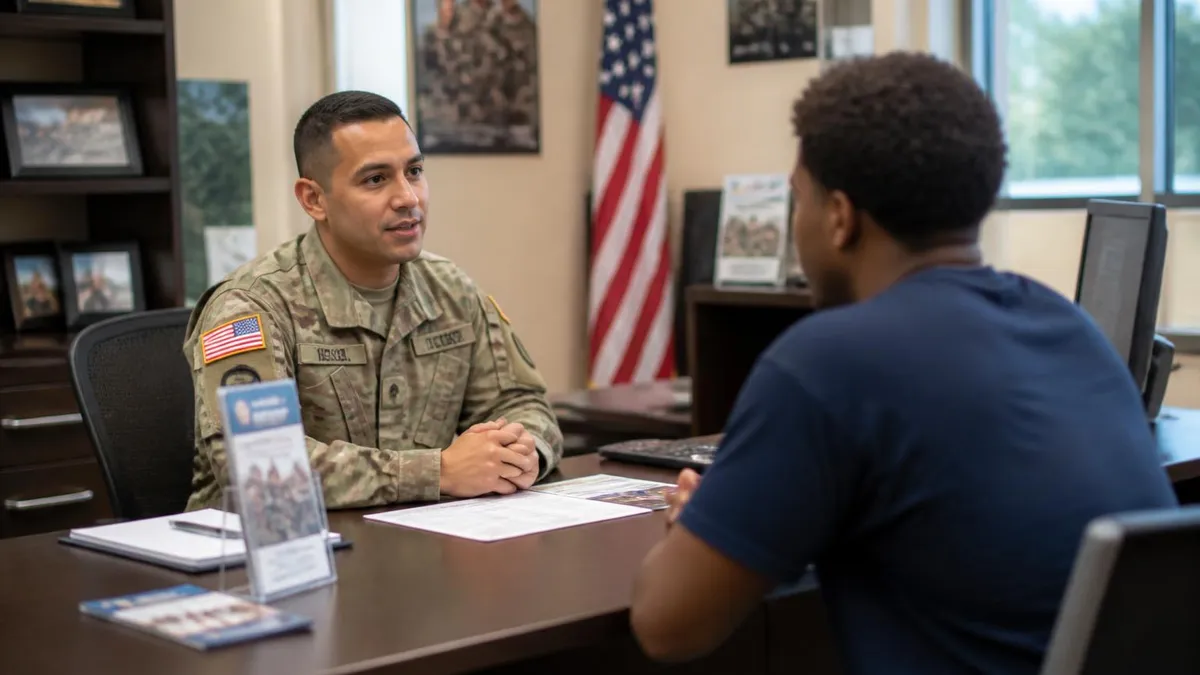
Pre-Test ASVAB Practice Test Readiness Checklist
- ✓Completed at least three full-length timed practice tests in the past 30 days
- ✓Consistently scoring within 5 points of your target AFQT on practice exams
- ✓Mastered all basic algebra, fractions, percentages, and ratio concepts
- ✓Built a 500-word working vocabulary list with documented retention
- ✓Practiced reading comprehension under strict 13-minute section timing
- ✓Reviewed every specialized subtest required for your target military job
- ✓Slept 7 to 8 hours nightly for the full week before test day
- ✓Confirmed test location, arrival time, and required identification documents
- ✓Eaten a moderate protein-rich breakfast on test morning
- ✓Practiced strategic guessing rules for both paper and computer-adaptive formats
- ✓Reviewed pacing strategy for each subtest with second-by-second awareness
- ✓Mentally rehearsed staying calm if early questions feel unexpectedly difficult
Your AFQT is just the beginning
While the AFQT score determines basic enlistment eligibility, your actual military job assignment depends on composite line scores combining specific subtests. A 75 AFQT might qualify you broadly, but elite jobs require composite scores in the 105 to 115 range. Smart tutors focus your prep on the subtests that boost the line scores tied to your target career, not just the four AFQT subtests.
Understanding your ASVAB scores is critical because the numbers mean different things at different points in the enlistment process. The AFQT, or Armed Forces Qualification Test score, is reported as a percentile from 1 to 99 and reflects how you performed on four specific subtests: Word Knowledge, Paragraph Comprehension, Arithmetic Reasoning, and Mathematics Knowledge. A 60 AFQT means you scored higher than 60 percent of a national reference group of test takers, which sets the bar for branch eligibility.
Each military branch sets its own minimum AFQT for enlistment. The Army accepts 31, the Marines require 32, the Navy demands 35, the Air Force expects 36, and the Coast Guard sets the highest bar at 40. However, these are floor scores for the easiest jobs in each branch. Most desirable specialties require AFQT scores in the 50 to 70 range, and prestigious technical or intelligence roles often demand 75 or higher along with specific composite minimums.
Beyond the AFQT, the ASVAB generates composite line scores that combine subtests in ways unique to each branch. The Army uses ten composites with names like General Technical, Clerical, Combat, and Surveillance. The Air Force uses four composites called Mechanical, Administrative, General, and Electronics. Each military job, called an MOS in the Army or AFSC in the Air Force, requires minimum scores on one or more of these composites, which means the path to your dream job is always math.
Working with a knowledgeable tutor pays off most in this score interpretation phase. Many candidates score well enough to enlist but discover too late that their composite scores lock them out of the jobs they actually want. A good tutor reverse-engineers your study plan from your target MOS list, ensuring the subtests that feed those specific composites get the bulk of your preparation time and attention throughout the full study cycle from start to finish.
Practice test scores should track upward over your preparation timeline. A reasonable goal is gaining 1 to 2 AFQT points per week during active tutoring, with diminishing returns as you approach the 85 to 95 range where every additional point requires substantially more work. If your scores plateau for three consecutive weeks despite consistent study, that signals a need to change tactics, refresh materials, or escalate to more intensive tutoring before your test date.
Remember that ASVAB scores are valid for two years from your test date. Many candidates retake the test to improve their composite line scores after gaining work experience or completing additional coursework that strengthens specific subject areas. The military allows retests after a one-month waiting period for the first retake, another one-month wait for the second, and a six-month wait for any subsequent attempt, so plan your timeline accordingly.
Finally, take your final practice test scores with measured optimism. Practice tests from reputable sources predict actual AFQT within roughly 5 to 8 points in either direction. If your practice average is 65, plan for a real-world range of 57 to 73. Aim for a practice average comfortably above the threshold for your target jobs to account for test-day variability and the additional pressure of taking the official exam under proctored conditions at MEPS.
The ASVAB measures your aptitude for military jobs and determines enlistment eligibility, but it is not the only test you face. Once enlisted, you will also need to pass the army fitness test, AFOQT for officer candidates, and various job-specific qualification exams. Don't let preparation for one test cause you to neglect the others, especially the physical fitness standards that determine your initial training success.
Test-day performance often separates well-prepared candidates from those who score below their practice averages. The single most impactful variable on test day is sleep. Candidates who get 7 to 8 hours of quality sleep the night before consistently outperform their better-prepared peers who pulled late-night cramming sessions. Sleep deprivation impairs working memory, processing speed, and emotional regulation, all of which directly affect your performance on a three-hour computer-adaptive examination given under formal proctored conditions.
Arrive at MEPS or your testing location at least 30 minutes early. Rushing through traffic or sprinting from the parking lot raises your cortisol levels and undermines focus before you ever see a question. Bring your photo identification, your Social Security number, and a list of any prescription medications you take. You generally cannot bring calculators, phones, smartwatches, or study materials into the testing room, so leave those securely in your vehicle or with the front desk staff.
Pacing strategy depends on which format you take. The CAT-ASVAB adapts question difficulty based on your answers, so the test penalizes random guessing more harshly than the paper version. On CAT, work carefully through every question and only guess if you genuinely cannot eliminate any answer choices. On paper, mark and skip difficult questions, then return to them after completing the easier items in each section before time runs out on that specific subtest.
The mental game matters as much as content knowledge. Early questions on the CAT-ASVAB carry more weight than later ones, so resist the temptation to rush through the opening items. If you encounter an unexpectedly difficult question early, take a deep breath and apply your strongest reasoning rather than panicking. Many candidates with strong preparation underperform because a tough first question shakes their confidence and triggers a cascade of careless errors throughout the remainder of the section.
Hydration and snacks matter for the full testing window. Drink water steadily in the hour before testing, but not so much that you need bathroom breaks mid-test. Eat a balanced breakfast with protein, complex carbohydrates, and healthy fats roughly 90 minutes before your test time. Avoid sugary cereals or energy drinks that produce a quick spike followed by a crash. Many candidates also pack a granola bar and water bottle for the brief breaks between subtests.
Continue building physical fitness alongside academic preparation, since you will need to pass the army fitness test shortly after enlistment. Maintaining a consistent exercise routine also boosts cognitive performance, sleep quality, and stress resilience, all of which improve your ASVAB results. Aim for 30 to 45 minutes of moderate exercise five days per week throughout your preparation period without disrupting your study schedule or causing physical fatigue.
Finally, trust your preparation. If you have followed a structured 8 to 12 week program with a qualified tutor or comprehensive self-study plan, you have already done the hard work. Test day is execution, not learning. Walk in confident, work each question with focused attention, and remember that even an imperfect performance still likely qualifies you for excellent military opportunities that will shape the next several years of your life and career trajectory in meaningful ways.
Final preparation in the last 72 hours before your ASVAB requires a different approach than the prior weeks of intensive study. Stop introducing new material entirely. Your brain cannot reliably encode and retrieve concepts learned this close to test day, and attempting to do so simply increases anxiety and disrupts the consolidation of everything you have already learned. Instead, focus on reviewing concise notes, refreshing key vocabulary lists, and reinforcing the formulas you may need for arithmetic reasoning and mathematics knowledge sections.
Use these final days to manage logistics carefully. Confirm your transportation to MEPS, lay out clothes the night before, prepare your identification documents, and program your alarm clock with a backup. Eliminate decision fatigue on test morning by planning everything in advance. The mental energy you save by avoiding small decisions becomes available for the actual cognitive work of taking the exam. This small discipline produces outsized returns on test day performance under stress.
Manage your social and family environment in the final week. Inform people close to you that you will be less available and need protected study and rest time. Avoid emotionally draining conversations, major life decisions, or new commitments. Some candidates benefit from light meditation, prayer, or visualization exercises to manage anxiety. Spend ten minutes each evening visualizing yourself calmly working through challenging questions and finishing each subtest with time to spare and confidence intact.
If you have been working with a tutor, schedule a final 30-minute check-in two or three days before your test date. Use this session to review your strongest subtests for confidence and address any last lingering questions about pacing, strategy, or specific concepts that still feel uncertain. A good tutor uses this final meeting primarily to build your confidence and clarify your test-day plan, not to drill more content that you cannot meaningfully absorb at this point.
Consider doing one last partial practice test 48 to 72 hours before your real exam, focusing on just one or two of your strongest subtests. This serves as a confidence builder rather than a diagnostic exercise. Skip the full-length simulation in the final 72 hours because the mental fatigue from a complete practice exam can linger and undermine your performance on the actual test. Resting your mind for peak performance matters more than squeezing in additional practice this late.
Reach out to your recruiter during the final week to confirm any administrative details about your testing appointment. Recruiters can sometimes provide insights about the specific MEPS location where you will test, including parking, check-in procedures, and what to expect during the medical examination that often accompanies the testing day. The more familiar you are with the environment before you arrive, the less mental bandwidth you waste on unfamiliar logistics that could distract you.
One final word of encouragement: tens of thousands of candidates take the ASVAB every month, and the vast majority who prepare seriously achieve scores that open doors to meaningful military careers. Whether you are pursuing a four-year enlistment as a stepping stone to college benefits, a full 20-year career, or a specialized technical role that translates to civilian work, the ASVAB is a manageable challenge that rewards preparation, focus, and the right training program tailored to your individual goals and timeline.
Sample ASVAB - Armed Services Vocational Aptitude Battery Practice Questions
Try these questions from our free ASVAB - Armed Services Vocational Aptitude Battery practice tests. The correct answer and an explanation follow each question.
The hour hand of a watch rotates 30 degrees every hour. How many complete rotations does the hour hand make in 6 days?
- A. 8
- B. 10
- C. 12
- D. 14
Answer: C. 12
The hour hand completes one full 360-degree rotation every 12 hours. In 6 days, there are 6 * 24 = 144 hours in total. To find the number of complete rotations, divide the total hours by the hours it takes for one rotation: 144 hours / 12 hours/rotation = 12 rotations. So, the hour hand makes 12 complete rotations in 6 days.
The recruit's APATHY toward training concerned the sergeant. APATHY most nearly means:
- A. Enthusiasm
- B. Lack of interest
- C. Nervousness
- D. Talent
Answer: B. Lack of interest
Apathy is a lack of interest, enthusiasm, or concern about something.
The new recruit showed EXEMPLARY behavior during training. What does EXEMPLARY mean?
- A. Average
- B. Poor
- C. Outstanding
- D. Unexpected
Answer: C. Outstanding
Exemplary means serving as a desirable model; behavior worthy of being imitated is outstanding.
The new training method proved to be highly EFFICACIOUS. EFFICACIOUS most nearly means:
- A. Dangerous
- B. Expensive
- C. Effective in producing results
- D. Outdated
Answer: C. Effective in producing results
Efficacious means successful in producing the intended or expected result.
Take the full ASVAB - Armed Services Vocational Aptitude Battery practice test
ASVAB Questions and Answers
About the Author
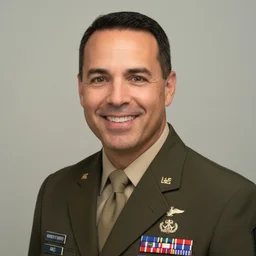
Retired Military Officer & Armed Forces Test Preparation Specialist
United States Army War CollegeColonel Steven Harris (Ret.) served 28 years in the US Army, earning a Master of Arts in Military Science from the Army War College and a Bachelor of Science in Criminal Justice. He has coached thousands of military enlistment and officer candidate program applicants through the ASVAB, AFQT, AFCT, OAR, and officer selection assessment processes across all military branches.
Join the Discussion
Connect with other students preparing for this exam. Share tips, ask questions, and get advice from people who have been there.
View discussion (5 replies)