
ASVAB Study Materials: Best Books, PDFs & Free Resources for 2026 September
🟢 Free ASVAB Study Materials: Best Books, PDFs practice test with questions and answer explanations. Prepare for the 2026 September exam with instant scoring.
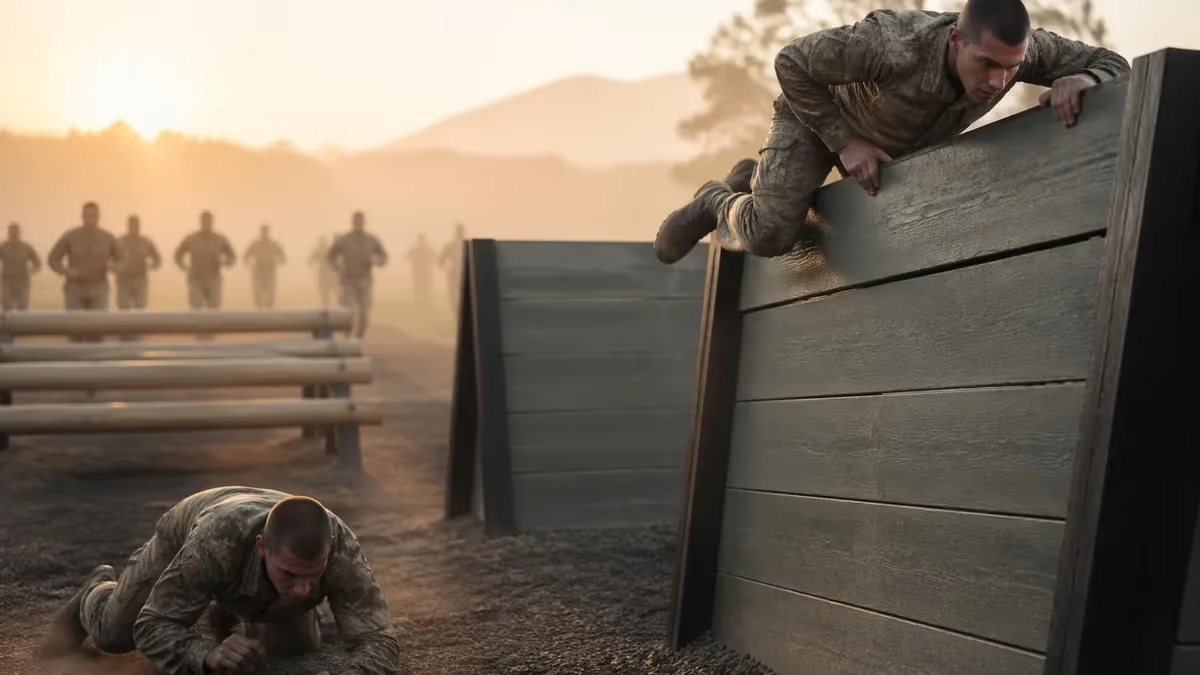
Best ASVAB Study Materials for 2026
Picking the right ASVAB study materials can mean the difference between qualifying for the MOS you want and settling for whatever's left. Your ASVAB score doesn't just determine eligibility -- it shapes your entire military career path, from signing bonuses to advanced training slots. That's why a solid asvab study guide matters more than most recruits realize when they first walk into a recruiter's office.
The Armed Services Vocational Aptitude Battery tests nine subtests: Arithmetic Reasoning, Word Knowledge, Paragraph Comprehension, Mathematics Knowledge, General Science, Electronics Information, Auto and Shop Information, Mechanical Comprehension, and Assembling Objects. Your AFQT composite (the four core subtests) determines basic eligibility, while individual line scores unlock specific jobs. A recruit who scores a 50 AFQT qualifies for enlistment but might not touch the aviation mechanic role that requires a 110+ Mechanical Maintenance composite. You need targeted study materials that cover all nine areas -- not just the AFQT core.
In 2026, you've got more options than ever. Print books, free PDFs, mobile apps, adaptive online platforms, and full-length study.com asvab practice test simulations all compete for your attention. The real challenge isn't finding resources. It's knowing which ones actually move the needle. We'll break down every category so you can build a study plan that fits your timeline, budget, and learning style -- whether you've got eight weeks or eight days before test day.

Top ASVAB Study Books: What Actually Works
Print study books still dominate ASVAB prep for one simple reason -- they give you a structured curriculum from page one to the final practice test. No jumping between browser tabs. No algorithm deciding what you study next. Just a clear path through all the content you need. The study.com asvab practice test resources online work great as supplements, but a solid book anchors your entire plan.
ASVAB for Dummies by Rod Powers remains the bestselling asvab study book for good reason. It's written in plain language that won't make you feel like you're reading a textbook, and the math chapters break formulas down one step at a time. Four full-length practice tests are included. Kaplan ASVAB Prep Plus packs over 1,800 practice questions and six full tests -- it's the volume leader. Barron's ASVAB goes deepest on technical subtests like Electronics Information and Mechanical Comprehension, making it ideal if you're chasing a technical MOS.
Princeton Review ASVAB leans into strategy. If you're the type who wants elimination techniques and pacing tricks alongside content review, that's your pick. Don't buy three books hoping more material means better scores. One strong primary guide plus free online practice covers everything. Spending $60 on redundant content won't move your score -- but disciplined daily practice with one resource absolutely will.
How to Build an Effective ASVAB Study Plan
Recruits who follow a structured asvab study book plan for six to eight weeks score 10 to 20 points higher than those who cram. That's not opinion -- it's backed by military test prep data. The trick is starting with a diagnostic. Take a full-length practice test under timed conditions before you crack open any study guide. Your score on each subtest tells you exactly where to spend your time.
Once you know your weak spots, build a weekly schedule. Weeks one through three: deep content review of your two or three weakest subtests, 60 to 90 minutes daily. Weeks four and five: rotate through remaining subtests while drilling practice questions. Week six: full-length timed tests -- at least two -- in a quiet room mimicking real conditions. Understanding how to study for the asvab means treating consistency like a weapon. Thirty minutes every day beats a five-hour weekend session every time.
Here's what catches people off guard: the CAT-ASVAB is adaptive. Questions get harder when you answer correctly and easier when you miss. Early questions carry more weight than later ones. You can't skip and come back. This means asvab study sessions should include adaptive practice tools -- not just static question sets -- so test day feels familiar rather than jarring.
ASVAB Study Tips
What's the best study strategy for ASVAB?
Focus on weak areas first. Use practice tests to identify gaps, then study those topics intensively.
How far in advance should I start studying?
Most successful candidates begin 4-8 weeks before the exam. Create a structured study schedule.
Should I retake practice tests?
Yes! Take each practice test 2-3 times. Focus on understanding why answers are correct, not memorizing.
What should I do on exam day?
Arrive 30 min early, bring required ID, read questions carefully, flag difficult ones, and review before submitting.
ASVAB Study Resources by Type
ASVAB for Dummies -- Best for beginners. Clear writing, four practice tests, strong AFQT coverage. About $22. Its only gap is thinner technical subtest content.
Kaplan ASVAB Prep Plus -- Most practice questions at 1,800+. Six full-length tests with score analysis. Best for recruits who learn by drilling. Around $28.
Barron's ASVAB -- Deepest technical subtest coverage. Pick this if you're targeting Electronics, Mechanical, or Auto/Shop MOS roles. About $20.
Princeton Review ASVAB -- Strategy-focused. Teaches elimination techniques and pacing tactics. Good for test-takers who freeze under time pressure. Around $22.
ASVAB Study Material by Subtest: What Each Section Demands
Most recruits make the same mistake -- they pour all their time into AFQT math and verbal sections while ignoring the technical subtests that actually determine job eligibility. Your asvab study material selection should address all nine sections, even the ones that feel unfamiliar. A strong AFQT gets you in the door. Strong line scores get you the job you want.
The AFQT core -- Arithmetic Reasoning, Mathematics Knowledge, Word Knowledge, and Paragraph Comprehension -- deserves priority but not exclusivity. AR and MK test math concepts up to about ninth-grade level: fractions, percentages, ratios, basic algebra, and simple geometry. Speed matters as much as accuracy on these sections. For the verbal subtests, WK rewards vocabulary built through root words, prefixes, and suffixes. PC tests reading comprehension with short passages -- practice elimination strategies here. The army study guide approach works best when you split time evenly between math and verbal blocks.
Technical subtests catch people off guard. Electronics Information covers circuits, Ohm's law, and basic electrical components. Mechanical Comprehension tests gears, pulleys, levers, and fluid dynamics. Auto and Shop deals with engine components, hand tools, and workshop safety. General Science spans biology, earth science, chemistry, and physics at a survey level. If you haven't touched these topics since high school, budget at least one full week of dedicated review for each weak technical area. Assembling Objects -- the spatial reasoning subtest -- is tough to study for directly. Practice with visual puzzles and pattern recognition exercises.
Free ASVAB Study Guide PDFs and Downloads
You don't need to spend a dollar to build a solid study plan. Free ASVAB study guide PDF resources have gotten remarkably good in 2026. March2Success remains the top free platform -- it's funded by the military, offers full-length practice tests for every subtest, and updates regularly. The official ASVAB CEP Student Guide from the Department of Defense covers test structure, scoring methodology, and score interpretation at no cost. You can download it from any .mil education portal.
Khan Academy's arithmetic and algebra course summaries make excellent free math supplements for AFQT prep. They're not ASVAB-specific, but the content overlap is nearly perfect for Mathematics Knowledge and Arithmetic Reasoning. Vocabulary word lists targeting ASVAB-level Word Knowledge -- usually 1,000 to 2,000 high-frequency test words -- float around various military prep sites and Quizlet decks. Download a couple, compare them, and build your flashcard routine around the strongest list.
One warning about free PDFs: quality control is nonexistent. Many sites offer "free ASVAB study guide pdf" downloads that are outdated, riddled with errors, or straight-up recycled from decade-old editions. Stick to official military sources, established test prep publishers, and platforms you can verify. A bad PDF that teaches you wrong formulas is worse than no PDF at all. When you study for asvab topics, you need accuracy above everything. Pair your free downloads with our asvab study practice tests for a no-cost combination that rivals paid programs.
ASVAB Study Materials: Pros and Cons
- +All nine subtests follow a publicly available content blueprint -- you know exactly what to prepare for
- +Free resources like March2Success and PracticeTestGeeks give budget-conscious recruits quality prep at zero cost
- +Print study books provide structured curricula that eliminate guesswork about what to study next
- +Adaptive online platforms mirror the CAT-ASVAB format, building familiarity before test day
- +Flashcard apps with spaced repetition are proven to boost Word Knowledge and Electronics scores efficiently
- +Clear score reporting after practice tests lets you target weak subtests with precision
- −No single book or app covers all nine subtests with equal depth -- you'll likely need two or three resources
- −Free PDFs vary wildly in quality and may contain outdated information or outright errors
- −Paid apps with subscriptions add up fast if you're using multiple platforms simultaneously
- −Technical subtests require hands-on knowledge that's difficult to learn purely from text-based materials
- −The CAT-ASVAB's adaptive format means static practice tests don't fully replicate the real test experience
- −Older study guides may not reflect recent ASVAB format changes or updated content areas
Common ASVAB Study Mistakes (and How to Avoid Them)
The biggest mistake recruits make? Studying only the AFQT sections and ignoring technical subtests entirely. Your asvab study guides should cover all nine areas because line scores -- not just your AFQT composite -- determine which MOS roles open up. A recruit with a 70 AFQT but weak Electronics and Mechanical scores gets locked out of every technical job in every branch. Study.com asvab practice and similar platforms let you drill technical sections that books sometimes underserve.
Cramming is the second-biggest trap. The data on this is clear: recruits who study consistently over six weeks outperform last-minute crammers by a significant margin. Your brain consolidates information during sleep, which means daily 60-minute sessions build durable knowledge while a 10-hour weekend marathon mostly builds fatigue. Space your study sessions out. Review material you covered three days ago before moving to new content.
Skipping the diagnostic test is mistake number three. Too many recruits just open page one of their study book and start reading without ever establishing a baseline. Take a full-length timed practice test before you study a single chapter. Your diagnostic scores reveal exactly where to focus -- maybe your Word Knowledge is already strong but your Arithmetic Reasoning needs serious work. Without that data, you're guessing. And guessing wastes the limited study time you've got.
ASVAB Study Plan Checklist
- ✓Take a full-length diagnostic practice test and record baseline scores for every subtest
- ✓Identify your target AFQT score and required line scores for your desired MOS
- ✓Choose one primary study book -- ASVAB for Dummies, Kaplan, or Barron's
- ✓Set a daily study schedule of 60 to 90 minutes for six to eight weeks
- ✓Review your two weakest subtests first during weeks one through three
- ✓Download March2Success or bookmark a free online practice platform
- ✓Start a daily Word Knowledge flashcard routine with 20 to 30 cards minimum
- ✓Complete at least two full-length timed practice tests under simulated conditions
- ✓Review every wrong answer in detail -- understand the concept, not just the correct choice
- ✓Do a final review of remaining weak areas 48 hours before test day, then rest completely
Study Timelines: Weeks, Days, or Months Before the ASVAB
How long you need depends on where you're starting. If your diagnostic score already meets your target AFQT and line scores, two to three weeks of focused drilling -- mainly practice tests and weak-spot review -- is enough. If you're starting from scratch with rusty math and zero technical knowledge, budget eight to twelve weeks. Most recruits fall somewhere in between and do well with six weeks of consistent daily work.
If you're wondering how to study for the asvab when you only have two weeks left, prioritize ruthlessly. Spend 80% of your time on your three weakest subtests and 20% on full-length practice tests. Skip content you already know cold. This isn't ideal, but targeted short-term prep still beats walking in blind. For recruits with more time, an asvab study guide for dummies approach -- starting with fundamentals and building up -- works better than jumping straight to advanced material.
One timeline trick most guides skip: schedule your last full practice test 48 hours before the real exam. Not the night before. Two days out gives you time to review any surprise weak spots without the panic of "I take this tomorrow." The day before your test, do light review only -- flip through flashcards, reread formula sheets -- then get a full night of sleep. Test-day performance relies on rest and confidence, not cramming another chapter at midnight.
Choosing the Best ASVAB Study Guide for Your Situation
There's no single "best asvab study guide" -- the right choice depends on your learning style, weak areas, and budget. If you're a self-studier who learns best from reading, grab ASVAB for Dummies or Barron's and work through it cover to cover. If you learn through repetition and drilling, Kaplan's 1,800-question bank is your match. If you're short on cash, March2Success and our free practice tests give you a complete prep plan at zero cost.
For AFQT math specifically, an asvab math study guide focus is critical. The Arithmetic Reasoning and Mathematics Knowledge subtests together make up half your AFQT score. If math is your weak point, supplement your primary book with Khan Academy's free courses on fractions, percentages, algebra, and geometry. Work through problems by hand -- not multiple choice -- until the operations feel automatic. Then switch to timed ASVAB-format questions to build speed.
Technical MOS seekers need a different approach entirely. Barron's is the strongest print option for Electronics Information and Mechanical Comprehension. But books can only take you so far with hands-on topics. Watch YouTube teardown videos of engines and circuits. Visit a hardware store and handle the tools described in Auto and Shop chapters. Physical familiarity with gears, wrenches, and multimeters translates to test performance in ways that reading alone can't replicate.
ASVAB format and content areas update periodically. A study guide published before 2023 may cover deprecated material or miss new question types. Always check the publication date before buying a used book. Free PDFs are especially risky -- verify the source and date before trusting any downloaded content for your preparation.
ASVAB Study Guide 2025-2026: What's Changed Recently
The core ASVAB structure hasn't changed dramatically, but the test environment keeps evolving. The CAT-ASVAB -- the computerized version taken at Military Entrance Processing Stations -- is now the standard for most recruits. It adapts question difficulty based on your answers in real time, which makes pacing strategy different from the paper version. Your asvab study guide 2026 materials should reflect this format. Static question sets don't fully prepare you for adaptive testing.
Another shift: more recruits are studying entirely online. Free platforms have closed the gap with paid resources significantly. March2Success, Khan Academy, and practice test sites like ours now cover content that used to require a $30 book. If you're asking how can i study for the asvab on a tight budget, the answer is genuinely "everything you need is free." The paid books add convenience and structure, not exclusive content.
Score requirements have tightened slightly for competitive MOS roles in several branches. Air Force cyber and intelligence positions, Army aviation, and Navy nuclear programs all raised their line score thresholds in recent years. This means your study materials need to push beyond AFQT prep and into serious technical subtest work if you're targeting these high-demand fields. Check your branch recruiter's current score requirements before finalizing your study plan -- don't rely on numbers from last year's guide.
ASVAB Practice Test Questions
Prepare for the ASVAB - Armed Services Vocational Aptitude Battery exam with our free practice test modules. Each quiz covers key topics to help you pass on your first try.
ASVAB Arithmetic Reasoning Test
ASVAB Exam Questions covering Arithmetic Reasoning Test. Master ASVAB Test concepts for certification prep.
ASVAB Arithmetic Reasoning Word Problems
Free ASVAB Practice Test featuring Arithmetic Reasoning Word Problems. Improve your ASVAB Exam score with mock test prep.
ASVAB Assembling Objects Test
ASVAB Mock Exam on Assembling Objects Test. ASVAB Study Guide questions to pass on your first try.
ASVAB Automotive Information Test
ASVAB Test Prep for Automotive Information Test. Practice ASVAB Quiz questions and boost your score.
ASVAB Electronics Fundamentals and Circuits
ASVAB Questions and Answers on Electronics Fundamentals and Circuits. Free ASVAB practice for exam readiness.
ASVAB Electronics Practice Test
ASVAB Mock Test covering Electronics Practice Test. Online ASVAB Test practice with instant feedback.
ASVAB Electronics Practice Test 1
Free ASVAB Quiz on Electronics Practice Test 1. ASVAB Exam prep questions with detailed explanations.
ASVAB General Science Biology and Ecology
ASVAB Practice Questions for General Science Biology and Ecology. Build confidence for your ASVAB certification exam.
ASVAB General Science Practice Test
ASVAB Test Online for General Science Practice Test. Free practice with instant results and feedback.
ASVAB General Science Practice Test 1
ASVAB Study Material on General Science Practice Test 1. Prepare effectively with real exam-style questions.
ASVAB Mathematics Knowledge Test
Free ASVAB Test covering Mathematics Knowledge Test. Practice and track your ASVAB exam readiness.
ASVAB Mechanical Comprehension Principles
ASVAB Exam Questions covering Mechanical Comprehension Principles. Master ASVAB Test concepts for certification prep.
ASVAB Mechanical Comprehension Test
Free ASVAB Practice Test featuring Mechanical Comprehension Test. Improve your ASVAB Exam score with mock test prep.
ASVAB Paragraph Comprehension and Inference
ASVAB Mock Exam on Paragraph Comprehension and Inference. ASVAB Study Guide questions to pass on your first try.
ASVAB Paragraph Comprehension Test
ASVAB Test Prep for Paragraph Comprehension Test. Practice ASVAB Quiz questions and boost your score.
Free ASVAB Study Guide Resources Worth Your Time
Let's cut through the noise. A free asvab study guide that actually works needs three things: accurate content, realistic practice questions, and coverage of all nine subtests. March2Success checks every box -- it's military-funded, regularly updated, and includes adaptive practice that mimics the CAT-ASVAB. It's not flashy, but it's thorough and reliable.
Our free practice tests on PracticeTestGeeks cover Arithmetic Reasoning, Word Knowledge, Assembling Objects, and more -- with timed mode, instant scoring, and detailed answer explanations. No account required. No paywall after three questions. For vocab building, grab a free Anki deck of ASVAB Word Knowledge terms and drill 20 cards daily using spaced repetition. This single habit can boost your WK score by several points over four to six weeks.
A complete study guide for asvab success doesn't require spending money. Combine March2Success for structured content review, our practice tests for timed drilling, Khan Academy for math fundamentals, and Anki flashcards for vocabulary. That's a four-resource free stack that covers more ground than most $30 books. The catch? You need discipline. Free resources don't come with a built-in study schedule -- you have to build one yourself and stick to it. Set daily reminders, track your practice test scores, and adjust your focus areas weekly based on results.
ASVAB Questions and Answers



About the Author
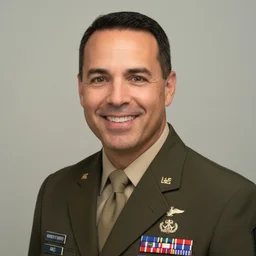
Retired Military Officer & Armed Forces Test Preparation Specialist
United States Army War CollegeColonel Steven Harris (Ret.) served 28 years in the US Army, earning a Master of Arts in Military Science from the Army War College and a Bachelor of Science in Criminal Justice. He has coached thousands of military enlistment and officer candidate program applicants through the ASVAB, AFQT, AFCT, OAR, and officer selection assessment processes across all military branches.
Join the Discussion
Connect with other students preparing for this exam. Share tips, ask questions, and get advice from people who have been there.
View discussion (5 replies)