
Lone Star Anatomy and Physiology: Complete Course Guide for Students
Master lone star anatomy and physiology with our complete guide. Course tips, career paths, and free practice tests. 🧠 Built for Lone Star College students.

Lone star anatomy and physiology is one of the most demanding and rewarding courses offered through the Lone Star College system in Texas. Whether you are pursuing a degree in nursing, allied health, physical therapy, or any other healthcare field, this two-semester sequence forms the cornerstone of your scientific education.
Students who succeed in this course leave with a deep, working knowledge of how the human body is organized, how its systems function under normal conditions, and how disease disrupts those processes. Understanding what the course demands before you walk in on day one can make the difference between thriving and simply surviving.
The Lone Star College system serves hundreds of thousands of students across the greater Houston metropolitan area, making its anatomy and physiology program one of the largest community college science sequences in the state.
The course is formally designated BIOL 2401 (Anatomy and Physiology I) and BIOL 2402 (Anatomy and Physiology II), and both must be completed with a passing grade before students can advance to clinical rotations or transfer to a four-year nursing or health sciences program. If you have been wondering about lone star anatomy and physiology and what the workload actually looks like, you are far from alone — it consistently ranks among the top concerns of incoming pre-health students.
What distinguishes the Lone Star version of this course from a generic anatomy class is the integration of laboratory work. Students are expected to work with preserved specimens, anatomical models, microscope slides, and digital simulation tools during every lab session. Lab attendance is typically mandatory, and lab practical exams count for a significant portion of the final grade. This hands-on component is what transforms memorized vocabulary into genuine anatomical understanding, and students who invest time in the lab consistently outperform those who try to learn entirely from textbooks and lecture slides.
The subject matter covered across both semesters is genuinely vast. BIOL 2401 typically begins with the chemistry of life, cell biology, and histology before moving into the integumentary system, the skeletal system, the muscular system, and the nervous system. BIOL 2402 picks up with the endocrine system and continues through the cardiovascular, lymphatic, immune, respiratory, digestive, urinary, and reproductive systems. Each system requires students to learn dozens of structures, their precise locations, their functions, and the ways they interact with other systems. That interdependence is what makes the course intellectually challenging and clinically relevant.
Success in this course is heavily influenced by study habits established in the first two weeks. Students who build a daily review routine, create visual study aids such as labeled diagrams and color-coded flashcards, and form study groups with classmates tend to perform significantly better on exams. The volume of material means that cramming before a test is essentially impossible — there is simply too much to absorb in a short period. Spaced repetition, which involves reviewing material at increasing intervals over time, is the study strategy most consistently recommended by both instructors and high-performing students.
Many Lone Star students also make heavy use of supplemental resources beyond the assigned textbook. YouTube channels dedicated to anatomy education, anatomy coloring books, and online quiz platforms provide alternative explanations of difficult concepts and allow students to test their knowledge before the official exam. Practice questions are particularly valuable because they force active recall, which is far more effective for long-term retention than passive re-reading. Building a habit of answering practice questions after each lecture or lab session will pay enormous dividends by the time midterm and final exams arrive.
This guide is designed to give you a thorough orientation to the Lone Star anatomy and physiology course sequence, covering everything from the specific content areas you will encounter to the career paths this preparation unlocks. Whether you are just starting to research the program or you are already enrolled and looking for a competitive edge, the information here will help you approach your studies with clarity, confidence, and a realistic understanding of what it takes to earn the grade you need.
Lone Star Anatomy and Physiology by the Numbers
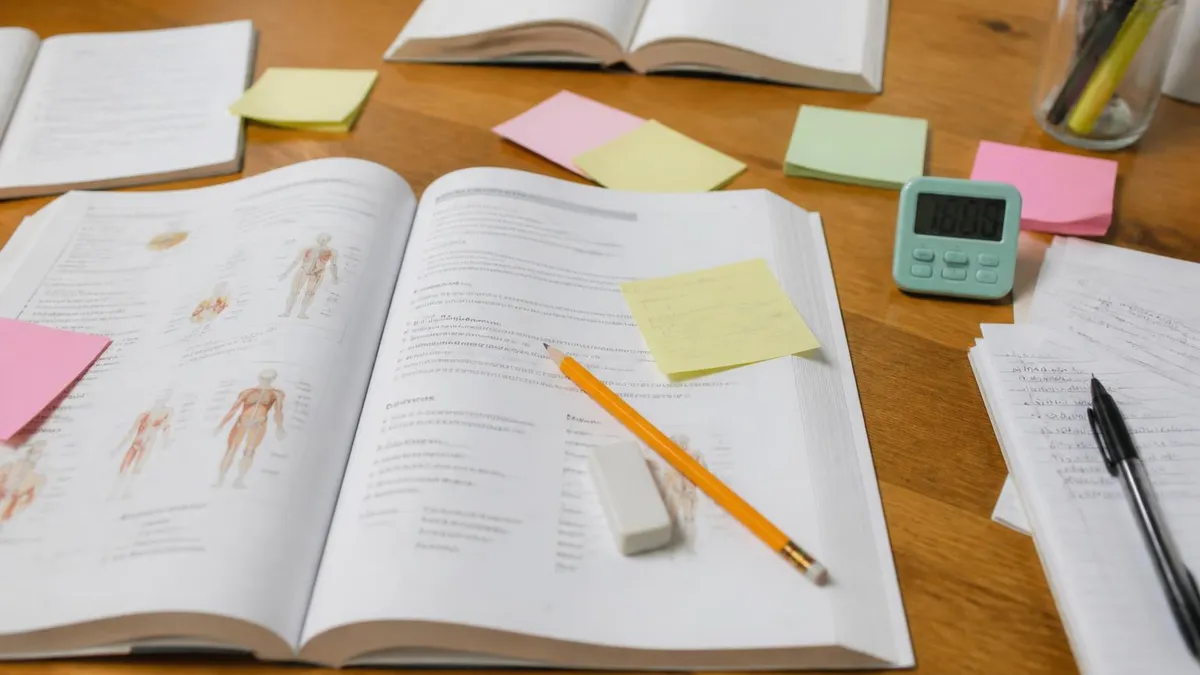
Course Structure and What to Expect
Covers foundational topics including cell biology, histology, the integumentary system, skeletal system, muscular system, and the nervous system. This semester establishes the vocabulary and structural framework students build on throughout the entire course sequence.
Continues with the endocrine, cardiovascular, lymphatic, respiratory, digestive, urinary, and reproductive systems. Students must demonstrate integrative thinking, connecting system functions and understanding how disruptions in one system affect others throughout the body.
Weekly labs involve dissection, microscopy, anatomical model identification, and physiological experiments. Lab practicals are cumulative and require students to identify structures under time pressure, making regular lab attendance and active hands-on practice non-negotiable.
Most Lone Star sections include four to five lecture exams per semester plus a comprehensive final. Grades typically weight lecture exams at 60-70% and lab at 30-40%. A minimum grade of C is required for most health program prerequisites across the state.
The body systems covered in Lone Star anatomy and physiology span every major area of human biology, and understanding each one deeply — rather than just memorizing names — is what separates students who pass from students who excel. BIOL 2401 opens with the chemistry of life, covering atoms, molecules, pH, and the major biological macromolecules. This foundation is essential because every physiological process depends on chemical reactions, and students who struggle with chemistry often find that revisiting these basics early in the semester saves them considerable confusion later when discussing enzyme activity, membrane transport, and hormone signaling.
Cell biology follows chemistry, and here students must master not just the names of organelles but their specific functions and how those functions contribute to cellular physiology. The endoplasmic reticulum, mitochondria, lysosomes, and nucleus all play roles that become clinically significant when studying disease states.
Histology — the study of tissue types — is the next major milestone, and many students find it unexpectedly difficult. Being able to look at a microscope slide and identify whether tissue is simple squamous epithelium, stratified columnar epithelium, dense irregular connective tissue, or smooth muscle requires significant practice with slides and photomicrographs before the lab practical arrives.
The skeletal system introduces students to over 200 named bones, hundreds of bony landmarks, and the intricate architecture of joints. Students must learn not just bone names but the processes, foramina, tuberosities, condyles, and other surface features that serve as attachment points for muscles or passages for nerves and blood vessels.
This level of detail is not excessive — it is precisely the information that nurses use when interpreting X-rays, physical therapists use when designing rehabilitation protocols, and physicians use when diagnosing fractures and joint pathologies. The more clinical context students can attach to structural facts, the more durable those facts become in memory.
The muscular system requires students to learn the origin, insertion, action, and innervation of dozens of individual muscles. Understanding muscle physiology — including the sliding filament theory, the neuromuscular junction, and the difference between isotonic and isometric contractions — adds another layer of complexity. Yet this content is also among the most immediately applicable to healthcare practice. When a physical therapist rehabilitates a rotator cuff tear or a nurse monitors a patient for signs of compartment syndrome, they are drawing directly on the muscle knowledge built in this course.
The nervous system is widely regarded as the most challenging topic in BIOL 2401. Students must understand neuron anatomy and physiology, synaptic transmission, the organization of the central and peripheral nervous systems, reflex arcs, and the autonomic nervous system. The sheer volume of vocabulary is daunting, but the conceptual framework underlying it — that the nervous system detects changes, processes information, and coordinates responses — provides a scaffold that makes individual facts easier to retain. Connecting structural features to their functional consequences is the key to mastering neural anatomy.
In BIOL 2402, the cardiovascular system occupies a central place both in terms of course time and clinical importance. Students learn the anatomy of the heart in extraordinary detail — the four chambers, the valves, the conducting system, the coronary arteries — and then transition to the physiology of cardiac output, blood pressure regulation, and the factors that influence peripheral vascular resistance.
Understanding how the cardiovascular system responds to exercise, hemorrhage, or heart failure requires integrating knowledge from the nervous system, the endocrine system, and the properties of blood vessels simultaneously. This integrative demand is what makes second-semester anatomy and physiology particularly challenging.
The respiratory system, digestive system, urinary system, and reproductive system each add new layers of structural and functional knowledge while constantly referencing earlier material. A full understanding of kidney function, for example, requires recalling the role of aldosterone from the endocrine system, understanding the relationship between blood pressure and filtration rate from the cardiovascular system, and applying diffusion and osmosis principles from cell biology.
Students who approach each new system as an isolated topic struggle to make these connections. Those who review prior material as they advance through new content find that everything begins to fit together into a coherent picture of how the human body sustains life.
Study Strategies for Anatomy and Physiology Success
Active recall is the single most effective study strategy for anatomy and physiology because the course demands that you retrieve specific facts quickly and accurately — exactly what happens during exams and clinical practice. Instead of re-reading your notes, close them and try to write down everything you remember about a system. Then check your notes, identify gaps, and repeat the process the next day. Research consistently shows that this method produces stronger long-term retention than any form of passive review.
Flashcard systems like Anki are particularly powerful for implementing active recall at scale. You can create cards for every bone landmark, every muscle origin and insertion, every hormone and its target organ, and every enzyme in a metabolic pathway. The spaced repetition algorithm in Anki automatically schedules review sessions at the optimal interval to reinforce your memory just before you would naturally forget the information, which allows you to cover enormous volumes of material efficiently without spending unnecessary time reviewing things you already know well.

Is Lone Star Anatomy and Physiology Right for You?
- +Fully transferable credit to four-year Texas universities via the Texas Common Course Numbering system
- +Comprehensive lab component builds hands-on clinical skills alongside theoretical knowledge
- +Multiple campus locations and online options provide scheduling flexibility for working students
- +Strong faculty with real healthcare backgrounds who connect course content to clinical practice
- +Prepares students for every major health sciences career, from nursing to physical therapy to dental hygiene
- +Community college tuition makes this world-class science preparation highly affordable compared to university alternatives
- −Extremely high volume of memorization-intensive content covering 11+ organ systems across two semesters
- −Lab practicals require identifying structures in real time under significant time pressure
- −Prerequisite knowledge in chemistry and basic biology is assumed, not taught within the course
- −A grade of C or better is required for most health program admissions, leaving no room for a slow start
- −The pace of online sections can feel overwhelming without the structure of in-person class meetings
- −Students who work full-time often find it difficult to devote the 15-20 weekly study hours the course typically demands
Anatomy and Physiology Exam Prep Checklist
- ✓Review lecture notes within 24 hours of each class to consolidate information before it fades from short-term memory.
- ✓Create a labeled diagram for every major body system covered in the current unit without looking at your notes.
- ✓Complete at least 30 practice questions per topic area before each scheduled lecture exam.
- ✓Attend every lab session and actively handle anatomical models rather than passively watching your lab partner.
- ✓Build a running glossary of key terms with concise definitions in your own words, not copied from the textbook.
- ✓Schedule a practice lab practical with your study group at least one week before the official lab exam date.
- ✓Use spaced repetition flashcards daily, spending no less than 20 minutes reviewing previously learned material.
- ✓Identify your three weakest topic areas after each exam and dedicate double study time to those systems in the following unit.
- ✓Watch at least one video explanation per body system from reputable anatomy education channels to hear alternative explanations.
- ✓Meet with your instructor during office hours at least once per month to clarify confusing concepts and demonstrate engagement.
The 15-20 Hour Weekly Study Rule
Most students who earn an A or B in anatomy and physiology report studying 15 to 20 hours per week outside of class. If you are enrolled in BIOL 2401 or 2402 as a full-time student alongside other courses, plan your semester schedule accordingly and protect that study time as non-negotiable. Students who discover this reality in week six instead of week one are already behind the curve.
The career paths available to students who successfully complete Lone Star anatomy and physiology are remarkably diverse, spanning virtually every sector of the American healthcare system. The most common destination for BIOL 2401 and 2402 completers is the registered nursing pathway, which accounts for the largest single group of students enrolled in the sequence.
After completing both semesters, students apply to nursing programs at Lone Star or transfer to four-year universities to pursue a Bachelor of Science in Nursing. Texas has one of the largest healthcare labor markets in the United States, and the demand for registered nurses continues to grow as the state population ages and expands.
Physical therapy is another major career pathway that draws heavily on anatomy and physiology preparation. Physical therapist assistants complete two-year associate degree programs that build directly on the musculoskeletal and neurological content from BIOL 2401, while physical therapists themselves must complete doctoral programs that assume comprehensive undergraduate-level anatomy preparation. The detailed knowledge of muscle origins, insertions, actions, and innervations covered in the Lone Star course maps directly onto the clinical skills PTA and PT students must demonstrate in their professional programs.
Respiratory therapy, radiologic technology, dental hygiene, and surgical technology are additional allied health fields that require completion of anatomy and physiology as a prerequisite. Each of these programs uses the course content differently: respiratory therapists focus especially on the pulmonary and cardiovascular systems, radiologic technologists need detailed knowledge of skeletal anatomy to position patients correctly and interpret images, dental hygienists use head and neck anatomy extensively, and surgical technologists must understand the anatomical relationships that surgeons navigate during procedures. The breadth of the course content is precisely what makes it the foundation of so many different health careers.
Pre-medical and pre-dental students at Lone Star also use the anatomy and physiology sequence as part of their broader preparation, though they will eventually take more advanced anatomy courses at the university level.
Taking BIOL 2401 and 2402 at a community college allows these students to build a strong conceptual foundation at a fraction of the cost of university coursework, and the Texas Common Course Numbering system ensures that credits transfer seamlessly to any public university in the state. Many pre-med students report that their performance in university-level anatomy and histology courses benefited directly from the rigor of their Lone Star preparation.
Beyond direct patient care roles, anatomy and physiology preparation opens doors in health education, medical writing, pharmaceutical sales, and health information management. Medical writers who understand anatomy can communicate complex information to both professional and lay audiences. Pharmaceutical sales representatives who understand how drugs interact with specific physiological systems are more effective at explaining products to physicians and pharmacists. Health information managers who understand the anatomy and physiology behind diagnostic codes can perform their administrative roles with greater accuracy and clinical insight than those without that background.
The salary outcomes associated with these career paths vary considerably, but even entry-level health professions in Texas command compensation well above the state median wage. Registered nurses in the Houston metropolitan area earn median salaries in the range of $70,000 to $85,000 annually, with experienced nurses in specialized units earning considerably more.
Physical therapist assistants earn roughly $55,000 to $65,000, while physical therapists with doctoral degrees earn $85,000 to $100,000. Respiratory therapists, radiologic technologists, and dental hygienists each earn between $55,000 and $75,000 depending on specialization and experience. Every one of these careers traces its educational prerequisite back to the anatomy and physiology course sequence.
For students who complete the Lone Star course with strong grades, these career trajectories become concrete possibilities rather than distant aspirations. A GPA of 3.5 or higher in science prerequisites makes a student competitive for selective nursing programs and bachelor's degree completion pathways. Employers in the Houston healthcare market actively recruit graduates of Lone Star health programs and recognize the rigor of the college's science preparation. Understanding not just the content of the course but the professional destination it enables gives students powerful motivation to push through difficult weeks and stay committed to the study habits that success requires.

Most nursing and allied health programs require both BIOL 2401 and BIOL 2402 to have been completed within the past five to seven years. If you completed the sequence and then took a break before applying, verify that your credits still fall within the program's recency requirement. Some programs also require a minimum grade of B rather than C for competitive applicants, so check the specific admissions criteria for every program on your list well before application deadlines.
Lab practicals are the component of Lone Star anatomy and physiology that surprises students most — not because the material is different from what is covered in lecture, but because the conditions of the assessment are so different from a written exam. In a typical lab practical, students rotate through a series of stations set up around the laboratory.
At each station, a preserved specimen, anatomical model, microscope slide, or diagram has a pin, pointer, or label indicating a specific structure that must be identified. Students have a fixed amount of time — often 60 to 90 seconds per station — to write their answer before a signal prompts them to rotate to the next station. The entire experience combines knowledge, visual recognition, and time management simultaneously.
Preparing effectively for lab practicals requires a fundamentally different approach than preparing for written exams. Reading about the femur's anatomical features will not help you recognize those features on a disarticulated bone under fluorescent laboratory lighting with a one-minute clock running. The only preparation that works is direct, repeated exposure to the actual specimens and models you will be tested on.
Students who spend hours in open lab sessions — which Lone Star makes available to enrolled students outside of scheduled class time — consistently outperform those who only handle materials during the weekly lab period. If your campus offers open lab access, treat it as a required part of your study schedule rather than an optional bonus.
One highly effective lab practical strategy is to practice with a partner who quizzes you by pointing to structures randomly rather than in the order they appear in your textbook. Real practicals do not follow a logical sequence — you might be asked to identify a carpal bone at station one, a section of the nephron at station two, and a nerve root at station three.
Training your brain to switch rapidly between different systems and scales of analysis is a skill that must be developed intentionally. Creating this variety in your practice sessions is what makes the real practical feel familiar rather than disorienting.
Microscopy stations deserve particular attention in your lab preparation. Identifying tissue types from histology slides requires building a mental library of visual patterns — the regular banding of skeletal muscle, the single layer of flat cells in simple squamous epithelium, the characteristic clear matrix of hyaline cartilage.
The best way to build this library is to look at slides repeatedly over time, not just once before the practical. Each time you look at a slide and try to identify it before checking your answer, you reinforce the visual memory that will allow you to make accurate identifications quickly under exam conditions.
Many students find it helpful to photograph the specimens and models used in their lab class and create a personal digital reference library. When you cannot be in the lab physically, reviewing your own photographs of the exact models that will appear on your practical is more useful than looking at generic anatomical illustrations.
Your photographs capture the specific color, texture, and orientation of the materials in your lab, which are often different enough from textbook images to cause confusion during the actual assessment. A library of well-labeled photographs, reviewed consistently using active recall, is one of the most powerful tools available to anatomy students.
After each lab practical, regardless of how well or poorly you performed, conduct an honest review of every question you missed or were uncertain about. Do not simply accept the grade and move on. Identify whether each error reflected a gap in knowledge, a failure of visual recognition, or a problem with time management under pressure.
Each type of error calls for a different remediation strategy: knowledge gaps require content review, recognition failures require more time with specimens, and time management problems require timed practice sessions. Students who treat each exam as a source of diagnostic information consistently improve across the semester rather than plateauing after an early strong start.
The laboratory skills developed in this course have direct clinical value that instructors often emphasize explicitly. When a nurse identifies a vein for an IV insertion, when a radiologic technologist positions a patient's arm for an elbow X-ray, or when a physical therapist palpates a muscle to assess for strain, they are using the visual and tactile knowledge built in anatomy lab.
The practical examination is not a bureaucratic obstacle — it is a simulation of the clinical skill demand that awaits every student who enters a health profession. Students who internalize this clinical framing approach lab practicals with the seriousness and preparation they deserve, and their performance reflects that commitment.
Practical strategies for maximizing your performance in Lone Star anatomy and physiology begin before the semester starts. Obtaining the textbook and lab manual early — ideally two weeks before the first class meeting — allows you to preview the first two or three chapters and arrive on day one with a head start.
This is not about memorizing content prematurely; it is about building familiarity with the vocabulary, the visual style of the illustrations, and the organizational structure of the book so that the first week of lectures does not feel entirely foreign. Even reading chapter summaries and scanning bold vocabulary terms pays meaningful dividends when the semester begins.
Time management is the most frequently cited challenge among students who struggle in anatomy and physiology. The course demands consistent daily effort rather than intense weekend sessions, and students whose schedules are already heavily loaded often find that something has to give.
Before enrolling, make an honest assessment of how many hours per week you can realistically protect for studying, and compare that number to the 15-20 hours most successful students report investing. If the math does not work — if work, family, and other courses already consume most of your available hours — consider taking the course during a semester when your load is lighter, or reducing your other credits while enrolled in anatomy and physiology.
The role of your instructor should not be underestimated. Lone Star anatomy and physiology faculty have office hours, and visiting regularly — not just when you are struggling — signals engagement and allows you to ask the kinds of deep conceptual questions that lecture time does not permit.
Many instructors are also willing to help students understand how to study more effectively for their specific exam format, which varies somewhat from section to section. Building a genuine professional relationship with your instructor is also valuable for future letters of recommendation when you apply to health programs, since a letter from a science faculty member who knows your work directly carries significant weight.
Online sections of anatomy and physiology have become increasingly popular, but students considering this format should approach it with clear-eyed awareness of what it demands. The flexibility of online learning can be enormously beneficial for working adults, but the self-discipline required to maintain a consistent study schedule without the external structure of class meetings is substantial.
Students who succeed in online anatomy and physiology are typically those who have already demonstrated strong self-management skills in other academic contexts. If online courses have been difficult for you in the past, the in-person format may serve you better for a content-intensive science sequence.
Exam strategy on test day matters more than many students realize. In anatomy and physiology, multiple-choice questions often include options that are physiologically plausible but incorrect for the specific scenario described. Reading each question stem carefully and identifying what exactly is being asked — the structure, the function, the mechanism, or the clinical consequence — before looking at the answer choices prevents the kind of hasty misreading that costs students points on material they actually understand.
Flagging questions you are uncertain about and returning to them after completing the rest of the exam ensures that time pressure on hard questions does not prevent you from collecting easy points on straightforward ones.
Nutrition, sleep, and stress management are not peripheral concerns — they are performance variables that directly affect memory consolidation and cognitive function. Research on learning and memory consistently shows that sleep is when the brain consolidates the day's learning into long-term storage.
Students who sacrifice sleep to study longer are often trading memorization depth for memorization breadth, ending up with shallow recall of many topics instead of solid recall of the material most likely to appear on the exam. Prioritizing seven to eight hours of sleep during exam weeks, even when it means cutting a study session short, is a legitimate evidence-based performance strategy.
Finally, remember that a single semester grade is not the end of the story. Students who do not perform as well as they hoped in BIOL 2401 have options: retaking the course, seeking tutoring, adjusting study strategies, or consulting with an academic advisor about their timeline.
Health programs in Texas are competitive, but they are also accustomed to seeing candidates who improved over time, and a strong upward trend in science GPA tells a compelling story. What matters most is that you approach each semester with a realistic plan, the willingness to adjust when something is not working, and a long-term perspective on the professional destination that this preparation is building toward.
You can continue preparing with the anatomy physiology pre test, which includes answer explanations for every question.
Anatomy Physiology Questions and Answers

How Hard Is Anatomy and Physiology? The Complete Honest Guide for Students

Anatomy and Physiology Lab Manual PDF: The Complete Guide to Finding, Using, and Mastering Your Lab Resources

Eye Anatomy and Physiology: The Complete Guide to Understanding How Your Eyes Work
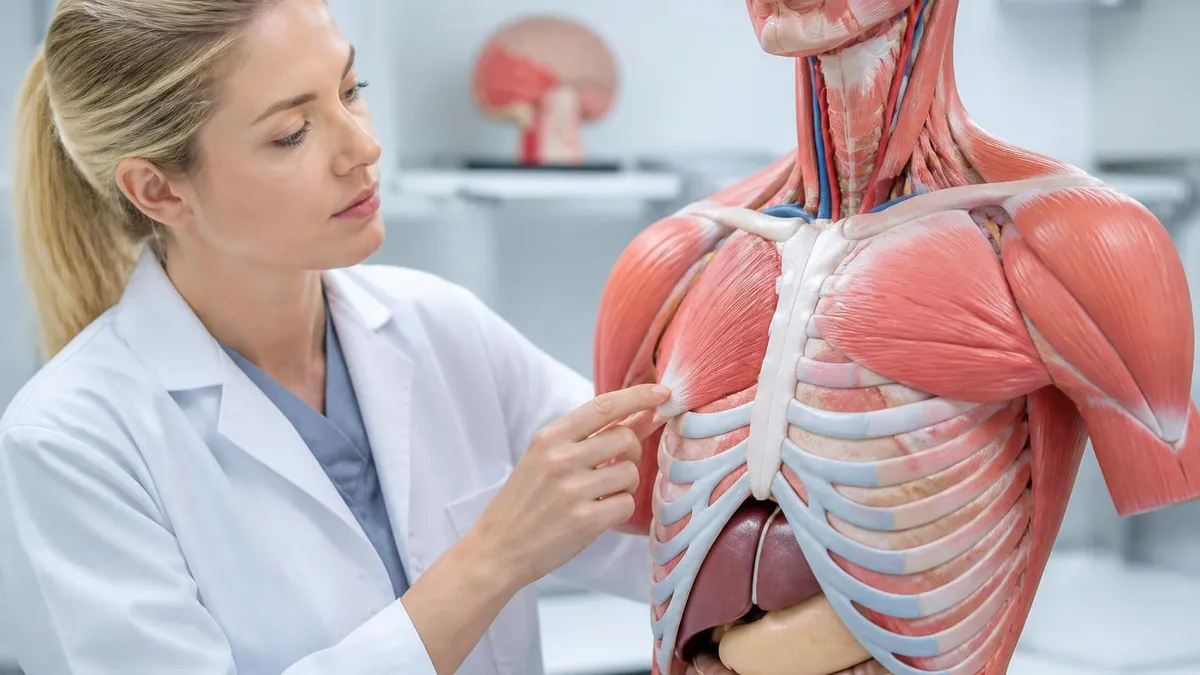
Anatomy and Physiology PDF: Complete Free Download Guide for 2026 Students

Best Way to Learn Anatomy and Physiology: A Complete Student Guide
About the Author

Educational Psychologist & Academic Test Preparation Expert
Columbia University Teachers CollegeDr. Lisa Patel holds a Doctorate in Education from Columbia University Teachers College and has spent 17 years researching standardized test design and academic assessment. She has developed preparation programs for SAT, ACT, GRE, LSAT, UCAT, and numerous professional licensing exams, helping students of all backgrounds achieve their target scores.