
Best Anatomy and Physiology Book: The Complete Guide to Top Textbooks for 2026 October
Find the best anatomy and physiology book for your level. 📚 Compare top textbooks, study strategies, and free practice tests for 2026 October.
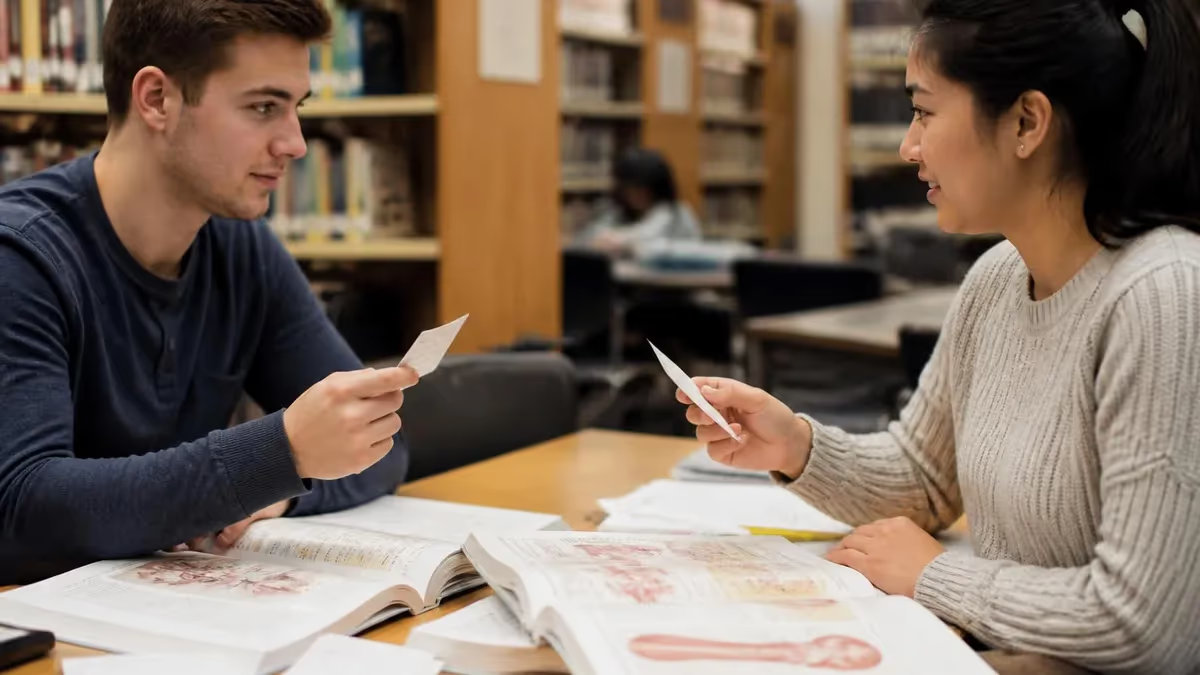
Choosing the best anatomy and physiology book is one of the most important decisions you will make on your path through nursing school, allied health programs, or pre-med coursework. The right textbook does more than deliver facts — it builds a mental framework for understanding how the human body's 11 organ systems work together, from the electrochemical signals firing across neurons to the hormonal cascades regulating blood glucose. With dozens of editions, publishers, and supplemental packages competing for your attention, narrowing the field to a single volume that matches your learning style, course requirements, and budget is genuinely challenging.
The anatomy and physiology textbook market in the United States is dominated by a handful of landmark titles, each with a distinct pedagogical philosophy. Marieb and Hoehn's Human Anatomy & Physiology (Pearson) has been a classroom staple for more than three decades because it balances clinical relevance with accessible prose.
Tortora and Derrickson's Principles of Anatomy and Physiology (Wiley) competes directly by offering exceptionally detailed illustrations and a heavier emphasis on histology. OpenStax Anatomy and Physiology is free in digital form and widely adopted at community colleges, making it the go-to for budget-conscious students who do not want to spend $300 on a new edition.
Your program level matters enormously when selecting a resource. A high school AP Biology student preparing for the A&P section of their coursework needs a different depth of coverage than a second-year nursing student drilling cardiac output equations or a physical therapy assistant learning joint biomechanics. Entry-level books like Anatomy & Physiology for Dummies use plain language and humor to introduce terminology, whereas graduate-level references like Guyton and Hall's Medical Physiology assume fluency with differential equations and biochemical pathways. Matching the book to your current knowledge level prevents both overwhelming confusion and numbing redundancy.
Visual learning is a major differentiator in this genre because so much of A&P depends on spatial reasoning — you cannot truly understand nephron filtration or sarcomere contraction without high-quality diagrams. Publishers invest heavily in anatomical art; Martini's Fundamentals of Anatomy & Physiology is often praised for its cadaver photographs paired with labeled diagrams, while Saladin's text is celebrated for color-coded figures that group related structures. If you are a visual learner, spending extra time previewing figure quality in sample chapters before purchasing can be the single factor that determines whether a textbook helps or frustrates you.
Digital supplements have transformed how students interact with anatomy and physiology content. Platforms like Pearson Mastering A&P, McGraw-Hill Connect, and Cengage MindTap bundle interactive 3-D models, adaptive quizzing, and pre-built study schedules alongside the core text. These tools can significantly boost retention when used consistently — research on spaced repetition shows that students who review material at increasing intervals retain up to 80 percent more information at the end of a semester compared to those who rely solely on re-reading. The cost of access codes, however, adds $50 to $150 to an already expensive purchase.
Pairing your primary textbook with focused practice tests accelerates learning and reveals gaps that passive reading misses entirely. You can find a curated best anatomy and physiology book guide on PracticeTestGeeks that also links to free chapter-level quizzes, helping you test retention after each major unit. Research consistently shows that retrieval practice — the act of pulling information from memory rather than recognizing it on a page — produces stronger long-term retention than any re-reading strategy. Building a study routine around practice questions from day one, not just before exams, is the single highest-use habit you can adopt.
This guide reviews the top-rated anatomy and physiology textbooks currently available, analyzes what makes each one effective for different learner types, and provides actionable advice for building a complete study system. Whether you are preparing for a nursing entrance exam, working through a formal college course, or simply trying to understand how your own body works, the recommendations ahead will help you invest your time and money wisely.
Anatomy and Physiology Textbooks by the Numbers

Top Anatomy and Physiology Textbooks for 2026
The best-selling A&P textbook in the US, now in its 12th edition. Praised for its clinical case studies, approachable writing style, and strong Mastering A&P digital platform. Ideal for nursing and allied health students in accredited two- or four-year programs.
Wiley's flagship A&P title favored for its exceptional histology coverage and 1,000-plus full-color illustrations. The most detail-rich option for pre-med and biology majors who want a textbook that bridges undergraduate A&P and graduate-level physiology seamlessly.
A peer-reviewed, open-access textbook available free in PDF and web formats. Adopted by more than 700 US institutions, it covers all major systems at a solid introductory level. The best choice for budget-conscious students or independent learners without course requirements.
McGraw-Hill's standout option for its unifying evolutionary theme and color-coded figures linking structure to function. Bundled with Connect A&P for adaptive quizzing. Especially popular at four-year universities where instructors value thematic coherence across chapters.
Known for cadaver photographs paired with detailed art, Martini's text appeals to visual learners in community college and vocational programs. Its modular chapter design makes it easy for instructors to assign selective readings without losing conceptual continuity.
Selecting the right anatomy and physiology textbook requires honest self-assessment before you open a browser or walk into a campus bookstore. Start by identifying your program's specific requirements: many nursing programs mandate a particular edition of Marieb or Tortora, and using a different book — even a highly regarded one — creates needless friction when your instructor's exam questions reference figure numbers or chapter-end review questions from the assigned text.
If you have flexibility, the next step is auditing your own background knowledge honestly. Students who earned strong grades in high school biology or chemistry will find the opening chapters of most major texts review-level material, whereas students returning to school after a decade in the workforce may need a bridging resource like an A&P coloring workbook before tackling a 1,200-page comprehensive textbook.
Budget is a real constraint that deserves direct attention. A new copy of the most popular anatomy and physiology textbooks runs between $250 and $320, and that price often excludes the access code for the companion digital platform. Renting the physical text from your campus bookstore or a service like Chegg typically cuts costs by 60 to 70 percent, though you lose the ability to annotate pages permanently.
Purchasing a previous edition — say, the 11th instead of the 12th — can save $150 or more. In most cases, the chapter content between adjacent editions changes only marginally; the significant differences are usually in the end-of-chapter questions and the digital platform integration, neither of which is critical if you are using third-party practice resources as your primary testing tool.
Reading strategy matters as much as book selection. Many students make the costly mistake of reading every word of every chapter, a passive approach that consumes enormous amounts of time without proportional retention benefits. A more effective method is the SQ3R system: Survey the chapter headings and figures first, write Questions based on those headings, then Read actively, Recite key concepts from memory after each section, and Review with a self-quiz before moving on.
This structure forces engagement rather than recognition, and research in cognitive psychology consistently demonstrates that active engagement during initial learning dramatically reduces the total study time required to achieve mastery.
Note-taking format significantly influences how well you consolidate anatomical information. Cornell notes work well for physiology concepts because the cue column on the left forces you to distill mechanisms into single-phrase triggers — writing "ADH → water reabsorption in collecting duct" in the cue column after reading three paragraphs about antidiuretic hormone encodes the concept far more durably than highlighting the same sentence.
Mind maps are particularly effective for organ system overviews because they visually represent the non-linear relationships between structures, allowing you to see at a glance how the sympathetic nervous system connects cardiovascular, respiratory, and digestive responses into a single emergency cascade.
Supplemental atlases provide a valuable complement to your primary textbook's art program. Netter's Atlas of Human Anatomy is the gold standard for clinical-quality anatomical illustration and is widely used in medical and physical therapy programs. Rohen's Color Atlas of Anatomy uses cadaver photographs exclusively, making it an outstanding companion for students preparing for cadaver lab practicals. Neither atlas is a replacement for a complete A&P text, but pairing one with your primary book creates a richer visual vocabulary that pays dividends during practical exams and clinical rotations where three-dimensional spatial awareness is non-negotiable.
The edition question deserves more nuanced treatment than simply choosing the newest version. Publishers release new editions roughly every three to four years, often with modest content updates but dramatic price increases.
For the core physiological science — how the heart generates its electrical impulse, how the kidney filters plasma, how muscles produce force — the information in a four-year-old edition is functionally identical to today's. Where newer editions genuinely add value is in clinical correlation boxes that reflect updated treatment protocols, newly discovered cellular mechanisms (particularly in immunology and endocrinology), and improved digital integration. If your course uses a specific digital platform's adaptive quizzing, matching your edition to the platform version matters; otherwise, the older edition is usually the smarter economic choice.
Group study sessions structured around active recall consistently outperform solo re-reading for anatomy and physiology content. Assigning each group member a different organ system chapter and then quizzing each other forces retrieval from multiple encoding contexts, which strengthens memory traces and exposes conceptual gaps that individual study misses. Flashcard platforms like Anki, which uses spaced repetition algorithms to schedule reviews at optimal intervals, are particularly powerful for the vocabulary-dense memorization tasks in A&P — there are more than 300,000 community-created Anki cards covering standard A&P content, many of which align directly with the major textbooks discussed here.
Study Strategies for Anatomy and Physiology Books
Visual learners thrive when they treat their anatomy and physiology textbook as an atlas as much as a narrative text. Before reading any chapter prose, spend ten minutes studying every figure, diagram, and table in that chapter. Annotate diagrams by covering labels and redrawing structures from memory — a technique called the blank-page method. Color-coding your notes to match the textbook's figure palette builds subconscious associations that activate during exams when you mentally picture the diagram.
Supplementing with three-dimensional resources dramatically accelerates spatial understanding. Free tools like the Complete Anatomy app (available on iOS and Android) let you rotate, peel, and isolate any structure in the human body. Video resources such as the Khan Academy A&P series and Professor Fink's YouTube lectures provide narrated walkthroughs of physiological processes that static diagrams cannot capture. Spending 20 minutes per chapter with a video resource before reading the textbook gives visual learners a conceptual scaffold on which the text's details can hang.
Comprehensive Textbook vs. Budget or Free Options: What's Worth It?
- +Full-color, professionally illustrated diagrams across all 11 body systems in one organized volume
- +Built-in chapter review questions, clinical case studies, and learning objectives aligned with course exams
- +Companion digital platforms (Mastering A&P, Connect) provide adaptive quizzing and 3-D model tools
- +Consistent terminology and cross-referencing between chapters builds integrated understanding over a semester
- +Author-updated clinical content reflects current treatment protocols and newly discovered cellular mechanisms
- +Physical copies allow unlimited annotation, tab-marking, and non-screen studying during long lab sessions
- −New editions cost $250–$320 before adding digital access codes, creating significant financial burden
- −Heavy physical volumes (often 4–6 lbs) are inconvenient to carry between classes and lab sessions
- −New editions release every 3–4 years with modest content changes but dramatic price jumps
- −Digital platform access codes are non-transferable and expire, eliminating resale value of used copies
- −Dense prose and technical depth can overwhelm beginning students who need foundational bridging first
- −Publisher-bundled question banks sometimes contain errors or outdated clinical references not yet corrected
Pros and Cons at a Glance
| Pros | Cons |
|---|---|
| Built-in chapter review questions, clinical case studies, and learning objectives aligned with course exams | Digital platform access codes are non-transferable and expire, eliminating resale value of used copies |
| Consistent terminology and cross-referencing between chapters builds integrated understanding over a semester | Dense prose and technical depth can overwhelm beginning students who need foundational bridging first |
| Author-updated clinical content reflects current treatment protocols and newly discovered cellular mechanisms | Publisher-bundled question banks sometimes contain errors or outdated clinical references not yet corrected |
A&P Textbook Selection and Study Checklist
- ✓Confirm your program's required or recommended textbook edition before purchasing anything.
- ✓Compare print, eBook, and rental prices across at least three platforms before buying.
- ✓Preview five pages of figure-dense content to evaluate illustration quality for your learning style.
- ✓Check whether your course uses a bundled digital platform (Mastering A&P, Connect) and budget for the access code.
- ✓Download the free OpenStax A&P PDF as a supplemental reference regardless of which primary text you choose.
- ✓Set up an Anki deck for every chapter's bold-face vocabulary terms within 24 hours of reading.
- ✓Complete at least one practice quiz after finishing each chapter — never let three chapters accumulate without testing.
- ✓Pair your textbook with an anatomy coloring workbook to reinforce spatial memory of body structures.
- ✓Schedule weekly one-hour review sessions using spaced repetition rather than marathon pre-exam cram sessions.
- ✓Use free PracticeTestGeeks quizzes to identify weak subject areas and redirect your textbook study hours accordingly.
Retrieval Practice Beats Re-Reading Every Time
Studies in cognitive science consistently show that testing yourself — even before you feel ready — produces 40 to 80 percent better long-term retention than re-reading the same material. After finishing a textbook chapter, close the book and write down everything you remember before reviewing your notes. The struggle to retrieve imperfectly encoded information is precisely what cements it in long-term memory.
The debate between digital and print editions of anatomy and physiology textbooks is more nuanced than simple preference. Print editions offer distraction-free reading, effortless annotation with pens and highlighters, and no battery dependency during long study sessions. Neuroscience research published in journals including Reading and Writing suggests that students reading on paper form deeper contextual memories and better spatial recall of where information appeared on a page — a phenomenon called the "page layout effect" that may be particularly relevant for anatomy content where location of information mirrors location of structures in the body.
Digital editions counter with search functionality, hyperlinked cross-references, and the ability to carry an entire semester's reading material on a device that weighs under a pound. For a subject where a single chapter may require jumping between figures scattered across fifteen pages, the ability to open two sections simultaneously in split-screen view is a genuine productivity advantage.
Many publishers' digital platforms also embed short video clips and interactive 3-D models directly within chapter pages, creating a multimedia learning experience that static print cannot replicate. Students who struggle with reading linear text for extended periods often find that breaking up prose with embedded animations significantly reduces cognitive fatigue.
The hybrid approach — purchasing a print copy for deep reading and annotation while using the digital version for quick lookups and review — is increasingly common and arguably optimal. If cost is a concern, renting the print copy and purchasing a standalone digital subscription (many publishers offer these separately at reduced price) creates a workable hybrid at lower total expense.
Some students take this further by using the free OpenStax digital edition for initial reading and reserving their rented print copy of the premium text for the instructor-assigned sections that appear on exams, effectively creating a two-text system for the cost of one rental.
Study apps deserve specific attention as companions to any anatomy and physiology textbook. Visible Body's Human Anatomy Atlas ($24.99 one-time purchase) provides fully interactive 3-D anatomical models with layered views of bone, muscle, nerve, and vascular structures. AnatomyLearning is a free alternative with comparable functionality. These tools are not replacements for your textbook's physiological explanations — they excel at structure identification but offer minimal coverage of the mechanism-level content that dominates A&P exams. Think of them as digital anatomy atlases that complement, not replace, the physiology-heavy prose of Marieb or Tortora.
Flashcard apps with spaced repetition algorithms are arguably the highest-ROI study tool for anatomy and physiology's vocabulary-intensive content. Anki is the gold standard for algorithmic spaced repetition and is completely free, though it has a steeper learning curve than alternatives. Quizlet offers a more user-friendly interface with a massive community card library; its Learn mode approximates spaced repetition reasonably well for most students.
Brainscape uses confidence-based repetition where you rate your recall after each card, dynamically adjusting review intervals. Any of these tools, used consistently for 20 to 30 minutes per day throughout the semester, will produce dramatically better vocabulary retention than any passive re-reading strategy.
YouTube channels have emerged as powerful free supplements to paid textbook content. Armando Hasudungan's biology illustration videos use a distinctive hand-drawn-on-white-background style that many visual learners find superior to textbook diagrams for understanding complex physiological cascades. Professor Fink's community college lecture recordings cover the full A&P curriculum at a level of detail appropriate for nursing students. 3Blue1Brown's mathematical thinking videos, while not A&P-specific, are invaluable for students who struggle with the quantitative reasoning underlying concepts like osmolarity calculations, pressure-volume relationships in the respiratory system, and Starling forces in capillary exchange.
Practice exams from PracticeTestGeeks provide targeted reinforcement that ties together everything you read across multiple chapters. The platform's anatomy and physiology quizzes span applied methods, assessment techniques, core concepts, and industry best practices — mirroring the domain structure of professional certification exams in nursing, physical therapy assisting, and medical assisting. Using these after completing major textbook units reveals exactly which mechanisms you understand at the level of explanation versus which you can only recognize when prompted, a critical distinction for high-stakes exams that demand application rather than simple recall.

Students who rely on re-reading as their primary study strategy consistently underperform on anatomy and physiology exams compared to those who use active recall from the start. Research shows that the feeling of fluency that comes from re-reading a familiar chapter is a cognitive illusion — it does not predict exam performance. Begin using practice questions from the very first week of your course, not the week before your midterm.
Building a complete anatomy and physiology study system means integrating your textbook with practice tools, supplemental resources, and a realistic weekly schedule that accounts for the subject's unusual combination of memorization density and conceptual complexity. Most successful students in structured A&P programs allocate three hours of study time for every one hour of class time — meaning a four-credit-hour course demands approximately twelve hours of weekly study. That figure sounds daunting, but it distributes naturally across daily thirty-minute vocabulary reviews, two-hour chapter reading sessions with active note-taking, and one-hour weekly review sessions using practice questions and concept maps.
The first four weeks of any A&P course are the most critical for establishing the study habits that will determine your semester outcome. Chapters on cellular biology, tissue types, and anatomical terminology are frequently underweighted by students who want to get to the "interesting" organ system content, but these early chapters provide the vocabulary and conceptual infrastructure on which everything else depends.
A student who truly understands the difference between simple squamous and stratified cuboidal epithelium, who knows why sodium-potassium ATPase creates the resting membrane potential, and who can navigate directional terminology fluently will find organ system chapters dramatically more accessible than a student who skimmed those foundations.
Lab practicals deserve a completely separate study strategy from written exams. Practical exams typically require you to identify structures on cadaver specimens, plastinated models, microscope slides, or projected images within a strict time limit — often 60 to 90 seconds per station. This format rewards immediate recognition rather than deliberate recall, which means your preparation must emphasize rapid identification drills rather than conceptual review.
Create a rotation practice routine where you cover the labels on your textbook's figures and immediately name each structure without hesitation. Use a study partner to quiz you using the actual lab models two to three days before the practical, simulating the time pressure you will experience during the exam.
Clinical correlations are the bridge between textbook A&P and real-world health care practice, and the best textbooks integrate these throughout rather than segregating them in separate boxes. Marieb excels here with its "Clinical Connection" features that link every major physiological concept to a relevant pathology or clinical scenario.
When you encounter a clinical correlation, spend an extra five minutes asking yourself: if this mechanism fails, what disease results? If this treatment works, which physiological process is being corrected or compensated? This habit of mechanistic clinical thinking is exactly what nursing boards, physical therapy licensing exams, and medical school admission interviewers are assessing when they ask application-based questions.
Group accountability structures dramatically improve completion rates for anatomy and physiology students, particularly in the second half of the semester when material accumulates and motivation dips. Forming a study group of three to five students with complementary strengths — one person who excels at physiology mechanisms, one who memorizes anatomical structures quickly, one who is strong at clinical applications — creates a team that collectively outperforms any individual.
Assign specific chapters or systems to each person for deep preparation, then teach each other in rotations. The person doing the teaching benefits most from this structure, because the act of explaining a concept reveals gaps that private study conceals.
Anatomy and physiology courses are often the first true academic challenge for students transitioning from high school to college or returning to school after years in the workforce. The sheer volume of content — typically 900 to 1,200 pages over one to two semesters — can trigger panic responses that paradoxically reduce effective studying through anxiety-driven re-reading loops.
If you find yourself feeling overwhelmed, the most effective intervention is not studying harder but studying smarter: reduce your passive reading time by 50 percent and replace it with active retrieval practice using PracticeTestGeeks quizzes and Anki decks. The feeling of not knowing the answer when you test yourself is uncomfortable, but it is precisely that uncomfortable retrieval effort that drives learning.
For students preparing for professional licensing exams like the NCLEX-RN, PTAE, or CMA, anatomy and physiology mastery is foundational rather than terminal. These exams do not test A&P knowledge in isolation — they embed anatomical and physiological reasoning within complex clinical scenarios that require you to apply mechanisms to patient presentations, prioritize interventions based on physiological urgency, and evaluate treatment effectiveness based on expected physiological responses.
Students who treated their A&P course as a vocabulary memorization exercise routinely struggle with these higher-order questions. Those who used their textbook to understand mechanisms rather than memorize facts find licensing exam clinical reasoning questions align naturally with how they already think about the human body.
Practical tips from students who have successfully completed anatomy and physiology courses cluster around a few recurring themes. First, start each new chapter by reading only the learning objectives and summary sections before touching the body text. This top-down preview primes your brain to recognize important information as you encounter it in the prose, dramatically increasing the efficiency of your reading time.
Second, use the chapter's review questions as a pre-reading quiz before you read — even though you have not yet studied the material. Getting questions wrong before reading creates a state of cognitive curiosity called "desirable difficulty" that significantly boosts retention of the correct answer when you encounter it during reading.
Anatomy requires building a spatial mental model that two-dimensional diagrams approximate but cannot fully convey. Students who spend time with three-dimensional resources — whether physical models in the lab, digital apps like Visible Body, or even simple online videos showing cadaver dissections — consistently perform better on identification tasks than those who rely exclusively on textbook figures.
Even 15 minutes per week exploring a 3-D model app reinforces the depth relationships between structures that flat diagrams flatten and distort. This is especially important for understanding the thoracic cavity, where the relative positions of heart, lungs, great vessels, and esophagus are notoriously difficult to grasp from cross-sectional diagrams alone.
Physiology, by contrast, is primarily about mechanisms — sequences of cause and effect that explain how the body maintains homeostasis under changing conditions. The most effective study strategy for physiological content is flowchart creation. After reading a mechanism section, reconstruct the sequence as a numbered flowchart without looking at the text.
For example: decreased blood pressure → baroreceptor firing rate decreases → cardiovascular center in medulla increases sympathetic output → heart rate and stroke volume increase → cardiac output increases → blood pressure rises. This linear chain format mirrors how A&P exam questions are constructed and trains you to follow chains of causation forward and backward.
Mnemonics remain valuable for the memorization-dense portions of anatomy and physiology that resist conceptual understanding. The cranial nerves (On Old Olympus' Towering Tops...), the carpal bones, the branches of the brachial plexus — these lists require rote memorization because they reflect evolutionary accident rather than functional logic. Build your mnemonic vocabulary early in the semester and review them with spaced repetition tools so they remain accessible when cranial nerve identification appears on your practical exam or the carpal tunnel anatomy is tested in the context of clinical assessment questions.
Time management during exams is a skill that must be practiced explicitly rather than assumed. Many anatomy and physiology exams are designed with more questions than the average student can thoughtfully answer in the allotted time, using time pressure to discriminate between students who know material fluently and those who need to deliberate.
Practice taking timed quizzes — the free quizzes on PracticeTestGeeks include topic-specific sets that mimic the pacing of actual A&P exams. Aim to answer each question in 60 to 90 seconds maximum, flagging uncertain answers for review rather than dwelling. Students who practice this pacing explicitly before their first exam perform significantly better than those who encounter time pressure for the first time mid-test.
Connecting new content to prior knowledge is the most efficient encoding strategy available to you. Every time you encounter a new concept in your anatomy and physiology textbook, ask: what do I already know that this connects to? The renin-angiotensin-aldosterone system connects to blood pressure physiology from cardiovascular chapters, sodium reabsorption from renal physiology, and fluid balance from general homeostasis principles. Building these cross-chapter connections actively rather than treating each chapter as isolated content creates the integrated knowledge network that distinguishes genuine understanding from superficial familiarity.
Finally, take care of your physical health during intensive A&P study periods. Sleep is not optional for memory consolidation — neuroscience research consistently demonstrates that the memory consolidation processes that transfer short-term learning into long-term storage occur predominantly during slow-wave sleep.
Cutting sleep to create more study time is self-defeating at a neurological level. A student who sleeps seven to eight hours and studies ten hours per week will outperform a student who sleeps five hours and studies fifteen hours per week on the same exam, because the rested brain consolidates, retrieves, and applies learned material more efficiently than the sleep-deprived one.
Sample Anatomy and Physiology Practice Questions
Try these questions from our free Anatomy and Physiology practice tests. The correct answer and an explanation follow each question.
How should professionals apply industry best practices in daily practice?
- A. Only when being evaluated
- B. Consistently integrate best practices into every aspect of professional work
- C. Apply principles selectively based on convenience
- D. Follow standards only for complex tasks
Answer: B. Consistently integrate best practices into every aspect of professional work
Consistent application of professional standards ensures quality outcomes and builds professional credibility.
How should challenges in industry best practices be addressed?
- A. Avoid challenges and stick to familiar tasks
- B. Apply systematic problem-solving, seek expert guidance when needed, and document decisions
- C. Ignore challenges until they resolve themselves
- D. Delegate all challenges to supervisors
Answer: B. Apply systematic problem-solving, seek expert guidance when needed, and document decisions
Systematic problem-solving combined with appropriate consultation and documentation ensures challenges are addressed effectively.
How should industry best practices knowledge be maintained and updated?
- A. Initial training provides lifelong competence
- B. Through continuous professional development, current literature review, and professional networking
- C. Knowledge updates are only needed every five years
- D. Learning stops after certification
Answer: B. Through continuous professional development, current literature review, and professional networking
Professional competence requires ongoing development through education, literature review, and engagement with the professional community.
What quality assurance measure supports industry best practices?
- A. Quality checks are unnecessary for experienced professionals
- B. Regular self-assessment, peer review, and adherence to established standards
- C. Quality only matters for new practitioners
- D. Annual review is sufficient
Answer: B. Regular self-assessment, peer review, and adherence to established standards
Ongoing quality assurance through self-assessment, peer review, and standards adherence ensures continuous improvement.
Anatomy Physiology Questions and Answers
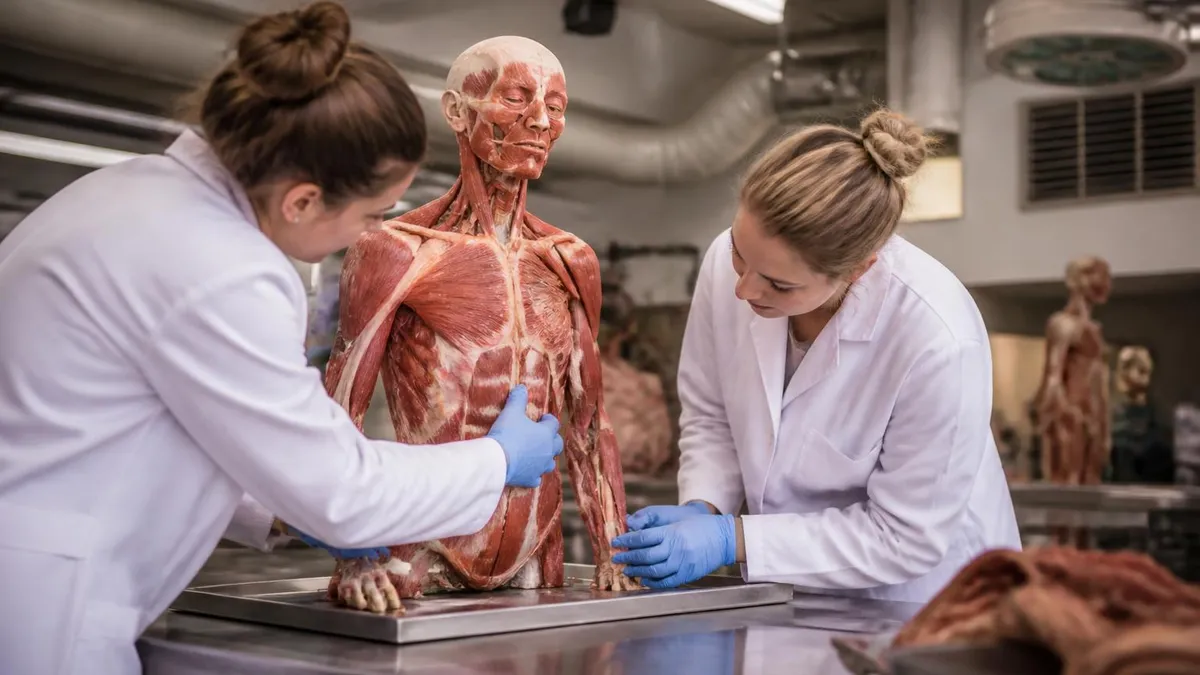
Human Anatomy and Physiology Book: The Complete Guide to Choosing, Using, and Mastering the Best Textbooks for 2026

McGraw-Hill Anatomy and Physiology Textbook: The Complete Guide to Editions, Features, and Study Strategies
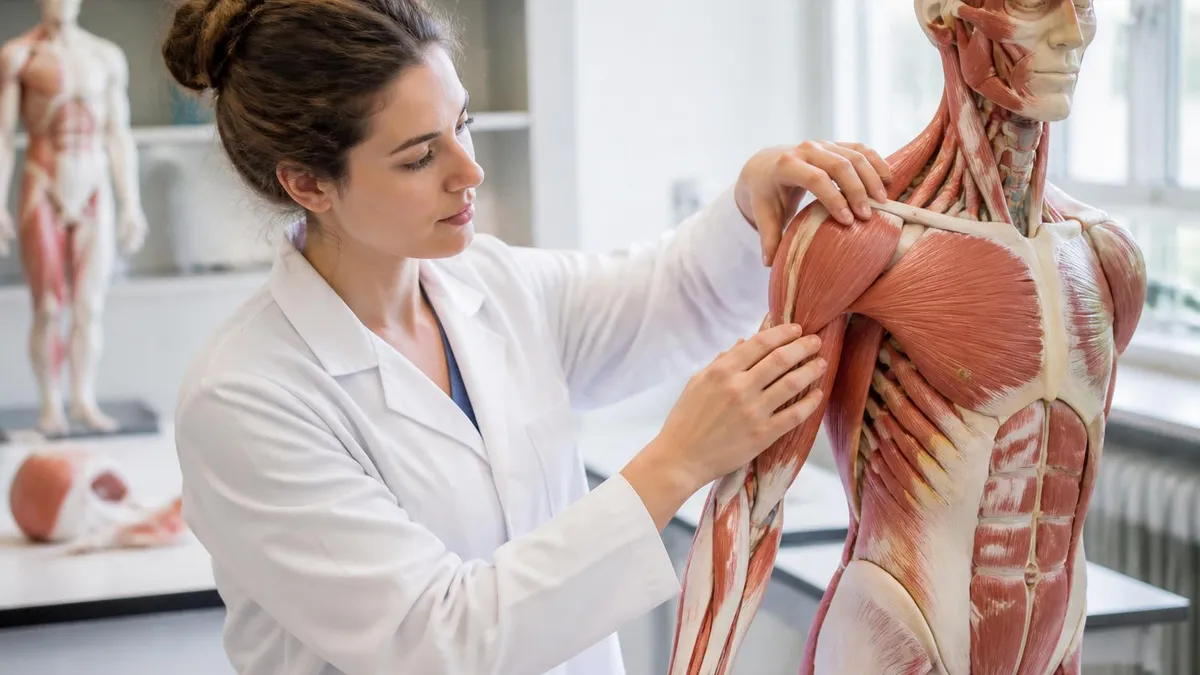
Anatomy and Physiology Definitions: The Complete Beginner's Guide to Key Terms and Concepts

Anatomy and Physiology for Dummies: The Ultimate Beginner's Guide to Understanding the Human Body
Anatomy and Physiology Coloring Workbook: The Complete Guide to Visual Learning, Active Recall, and Mastering Body Systems
About the Author

Educational Psychologist & Academic Test Preparation Expert
Columbia University Teachers CollegeDr. Lisa Patel holds a Doctorate in Education from Columbia University Teachers College and has spent 17 years researching standardized test design and academic assessment. She has developed preparation programs for SAT, ACT, GRE, LSAT, UCAT, and numerous professional licensing exams, helping students of all backgrounds achieve their target scores.