
Anatomy and Physiology of the Liver: Complete Guide to Structure, Function, and Clinical Importance
Master the anatomy and physiology of the liver — structure, lobes, functions, blood supply, and clinical roles. 🎯 Full study guide.

The anatomy and physiology of the liver represents one of the most complex and clinically significant topics in human biology. Weighing approximately 1.5 kilograms in the average adult, the liver is the largest internal organ in the human body and the largest glandular organ overall. Situated primarily in the right upper quadrant of the abdominal cavity beneath the diaphragm, the liver performs over 500 distinct physiological functions that are essential for survival, making it arguably the most metabolically active organ in the body.
Understanding liver anatomy begins with recognizing its unique dual blood supply — a characteristic that sets it apart from virtually every other organ. The liver receives oxygenated arterial blood through the hepatic artery, which branches from the celiac trunk of the abdominal aorta, while simultaneously receiving nutrient-rich venous blood from the portal vein, which drains the gastrointestinal tract, spleen, and pancreas. This arrangement allows the liver to process absorbed nutrients immediately after intestinal absorption, making it the first organ to encounter everything you eat or drink.
From a histological standpoint, the liver is organized into functional units called hepatic lobules — hexagonal structures approximately 1 to 2 millimeters in diameter that serve as the basic repeating unit of liver architecture. Each lobule contains plates of hepatocytes, the primary parenchymal cells of the liver, arranged radially around a central vein. At the corners of adjacent lobules lie portal triads, each containing a branch of the hepatic artery, a portal venule, and a bile ductule. Blood flows inward from the portal triads toward the central vein, bathing hepatocytes with both arterial oxygen and portal nutrients along the way.
The physiological functions of the liver span an extraordinary range of biochemical processes. Metabolic regulation is perhaps the most well-known: the liver stores glycogen and releases glucose to maintain blood sugar homeostasis, synthesizes fatty acids and cholesterol from acetyl-CoA, and performs gluconeogenesis during fasting states. Protein metabolism is equally critical — the liver synthesizes virtually all plasma proteins, including albumin (which maintains oncotic pressure), clotting factors (I through VII, IX, X, XI, XII), and acute-phase proteins released during inflammatory responses.
The liver's role in detoxification cannot be overstated. Hepatocytes contain an extensive array of cytochrome P450 enzymes that metabolize endogenous compounds like steroid hormones as well as exogenous substances including drugs, alcohol, and environmental toxins. Phase I reactions introduce or expose functional groups on these molecules, while Phase II reactions conjugate them with water-soluble compounds such as glucuronic acid or sulfate, rendering them suitable for excretion via bile or urine. This two-phase biotransformation system is the primary reason why oral medications are subject to first-pass metabolism before reaching systemic circulation.
Bile production and secretion represent another cornerstone of hepatic physiology. Hepatocytes continuously synthesize bile, a complex fluid containing bile acids, phospholipids, cholesterol, bilirubin, water, and electrolytes. Bile acids are synthesized from cholesterol in a multi-step process and serve as detergents that emulsify dietary fats in the small intestine, dramatically increasing their surface area for enzymatic digestion. Bilirubin, the breakdown product of heme from aging red blood cells, is conjugated by hepatocytes and excreted in bile, giving stool its characteristic brown color. Understanding these processes is foundational for any student studying pathological conditions like jaundice, cholestasis, or biliary cirrhosis.
The immune functions of the liver are frequently overlooked in introductory courses but are critically important in clinical practice. Kupffer cells, the resident macrophages of the liver, line the sinusoids and continuously filter bacteria, endotoxins, and particulate matter arriving from the portal circulation. This immunological surveillance is particularly vital because the portal blood carries antigens from the gastrointestinal tract, including commensal bacteria. The liver must maintain a delicate balance — eliminating pathogens while tolerating harmless dietary antigens — and dysregulation of this balance contributes to conditions like non-alcoholic fatty liver disease and autoimmune hepatitis.
The Liver by the Numbers

Gross Anatomy: Liver Lobes, Ligaments, and Surfaces
Classically, the liver is divided into right and left lobes by the falciform ligament, with the smaller caudate lobe (Spiegel's lobe) posteriorly and the quadrate lobe anteriorly between the gallbladder and round ligament.
Surgically, the liver is divided into 8 functionally independent Couinaud segments, each with its own portal triad supply and hepatic vein drainage, allowing partial hepatectomies and targeted resections without compromising remaining tissue.
The convex diaphragmatic surface faces superiorly and anteriorly. The visceral (inferior) surface is marked by the H-shaped arrangement of fossae — the porta hepatis transmits the portal vein, hepatic artery, and bile duct.
The falciform ligament attaches the liver to the anterior abdominal wall and contains the ligamentum teres (obliterated umbilical vein). The coronary and triangular ligaments secure it to the diaphragm, while the hepatoduodenal ligament forms the free edge of the lesser omentum.
The hepatic artery proper provides approximately 25% of blood volume but 50% of oxygen. The portal vein delivers 75% of blood volume and the remaining 50% of oxygen, arriving nutrient-rich from the GI tract and spleen.
The microstructure of the liver reveals an elegant organization that maximizes efficiency in nutrient processing and detoxification. Hepatocytes, which constitute approximately 80% of the liver's cell population, are arranged in one- to two-cell-thick plates that radiate from the central vein outward to the portal triads. These cells are polygonal, with abundant cytoplasm rich in mitochondria, rough and smooth endoplasmic reticulum, Golgi apparatus, and numerous lipid droplets and glycogen granules — all reflecting the liver's enormous metabolic workload at the cellular level.
Between the hepatocyte plates run specialized capillaries called sinusoids. Unlike typical capillaries, hepatic sinusoids are lined by fenestrated (perforated) endothelial cells that lack a continuous basement membrane, allowing relatively free passage of proteins, lipoproteins, and other large molecules from blood into the perisinusoidal Space of Disse. This intimate contact between blood and hepatocytes enables efficient bidirectional exchange of substances — nutrients and hormones pass from blood to hepatocytes for processing, while synthesized proteins and secreted substances pass back into circulation.
The Space of Disse also houses hepatic stellate cells (also known as Ito cells or perisinusoidal cells), which in normal conditions store vitamin A in lipid droplets. When the liver is injured, however, stellate cells undergo activation and transformation into myofibroblast-like cells that produce excessive extracellular matrix proteins, particularly collagen types I and III. This pathological stellate cell activation is the primary cellular driver of hepatic fibrosis and eventual cirrhosis — making these cells a major target of ongoing antifibrotic drug research.
The concept of the hepatic acinus, proposed by Rappaport, provides a more functionally accurate model of liver organization than the classical lobule. The acinus is a diamond-shaped territory centered on a terminal portal tract, with blood flowing outward toward two adjacent central veins.
Zone 1 hepatocytes, closest to the portal tract, receive blood with the highest oxygen tension and nutrient concentration, making them the most metabolically active cells and the last to die during circulatory compromise. Zone 3 hepatocytes, nearest the central vein, receive the least oxygen and are most susceptible to ischemic injury, hypoxia, and toxins such as acetaminophen and carbon tetrachloride.
Bile canaliculi are microscopic channels formed between the apical membranes of adjacent hepatocytes, sealed by tight junctions. These channels collect bile secreted by hepatocytes and transport it in a direction opposite to blood flow — from the central vein region toward the portal tracts. At the portal tracts, bile canaliculi drain into bile ductules (the Canals of Hering), which then connect to interlobular bile ducts. This countercurrent arrangement of blood and bile flow is physiologically important because it allows efficient uptake of bile constituents by hepatocytes closer to the portal tract even as bile concentration increases toward the bile ducts.
Beyond hepatocytes and Kupffer cells, the liver parenchyma contains pit cells — liver-specific natural killer cells that patrol the sinusoids and serve as front-line defense against tumor cells and viral infections. Cholangiocytes, or biliary epithelial cells, line the bile ducts and are not passive conduits — they actively modify bile composition by secreting bicarbonate and water (stimulated by secretin) and reabsorbing glucose and amino acids. Cholangiocyte dysfunction or destruction is the hallmark of diseases like primary biliary cholangitis and primary sclerosing cholangitis, both of which can progress to cirrhosis and liver failure if untreated.
Understanding this detailed microarchitecture is essential not only for academic exams but also for interpreting liver biopsy findings in clinical practice. Pathologists routinely assess the degree of hepatocyte ballooning, lobular inflammation, steatosis (fat accumulation), periportal versus centrilobular necrosis, and fibrosis staging when evaluating liver diseases. Students who master the relationship between anatomical zones, cell types, and their differential vulnerabilities will find clinical hepatology — including conditions like viral hepatitis, alcoholic liver disease, and non-alcoholic steatohepatitis — considerably more intuitive and easier to reason through on challenging exam questions.
Key Physiological Functions of the Liver
The liver serves as the body's primary metabolic hub, regulating carbohydrate, lipid, and protein metabolism with remarkable precision. After a meal, rising portal glucose concentrations trigger insulin-stimulated uptake by hepatocytes, which convert glucose to glycogen via glycogenesis or metabolize it through glycolysis. During fasting, glucagon signals glycogenolysis and gluconeogenesis, releasing glucose from glycogen stores and synthesizing new glucose from amino acids, lactate, and glycerol. This dual capacity makes the liver the master regulator of blood glucose homeostasis between meals and during exercise or starvation.
Lipid metabolism in the liver includes fatty acid oxidation for energy generation, synthesis of triglycerides and very-low-density lipoproteins (VLDL) for export to peripheral tissues, and the production of ketone bodies during prolonged fasting or diabetic ketoacidosis. Cholesterol synthesis and regulation are also hepatic functions — the liver produces approximately 80% of the body's cholesterol via the HMG-CoA reductase pathway, the same pathway targeted by statin medications. Disruption of hepatic lipid metabolism contributes directly to non-alcoholic fatty liver disease, hyperlipidemia, and metabolic syndrome.

Studying Liver Anatomy vs. Studying Liver Physiology: What Approach Works Best?
- +Understanding gross anatomy first creates a mental map that makes physiological concepts easier to locate and contextualize within the organ
- +Anatomical knowledge of the Couinaud segments directly supports clinical reasoning about surgical resections, liver transplants, and imaging interpretation
- +Mastering lobule and acinus microanatomy provides the structural foundation needed to understand how zone-specific toxins and diseases cause predictable injury patterns
- +Gross anatomy is highly visual — diagrams, 3D models, and cadaveric images make this content engaging and memorable for visual learners
- +Anatomical terminology (porta hepatis, falciform ligament, hepatic veins) appears consistently on NCLEX, USMLE, and allied health licensing exams with high testability
- +Physical examination skills like percussing liver borders and palpating hepatomegaly are directly grounded in an accurate anatomical mental model
- −Memorizing all eight Couinaud segments and their individual portal and venous supplies is time-consuming and can feel disconnected from functional relevance early in study
- −Pure anatomy study without integrating physiology can result in rote memorization of structures without understanding their clinical or functional significance
- −Physiology-first approaches risk confusion when biochemical pathways are introduced before the student has a clear picture of where these processes occur spatially
- −Liver microanatomy involves numerous specialized cell types (hepatocytes, Kupffer cells, stellate cells, pit cells, cholangiocytes) that require sustained effort to differentiate and associate with functions
- −Clinical correlations require integrating both anatomy and physiology simultaneously, which can be challenging for students who studied the two subjects in isolation
- −Exam questions increasingly test applied reasoning across both disciplines simultaneously, penalizing students who have mastered only one dimension of the topic
Pros and Cons at a Glance
| Pros | Cons |
|---|---|
| Understanding gross anatomy first creates a mental map that makes physiological concepts easier to locate and contextualize within the organ | Memorizing all eight Couinaud segments and their individual portal and venous supplies is time-consuming and can feel disconnected from functional relevance early in study |
| Anatomical knowledge of the Couinaud segments directly supports clinical reasoning about surgical resections, liver transplants, and imaging interpretation | Pure anatomy study without integrating physiology can result in rote memorization of structures without understanding their clinical or functional significance |
| Mastering lobule and acinus microanatomy provides the structural foundation needed to understand how zone-specific toxins and diseases cause predictable injury patterns | Physiology-first approaches risk confusion when biochemical pathways are introduced before the student has a clear picture of where these processes occur spatially |
| Anatomical terminology (porta hepatis, falciform ligament, hepatic veins) appears consistently on NCLEX, USMLE, and allied health licensing exams with high testability | Liver microanatomy involves numerous specialized cell types (hepatocytes, Kupffer cells, stellate cells, pit cells, cholangiocytes) that require sustained effort to differentiate and associate with functions |
| Physical examination skills like percussing liver borders and palpating hepatomegaly are directly grounded in an accurate anatomical mental model | Clinical correlations require integrating both anatomy and physiology simultaneously, which can be challenging for students who studied the two subjects in isolation |
Clinical Study Checklist: Liver Anatomy and Physiology Mastery
- ✓Identify and label all four classical liver lobes and all eight Couinaud segments on an unlabeled diagram
- ✓Describe the dual blood supply, naming the source vessels, approximate flow volumes, and oxygen contribution of each
- ✓Trace bile flow from hepatocyte canaliculi through bile ductules, interlobular ducts, hepatic ducts, and into the common bile duct
- ✓Explain the structural and functional differences between the hepatic lobule model and the hepatic acinus (Rappaport) model
- ✓List the five major cell types of the liver and the primary function of each (hepatocytes, Kupffer cells, stellate cells, pit cells, cholangiocytes)
- ✓Describe the three zones of the hepatic acinus and explain which zone is most vulnerable to ischemia, alcohol, and acetaminophen toxicity and why
- ✓Outline the Phase I and Phase II detoxification reactions, providing a specific drug example for each phase
- ✓Explain the enterohepatic circulation of bile acids, including absorption site and the percentage that is recycled
- ✓Identify five plasma proteins synthesized by the liver and the clinical consequence of deficiency for each (e.g., albumin → edema; clotting factors → bleeding)
- ✓Connect at least three common liver diseases (e.g., hepatitis, cirrhosis, cholestasis) to the specific anatomical structures or cell types that are primarily affected
The Liver Is the Only Solid Organ Capable of Complete Regeneration
After partial hepatectomy, even removal of up to 70% of liver mass, the remaining hepatocytes re-enter the cell cycle and restore original liver volume within 6 to 8 weeks through a process driven by hepatocyte growth factor (HGF) and epidermal growth factor (EGF). This extraordinary capacity is why living-donor liver transplantation is possible — both the donor remnant and the transplanted segment regenerate to full functional size.
Clinical liver disease represents one of the most important areas where knowledge of hepatic anatomy and physiology translates directly into diagnostic and therapeutic decision-making. Cirrhosis — the irreversible scarring of hepatic parenchyma with nodule formation — results from sustained activation of hepatic stellate cells in response to chronic injury from viral hepatitis B or C, alcohol, non-alcoholic steatohepatitis, autoimmune disease, or biliary obstruction. The normal lobular architecture is replaced by fibrous septa and regenerative nodules, which compress sinusoids, distort blood flow, and impair virtually every hepatic function simultaneously.
Portal hypertension is the most clinically important consequence of cirrhosis. When scarring increases resistance to portal blood flow, pressure rises throughout the portal venous system. The body compensates by opening portosystemic collateral vessels — communications between the portal and systemic venous circulations that bypass the liver. These collaterals manifest clinically as esophageal varices (at the gastroesophageal junction via left gastric and azygos veins), hemorrhoids (at the rectum via superior and middle rectal veins), caput medusae (at the umbilicus via paraumbilical veins), and splenomegaly from splenic venous congestion.
Hepatic encephalopathy illustrates the physiological consequences of lost detoxification capacity. When functioning hepatocyte mass drops below a critical threshold, ammonia and other gut-derived neurotoxins — including mercaptans, short-chain fatty acids, and aromatic amino acids — accumulate in systemic blood and cross the blood-brain barrier. Ammonia is particularly toxic to astrocytes, causing astrocyte swelling and cerebral edema. Clinically, patients progress from subtle personality changes and sleep disturbances (Grade 1) through asterixis and disorientation (Grade 2-3) to coma (Grade 4). Management targets ammonia reduction through lactulose and rifaximin, which lower gut bacterial ammonia production.
Jaundice — yellowing of the skin and sclerae — occurs when serum bilirubin exceeds approximately 2.5 to 3.0 mg/dL. Understanding hepatic bilirubin metabolism is essential for classifying the cause. Pre-hepatic jaundice results from excessive red blood cell destruction (hemolysis) producing more bilirubin than the liver can conjugate; unconjugated (indirect) bilirubin dominates in serum.
Hepatic jaundice results from hepatocellular disease impairing conjugation and/or secretion; both conjugated and unconjugated bilirubin may be improved. Post-hepatic (obstructive) jaundice occurs when bile duct obstruction — by gallstones, pancreatic cancer, or stricture — prevents excretion; conjugated bilirubin predominates and is excreted in urine, causing dark urine and pale stools.
Hepatocellular carcinoma (HCC) is the most common primary liver malignancy and the third leading cause of cancer-related death worldwide. Approximately 80 to 90% of HCC cases arise in cirrhotic livers, with hepatitis B and C accounting for the majority of cases globally. The alpha-fetoprotein (AFP) tumor marker and surveillance imaging with ultrasound every six months are recommended for high-risk patients.
Surgical resection or ablation is possible for localized disease, while transarterial chemoembolization (TACE) exploits the fact that HCC tumors derive the vast majority of their blood supply from the hepatic artery rather than the portal vein — a reversal of normal hepatic parenchyma that allows targeted arterial occlusion to selectively infarct tumor tissue.
Acute liver failure (ALF), defined as rapid deterioration of liver function with coagulopathy and encephalopathy in a patient without pre-existing liver disease, carries a high mortality without liver transplantation. Acetaminophen overdose is the leading cause in the United States, responsible for approximately 46% of ALF cases. The Zone 3 predilection of acetaminophen toxicity — attributable to the highest concentration of CYP2E1 and lowest glutathione levels in that zone — results in centrilobular necrosis visible on liver biopsy. N-acetylcysteine (NAC), which replenishes glutathione, is the antidote and must be administered promptly to prevent progression to irreversible hepatic necrosis requiring emergency transplantation.
Non-alcoholic fatty liver disease (NAFLD) has become the most common liver disease in developed countries, affecting an estimated 25 to 30% of the U.S. adult population, closely paralleling the epidemics of obesity, type 2 diabetes, and metabolic syndrome. The disease spectrum ranges from simple steatosis (fat accumulation without significant inflammation) to non-alcoholic steatohepatitis (NASH), which includes hepatocyte injury and inflammation, and can progress to fibrosis, cirrhosis, and HCC.
The pathophysiology involves insulin resistance, lipotoxicity from excess free fatty acids, mitochondrial dysfunction, oxidative stress, and gut microbiome dysbiosis — all converging on hepatocyte injury and stellate cell activation in a condition that was virtually unrecognized as a disease entity before the 1980s.

Students frequently confuse the direction of blood flow and the anatomical locations of portosystemic collaterals. Remember that in portal hypertension, portal blood bypasses the liver and flows retrograde through veins that normally drain toward the portal system. Esophageal varices carry the highest risk of life-threatening hemorrhage and are the most tested clinically. Always connect the anatomical collateral vessel to its clinical manifestation on exam questions to avoid answer-choice confusion.
Preparing for exams that include questions on liver anatomy and physiology requires a systematic and layered study approach. Students who struggle most with this content typically attempt to memorize isolated facts without building a conceptual framework connecting structure to function. The most effective strategy begins with a thorough understanding of gross anatomy — the location, lobes, surfaces, and ligamentous attachments of the liver — before progressing to the dual blood supply and its portal-arterial contributions, and finally drilling down into the microanatomy of lobules, acini, sinusoids, and specialized cell types.
Active recall is significantly more effective than passive re-reading for retaining the dense factual content of liver physiology. Instead of reading through a textbook chapter multiple times, students should close the book after each section and attempt to reconstruct the key concepts from memory on a blank page or whiteboard. Drawing the hepatic acinus with its three zones and annotating which zone is most vulnerable to each category of toxin or ischemia is a particularly powerful exercise because it forces simultaneous recall of both anatomy and physiology, mirroring the integrative thinking required by exam questions.
Spaced repetition using digital flashcard platforms is highly effective for consolidating the large volume of terminology associated with liver anatomy and physiology. Creating cards that pair clinical scenarios with underlying mechanisms — for example, linking centrilobular necrosis on biopsy to acetaminophen toxicity via CYP2E1 activation in Zone 3 — trains the kind of clinical reasoning that distinguishes high-scoring students from those who plateau on practice tests. Reviewing these cards at gradually increasing intervals uses the spacing effect to move information from short-term to long-term memory efficiently.
Practice questions are irreplaceable for exam preparation in this content area. Even students who feel they understand the material often discover gaps in their knowledge when they attempt to apply concepts under timed conditions. A useful strategy is to attempt 20 to 30 liver-focused practice questions before studying — this pre-testing identifies specific weak areas so study time can be allocated efficiently. After reviewing incorrect answers, create a one-sentence explanation of why each wrong answer was incorrect and why the correct answer is right, which reinforces both content and reasoning skills simultaneously.
Integration with other body systems should not be neglected. The liver's interactions with the cardiovascular system (hepatic blood flow, acute-phase proteins, lipid transport via VLDL and HDL), the endocrine system (hormone metabolism, insulin signaling, IGF-1 production), the gastrointestinal system (bile secretion, enterohepatic circulation, first-pass metabolism), and the immune system (Kupffer cells, complement production, acute-phase response) means that liver questions appear in virtually every organ-system examination block. Students who understand the liver as an integrative organ rather than an isolated topic will encounter familiar territory across many different exam sections.
Visual aids are particularly powerful for liver content. The Couinaud segmental anatomy is difficult to conceptualize from text alone — spending 30 minutes with a three-dimensional model or interactive anatomy software to identify all eight segments and their respective portal pedicles and hepatic vein drainage will pay dividends on imaging-based exam questions. Similarly, creating a hand-drawn flowchart of bile synthesis, modification, secretion, intestinal action, and reabsorption in the enterohepatic circulation helps students retain this multi-step process far more reliably than highlighting a textbook diagram.
Group study can be highly productive for this topic if structured correctly. Assigning each group member a specific liver function to teach the others — one student covers carbohydrate metabolism, another covers detoxification, another covers protein synthesis — uses the protégé effect: teaching something requires deeper processing than passive learning and reveals gaps in understanding that solitary study misses. Following each explanation with two or three challenging questions from other group members simulates exam pressure and consolidates learning under mild retrieval difficulty, which research consistently shows improves long-term retention compared to non-tested review.
Practical tips for mastering liver anatomy and physiology extend beyond study techniques to encompass smart resource selection, time management, and mental frameworks that experienced students swear by. One of the most valuable frameworks is the concept of organizing liver functions by category rather than trying to memorize a list of 500-plus functions.
Group them into five master categories: metabolism (carbohydrate, lipid, protein, vitamin), detoxification and biotransformation, synthesis (plasma proteins, clotting factors, bile components), storage (glycogen, vitamins A/D/B12, iron, copper), and immune defense. Every specific liver function fits neatly into one of these five buckets, making recall under exam pressure dramatically faster.
When approaching liver anatomy, use the porta hepatis as your anchor point. Everything important enters or exits the liver through or near this gateway on the visceral surface. The portal vein, hepatic artery, and common hepatic bile duct — collectively forming the portal triad at a systemic level — converge here.
From the porta hepatis, you can reason outward to the hepatoduodenal ligament that surrounds these structures, the lesser omentum of which it forms the free edge, and the Pringle maneuver in surgery that temporarily occludes all hepatic inflow by compressing the hepatoduodenal ligament between the thumb and index finger. This anatomically anchored reasoning chain replaces isolated memorization with connected knowledge that is harder to forget.
For understanding bile physiology, the mnemonic PIGS helps organize the components of bile: Phospholipids (lecithin, which stabilize micelles), Ions and water, Glucuronide-conjugated bilirubin, and Salts (bile acids). This framework also helps when reasoning about cholesterol gallstone formation — gallstones form when the ratio of cholesterol to phospholipids and bile acids exceeds the solubility limit, causing cholesterol to crystallize. Knowing this mechanism makes risk factors (obesity, rapid weight loss, pregnancy, oral contraceptives, and total parenteral nutrition) logically predictable rather than requiring rote memorization of a disconnected risk factor list.
Understanding liver function tests (LFTs) is essential for clinical application of hepatic physiology knowledge. Alanine aminotransferase (ALT) and aspartate aminotransferase (AST) are released from damaged hepatocytes — ALT is more liver-specific while AST is also found in muscle and cardiac tissue. An AST:ALT ratio greater than 2:1 classically suggests alcoholic hepatitis due to mitochondrial AST release and alcohol-induced depletion of pyridoxal phosphate needed for ALT synthesis. Alkaline phosphatase (ALP) and gamma-glutamyltransferase (GGT) are improved in cholestatic conditions. Prothrombin time (PT) is the most sensitive indicator of acute hepatocellular dysfunction because clotting factors have short half-lives and reflect real-time synthetic capacity.
Students preparing for professional licensing exams such as the NCLEX-RN, USMLE Step 1, or allied health certifications should prioritize clinical correlation questions over isolated anatomy recall.
Exam writers increasingly design questions that test whether students can apply anatomical and physiological knowledge to patient scenarios — identifying why a patient with cirrhosis develops ascites (hypoalbuminemia reducing oncotic pressure plus portal hypertension increasing hydrostatic pressure), or explaining why a patient with obstructive jaundice has improved direct bilirubin but normal ALT and AST. Practicing this pattern of clinical reasoning daily, even for just 20 minutes, builds the neural pathways for rapid clinical problem-solving that multiple-choice exams reward.
Time management during the exam itself deserves attention. Questions about liver anatomy and physiology can be lengthy and complex, incorporating clinical vignettes, laboratory values, imaging descriptions, and multi-step reasoning chains. Develop a disciplined habit of reading the final question stem before the vignette — knowing what is being asked before reading a 150-word scenario dramatically improves efficiency because you can focus on extracting only the relevant information rather than processing every detail equally.
For any liver physiology question, ask yourself which functional category applies first (metabolism? detoxification? synthesis?), then which anatomical zone or cell type is implicated, and then what the clinical consequence would be — this three-step framework structures rapid, organized reasoning even under time pressure.
Finally, recognize that the liver is one of the most rewarding organ systems to master because its complexity reflects the true integrative nature of human physiology. Students who invest the time to understand the hepatic sinusoid at the cellular level, the Couinaud segments at the surgical level, and the portal-systemic circulation at the clinical level will find that their understanding of disparate topics — from pharmacokinetics to nutritional biochemistry to immune regulation — suddenly clicks into a coherent whole.
The liver is not just a topic to pass on an exam; it is the organ through which nearly every substance in the body passes and is transformed, making it a master key to understanding human physiology at its most fundamental level.
For a fuller set of questions on this topic, see our anatomy and physiology practice test resource.
Sample Anatomy and Physiology Practice Questions
Try these questions from our free Anatomy and Physiology practice tests. The correct answer and an explanation follow each question.
Which structure connects the left and right cerebral hemispheres?
- A. Corpus callosum
- B. Thalamus
- C. Hypothalamus
- D. Brainstem
Answer: A. Corpus callosum
The corpus callosum is a large band of white matter containing nerve fibers that connects and facilitates communication between the two cerebral hemispheres.
What is the function of the mitral (bicuspid) valve?
- A. Prevents backflow from the aorta into the left ventricle
- B. Prevents backflow from the left ventricle into the left atrium
- C. Prevents backflow from the pulmonary artery into the right ventricle
- D. Prevents backflow from the right ventricle into the right atrium
Answer: B. Prevents backflow from the left ventricle into the left atrium
The mitral valve sits between the left atrium and left ventricle, preventing backflow of blood into the atrium during ventricular contraction.
What is the primary function of capillaries?
- A. Return blood to the heart
- B. Exchange gases, nutrients, and waste products with tissues
- C. Transport blood away from the heart at high pressure
- D. Regulate systemic blood pressure
Answer: B. Exchange gases, nutrients, and waste products with tissues
Capillaries are the site of exchange between blood and tissues, allowing oxygen, nutrients, and waste products to move across their thin walls.
What is the primary function of mitochondria in cells?
- A. Protein systhesis
- B. Genetic information storage
- C. Energy production
- D. Detoxification
Answer: C. Energy production
Mitochondria are the "powerhouses" of the cell, generating ATP (adenosine triphosphate) through cellular respiration, which provides energy for cellular functions.
Anatomy Physiology Questions and Answers

How Hard Is Anatomy and Physiology? The Complete Honest Guide for Students

Eye Anatomy and Physiology: The Complete Guide to Understanding How Your Eyes Work
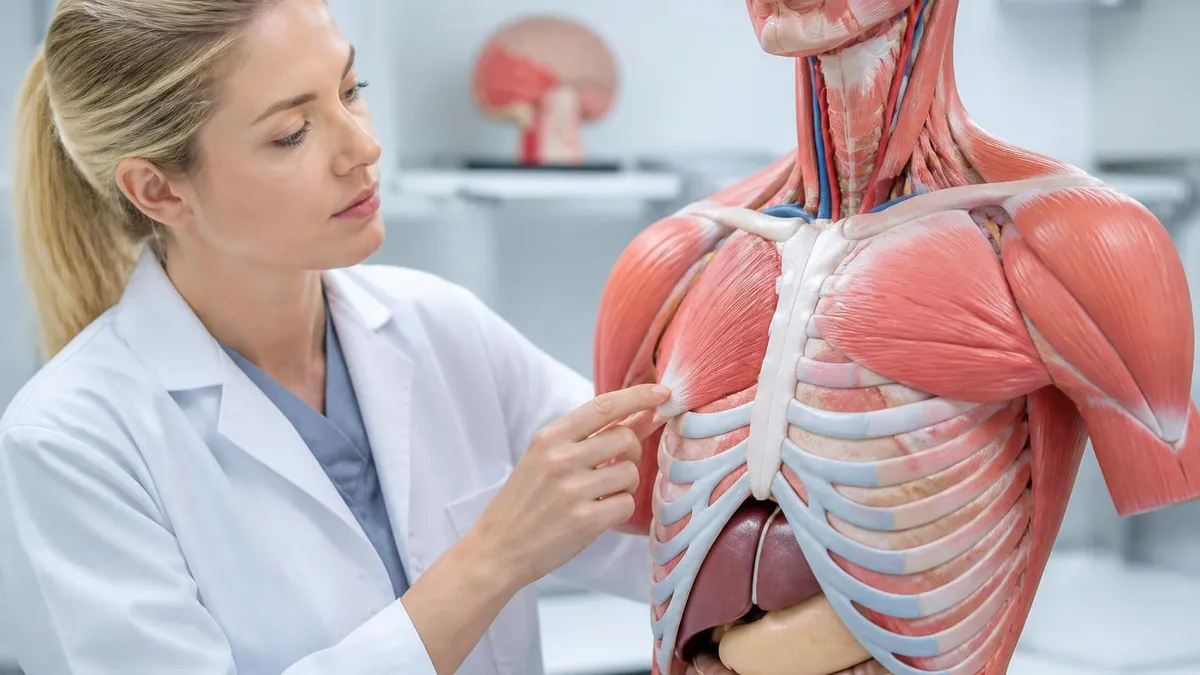
Anatomy and Physiology PDF: Complete Free Download Guide for 2026 Students

Anatomy and Physiology Coloring Workbook Answer Key: Complete Chapter-by-Chapter Study Guide
Anatomy and Physiology for Dummies: The Ultimate Beginner's Guide to Understanding the Human Body
About the Author

Educational Psychologist & Academic Test Preparation Expert
Columbia University Teachers CollegeDr. Lisa Patel holds a Doctorate in Education from Columbia University Teachers College and has spent 17 years researching standardized test design and academic assessment. She has developed preparation programs for SAT, ACT, GRE, LSAT, UCAT, and numerous professional licensing exams, helping students of all backgrounds achieve their target scores.