
ACLS and BLS Training: Complete Guide to Requirements, Differences, and Certification
Master ACLS and BLS training with our complete guide. Compare requirements, costs, formats, and pass strategies for healthcare pros. 🎓
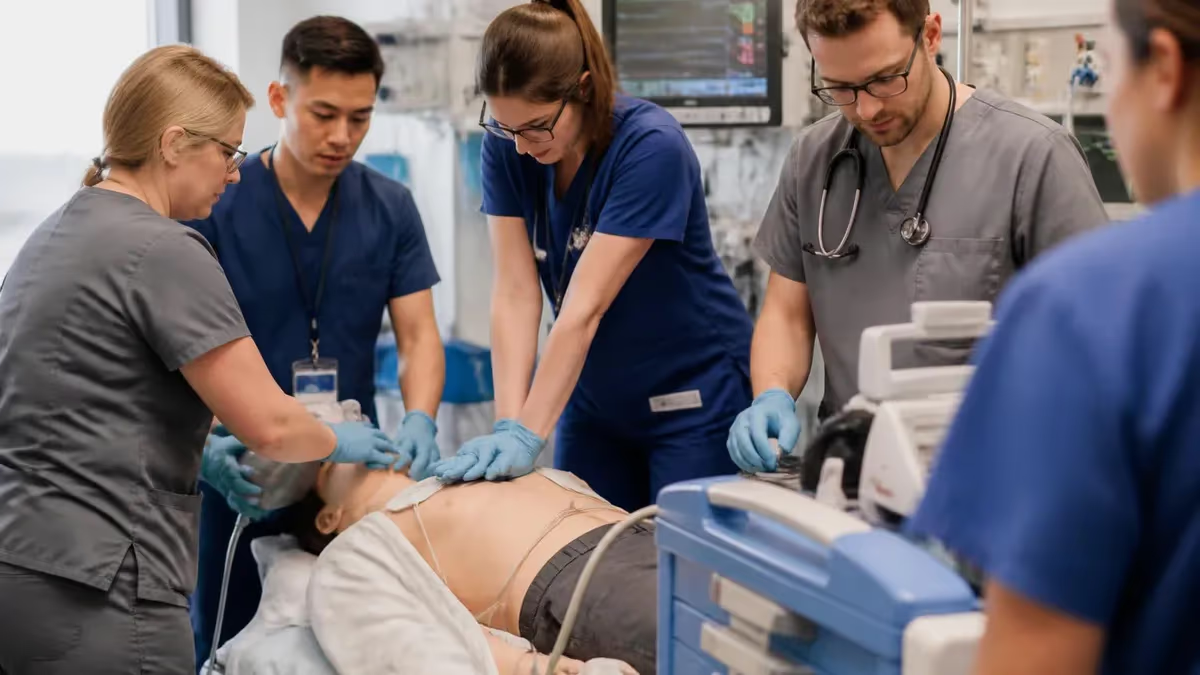
Whether you are a registered nurse entering the ICU, a paramedic maintaining state licensure, or a respiratory therapist preparing for a critical-care rotation, understanding acls and bls training is the foundation of every advanced resuscitation credential in the United States. Both certifications are administered primarily through the American Heart Association and are required by the vast majority of hospitals, emergency departments, and pre-hospital agencies as a condition of employment, privileging, or contract renewal. Knowing exactly what each course covers, how they differ, and which one your role demands will save you time, money, and last-minute certification stress.
BLS, or Basic Life Support, is the entry-level standard. It teaches high-quality CPR for adults, children, and infants, proper use of an automated external defibrillator, relief of foreign-body airway obstruction, and effective two-rescuer team dynamics. The AHA BLS Provider course runs approximately four hours in a traditional hands-on class and is designed for any healthcare professional who might respond to a cardiac or respiratory emergency. Without a current BLS card, most facilities will not allow a clinical employee to begin or continue patient care assignments, making it the non-negotiable baseline credential across virtually every clinical discipline.
ACLS, or Advanced Cardiovascular Life Support, builds directly on the BLS framework and adds a sophisticated layer of pharmacology, rhythm interpretation, and algorithm-based decision-making that reflects the complexity of real resuscitation teams. Participants must recognize and manage cardiac arrest rhythms such as ventricular fibrillation, ventricular tachycardia, pulseless electrical activity, and asystole. They also learn to stabilize acute coronary syndromes, stroke presentations, bradycardia, and tachycardia using AHA-approved algorithms. Because the course assumes confident CPR technique, a valid BLS card is a prerequisite at most training centers before any ACLS enrollment is accepted.
The practical difference between the two certifications comes down to scope of practice. A BLS-trained medical assistant can perform high-quality chest compressions and apply an AED during an office emergency. An ACLS-certified charge nurse can simultaneously direct CPR, interpret the cardiac monitor, call for epinephrine, and manage airway interventions without waiting for a physician at every decision point. That expanded decision-making authority is exactly what hospitals need from nurses, respiratory therapists, anesthesiologists, and physician assistants working in high-acuity settings where seconds genuinely determine neurological outcomes.
From a regulatory standpoint, the Joint Commission and most state nursing and medical boards align their continuing-education and privileging expectations with AHA certification cycles. BLS cards are valid for two years. ACLS cards are also valid for two years, but renewal courses typically assume prior knowledge and move faster, focusing on algorithm updates, case simulations, and skills reassessment rather than rebuilding competency from scratch. Healthcare professionals who let either certification lapse may face immediate suspension of clinical duties until the credential is reinstated, creating a practical urgency that makes proactive renewal scheduling a professional necessity.
For students and new graduates planning their certification timeline, the most efficient path is to earn BLS first, practice chest compression technique until it is automatic, and then enroll in ACLS within a few weeks. Many hospital onboarding programs require both credentials before the first day of clinical orientation, so candidates who arrive with both cards validated avoid the administrative delay of completing courses during what is already a high-pressure transition period. Online blended-learning formats have made this sequential approach easier than ever, allowing learners to complete didactic modules on their own schedule before attending a shorter, skills-focused hands-on session.
This guide covers everything you need to know about both certifications: eligibility requirements, course formats, costs, renewal timelines, preparation strategies, and the specific knowledge domains tested on the ACLS written exam. Whether you are earning your first card or renewing for the fifth time, the sections below will help you walk into your next class fully prepared and confident in every algorithm, drug, and rhythm scenario the instructor can present.
ACLS and BLS Training by the Numbers
BLS vs. ACLS: What Each Course Covers
High-quality adult, child, and infant CPR; AED operation; two-rescuer team coordination; foreign-body airway obstruction relief; and bag-mask ventilation. Typically completed in 4–5 hours with a hands-on skills test and short written exam.
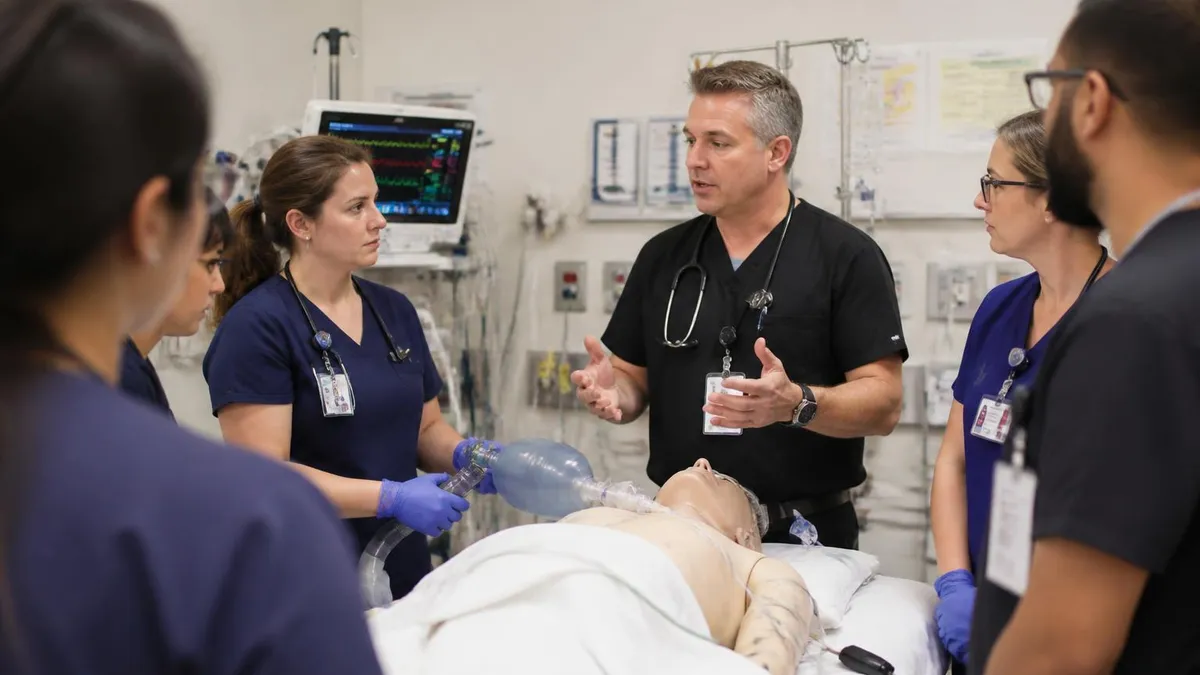
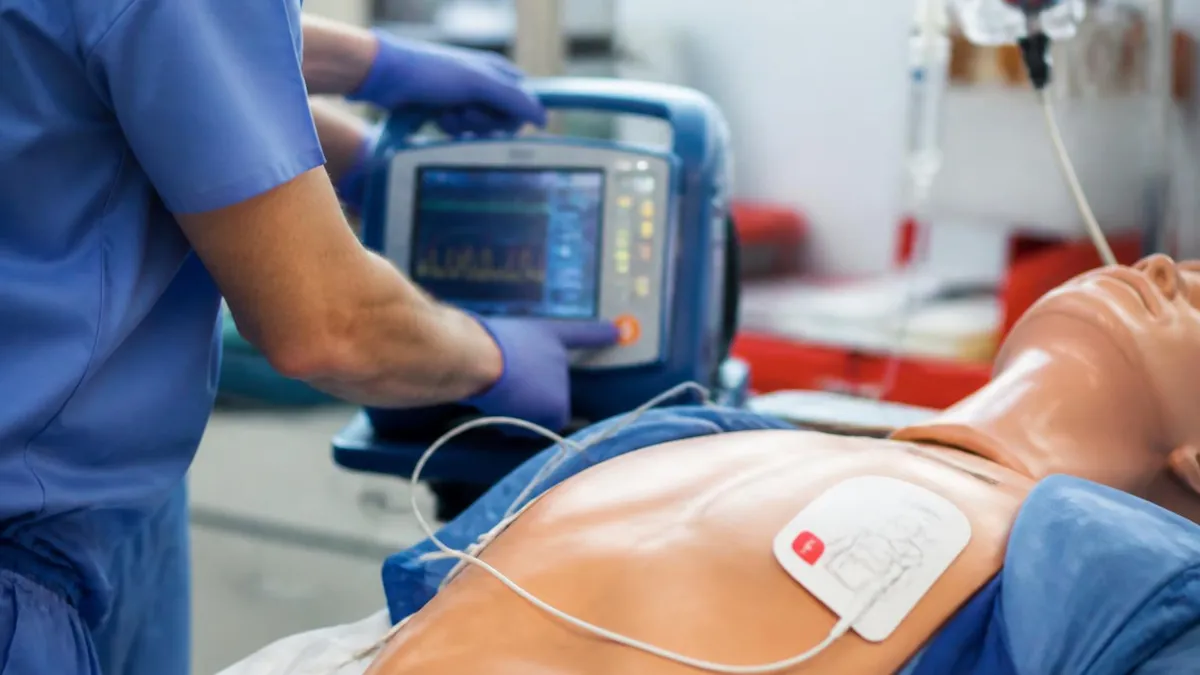
Cardiac arrest algorithm management, 12-lead ECG rhythm interpretation, ACLS pharmacology including epinephrine and amiodarone, advanced airway management, post-cardiac arrest care, and team leader communication under simulated resuscitation scenarios.
The pediatric companion to ACLS, covering recognition and management of respiratory distress, shock, and cardiac arrest in infants and children. Required for ED nurses, pediatric ICU staff, and transport teams managing pediatric patients.
Initial ACLS courses run 14–16 hours and assume no prior ACLS knowledge. Renewal courses run 6–8 hours and focus on algorithm updates, case simulations, and skills reassessment. BLS renewal mirrors the initial course in structure and duration.
Determining which certification your role requires is more straightforward than many new healthcare graduates expect, but the details matter. The American Heart Association publishes role-specific recommendations, and most healthcare employers supplement those recommendations with their own credentialing policies.
As a general rule, every person who provides direct patient care in a clinical environment should hold a current BLS card at minimum, while any professional working in a critical-care, emergency, or resuscitation-team capacity is expected to carry ACLS as well. Checking your facility's job description, your state licensing board's continuing-education requirements, and your department's policy manual will give you the three-source confirmation you need to make an informed enrollment decision.
Registered nurses working in medical-surgical, stepdown, telemetry, ICU, PACU, labor and delivery, or emergency settings will almost universally find ACLS listed as a mandatory credential in their job description. This is because nurses in these environments are frequently the first responders to a deteriorating patient and may be the most senior clinician at the bedside for several minutes before a physician arrives.
The ability to initiate an ACLS algorithm, recognize a shockable rhythm, call for the correct medication, and manage a team in those critical minutes is precisely the competency the certification verifies. Nurse practitioners and clinical nurse specialists working in outpatient cardiology or hospitalist roles are similarly expected to hold current ACLS credentials.
Paramedics and advanced EMTs carry the equivalent of ACLS scope of practice by definition, but many states and medical directors still require the AHA ACLS card as a formal documentation standard alongside national EMS certification. Basic EMTs, medical assistants, and certified nursing assistants are typically required to hold BLS only, reflecting their narrower clinical scope and the supervisory structure in which they operate. Physical therapists, occupational therapists, and respiratory therapists who work in acute or critical-care settings often find ACLS listed as preferred or required, particularly in academic medical centers where interdisciplinary resuscitation team models are standard practice.
Physicians, physician assistants, and nurse anesthetists in acute-care or procedural settings are expected to hold ACLS as a baseline, with many also carrying PALS and occasionally NRP (Neonatal Resuscitation Program) depending on their patient population. Medical students and residents typically complete BLS in their first year and ACLS early in their clinical training as part of graduate medical education requirements.
Fellowship programs in cardiology, emergency medicine, pulmonary and critical care, and anesthesiology will often include supplemental simulation-based resuscitation training that goes well beyond the AHA course content, but the AHA card remains the portable, universally recognized credential that follows the provider from institution to institution throughout a career.
Dental professionals, including dentists and oral surgeons who perform sedation procedures in outpatient settings, are increasingly required by state dental boards to hold BLS and, in some states, ACLS. This shift reflects growing awareness of the cardiovascular risks associated with sedation, anesthesia, and the patient populations seeking dental care. Similarly, outpatient surgery centers accredited by the Accreditation Association for Ambulatory Health Care or the Joint Commission typically mandate that all clinical staff holding patient care responsibilities carry current BLS, and that any provider administering moderate or deep sedation holds ACLS as well.
For international medical graduates and foreign-trained nurses seeking US licensure, the AHA BLS and ACLS certifications are recognized across all fifty states and are frequently listed explicitly in visa sponsorship and hospital credentialing documentation. The AHA's international training network means that candidates can often complete the course abroad and arrive in the US with a valid card, though some employers prefer that renewal be completed domestically to ensure consistency with local protocols and equipment.
If your country uses a different resuscitation council's curriculum, such as the European Resuscitation Council or the Resuscitation Council UK, most US hospitals will still require you to complete the AHA-specific course as a condition of employment.
When in doubt about which certification your role requires, the safest approach is to contact your facility's education department or credentialing office directly and ask for the written policy. Human resources and nurse managers are familiar with these questions and can typically provide a clear answer within one business day. Avoid relying solely on informal guidance from colleagues, as individual units sometimes have stricter requirements than the baseline hospital policy, and acting on incomplete information can delay your start date or create a compliance gap that appears on a future audit.
ACLS and BLS Training Formats: Classroom, Blended, and Online
The traditional instructor-led classroom remains the gold standard for initial BLS and ACLS certification. Students spend the entire course duration in a training center with a certified AHA instructor, rotating through high-fidelity manikin stations, AED practice, bag-mask ventilation drills, and full resuscitation simulations. Instructors provide immediate feedback on compression rate, depth, recoil, and hand position, which is difficult to replicate in any other format. Most initial ACLS classroom courses run two full days with approximately 14 to 16 contact hours.
The classroom format is particularly valuable for candidates who are new to resuscitation concepts, who learn best through hands-on repetition with expert correction, or who work in high-acuity environments where technical precision directly influences patient survival. Group simulations also build the team communication skills — closed-loop communication, clear role assignment, constructive intervention — that the AHA emphasizes throughout the ACLS curriculum. Many hospital education departments run in-house classroom courses specifically to ensure consistency with the equipment and protocols used on their own units.
BLS vs. ACLS: Comparing the Two Certifications
- +BLS is faster and less expensive, typically completed in 4–5 hours for under $75 at most training centers
- +ACLS equips providers with the pharmacology and algorithm knowledge to lead a full resuscitation team independently
- +Both certifications are universally recognized across US healthcare settings, enabling easy credential portability
- +Blended-learning formats allow working professionals to complete most content online before a shorter in-person skills check
- +Earning both credentials in sequence builds genuine clinical confidence that transfers directly to real emergency scenarios
- +AHA certification cycles align with most state licensing renewal periods, making recertification planning straightforward
- −ACLS initial courses require a significant time investment of 14–16 hours that is difficult to schedule around shift work
- −ACLS written exams cover pharmacology and rhythm interpretation that many nurses find challenging without dedicated study
- −Course costs of $150–$300 for ACLS are often not reimbursed by employers in outpatient or non-acute settings
- −BLS-only providers may feel underprepared when a cardiac emergency occurs in a setting without a rapid ACLS responder present
- −Certification lapses create immediate compliance gaps that can result in suspension from clinical duties until renewed
- −Non-AHA online-only courses are not accepted at most hospitals, meaning providers must identify a hands-on training center near them
Pros and Cons at a Glance
| Pros | Cons |
|---|---|
| ACLS equips providers with the pharmacology and algorithm knowledge to lead a full resuscitation team independently | ACLS written exams cover pharmacology and rhythm interpretation that many nurses find challenging without dedicated study |
| Both certifications are universally recognized across US healthcare settings, enabling easy credential portability | BLS-only providers may feel underprepared when a cardiac emergency occurs in a setting without a rapid ACLS responder present |
| Blended-learning formats allow working professionals to complete most content online before a shorter in-person skills check | Certification lapses create immediate compliance gaps that can result in suspension from clinical duties until renewed |
| Earning both credentials in sequence builds genuine clinical confidence that transfers directly to real emergency scenarios | Non-AHA online-only courses are not accepted at most hospitals, meaning providers must identify a hands-on training center near them |
ACLS Certification Prep Checklist: 10 Steps Before Your Course
- ✓Verify your BLS card is current and will not expire before your ACLS course date.
- ✓Download the current AHA ACLS Provider Manual and read the cardiac arrest and post-arrest algorithm chapters.
- ✓Memorize the five Hs and five Ts of reversible causes of cardiac arrest before attending class.
- ✓Practice identifying at least six core rhythms: VF, pulseless VT, PEA, asystole, sinus bradycardia, and SVT.
- ✓Review epinephrine, amiodarone, lidocaine, atropine, and adenosine dosing from the current AHA drug reference.
- ✓Complete at least two full sets of ACLS practice questions covering pharmacology and rhythm interpretation.
- ✓Review the adult cardiac arrest algorithm flowchart until you can recite each decision point from memory.
- ✓Study the ACS, bradycardia, and tachycardia algorithms and understand when each intervention is indicated.
- ✓Practice bag-mask ventilation technique and confirm you know the correct compression-to-ventilation ratio.
- ✓Arrive at your course rested, with your AHA student ID and current BLS card ready for instructor verification.
The ACLS Written Exam Is Mostly Pharmacology and Rhythms
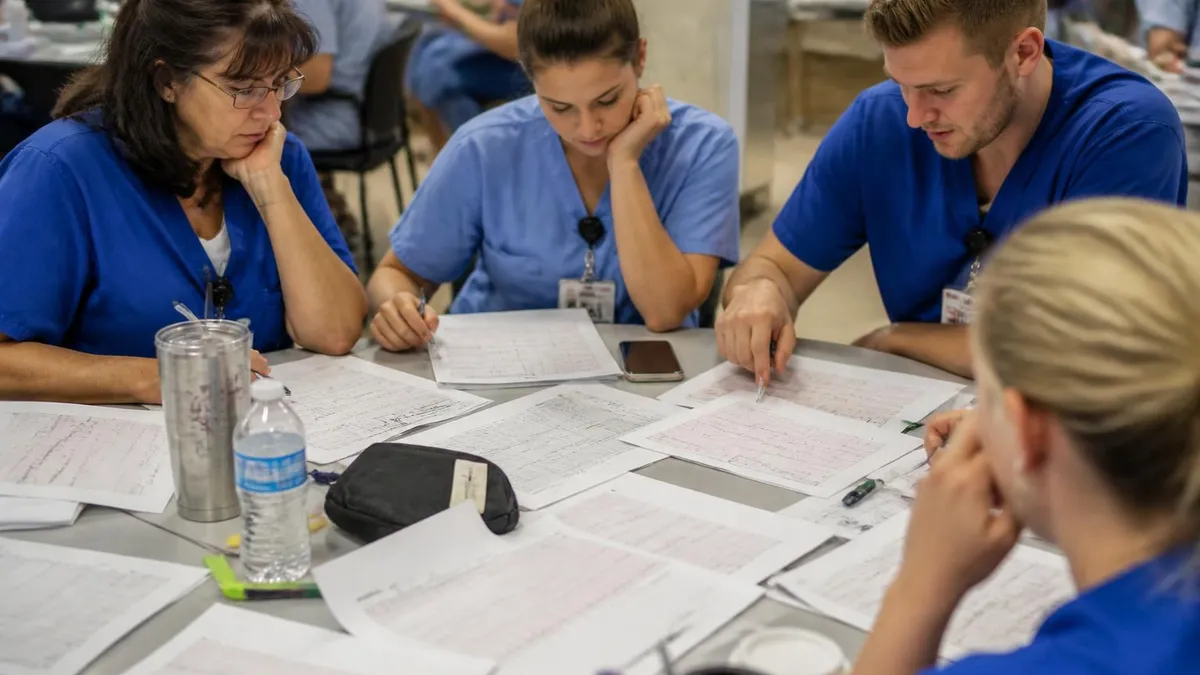
In surveys of ACLS candidates, the two most commonly failed sections of the written exam are cardiac rhythm interpretation and drug dosing. Candidates who spend at least three hours specifically drilling ECG rhythm recognition and reviewing ACLS medication indications pass the written component at significantly higher rates than those who rely on algorithm memorization alone. Use the practice quizzes on this page to target both domains before your class date.
The pharmacology component of ACLS training is one of the areas where candidates most often feel underprepared, and it is also one of the highest-yield domains on the written exam. Epinephrine 1 mg IV/IO every three to five minutes during cardiac arrest is the foundational drug of every pulseless arrest algorithm regardless of rhythm.
Its mechanism — alpha-adrenergic vasoconstriction increasing coronary perfusion pressure during CPR — is a concept the exam tests from multiple angles, including why it is given during PEA and asystole when there is no shockable rhythm present. Candidates who understand the physiological rationale rather than just memorizing the dose perform dramatically better on scenario-based questions.
Amiodarone and lidocaine are the two antiarrhythmic agents used in ACLS for refractory ventricular fibrillation and pulseless ventricular tachycardia after the first or second shock. Amiodarone is given first-line at 300 mg IV/IO for the initial dose, followed by 150 mg for the second dose if VF or pVT persists. Lidocaine is listed as an alternative when amiodarone is unavailable, with an initial dose of 1 to 1.5 mg/kg. Candidates frequently confuse the sequencing: defibrillation comes before antiarrhythmics in every shockable arrest — drugs do not replace shocks, they supplement them after early defibrillation has failed.
Adenosine is the drug of choice for stable supraventricular tachycardia with a regular, narrow complex. The initial dose is 6 mg IV given as a rapid push followed immediately by a 20 mL saline flush. If SVT persists, a second dose of 12 mg may be given.
Adenosine's extremely short half-life — approximately ten seconds — means the administration technique is almost as important as the dose itself: a peripheral IV in the antecubital fossa or more proximal site is preferred, and the flush must immediately follow the drug push to ensure it reaches the central circulation before the drug is metabolized. Distal hand or foot IVs are unreliable for adenosine administration.
Atropine remains in the ACLS toolkit for symptomatic bradycardia, given at 0.5 mg IV with a maximum total dose of 3 mg. The algorithm clearly specifies that atropine is a temporizing measure, not definitive treatment, and that transcutaneous pacing should be prepared simultaneously for patients with high-degree AV block or who do not respond adequately to the first atropine dose. Dopamine and epinephrine infusions are listed as alternatives when pacing is unavailable or ineffective, reflecting the algorithm's practical flexibility for resource-constrained settings such as community hospitals or pre-hospital environments with limited equipment.
The post-cardiac arrest care algorithm is an increasingly prominent part of ACLS training and testing, reflecting the evidence base showing that what happens in the first hour after return of spontaneous circulation profoundly influences neurological outcomes.
Key targets include maintaining oxygen saturation between 92% and 98% (avoiding hyperoxia), targeting mean arterial pressure above 65 mmHg with fluids and vasopressors as needed, and avoiding hyperthermia by targeting normothermia in all post-arrest patients. For patients who remain comatose after ROSC, targeted temperature management between 32 and 36 degrees Celsius for 24 hours followed by controlled rewarming is supported by current evidence and endorsed by the AHA guidelines.
Acute coronary syndrome management appears in ACLS because the majority of out-of-hospital cardiac arrests are caused by underlying coronary artery disease, and recognizing and acting on ACS signs in patients who are not yet in arrest can prevent the arrest from occurring at all.
The ACLS ACS algorithm directs providers to administer aspirin 162 to 325 mg orally, obtain a 12-lead ECG within ten minutes of first medical contact, and activate the cardiac catheterization laboratory for patients with ST-elevation myocardial infarction. Nitroglycerin and supplemental oxygen are discussed with important caveats: nitroglycerin is contraindicated with recent phosphodiesterase inhibitor use, and routine supplemental oxygen is not recommended for patients with oxygen saturation above 90%.
Stroke recognition and the stroke algorithm round out the ACLS curriculum beyond cardiac emergencies. The Cincinnati Prehospital Stroke Scale — facial droop, arm drift, abnormal speech — and the concept of a stroke-ready hospital activation pathway are tested as practical knowledge.
The critical teaching point is time-to-treatment: fibrinolytic therapy (tPA) must be administered within 4.5 hours of symptom onset for eligible patients, and mechanical thrombectomy has an extended window up to 24 hours for carefully selected cases. ACLS providers are not expected to make thrombolytic decisions independently, but they must be able to recognize stroke, initiate the activation pathway, and avoid interventions that delay definitive care.
Both BLS and ACLS cards expire exactly two years from the course completion date printed on your card. Most hospitals conduct quarterly or annual audits of provider credentials and will place staff on administrative suspension from patient care assignments the day an expired card is discovered. Set a calendar reminder six to eight weeks before your expiration date to allow adequate time to schedule, complete, and receive your new card before the old one expires.
Renewing your ACLS and BLS certifications efficiently requires understanding what the renewal course covers versus what the initial course covers, and planning your preparation accordingly. BLS renewal courses are structured almost identically to initial BLS courses because the AHA's position is that CPR skills decay meaningfully within two years and benefit from full reassessment. Expect to complete the same hands-on compression and AED stations, demonstrate bag-mask ventilation technique, and pass a written knowledge check covering the same BLS content you learned the first time. The renewal course typically runs the same four to five hours as the initial class.
ACLS renewal, by contrast, is meaningfully different from initial ACLS. The renewal course assumes that participants have a working foundation in ACLS algorithms, rhythm interpretation, and pharmacology, and it focuses on refreshing that knowledge through case-based simulations rather than rebuilding it from the ground up.
A typical ACLS renewal course runs six to eight hours in a blended format: candidates complete the HeartCode online modules independently, covering algorithm updates and pharmacology refreshers, and then attend a shorter hands-on session that consists primarily of team-based resuscitation simulations and a written exam. Candidates who study before the renewal course tend to complete the hands-on session in the lower end of the time range.
The single most common reason healthcare professionals struggle with ACLS renewal is the two-year knowledge gap. Nurses and other providers who do not regularly lead or participate in resuscitation events in their clinical practice often find that algorithm details, drug doses, and rhythm recognition have faded significantly by the time the renewal course arrives.
The solution is to begin dedicated review two to three weeks before the course, not the night before. Focusing specifically on the cardiac arrest algorithm flowchart, the epinephrine and amiodarone dosing sequence, and the bradycardia and tachycardia algorithm decision trees will cover the content most likely to appear on the written exam and in the simulation stations.
Cost management is a practical consideration for many healthcare professionals, particularly those in outpatient settings or those paying out of pocket. Initial ACLS courses at independent training centers typically run between $150 and $250. ACLS renewal courses are slightly less expensive, generally between $100 and $200. BLS courses are considerably less expensive, typically $50 to $75 for renewal.
Many hospital employers reimburse certification costs as a benefit, particularly for full-time employees in required-credential roles. Part-time staff, agency nurses, and travel nurses should check their contracts carefully, as reimbursement eligibility often depends on employment status and may require submission of receipts within a specified window after course completion.
Finding an AHA-authorized training center is straightforward using the AHA's online Training Center Locator at heart.org. The locator allows you to search by zip code, certification type, and course format, and it displays only centers that hold current AHA authorization, ensuring that the card you receive will be recognized by your employer.
Hospital education departments, community colleges, fire stations, and standalone healthcare training companies are all common training center types. Some academic medical centers also offer open-enrollment ACLS and BLS courses to the public, which can be a convenient option for candidates who work at the affiliated hospital and prefer training on familiar equipment.
For travel nurses and per-diem staff who work across multiple facilities, maintaining a digital copy of your current BLS and ACLS cards in a secure, easily accessible location — such as a password-protected cloud folder or a credentialing app — can prevent the frustrating situation of arriving at a new assignment and being unable to produce documentation on demand.
Some staffing agencies require cards to be uploaded directly to their credentialing portal, so having high-resolution photos or PDF scans ready at all times is a practical workflow habit. The physical card issued by the AHA is a convenient reference, but most credentialing systems accept digital submissions and the AHA's eCard verification link, which provides real-time confirmation of certification status to any employer who receives the link.
Finally, healthcare professionals interested in expanding beyond standard BLS and ACLS should explore the AHA's broader certification portfolio. PALS covers pediatric resuscitation and is required for nurses and physicians working with pediatric patients in emergency and critical-care settings. NRP covers neonatal resuscitation and is required for delivery room and NICU staff.
The ACLS Experienced Provider (ACLS-EP) course is an advanced option for providers who want to go deeper into complex arrhythmia management, pharmacology, and team leadership beyond what the standard ACLS course covers. Each of these credentials carries its own renewal cycle and employer requirement profile, making it worthwhile to build a comprehensive credential calendar that tracks all certification expiration dates in one place.
Practical preparation for the ACLS written exam begins with understanding the exam's structure. The AHA ACLS written exam contains 50 multiple-choice questions and requires a passing score of 84%, meaning you can miss no more than eight questions. Questions test knowledge across four main domains: recognition and management of cardiac arrest, recognition and management of peri-arrest conditions, post-cardiac arrest care, and acute coronary syndrome and stroke. The cardiac arrest domain typically accounts for the largest share of questions and includes both rhythm-based scenarios and drug dosing questions that test candidates on correct sequencing and contraindications.
Rhythm interpretation questions on the ACLS exam present a brief rhythm strip and ask the candidate to identify the rhythm, select the appropriate algorithm, or choose the correct immediate treatment. The rhythms most frequently tested include ventricular fibrillation, pulseless ventricular tachycardia, monomorphic VT with a pulse, polymorphic VT (including torsades de pointes), supraventricular tachycardia, atrial fibrillation with rapid ventricular response, complete heart block, second-degree AV block type I (Wenckebach), second-degree AV block type II, and sinus bradycardia.
Candidates who practice rhythm identification daily in the two weeks before the course arrive with a recognition automaticity that dramatically reduces exam anxiety and time pressure.
Pharmacology questions on the written exam test not only correct drug and dose selection but also the sequence and timing of drug administration within the algorithm. A common exam scenario presents a patient in refractory VF after three defibrillation attempts and asks which drug should be given next and in what dose.
The correct answer is amiodarone 300 mg IV/IO, but distractors may include incorrect doses, incorrect routes, or epinephrine without recognizing that amiodarone is the correct next step for refractory shockable rhythms. Understanding the algorithm logic — not just the drug list — is what separates candidates who pass comfortably from those who struggle with nuanced questions.
The skills portion of the ACLS course is evaluated by the instructor during team simulation exercises. Candidates rotate through roles including team leader, compressor, airway manager, IV access, and medication administrator, giving everyone the opportunity to demonstrate both technical skills and leadership communication.
Common reasons candidates are asked to repeat a skills station include incorrect compression depth or rate, failure to minimize interruptions during CPR, missed doses or incorrect drug choices in the simulation, and failure to verbalize algorithm decisions clearly as team leader. Practicing the algorithm aloud — literally saying the steps out loud while studying — activates a different kind of memory encoding that many candidates find significantly improves their simulation performance.
For candidates who do not pass the written exam or a skills station on the first attempt, the AHA allows a second attempt within the same course day. Instructors are required to provide remediation before the second attempt, reviewing the specific domains where the candidate struggled.
Pass rates on second attempts are high, and the remediation process itself is a valuable learning opportunity that many candidates describe as more effective than the initial didactic instruction. If a candidate does not pass after the second attempt, they must complete the full course again, which is why solid preparation before the course date is a much better strategy than counting on remediation to close significant knowledge gaps.
Study resources for ACLS preparation include the official AHA ACLS Provider Manual, the AHA's supplementary written exam study guide, and third-party practice question platforms that offer ACLS-specific question banks with detailed rationale explanations. Video resources covering rhythm interpretation, algorithm walkthroughs, and drug administration technique are widely available and particularly useful for visual learners who benefit from seeing the material explained rather than just reading it. The practice quizzes on PracticeTestGeeks cover the cardiac rhythms and pharmacology domains specifically, with question formats that closely mirror the style and difficulty level of the actual ACLS written exam.
Above all, approach your ACLS and BLS training with the understanding that these certifications exist because the knowledge they verify is directly connected to whether patients survive cardiac emergencies with intact neurological function. The evidence base for high-quality CPR, early defibrillation, and systematic algorithm-based management is strong and consistently shows that trained, confident responders achieve better outcomes than unprepared ones.
Every hour you invest in genuine preparation for your ACLS course is an investment in the patients you will treat throughout your career — the protocols and drug doses you learn today may be exactly what you need to recall clearly in a chaotic resuscitation two years from now when someone else's life depends on your training.
ACLS Questions and Answers

ACLS Acute Coronary Syndrome Algorithm: Complete Study Guide for Certification Prep
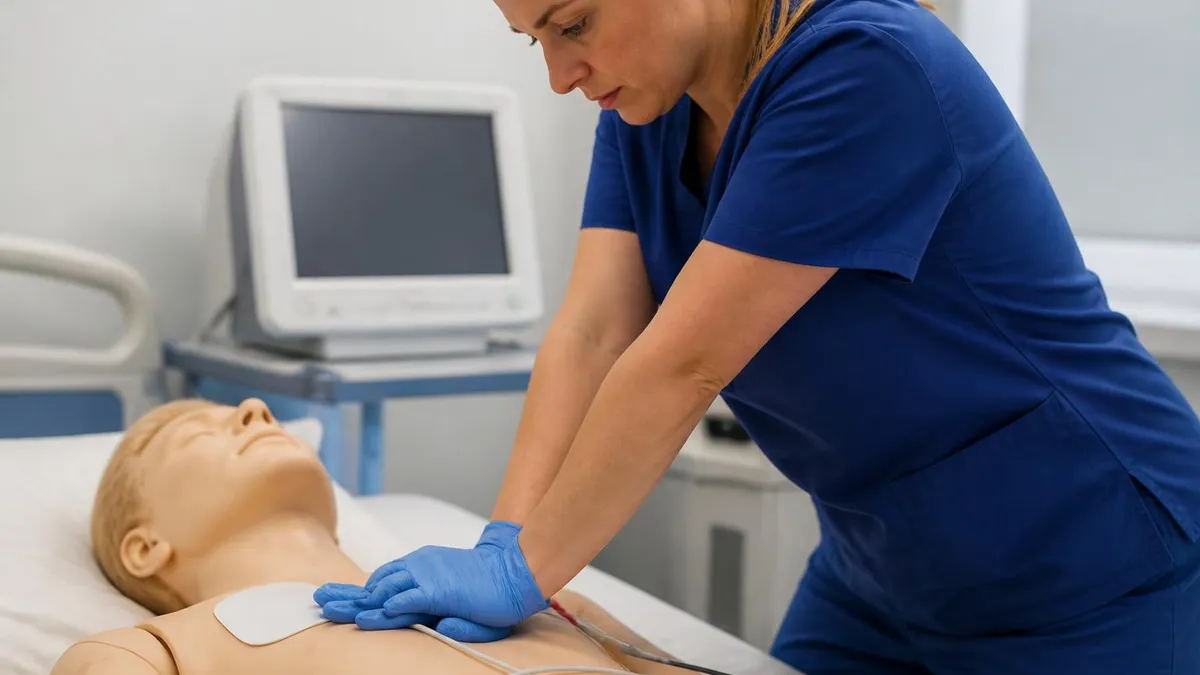
ACLS Renewal Class: Complete 2026 Guide to Recertification Requirements, Costs, Formats & Pass Strategies
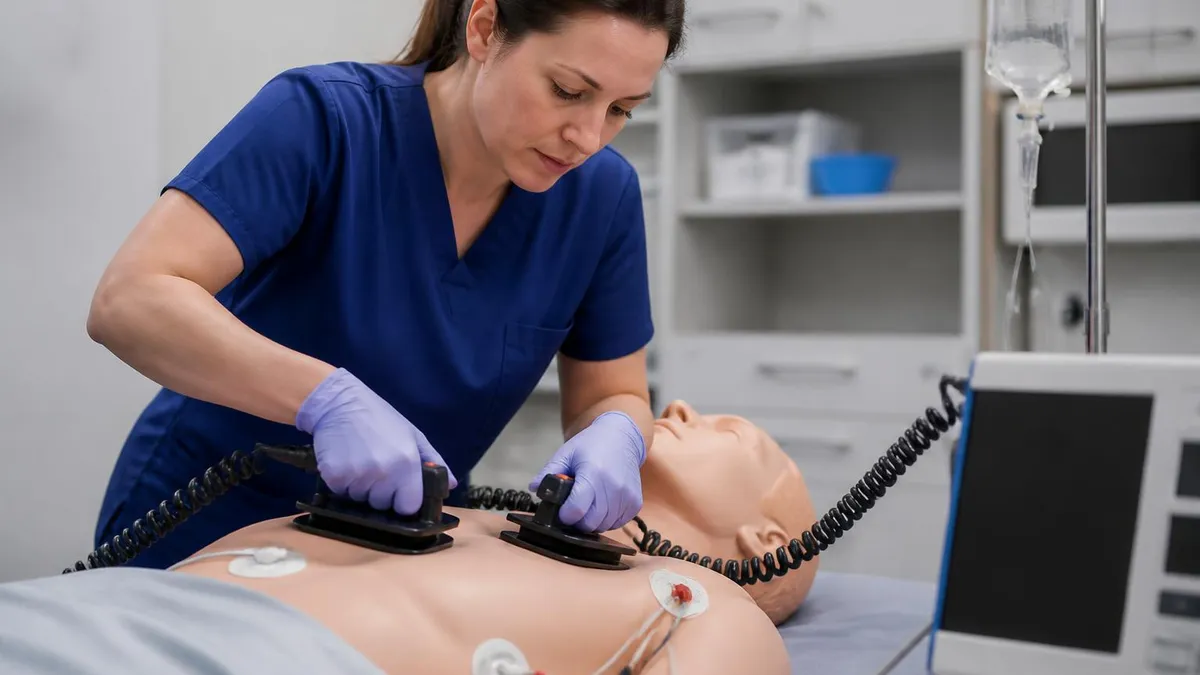
ACLS Bradycardia Algorithm: Complete 2026 Guide to Recognition, Treatment Steps & Drug Doses

ACLS CPR Certification: Complete Training Guide for Healthcare Professionals
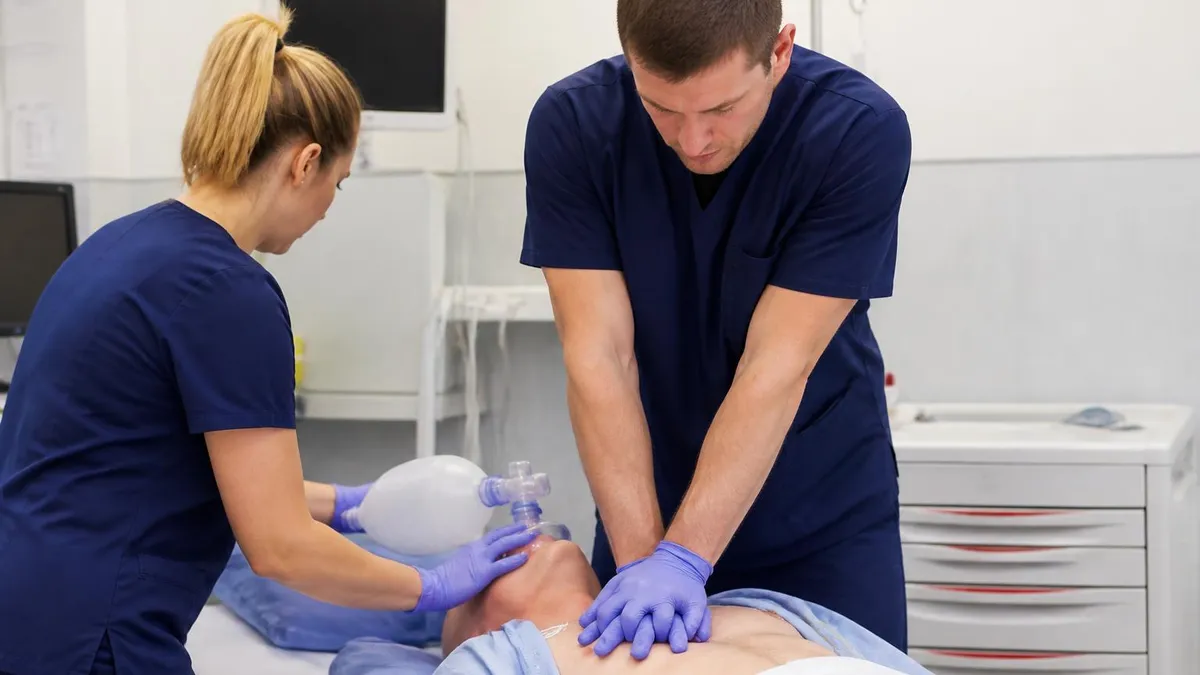
ACLS Study Guide: Complete 2026 Certification Prep with Algorithms, Drugs & Practice Tests
About the Author

Registered Nurse & Healthcare Educator
Johns Hopkins University School of NursingDr. Sarah Mitchell is a board-certified registered nurse with over 15 years of clinical and academic experience. She completed her PhD in Nursing Science at Johns Hopkins University and has taught NCLEX preparation and clinical skills courses for nursing students across the United States. Her research focuses on evidence-based exam preparation strategies for healthcare certification candidates.