
TLC Renewal Course: Complete Guide to Renewing Your NYC For-Hire Driver License
Complete guide to the TLC renewal course for NYC for-hire drivers. Requirements, costs, approved providers, and step-by-step renewal process. 🆕

The TLC renewal course is a mandatory training requirement for every licensed New York City for-hire vehicle driver who wants to keep their license active and continue working legally on the streets of New York.
Whether you drive for Uber, Lyft, a yellow taxi, a black car service, or any other TLC-regulated platform, you must complete an approved defensive driving and driver education refresher before the NYC Taxi and Limousine Commission will process your license renewal. Understanding exactly what this course involves, how long it takes, what it costs, and where to complete it can save you weeks of confusion and keep your income uninterrupted.
New York City's for-hire vehicle industry is one of the most tightly regulated transportation markets in the United States. The TLC oversees more than 80,000 licensed for-hire vehicles and roughly 250,000 active driver licenses at any given time. To maintain these high standards, the Commission requires all active drivers to complete a refresher course every two years as part of the license renewal process. This ongoing education requirement exists because the traffic landscape, consumer protection rules, accessibility regulations, and city ordinances that govern for-hire driving change frequently, and drivers need current knowledge to serve passengers safely and legally.
Many drivers approach renewal season with anxiety, unsure of how far in advance they need to register, which course providers are approved, and whether online or in-person formats are acceptable. The good news is that the TLC has streamlined the renewal process considerably over the past several years. Approved course providers now offer flexible scheduling options including evening classes, weekend sessions, and fully online modules that let you complete the requirement on your own time without sacrificing driving shifts. Costs typically range from around $50 to $150 depending on the provider and format you choose.
The content covered in the renewal course is not just a bureaucratic checkbox — it genuinely updates your professional knowledge. Topics include defensive driving strategies for navigating New York City's dense urban traffic, updated consumer protection requirements, accessibility rules under the Americans with Disabilities Act, environmental regulations affecting vehicle emissions, and first aid procedures you may need in an emergency. The TLC designs course content to reflect real conditions drivers face every day, which means the knowledge you gain translates directly into safer, more compliant service on the road.
Timing your renewal correctly is critical. TLC driver licenses are valid for two years, and you should begin the renewal process at least 90 days before your expiration date to avoid a lapse in authorization. A lapsed license means you cannot legally accept rides on any TLC-regulated platform, and rideshare apps like Uber and Lyft will automatically deactivate your driver account the moment your license expires. Reactivation after a lapse can take weeks and may require additional documentation, so proactive planning is essential for protecting your livelihood.
If you are preparing to renew your license and want to make sure you can pass the renewal knowledge verification component, targeted practice with realistic exam-style questions is the most effective strategy. You can start your preparation right now with a tlc renewal course overview and study resources that mirror the topics covered by approved TLC course providers. Familiarizing yourself with consumer protection standards, defensive driving principles, and TLC regulations before your class will help you absorb the material faster and feel confident throughout the process.
This comprehensive guide walks you through every aspect of the TLC renewal course requirement: who needs to complete it, what topics are covered, which providers are approved, how much it costs, and exactly how to submit your renewal application once you finish. By the end, you will have a clear, actionable roadmap for completing your renewal efficiently and getting back to work without unnecessary delays or complications.
TLC Renewal Course by the Numbers

TLC License Renewal: Step-by-Step Process
Check Your Expiration Date
Register for an Approved Renewal Course
Complete the 6-Hour Defensive Driving Refresher
Gather Your Renewal Documents
Submit Your Renewal Application
Receive Your Renewed License
Understanding what the TLC renewal course actually covers is important both for selecting the right provider and for making sure you are genuinely prepared to apply the material on the road. The curriculum is not arbitrary — it reflects the specific knowledge gaps and compliance failures that TLC inspectors and consumer advocates have identified as real problems among active for-hire drivers in New York City. Every topic in the course connects directly to your daily work experience and your legal obligations as a licensed driver.
Defensive driving is the largest single component of the renewal curriculum, and for good reason. New York City consistently ranks among the most challenging driving environments in the country, with dense pedestrian traffic, unpredictable cyclist behavior, narrow streets, construction zones, and aggressive multi-lane merging situations that drivers in other cities rarely encounter.
The defensive driving module teaches you to anticipate hazards rather than simply react to them, use proper following distances in stop-and-go traffic, manage fatigue during long shifts, and handle adverse weather conditions including ice, heavy rain, and reduced visibility. Instructors use real NYC traffic scenarios to make the material immediately applicable.
Consumer protection rules form the second major pillar of the renewal course. The TLC takes passenger rights very seriously, and violations in this area are among the most common reasons drivers face fines or license suspensions. The course covers your obligation to accept all lawful trip requests without discrimination, the rules around pricing transparency and meter compliance, proper receipt provision, and the procedures for handling passenger complaints. You will also review the TLC's strict policies on conduct, communication, and professionalism, including prohibitions on using a cell phone while driving and requirements around appropriate language and behavior toward passengers.
Accessibility training is a required component that many drivers underestimate in importance. New York City has strong legal requirements around serving passengers with disabilities, including those who use wheelchairs, mobility devices, guide dogs, or other accommodations. The course covers your obligations under both the Americans with Disabilities Act and TLC-specific accessibility rules. You will learn proper procedures for assisting passengers with mobility limitations, how to secure wheelchairs in accessible vehicles, and how to communicate respectfully with passengers who have hearing or vision impairments. Violations of accessibility rules carry significant penalties and are taken extremely seriously by the TLC.
Environmental awareness training reflects the city's growing emphasis on reducing emissions from the for-hire vehicle fleet. NYC has committed to ambitious greenhouse gas reduction targets, and the TLC has implemented regulations around vehicle emissions standards, idling restrictions, and the transition to electric and low-emission vehicles. The renewal course updates drivers on current environmental rules, explains the penalties for excessive idling (which can result in fines of $350 or more for first violations), and provides information about the city's programs to help drivers transition to electric vehicles, including available tax credits and charging infrastructure resources.
First aid and emergency procedures round out the core renewal curriculum. As a professional driver, you may be the first person on scene at an accident or medical emergency involving a passenger.
The course covers basic first aid including CPR overview and bleeding control, how to properly respond to a passenger experiencing a medical crisis in your vehicle, when and how to contact emergency services, and your legal obligations as a professional driver in emergency situations. While the renewal course is not a full CPR certification, it ensures every licensed driver has a working knowledge of emergency response that could save a life.
After completing the course, many drivers find it helpful to reinforce their knowledge with practice questions before submitting their renewal application. A structured review of the key topic areas — particularly consumer protection regulations and defensive driving rules — can significantly boost your confidence and help you identify any areas where your understanding needs reinforcing. The TLC periodically updates its regulations, so even experienced drivers often discover new rules or clarifications during renewal training that change how they approach their day-to-day work.
TLC Renewal Course: Approved Formats & Providers
Online TLC renewal courses have become the most popular option for active drivers because they allow you to complete the required six hours of training without missing driving shifts. TLC-approved online providers offer self-paced modules that you can complete across multiple sessions, meaning you can finish a portion before your morning shift and another portion after you finish driving for the day. Most online courses use a combination of video content, interactive scenarios, and knowledge checks to ensure you are actively engaging with the material rather than simply clicking through slides.
When selecting an online provider, verify that they appear on the current TLC-approved list on nyc.gov before paying any registration fee. Prices for online courses typically range from $50 to $99, making them the most affordable format as well. Upon completion, approved providers will issue a digital certificate that you can immediately download and submit with your renewal application. Be aware that some online courses require you to complete all modules within a set time window after enrollment, so read the provider's terms carefully before registering.

TLC Renewal Course: Online vs. In-Person — What's Better?
- +Online courses allow flexible scheduling so you never miss driving shifts to complete training
- +Self-paced online formats let you learn at your own speed and review difficult material multiple times
- +Online courses typically cost $50–$99, making them the most affordable renewal option
- +Digital certificates are issued immediately after completion and can be uploaded right away
- +In-person classes provide direct instructor access for real-time questions and clarification
- +Classroom settings offer networking opportunities with other NYC drivers who share practical tips
- −Online courses require self-discipline to complete without procrastinating close to the deadline
- −Some online providers have time-limited enrollment windows that can pressure rushed completion
- −Technical issues like browser compatibility or internet outages can interrupt online course progress
- −In-person classes require commuting to a physical location on a fixed schedule that may conflict with shifts
- −In-person formats cost more ($75–$150) and may require taking an entire day off from driving
- −Not all providers offer courses in every language, limiting options for non-English-speaking drivers
TLC Renewal Course Completion Checklist
- ✓Confirm your TLC license expiration date at least 90 days before it occurs
- ✓Verify you are selecting a currently approved provider from the official TLC list on nyc.gov
- ✓Choose your preferred course format — online, in-person, or language-specific session
- ✓Register and pay the course fee, keeping a confirmation email or receipt for your records
- ✓Complete all required course modules or attend all scheduled in-person sessions without skipping
- ✓Pass any knowledge verification or assessment component required by your course provider
- ✓Download or collect your official certificate of completion from the approved provider
- ✓Gather all other renewal documents: DMV license, vehicle insurance, and current TLC license
- ✓Submit your TLC renewal application and pay the renewal fee through the TLC online portal
- ✓Confirm that your rideshare platform accounts reflect your updated license information after approval
Start Your Renewal 90 Days Early — Not 30
Many drivers wait until 30 days before expiration to begin their renewal, only to find that their preferred course provider is fully booked and TLC processing times push their application past the deadline. Starting 90 days early gives you time to choose the best course, complete it without rushing, and submit your application with a comfortable buffer — keeping your license and your rideshare accounts continuously active.
The cost of completing a TLC renewal course is one of the most common concerns drivers raise, especially those who are working variable schedules or managing tight household budgets. The good news is that course costs are regulated to remain accessible, and there are financial assistance programs available for drivers who qualify. Understanding the full cost picture — including course fees, TLC renewal application fees, and any vehicle inspection costs — helps you plan ahead and avoid financial surprises during the renewal period.
Approved renewal course fees range from approximately $50 for basic online offerings to around $150 for comprehensive in-person programs that include additional materials, bilingual instruction, or extended question-and-answer sessions with instructors. Most drivers pay between $75 and $99 for a standard online course. These fees are paid directly to the course provider and are separate from the TLC's own licensing fees. Do not pay for a course from an unapproved provider — you will waste your money and your application will be rejected if the course does not appear on the TLC's approved list.
The TLC's own license renewal fee is currently $252 for most for-hire vehicle driver licenses. This fee is paid directly to the TLC when you submit your renewal application and covers the two-year license period. Some driver categories may have different fee structures, so verify the current fee schedule on the TLC's official website before submitting payment. Credit cards, debit cards, and money orders are typically accepted through the TLC's online portal, and in-person payments can be made at TLC service centers during regular business hours.
Financial assistance is available for some drivers through the NYC Taxi Worker Alliance and other driver advocacy organizations that periodically offer subsidized or free renewal courses for qualifying members. Drivers facing financial hardship should contact these organizations directly to ask about available support. The city has also occasionally offered fee waivers or reduced-cost courses during periods of industry disruption, such as during the COVID-19 pandemic, so it is worth checking current programs if you are facing economic difficulty.
Beyond the direct renewal costs, it is worth factoring in the indirect cost of time spent off the road. An online course that takes six hours to complete represents approximately six hours of lost driving time, which at average NYC for-hire earnings of $20–$35 per hour represents a real financial impact. This is one reason why completing your course well before the expiration deadline makes financial sense — you can spread the time investment across low-demand periods like early mornings or late evenings rather than taking entire days off during peak earning windows.
Tax implications are worth considering as well. Course fees paid to TLC-approved providers are a business expense that self-employed for-hire drivers can deduct on their federal tax returns. Keep all receipts and course completion records as part of your business documentation. If you are unsure about how to handle these deductions, a tax professional familiar with self-employment income and gig economy work can help you maximize your legitimate deductions and reduce your overall tax burden for the year.
Some drivers opt for premium renewal courses that include extra preparation materials, recorded review sessions, or access to practice question banks aligned with TLC regulations. While these add-ons increase the course cost, many drivers find them worthwhile for the additional confidence they provide going into the renewal process. If you are a newer driver with less than five years of experience, investing in a more comprehensive course option can strengthen both your regulatory knowledge and your on-road skills simultaneously.

If your TLC driver license expires before your renewal is processed, you are legally prohibited from accepting any for-hire vehicle trips in New York City. Rideshare platforms including Uber and Lyft will automatically deactivate your driver account on the expiration date, and reactivation after a lapse can take two to six weeks — representing significant lost income. A lapsed license may also require additional documentation and a penalty fee to reinstate. Submit your renewal application well before your expiration date to avoid this outcome.
Avoiding common mistakes during the TLC renewal process can save you weeks of delays, unexpected costs, and significant stress. Drivers who go through the renewal process for the first time — or who have not renewed in several cycles — often encounter the same set of preventable problems. Understanding these pitfalls in advance puts you in a much stronger position to complete your renewal smoothly and without complications.
The single most common mistake drivers make is selecting an unapproved course provider. There are many driving schools and online training platforms that offer courses they describe as TLC-compliant, but that have not actually received official TLC approval. If you complete a course from an unapproved provider, the TLC will not accept your completion certificate, your renewal application will be rejected, and you will need to start over with an approved provider — potentially pushing you past your expiration date. Always verify provider approval status directly on the TLC's official website before registering and paying.
The second most common issue is submitting incomplete or outdated documents with the renewal application. The TLC requires specific documentation at the time of renewal, and requirements do change periodically. Drivers sometimes submit their renewal with an expired vehicle inspection certificate, an outdated insurance declaration, or a course completion certificate from a provider that has since lost its approved status. Download the current renewal checklist from nyc.gov at the time you begin your process — do not rely on documentation requirements from a previous renewal cycle.
Missing the 90-day window before expiration is another mistake that creates serious problems for many drivers. When you wait until the final weeks before your license expires, you may find that course providers are fully booked, the TLC's processing queue is backed up, or that you encounter unexpected documentation issues that delay submission. Drivers who start at least three months early have time to resolve these issues without their license expiring. Set a calendar reminder for 90 days before your expiration date so you do not lose track of the timeline.
Drivers who hold both a TLC driver license and a vehicle license (for taxi medallion owners or vehicle owners operating in the for-hire market) sometimes confuse the renewal requirements for each. Driver licenses and vehicle licenses have different renewal schedules, different fees, and different documentation requirements. Make sure you know which license type you are renewing and that you are following the correct process for that specific license category. The TLC's website provides separate renewal guides for each license type, and TLC customer service can help clarify which requirements apply to your specific situation.
Failing to update your contact information with the TLC before submitting your renewal application is a surprisingly common issue that leads to missed notices and delayed processing. The TLC sends renewal reminders, document requests, and license approval notices to the address and email on file. If you have moved or changed your email address since your last renewal, update your contact information in the TLC portal before submitting your application so that all communications reach you promptly and you do not miss any critical correspondence.
Finally, some drivers make the mistake of not keeping copies of all documents they submit with their renewal application. If there is any dispute or question about your submission, having your own copies of the course completion certificate, insurance documents, and application confirmation gives you the documentation you need to resolve the issue quickly. Store these records both digitally (in a cloud service or email folder) and physically so they are accessible when you need them.
Practical preparation strategies can dramatically improve your renewal experience and help you retain the course content in ways that genuinely benefit your daily driving. Many drivers treat the renewal course as a box to check rather than an opportunity to update their professional knowledge, but the drivers who engage actively with the material tend to have fewer consumer complaints, fewer traffic incidents, and stronger overall performance ratings on rideshare platforms — all of which protect their long-term earning potential.
Before you start your course, spend an hour reviewing the TLC's current rules and regulations on nyc.gov. Regulations around pricing, accessibility accommodations, cell phone use, and passenger conduct have been updated several times in recent years, and knowing which rules are new versus which you already understand well helps you pay closer attention during the parts of the course that contain information you have not encountered before. This pre-review also makes the course content easier to follow because you already have a mental framework for how the material is organized.
Taking notes during the renewal course — even if it is an online self-paced module — significantly improves retention. Research on adult learning consistently shows that writing key points by hand or typing them in a dedicated notes document creates stronger memory traces than passive reading or viewing. Focus your notes on specific rules with numerical thresholds (such as the exact fine amounts for idling violations or the specific distance requirements for following emergency vehicles) because these precise details are the type most likely to appear in any knowledge verification component included in your course.
After completing your course, do not immediately move on to submitting your application without reviewing what you learned. Give yourself 24 to 48 hours and then test your recall on the key topics: what are the major consumer protection requirements? What are your specific obligations when serving passengers with disabilities? What are the current idling restrictions and associated fines? If you find gaps in your recall, go back to your notes or the course materials to reinforce those areas before your certificate expires or before any required knowledge assessment.
Connecting with other drivers who have recently completed the renewal process is one of the most underused preparation strategies available to you. Online forums for NYC for-hire drivers — including Facebook groups, Reddit communities, and platform-specific driver forums — are filled with drivers sharing their recent renewal experiences, recommending specific providers, flagging issues with particular online courses, and sharing tips for navigating the TLC portal. This real-world intelligence from fellow drivers often contains practical insights that no official guide includes.
Managing your schedule strategically around your renewal course completion can protect your income during the renewal period. If you are completing an in-person course, try to schedule it for a day when driving demand is historically lower in your area — typically weekday mornings outside of rush hour periods. This minimizes the income you sacrifice to attend the class. For online courses, use naturally slow periods in your driving schedule (early afternoon on weekdays, the hours immediately before and after lunch) to complete modules rather than using peak earning time on weekend evenings.
After your renewal application is approved and your new license is issued, take a few minutes to update your profile information on every platform you drive for. Uber, Lyft, and other TLC-regulated platforms all require your current license information to be on file, and delays in updating this information can result in temporary account deactivation even after your renewal is approved. Setting a reminder to update your platform profiles the moment you receive your new license number prevents any gap between your TLC approval and your ability to accept rides on all the platforms you use.
TLC Questions and Answers

TLC Application Guide: How to Become a Licensed NYC For-Hire Driver

TLC License: NYC Requirements, Process, and How to Apply
TLC Practice Test PDF (Free Printable 2026)
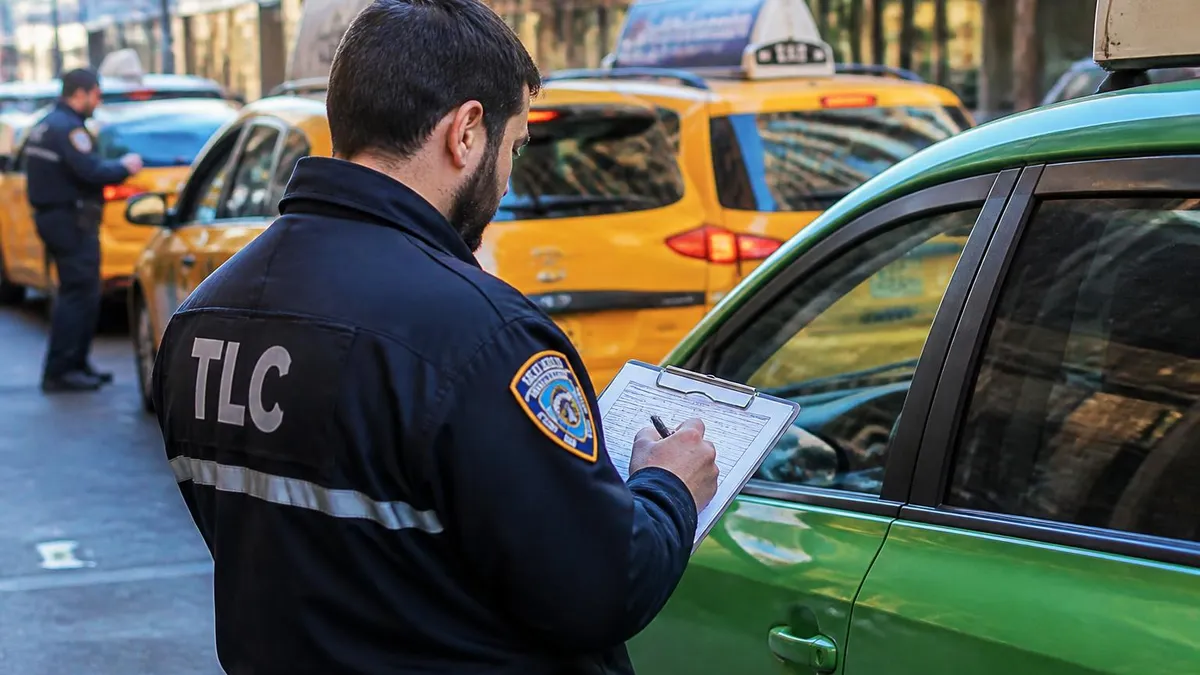
TLC Phone Number: How to Contact the NYC Taxi & Limousine Commission in 2026
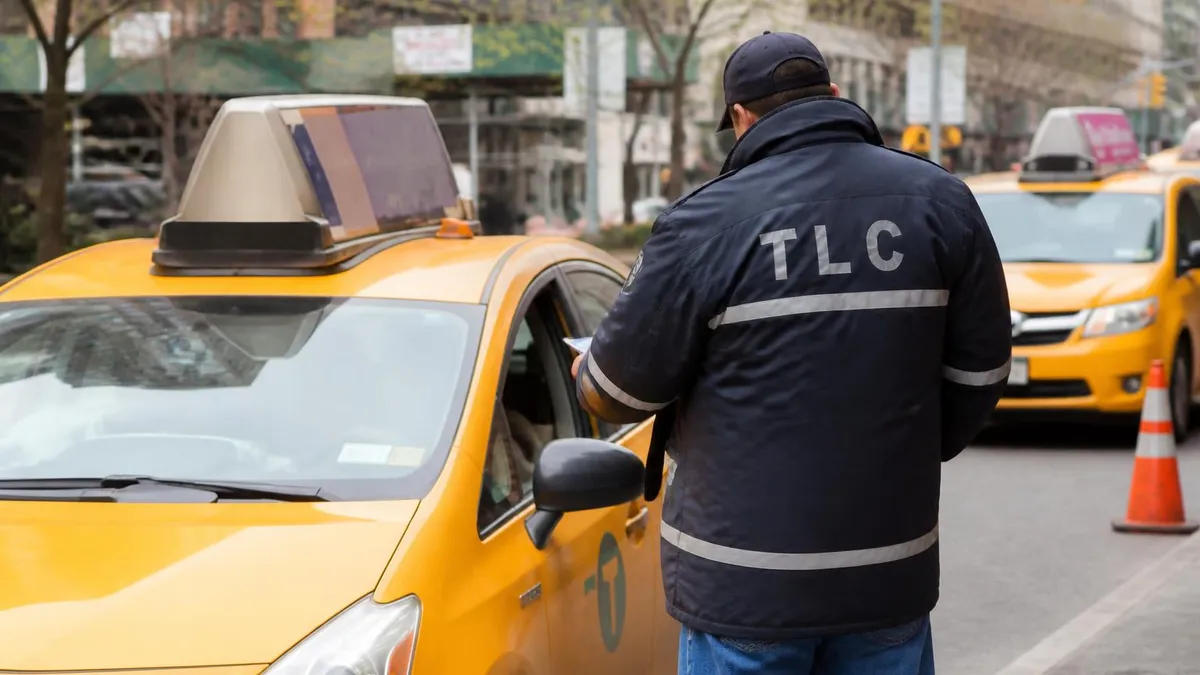
TLC Driver License: Complete Study Guide & Exam Prep for NYC For-Hire Drivers
About the Author

Educational Psychologist & Academic Test Preparation Expert
Columbia University Teachers CollegeDr. Lisa Patel holds a Doctorate in Education from Columbia University Teachers College and has spent 17 years researching standardized test design and academic assessment. She has developed preparation programs for SAT, ACT, GRE, LSAT, UCAT, and numerous professional licensing exams, helping students of all backgrounds achieve their target scores.