
TLC Driver License: Complete Study Guide & Exam Prep for NYC For-Hire Drivers
Everything you need to pass the TLC driver license exam. 💡 Study guides, practice tests, requirements, costs, and step-by-step prep tips for NYC for-hire drivers.
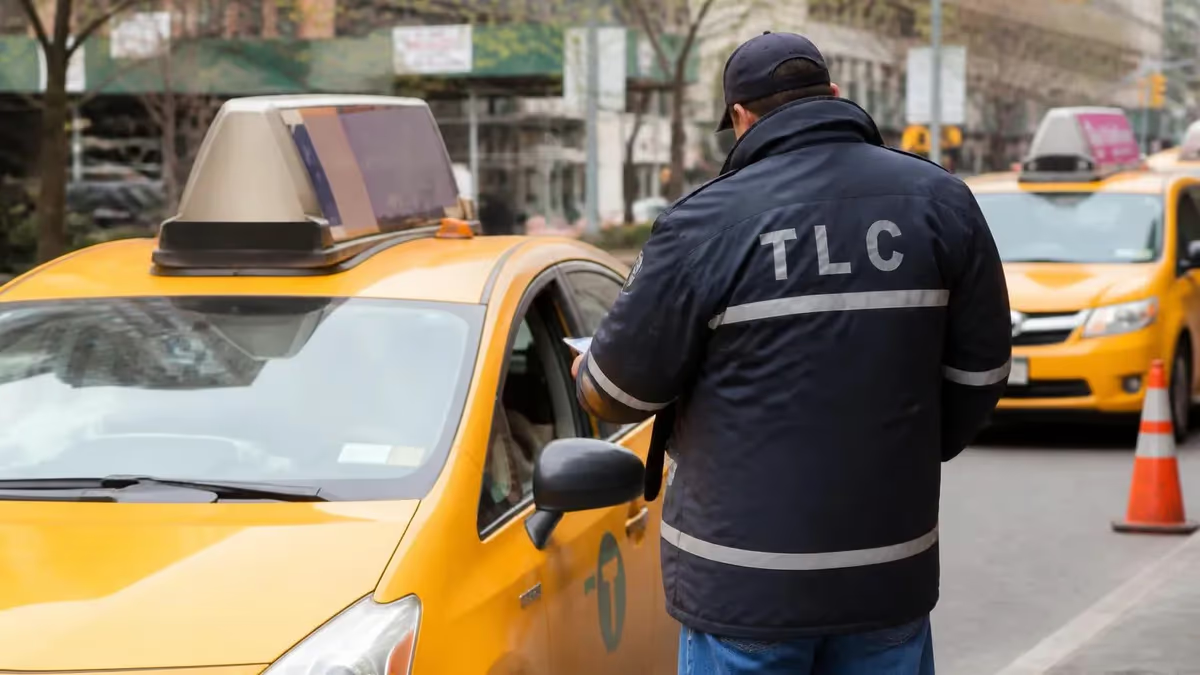
Earning your tlc driver license is the gateway to legally operating a taxi, black car, rideshare, or limousine in New York City. The New York City Taxi and Limousine Commission issues this credential to drivers who meet strict eligibility standards, pass a written knowledge exam, complete defensive driving training, and satisfy background check requirements. Whether you plan to drive for Uber, Lyft, a traditional yellow cab fleet, or a black car service, the TLC license is a non-negotiable requirement before you can accept a single fare on the streets of the five boroughs.
The TLC exam is not a casual DMV-style test. It covers a wide range of topics including NYC geography and navigation, consumer protection regulations, vehicle safety standards, accessibility requirements under the Americans with Disabilities Act, environmental policies, and emergency response procedures. The Commission expects licensed drivers to represent the city professionally, which means the exam is deliberately comprehensive. Many applicants underestimate the depth of knowledge required, which is why a structured study approach is essential rather than simply skimming a rulebook the night before your appointment.
Thousands of drivers attempt the TLC licensing exam every year, and preparation quality is the single biggest predictor of success. Candidates who rely on passive reading alone often find themselves retaking the exam after a first failure, adding weeks of delay and additional fees to their timeline. By contrast, drivers who use practice tests, study the official rule manual in detail, and focus on high-frequency question categories typically pass on their first attempt and begin working far sooner. This guide is designed to give you exactly that kind of structured, efficient preparation path.
Understanding what the exam covers is the first step. The TLC written test draws from the NYC TLC Driver Rule Book, a document that covers everything from how to handle passenger disputes to the proper way to display your hack license in a vehicle. The exam typically contains 80 multiple-choice questions, and you must score at least 70 percent — correctly answering 56 or more questions — to pass. Questions are presented in English, though translation services may be available in certain circumstances. The exam is administered at TLC licensing offices and partner testing centers throughout the city.
Beyond the written exam, the TLC licensing process includes several other requirements that operate in parallel. You must hold a valid New York State driver's license, pass a fingerprint-based background check through the FBI and NYPD, complete an approved defensive driving course, and submit documentation proving your eligibility to work in the United States. The vehicle you intend to drive must also be separately licensed by the TLC, although vehicle licensing is handled through a different process from driver licensing and often involves your fleet or base operator.
The financial side of TLC licensing is another area where preparation matters. Between the application fee, drug testing, medical examination, defensive driving course, and background check costs, the total outlay can easily reach several hundred dollars before you earn your first dollar of income. Knowing these costs upfront and budgeting accordingly prevents unpleasant surprises. This guide covers every cost category in detail so you can plan your finances and timeline from the very first day you decide to pursue a TLC license.
This complete study guide walks you through every stage of the TLC driver license process — from eligibility and application through exam content, study strategies, and practical tips for test day. Use the practice quizzes embedded throughout this page to test your knowledge in real time, identify weak spots, and build the confidence you need to walk into the testing center fully prepared. Let's get started.
TLC Driver License by the Numbers

TLC Exam Study Schedule
- ▸Download and read the official TLC Driver Rule Book (Chapters 1-3)
- ▸Take a baseline practice test to identify weak areas
- ▸Study consumer protection rules and passenger rights
- ▸Review TLC license display and vehicle inspection requirements
- ▸Study all five NYC boroughs, major landmarks, and airports
- ▸Learn bridge and tunnel names, tolls, and locations
- ▸Practice NYC street grid navigation logic
- ▸Complete TLC Navigation & Route Planning practice quizzes
- ▸Study defensive driving techniques and NYC traffic laws
- ▸Review ADA accessibility requirements for for-hire vehicles
- ▸Learn emergency response and first aid protocols
- ▸Complete Defensive Driving and Emergency Procedures practice tests
- ▸Take two full-length timed mock exams under test conditions
- ▸Review all questions answered incorrectly in weeks 1-3
- ▸Confirm your exam appointment date, time, and required documents
- ▸Rest well the night before — avoid last-minute cramming
The TLC written exam tests knowledge across several distinct subject areas, and understanding the weight of each category helps you allocate your study time intelligently. Consumer protection and service quality questions make up a significant portion of the exam. These questions assess whether you understand your obligations to passengers — including non-discrimination policies, fare calculation rules, receipt requirements, accessible vehicle accommodations, and the proper handling of passenger complaints. The TLC takes consumer rights seriously, and the exam reflects that priority with a substantial number of questions in this area.
Navigation and route planning is another heavily tested category. NYC geography is famously complex, and the TLC expects licensed drivers to know the city's major streets, avenues, landmarks, hospitals, airports, bridges, tunnels, and borough boundaries. You don't need to memorize every block, but you should understand the overall grid layout of Manhattan, the major arterials in Brooklyn, Queens, the Bronx, and Staten Island, and how to efficiently route passengers to common destinations including JFK, LaGuardia, Newark Liberty, and the major train stations. Practice with a NYC street map alongside your reading to reinforce spatial memory.
Defensive driving techniques are tested both in the TLC exam and in the mandatory 24-hour defensive driving course you must complete before licensing. The exam questions in this area focus on safe following distances, right-of-way rules, how to handle adverse weather conditions, fatigue management, and how to de-escalate situations involving aggressive drivers or difficult passengers. The TLC has a zero-tolerance approach to reckless driving by licensed drivers, and the exam reflects this by including multiple scenario-based questions about safe driving decisions.
Emergency procedures and first aid knowledge are also tested on the TLC exam. You should know the basic steps of CPR, how to respond to a passenger medical emergency, how to report accidents to the TLC and NYPD, and what constitutes a mandatory accident report. You should also be familiar with what to do if your vehicle is involved in a hit-and-run incident, how to handle a passenger who becomes ill during a trip, and the proper protocols if you witness a crime. These questions are often scenario-based, presenting a situation and asking what the correct driver response would be.
Environmental awareness and conservation topics have gained increasing prominence on the TLC exam in recent years, reflecting the city's push toward greener transportation. Questions in this area cover fuel efficiency practices, idle reduction rules (NYC prohibits vehicle idling for more than one minute in most circumstances), the TLC's green taxi program, and incentives for hybrid and electric for-hire vehicles. Drivers operating in or near school zones, parks, and hospitals face stricter idling restrictions, and the exam tests whether you know these distinctions.
Licensing and registration rules are the backbone of the exam's regulatory content. You must know the difference between a TLC driver license and a TLC vehicle license, the renewal schedules for each, what triggers mandatory license suspension or revocation, how points accumulate on your record, and what administrative hearings at the TLC look like. You should also understand the rules around working for multiple bases, what constitutes unauthorized pick-ups, and the penalties for operating without a valid TLC license. These rules are clearly spelled out in the TLC Driver Rule Book and are highly predictable exam topics.
The most effective study strategy combines careful reading of the official rule book with active recall practice through timed multiple-choice quizzes. Passive reading builds familiarity but not exam-ready retention. Every time you encounter a rule in the book, pause and test yourself: what is the penalty? What are the exceptions? Under what circumstances does this rule apply? This active engagement with the material accelerates retention and helps you recognize the answer patterns that appear on the actual TLC exam.
TLC Exam Study Strategies by Topic
Mastering TLC rules and regulations requires more than memorization — it demands understanding the logic behind each rule. Start by reading the TLC Driver Rule Book from beginning to end at least once before using any practice materials. This gives you a mental framework that makes individual rules easier to remember and apply. Pay special attention to penalty schedules, since the exam frequently asks about the specific fine amounts and suspension durations for common violations like refusing a passenger, operating with a suspended license, or failing to display your hack license properly.
Once you have a baseline understanding, shift to active recall drills. Cover the penalty column of your notes and try to recall the fine from memory, then check yourself. Use flashcard apps or simply write rules on index cards and quiz yourself daily during commute time or breaks. The TLC rules section rewards repetition — the more times you encounter a rule in varied contexts, the more naturally you will recognize the correct answer under exam pressure. Pay special attention to rules about electronic devices, credit card acceptance, and mandatory destinations.
TLC Driver License: Benefits vs. Challenges
- +Legal authorization to earn income as a for-hire driver in the nation's busiest city
- +Access to multiple earning platforms — Uber, Lyft, traditional taxi fleets, black car services
- +TLC license is valid for three years, reducing annual renewal burden
- +NYC's for-hire vehicle market provides flexible scheduling and consistent demand
- +Completing the exam builds genuine professional knowledge that improves driving safety
- +TLC licensure opens doors to higher-earning black car and livery market segments
- −Upfront costs can exceed $500 when including all fees, courses, and documentation
- −The application and background check process can take 4-8 weeks to complete
- −The 80-question written exam requires serious preparation to pass on the first attempt
- −TLC regulations are subject to change, requiring ongoing rule awareness after licensing
- −Failure to maintain compliance risks suspension or revocation of your license
- −The mandatory 24-hour defensive driving course requires a significant time commitment
TLC Driver License Application Checklist
- ✓Obtain a valid New York State driver's license with at least one year of driving history
- ✓Complete an approved 24-hour TLC defensive driving course from a licensed provider
- ✓Schedule and complete a DOT physical examination with a certified medical examiner
- ✓Submit to a fingerprint-based background check through an approved fingerprint vendor
- ✓Complete a drug and alcohol testing program enrollment at an approved collection site
- ✓Gather all required documents: proof of identity, SSN or authorization to work, and DMV records
- ✓Submit your TLC driver license application online through the NYC TLC portal
- ✓Pay the $252 application fee by credit card, money order, or certified check
- ✓Schedule your written exam appointment at a TLC-approved testing center
- ✓Study the TLC Driver Rule Book and complete multiple practice tests before exam day

First-Attempt Passers Spend at Least 20 Hours Studying
Candidates who pass the TLC exam on their first attempt typically report spending 20 or more hours preparing across three to four weeks. The most effective study sessions combine reading the official rule book with immediate practice testing — for every chapter you read, take a 10-15 question quiz on that topic before moving forward. This active learning approach produces dramatically better retention than passive reading alone and is the method recommended by TLC exam prep professionals.
The financial requirements of obtaining a TLC driver license deserve careful planning. The TLC application fee itself is $252 for a new driver license, which covers a three-year licensing period. However, that fee is only one component of the total cost to become a licensed TLC driver. The mandatory defensive driving course from a TLC-approved provider typically costs between $100 and $175 depending on the school and format. In-person courses are available at multiple locations throughout the city, and some providers offer weekend or evening sessions to accommodate applicants who are currently employed in other fields.
The DOT physical examination required for TLC licensing is performed by a certified medical examiner and typically costs between $75 and $150, depending on the provider and your insurance coverage. The physical assesses vision, hearing, blood pressure, and general fitness for professional driving. Conditions that disqualify applicants include uncontrolled diabetes, severe sleep apnea that is not being treated, and certain heart conditions. If you have any ongoing medical conditions, consult with your physician before investing in the application process to confirm you are medically eligible.
Background check and fingerprinting fees add another $85 to $100 to your total cost. The fingerprint-based background check screens for criminal history at both the state and federal level. Certain criminal convictions — particularly violent felonies, sex offenses, and crimes involving dishonesty — can result in disqualification or significant delays in licensing. The TLC evaluates criminal history on a case-by-case basis using a rehabilitation and recency framework, meaning that older convictions with demonstrated rehabilitation may not disqualify an applicant. If you have any prior criminal history, review the TLC's criminal background standards carefully before applying.
Drug testing enrollment through a DOT-compliant consortium or employer program is also required. This typically costs between $50 and $80 for enrollment plus the cost of the initial test, which is around $30 to $50 at most collection sites. After licensing, you will be subject to random drug and alcohol testing as part of the DOT program, and any positive test result can result in immediate suspension of your TLC license. Understanding this ongoing obligation is important — TLC licensing is not just a one-time hurdle but an ongoing professional responsibility.
In total, most applicants spend between $500 and $600 to complete all the requirements for a new TLC driver license when accounting for all fees, courses, and medical testing. This does not include the cost of any vehicle licensing or base affiliation fees that apply if you are purchasing or leasing a vehicle for TLC use. Budget conservatively and have funds ready before you begin the process, since delays caused by incomplete documentation or failed payments add time to your already lengthy application timeline.
One cost-saving strategy many new applicants use is to work with a TLC-affiliated fleet or base operator who may subsidize or advance some licensing costs in exchange for a commitment to drive under their license. Many yellow cab garages, black car bases, and rideshare fleet operators offer this kind of arrangement. While it reduces upfront costs, understand the terms carefully — some arrangements include vehicle lease obligations or minimum hour requirements that can limit your scheduling flexibility. Read any agreement thoroughly before signing and, if possible, have it reviewed by an attorney familiar with NYC for-hire vehicle contracts.
Renewal costs for an existing TLC driver license are lower than initial application costs. The renewal fee is $252 for another three-year term, and you must submit an updated medical examination and remain in good standing with your drug testing consortium. Drivers who have accumulated TLC violations during their license term may face additional scrutiny at renewal. Maintaining a clean record throughout your licensing period is the best investment you can make in ensuring smooth, hassle-free renewals for the life of your driving career.
Your fingerprint-based background check results are only valid for a limited period after submission. If you delay completing other application steps — such as the medical exam or defensive driving course — your background check may expire and require resubmission, adding cost and weeks to your timeline. Complete all components of your application as close together as possible to avoid having any single element expire before the others are finished.
Once you have passed the TLC written exam and your application has been approved, the TLC will issue your driver license — a physical credential that must be displayed in any vehicle you operate for hire in New York City. Your hack license must be in a visible location accessible to passengers, typically mounted in a holder on the dashboard or divider partition. Failing to display your license properly is a violation that can result in fines even if your license is otherwise valid, so take the display requirement seriously from your very first day on the road.
After receiving your TLC driver license, your next step is to affiliate with a licensed TLC base. Every for-hire vehicle trip in NYC must be dispatched through a licensed base — you cannot legally pick up street hails unless you are driving a yellow or green taxi with a separate medallion.
If you are driving for a rideshare platform like Uber or Lyft, those companies operate as licensed TLC bases and handle the affiliation process for you during driver onboarding. If you plan to drive for a traditional black car service or limousine company, contact their dispatch office directly about base affiliation requirements.
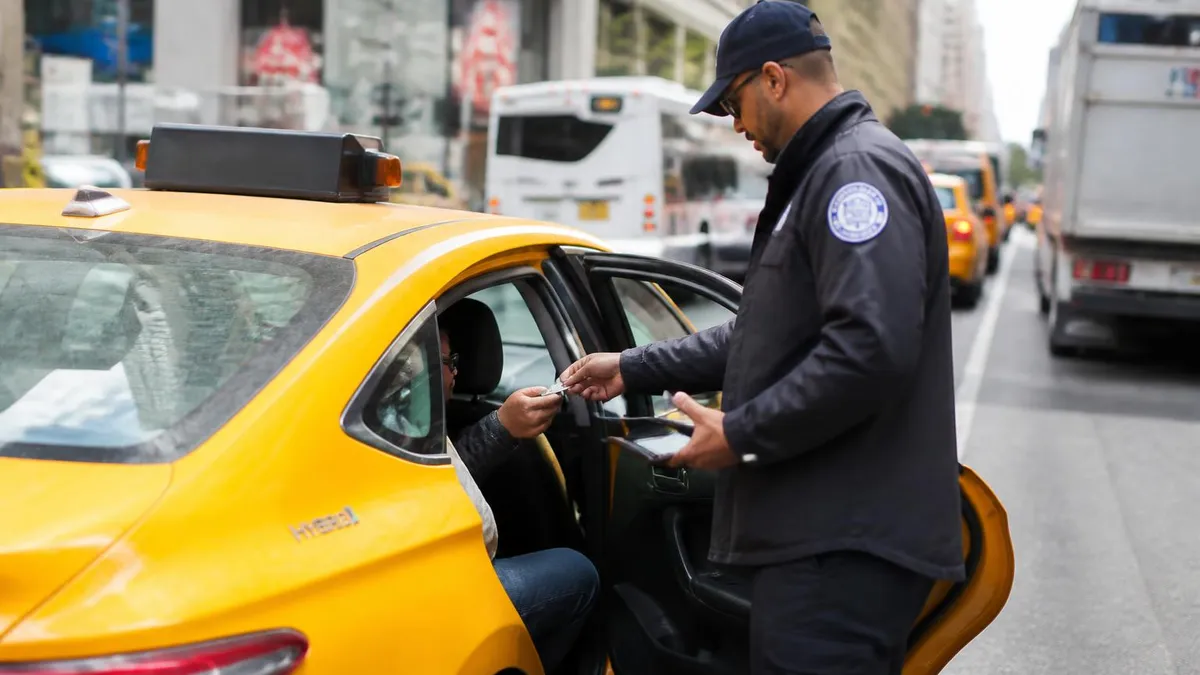
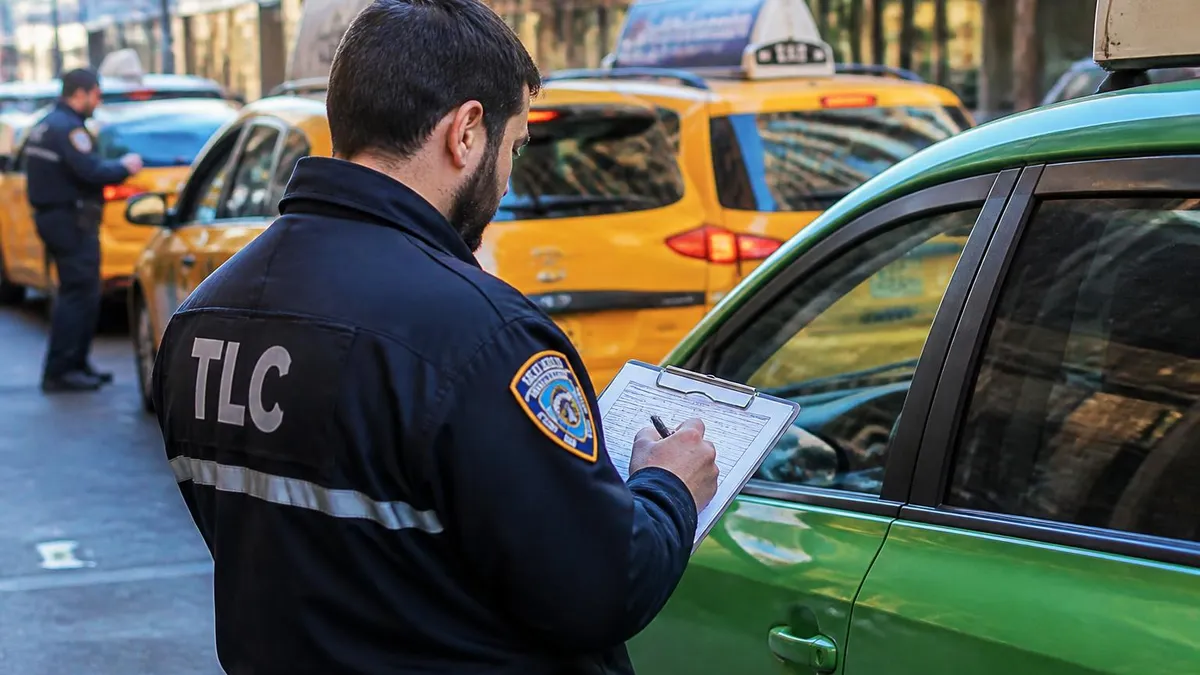
Maintaining your TLC driver license in good standing requires ongoing attention to both driving behavior and administrative compliance. TLC inspectors conduct roadside inspections of for-hire vehicles, and drivers can receive summonses for vehicle condition violations, license display issues, or improper conduct. All TLC violations are adjudicated through the TLC's Office of Administrative Trials and Hearings, and contested hearings can take several weeks to resolve. Paying violations promptly when they are uncontested is generally faster and less expensive than fighting them, but drivers who believe they were wrongly cited have the right to a formal hearing.
Continuing education is not formally required between TLC license renewals, but staying current on rule changes is your personal responsibility. The TLC regularly updates its rules, and ignorance of a rule change is not a defense in an administrative hearing. Subscribe to TLC email updates, periodically review the TLC website for rule amendments, and consider joining a for-hire driver association that distributes regulatory updates to members. The professional for-hire driving community in NYC is active and well-organized, and connecting with other licensed drivers is a valuable ongoing resource.
Insurance is another critical ongoing responsibility. Every TLC-licensed driver must maintain commercial for-hire vehicle insurance at the levels specified by the TLC. Personal auto insurance policies explicitly exclude commercial for-hire use, meaning that if you are involved in an accident while carrying a passenger under a personal policy, the insurer may deny coverage.
If you are driving for a rideshare platform, the platform typically provides commercial insurance during active trips. If you are operating independently through a base, you must secure your own commercial policy, which typically costs between $3,000 and $7,000 per year depending on vehicle type, driving history, and coverage levels.
For those who want to stay ahead of regulatory requirements and continuously improve their professional skills, the TLC offers various voluntary training resources including accessibility sensitivity training, customer service workshops, and map knowledge refreshers. These resources are especially valuable for drivers who operate accessible vehicles under the Accessible Dispatch program, where superior service standards are expected and monitored. Investing in professional development beyond the minimum licensing requirements is one of the clearest ways to differentiate yourself as a top-tier TLC-licensed driver in an increasingly competitive market.
Drivers who maintain clean records, complete renewals on time, and stay current on rule changes build professional reputations that translate into better dispatching priority, higher customer ratings, and access to premium service opportunities. The TLC driver license is more than a legal requirement — it is the foundation of a professional identity in one of the world's most demanding and rewarding urban transportation markets.
Preparing effectively for the TLC written exam on test day requires more than content knowledge — it also requires the right mental and logistical preparation. Arrive at the testing center at least 30 minutes before your scheduled appointment time to allow for check-in procedures, identity verification, and any unexpected delays. Bring two forms of valid photo identification, your appointment confirmation, and any other documents required by the specific testing center. Arriving late to a TLC exam appointment typically results in forfeiture of your testing fee and requires rescheduling, so punctuality is essential.
During the exam itself, read every question completely before selecting an answer. TLC exam questions are often precise, and a single word like "must," "may," or "should" can change the correct answer. If you are unsure about a question, use the process of elimination to remove clearly wrong answers before making your best choice from the remaining options.
Most testing centers allow you to flag questions for review, so mark uncertain questions and return to them after completing the rest of the exam. Spending too long on a single difficult question at the expense of easier questions is one of the most common mistakes test-takers make.
Time management during the exam is important. With 80 questions and a two-hour window, you have approximately 90 seconds per question on average. Most questions should take 30 to 60 seconds, which leaves ample buffer for harder scenario-based questions that require more careful reasoning. Maintain an awareness of your pace throughout the exam — if you find yourself spending more than two minutes on a single question, move on and return to it during your review pass at the end.
The TLC exam is administered on computer at most testing centers, which means you will click to select answers rather than filling in bubbles. If you are not accustomed to computer-based testing, take a moment at the start to familiarize yourself with the interface. Most systems include a timer, a question navigator showing which questions you have answered and which are flagged, and a review function. Use these tools actively rather than passively scrolling through questions in sequence.
After submitting your exam, the testing system typically displays your score immediately. If you have passed, the proctor will provide you with a score report to include with your application materials. If you have not passed, you must wait a specified period before retesting — the TLC imposes a waiting period between attempts to encourage genuine remediation rather than rapid repeated guessing. Use any retesting period productively by focusing your study on the specific topic areas where you missed the most questions, as indicated by your score report's category breakdown.
Practice tests are the single most valuable preparation tool available to TLC exam candidates. They simulate the real exam experience, expose you to the question formats and phrasing that the actual exam uses, and reveal exactly which knowledge gaps need the most attention. Take at least three full-length practice exams under timed conditions before your actual test date.
Review every question you got wrong — not just to learn the right answer, but to understand why the other options were wrong. This deeper understanding of the reasoning behind TLC rules will serve you well both on the exam and throughout your career as a professional driver.
Finally, take care of your physical preparation in the days leading up to your exam. Sleep deprivation significantly impairs both memory recall and reasoning ability — the two cognitive functions most heavily taxed by a multiple-choice knowledge exam. Avoid scheduling your exam after a night shift or during a period of personal stress if possible. Eat a balanced meal before the exam, stay hydrated, and arrive in a calm, focused state. Treating your TLC exam with the same seriousness you would bring to any professional certification exam is the mindset that correlates most strongly with first-attempt success.
TLC Questions and Answers



About the Author

Educational Psychologist & Academic Test Preparation Expert
Columbia University Teachers CollegeDr. Lisa Patel holds a Doctorate in Education from Columbia University Teachers College and has spent 17 years researching standardized test design and academic assessment. She has developed preparation programs for SAT, ACT, GRE, LSAT, UCAT, and numerous professional licensing exams, helping students of all backgrounds achieve their target scores.