

Steamfitter Practice Test
Updated for September 2026Becoming a steamfitter or pipefitter is a challenging but rewarding career choice. These professionals are responsible for installing, maintaining, and repairing piping systems for a variety of applications, such as steam, gas, and water transport. Whether you’re preparing for the Steamfitter Pipefitter Exam or just looking to understand the field better, this guide offers helpful insights to ensure your success.
Steamfitter Practice Test Questions
Prepare for the Steamfitter - Steamfitter Pipefitter Exam exam with our free practice test modules. Each quiz covers key topics to help you pass on your first try.
Steamfitter Credential and Career Applicat...
Steamfitter Exam Questions covering Credential and Career Applications. Master Steamfitter Test concepts for certification prep.
Steamfitter Documentation and Reporting
Free Steamfitter Practice Test featuring Documentation and Reporting. Improve your Steamfitter Exam score with mock test prep.
Steamfitter Environmental Compliance
Steamfitter Mock Exam on Environmental Compliance. Steamfitter Study Guide questions to pass on your first try.
Steamfitter Equipment and Tools Knowledge
Steamfitter Test Prep for Equipment and Tools Knowledge. Practice Steamfitter Quiz questions and boost your score.
Steamfitter Evaluation Overview and Structure
Steamfitter Questions and Answers on Evaluation Overview and Structure. Free Steamfitter practice for exam readiness.
Steamfitter Key Skills and Knowledge Areas
Steamfitter Mock Test covering Key Skills and Knowledge Areas. Online Steamfitter Test practice with instant feedback.
Steamfitter Pipe Systems and Materials
Free Steamfitter Quiz on Pipe Systems and Materials. Steamfitter Exam prep questions with detailed explanations.
Steamfitter Preparation and Study Resources
Steamfitter Practice Questions for Preparation and Study Resources. Build confidence for your Steamfitter certification exam.
Steamfitter Project Planning and Management
Steamfitter Test Online for Project Planning and Management. Free practice with instant results and feedback.
Steamfitter Quality Control Procedures
Steamfitter Study Material on Quality Control Procedures. Prepare effectively with real exam-style questions.
Steamfitter Risk Assessment and Mitigation
Free Steamfitter Test covering Risk Assessment and Mitigation. Practice and track your Steamfitter exam readiness.
Key Takeaways
Free Steamfitter Practice Test Online
- Steamfitter pipefitters work with complex piping systems that transport steam, gases, and liquids across industries.
- Practice exams are crucial for familiarizing yourself with the test format and improving exam performance.
- The primary difference between steamfitters and pipefitters lies in the complexity and application of the systems they work with.
- A combination of apprenticeship, training, and certification is required to enter this field, but it offers diverse career opportunities.
Steamfitter Pipefitter Practice Exams
One of the most effective ways to prepare for the Steamfitter Pipefitter Exam is by practicing with sample exams. Practice tests allow you to familiarize yourself with the exam format and types of questions, ensuring you're ready for the actual test.
Steamfitter Key Concepts
What is the passing score for the Steamfitter exam?
Most Steamfitter exams require 70-75% to pass. Check the official exam guide for exact requirements.
How long is the Steamfitter exam?
The Steamfitter exam typically allows 2-3 hours. Time management is critical for success.
How should I prepare for the Steamfitter exam?
Start with a diagnostic test, create a 4-8 week study plan, and take at least 3 full practice exams.
What topics does the Steamfitter exam cover?
The Steamfitter exam covers multiple domains. Review the official content outline for the complete list.
- ✓Review the official Steamfitter exam content outline
- ✓Take a diagnostic practice test to identify weak areas
- ✓Create a study schedule (4-8 weeks recommended)
- ✓Focus on your weakest domains first
- ✓Complete at least 3 full-length practice exams
- ✓Review all incorrect answers with detailed explanations
- ✓Take a final practice test 1 week before exam day
Why Practice Exams Are Important
- Familiarization with Exam Format: Understanding the structure of the exam will help you manage your time effectively.
- Identify Knowledge Gaps: Practice exams highlight areas where you need to improve your skills or knowledge.
- Test Readiness: Regular practice helps build confidence and ensures you're mentally prepared for exam day.
Where to Find Practice Exams
- Union Apprenticeships and Training Programs: Many unions offer practice exams as part of their training curriculum.
- Trade Schools and Community Colleges: Institutions like NCCER provide certification exam prep and sample tests.
- Online Resources: Websites like Apprenticeship.gov and trade associations often have free practice materials.
What Is a Steamfitter Pipefitter?
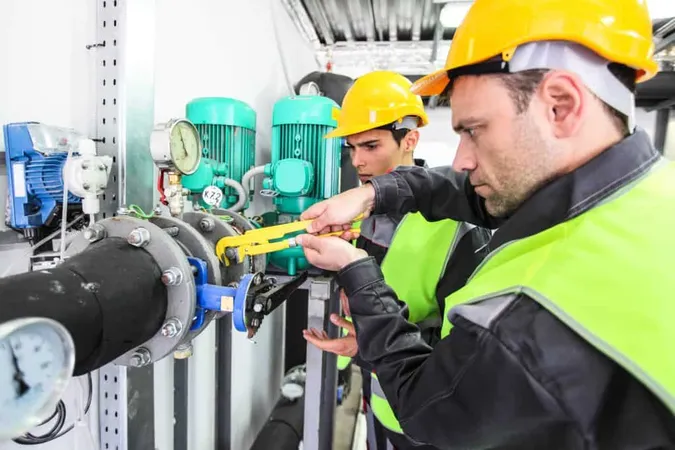
A steamfitter pipefitter is a skilled tradesperson who installs and repairs piping systems that transport various fluids, including steam, water, gases, and chemicals. They work in industries such as construction, energy, and manufacturing, and their expertise is essential for ensuring the safe and efficient operation of complex piping systems.
Core Responsibilities
- Installation of Piping Systems: They install, assemble, and weld pipes according to blueprints and specifications.
- System Maintenance and Repair: Steamfitter pipefitters inspect, troubleshoot, and repair piping systems as needed.
- Compliance with Safety Standards: They ensure their work meets industry regulations and adheres to safety protocols.
Steamfitter pipefitters are crucial to maintaining infrastructure in high-demand industries such as power plants, hospitals, and manufacturing plants.
What Is the Difference Between Steamfitters and Pipefitters?
Though both steamfitters and pipefitters work with piping systems, there are distinct differences in their focus and the type of systems they handle.
Steamfitters
- Specialization: Steamfitters specifically work with high-pressure systems that transport steam, gases, or liquids at elevated temperatures.
- Common Workplaces: They are commonly employed in power plants, industrial facilities, and healthcare institutions where steam systems are vital.
- Expertise: Steamfitters must have a deep understanding of thermal dynamics and the safety protocols associated with high-pressure systems.
Pipefitters
- Focus: Pipefitters install and maintain general-purpose piping systems for liquids, gases, and sometimes low-pressure steam.
- Common Workplaces: Their work is typically seen in construction sites, residential buildings, and commercial facilities.
- Skills: Pipefitters often work with systems that are less complex than steam systems and focus on utility lines and water systems.
Key Differences
- Complexity of Systems: Steamfitters deal with more complex, high-pressure systems, while pipefitters generally work with less intricate systems.
- Industry Applications: Steamfitters usually find work in energy and heavy industries, while pipefitters are more common in residential, commercial, and general industrial sectors.
Understanding these distinctions will help aspiring professionals decide whether they want to focus on steam systems or a broader range of piping applications.
What Does a Steamfitter Pipefitter Do?
The daily responsibilities of a steamfitter pipefitter vary based on the project but generally include the following tasks:
Key Tasks and Responsibilities
- Planning and Design: Reading and interpreting blueprints and technical drawings to plan pipe installations.
- Piping Installation: Cutting, welding, and threading pipes to fit specified designs.
- Testing and Maintenance: Conducting pressure tests and repairs to ensure that systems function properly.
- Collaboration: Working with engineers, architects, and other construction professionals to meet project needs.
Work Environments
Steamfitter pipefitters work in diverse environments, including:
- Industrial Facilities: Power plants, factories, and refineries where complex systems are used.
- Healthcare and Research Institutions: Hospitals and laboratories with intricate piping needs for steam and gases.
- Commercial and Residential Buildings: Installing and maintaining piping systems for heating, cooling, and water supply.

Steamfitter Pipefitter
To become a steamfitter pipefitter, you must undergo comprehensive training and certification. The process typically involves:
Path to Becoming a Steamfitter Pipefitter
- Apprenticeship Programs: Most individuals begin their careers by enrolling in an apprenticeship, which combines classroom instruction with hands-on work experience. Apprenticeships usually last 4-5 years and cover everything from blueprint reading to welding and safety protocols.
- Certification Exam: After completing an apprenticeship, candidates must pass the Steamfitter Pipefitter Exam to become licensed professionals.
- Ongoing Education: Even after certification, steamfitter pipefitters must continue their education to stay current with new techniques, technologies, and safety regulations.
Career Opportunities
Once certified, steamfitter pipefitters can find work in various sectors, such as:
- Energy and Utilities: Power plants and energy companies need steam systems and piping experts.
- Construction and Infrastructure: Building projects often require steamfitters to install complex piping systems.
- Healthcare and Research: Hospitals and laboratories depend on steam systems for sterilization and heating.
Steamfitter pipefitters enjoy stable and rewarding careers with opportunities for advancement and specialization.
- +Industry-recognized credential boosts your resume
- +Higher earning potential (10-20% salary increase on average)
- +Demonstrates commitment to professional development
- +Opens doors to advanced career opportunities
- −Exam preparation requires significant time investment (4-8 weeks)
- −Certification fees can be $100-$400+
- −May require continuing education to maintain
- −Some employers may not require certification
About the Author

Licensed Contractor & Trades Certification Expert
Purdue UniversityMichael Torres earned his Bachelor of Science in Civil Engineering from Purdue University and holds master plumber and general contractor licenses in multiple states. With 18 years of field experience and 8 years teaching apprenticeship programs, he is a trusted resource for tradespeople preparing for journeyman and master-level licensing exams.
Join the Discussion
Connect with other students preparing for this exam. Share tips, ask questions, and get advice from people who have been there.
View discussion (7 replies)