
What Is a Sheriff Deputy? Role, Duties, Salary, and Career Overview 2026 October
What is a deputy sheriff? Learn duties, salary, requirements & how to become one. Full career overview for 2026 October. 🎯

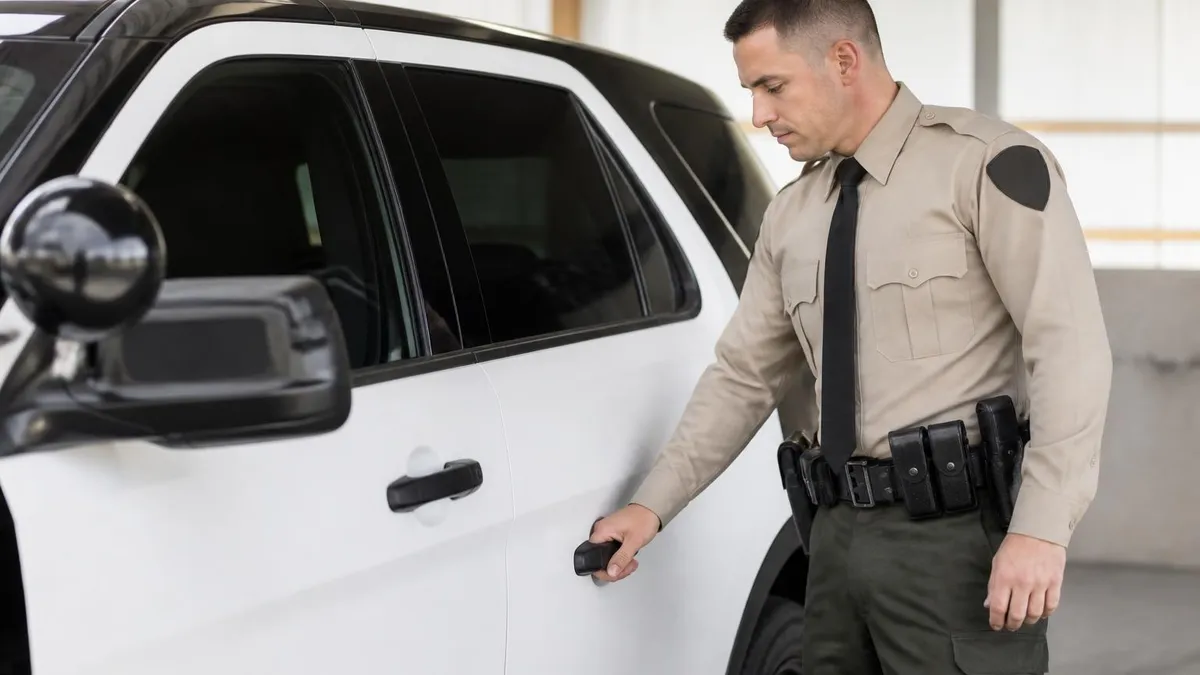
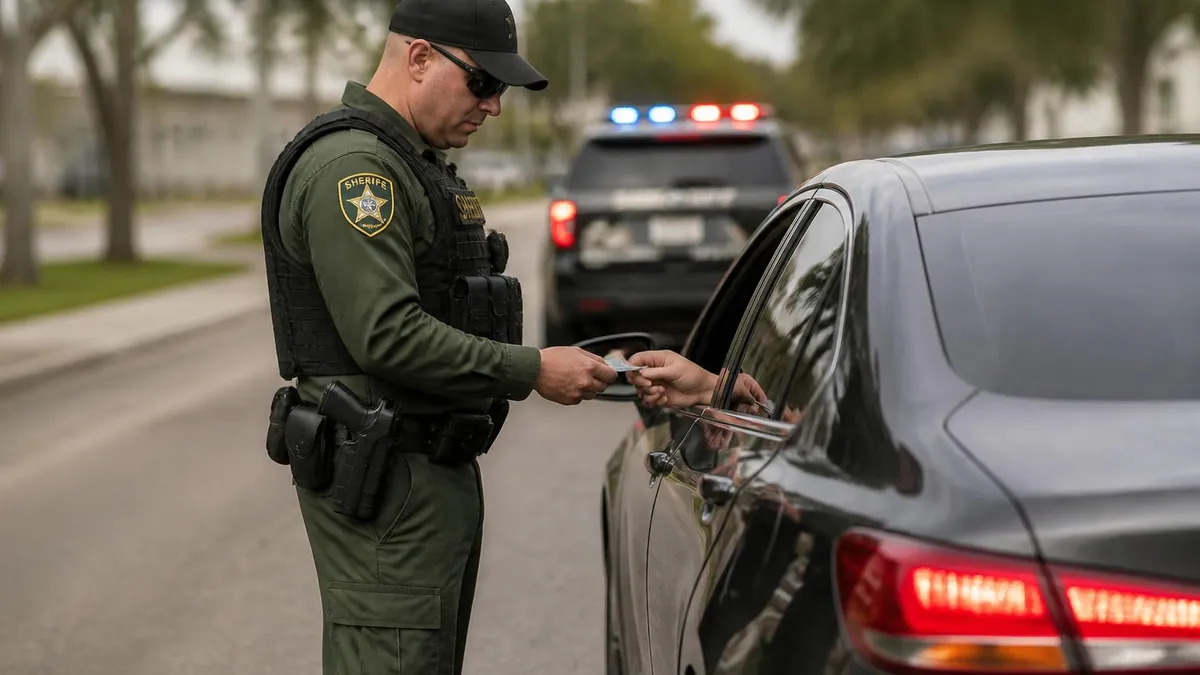
Understanding what is a sheriff deputy is the first step toward a rewarding career in law enforcement. A deputy sheriff is a sworn law enforcement officer appointed by an elected county sheriff to carry out policing and judicial duties within a specific county jurisdiction. Unlike municipal police officers who serve cities and towns, deputy sheriffs hold authority across entire counties, including unincorporated rural areas that may lack local police coverage. Their work spans everything from patrol and criminal investigation to civil process service and courthouse security.
The role of a deputy vs sheriff is a common point of confusion for civilians and aspiring officers alike. While the sheriff is an elected official who administers the department, sets policy, and is ultimately accountable to county voters, a deputy sheriff is an appointed professional who performs the hands-on daily work. Deputies are career law enforcement employees who earn salaries, receive benefits, and build seniority over decades of service. The sheriff, by contrast, may change every four years depending on election outcomes, and in many counties is not required to have prior law enforcement experience.
Deputy sheriffs serve populations ranging from a few thousand rural residents in small counties to millions of suburban and urban residents in large jurisdictions like Los Angeles, Cook, or Harris County. This enormous variation in scale means that the day-to-day responsibilities of a deputy sheriff can look very different depending on where they serve. In a small county, a single deputy may handle traffic stops, domestic calls, serve civil papers, and transport prisoners all in a single shift. In a large metropolitan county, deputies often specialize in patrol, investigations, court services, or corrections as separate assignments.
The distinction between deputy sheriffs and other law enforcement roles matters when planning a career. Municipal police officers derive their authority from city governments and can only act within city limits. State troopers serve statewide highway and rural enforcement missions under executive branch agencies. Federal agents such as FBI or DEA operate under specific federal statutes and generally do not handle routine county crime. Deputy sheriffs occupy a unique middle ground, empowered by state law to operate across entire counties with full peace officer authority, including the power of arrest, search, and use of force within lawful limits.
The public image of the deputy sheriff is shaped heavily by media portrayals that range from rural small-town deputies in dramas to large tactical units in urban counties. The reality is far more nuanced. Most deputies spend the majority of their shifts on patrol, responding to 911 calls, conducting traffic enforcement, and building relationships with community members. A smaller portion work in specialized units including K-9, SWAT, gang enforcement, narcotics, or school resource programs. Correctional deputies manage county jail facilities, overseeing the booking, housing, and release of arrestees awaiting trial or serving short sentences.
Compensation for deputy sheriffs varies widely by state and county. According to Bureau of Labor Statistics data, the national median annual wage for sheriff's deputies and police patrol officers sits near $67,000, though starting salaries in rural counties can begin closer to $40,000 while experienced deputies in high-cost metropolitan counties may earn over $100,000 with overtime and specialty pay. Benefits packages typically include health insurance, pension plans, paid leave, and academy training costs covered by the employing agency. Understanding deputy sheriff salary expectations is essential for anyone evaluating this career path.
Pursuing a career as a deputy sheriff requires meeting rigorous eligibility standards and passing a competitive written examination. Most agencies require candidates to be at least 21 years old, hold a high school diploma or GED, possess a valid driver's license, and have no felony convictions. Many departments now prefer or require college coursework or an associate's or bachelor's degree in criminal justice or a related field. The hiring process typically includes a written exam, physical fitness test, medical examination, psychological evaluation, polygraph, and extensive background investigation before an offer of employment is extended.
Deputy Sheriff by the Numbers

Core Duties and Responsibilities of a Deputy Sheriff
Deputies patrol assigned areas by vehicle, on foot, or on horseback, respond to 911 calls, investigate traffic accidents, make arrests, and maintain visible law enforcement presence across county roads and unincorporated communities.
Deputies gather evidence, interview witnesses, write detailed reports, execute search warrants, and work with prosecutors to build cases on crimes ranging from misdemeanor theft to serious felonies including homicide and sexual assault.
Serving legal documents such as subpoenas, summonses, restraining orders, and eviction notices is a core function. Deputies must locate recipients, follow legal procedures, and document each service attempt accurately for court records.
Many deputies rotate through courthouse security assignments, protecting judges and courtroom participants, and correctional assignments managing county jail populations during booking, housing, classification, and supervised release processes.
Modern sheriff's offices emphasize community policing, requiring deputies to attend neighborhood meetings, work with schools, partner with social service agencies, and build trust with diverse populations to prevent crime proactively.
Becoming a deputy sheriff is a multi-stage process that typically takes between six and eighteen months from initial application to swearing in as a fully certified officer. The journey begins with a written civil service examination designed to measure cognitive abilities, reading comprehension, mathematical reasoning, situational judgment, and sometimes basic law knowledge. Many candidates underestimate the difficulty of this exam. Agencies in competitive urban counties may receive thousands of applicants for a single hiring class, meaning that only those who score near the top of the eligible register will receive invitations to continue.
The written exam is followed by a structured oral interview in which a panel of command staff evaluates communication skills, professionalism, ethics, and problem-solving ability. Candidates who pass the oral board advance to a comprehensive background investigation that typically spans two to four months. Investigators review financial records, driving history, prior employment, social media activity, and conduct interviews with family members, neighbors, and former employers. Even minor red flags such as a history of job-hopping, dishonesty during the process, or financial irresponsibility can disqualify an otherwise strong candidate.
Physical fitness is tested at multiple stages of the hiring process. The Physical Ability Test (PAT) measures aerobic capacity, muscular strength, and job-related agility through events such as a 1.5-mile run, push-ups, sit-ups, an obstacle course, and sometimes a dummy drag simulating the rescue of an incapacitated officer. Candidates must train consistently for months in advance. A medical examination conducted by an agency-approved physician evaluates vision, hearing, cardiovascular health, musculoskeletal condition, and the absence of conditions that would prevent safe performance of law enforcement duties under high physical stress.
Psychological evaluations are conducted by licensed clinical psychologists retained by the agency. These evaluations combine standardized testing instruments such as the MMPI-2 and CPI with a clinical interview to assess emotional stability, stress tolerance, impulse control, integrity, and suitability for a career that involves regular exposure to trauma, conflict, and critical decision-making. Candidates should approach the psychological evaluation honestly, as attempts to present an idealized self-image are typically detected and viewed unfavorably by evaluators experienced in law enforcement screening.
Following conditional job offers, new recruits attend a state-certified law enforcement academy. Academy training programs typically run between 600 and 1,000 hours over four to six months of full-time instruction. Curriculum covers criminal law and procedure, constitutional rights, use of force law and tactics, firearms qualification, defensive tactics, emergency vehicle operations, first aid and CPR, report writing, traffic enforcement, and ethics. Academy recruits are held to strict discipline and attendance standards. Those who fail academic exams, fitness requirements, or behavioral standards face dismissal before graduation.
After graduating from the academy, newly commissioned deputy sheriffs enter a field training program (FTP) that typically lasts 12 to 16 weeks. During FTP, trainees are paired with experienced field training officers (FTOs) who evaluate performance across every aspect of patrol work using standardized daily observation reports. Trainees rotate through multiple FTOs to get diverse perspectives and supervision styles. Probationary periods after FTP completion commonly last one year, during which new deputies can be released from employment for performance deficiencies without the full due process protections that apply to permanent employees.
Continuing education requirements ensure that deputy sheriffs keep their skills and legal knowledge current throughout their careers. Most states mandate annual training hours covering topics such as updated use-of-force law, cultural competency, mental health crisis response, domestic violence protocols, and emerging investigative techniques. Specialized assignments such as detective, K-9 handler, SWAT operator, or school resource officer require additional certification courses beyond basic academy training. Deputies who pursue supervisory roles as corporal, sergeant, or lieutenant must complete leadership and management training programs and pass competitive promotion examinations.
Deputy Sheriff vs. Other Law Enforcement Roles
The most frequently asked comparison is deputy sheriff vs. police officer. Municipal police officers are employed by city or town governments and exercise jurisdiction strictly within those city limits. Deputy sheriffs are employed by county governments and can act across the entire county, including rural and unincorporated areas not covered by city police. In counties where cities have their own departments, deputies and city officers may share overlapping call zones, coordinating through mutual aid agreements during major incidents or when one agency is overwhelmed.
From a career standpoint, both roles offer comparable compensation in most states, though large city police departments in major metropolitan areas sometimes pay higher entry-level salaries than smaller county sheriff's offices in the same region. Sheriff's offices are often praised for broader assignment variety, because a single career may take a deputy through corrections, civil process, patrol, and detective work, while some large city police departments have officers who stay in patrol their entire careers. Both positions require state POST certification and are governed by similar use-of-force standards.

Is a Deputy Sheriff Career Right for You?
- +Broad jurisdiction covering entire counties, including rural areas underserved by city police
- +Diverse assignment rotation through patrol, corrections, investigations, and civil process
- +Strong pension and retirement benefits after 20-25 years of service
- +Job stability with consistent demand across all 50 states
- +Opportunity to work directly in and build ties to your home community
- +Clear promotional pathway from deputy to corporal, sergeant, lieutenant, and captain
- −Starting salaries in rural or small counties can be significantly below national median
- −Rotating shifts including nights, weekends, and holidays are standard throughout a career
- −High exposure to trauma, violence, and emotionally difficult situations on a regular basis
- −Political dynamics tied to elected sheriff leadership can affect departmental culture and stability
- −Physical fitness standards must be maintained throughout the career, not just at hiring
- −Lengthy hiring process of 6-18 months makes career transitions slow and uncertain
Pros and Cons at a Glance
| Pros | Cons |
|---|---|
| Broad jurisdiction covering entire counties, including rural areas underserved by city police | Starting salaries in rural or small counties can be significantly below national median |
| Diverse assignment rotation through patrol, corrections, investigations, and civil process | Rotating shifts including nights, weekends, and holidays are standard throughout a career |
| Opportunity to work directly in and build ties to your home community | High exposure to trauma, violence, and emotionally difficult situations on a regular basis |
| Clear promotional pathway from deputy to corporal, sergeant, lieutenant, and captain | Political dynamics tied to elected sheriff leadership can affect departmental culture and stability |
Deputy Sheriff Exam Preparation Checklist
- ✓Verify all eligibility requirements for your target agency before submitting an application.
- ✓Register for the written civil service examination as soon as the testing window opens.
- ✓Study reading comprehension using law enforcement scenario passages and official bulletins.
- ✓Practice math sections including fractions, percentages, unit conversions, and basic statistics.
- ✓Begin a structured physical fitness training program at least 90 days before the PAT.
- ✓Research the specific oral board format used by your target agency and practice answering behavioral questions using the STAR method.
- ✓Pull your own driving record and credit report to identify any items that require explanation.
- ✓Gather all employment, educational, and residential records covering at least the past ten years for the background investigation.
- ✓Review your social media accounts and remove any content that could reflect negatively on your character or judgment.
- ✓Complete a ride-along with a county deputy sheriff to confirm the career is the right fit before investing months in the process.
Background Investigations Disqualify More Candidates Than Written Exams
Studies of law enforcement hiring pipelines consistently show that the background investigation stage eliminates more applicants than any other hurdle, including the written exam or physical fitness test. Dishonesty during any part of the process, including minor omissions on the personal history questionnaire, is treated as an automatic disqualifier by virtually every sheriff's office in the country. Be thorough, accurate, and forthcoming about all prior history.
Understanding the salary and career growth trajectory for deputy sheriffs is critical for anyone evaluating this profession against other law enforcement options. Nationally, the Bureau of Labor Statistics places the median annual wage for police and sheriff's patrol officers at approximately $67,290 as of the most recent comprehensive survey year, but this figure masks enormous geographic variation.
A first-year deputy in a rural Alabama or Mississippi county might earn $36,000 to $42,000 annually, while an equivalent new hire in Santa Clara County, California or Nassau County, New York could begin at $75,000 or more before overtime and specialty pay are factored in.
Career earnings for deputy sheriffs tend to increase steadily over the first decade of service as officers advance through their agency's pay scale through step increases tied to years of service. Most agencies operate salary schedules that automatically advance deputies one or two pay steps per year until they reach the top of their grade. Promotional examinations create opportunities to jump to higher salary grades by earning ranks such as corporal, sergeant, or detective. Lateral transfers to other agencies may allow experienced deputies to negotiate starting credit for prior service, accelerating their position on the new agency's pay scale.
The deputy sheriff association present in most major counties plays a significant role in determining compensation and working conditions. These labor organizations negotiate collective bargaining agreements covering wages, benefits, working hours, promotional procedures, discipline protocols, and officer safety equipment standards.
In states with strong public sector union laws such as California, New York, Illinois, and New Jersey, deputy sheriff associations have secured compensation packages that include comprehensive health and dental insurance, generous pension plans, paid parental leave, and sometimes take-home vehicle programs. Deputies considering a career in law enforcement should research the strength and track record of the deputy sheriff association in their target county before making a final decision.
Retirement benefits represent one of the most compelling financial advantages of a deputy sheriff career compared to private sector employment. Most county sheriff's offices participate in defined-benefit pension systems that calculate retirement income based on years of service and final or highest average salary.
A typical formula might pay 2.5% to 3% of the final salary multiplied by the number of years served. A deputy who retires after 25 years on a $70,000 final salary would receive $43,750 to $52,500 per year in pension income, often beginning at age 50 or 55 rather than the standard retirement age that private sector workers face.
Beyond base salary and pension, deputy sheriffs receive compensation packages that include paid vacation accruing at two to four weeks per year, sick leave, holidays, health insurance typically with modest employee premium contributions, and often life insurance and disability coverage. Many agencies offer education incentive pay for deputies who complete associate's or bachelor's degrees while employed, adding two to five percent to base salary. Tuition reimbursement programs at some agencies allow deputies to pursue college degrees at public institutions at no personal cost, further enhancing the long-term value of the employment relationship.
Specialization significantly impacts earning potential within a deputy sheriff career. Detectives and investigators in major metropolitan sheriff's offices typically earn 10 to 20 percent above patrol deputy base pay, reflecting the additional skills and experience required for complex criminal casework. SWAT team members receive monthly stipends and often earn overtime for call-outs and training exercises. Forensic specialists, crime scene investigators, and digital evidence examiners with specialized technical credentials may negotiate above-scale salaries. Narcotics officers in some agencies receive federal equitable sharing funds through task force participation that supplement their departmental compensation.
Career longevity and advancement planning are important considerations for those entering this field. Deputies who complete their agencies' supervisory training programs and pass competitive promotional exams can advance from patrol deputy to field sergeant, then to lieutenant overseeing multiple units, captain managing a division, and potentially to undersheriff or chief deputy positions just below the elected sheriff.
These upper-command roles combine six-figure salaries with substantial administrative responsibilities. Some experienced deputies transition mid-career to federal law enforcement positions with agencies such as the U.S. Marshals Service, DEA, or ATF, leveraging their county-level experience for federal opportunities with higher pay and expanded jurisdiction.

Salary figures reported in national surveys and online resources are averages that can differ dramatically from what a specific sheriff's office pays. Before investing significant time in an agency's hiring process, request the current salary schedule directly from the human resources or recruiting unit. Confirm whether cost-of-living adjustments, overtime opportunities, and specialty pay are realistic for the specific unit you expect to be assigned to as a new deputy.
Preparing effectively for the deputy sheriff written examination requires a structured approach that addresses all tested content areas over a sustained study period of at least eight to twelve weeks. Most sheriff's office hiring exams are civil service examinations administered by the county human resources department or a contracted testing company. Common content areas include reading comprehension, written communication, deductive and inductive reasoning, spatial orientation, number series, arithmetic problem solving, and situational judgment. Some agencies add law enforcement-specific sections covering traffic codes, criminal procedure basics, or community policing principles.
Reading comprehension is consistently the largest scored category on sheriff's deputy written exams across most states. These sections present passages drawn from police bulletins, legal statutes, department general orders, or news articles followed by multiple-choice questions testing literal comprehension and inference. The most effective preparation strategy involves reading a wide variety of nonfiction text formats daily, practicing active annotation of key points, and working through timed practice passages to improve both accuracy and reading speed. Candidates who struggle with this section often benefit from reviewing basic grammar and sentence structure to improve their ability to parse complex legal language accurately.
Mathematical reasoning sections on deputy sheriff exams focus on practical applications rather than advanced algebra or calculus. Expect questions involving percentages for calculating things like arrest clearance rates, unit conversions for measuring distances or weights encountered in police work, basic statistics for interpreting crime data, and word problems that embed arithmetic in realistic patrol scenarios. Fractions and ratios appear regularly in questions about evidence distribution or population comparisons. Candidates with test anxiety around math should practice these specific question types under timed conditions starting weeks before the actual exam to build the fluency and confidence needed to perform under pressure.
Situational judgment tests (SJTs) present candidates with realistic law enforcement scenarios and ask them to select the most appropriate response from four or five options. These questions measure ethics, judgment, communication style, adherence to policy, and the ability to de-escalate potentially volatile situations without resorting to unnecessary force. There is rarely a single obviously correct answer — instead, candidates must identify the best response considering all factors including officer safety, community relations, legal constraints, and departmental policy. Studying real use-of-force policies and community policing principles before taking SJT sections significantly improves performance on this category.
Time management during the written exam is a skill that requires specific practice. Many candidates find themselves spending too long on difficult items early in the test, leaving insufficient time for questions later in the booklet that they could answer correctly with adequate time.
The recommended approach is to move at a consistent pace, mark any question that requires more than 60 seconds of thought for review, continue through the exam, and return to flagged items only after completing all straightforward questions. This strategy ensures that you capture every point available on questions within your competency before investing additional time in difficult ones.
Many aspiring deputies find it valuable to connect with resources organized by professional associations and civil service preparation organizations. Knowing what is a deputy sheriff expected to understand on a written exam helps candidates align their study efforts with what actually appears in the testing room.
Practice tests that closely mirror the format, difficulty level, and content distribution of the target agency's actual exam are the single most valuable preparation resource available. Working through hundreds of practice questions under timed conditions produces both content familiarity and the test-taking composure needed to perform at your best on exam day when nerves are naturally elevated.
Oral board preparation deserves as much attention as written exam study. Panel interviewers evaluate communication clarity, professional demeanor, ethical reasoning, and the ability to articulate structured responses under time pressure. Candidates should prepare answers to the most common behavioral interview questions using the Situation-Task-Action-Result (STAR) format, drawing on concrete examples from education, employment, volunteer work, or community involvement.
Common topics include conflict resolution, examples of leadership, experience working with diverse populations, handling ethical dilemmas, and motivation for pursuing a law enforcement career. Recording practice interview responses on video and reviewing them critically is one of the most effective methods for identifying and correcting communication habits before the actual panel evaluation.
High-performance candidates who earn scores in the top tier of the eligible register significantly improve their odds of being called for the subsequent stages of the hiring process. In competitive counties where hundreds of candidates test for a few dozen positions, even one or two additional correct answers on the written exam can mean the difference between receiving an invitation to the oral board and waiting another full testing cycle, which may not open for one to two years.
This reality underscores why thorough, disciplined exam preparation is not optional — it is the first genuine competitive advantage a candidate can build before the process even begins.
The final months before a deputy sheriff exam should involve intensive review of all content areas combined with timed full-length practice tests. Aim to simulate exam conditions as closely as possible: use the same type of pencil or interface required on test day, eliminate distractions, and enforce strict time limits.
After each practice session, review every incorrect answer carefully to identify whether errors stem from content gaps, reading errors, time pressure, or careless mistakes. Each error type requires a different corrective action — content gaps require additional study, reading errors require slowing down on comprehension passages, and time pressure requires more timed practice at a faster target pace.
Physical preparation in the weeks before the exam day matters more than most candidates recognize. Adequate sleep, regular aerobic exercise, and good nutrition in the final two weeks before testing maintain cognitive function, reduce anxiety, and support the ability to sustain concentration through a multi-hour examination.
Candidates who sacrifice sleep to cram the night before typically perform worse than those who review lightly, get a full night's rest, and arrive at the testing site alert and physically comfortable. Test day logistics — arriving early, bringing required identification documents, wearing comfortable clothing — eliminate avoidable stressors that can disrupt performance on questions you actually know the answers to.
Building a support network of other candidates preparing for the same or similar deputy sheriff examinations is a highly effective study strategy that many candidates overlook. Online communities and local study groups allow candidates to share practice resources, discuss difficult question types, compare notes on agency-specific exam formats, and hold each other accountable to consistent preparation schedules.
Experienced deputies willing to serve as informal mentors can provide invaluable perspective on what the academy, field training, and early career assignments are really like beyond the promotional materials distributed by agency recruiters, helping candidates enter the process with realistic expectations that support long-term retention and job satisfaction.
Career longevity in law enforcement requires deliberate attention to personal wellness from the earliest stages of a deputy sheriff's career. Research consistently shows that law enforcement officers face elevated risks of cardiovascular disease, sleep disorders, substance use, and post-traumatic stress disorder compared to the general population.
Agencies increasingly recognize that deputy wellness directly impacts public safety outcomes and are investing in peer support programs, mental health professionals embedded in the organization, and resilience training integrated into academy and in-service curricula. Candidates who enter the career with established healthy habits and strong social support systems are better positioned to sustain the physical and emotional demands of a full 25-year career.
Technology is reshaping the deputy sheriff role in ways that make continuous learning more important than ever. Body-worn cameras are now standard equipment in most agencies, requiring deputies to understand recording policies, evidence management procedures, and the legal implications of camera footage in criminal prosecutions and civil liability claims.
License plate readers, facial recognition databases, predictive policing software, and digital evidence from smartphones and social media are increasingly central to investigations. Deputies who develop proficiency with these tools alongside traditional law enforcement skills position themselves for specialized assignments and supervisory roles that will define modern sheriff's office operations through the 2030s and beyond.
The career of a deputy sheriff remains one of the most meaningful paths available in public service, combining the excitement of emergency response with the deep satisfaction of building genuine relationships in a defined geographic community over the course of a lifetime.
The challenges are real — the hours are difficult, the emotional toll requires active management, and the physical demands never fully disappear — but for individuals drawn to service, leadership, and the protection of their neighbors, the role offers a level of purpose and community connection that few other careers can match. Begin your preparation seriously, use every available study resource, and enter the process with a long-term perspective on the career you are building.
Sample Sheriff - Deputy Sheriff Exam Practice Questions
Try these questions from our free Sheriff - Deputy Sheriff Exam practice tests. The correct answer and an explanation follow each question.
What is the role of a Deputy Sheriff in community policing?
- A. Conducting undercover operations exclusively
- B. Engaging with the community to build trust and address local concerns
- C. Monitoring social media activity for potential threats
- D. Focusing solely on administrative tasks within the Sheriff's Office
Answer: B. Engaging with the community to build trust and address local concerns
In community policing, a Deputy Sheriff's role is to actively engage with the community to build trust and address local concerns. This involves fostering positive relationships, understanding neighborhood issues, and working collaboratively with residents to prevent crime and improve public safety. It moves beyond traditional enforcement to proactive problem-solving and partnership.
You are the first deputy to arrive at the scene of a reported burglary. You see a broken window, the front door is ajar, and you can hear someone crying inside. A neighbor is on the lawn trying to tell you what they saw. Which of the following should be your immediate first priority?
- A. Secure the perimeter of the house with crime scene tape to preserve evidence.
- B. Get a detailed statement from the neighbor who witnessed the event.
- C. Enter the residence cautiously to ensure the safety of any occupants and determine if a suspect is still present.
- D. Immediately begin searching the exterior for footprints and other physical evidence.
Answer: C. Enter the residence cautiously to ensure the safety of any occupants and determine if a suspect is still present.
The hierarchy of priorities at a potential crime scene is: 1) Officer and public safety, 2) Rendering aid to the injured, and 3) Preservation of evidence. Hearing crying from inside indicates a potential victim or suspect may be inside. The deputy's first duty is to address this human safety issue before securing the scene or interviewing witnesses.
A deputy is attempting to arrest a subject who is verbally refusing to comply with commands but is not making any physical threats or movements. What is the most appropriate initial level of force?
- A. Officer presence and verbal commands.
- B. Empty-hand control techniques (e.g., an arm bar).
- C. Deployment of a Taser.
- D. Use of Oleoresin Capsicum (OC) spray.
Answer: A. Officer presence and verbal commands.
The use of force should be proportional to the subject's resistance. For verbal non-compliance, the appropriate response is at the lowest end of the continuum, which includes officer presence and strong verbal commands. Escalating to physical force is not justified at this stage.
A deputy recorded the number of traffic citations issued each day over a five-day work week. The daily totals were 8, 11, 7, 14, and 10. What was the average number of citations issued per day?
- A. 11
- B. 50
- C. 9
- D. 10
Answer: D. 10
To find the average (or mean), you must sum all the values and then divide by the number of values. The sum of the citations is 8 + 11 + 7 + 14 + 10 = 50. There are 5 days (values), so you divide the sum by 5: 50 / 5 = 10. The average number of citations per day was 10.
Sheriff Questions and Answers


About the Author
Law Enforcement Trainer & Civil Service Exam Specialist
John Jay College of Criminal JusticeMarcus B. Thompson earned his Master of Arts in Criminal Justice from John Jay College of Criminal Justice and served 12 years as a law enforcement officer before transitioning to full-time academy instruction. He is a POST-certified instructor who has prepared candidates for police entrance exams, firefighter assessments, and civil service examinations across dozens of agencies.
Join the Discussion
Connect with other students preparing for this exam. Share tips, ask questions, and get advice from people who have been there.
View discussion (7 replies)