
LA Sheriff Deputy: Complete Career, Duties, and Salary Guide 2026 October
💡 Deputy sheriff career guide: LA Sheriff deputy duties, salary, requirements, and how to pass the exam. What is a deputy sheriff? Full breakdown.
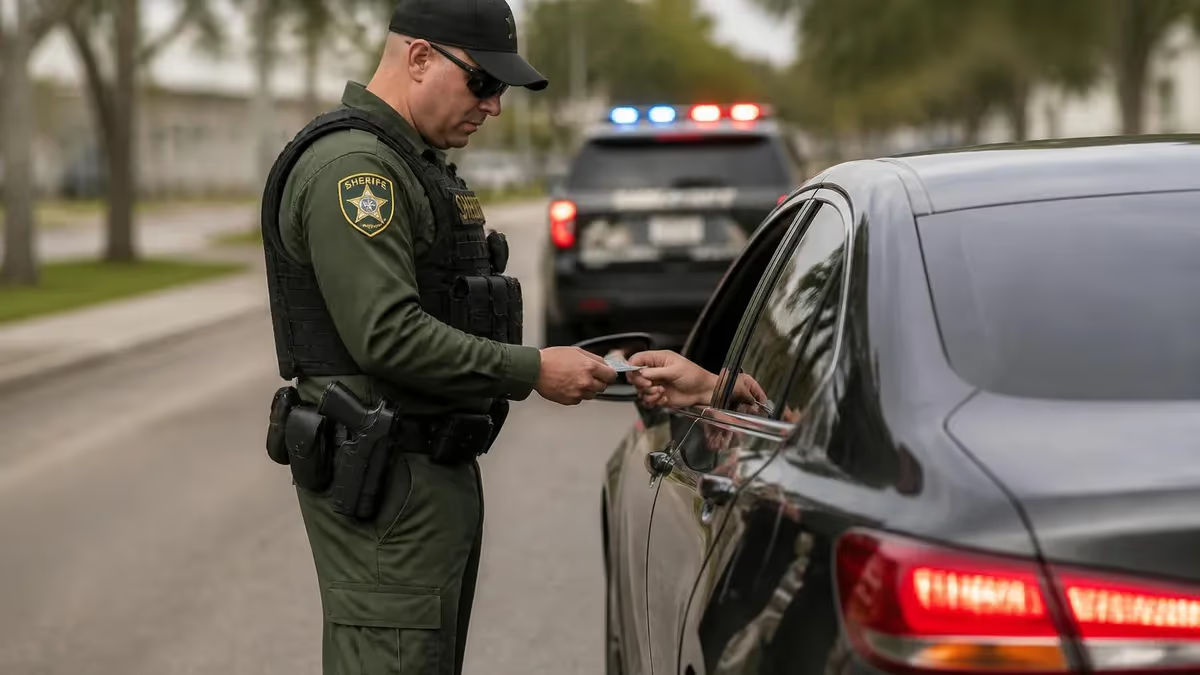
Becoming an LA Sheriff deputy is one of the most pursued law enforcement careers in California, and for good reason. A deputy sheriff with the Los Angeles County Sheriff's Department serves the largest sheriff's organization in the United States, covering nearly 4,100 square miles and serving roughly ten million residents. The role blends patrol work, courtroom security, custody operations, and community engagement into a single, demanding profession. If you are weighing this career path, understanding the daily reality of the badge matters more than the brochure version.
The phrase deputy sheriff appears often, but many applicants still ask what the job actually entails day to day. A sheriff's deputy is a sworn peace officer who enforces state law within a county's jurisdiction, and in Los Angeles County that jurisdiction is enormous. Unlike a city police officer, a deputy sheriff answers to an elected sheriff and carries responsibilities that extend from neighborhood patrol to running one of the largest jail systems on the planet. The variety is genuinely unusual among policing careers.
People frequently confuse the terms, so it helps to clarify the relationship between a sheriff and deputy early. The sheriff is the elected leader of the department; deputy sheriffs are the sworn officers who carry out the department's mission across patrol stations, courts, and custody facilities. Every deputy sheriff in LA County reports up a chain of command that ultimately ends with the sheriff. This structure shapes everything from hiring standards to how assignments rotate over a deputy's career.
The hiring pipeline for an LA Sheriff deputy is competitive and multi-staged. Candidates face a written exam, a physical abilities test, a polygraph, a thorough background investigation, a medical screening, and a psychological evaluation before they ever set foot in the academy. The Sheriff's Training Academy itself runs for several months and is physically and academically rigorous. Many strong candidates wash out simply because they underestimated the preparation required for the written portion and the background check.
Compensation is a major draw. Deputy sheriff salary figures in Los Angeles County rank among the highest in the nation for entry-level law enforcement, with strong overtime opportunities, pension benefits, and a clear promotional ladder. For applicants weighing public service against private-sector pay, the total package, including health coverage and retirement, is frequently more generous than the base figure suggests. We break down real numbers later in this guide so you can plan realistically rather than guess.
This article walks through every part of the journey: what a deputy sheriff does, how the LA hiring process works, what deputy sheriffs earn, the differences between a deputy and a sheriff, and how to prepare for the written exam that gates the entire process. Whether you are a recent graduate, a military veteran, or a career changer, the goal here is to give you an accurate, practical map. By the end you should know exactly what the role demands and where to start your preparation today.
LA Sheriff Deputy by the Numbers
Core LA Sheriff Deputy Duties and Assignments
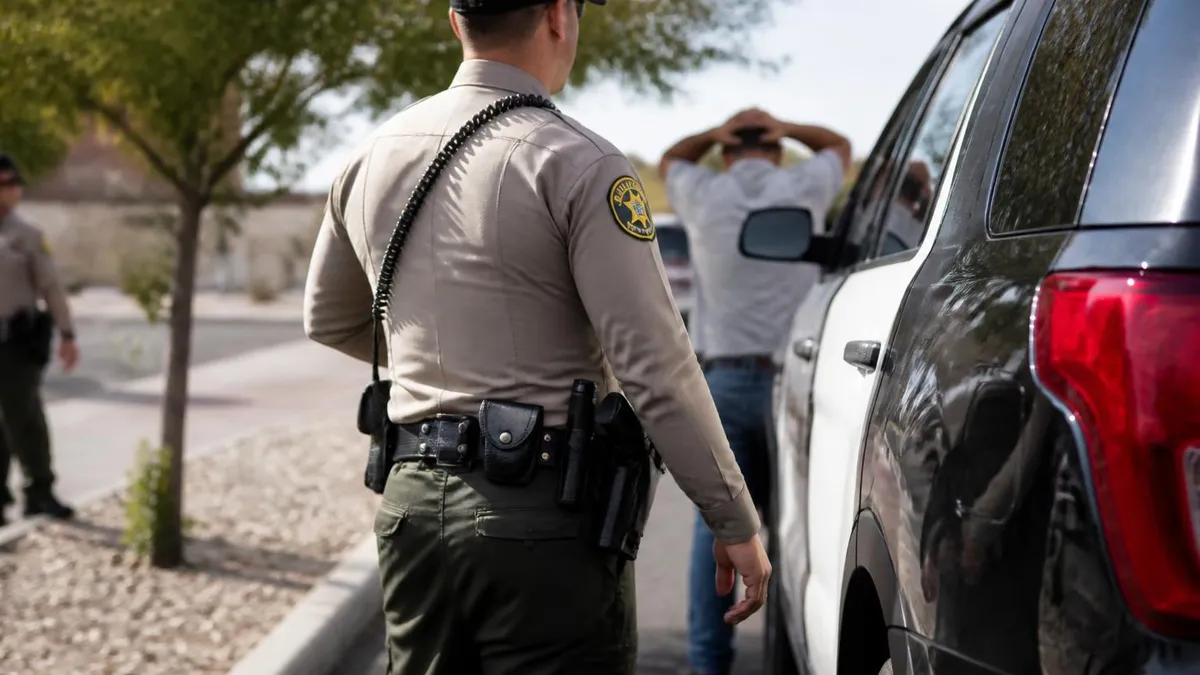
Deputies respond to 911 calls, conduct traffic enforcement, investigate crimes, and provide visible community presence across contract cities and unincorporated areas of LA County.
Many new deputy sheriffs begin their careers staffing county jail facilities, supervising inmates, maintaining safety, and processing bookings within the largest jail system in the United States.
Deputies provide bailiff services, transport in-custody defendants, protect judges and juries, and maintain order inside Los Angeles County courtrooms every business day.
Veteran deputies can pursue K-9, SWAT, narcotics, homicide, aero bureau, and community policing assignments, building specialized skills over a long and varied career.
So what is a deputy sheriff, precisely? A deputy sheriff is a sworn law enforcement officer who derives authority from the office of the elected county sheriff. In Los Angeles County, deputy sheriffs hold full peace officer powers under California Penal Code section 830.1, meaning they can make arrests, carry firearms, conduct investigations, and enforce state law anywhere in the county. The role is functionally similar to a police officer, but the jurisdiction and the reporting structure differ in important ways that affect daily work.
If you want a deeper comparison, our guide on what is a deputy sheriff contrasts the elected sheriff against the deputies who carry out the department's mission. The short version: there is exactly one sheriff per county, elected by voters, while there are thousands of deputies. The sheriff sets policy and bears ultimate political accountability; deputies execute that policy in the field, in the jails, and in the courts. Understanding this hierarchy explains why deputies rotate through such varied assignments over time.
The breadth of the job surprises many applicants. A single deputy sheriff might spend the first phase of a career in custody, transition to patrol, and later specialize in investigations or training. This is different from many municipal police departments where officers patrol from day one. The LA County model deliberately builds custody experience first, on the theory that supervising inmates teaches communication, de-escalation, and report writing skills that transfer directly to street patrol later in a career.
Deputy sheriffs also handle responsibilities that city police rarely touch. They serve civil process, including evictions and court orders, run the county coroner liaison functions in some contexts, and provide security for major county facilities. The civil side of the work is often invisible to the public but represents a real and legally significant part of the sheriff's constitutional mandate. New deputies sometimes underestimate how much paperwork and procedural precision the role genuinely demands every shift.
Community trust is central to the modern deputy sheriff role. Departments increasingly emphasize community policing principles, transparency, and procedural justice. A deputy who can communicate calmly, document accurately, and treat residents with respect is more valuable than one who relies on authority alone. This shift means the written exam and background process screen heavily for judgment, integrity, and reasoning ability, not just physical capability or raw test-taking speed under pressure.
Finally, deputy sheriffs operate within a unionized environment. The deputy sheriffs of LA County are represented in collective bargaining, which shapes pay scales, scheduling, and grievance procedures. Knowing how the association and the department interact helps applicants understand the long-term stability of the career. For most who complete the academy and clear probation, the path offers decades of secure, well-compensated public service with meaningful advancement opportunities at nearly every stage of the journey.
Deputy Sheriff Salary in Los Angeles County
An entry-level deputy sheriff in Los Angeles County typically starts above $76,000 per year in base salary, with figures rising quickly through scheduled step increases. Trainees earn a salary while in the academy, which makes the LA path attractive compared to programs where recruits pay tuition. Within the first few years, total compensation often climbs well past the six-figure mark once overtime is included.
The deputy sheriff salary structure rewards tenure and assignment. Bonuses exist for bilingual ability, custody assignments, night shifts, and specialized certifications. Because demand for staffing is constant, overtime is widely available, and many deputies significantly increase annual earnings through extra shifts. For budgeting purposes, applicants should view the base figure as a floor rather than a realistic estimate of total take-home pay over time.
Deputy vs Sheriff Career: Is It Worth It?
- +High starting deputy sheriff salary with strong overtime potential
- +Defined-benefit pension and comprehensive county benefits
- +Paid academy training rather than out-of-pocket tuition
- +Wide variety of assignments from patrol to specialized units
- +Clear promotional ladder with substantial raises at each rank
- +Job stability backed by a strong deputy sheriffs association
- +Meaningful public service serving ten million county residents
- −Demanding multi-stage hiring process with high washout rates
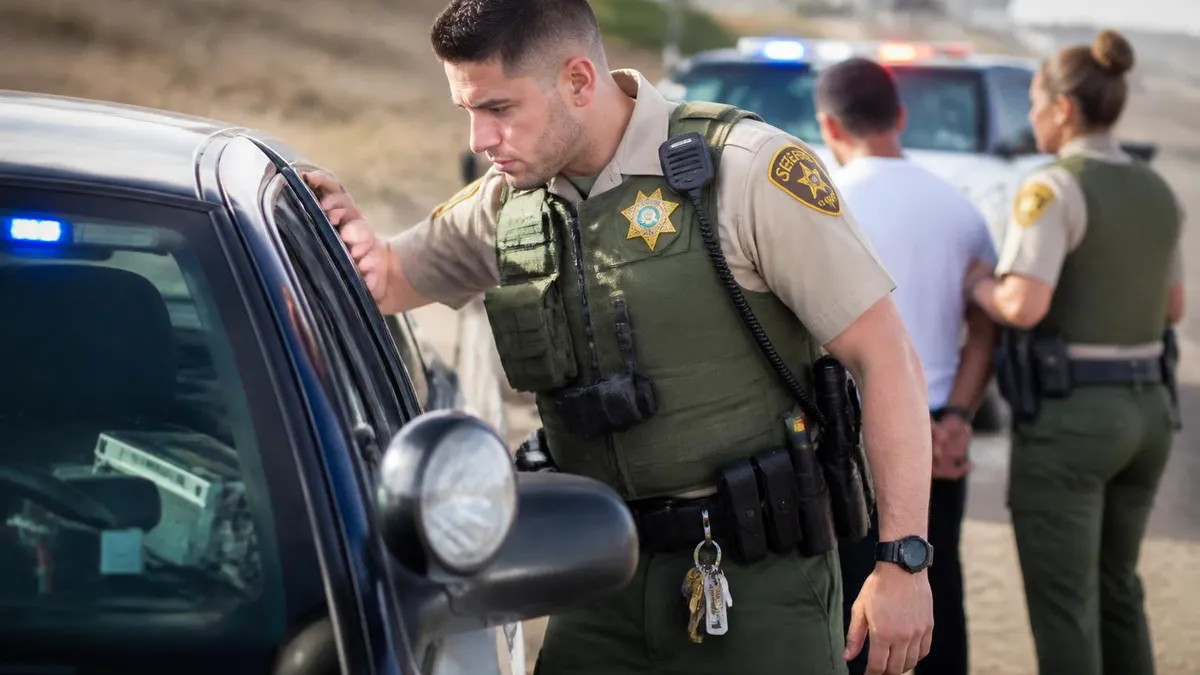
- −Many deputies begin their careers in custody assignments first
- −Shift work including nights, weekends, and holidays
- −Physically and emotionally taxing daily responsibilities
- −Rigorous background investigation and polygraph screening
- −Real personal risk inherent to law enforcement work
Pros and Cons at a Glance
| Pros | Cons |
|---|---|
| High starting deputy sheriff salary with strong overtime potential | Demanding multi-stage hiring process with high washout rates |
| Defined-benefit pension and comprehensive county benefits | Many deputies begin their careers in custody assignments first |
| Paid academy training rather than out-of-pocket tuition | Shift work including nights, weekends, and holidays |
| Wide variety of assignments from patrol to specialized units | Physically and emotionally taxing daily responsibilities |
| Clear promotional ladder with substantial raises at each rank | Rigorous background investigation and polygraph screening |
| Job stability backed by a strong deputy sheriffs association | Real personal risk inherent to law enforcement work |
LA Deputy Sheriff Application Checklist
- ✓Confirm you meet minimum age, citizenship, and education requirements
- ✓Submit your online application through the official department portal
- ✓Register for and pass the written deputy sheriff examination
- ✓Complete the physical abilities and fitness qualification test
- ✓Prepare honestly for the polygraph examination interview
- ✓Gather documents for the thorough background investigation
- ✓Disclose your full employment, residence, and reference history
- ✓Pass the medical examination and required drug screening
- ✓Clear the psychological evaluation with a department clinician
- ✓Receive your conditional offer and academy start date
- ✓Complete several months of Sheriff's Training Academy instruction
- ✓Pass field training and probation to become a full deputy
The background check eliminates more candidates than the written exam
Many applicants focus entirely on the written test and physical, then are surprised when the background investigation ends their candidacy. Be completely honest on every form, keep your financial and driving records clean, and document your history carefully. Investigators are trained to spot inconsistencies, and a small lie sinks more applications than any test score ever does.
The Sheriff's Training Academy is where civilian applicants become sworn deputy sheriffs. The academy runs for roughly twenty-two weeks and combines classroom instruction, physical training, firearms qualification, defensive tactics, and scenario-based learning. Recruits study California law, arrest procedures, report writing, ethics, and community relations. The pace is intentionally demanding, designed to simulate the pressure of real law enforcement work and to weed out those who cannot perform under stress. Graduation is a significant achievement and only the beginning of the career.
Physical fitness is non-negotiable throughout the academy. Recruits complete daily conditioning, timed runs, obstacle courses, and strength assessments. Candidates who arrive already in strong physical shape adapt far better than those who plan to get fit during training. The academy also tests mental resilience: recruits must absorb large volumes of legal material, pass frequent written exams, and demonstrate sound judgment in stressful role-play scenarios that mirror genuine field encounters with the public.
After graduating, new deputy sheriffs typically enter a field or custody assignment under close supervision. This probationary period is critical. A field training officer evaluates the new deputy's decision-making, communication, report accuracy, and adherence to policy. Probation can last roughly a year, and not everyone clears it. Those who do earn full deputy status and the stability that comes with it, including access to the full range of department assignments and promotional opportunities ahead.
The custody-first model shapes many LA careers. Rather than starting on patrol, many deputies spend their initial years working in county jails. While some applicants view this as a drawback, experienced deputies often describe custody work as foundational. Supervising inmates teaches verbal de-escalation, situational awareness, and consistent rule enforcement, all of which translate directly to patrol. The department views this progression as building well-rounded officers rather than rushing untested recruits onto the street prematurely.
Career progression beyond the entry level is genuinely broad. Deputies can pursue patrol, detective work, K-9 handling, search and rescue, aero bureau, motorcycle enforcement, gang and narcotics units, training roles, and more. Each specialized path requires additional training and often a competitive selection process. The sheer size of the department means more internal opportunities than almost any other law enforcement agency in the country, which is a key reason many deputies build entire careers within LA County.
Support structures matter throughout this journey. The deputy sheriffs association advocates for members on pay, working conditions, and legal representation, and peer-support and wellness programs help deputies manage the psychological toll of the work. For context on how county sheriff programs are organized elsewhere, including auxiliary and reserve structures, our deputy sheriff association resource compares how different jurisdictions build and support their deputy ranks across the country today.

The LA Sheriff's Department hires in cycles, and exam slots fill quickly. Certain felony convictions, recent illegal drug use, dishonorable discharges, and serious driving offenses can permanently disqualify candidates. Review the current eligibility standards before applying, and never assume an old issue automatically disqualifies you. When in doubt, ask a recruiter rather than withdrawing prematurely.
The written deputy sheriff exam is the first major hurdle in the hiring process, and it deserves serious preparation. The test evaluates reading comprehension, written communication, basic mathematics, reasoning ability, and judgment in law enforcement scenarios. It is not designed to trick you, but it does require focus, time management, and familiarity with the question formats. Candidates who walk in cold frequently underperform simply because they never practiced under timed conditions before the actual exam day.
Reading comprehension carries significant weight. Deputies must read reports, statutes, and witness statements accurately, so the exam tests your ability to extract facts and draw correct conclusions from dense passages. Practice by reading procedural material and summarizing it quickly. Written communication is equally important: many versions of the test include a writing component evaluating grammar, clarity, and the ability to organize information logically, mirroring the report writing that deputies do daily on the job.
The mathematics section is rarely advanced, but it must be fast and accurate. Expect arithmetic, percentages, basic geometry, and word problems framed around realistic policing situations such as calculating distances, time, or evidence quantities. Brushing up on fundamentals and practicing mental math under time pressure pays off. For deputies, math accuracy matters in the field, where errors in reports or calculations can undermine cases and credibility in court later on.
Reasoning questions assess both deductive and inductive logic. You may be given a set of rules and asked what must be true, or shown a pattern of facts and asked what is most likely. These items predict how well you will apply department policy to ambiguous real-world situations. They reward careful reading and disciplined elimination of wrong answers rather than guessing. Practicing logic puzzles consistently improves both your speed and accuracy noticeably over a few short weeks.
Judgment and situational questions round out the exam. These present a scenario, such as a domestic disturbance or a traffic stop, and ask how a deputy should respond. The best answers reflect de-escalation, safety, legality, and community policing principles rather than aggression or shortcuts. There is rarely a single obvious answer, so understanding the underlying values the department prioritizes is essential to selecting the response evaluators consider correct on the test.
Consistent, structured practice is the difference-maker. Set aside dedicated study blocks over several weeks, take full-length timed practice exams, review every missed question to understand the reasoning, and track your weak areas. Free practice question sets covering laws, math, reasoning, and community policing let you simulate the real test environment. The candidates who pass on the first attempt are almost always those who treated preparation like the serious, multi-week commitment it genuinely is.
With the exam structure understood, the final piece is building a realistic preparation plan. Start at least eight to twelve weeks before your scheduled test date. Cramming rarely works for an exam that measures reasoning and judgment rather than memorized facts. Map out which sections challenge you most, then weight your study time accordingly. A balanced plan touches reading, math, reasoning, and situational judgment every week so no skill area atrophies while you focus elsewhere on weaker areas.
Take a full-length diagnostic practice test first. This baseline tells you exactly where you stand and prevents you from wasting time on areas you have already mastered. Many candidates assume math is their weak point, only to discover that reading speed or situational judgment is actually costing them the most points. Let data, not anxiety, guide your study schedule. Re-test every couple of weeks to measure genuine progress objectively rather than relying on how prepared you merely feel.
Simulate real exam conditions whenever you practice. Sit in a quiet room, use a timer, and complete full sections without pausing. Test-day stress affects performance, and practicing under pressure builds the composure you will need. Avoid checking answers mid-section; instead, review thoroughly afterward. The goal is to train both your knowledge and your stamina, since the written exam can be mentally fatiguing from start to finish if you are not properly conditioned for it.
Review your mistakes deliberately. For every question you miss, identify why: was it a knowledge gap, a misread question, a careless error, or a time crunch? Patterns emerge quickly. If you consistently miss reasoning items, drill logic puzzles. If you stumble on judgment scenarios, study community policing and de-escalation principles until the correct philosophy becomes second nature. This kind of targeted review is far more effective than simply taking more tests without any reflection.
Prepare your body and logistics alongside your mind. Sleep well the week before, especially the night before. Confirm the test location, what identification you need, and what materials are permitted. Arrive early to avoid stress. Eat a steady meal beforehand and bring water if allowed. These small operational details prevent avoidable mistakes that have nothing to do with your knowledge but can still derail an otherwise well-prepared candidate on exam day.
Finally, keep the bigger picture in mind. The written exam is just the first gate. Even as you prepare for it, begin organizing your background documents, maintaining your fitness, and rehearsing how you will speak honestly during the polygraph and interviews. Candidates who treat the entire pipeline as one connected journey, rather than a series of isolated hurdles, move through the process faster and with far less stress. Start your free practice now and build steady momentum toward the badge.
Sample Sheriff - Deputy Sheriff Exam Practice Questions
Try these questions from our free Sheriff - Deputy Sheriff Exam practice tests. The correct answer and an explanation follow each question.
During a lawful custodial arrest, a deputy sheriff may conduct a warrantless search of:
- A. The entire residence where the arrest took place
- B. The person arrested and the area within their immediate control
- C. All vehicles parked within 100 feet of the arrest location
- D. Any containers located anywhere on the premises
Answer: B. The person arrested and the area within their immediate control
A search incident to arrest is limited to the person of the arrestee and the area within their immediate reach, as established in Chimel v. California (1969).
The exclusionary rule, established by the Supreme Court in Mapp v. Ohio (1961), holds that:
- A. Officers may search without a warrant during any felony arrest
- B. Evidence obtained through an unlawful search cannot be used against a defendant in court
- C. Citizens must submit to a search when lawfully requested by police
- D. Search warrants automatically expire after 72 hours
Answer: B. Evidence obtained through an unlawful search cannot be used against a defendant in court
Mapp v. Ohio applied the exclusionary rule to state courts, barring the use of evidence obtained in violation of the Fourth Amendment from being introduced at trial.
At the scene of a convenience store robbery, a deputy notes the following: the clerk states the suspect was tall and wore a red baseball cap; a witness saw a man in a red cap running two blocks away moments later; and shoe prints from a specific brand of athletic shoe are found near the exit. Which of the following is the most logical inductive conclusion from this evidence?
- A. The man seen running two blocks away is definitely the robber.
- B. The convenience store will be robbed again by the same person.
- C. The suspect is likely a tall male who wears a specific brand of athletic shoe and fled wearing a red cap.
- D. The owner of the athletic shoes is guilty of robbery.
Answer: C. The suspect is likely a tall male who wears a specific brand of athletic shoe and fled wearing a red cap.
Inductive reasoning involves synthesizing specific pieces of information into a probable, but not guaranteed, general conclusion. This option combines all the observed facts into a logical and probable description of the suspect. The other answers claim a level of certainty that isn't supported by the evidence (A, D) or make an unsupported prediction (B).
The sentence 'The deputy told the witness that he needed to provide a written statement' is ambiguous. Which of the following revisions is the MOST clear?
- A. The deputy said to the witness, "You need to provide a written statement."
- B. The deputy told the witness that he, the deputy, needed to provide a written statement.
- C. A written statement was needed, the deputy told the witness.
- D. He needed to provide a written statement, according to the deputy's instruction to the witness.
Answer: A. The deputy said to the witness, "You need to provide a written statement."
Option A is the clearest because using a direct quotation eliminates all ambiguity. The original sentence is unclear because the pronoun 'he' could refer to either the deputy or the witness. Options B, C, and D are either still somewhat ambiguous, awkward, or less direct.
Sheriff Questions and Answers
Sheriff vs Police: Differences in Jurisdiction & Authority

How Much Does a Sheriff Make? Real Salary Numbers for 2026
Will County Auxiliary Sheriff: Complete Guide to the Deputy Sheriff Program

Deputy vs Sheriff: What's the Difference Between a Sheriff and a Deputy Sheriff?

How Does a Sheriff Serve Papers? Civil Process, Cost, and What to Expect
About the Author

Law Enforcement Trainer & Civil Service Exam Specialist
John Jay College of Criminal JusticeMarcus B. Thompson earned his Master of Arts in Criminal Justice from John Jay College of Criminal Justice and served 12 years as a law enforcement officer before transitioning to full-time academy instruction. He is a POST-certified instructor who has prepared candidates for police entrance exams, firefighter assessments, and civil service examinations across dozens of agencies.
Join the Discussion
Connect with other students preparing for this exam. Share tips, ask questions, and get advice from people who have been there.
View discussion (7 replies)