
Will County Auxiliary Sheriff: Complete Guide to the Deputy Sheriff Program
Learn about the Will County auxiliary sheriff program, deputy sheriff duties, salary data, requirements, and steps to join this volunteer law ❓
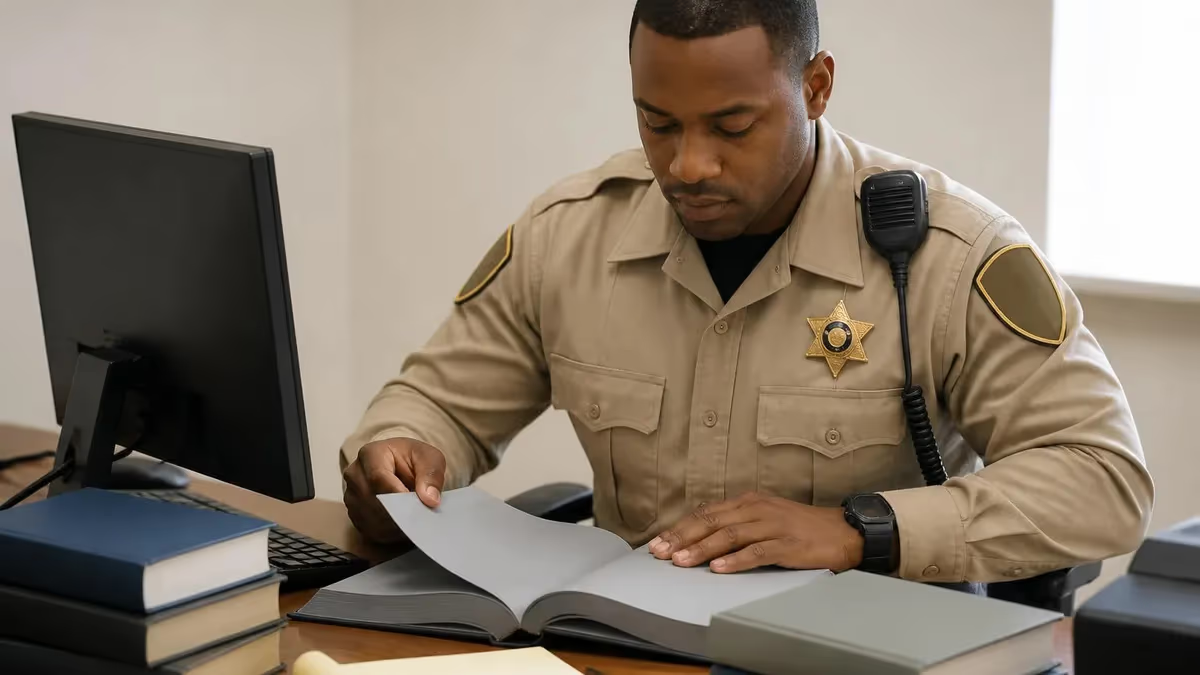
The Will County auxiliary sheriff program represents one of the most respected volunteer law enforcement initiatives in Illinois. Every deputy sheriff who serves in this capacity brings valuable skills and dedication to a county that spans more than eight hundred square miles south of Chicago. Whether you are considering a career as a sheriff deputy or exploring volunteer service opportunities, understanding what the Will County program offers is your essential first step toward meaningful community protection and personal professional development in law enforcement.
Will County, headquartered in Joliet, Illinois, maintains a sheriff's office responsible for patrolling unincorporated areas, managing county jail operations, and executing court orders across one of the fastest-growing counties in the Midwest. The office employs hundreds of sworn deputy sheriffs alongside a dedicated group of auxiliary members who supplement daily operations. This dual structure allows the department to extend its reach into neighborhoods and events that would otherwise lack sufficient law enforcement coverage throughout the entire calendar year.
The concept of an auxiliary deputy sheriff dates back decades in American law enforcement, when rural counties relied on volunteer posses and part-time officers to maintain order across vast territories. Today the role has evolved into a formalized program with structured training curricula, defined responsibilities, and clear chains of command. Will County has embraced this model with particular enthusiasm, maintaining one of the larger auxiliary forces among Illinois counties and setting training standards that rival neighboring jurisdictions in both rigor and overall scope.
What distinguishes the will county auxiliary sheriff role from a full-time sworn position is primarily the employment status and compensation structure. Auxiliary members typically volunteer their time, receiving little or no salary, while full-time sheriff's deputy officers earn competitive wages with comprehensive benefits packages. However, auxiliary officers often carry similar authority during their assigned shifts, wear official department uniforms, and may carry department-issued equipment depending on their training level and the specific deployment policies governing their service.
The growing population in Will County has created increasing demand for law enforcement presence at community events, holiday parades, public festivals, and neighborhood watch programs. Auxiliary deputy sheriffs fill this critical gap effectively by providing uniformed visibility and trained responsiveness without the full budget implications of hiring additional sworn personnel. County administrators have recognized this substantial value repeatedly in budget discussions, noting that the auxiliary program delivers outstanding public safety returns at a fraction of the cost of expanding regular forces.
This comprehensive guide covers everything you need to know about the Will County auxiliary sheriff program, from eligibility requirements and training expectations to daily duties and long-term career advancement possibilities. We examine how the auxiliary role compares to full-time deputy positions, what salary and benefits look like for those who transition to paid status, and what measurable community impact these dedicated volunteer officers deliver across Will County's diverse municipalities and unincorporated territories each year.
Whether you are a retired professional seeking renewed purpose, a college student exploring criminal justice career options, or a community member wanting to contribute directly to neighborhood public safety, the auxiliary sheriff program offers a clearly structured pathway into law enforcement service. Understanding the full scope of this opportunity before applying will help you prepare effectively, set realistic expectations, and position yourself as a strong candidate during the next recruitment cycle.
Will County Deputy Sheriff Program by the Numbers

Will County Auxiliary Sheriff Program Requirements
Applicants must be at least twenty-one years of age, hold United States citizenship, possess a valid Illinois driver's license, and maintain a clean criminal record free of felony convictions. Background checks are thorough and comprehensive.
Candidates complete a fitness assessment including timed cardiovascular runs, push-ups, sit-ups, and flexibility measurements. Standards ensure every auxiliary member can safely perform essential patrol and emergency response duties in the field.
Recruits complete condensed peace officer training covering criminal law, constitutional rights, use-of-force policies, report writing, defensive tactics, handcuffing procedures, radio communication, and scenario-based exercises simulating real field encounters.
Active auxiliary members must contribute sixteen to twenty-four volunteer hours monthly plus attend regular meetings, quarterly refresher training sessions, and annual recertification exercises to maintain their active roster status within the program.
Becoming a Will County auxiliary sheriff requires meeting specific eligibility criteria that mirror many of the standards applied to full-time sworn officers across Illinois. Applicants must be at least twenty-one years of age, hold United States citizenship, possess a valid Illinois driver's license, and maintain a clean criminal record free of felony convictions. The background investigation conducted by the sheriff and deputy recruitment division is exceptionally thorough, examining financial history, employment records, and personal references before any candidate receives conditional acceptance into the program.
Physical fitness standards for auxiliary applicants have tightened considerably over the past decade as departments nationwide recognize that even volunteer officers may encounter dangerous situations requiring stamina and physical strength. Will County expects candidates to pass a basic fitness assessment that typically includes timed runs of one and a half miles, push-ups, sit-ups, and flexibility measurements. While the standards may be slightly less demanding than those required for full-time deputy academy graduates, they still ensure that every auxiliary member can perform essential duties safely.
Training for the auxiliary program generally involves a condensed version of the full peace officer training curriculum mandated by the Illinois Law Enforcement Training and Standards Board. Auxiliary recruits complete extensive classroom instruction covering criminal law, constitutional rights, use-of-force policies, report writing, first aid procedures, and community interaction protocols. Practical exercises include defensive tactics, handcuffing procedures, radio communication drills, and scenario-based training that simulates real encounters auxiliary officers might face during patrol assignments or crowd management operations.
Firearms qualification represents one of the more demanding elements of auxiliary training, as Will County requires any auxiliary member authorized to carry a weapon to demonstrate consistent proficiency at the departmental range under direct supervision. This involves both static and dynamic shooting drills at varying distances, low-light qualification courses, and written examinations covering firearms safety and legal use-of-force standards. Not all auxiliary officers carry firearms, and the department maintains different authorization tiers based on individual training completion levels and ongoing qualification records.
Once accepted and fully trained, auxiliary deputy sheriffs must commit to a minimum number of volunteer hours per month to remain active in the program. Will County typically requires between sixteen and twenty-four hours monthly, though many dedicated auxiliary members far exceed this minimum commitment. Regular attendance at monthly meetings, quarterly training refreshers, and annual recertification exercises is absolutely mandatory. Failure to maintain these participation standards can result in removal from the active roster, though the department generally works with members experiencing temporary scheduling difficulties.
The application process itself usually begins with an online submission or paper application obtained from the Will County Sheriff's Office website or administrative offices located in Joliet. After the initial application review, qualified candidates are invited for written examinations testing reading comprehension, situational judgment, and basic legal knowledge. Successful examinees proceed to oral interviews, physical fitness testing, psychological evaluation, polygraph examination, and comprehensive background investigation before final acceptance into the program.
Many successful auxiliary applicants report that prior military service, emergency medical training, or experience in security-related professional fields gave them a significant advantage during the competitive selection process. While no prior law enforcement experience is formally required, candidates who demonstrate familiarity with chain-of-command structures, disciplined work habits, and genuine community service motivation tend to score considerably higher in oral interviews. College coursework in criminal justice, psychology, or public administration also strengthens applications substantially.
Sheriff Practice Test Questions
Prepare for the Sheriff - Deputy Sheriff Exam exam with our free practice test modules. Each quiz covers key topics to help you pass on your first try.
Sheriff Applicable Laws and Regulations
Sheriff Exam Questions covering Applicable Laws and Regulations. Master Sheriff Test concepts for certification prep.
Sheriff Basic Mathematics Application
Free Sheriff Practice Test featuring Basic Mathematics Application. Improve your Sheriff Exam score with mock test prep.
Sheriff Community Policing Principles
Sheriff Mock Exam on Community Policing Principles. Sheriff Study Guide questions to pass on your first try.
Sheriff Correctional Officer Practices
Sheriff Test Prep for Correctional Officer Practices. Practice Sheriff Quiz questions and boost your score.
Sheriff Criminal Investigation Procedures
Sheriff Questions and Answers on Criminal Investigation Procedures. Free Sheriff practice for exam readiness.
Sheriff Deductive and Inductive Reasoning
Sheriff Mock Test covering Deductive and Inductive Reasoning. Online Sheriff Test practice with instant feedback.
Sheriff Evidence Collection and Preservation
Free Sheriff Quiz on Evidence Collection and Preservation. Sheriff Exam prep questions with detailed explanations.
Sheriff First Aid and Emergency Response
Sheriff Practice Questions for First Aid and Emergency Response. Build confidence for your Sheriff certification exam.
Sheriff Observation and Memory Recall
Sheriff Test Online for Observation and Memory Recall. Free practice with instant results and feedback.
Sheriff Officer Duties and Responsibilities
Sheriff Study Material on Officer Duties and Responsibilities. Prepare effectively with real exam-style questions.
Sheriff Patrol Procedures and Techniques
Free Sheriff Test covering Patrol Procedures and Techniques. Practice and track your Sheriff exam readiness.
Sheriff Professional Ethics and Situationa...
Sheriff Exam Questions covering Professional Ethics and Situational Judgment. Master Sheriff Test concepts for certification prep.
Sheriff Reading Comprehension Skills
Free Sheriff Practice Test featuring Reading Comprehension Skills. Improve your Sheriff Exam score with mock test prep.
Sheriff Report Writing and Grammar
Sheriff Mock Exam on Report Writing and Grammar. Sheriff Study Guide questions to pass on your first try.
Sheriff Report Writing and Written Communi...
Sheriff Test Prep for Report Writing and Written Communication. Practice Sheriff Quiz questions and boost your score.
Sheriff Situational Judgment Scenarios
Sheriff Questions and Answers on Situational Judgment Scenarios. Free Sheriff practice for exam readiness.
Understanding the Deputy vs Sheriff Role Differences
The distinction between a deputy and a sheriff centers primarily on how each position is obtained and the scope of authority each carries. A sheriff is an elected official who serves as the chief law enforcement officer for an entire county, responsible for setting departmental policy, managing budgets, overseeing jail operations, and representing the office publicly. The sheriff answers directly to county voters and serves fixed terms typically lasting four years before standing for reelection in competitive political races.
A deputy sheriff, by contrast, is an appointed officer who serves at the pleasure of the elected sheriff and carries out the day-to-day enforcement, patrol, and investigative duties that keep communities safe. Deputies are hired through competitive civil service processes, complete rigorous academy training, and advance through merit-based promotional systems. While the sheriff sets overall direction and policy priorities, deputy sheriffs perform the actual fieldwork including responding to emergency calls, conducting traffic stops, investigating crimes, and executing court-ordered warrants throughout their assigned jurisdictions.
Auxiliary Deputy Sheriff Service: Advantages and Challenges
- +Gain hands-on law enforcement experience without committing to a full-time career immediately
- +Build professional connections with active deputies who can mentor your career development
- +Receive formal training in criminal law, defensive tactics, and emergency response at no personal cost
- +Serve your local Will County community directly through visible patrol and event security assignments
- +Gain significant preference when applying for competitive full-time deputy sheriff positions later
- +Develop transferable skills including report writing, radio communication, and conflict resolution
- −No regular salary or comprehensive benefits package for volunteer auxiliary members
- −Monthly volunteer hour requirements can conflict with primary employment and family obligations
- −Physical fitness standards must be maintained continuously through annual recertification testing
- −Limited authority compared to full-time sworn deputies in certain high-risk operational situations
- −Equipment and uniform costs may require personal out-of-pocket investment for certain items
- −Exposure to potentially dangerous situations including confrontations and emergency response calls
Pros and Cons at a Glance
| Pros | Cons |
|---|---|
| Gain hands-on law enforcement experience without committing to a full-time career immediately | No regular salary or comprehensive benefits package for volunteer auxiliary members |
| Build professional connections with active deputies who can mentor your career development | Monthly volunteer hour requirements can conflict with primary employment and family obligations |
| Receive formal training in criminal law, defensive tactics, and emergency response at no personal cost | Physical fitness standards must be maintained continuously through annual recertification testing |
| Serve your local Will County community directly through visible patrol and event security assignments | Limited authority compared to full-time sworn deputies in certain high-risk operational situations |
| Gain significant preference when applying for competitive full-time deputy sheriff positions later | Equipment and uniform costs may require personal out-of-pocket investment for certain items |
| Develop transferable skills including report writing, radio communication, and conflict resolution | Exposure to potentially dangerous situations including confrontations and emergency response calls |

Deputy Sheriff Application Preparation Checklist
- ✓Verify you meet the minimum age requirement of twenty-one years for Will County auxiliary applications.
- ✓Obtain a certified copy of your birth certificate or proof of United States citizenship documentation.
- ✓Request your complete driving record from the Illinois Secretary of State to review for disqualifying violations.
- ✓Complete a personal financial review and address any outstanding debts or collection accounts proactively.
- ✓Audit all social media accounts and remove content that could reflect poorly during background investigation.
- ✓Begin a structured cardiovascular and strength training program at least twelve weeks before fitness testing.
- ✓Enroll in a basic criminal justice course or complete online legal studies to build foundational knowledge.
- ✓Compile a list of five to eight personal and professional references who can speak to your character.
- ✓Schedule and complete any required medical examinations or vision tests before the application deadline.
- ✓Practice situational judgment and oral interview questions with a partner to build confident responses.
Auxiliary Service Creates a Proven Path to Full-Time Careers
Data from Illinois sheriff departments consistently shows that auxiliary members who apply for full-time sworn deputy positions are accepted at significantly higher rates than general public applicants. Will County hiring boards recognize the value of candidates who already understand departmental culture, have completed relevant training, and have demonstrated sustained commitment through hundreds of volunteer service hours over multiple years.
The daily responsibilities of a Will County auxiliary sheriff vary considerably depending on assignment type, seasonal demands, and current departmental priorities across the county's expansive territory. During routine patrol shifts, auxiliary deputies may ride alongside full-time officers, providing additional observation and communication support while learning the geography and demographics of their assigned patrol districts. These ride-along assignments serve a dual purpose, giving the auxiliary member practical field experience while effectively doubling the observation capability available to the primary patrol officer covering a large response area.
Community events represent some of the most visible and impactful assignments for auxiliary deputy sheriffs throughout Will County each year. From the annual Joliet Blues Festival to Fourth of July celebrations, high school football games, and holiday parades across multiple municipalities, auxiliary officers provide crowd management, parking direction, perimeter security, and emergency response coordination. Their uniformed presence reassures event attendees and deters potential criminal activity, while their professional training enables them to respond effectively to medical emergencies, missing children reports, and disturbance situations.
Court security and prisoner transport represent additional duty areas where trained auxiliary members occasionally assist, though these assignments typically require higher authorization levels and additional specialized training beyond the basic auxiliary curriculum. Will County operates one of the busiest courthouses in Illinois, and supplementing the regular courthouse security staff with qualified auxiliary officers during peak trial periods or high-profile cases helps maintain rigorous safety standards. Similarly, auxiliary participation in non-violent prisoner transport between facilities frees full-time deputies for critical patrol functions.
Traffic control and accident scene management form another core function for auxiliary officers, particularly during severe weather events, major road construction projects, and holiday travel periods when Will County's extensive highway network experiences elevated congestion and crash rates. Auxiliary deputies receive specific training in traffic direction techniques, flare placement protocols, vehicle extraction awareness, and scene preservation for accident investigation purposes. Their ability to manage secondary traffic scenes while full-time deputies handle primary accident investigation significantly improves overall departmental response efficiency across the county.
The community policing dimension of auxiliary service cannot be overstated, as these volunteer officers often develop deeper neighborhood relationships than full-time deputies who rotate through multiple districts on varying schedules. Auxiliary members frequently live in the same communities they serve, attend local religious services, shop at neighborhood businesses, and participate in school functions alongside the residents they protect. This embedded community presence builds trust, generates valuable intelligence about emerging neighborhood problems, and creates informal communication channels that benefit the entire sheriff's department and its broader public safety mission.
Incidents across the nation, such as when a pima county sheriff's deputy shot and killed an armed man during a volatile confrontation, underscore the genuine dangers that all law enforcement personnel face, including auxiliary volunteers. Will County provides critical scenario-based training that prepares auxiliary members for high-stress encounters, teaching de-escalation techniques, tactical communication strategies, and appropriate use-of-force decision-making frameworks. Understanding these risks and receiving proper preparation ensures that auxiliary deputies can protect both themselves and the communities they serve effectively.
Administrative support roles also exist within the auxiliary program for members whose physical limitations may prevent regular patrol assignment but whose professional skills in areas like information technology, accounting, public relations, or legal research provide substantial behind-the-scenes value to departmental operations. These auxiliary members might assist with database management, community newsletter production, social media outreach campaigns, or grant application research. Will County has increasingly recognized that effective modern law enforcement requires diverse skill sets extending well beyond traditional patrol activities.
Will County auxiliary sheriff recruitment cycles typically open only once or twice per year with strict application deadlines. Missing the submission window means waiting an additional six to twelve months for the next opportunity. Verify current deadlines directly with the Will County Sheriff's Office in Joliet, and ensure all required documentation including background authorization forms, medical clearances, and reference lists are complete before the posted closing date to avoid automatic disqualification.
Understanding the compensation structure for Will County law enforcement requires clearly distinguishing between auxiliary volunteer positions and full-time sworn deputy sheriff association career tracks with their respective pay scales. Auxiliary members typically receive no regular salary, though some departments provide small stipends, uniform allowances, or per-event compensation for extended special assignments. Full-time deputy sheriffs in Will County earn competitive salaries that generally range from approximately fifty-five thousand to eighty-five thousand dollars annually, depending on rank, years of service, and specialized assignment premiums.
Benefits packages for full-time deputy sheriffs in Will County include comprehensive health insurance covering medical, dental, and vision care for both the officer and eligible dependents throughout their entire career. Pension benefits through the Illinois Municipal Retirement Fund or comparable law enforcement retirement systems provide long-term financial security, typically vesting after eight to ten years of credited service. Paid vacation, generous sick leave, holiday premium pay, overtime compensation, and educational incentive bonuses further enhance the total compensation package significantly.
Career advancement from auxiliary status to full-time sworn deputy represents one of the primary motivations for many Will County auxiliary members who view volunteer service as a strategic career investment. The department frequently gives meaningful preference to qualified auxiliary applicants during competitive hiring cycles, recognizing that these candidates already understand departmental culture, have demonstrated sustained commitment through extensive volunteer service, and possess relevant training that reduces academy preparation time and associated onboarding costs substantially.
Promotional opportunities within the full-time ranks follow a structured civil service examination process that evaluates candidates through comprehensive written tests, multi-station assessment center exercises, and seniority calculations weighted according to union contract specifications. Entry-level deputies can advance through corporal, sergeant, lieutenant, and captain ranks over a career spanning twenty to thirty years. Specialized assignment opportunities including detective bureau, narcotics investigation, SWAT team, canine unit, and school resource officer positions provide career variety and premium pay.
The deputy sheriff salary varies significantly across Illinois counties and nationally based on regional cost of living, county budget priorities, union contract negotiations, and competitive pressure from neighboring agencies recruiting qualified candidates. Will County positions generally compensate above the statewide median for deputy sheriff roles, reflecting the county's higher cost of living relative to rural downstate areas and the intense competitive pressure from nearby Cook County and DuPage County agencies that also recruit aggressively from the same Chicago metropolitan candidate pool.
Education bonuses and tuition reimbursement programs encourage deputy sheriffs to pursue higher education while actively serving, with many departments offering annual stipends ranging from one thousand to five thousand dollars for officers holding associate, bachelor's, or master's degrees in criminal justice or related academic fields. Will County has historically supported continuing education through flexible scheduling accommodations and partnerships with local community colleges and universities that offer law enforcement-specific degree programs designed specifically for working professionals balancing demanding shift schedules.
Retirement planning for full-time deputy sheriffs typically centers on the pension benefit, which in Illinois provides a calculated percentage of final average salary multiplied by total years of credited service. Many deputies become eligible for full retirement benefits after twenty-five or thirty years of service, potentially allowing retirement in the early to mid-fifties with substantial monthly pension payments. Additionally, deferred compensation plans, health savings accounts, and supplemental life insurance options allow officers to build comprehensive long-term financial security portfolios throughout their careers.
Preparing yourself for the Will County auxiliary sheriff application process requires a strategic approach that addresses physical fitness, academic knowledge, and personal presentation skills simultaneously and comprehensively. Begin your physical preparation at least three months before the anticipated testing date by establishing a consistent cardiovascular exercise routine supplemented with targeted strength training focusing on functional movements like push-ups, sit-ups, and sustained running at moderate pace. Candidates who arrive at fitness testing already comfortable with required exercises demonstrate the discipline that evaluators specifically seek.
Academic preparation should focus on understanding basic Illinois criminal law, constitutional protections related to search and seizure procedures, use-of-force legal standards, and fundamental report writing skills that all deputies must demonstrate. While the auxiliary training program will cover these topics comprehensively during formal instruction, candidates who demonstrate baseline knowledge during written examinations and oral interviews clearly distinguish themselves from competitors who arrive with no foundational understanding whatsoever. Consider enrolling in a community college criminal justice course before applying.
Your oral interview performance will likely carry the most weight in the overall selection process, as evaluators use this critical opportunity to assess communication skills, problem-solving ability, ethical reasoning, and genuine motivation for auxiliary service. Practice answering common law enforcement interview questions with a trusted friend or family member, focusing on maintaining confident eye contact, speaking clearly and concisely, and providing specific examples from your personal or professional experience that demonstrate relevant character qualities and leadership potential.
Background investigation preparation should begin long before you submit your formal application by carefully reviewing your financial records, social media presence, complete driving history, and employment references for any potential concerns that investigators might discover. Address outstanding debts promptly, remove any inappropriate social media content, resolve pending traffic citations, and notify personal references that investigators may contact them. Complete honesty throughout the background process is absolutely critical because investigators will likely discover any omissions or deliberate misrepresentations.
Networking with current auxiliary members and full-time deputies at community events, public safety meetings, or through departmental ride-along programs can provide invaluable insider perspective on what the selection board values most highly in candidates. Many departments including Will County offer citizen police academy programs that provide structured introductions to law enforcement operations and create natural networking opportunities with active officers and departmental administrators. These professional connections demonstrate genuine interest and can provide informal mentorship throughout your journey.
Equipment and uniform preparation represents a practical consideration that candidates sometimes overlook during the excitement of the initial selection process. While the department issues essential operational equipment, auxiliary members often need to purchase certain items personally including duty boots meeting departmental specifications, personal body armor carriers, and appropriate undergarments suitable for uniform wear during extended shifts. Understanding these potential out-of-pocket costs beforehand prevents financial surprises and allows you to budget appropriately for initial service months.
Finally, approach the entire process with patience and persistent determination, recognizing that competition for auxiliary positions can be particularly intense in a county as large and desirable as Will County. Many successful auxiliary officers applied multiple times before receiving acceptance, using each application cycle to improve their fitness scores, expand their relevant professional experience, and strengthen their interview performance methodically. The qualities that make an excellent auxiliary deputy sheriff including dedication, resilience, and community commitment are the same qualities that carry you through the process.
Sample Sheriff - Deputy Sheriff Exam Practice Questions
Try these questions from our free Sheriff - Deputy Sheriff Exam practice tests. The correct answer and an explanation follow each question.
A deputy responds to an incident 18 miles away. For the first 12 miles, the deputy travels at an average speed of 48 mph. For the remaining 6 miles, the deputy travels at an average speed of 36 mph. How many total minutes did it take the deputy to arrive at the scene?
- A. 20 minutes
- B. 25 minutes
- C. 15 minutes
- D. 30 minutes
Answer: B. 25 minutes
To solve this, calculate the time for each segment of the trip and add them together. The formula to use is Time = Distance / Speed. For the first segment: Time = 12 miles / 48 mph = 0.25 hours. To convert hours to minutes, multiply by 60: 0.25 * 60 = 15 minutes. For the second segment: Time = 6 miles / 36 mph = 1/6 of an hour. To convert to minutes: (1/6) * 60 = 10 minutes. The total time is the sum of the two segments: 15 minutes + 10 minutes = 25 minutes.
A complete report should answer the fundamental questions of Who, What, When, Where, Why, and:
- A. Which
- B. How
- C. Whom
- D. If
Answer: B. How
These questions (Who, What, When, Where, Why, and How) are the essential building blocks of a complete and thorough report. Answering each one ensures that all critical information about the incident has been documented.
How should a deputy properly collect and package a piece of clothing that is wet with blood?
- A. Seal it immediately in a plastic bag to keep it moist.
- B. Allow it to air-dry completely before packaging it in a paper bag.
- C. Place it in a freezer until it can be transported to the lab.
- D. Spray it with a chemical preservative and seal it in a metal can.
Answer: B. Allow it to air-dry completely before packaging it in a paper bag.
Wet biological evidence, like blood, must be air-dried before being packaged to prevent mold, mildew, and bacterial growth that can degrade or destroy the DNA. After drying, it should be placed in a paper bag, not plastic, as plastic traps moisture and accelerates degradation.
Under the 'plain view' doctrine, a deputy may seize evidence without a warrant when:
- A. The officer has a broad area warrant covering the location
- B. The item is visible from any public street
- C. The officer is lawfully present and the incriminating nature of the item is immediately apparent
- D. The suspect is not present at the scene
Answer: C. The officer is lawfully present and the incriminating nature of the item is immediately apparent
Plain view requires that the officer be lawfully in the position to observe the item and that its incriminating character be immediately apparent, without further searching.
Sheriff Questions and Answers
Deputy Sheriff Salary 2026: Real Pay Numbers by State, Rank, and Years of Service

How to Become a Deputy Sheriff: Requirements, Training, and Career Path 2026
What Is a Deputy Sheriff? Complete Guide to the Role, Duties, and Career Path in 2026

Sheriff Deputy Exam: Complete Guide to the Written Test, Fitness, and Interview 2026
Sheriff Practice Test Video Answers
About the Author
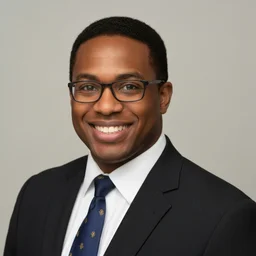
Law Enforcement Trainer & Civil Service Exam Specialist
John Jay College of Criminal JusticeMarcus B. Thompson earned his Master of Arts in Criminal Justice from John Jay College of Criminal Justice and served 12 years as a law enforcement officer before transitioning to full-time academy instruction. He is a POST-certified instructor who has prepared candidates for police entrance exams, firefighter assessments, and civil service examinations across dozens of agencies.
Join the Discussion
Connect with other students preparing for this exam. Share tips, ask questions, and get advice from people who have been there.
View discussion (7 replies)