
ServSafe for Employers: How McDonald's and Other Chains Use ServSafe Certification
How McDonald's uses ServSafe certification & what employers require. Free servsafe practice test resources included. ✅
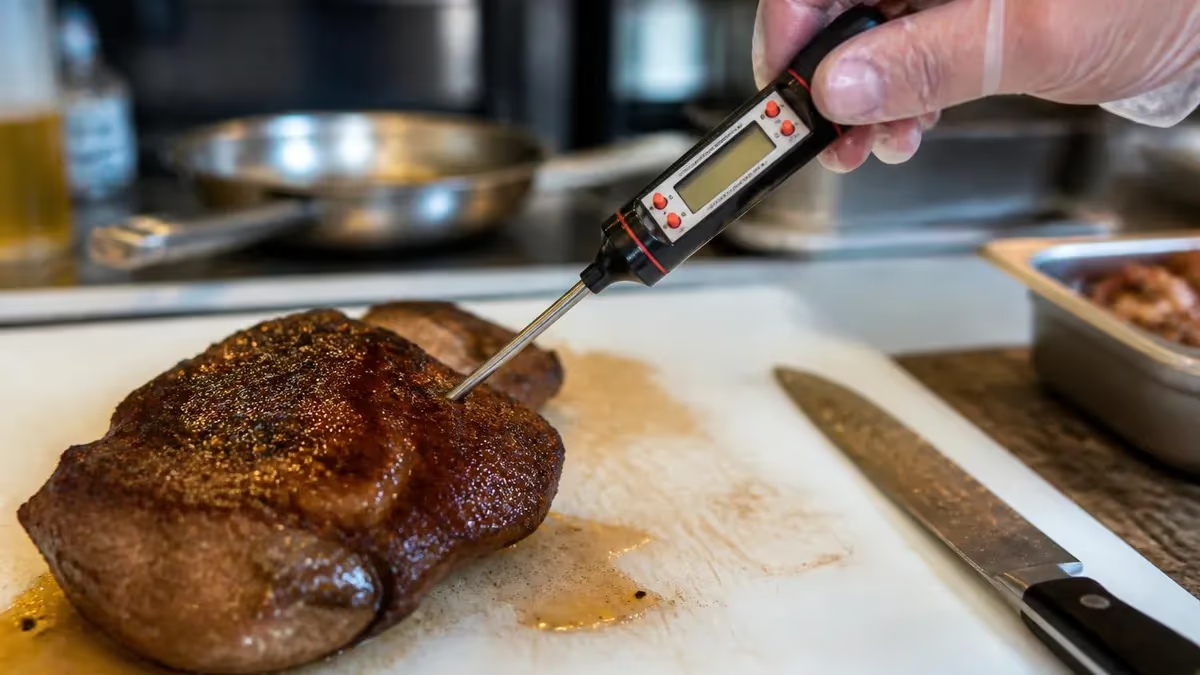
If you've ever wondered why every McDonald's location seems to have a laminated food safety certificate hanging near the kitchen, the answer comes down to one program: ServSafe. The servsafe test 90 questions and answers pdf free resource is one of the most searched terms among food service workers nationwide, and for good reason — employers from fast food giants to boutique catering companies now treat ServSafe certification as a baseline requirement for managers and shift leads. A solid servsafe practice test routine is the fastest way to prepare for that credential. Practice with the free ServSafe practice test on PracticeTestGeeks (1,350+ questions with answer explanations).
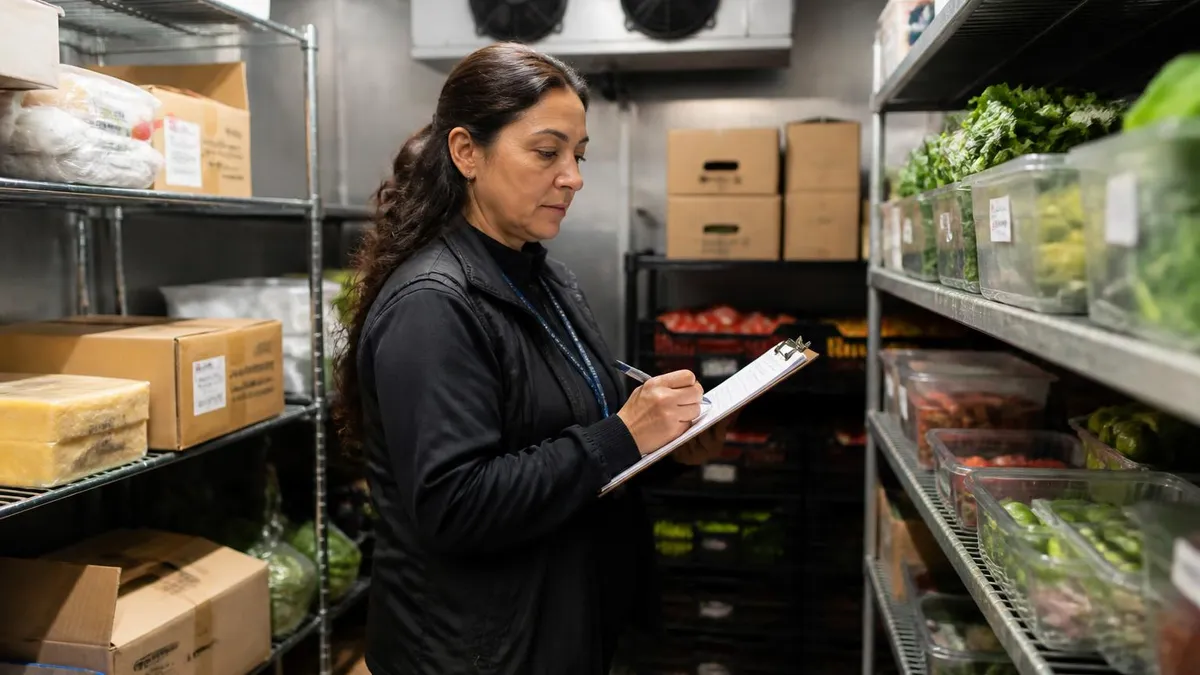
McDonald's is by far the most visible brand associated with food handler certification mandates. With over 14,000 U.S. locations and roughly 2 million American employees, the company relies on a structured training pipeline that incorporates ServSafe Manager certification for everyone in a supervisory role. Corporate policy requires that each restaurant maintain at least one currently certified ServSafe Manager on premises at all times during operating hours, aligning with FDA Food Code recommendations and most state health department rules.
But McDonald's is not alone. Chains like Chipotle, Starbucks, Chick-fil-A, Darden Restaurants (Olive Garden, LongHorn), and thousands of independent operators have woven ServSafe requirements into their hiring and promotion criteria. Understanding how these employers use the credential — and how to pass a servsafe manager practice test — can meaningfully boost your career trajectory in food service, whether you're a line cook aiming for shift manager or a regional director overseeing compliance across dozens of units.
The program is administered by the National Restaurant Association Educational Foundation (NRAEF), which publishes the official ServSafe Manager textbook, conducts proctored exams, and issues certificates valid for five years. The servsafe manager exam consists of 90 questions, 80 of which are scored; examinees must answer at least 56 of those 80 correctly (a 70% passing score) to receive certification. Employers value this standardized benchmark because it demonstrates that a manager understands critical concepts like time-temperature control, cross-contamination prevention, and proper sanitation procedures.
From a liability standpoint, employers benefit enormously from having certified managers on staff. When a foodborne illness outbreak occurs, health departments investigate whether the establishment had trained personnel overseeing food safety practices. Documented certification can demonstrate due diligence, potentially reducing fines and legal exposure. More practically, health inspection scores tend to be higher at locations where managers have completed formal food safety training, and higher scores translate directly into customer trust and repeat business.
For employees, earning ServSafe certification often triggers a pay bump. Industry surveys consistently show that certified food service managers earn between $3,000 and $8,000 more annually than their uncertified counterparts at comparable experience levels. At McDonald's specifically, franchise owners are incentivized to promote certified team members into management roles because doing so satisfies corporate compliance requirements while also developing capable leaders internally. Taking a servsafe manager test practice session before your exam date significantly raises your probability of passing on the first attempt.
This article walks through everything employers — and the employees who work for them — need to know about ServSafe requirements, what McDonald's and similar chains specifically mandate, how the exam is structured, and the most effective strategies for passing the servsafe practice test and the official certification exam. Whether you're an HR manager building a compliance program or a crew member preparing for your first manager exam, the information below applies directly to your situation.
Free ServSafe Study Tools
Interactive ServSafe resources on PracticeTestGeeks, free to start:
- ServSafe practice test — 1,350+ questions with instant scoring and answer explanations
- ServSafe flashcards — review key terms and concepts card by card
- ServSafe study guide — topic-by-topic overview of what the exam covers
- ServSafe cheat sheet — one-page printable summary for last-minute review
ServSafe for Employers by the Numbers

What McDonald's and Major Chains Require from Managers
McDonald's corporate policy mandates that every restaurant have at least one active ServSafe Manager certificate on file. Franchise operators must document compliance during corporate audits, and many require all salaried managers — not just one per location — to hold current certification.
Beyond ServSafe, many states require every employee — not just managers — to hold a food handler card within 30 days of hire. McDonald's HR systems in states like California, Washington, and Illinois automatically track these deadlines to keep each location legally compliant.
Major QSR chains supplement ServSafe Manager certification with allergen-specific modules. The Big 9 allergens (milk, eggs, fish, shellfish, tree nuts, peanuts, wheat, soybeans, sesame) are covered in ServSafe curriculum, but many employers add proprietary allergen protocols on top.
Because ServSafe certificates expire after five years, chains like Starbucks and Chick-fil-A build renewal reminders into their HR platforms. Managers whose certificates lapse are typically placed on a 30-day remediation timeline before being removed from floor leadership responsibilities.
Health departments in most jurisdictions require restaurants to produce certification documents on demand during inspections. McDonald's franchisees store scanned copies in their corporate-connected management systems so that any inspector visit can be satisfied within minutes.
Understanding why employers invest in ServSafe programs requires stepping back to look at the financial and regulatory landscape these businesses operate within. Foodborne illness is not a minor inconvenience — the CDC estimates that roughly 48 million Americans get sick from contaminated food each year, resulting in 128,000 hospitalizations and 3,000 deaths. For a restaurant chain, a single attributed outbreak can generate millions of dollars in litigation costs, regulatory fines, lost sales, and brand damage. ServSafe certification is one of the most cost-effective risk mitigation tools available.
McDonald's and similar chains negotiate volume pricing with the National Restaurant Association Educational Foundation, making it financially practical to certify every manager rather than just one token certificate holder per location. Many large franchise groups purchase site licenses for the online ServSafe Manager course, allowing employees to study at their own pace before scheduling a proctored exam. Employees should use every available servsafe test prep resource — including free practice exams — to maximize their first-attempt pass rate and avoid the cost and time of a retake.
The structure of a typical employer-sponsored certification program works like this: the company pays for the official ServSafe Manager textbook (roughly $50 retail), covers the exam registration fee (between $30 and $45 depending on whether testing is done in-person or online), and may reimburse travel time to an approved testing center. In return, employees often sign an agreement to remain with the company for a specified period post-certification — typically six months to a year — or repay the training investment. This arrangement makes certification a shared commitment rather than a one-sided corporate requirement.
Regional managers at major chains monitor certification status dashboards monthly. When a location's certified manager leaves, the clock starts immediately on finding a replacement or certifying an existing team member. This urgency creates real career opportunity: employees who proactively earn their servsafe manager practice tests credential before being asked put themselves at the front of the promotion queue. Franchise owners frequently promote from within specifically to avoid the certification gap problem that comes with external hires who may not yet be certified.
It is worth noting that not every ServSafe course or exam format is identical. Employers may offer in-house instructor-led training, approved third-party instructors, or fully online self-paced study. The official exam itself can be taken as a paper-and-pencil test at an approved location or as a computer-based exam through the NRAEF's online proctoring system. Both formats cover the same material and require the same 70% passing score. However, the online format allows greater scheduling flexibility, which is why many chains prefer it for distributed workforces. Check servsafe manager test questions resources to understand the full cost structure before enrolling.
For employers building a certification program from scratch, the NRAEF offers a ServSafe Certified Trainer pathway. A Certified ServSafe Instructor can administer official exams on-site, which eliminates the logistical burden of sending employees to external testing centers. Larger McDonald's franchisee groups, Darden Restaurant corporate training teams, and Compass Group (the world's largest contract food service company) all maintain internal certified trainers to keep certification pipelines efficient and consistent across their locations.
One underappreciated dimension of employer-mandated ServSafe training is its impact on everyday kitchen operations. Managers who have genuinely internalized the curriculum — not just memorized enough to pass — run tighter, safer kitchens. They spot temperature logging failures before they become health code violations.
They train staff on proper handwashing technique more effectively because they understand the microbiology behind it. They make faster, more confident decisions about whether to hold or discard food after a power outage. The servsafe test answers you study in preparation for the exam are not abstract trivia; they are operational tools you will use every single shift.
ServSafe Manager Exam: Topic Breakdown and Study Priorities
The ServSafe Manager exam covers seven major content domains drawn directly from the FDA Food Code. The heaviest-weighted domain is Food Safety Supervision, which tests your ability to manage employee hygiene, training, and corrective actions. Next is the Flow of Food chapter, covering receiving, storage, preparation, cooking, holding, cooling, and reheating — each with specific temperature and time requirements you must know precisely. Time-temperature control for safety (TCS) foods appears throughout the exam in scenario-based questions.
Cleaning and sanitizing, pest management, and facility design round out the remaining domains. Approximately 15 to 20 questions on the scored portion directly test your knowledge of chemical sanitizer concentrations, contact times, and proper three-compartment sink procedures. Reviewing a servsafe manager sample test that mirrors this topic distribution is the single most efficient study strategy available, because it calibrates your practice to match exactly what the official exam tests.
Pros and Cons of Employer-Mandated ServSafe Certification
- +Demonstrates measurable food safety competency to health inspectors and corporate auditors
- +Certified managers earn $3,000–$8,000 more annually than uncertified peers
- +Certificate is portable — valid at any food service employer for five years
- +Reduces liability exposure for employers in the event of a foodborne illness investigation
- +Builds staff confidence: certified managers train teams more effectively and consistently
- +Satisfies FDA Food Code recommendations and most state health department licensing requirements
- −Exam fee ($30–$45) and textbook cost (~$50) add up, especially for lower-wage workers
- −The 90-question, 2-hour exam format is stressful without adequate preparation time
- −Certificate expires after five years, requiring retesting and ongoing investment
- −Online proctoring requires a stable internet connection and compatible device, which not all workers have
- −Study materials are available only in English and Spanish, limiting accessibility for multilingual workforces
- −Employer reimbursement policies vary widely — some chains fully cover costs, others require employees to pay upfront
Pros and Cons at a Glance
| Pros | Cons |
|---|---|
| Demonstrates measurable food safety competency to health inspectors and corporate auditors | Certificate expires after five years, requiring retesting and ongoing investment |
| Certificate is portable — valid at any food service employer for five years | Online proctoring requires a stable internet connection and compatible device, which not all workers have |
| Reduces liability exposure for employers in the event of a foodborne illness investigation | Study materials are available only in English and Spanish, limiting accessibility for multilingual workforces |
| Builds staff confidence: certified managers train teams more effectively and consistently | Employer reimbursement policies vary widely — some chains fully cover costs, others require employees to pay upfront |
ServSafe Manager Exam Prep Checklist for Restaurant Employees
- ✓Obtain the current edition of the official ServSafe Manager textbook before starting your study plan
- ✓Complete all seven content chapters, paying extra attention to time-temperature control and the flow of food
- ✓Take at least three full-length servsafe manager practice tests under timed conditions before exam day
- ✓Review every question you answered incorrectly and read the textbook explanation for that topic
- ✓Memorize the key temperature thresholds: 41°F or below for cold storage, 135°F or above for hot holding, 165°F for poultry
- ✓Study chemical sanitizer concentration ranges: chlorine (50–100 ppm), iodine (12.5–25 ppm), and quat (200–400 ppm)
- ✓Practice cooling procedures: food must drop from 135°F to 70°F within 2 hours, then to 41°F within 4 more hours
- ✓Review the Big 9 allergens and understand how to prevent cross-contact during food preparation
- ✓Confirm your exam registration, testing site address, and required ID documents at least one week before your exam date
- ✓Get a full night of sleep before exam day and arrive 15 minutes early to avoid unnecessary stress
The 70% Threshold Is Lower Than It Feels
Many candidates over-study out of anxiety, but the math is actually forgiving: you only need to answer 56 of 80 scored questions correctly to pass. That means you can miss 24 questions and still earn your ServSafe Manager certification. Focused study on the highest-weighted domains — particularly the flow of food and food safety supervision — gives you the best return on study time and makes the 70% target very achievable with two to three weeks of consistent preparation.
Studying for the ServSafe Manager exam is most effective when you treat it like an active job rather than passive reading. The textbook is dense — 500-plus pages covering microbiology, chemistry, facility management, and human resources — and reading it cover to cover without testing yourself will leave you with surface-level familiarity that won't hold up under exam-day pressure. Active recall, where you force yourself to answer questions before looking at explanations, is consistently the most effective study method according to learning science research.
The best study plan for most working food service employees spans two to three weeks. In the first week, focus on reading the textbook chapters sequentially and taking notes on key numbers: temperatures, times, concentrations, and holding windows. These numerical thresholds appear in scenario-based questions repeatedly, and knowing them cold eliminates guesswork on a significant portion of the exam. Create flashcards — physical or digital — for every temperature threshold and sanitizer concentration the book introduces.
In the second week, shift primarily to practice questions. Take a full servsafe practice tests session each day, reviewing every wrong answer immediately afterward. Don't just mark the correct answer and move on — read the textbook section that explains why that answer is correct. This two-step review process (identify the gap, then fill it with source material) accelerates retention far more than simply taking more practice tests without review. Aim to reach a consistent 80% or higher on timed practice exams before scheduling your official exam date.
In the final days before your exam, lighten the load. Review your flashcards each morning, skim your notes, and take one more practice test to confirm your readiness. Avoid cramming new material in the last 48 hours — your brain consolidates learning during sleep, and fatigued recall is significantly worse than rested recall. If you've been consistently scoring above 80% on practice exams, you are statistically likely to pass the official exam.
One common mistake candidates make is focusing exclusively on memorizing facts while neglecting the scenario-based questions that make up approximately 40% of the exam. These questions present a realistic kitchen situation — a food handler with a sore throat asks if they can work, a refrigerator unit is found running at 48°F, a guest reports an allergic reaction after a meal — and ask you to identify the correct managerial response. The best way to practice these is through realistic, scenario-heavy practice question sets that mirror the style of the official exam.
Employers can improve overall certification pass rates significantly by providing structured study time rather than simply handing employees a textbook and scheduling the exam. Companies that allocate four to eight hours of paid study time during the two weeks before the exam see measurably higher first-attempt pass rates than companies that leave study time entirely to the employee's discretion. This is particularly important for hourly workers who juggle multiple jobs, childcare, and other obligations outside of work hours. Building study time into the work schedule signals that the company takes certification seriously and that passing is a shared goal.
Group study sessions facilitated by a shift manager or HR coordinator are another effective employer strategy. When multiple employees study together and quiz each other, the social accountability of the group dynamic drives higher engagement than solo study. Someone who might skip a practice session alone is less likely to skip when colleagues are counting on their presence. Additionally, teaching a concept to a peer — explaining why the temperature danger zone runs from 41°F to 135°F, for instance — deepens the explainer's own understanding in ways that passive reading cannot replicate.
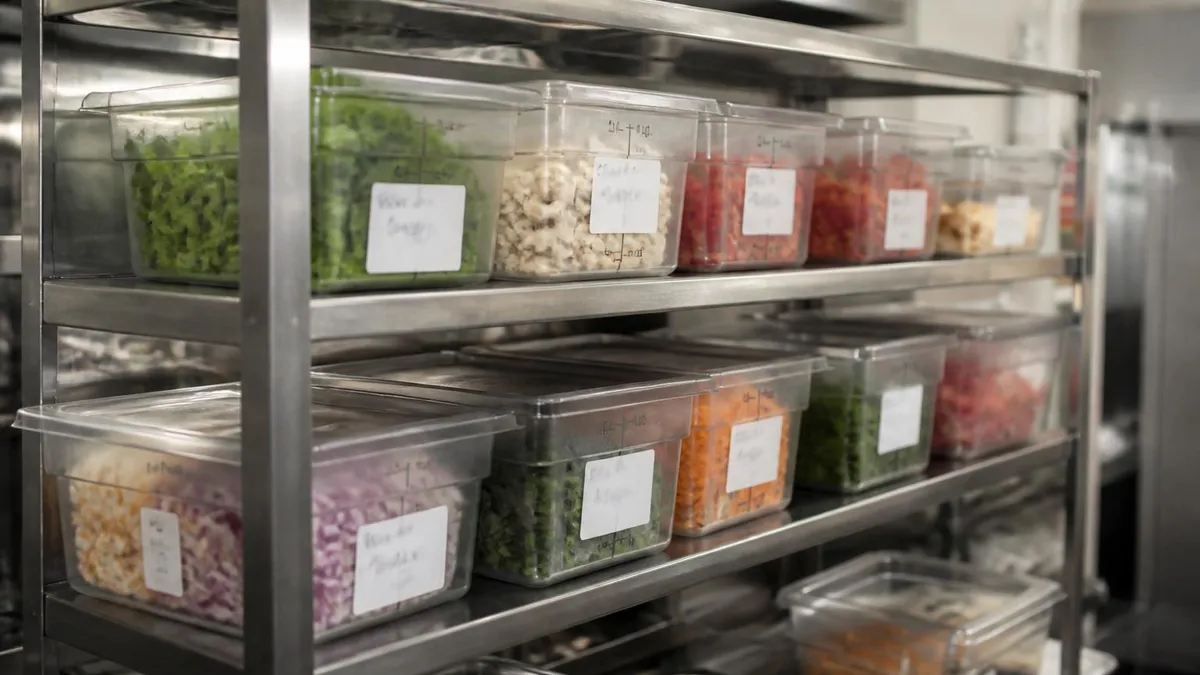
ServSafe Manager certificates expire exactly five years from the date of the passing exam — not the date the certificate was issued or mailed. Employers who track only the issue date may find themselves out of compliance if there was a delay between exam completion and certificate receipt. Set calendar reminders 90 days before each manager's expiration date to allow sufficient time for retesting and reissuance before the certificate lapses.
Once you pass the ServSafe Manager exam, the certificate you receive is nationally recognized and portable across employers. This portability is one of the credential's most valuable attributes: if you earn your certification while working at McDonald's and later move to a Chipotle, a hospital cafeteria, or a cruise ship kitchen, your certificate travels with you. New employers verify certification by checking the NRAEF's online certificate verification tool, which requires only the certificate number and holder's last name. Keeping a digital photo of your certificate in your phone's photo library ensures you can verify it instantly during any hiring conversation.
The career trajectory for ServSafe-certified food service workers is meaningfully different from that of uncertified peers. Entry-level crew members who earn their certification typically receive their first managerial consideration 30 to 60 days after certification, whereas uncertified employees at the same experience level often wait six months or more for equivalent consideration. At McDonald's specifically, the Shift Manager, Department Manager, and Restaurant General Manager roles all list active ServSafe certification as either required or strongly preferred in corporate job descriptions.
Understanding the servsafe test answers framework also helps you become a better trainer for your own team once you're in a management role. The food safety knowledge embedded in the curriculum isn't just exam content — it's the conceptual foundation for every training conversation you'll have with new hires about handwashing, glove use, temperature logging, and allergen handling. Managers who can explain the microbiology behind a food safety rule — why Salmonella proliferates rapidly between 70°F and 125°F, for example — get much better compliance from their teams than managers who simply issue rules without explanation.
Beyond individual career gains, employer investment in ServSafe certification generates measurable operational returns. A 2019 study commissioned by the National Restaurant Association found that restaurants where all managers were ServSafe certified scored an average of 12 points higher on routine health inspections than comparable restaurants with only the minimum required number of certified managers. Higher inspection scores correlate with lower probability of temporary closure, reduced likelihood of news-generating foodborne illness incidents, and statistically higher customer satisfaction scores on review platforms. The ROI on a $75 to $95 per-employee investment is hard to argue against.
For multi-location franchise operators, building a centralized certification tracking system pays dividends that compound over time. When corporate auditors arrive — and at McDonald's, unannounced corporate food safety audits are a routine part of operations — being able to pull up a real-time dashboard showing every manager's certification status and expiration date takes minutes rather than hours. Chains that have invested in HR software integrations with the NRAEF's verification API can automate renewal alerts entirely, removing the human error factor from compliance tracking.
If you are an employer reading this and considering implementing or expanding a ServSafe program, the NRAEF offers a dedicated employer services portal with volume pricing, proctoring arrangements, and bulk textbook orders. Franchise associations for major QSR brands often negotiate group rates below the retail price point, sometimes reducing per-employee costs by 20 to 30 percent. It is worth contacting your franchise association's training coordinator before purchasing materials at standard retail pricing. Additionally, some states provide partial or full reimbursement for food safety training costs through workforce development grant programs — a resource many small operators overlook.
The long-term cultural impact of widespread ServSafe certification within an organization should not be underestimated. When food safety is treated as a professional credential rather than a check-box compliance task, it shifts the kitchen culture in a measurable way. Employees who have invested time and effort into passing a real exam develop a sense of ownership over food safety outcomes.
They are more likely to speak up when they observe unsafe practices, more likely to correct a peer who skips a handwashing step, and more likely to report a temperature anomaly before it becomes a health code violation. That cultural shift is worth far more than any individual certificate.
Practical exam-day tips can make a meaningful difference in your final score, even if your preparation has been thorough. On the day of your exam, eat a real meal beforehand — not a quick snack, but a proper meal that will sustain your concentration through two hours of focused testing. Cognitive performance under timed conditions degrades noticeably when blood glucose is low, and the scenario-based questions on the ServSafe exam require sustained analytical thinking, not just memory retrieval.
Read every question twice before selecting your answer. The ServSafe exam is known for questions that hinge on a single qualifying word — "most likely," "first," "best," or "except." Misreading the qualifier is one of the most common sources of preventable errors on the exam. If a question asks what a manager should do "first" when an employee reports a cut, the correct answer is different from what the manager should do "eventually." Train yourself during practice to underline or mentally flag these qualifier words before answering.
When you encounter a question you're unsure about, use process of elimination aggressively. The ServSafe exam uses four-option multiple choice exclusively. If you can rule out two obviously wrong answers, you've improved your probability of a correct guess from 25% to 50% — and on the scored portion of the exam, every point counts toward that 70% threshold. Never leave a question blank; there is no penalty for guessing, and a blank answer is guaranteed zero points while a guess gives you a meaningful probability of earning a point.
Time management during the exam is rarely a problem for adequately prepared candidates — two hours for 90 questions averages to 80 seconds per question, which is generous for well-studied material. However, if you encounter a cluster of difficult scenario questions, you may find yourself spending three to four minutes on each one.
Flag those questions, move on, and return to them after completing the rest of the exam. Coming back to a difficult question with fresh eyes — after your brain has processed other questions and potentially surfaced relevant knowledge — often produces the correct answer more reliably than forcing a decision on first pass.
After the exam, regardless of outcome, debrief your experience. If you pass, note which topics felt most comfortable and which required your most careful thinking — that information is useful for coaching the next person in your organization who prepares for certification. If you do not pass, review the score report you receive, which will indicate your performance by domain. This domain-level feedback is actionable: if you underperformed on Cleaning and Sanitizing, you know exactly which chapter of the textbook to prioritize in your retake preparation rather than restudying everything equally.
Employers should create a formal feedback loop with employees who do not pass on their first attempt. A constructive debrief that reviews the domain score report together, identifies a specific study plan for the retake, and schedules the retake exam within 30 days produces significantly higher eventual pass rates than simply handing the employee the textbook again and wishing them luck. The investment in a structured retake support process is modest in time and cost, and it communicates organizational commitment to employee development in a concrete, meaningful way.
Finally, remember that ServSafe certification is a floor, not a ceiling. The most effective food safety managers use their certification as a launching point for continuous learning — staying current on FDA Food Code updates (issued every four years), attending industry food safety conferences, and pursuing additional credentials like the Certified Professional — Food Safety (CP-FS) designation offered by the National Environmental Health Association. Building a culture where food safety expertise is continuously developed, not just periodically certified, is what separates the best-run kitchens in the industry from the rest.
Sample ServSafe Practice Questions
Try these questions from our free ServSafe practice tests. The correct answer and an explanation follow each question.
Two guests at the bar begin shoving each other after several drinks. What should staff do FIRST?
- A. Separate the parties verbally, alert the manager, and call police if it escalates
- B. Physically restrain both guests immediately
- C. Serve free drinks to distract them
- D. Ask other guests to break up the fight
Answer: A. Separate the parties verbally, alert the manager, and call police if it escalates
Staff should try to defuse conflict verbally and involve management, using police for situations they cannot safely control.
Two visitors who were delighted to be at your establishment are now getting into a fight. You don’t sense any immediate risk to you or other guests. What ought you to do?
- A. Notify your manager to determine what to do.
- B. Step between the 2 guests to stop the argument.
- C. Call the police.
- D. Let the situation resolve itself.
Answer: A. Notify your manager to determine what to do.
In situations involving guest conflict, the primary responsibility of staff is to ensure safety and avoid escalating the situation. Intervening directly can be dangerous. Notifying a manager allows for a coordinated and appropriate response, as managers are typically trained to handle such incidents and can involve security or law enforcement if necessary.
Two visitors who were pleased when they first arrived at your establishment are now arguing. You don't believe you or the other visitors are at any immediate risk. So, what are your options?
- A. Call the security right away
- B. Talk to the customers and help resolve the problem
- C. Tell your manager about what is going on.
- D. Just leave them alone.
Answer: C. Tell your manager about what is going on.
When customers are arguing but there's no immediate risk, the best course of action is to inform your manager. They are trained to handle such situations, can assess the potential for escalation, and decide on the appropriate intervention. This ensures staff and customer safety while maintaining professionalism and adhering to establishment policies.
What is required to sanitize the tools, tables, and other surfaces that come into contact with the food?
- A. You must use a wiping cloth with chlorine but only at the end of the workday when all of the food is put away.
- B. It is not necessary to sanitize things that cannot be completely submerged in the dish sink compartments.
- C. You must use a wiping cloth that has been soaked in a solution of water and an approved sanitizer.
- D. You must use a wiping cloth that has been soaked in a solution of water, soap, and chlorine.
Answer: C. You must use a wiping cloth that has been soaked in a solution of water and an approved sanitizer.
To effectively sanitize food contact surfaces, a wiping cloth must be used with an approved chemical sanitizer solution, such as chlorine, quaternary ammonium, or iodine, mixed to the correct concentration. Sanitization reduces pathogens to safe levels after surfaces have been thoroughly cleaned with soap and water. Using only soap or chlorine at the end of the day is insufficient for proper sanitization.
ServSafe Questions and Answers




About the Author

Registered Sanitarian & Food Safety Certification Expert
Cornell University College of Agriculture and Life SciencesThomas Wright is a Registered Sanitarian and HACCP-certified food safety professional with a Bachelor of Science in Food Science from Cornell University. He has 17 years of experience in food safety auditing, regulatory compliance, and foodservice management training. Thomas prepares food industry professionals for ServSafe Manager, HACCP certification, and state food handler examinations.