
Which Is an Example of Possible Chemical Contamination ServSafe: Complete Guide
Which is an example of possible chemical contamination ServSafe? ✅ Learn sources, prevention tips, and ace your ServSafe exam with this complete guide.
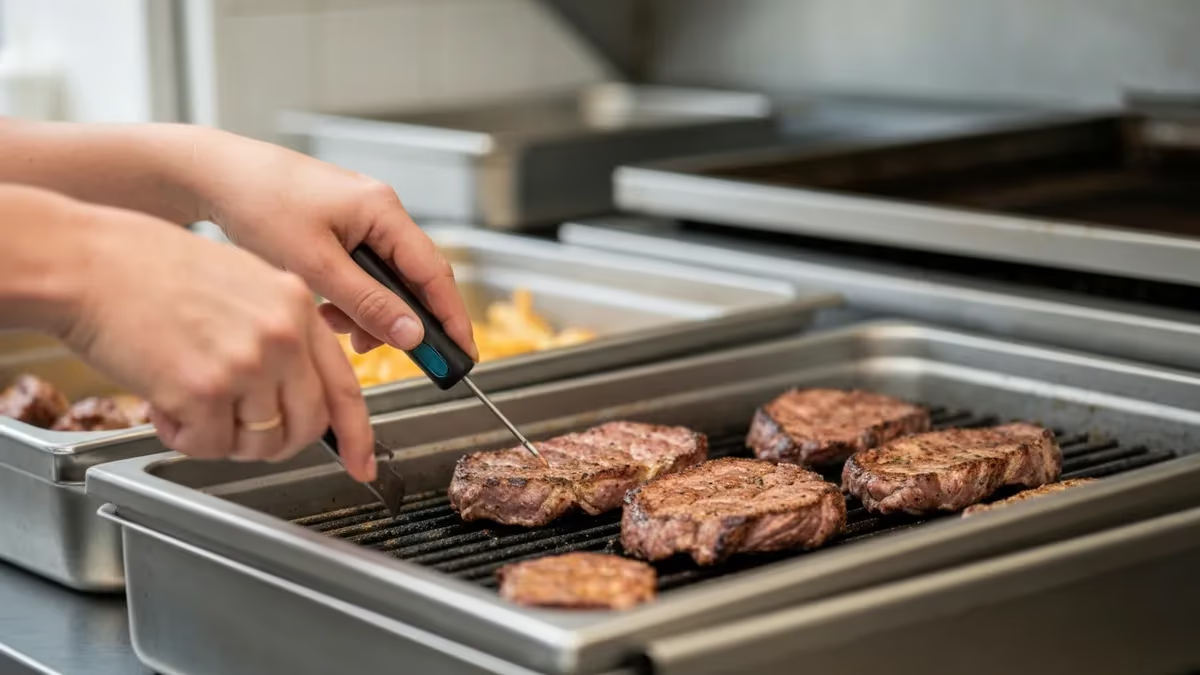
Understanding which is an example of possible chemical contamination ServSafe is one of the most critical topics you will encounter on the ServSafe Manager Certification Exam. Chemical contamination occurs when harmful substances — including cleaning agents, pesticides, sanitizers, and toxic metals — come into contact with food, making it unsafe for human consumption.
Unlike biological contamination, chemical hazards are often invisible, odorless, and tasteless, which makes them especially dangerous in a food service environment. The ServSafe program places heavy emphasis on chemical safety because the consequences of mishandling chemicals can be life-threatening and can expose a food service operation to serious legal liability.
The most commonly cited examples of chemical contamination in ServSafe materials include cleaning products stored improperly near food, sanitizer solutions applied at concentrations above safe levels, and pesticides left unsealed in a kitchen or storage area. When food handlers fail to follow label instructions or when chemicals are stored in unmarked containers, the risk of accidental chemical contamination rises dramatically. The ServSafe exam expects you to recognize these scenarios instantly and know exactly how to prevent them from occurring in your establishment.
Chemical contamination can also originate from the food itself — particularly from naturally occurring toxins found in certain plants and seafood — but the ServSafe curriculum specifically focuses on man-made chemical hazards that can be introduced during food storage, preparation, and service. Metals such as lead, copper, and zinc can leach into acidic foods when those foods come into contact with inappropriate cookware or plumbing fixtures. Even common household items like galvanized metal containers can become a source of chemical contamination when used to store lemonade or other high-acid beverages.
Food service workers are exposed to dozens of chemicals every single shift, from dishwasher detergents and oven cleaners to floor sanitizers and pest control products. The ServSafe framework requires that all of these chemicals be stored separately from food — ideally in a locked, ventilated cabinet located below and away from any food storage or preparation surface. Labels must remain intact, and original containers should never be reused for food products. These precautions are not optional recommendations; they are foundational food safety requirements enforced by health inspectors across all fifty states.
One area where chemical contamination frequently surprises food service professionals is the accidental misuse of sanitizer solutions. A sanitizer applied at the correct concentration is effective and safe. However, an overly concentrated sanitizer solution left on a food-contact surface and not rinsed properly can deposit residues that transfer to food. ServSafe training covers the concept of servsafe chemical contamination specifically in the context of maintaining the right chemical-to-water ratios and following manufacturer instructions at all times.
Understanding chemical contamination also means knowing what to do when it occurs. If a manager suspects that food has been chemically contaminated, the correct response is to immediately remove all potentially affected food from service, contact the local health authority if necessary, and conduct a thorough investigation to identify the source. Food that is suspected of chemical contamination must never be served to guests, even if it appears normal. The financial loss from discarding contaminated food is always preferable to the human and legal costs of a chemical poisoning incident.
This comprehensive guide walks you through every category of chemical contamination you need to know for the ServSafe exam, from cleaning compounds and pesticides to toxic metals and first aid supplies. By the time you finish reading, you will be able to identify real-world examples of chemical contamination, explain the preventive controls food service managers must implement, and confidently answer related questions on test day.
Chemical Contamination in Food Service by the Numbers
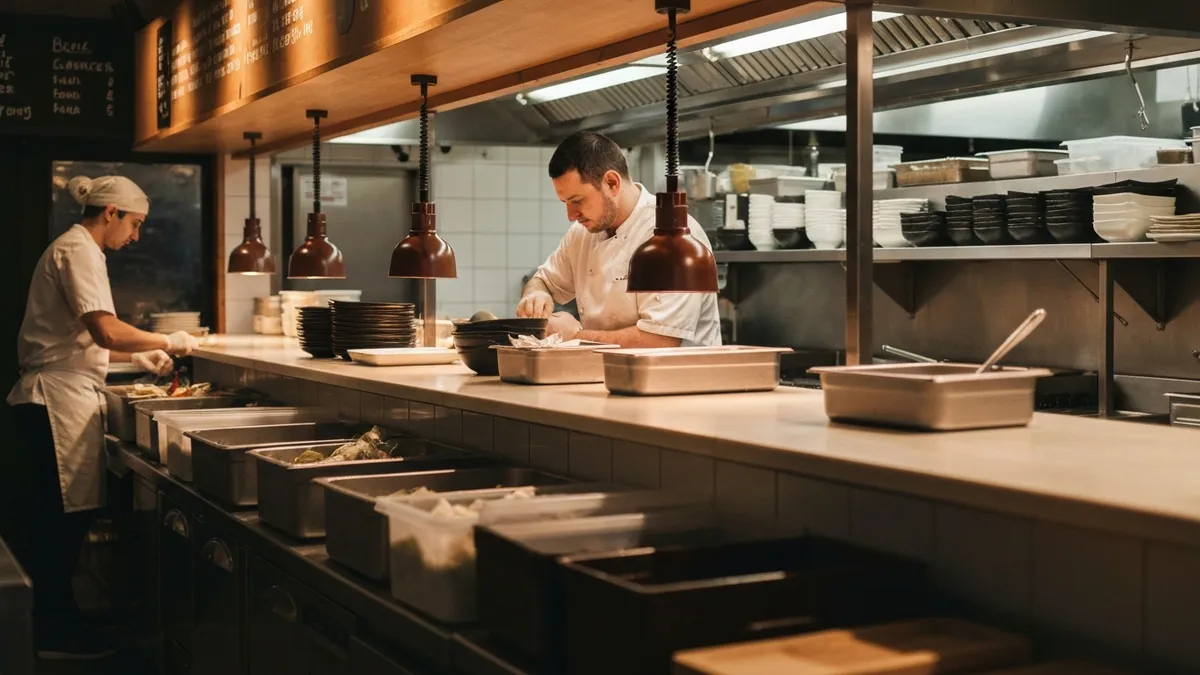
Major Categories of Chemical Contaminants in Food Service
Detergents, degreasers, and oven cleaners are among the most common chemical contaminants. If residue is left on food-contact surfaces or these products are stored near food, they can easily transfer harmful chemicals directly into meals served to customers.
Chlorine, iodine, and quaternary ammonium compounds are effective sanitizers but become contaminants when used at incorrect concentrations. Overly strong solutions left on prep surfaces without adequate rinsing can deposit toxic residues onto food items.
Pest control chemicals must never be applied while food is present or being prepared. Improper storage or accidental spillage of rodenticides, insecticides, or herbicides near food can introduce dangerous toxins into the food supply chain.
Lead, copper, zinc, and antimony can leach into food from improperly coated cookware, galvanized containers, or old plumbing. Acidic foods like tomato sauce or citrus beverages accelerate metal leaching, making vessel selection critically important.
Medicines, hand lotions, and first-aid supplies stored near food preparation areas can accidentally contaminate food. ServSafe requires these items to be stored completely separate from any food, food-contact surfaces, and food packaging materials.
Chemical contamination sources in a commercial kitchen are far more numerous than most food handlers realize on their first day of training. The danger is not limited to obvious hazards like spilled bleach or mislabeled pesticide containers.
It extends into everyday situations: a cook using the same spray bottle for both glass cleaner and cooking oil, a dishwasher applying too much detergent, or a manager storing pool chemicals in the same shed as frozen food pallets. Each of these scenarios represents a real and documented source of chemical contamination that has caused illness outbreaks in actual food service operations across the United States.
Cleaning and sanitizing chemicals represent the largest single category of chemical contaminants in food service environments. The ServSafe Manager curriculum dedicates significant attention to the difference between cleaning — which removes visible dirt and grease — and sanitizing — which reduces pathogens to safe levels. Both processes require chemical products, and both processes carry contamination risk if not executed correctly. A surface that has been heavily sanitized with a chemical compound but not properly rinsed before food contact can transfer chemical residues onto ready-to-eat foods, rendering them unsafe without any visible sign of contamination.
Pesticides deserve particular attention in a food service context because they are often applied by outside contractors at night and may leave invisible residues on surfaces that are used for food preparation the following morning. ServSafe protocols require that any pest control treatment be documented, that food and food-contact surfaces be covered or removed before application, and that adequate ventilation time elapse before the kitchen reopens for food preparation. Ignoring these protocols is not just a ServSafe exam failure — it is a violation of federal pesticide application regulations under the EPA's Food Quality Protection Act.
Toxic metal contamination is a frequently overlooked source of chemical hazards, even among experienced food service professionals. The classic exam example involves lemonade stored in a galvanized metal (zinc-coated) container. The high acidity of lemon juice causes zinc to leach out of the galvanized coating and dissolve into the beverage, creating a toxic solution that can cause immediate symptoms including nausea, vomiting, and abdominal cramps. Similar leaching reactions can occur when tomato-based sauces are stored in copper pots, or when acidic marinades come into prolonged contact with aluminum containers that have been scratched or damaged.
Food service establishments also face chemical contamination risks from their own water supply systems. In older buildings, lead solder was commonly used to join copper pipes, and the EPA has established that there is no safe level of lead exposure for children. When acidic or softened water flows through these pipes, it can dissolve microscopic quantities of lead that then accumulate in the water used for cooking, coffee preparation, and beverage service. ServSafe managers are expected to understand these plumbing-related chemical risks and ensure that water filtration systems are properly maintained and tested regularly.
Another underappreciated contamination pathway is the misuse of non-food-grade lubricants on food preparation equipment. Commercial mixers, slicers, and conveyors require regular lubrication to function properly, but only food-grade lubricants approved under NSF International's H1 category may be used on parts that might contact food. Using a standard machine oil or WD-40-type lubricant on a meat slicer, for example, can directly introduce petroleum-based chemical contaminants into sliced deli meats. This type of contamination is a genuine ServSafe exam topic and a documented cause of foodborne illness complaints in the real world.
Understanding all of these sources helps food service professionals move from reactive to proactive chemical safety management. Rather than responding to contamination events after they occur, a ServSafe-trained manager builds systems — proper storage protocols, chemical inventory controls, staff training records, and regular audits of cleaning procedures — that reduce chemical contamination risk to near zero. This proactive approach is what separates a compliant, high-performing food service operation from one that regularly fails health inspections and faces closure orders.
Chemical Contamination Prevention Strategies
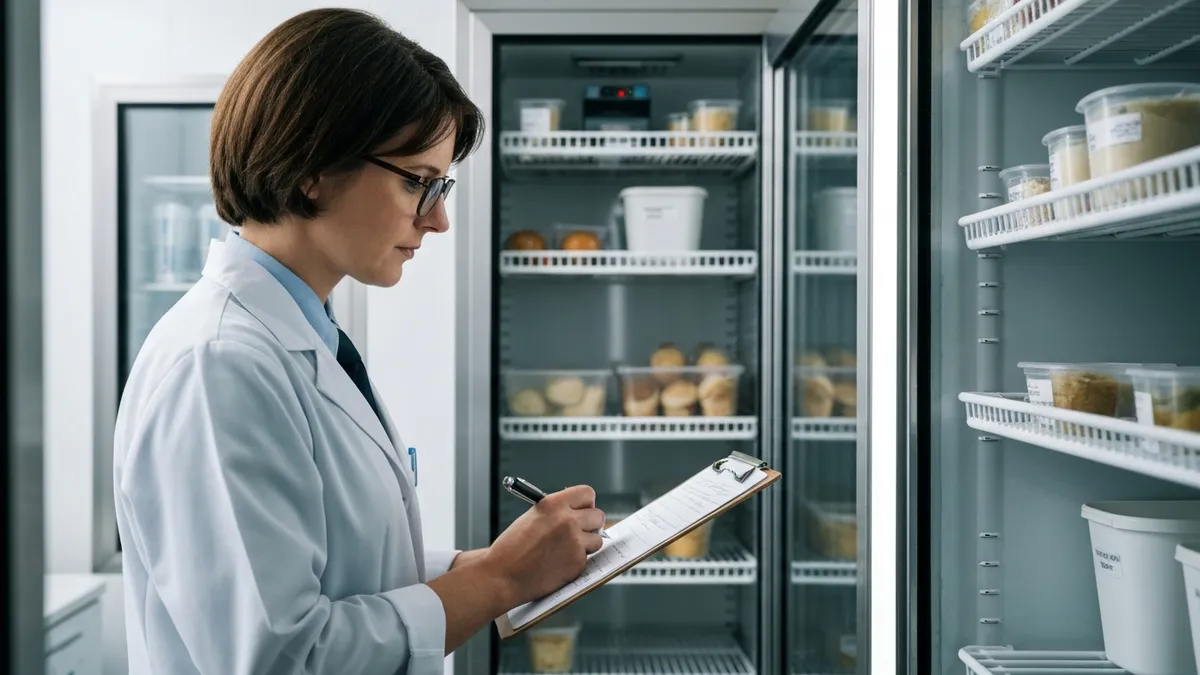
All chemicals used in a food service operation must be stored in a separate, designated area that is completely physically isolated from food, food-contact surfaces, and food packaging materials. This means a locked cabinet or closet that is located away from the walk-in cooler, dry storage shelves, and any active food preparation areas. Chemicals must always be stored below food items — never above — to prevent drips, spills, or leaks from reaching stored ingredients.
Original containers must be kept intact and labels must remain legible at all times. If a chemical product is transferred into a secondary container for ease of use — for example, a spray bottle — that container must be clearly labeled with the product name, its concentration, and any relevant safety warnings. Using food containers such as juice pitchers or condiment bottles to store cleaning chemicals is strictly prohibited under ServSafe guidelines and is a common cause of accidental chemical poisoning incidents in commercial kitchens.
Chemical Sanitizers: Benefits vs. Contamination Risks
- +Highly effective at reducing pathogen counts on food-contact surfaces to safe levels
- +Affordable and widely available in bulk quantities for commercial food service use
- +Fast-acting when applied at correct concentrations and given proper contact time
- +Standardized testing strips make it easy to verify safe concentration levels on the job
- +Multiple chemical types (chlorine, iodine, quat) allow selection for specific surface needs
- +Approved and regulated by the EPA, providing reliable safety benchmarks for food service
- −Overly concentrated solutions become direct chemical contaminants on food-contact surfaces
- −Improper storage near food creates high risk of accidental chemical cross-contamination
- −Unlabeled or mislabeled containers are a leading cause of accidental chemical ingestion incidents
- −Some sanitizers react dangerously when mixed with other chemicals, creating toxic gas
- −Staff may rush dilution steps during busy service periods, creating unsafe concentration levels
- −Chemical residues left on surfaces without proper rinsing transfer directly to ready-to-eat food
Chemical Contamination Prevention Checklist for Food Service Managers
- ✓Store all chemicals in a locked, designated cabinet completely separate from food and food-contact surfaces.
- ✓Ensure every chemical container — including secondary spray bottles — is clearly and accurately labeled.
- ✓Train all staff on correct dilution ratios before allowing independent chemical use.
- ✓Test sanitizer concentrations with appropriate test strips at the start of every shift.
- ✓Keep Safety Data Sheets (SDS) accessible for every chemical product on the premises.
- ✓Never store chemicals above food, beverages, or food packaging materials of any kind.
- ✓Use only food-grade lubricants on food preparation equipment that may contact food.
- ✓Verify that all cookware, containers, and plumbing are food-grade and free from toxic metal risk.
- ✓Coordinate with pest control contractors to ensure chemicals are applied only when food is removed.
- ✓Immediately remove and discard any food suspected of chemical contamination — never serve it.
The #1 Tested Chemical Contamination Scenario
The single most frequently tested chemical contamination example on the ServSafe exam is lemonade or another acidic beverage stored in a galvanized (zinc-coated) metal container. The acid dissolves zinc from the coating, creating a toxic solution. Always remember: acidic foods plus incompatible metal containers equal chemical contamination — a guaranteed exam topic.
When preparing for the ServSafe Manager Certification Exam, it helps enormously to study chemical contamination through the lens of realistic, scenario-based questions — the same format used on the actual test. The exam does not simply ask you to define chemical contamination; it presents a detailed kitchen situation and asks you to identify whether chemical contamination has occurred, what type it is, or what the correct managerial response should be. This requires both conceptual understanding and the ability to apply that knowledge quickly under time pressure.
A typical exam scenario might describe a food handler who fills a spray bottle from a large container of all-purpose cleaner and uses it to spray down prep tables, but forgets to rinse the surface before placing ready-to-eat vegetables directly on the table. The question then asks whether chemical contamination has occurred and why.
The correct answer is yes — because the cleaner residue on the table surface transfers directly to the ready-to-eat food. Recognizing this scenario requires understanding that chemical contamination does not require the chemical to be poured directly into food; indirect transfer through contaminated surfaces is equally dangerous and equally prohibited.
Another common exam scenario involves a restaurant that inadvertently uses a non-food-grade container — specifically a galvanized metal bucket — to serve water with lemon slices at a catered outdoor event. Several guests report nausea and vomiting within an hour of drinking the lemon water. The exam asks the manager to identify the most likely cause. The answer is chemical contamination from zinc leaching into the acidic lemon water from the galvanized bucket coating. Memorizing this specific example — galvanized metal plus acidic food — is widely recommended by ServSafe instructors as a guaranteed exam topic.
The exam also tests your knowledge of what happens when chemicals are improperly mixed. Combining bleach with ammonia-based cleaners, for instance, produces chloramine gas, which is toxic to both humans and food. A scenario might describe a kitchen where a worker mixes two unlabeled cleaning products together to create what they believe is a stronger cleaner. The exam asks what type of hazard this represents. The answer involves both chemical contamination risk and a physical safety hazard. ServSafe's emphasis on never mixing chemicals and always reading labels is directly tied to preventing these dangerous reactions.
Food service managers are also tested on the concept of inadvertent chemical contamination through poor sanitation procedure sequencing. The ServSafe three-compartment sink method requires washing, rinsing, and then sanitizing. If a food handler reverses the order — sanitizing first, then rinsing with clean water — the sanitizing step is rendered ineffective. But if the handler sanitizes and then skips the air-drying step, placing wet items directly into a stack, the concentrated sanitizer can pool at the bottom of containers and potentially contaminate the next food batch placed in those containers. This nuance is specifically addressed in the ServSafe curriculum.
Pesticide application scenarios are another fertile area for exam questions. A common question format describes a pest control technician who applies a pesticide treatment inside a walk-in cooler while sealed food containers are present on the shelves. The exam asks what the manager should have done before allowing the treatment to proceed.
The correct answer involves requiring the pest control company to remove all food from the space, cover all food-contact surfaces, and ventilate the area before any food is returned — a multi-step protocol that the ServSafe manager is expected to enforce. Failure to enforce this protocol makes the manager legally liable for any resulting chemical contamination incident.
Understanding how first aid products become chemical contaminants is a subtler but still exam-relevant scenario. Imagine a food handler who keeps a bottle of ibuprofen in an apron pocket and accidentally drops it near a prep station. Even if the pills themselves do not contact food, the practice of keeping medications on the food preparation floor creates a storage violation.
ServSafe requires that all personal medications, vitamins, and first-aid supplies be stored in a designated area completely separate from food and food-contact surfaces, typically in a locker or break room. Exam questions on this topic test whether students understand that chemical contamination risk extends beyond industrial cleaning chemicals to personal care products as well.
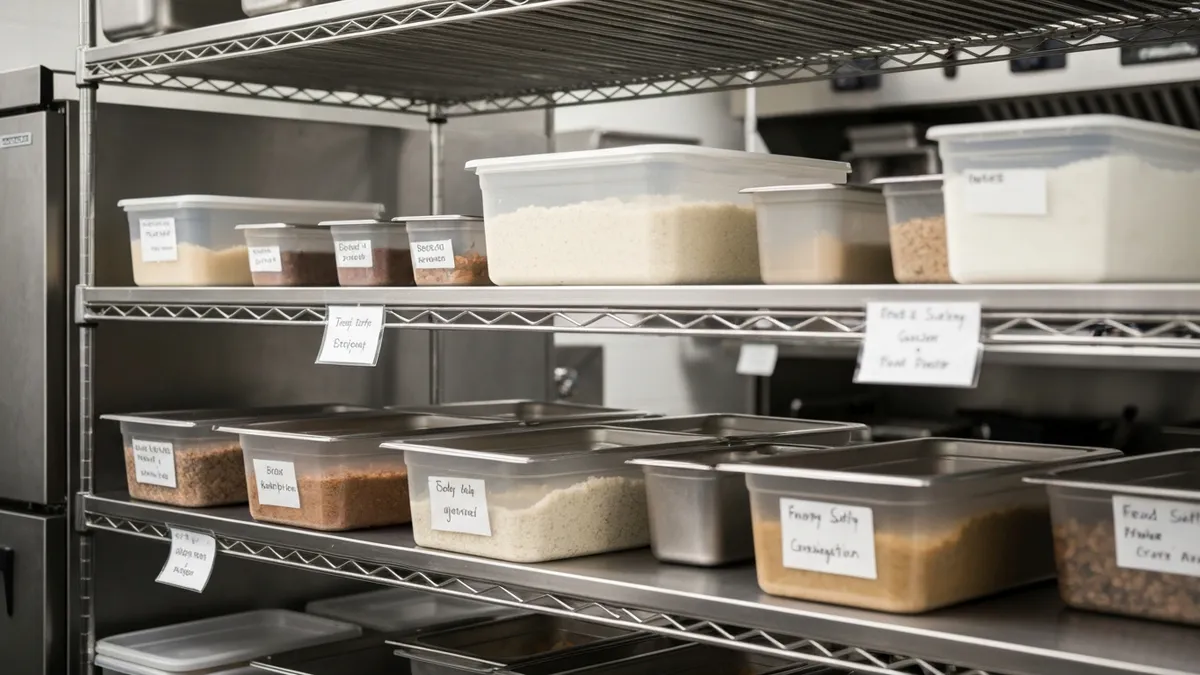
If you suspect any food item has been chemically contaminated — whether from a cleaning product spill, a sanitizer misapplication, or a toxic metal reaction — remove it from service immediately and do not attempt to salvage it by rinsing or reheating. Chemical contaminants cannot be cooked out of food. Contact your local health authority if guests may have already been served the affected product, and document the incident thoroughly for your records.
Building a truly chemical-safe food service operation requires going beyond basic ServSafe compliance into the territory of active, daily management. The most effective food service managers do not simply know the rules — they create systems, habits, and cultures that make chemical contamination essentially impossible. This section covers the practical management strategies that transform theoretical ServSafe knowledge into on-the-floor food safety excellence, strategies that will also serve you well when exam questions test your managerial judgment rather than just your factual recall.
The first pillar of chemical safety management is a rigorous chemical inventory system. Every chemical product in the establishment should be logged — product name, purpose, approved use areas, dilution instructions, and the date it was received. Outdated or discontinued products should be disposed of according to local hazardous waste guidelines, not poured down drains or placed in regular trash. An up-to-date chemical inventory also enables managers to quickly cross-reference chemicals against each other to identify incompatible products that could produce dangerous reactions if accidentally mixed or stored too close together.
The second pillar is a color-coded cleaning system. Many high-performing food service operations assign specific colors to cleaning cloths, buckets, and spray bottles for different zones of the kitchen. Red might indicate tools used in the raw meat preparation area, blue for the salad and ready-to-eat station, and yellow for the dishwashing area.
This visual system prevents cleaning cloths that have been used in high-risk areas from being moved to food-contact surfaces in lower-risk zones, reducing both chemical and biological cross-contamination risk simultaneously. ServSafe does not mandate color coding, but it exemplifies the kind of proactive system thinking the exam rewards.
Staff accountability is the third pillar of chemical safety management. Even the best chemical storage protocols and dilution guidelines are worthless if food handlers do not follow them consistently. ServSafe-trained managers conduct regular observations of cleaning and sanitizing procedures, perform unannounced audits of chemical storage areas, and hold staff accountable for labeling violations. When staff know that a manager actively monitors chemical safety compliance, adherence rates increase substantially. This management-by-walking-around approach to chemical safety is particularly important during high-volume service periods, when shortcuts are most tempting and contamination risk is highest.
Equipment maintenance is often overlooked as a chemical contamination prevention strategy, but it plays a crucial role. Dishwashing machines that are not properly calibrated can either under-dose sanitizer — leaving pathogens alive on dishes — or over-dose, leaving chemical residues that transfer to the next meal. Conveyors, slicers, and mixers with worn or damaged gaskets can trap cleaning chemicals in crevices that are later displaced into food during operation. A proactive equipment maintenance schedule that includes checking all dispensing systems, seals, and moving parts helps prevent equipment-related chemical contamination before it becomes a health code violation.
Documentation is the fourth pillar, and it is particularly important in the context of health inspections and legal accountability. Every chemical-related training session, every pest control treatment, every sanitizer concentration test, and every chemical spill or incident should be documented with the date, time, specific details, and the name of the responsible staff member.
This documentation creates a paper trail that demonstrates the establishment's commitment to chemical safety and provides critical evidence in the event of a customer illness complaint or regulatory investigation. ServSafe strongly encourages managers to develop standardized chemical safety logs as part of their overall food safety management system.
Finally, keep current with regulatory updates. The FDA, EPA, and NSF International periodically update their lists of approved food-contact-safe chemicals, revise maximum allowable concentration limits, and introduce new guidelines for chemical use in food service environments. A ServSafe manager who passed certification several years ago and has not stayed current with these updates may be following outdated protocols. This is one reason why understanding the renewal timelines and continuing education requirements associated with your certification is so important — staying certified means staying current with the latest chemical safety science and regulations.
For a deeper understanding of how certification requirements evolve and why staying current matters beyond just chemical contamination, explore related resources on keeping your credentials active and up-to-date in today's regulatory environment.
As you finalize your preparation for the ServSafe Manager Certification Exam, focusing on chemical contamination as a distinct and highly testable topic will give you a significant advantage over candidates who treat it as a minor subtopic. Chemical contamination questions appear throughout the exam and are often embedded within larger scenario questions that touch on multiple food safety domains simultaneously. The candidates who score highest are those who can recognize chemical contamination risk in context — even when the question does not explicitly label it as a chemical contamination scenario.
One of the most effective study strategies for chemical contamination is to memorize the specific examples that ServSafe uses in its official Manager textbook. The galvanized container and acidic beverage example is the most famous, but the textbook also includes scenarios involving copper plumbing and acidic beverages, improperly stored pesticides in a walk-in cooler, and cleaning product residue on cutting boards. Reading these examples and then testing yourself by creating similar scenarios from scratch forces you to truly internalize the underlying principles rather than just memorizing surface-level facts.
Practice test questions are your single most powerful study tool for chemical contamination. The ServSafe exam uses a scenario-based format that is difficult to prepare for by reading alone. Working through practice questions exposes you to the specific ways the exam phrases chemical contamination scenarios, the types of wrong answers that are designed to trick unprepared candidates, and the reasoning patterns that distinguish correct answers from plausible distractors. Aim to complete at least 100 chemical contamination and cleaning/sanitization practice questions before your exam date.
Time management on exam day matters more than most candidates expect. The ServSafe Manager Exam consists of 90 questions and you have approximately 2 hours to complete it. That averages to about 80 seconds per question, which sounds comfortable but disappears quickly on complex scenario questions. Chemical contamination questions tend to be wordy because they describe detailed kitchen situations. Practice reading scenario questions quickly while retaining the key details — who, what, where, and what went wrong — so you can answer confidently without losing time to re-reading.
In the days immediately before your exam, do a final review of the chemical contamination hierarchy ServSafe uses: physical, chemical, and biological. Know that chemical contamination is defined as the presence of unintended harmful chemicals in food, and know the four main categories — cleaning products, sanitizers, pesticides, and toxic metals. Review the concept of intentional versus unintentional chemical additives. Approved food additives like preservatives and colorings are not chemical contamination; unapproved substances or approved substances at excessive concentrations are. This distinction appears on the exam and trips up many candidates.
Also review the food defense implications of chemical contamination. The ServSafe Food Defense module addresses the possibility that disgruntled employees or external actors might intentionally introduce chemicals into food. While this is statistically rare, ServSafe expects managers to understand that chemical contamination can be both accidental and deliberate, and that the food defense protocols designed to prevent deliberate tampering also help prevent accidental chemical contamination by limiting unauthorized access to food and chemicals.
Finally, on exam day itself, trust your preparation. If a question presents a scenario you have not seen before, apply the core principles you have studied: chemicals near food are a risk, unlabeled containers are a violation, acidic foods and incompatible metals equal chemical contamination, and the correct response to suspected contamination is always to remove and discard the affected food. These principles will guide you to the correct answer even on questions you have never encountered before, because the ServSafe exam rewards understanding over memorization every single time.
ServSafe Questions and Answers

Do ServSafe Certifications Expire? Complete Guide to Renewal, Validity & Staying Compliant

ServSafe Manager Exam Flushing Queens Location: Complete Guide to Finding & Booking Your Test

ServSafe Montana: Complete Food Handler Training & Certification Guide

ServSafe Video Training: How Video-Based Learning Accelerates Your Food Safety Certification

ServSafe Test
About the Author

Registered Sanitarian & Food Safety Certification Expert
Cornell University College of Agriculture and Life SciencesThomas Wright is a Registered Sanitarian and HACCP-certified food safety professional with a Bachelor of Science in Food Science from Cornell University. He has 17 years of experience in food safety auditing, regulatory compliance, and foodservice management training. Thomas prepares food industry professionals for ServSafe Manager, HACCP certification, and state food handler examinations.
Join the Discussion
Connect with other students preparing for this exam. Share tips, ask questions, and get advice from people who have been there.
View discussion (8 replies)