
ServSafe Certification Guide 2026 September — Food Handler & Manager
🧠 Free ServSafe Certification Guide 2026 September practice test with questions and answer explanations. Prepare for the 2026 September exam with instant scoring.

ServSafe is a food safety training and certification program created by the National Restaurant Association. It sets the standard for food safety compliance across the U.S. food service industry. The program covers two primary certification levels — the Food Handler Certificate for frontline workers and the Food Protection Manager Certification for supervisors and managers. Both credentials demonstrate a verified understanding of safe food handling practices and are required or recommended in most U.S. states. If you want to understand what is servsafe in greater detail — including its legal standing by state — that resource has a state-by-state breakdown. To start practicing immediately, take a free servsafe practice test aligned to the actual exam domains.
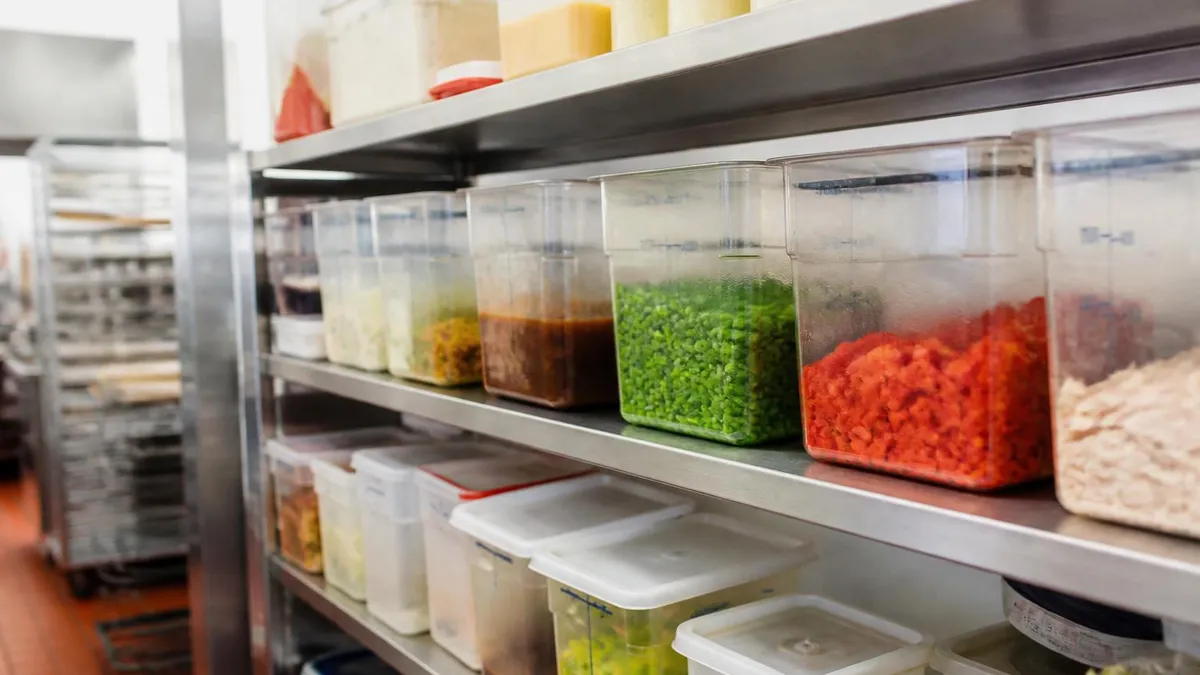
The ServSafe Manager Exam is a 90-question multiple-choice test. Of those 90 questions, 80 are scored and 10 are unscored pilot questions used for future exam development — you will not know which ones are pilots. You must answer at least 60 of the 80 scored questions correctly to earn a passing score of 75%. The exam covers eight content domains: The Safe Food Handler, Food Safety Management Systems, The Flow of Food (purchasing through service), Cleaning and Sanitizing, Safe Facilities and Pest Management, Regulations, and more. For targeted practice on the servsafe manager exam, use a full-length timed mock test that mirrors real exam pacing. If you need structured study support, the servsafe manager online course is a 9-chapter, self-paced course available through the National Restaurant Association's official website.
Topics tested include:
- Foodborne illness — major pathogens, contamination routes, high-risk populations
- Personal hygiene — handwashing procedures, illness policy, proper attire
- Cross-contamination prevention — food storage order, allergen controls, equipment cleaning
- Temperature control — the danger zone (41°F–135°F), safe cooking temperatures, hot/cold holding
- HACCP principles — all 7 principles and how to implement Critical Control Points
- Cleaning and sanitizing — procedures, chemical concentrations, and contact times
Exam Prep and Certification Checklist
- ✓Confirm your required credential level with your state health department or employer
- ✓Purchase the correct ServSafe package at ServSafe.com — not third-party resellers
- ✓Study the temperature danger zone: 41°F–135°F (TCS foods must not stay in this range more than 4 hours total)
- ✓Memorize safe cooking temperatures: 165°F poultry, 155°F ground meat, 145°F whole fish/pork, 135°F hot-holding
- ✓Review the Big 6 foodborne pathogens: Norovirus, Hepatitis A, Salmonella, E. coli, Shigella, Campylobacter
- ✓Understand all 7 HACCP principles and how to apply Critical Control Points in a flow-of-food model
- ✓Know the 9 major allergens: milk, eggs, fish, shellfish, tree nuts, peanuts, wheat, soy, sesame
- ✓Complete at least 3 full-length timed mock exams using free servsafe test prep resources
- ✓For Manager exam: schedule your proctored session at least 48 hours in advance
- ✓On exam day: bring valid government-issued photo ID, arrive (or log on) 15 minutes early

Preparing for the ServSafe Manager exam requires focused study across all eight content domains. Students who pass on their first attempt typically spend 8–16 hours studying over one to two weeks. The most effective preparation strategy combines reading the official coursebook, watching any included video modules, and taking timed servsafe test prep sessions that replicate exam conditions. If you are looking for a comprehensive resource, the servsafe complete study guide covers all domains with practice questions and detailed explanations. For those who prefer chapter-by-chapter review, the servsafe 30-day study plan provides a structured daily schedule from zero to exam-ready. The average first-time pass rate is approximately 65–70%, so structured preparation is essential — not optional.
ServSafe Certification Pros and Cons
- +ServSafe has a defined, publicly available content blueprint — candidates know exactly what to prepare for
- +Multiple preparation pathways (self-study, courses, coaching) accommodate different learning styles and schedules
- +A growing ecosystem of study resources means candidates at any budget level can access quality preparation materials
- +Clear score reporting allows candidates to identify specific strengths and weaknesses for targeted remediation
- +Professional recognition associated with strong performance provides tangible career and academic benefits
- −The scope of tested content requires substantial preparation time that competes with existing professional or academic commitments
- −No single resource covers the full content scope — candidates typically need multiple study tools for comprehensive preparation
- −Test anxiety and exam-day performance variability mean preparation effort does not always translate linearly to scores
- −Registration, preparation, and potential retake costs accumulate into a significant financial investment
- −Content and format can change between exam versions, making older preparation materials less reliable

ServSafe Questions and Answers
Related ServSafe Resources

ServSafe Practice Test 2026

ServSafe Food Handler Guide 2026 — Certification Requirements

SERVSAFE Manager 2026: Complete Guide to the Manager Certification Exam

ServSafe - ServSafe Food Safety: Complete Study Guide 2026

30-Day ServSafe Study Plan — Pass on Your First Try
About the Author

Educational Psychologist & Academic Test Preparation Expert
Columbia University Teachers CollegeDr. Lisa Patel holds a Doctorate in Education from Columbia University Teachers College and has spent 17 years researching standardized test design and academic assessment. She has developed preparation programs for SAT, ACT, GRE, LSAT, UCAT, and numerous professional licensing exams, helping students of all backgrounds achieve their target scores.
Join the Discussion
Connect with other students preparing for this exam. Share tips, ask questions, and get advice from people who have been there.
View discussion (7 replies)