

CRC Practice Test
Updated for September 2026The Certified Rehabilitation Counselor (CRC) credential is a mark of excellence and commitment in the field of rehabilitation counseling. It represents a professional’s dedication to helping individuals with physical, emotional, or mental disabilities achieve personal, social, and vocational goals. Earning the CRC not only validates your expertise but also opens the door to fulfilling and well-compensated opportunities in various healthcare and social work environments.
This article provides a detailed guide to understanding the CRC exam, including the degree path, job responsibilities, and how to begin a career in this growing field. Whether you are preparing for the exam or considering rehabilitation counseling as a profession, this resource will help you make informed decisions.
CRC Practice Test Questions
Prepare for the CRC - Certified Rehab Counselor exam with our free practice test modules. Each quiz covers key topics to help you pass on your first try.
CRC Career Development & Job Placement
CRC Exam Questions covering CRC Career Development & Job Placement. Master CRC Test concepts for certification prep.
CRC Rehabilitation Planning & Goal Setting
Free CRC Practice Test featuring CRC Rehabilitation Planning & Goal Setting. Improve your CRC Exam score with mock test prep.
CRC Disability Law & Legislation
CRC Mock Exam on Disability Law & Legislation. CRC Study Guide questions to pass on your first try.
CRC Documentation Standards
CRC Test Prep for Documentation Standards. Practice CRC Quiz questions and boost your score.
CRC Ethics and Confidentiality
CRC Questions and Answers on Ethics and Confidentiality. Free CRC practice for exam readiness.
CRC Health Promotion
CRC Mock Test covering Health Promotion. Online CRC Test practice with instant feedback.
CRC Infection Prevention
Free CRC Quiz on Infection Prevention. CRC Exam prep questions with detailed explanations.
CRC Interdisciplinary Care
CRC Practice Questions for Interdisciplinary Care. Build confidence for your CRC certification exam.
CRC Patient Assessment
CRC Test Online for Patient Assessment. Free practice with instant results and feedback.
CRC Quality Improvement
CRC Study Material on Quality Improvement. Prepare effectively with real exam-style questions.
CRC Treatment Protocols
Free CRC Test covering Treatment Protocols. Practice and track your CRC exam readiness.
CRC Case Management & Vocational Rehabilit...
CRC Exam Questions covering Case Management & Vocational Rehabilitation. Master CRC Test concepts for certification prep.
CRC Counseling Theories & Techniques
Free CRC Practice Test featuring Counseling Theories & Techniques. Improve your CRC Exam score with mock test prep.
Key Takeaways
Free CRC Practice Test Online
A master’s degree in rehabilitation counseling or a related field is typically required for CRC eligibility.
Rehabilitation counselors assist individuals with disabilities in reaching their employment and independence goals.
The CRC certification is administered by the Commission on Rehabilitation Counselor Certification (CRCC).
Certified professionals have access to a wide range of career paths and competitive salaries.
Rehab Counselor Degree
To become eligible for the CRC certification, candidates must complete a graduate degree in rehabilitation counseling or a closely related program that meets the standards set by the Council on Rehabilitation Education (CORE) or CACREP (Council for Accreditation of Counseling and Related Educational Programs).
Degree programs often cover topics such as:
Human growth and development
Psychosocial and vocational aspects of disability
Counseling theories and techniques
Case management
Medical and psychological aspects of disabilities
In addition to coursework, supervised clinical experience or internships are crucial parts of the curriculum, ensuring practical exposure to real-world scenarios. Some institutions also offer CRC exam preparation as part of their curriculum.
- ✓Review the official CRC exam content outline
- ✓Take a diagnostic practice test to identify weak areas
- ✓Create a study schedule (4-8 weeks recommended)
- ✓Focus on your weakest domains first
- ✓Complete at least 3 full-length practice exams
- ✓Review all incorrect answers with detailed explanations
- ✓Take a final practice test 1 week before exam day

What Is a Rehab Counselor
A rehabilitation counselor is a trained professional who helps individuals with physical, mental, emotional, or developmental disabilities lead independent and meaningful lives. The focus is not just on employment but also on improving quality of life and integration into the community.
These counselors evaluate individual needs, develop personalized rehabilitation programs, coordinate services, and provide counseling on coping mechanisms, job readiness, and life skills. Their ultimate goal is to empower clients to live independently and contribute productively to society.
Rehabilitation counseling draws from fields such as psychology, vocational training, and disability studies, making it a multifaceted profession that demands empathy, patience, and clinical knowledge.
What Does a Rehab Counselor Do
Rehabilitation counselors serve a diverse population that may include individuals with injuries, chronic illnesses, substance abuse problems, or mental health conditions. Their role is dynamic, and job responsibilities may vary depending on the work environment.
Typical tasks include:
Conducting assessments to determine client needs
Creating individualized rehabilitation or treatment plans
Assisting clients in finding employment or educational opportunities
Collaborating with medical professionals, educators, and employers
Advocating for accessibility and policy changes
Rehabilitation counselors can work in various settings, such as:
Vocational rehabilitation centers
Mental health clinics
Veterans' organizations
Schools and universities
Private practice
This role is integral in bridging the gap between clinical therapy and practical life reintegration.
How to Become a Rehab Counselor
Becoming a rehabilitation counselor involves several structured steps, from education to certification. Below is a step-by-step pathway to begin your journey:
Earn a Bachelor's Degree: Start with a bachelor's in psychology, social work, human services, or a related field.
Pursue a Master's Degree: Enroll in a graduate program in rehabilitation counseling that is accredited by CACREP or CORE.
Gain Supervised Clinical Experience: Most programs require students to complete internships or practicums under licensed professionals.
Pass the CRC Exam: Apply through the Commission on Rehabilitation Counselor Certification (CRCC) and meet the eligibility criteria. The exam assesses competencies in areas like counseling techniques, ethics, and case management.
Apply for State Licensure (if required): Some states mandate licensure in addition to national certification. Check with your state’s licensing board.
Continue Professional Development: Maintain your CRC status through continuing education, which ensures you stay updated with current practices.

Rehab Counselor Salary
Rehabilitation counselors enjoy steady employment opportunities and the potential for salary growth with experience and certification. According to the U.S. Bureau of Labor Statistics:
Median Annual Salary: Approximately $39,990
Top 10% of Earners: Over $66,000
Work Settings Impact Pay: Those in government or private practice often earn more than those in educational or community settings.
Factors that influence salary include:
Certification and credentials
Years of experience
Geographic location
Type of employer
Specializations within rehabilitation counseling, such as vocational rehab or substance abuse recovery, can also impact earning potential and job availability.
Conclusion
Earning the Certified Rehabilitation Counselor (CRC) credential is a strategic step for professionals seeking to make a difference in the lives of individuals with disabilities. With a strong educational foundation, a commitment to ethical practice, and a passion for helping others, rehab counselors contribute significantly to individual and societal well-being.
From selecting the right degree to passing the CRC exam, each step is a vital part of building a fulfilling career. As demand for rehabilitation counseling services continues to grow, certified professionals will remain at the forefront of accessible care and advocacy.
CRC: Pros and Cons
- +CRC certification validates expertise recognized by employers nationwide
- +Certified professionals typically earn 15-20% higher salaries
- +Opens doors to advanced positions and leadership roles
- +Demonstrates commitment to professional standards and ethics
- +Builds a strong professional network through certification communities
- −Exam preparation typically requires 2-4 months of dedicated study
- −Certification and exam fees can range from $150-$500+
- −Must complete continuing education to maintain active certification
- −Pass rates vary — thorough preparation is essential for success
- −Some certifications require prerequisite experience or education
(CRC) Certified Rehab Counselor Questions and Answers
About the Author
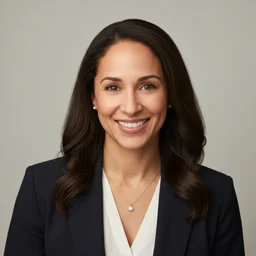
Licensed Counselor & Mental Health Certification Specialist
University of Texas at AustinDr. Angela Ross holds a PhD in Counseling Psychology from the University of Texas at Austin and is licensed as both a Professional Counselor (LPC) and Marriage and Family Therapist (LMFT). With 15 years of clinical and academic experience, she specializes in helping counseling graduates prepare for the NCE, NCMHCE, and state licensure examinations.
Join the Discussion
Connect with other students preparing for this exam. Share tips, ask questions, and get advice from people who have been there.
View discussion (9 replies)